11 Space-Saving Kitchen Island with Seating Ideas That Add Function and Style
A kitchen island with seating is a dream feature, but in smaller spaces, it can feel like a squeeze. The trick is choosing a design that works double duty—offering a spot to perch while hiding away pots, pans, and pantry staples.
Whether you're remodeling or just refreshing, these 11 ideas prove you don't need a sprawling floor plan to get that coveted island look.
Each one is built around smart storage and comfortable seating, so your kitchen stays clutter-free and welcoming.
1. Drop-Leaf Island That Expands When You Need It
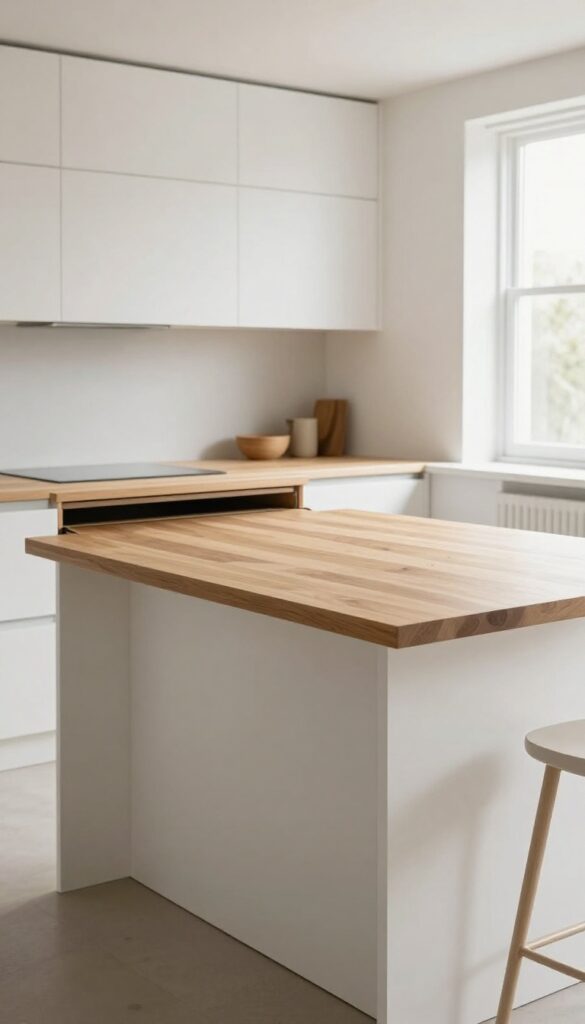
A drop-leaf island is the ultimate shape-shifter for small kitchens. Most of the time, it stays slim and streamlined, letting you move through the room without bumping into anything. But when you need extra counter space for meal prep or a spot for casual dining, the hinged sides flip up in seconds.
It’s like having two islands in one—compact when you want it, generous when you need it.
Why It Works
The drop-leaf design gives you flexibility without sacrificing floor space. When the leaves are down, the island takes up minimal room, making it ideal for galley kitchens or tight layouts. When they’re up, you gain a temporary eating area or extra prep surface—perfect for when guests drop by or you’re tackling a big recipe.
Best For
This idea shines in narrow kitchens where a full-size island would block traffic. It’s also great for apartment dwellers or anyone who wants seating options without committing to a permanent table. If your kitchen doubles as a dining area, the drop-leaf island can transform from workhorse to gathering spot in a flash.
Styling Tip
Choose a drop-leaf island with a finished look on all sides, so it feels intentional whether the leaves are up or down. Paint the base in a contrasting color to make it pop, or match it to your cabinetry for a seamless feel. Add a couple of slim bar stools that tuck completely underneath when not in use.
2. Slim Rolling Cart with Bar Stool Storage
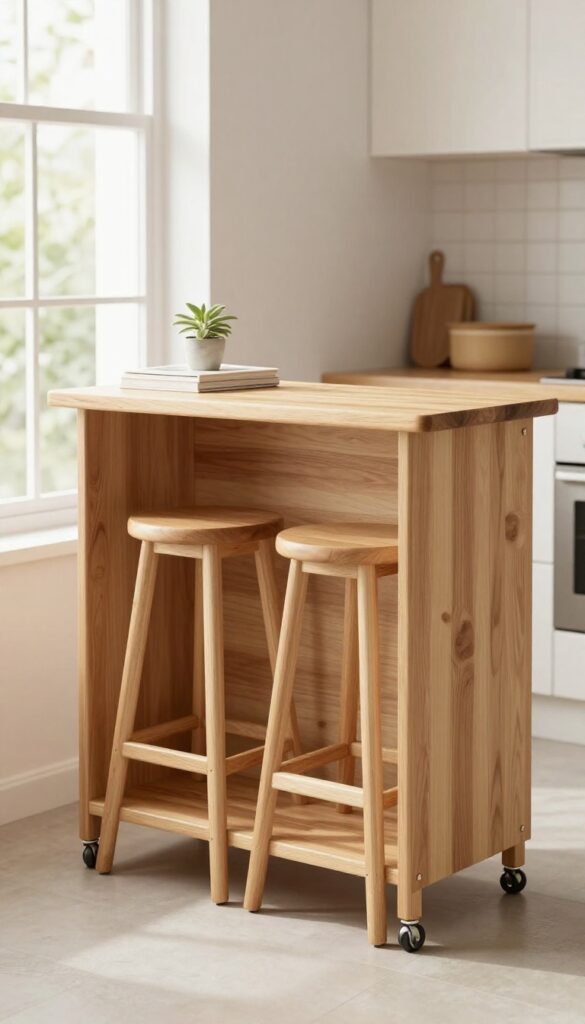
A slim rolling cart might not scream kitchen island at first glance, but it quietly solves two problems at once: it adds counter space when you need it and hides seating when you don't. The key is a narrow profile with open shelving and a built-in rack that holds bar stools like books on a shelf. Roll it out for meal prep or a quick breakfast, then tuck it against a wall or into a corner.
It feels like a piece of furniture rather than an appliance, which makes it especially welcome in rental kitchens or tiny apartments where permanent islands aren't an option.
Why It Works
Because it's mobile, you can reposition it based on your workflow—roll it near the stove while cooking, then move it to a dining area for casual meals. The open shelving keeps everyday items accessible, and the stool storage means you never have to hunt for a place to sit. It's a zero-commitment island that adapts to your space, not the other way around.
Best For
Renters who can't install permanent fixtures, small apartments where every square inch counts, and anyone who wants the flexibility of an island without the weight or cost. It also works well in galley kitchens where a full island would block traffic.
Styling Tip
Choose a cart with a butcher-block or solid wood top for a warm, substantial feel. Add a few matching bar stools with slim legs that slide easily into the rack. Keep the shelves styled with a mix of cookbooks, a small plant, and everyday dishes so it looks intentional even when rolled away.
3. Multi-Level Island with Breakfast Bar Overhang
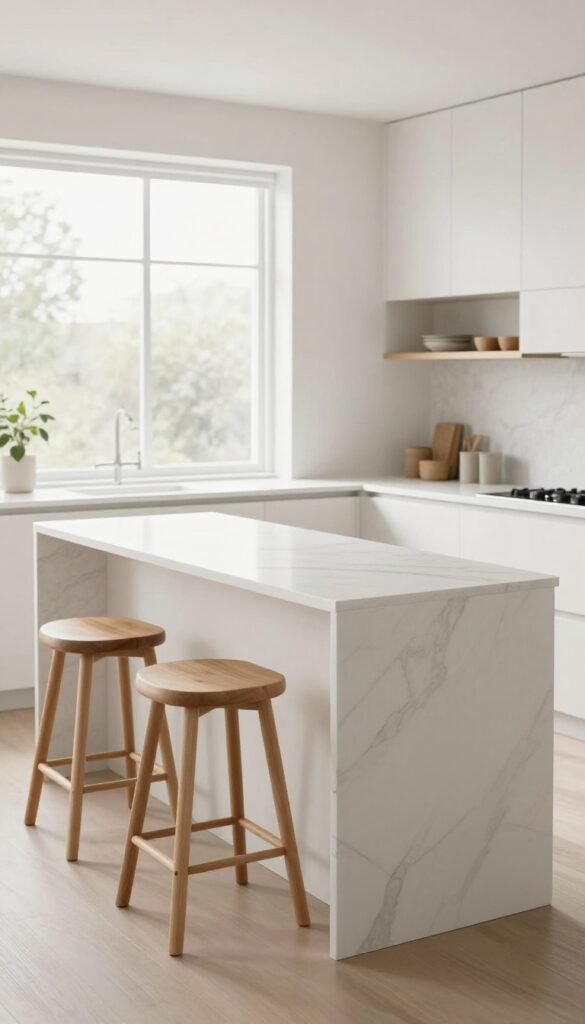
A two-tier island brings both function and flair to a compact kitchen. The lower level gives you a generous prep zone, while the raised bar-height overhang creates a casual spot for quick meals or morning coffee. This split design naturally hides any countertop mess from the seating area, so your kitchen always looks tidy even when you're mid-recipe.
Why It Works
The step-down layout keeps cooking clutter out of sight from the breakfast bar, making the space feel cleaner and more intentional. It also adds architectural interest without taking up extra floor space, which is a huge win for small kitchens.
Best For
Open-concept kitchens where the island doubles as a room divider, or for families who need a spot for kids to do homework while meals are prepped.
Styling Tip
Use the same countertop material on both levels for a cohesive look, but vary the edge profile—a waterfall edge on the lower tier and a beveled edge on the overhang adds subtle detail.
4. Corner Island with L-Shaped Seating
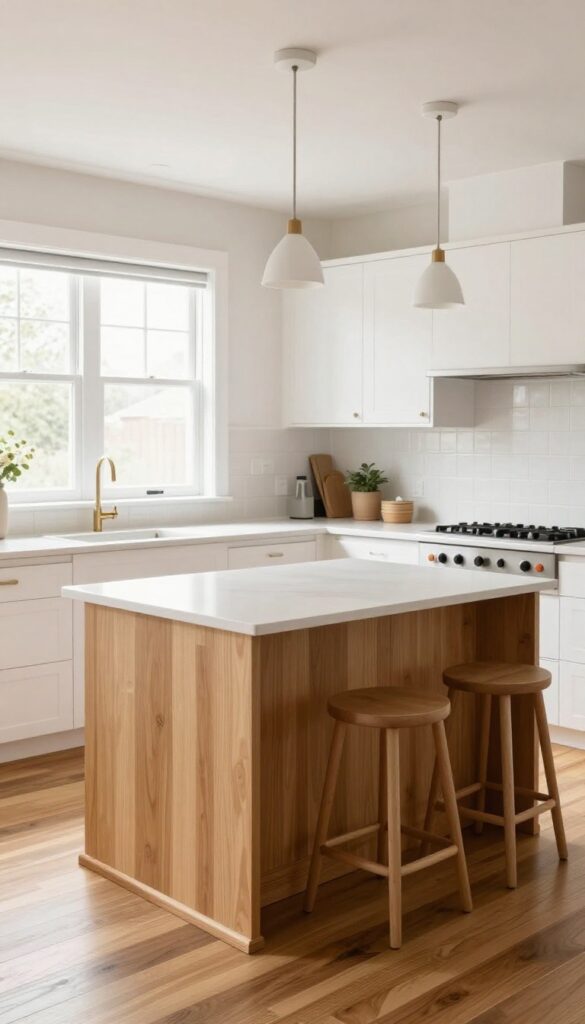
Not every kitchen has room for a standalone island, but that doesn't mean you have to skip the extra counter space and seating. A corner island with an L-shaped countertop makes the most of an often-underused spot, wrapping around the corner to create a natural gathering area. The design feels built-in and intentional, with seating tucked along two sides so you can slide in stools without blocking walkways.
Base cabinets below keep the look streamlined while hiding away pots, pans, or small appliances.
Why It Works
This layout maximizes every inch by turning a dead corner into a functional hub. The L-shape provides two distinct seating zones, which can handle multiple people without feeling cramped. Plus, the storage below keeps clutter off the counter, reinforcing the storage-smart angle.
Best For
Small to medium kitchens where a central island would block traffic. It's also ideal for galley or L-shaped kitchens that have an empty corner waiting to be used.
Styling Tip
Choose slim, backless stools that can tuck completely under the counter when not in use. A pair of pendant lights centered over the seating area defines the zone and adds warmth without overwhelming the space.
5. Open Shelf Island with Basket Storage
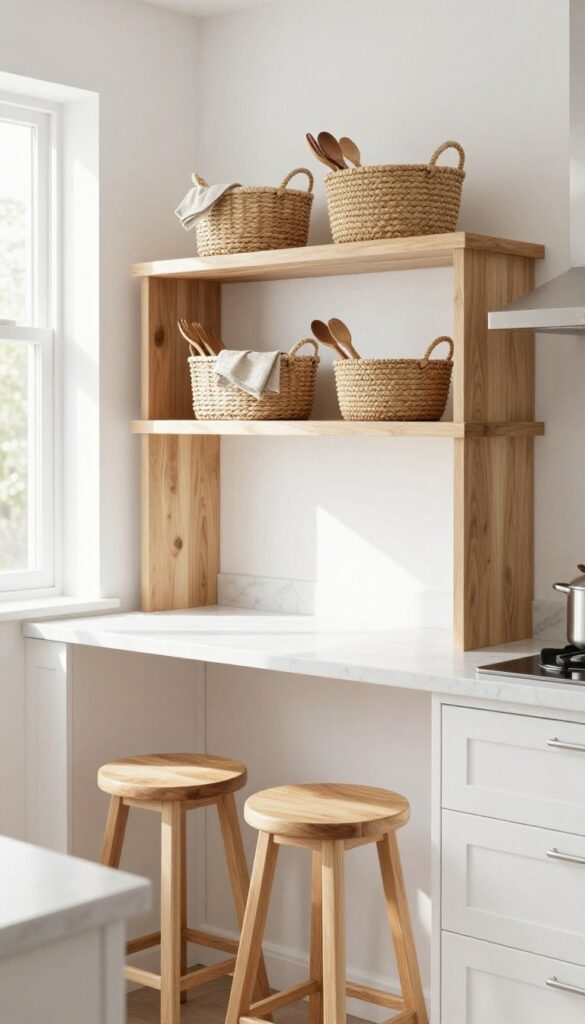
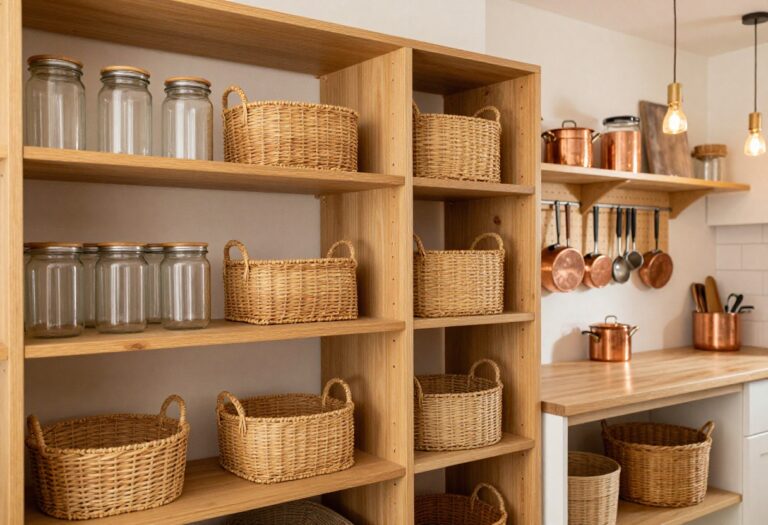
An open shelf island with basket storage strikes a perfect balance between display and concealment. The woven baskets add warmth and texture, while the open shelves keep the kitchen feeling light and uncluttered. Stools tuck neatly underneath, making this a smart choice for smaller kitchens where every inch counts.
Why It Works
Open shelves make the island feel less bulky than closed cabinets, which is key in a tight space. Baskets keep everyday items like napkins, utensils, or snacks organized and easy to grab, while hiding visual clutter. The stools slide under when not in use, freeing up floor space and maintaining an open, airy look.
Best For
This island works especially well in narrow kitchens or open-plan layouts where you want to define the cooking zone without blocking sightlines. It’s also great for renters who can’t install permanent cabinetry, since the island can be a freestanding piece with removable baskets.
Styling Tip
Choose baskets in a natural material like seagrass or water hyacinth to add organic texture. Keep the shelves themselves in a light wood tone or white to contrast with the baskets. Limit what you store on the open shelves to a few matching items—like a stack of linen napkins or a set of wooden bowls—so the look stays curated, not chaotic.
6. Butcher Block Top with Drawer Dividers
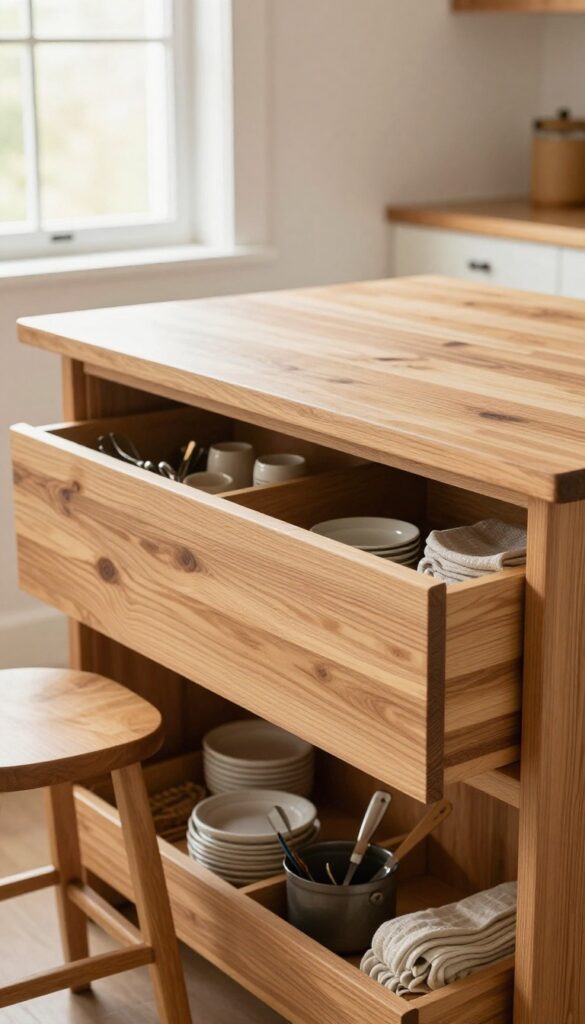
A butcher block countertop brings warmth and practicality to any kitchen island. The wood surface is naturally durable, so you can chop, slice, and prep right on it without worry. Below, deep drawers with custom dividers keep utensils, linens, and gadgets neatly organized, making everything easy to grab.
Stools tuck under the overhang, keeping the layout clean and open.
Why It Works
The butcher block top doubles as a workhorse prep area, while the drawer dividers eliminate clutter and make the most of every inch. This combo means you get both a functional workstation and hidden storage in one compact island.
Best For
This idea shines in smaller kitchens where every square foot counts. It's also great for families who cook often and need quick access to tools without countertop chaos.
Styling Tip
Choose a light wood like maple or birch to keep the space airy, and pair it with matte black or brushed brass hardware for a subtle contrast. Add a small potted herb or a wooden cutting board on top to reinforce the natural feel.
7. Fold-Down Table Attached to a Cabinet Base
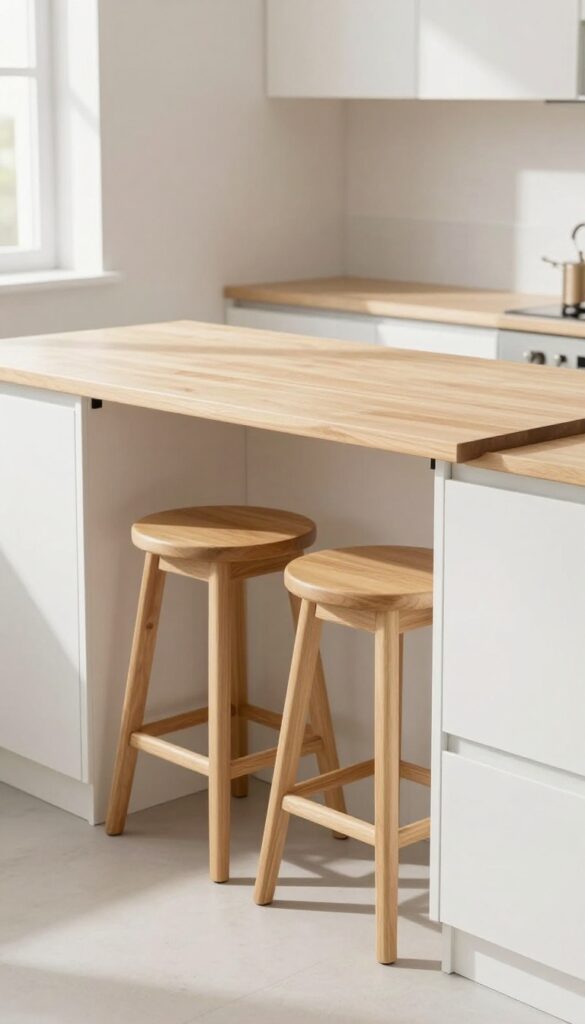
Picture a slim table that folds down from a cabinet base, giving you a spot to eat or prep without taking up permanent floor space. When you're done, just flip it up and the room goes back to being wide open. It's like having a secret island that only appears when you need it.
Why It Works
This setup maximizes every inch by using vertical real estate that would otherwise be wasted. The fold-down mechanism means zero footprint when not in use, making it a genius solution for galley kitchens or tiny apartments where every square foot counts.
Best For
Ultra-small kitchens, studio apartments, or any space where a permanent island would block traffic flow. It's also great for renters who can't modify walls but can attach to existing cabinetry.
Styling Tip
Choose a tabletop material that complements your countertops—butcher block adds warmth, while a white laminate keeps things airy. Add two sleek bar stools that can tuck completely under the folded table or be stored nearby.
8. Island with Built-In Wine Rack and Stool Nook
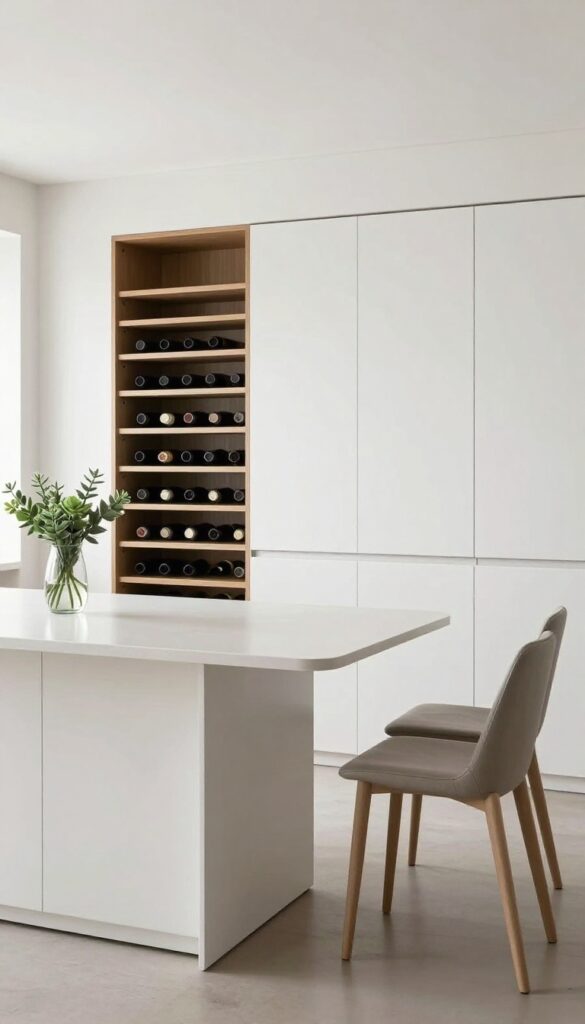
A kitchen island that pulls double duty as a wine bar and casual dining spot? Yes, please. This design tucks a slim wine rack into one end and carves out a curved nook for two stools on the opposite side.
The result is a compact workstation that feels like a mini entertaining hub without eating up floor space. Closed cabinets below keep the look clean while hiding away extra dishes or pantry overflow.
Why It Works
It makes the most of every inch by combining seating, storage, and display in one piece. The wine rack keeps bottles within easy reach for impromptu gatherings, while the curved nook creates a natural spot to perch with a glass of wine or a quick meal. The closed storage below prevents visual clutter, so the island stays streamlined even when it's holding a lot.
Best For
Kitchens that double as social spaces, especially in open-plan layouts where the island becomes the go-to spot for casual drinks or breakfast. It's also great for wine enthusiasts who want a dedicated but space-efficient wine storage solution.
Styling Tip
Keep the wine rack visible but tidy by sticking to a consistent bottle orientation and adding a small LED strip underneath for a warm glow. Choose stools with a slim profile and a footrest that tucks neatly into the curved nook. Finish the look with a couple of low-maintenance succulents or a small vase on the countertop.
9. Narrow Peninsula Island with Counter Stools
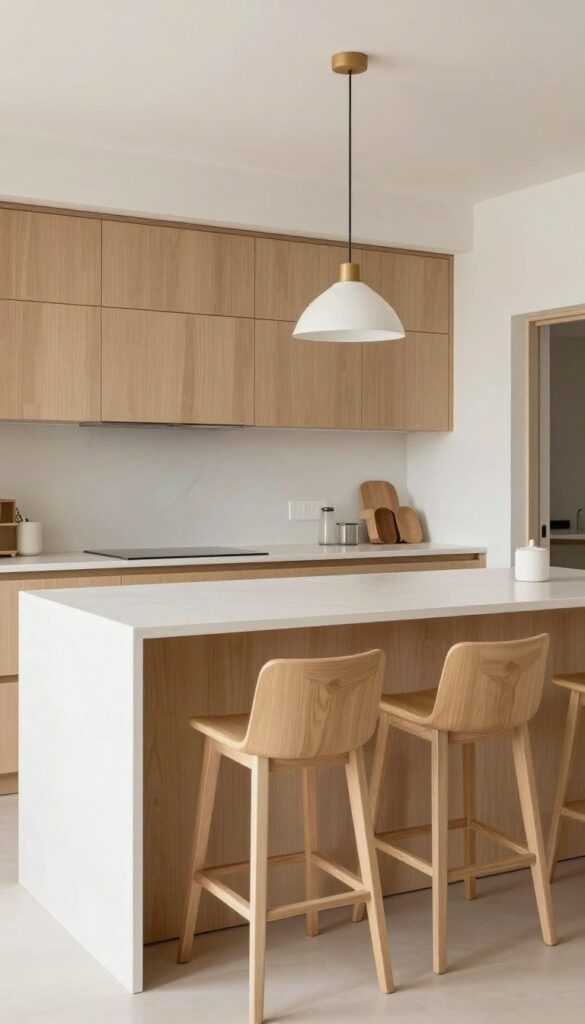
Not every kitchen has the square footage for a full island, but a narrow peninsula can deliver the same benefits in a tighter footprint. Extending from a wall or existing counter, this slim addition creates a natural breakfast bar without blocking traffic flow. It feels intentional and built-in, not like an afterthought, and the streamlined shape keeps the room open while adding valuable seating and storage.
Why It Works
A peninsula uses existing wall space, so it doesn't require the clearance needed for a standalone island. The narrow profile—usually 24 to 30 inches deep—leaves plenty of room for walking and working on the other side. Cabinetry underneath can hold pots, pans, or pantry items, making every inch count in a small kitchen.
Best For
Galley kitchens, L-shaped layouts, and open-plan spaces where a full island would crowd the room. It's also great for renters or homeowners who want to add counter space without a major renovation, since it can often be built off an existing cabinet run.
Styling Tip
Choose backless counter stools in a light finish, like white oak or wire-brushed ash, to keep the peninsula feeling airy. Tuck a slim cutting board or a row of cookbooks on the end for a lived-in look that still feels tidy. A single pendant light centered above the seating area defines the zone without overwhelming the space.
10. Island with Pull-Out Cutting Board and Trash Bin
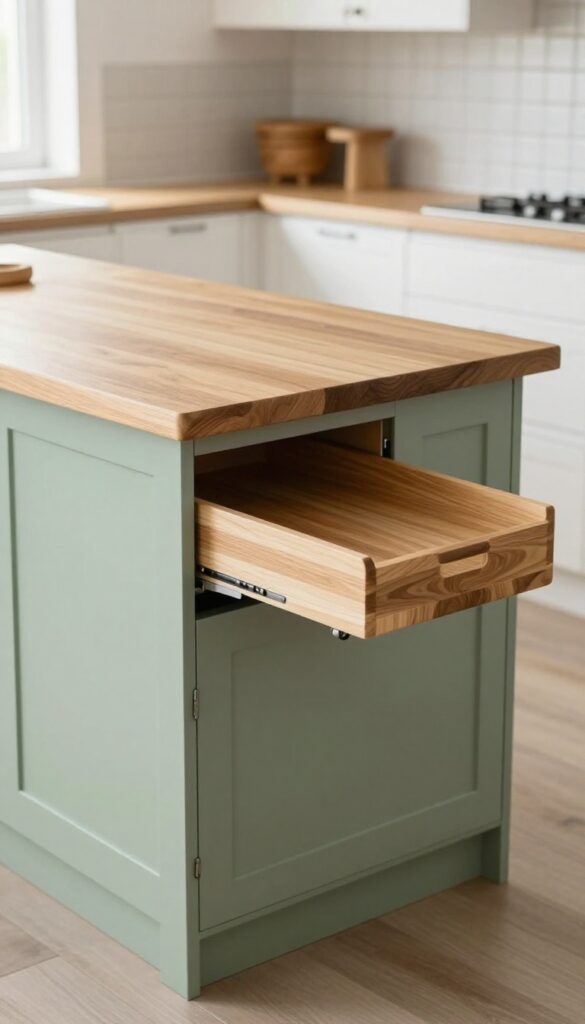
Some kitchen islands try to do too much, ending up cluttered and cramped. This one keeps things streamlined by tucking a pull-out cutting board and a hidden trash bin into the same compact footprint. The cutting board slides out when you need extra prep space and disappears when you don't, while the trash drawer keeps mess out of sight.
Stools line up neatly on the opposite side, making the island feel balanced and intentional rather than overcrowded.
Why It Works
It packs two high-use functions into one small island without adding visual bulk. The pull-out cutting board creates a temporary work surface that doesn't eat into floor space, and the hidden trash bin eliminates the need for a separate can. This keeps the kitchen feeling open and tidy, which is especially valuable in tight layouts.
Best For
Small to medium kitchens where every square inch counts. It's also great for cooks who prep a lot and want a dedicated chopping area that can be stashed away. The design works well in galley kitchens or L-shaped layouts where a full-size island would be too big.
Styling Tip
Choose a cutting board made of warm wood like acacia or teak to add a natural texture against a painted island. Match the trash bin drawer front to the cabinetry for a seamless look. Add a slim soapstone or butcher block countertop to tie the prep area together visually.
11. Convertible Island with Hidden Stool Compartment
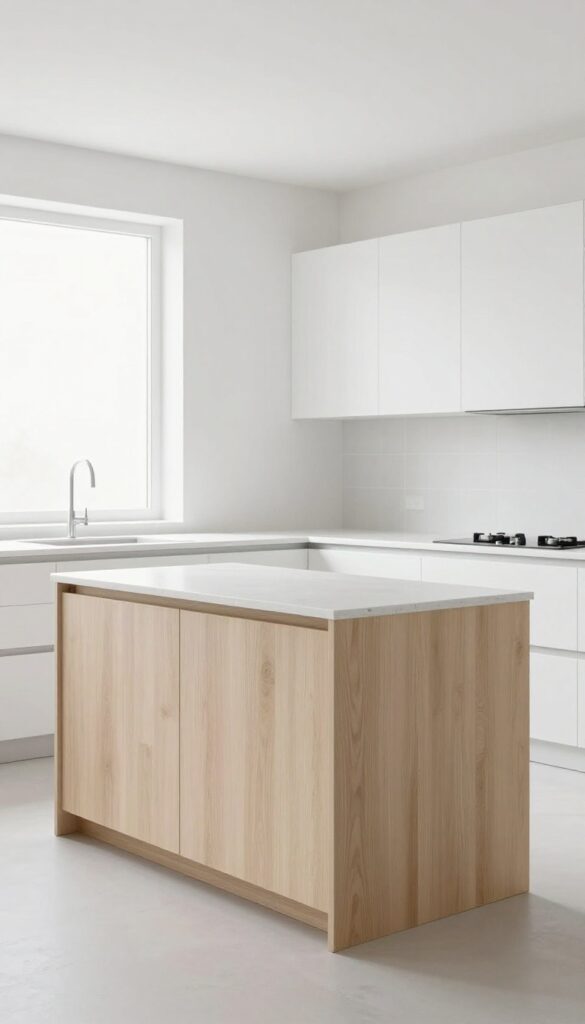
Imagine a kitchen island that hides its seating when not in use, keeping your space clutter-free and versatile. This clever design features a flip-top counter that reveals a built-in storage compartment for stools, so you can pull them out when needed and tuck them away after meals. It’s a practical solution for multipurpose rooms where every square foot counts, and when closed, the island looks like a sleek, minimalist furniture piece.
Why It Works
This island maximizes functionality without sacrificing style. The hidden compartment keeps stools out of sight, maintaining a clean, open look in your kitchen. It’s perfect for small spaces where you need extra seating for guests but don’t want permanent bar stools taking up floor area.
Best For
Ideal for studio apartments, open-plan living, or kitchens that double as dining or work areas. It’s also great for homes where you entertain occasionally but need the island to serve as a prep station or desk most of the time.
Styling Tip
Choose stools that are lightweight and stackable for easy storage inside the compartment. Match the island’s countertop material to your existing kitchen surfaces for a cohesive look, and add a pop of color with the stools to make them feel intentional when they’re out.
FAQ
How much clearance do I need for a kitchen island with seating?
Aim for at least 36 inches of clearance on all sides for walkways, and 44 to 48 inches if you plan to have seating. This allows enough room for stools and people to move comfortably.
What size stools work best for a kitchen island?
For a standard 36-inch counter, use counter-height stools (24-26 inches seat height). For a raised bar (42 inches), go with bar-height stools (28-30 inches). Leave about 10-12 inches between the seat and the counter overhang.
Can I add storage to a small rolling island?
Absolutely. Look for rolling islands with shelves, drawers, or built-in racks. You can also add hooks on the sides for towels or utensils, and use baskets on open shelves to keep items organized.
What's the best way to maximize storage in a kitchen island?
Combine deep drawers for pots and pans, pull-out shelves for small appliances, and open cubbies for cookbooks or baskets. Use vertical dividers for baking sheets and cutting boards.
How do I make a kitchen island with seating feel less bulky?
Choose a slim profile with tapered legs or an open base. Use light colors or glass-front cabinets. A drop-leaf or fold-down design also reduces visual weight when not in use.
Conclusion
A kitchen island with seating doesn't have to be a space hog. With the right design, you can carve out a spot for morning coffee and meal prep without sacrificing storage.
Whether you opt for a rolling cart or a built-in with hidden compartments, these ideas prove that small kitchens can still have big style. Pick the one that fits your layout, and enjoy a kitchen that works harder for you.