13 Patio Extension Ideas for More Outdoor Living Space
You know that moment when you step outside with your coffee, look at your patio, and think, “This is nice, but it could be so much better”?
Yeah, I’ve been there more times than I’ll admit. I love outdoor living, and I’ve learned through trial, error, and a few “why did I do that?” moments that extending your patio can totally change how you use your home.
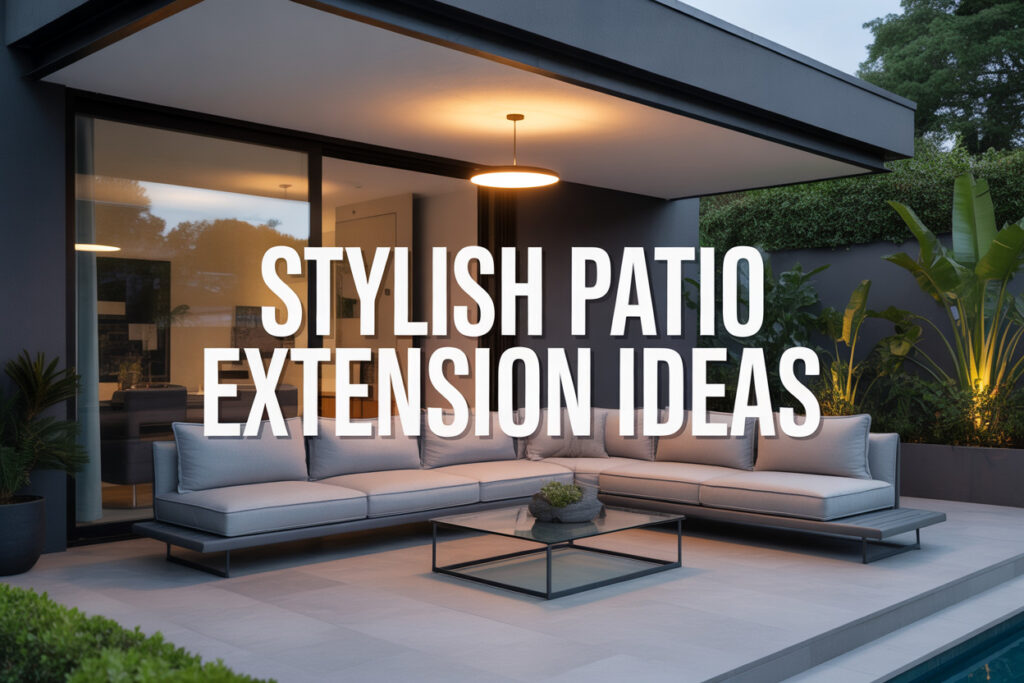
Let’s talk about smart, realistic patio extension ideas that actually give you more outdoor living space without turning your yard into a construction zone nightmare.
1. Extend with a Ground-Level Paver Patio
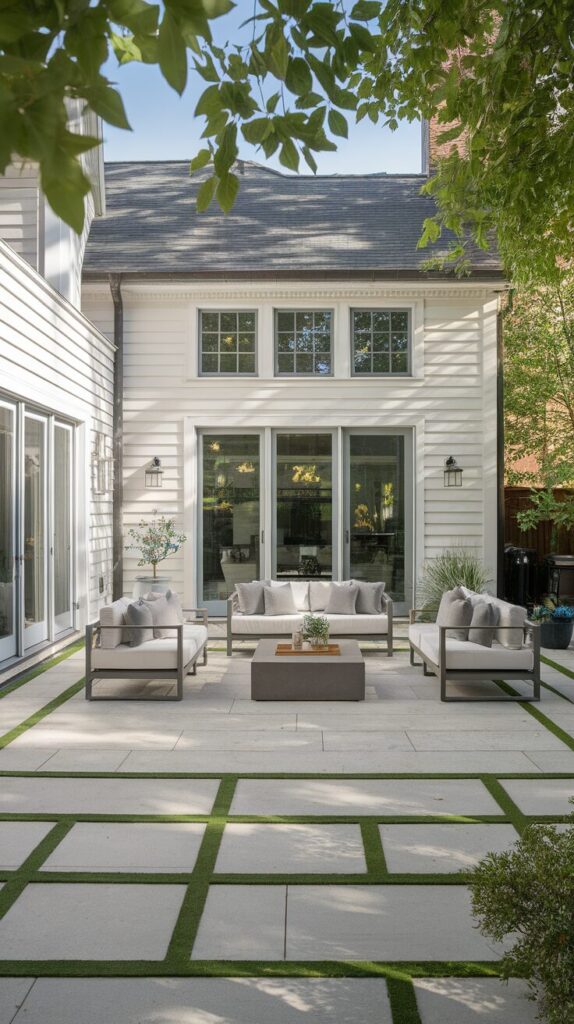
I always suggest starting simple, and a ground-level paver extension sits at the top of my list for a reason. Pavers give you flexibility, design freedom, and a finished look that feels intentional rather than slapped together.
Ever noticed how a few extra feet of patio suddenly makes outdoor furniture placement feel less like a puzzle?
Why Pavers Work So Well
Pavers let you extend your patio without matching concrete perfectly, which honestly saves your sanity. You can choose textures, colors, and patterns that complement your home instead of fighting it.
Key advantages of paver patio extensions:
- Easy to expand in phases if budget matters
- Strong drainage when installed correctly
- DIY-friendly compared to poured concrete
- Easy repairs if one section cracks
IMO, pavers give you the most bang for your buck if you want usable space fast.
2. Create a Seamless Concrete Patio Expansion
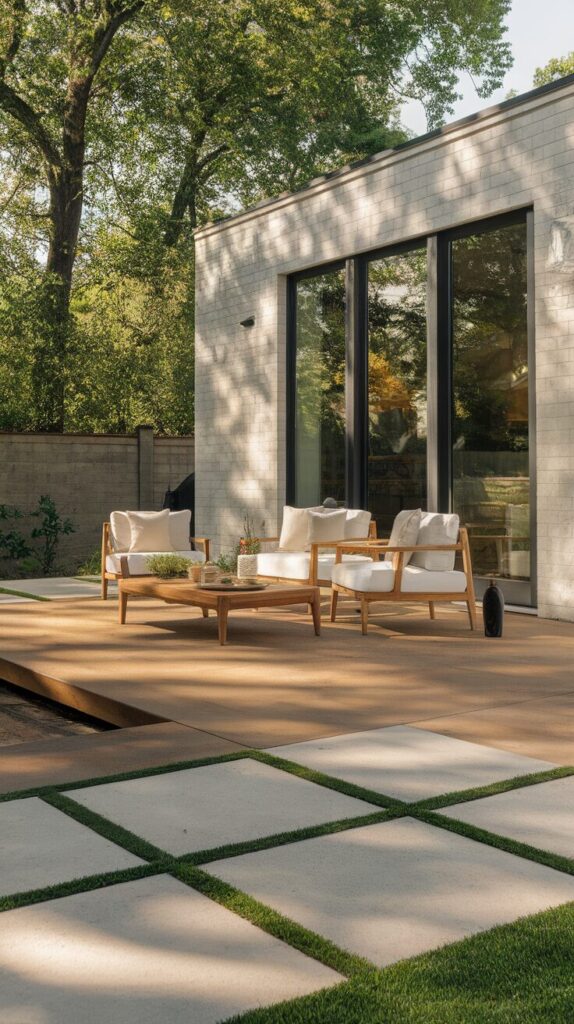
Concrete gets a bad rap, but a well-designed concrete extension can look clean, modern, and surprisingly cozy. I’ve seen patios where the extension looked like it existed from day one, and that’s the sweet spot.
How to Make Concrete Feel Intentional
You need consistency in finish and color, or at least a design contrast that looks planned. Stamped or stained concrete works wonders if you want visual interest without clutter.
Smart concrete extension tips:
- Match control joints to the existing slab
- Use staining to unify old and new sections
- Add outdoor rugs to soften the look
Ever wondered why some concrete patios feel cold while others feel inviting? Design details do the heavy lifting.
3. Add a Raised Patio for Visual Interest
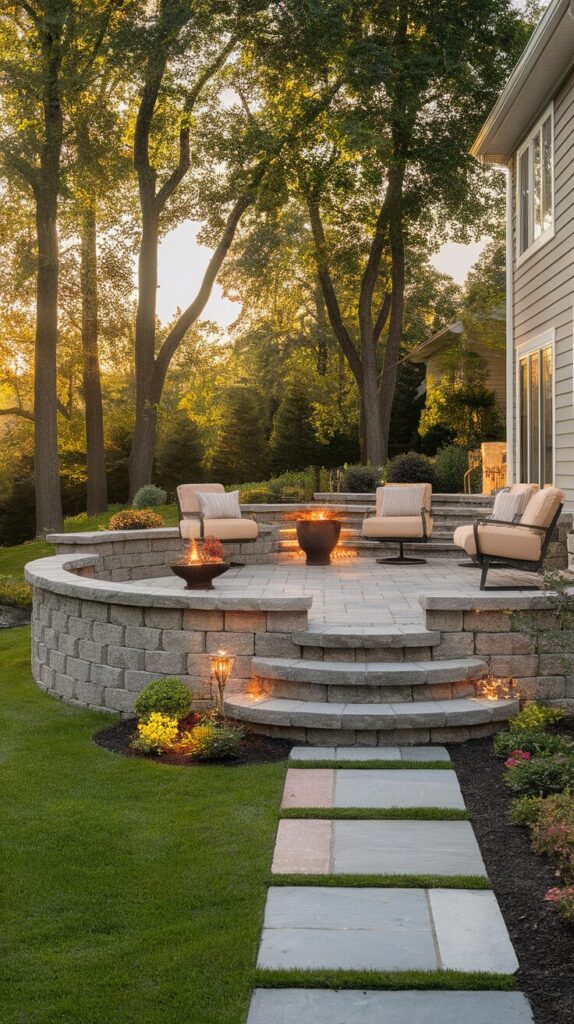
If your yard slopes even slightly, a raised patio extension can turn an awkward problem into a design win. I love raised patios because they define space naturally and add dimension.
When a Raised Patio Makes Sense
Raised patios work best when you want separation between lounging and dining areas or when drainage becomes tricky at ground level.
Benefits of raised patio designs:
- Clear zoning for outdoor activities
- Better views of the yard
- Built-in seating opportunities
FYI, built-in retaining walls double as seating if you plan them right.
4. Build a Multi-Level Patio Layout
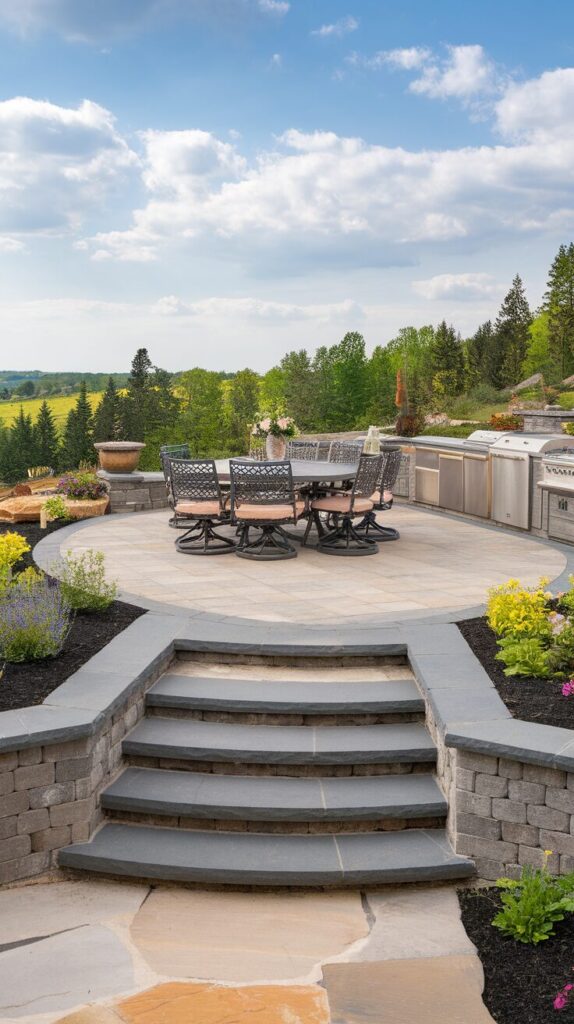
Sometimes one level just doesn’t cut it, and multi-level patio extensions solve that problem beautifully. I’ve used this approach to separate noisy grill zones from quiet lounging areas, and it works every time.
How Multi-Level Patios Improve Flow
Different heights naturally guide movement and purpose. You don’t need railings everywhere if the height changes stay subtle.
Multi-level patio ideas that work:
- Upper level for dining near the house
- Lower level for fire pits or lounges
- Wide steps that act as seating
Who says outdoor spaces can’t have the same flow as indoor rooms?
5. Extend with a Covered Patio Section
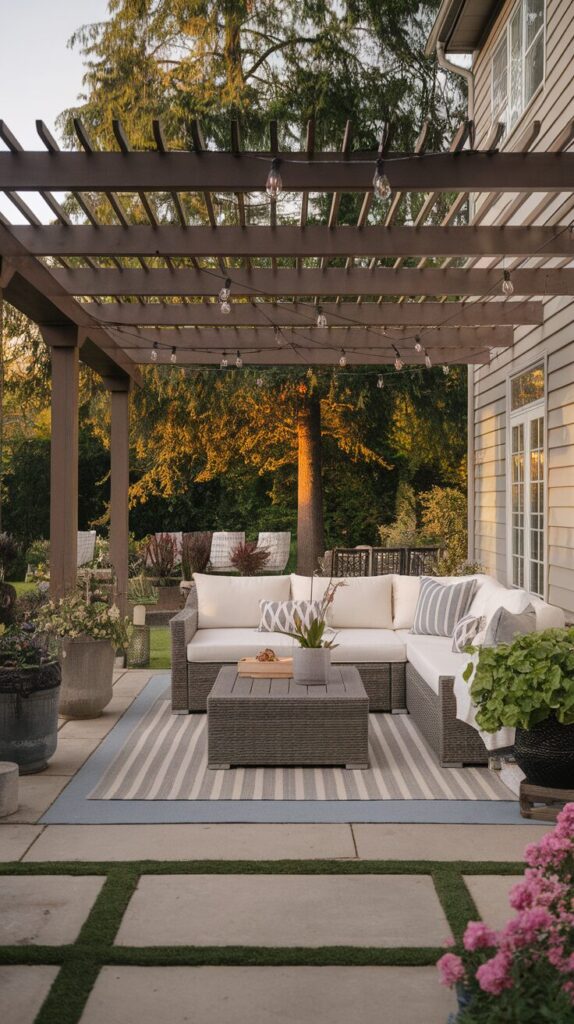
Adding square footage matters, but adding usable square footage matters more. A covered patio extension gives you shade, rain protection, and longer seasonal use.
Choosing the Right Cover Style
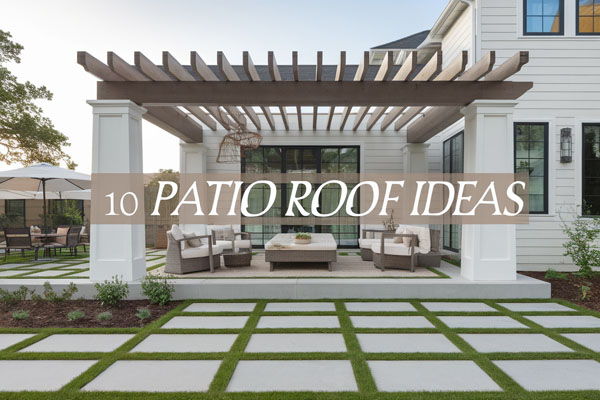
Pergolas feel light and airy, while solid roofs offer full protection. I lean toward pergolas for vibe and solid covers for function.
Popular patio cover options:
- Pergolas with climbing plants
- Solid roof extensions
- Retractable awnings
Ever tried enjoying a patio during light rain? A cover makes that possible and kind of magical.
6. Turn a Side Yard into a Patio Extension
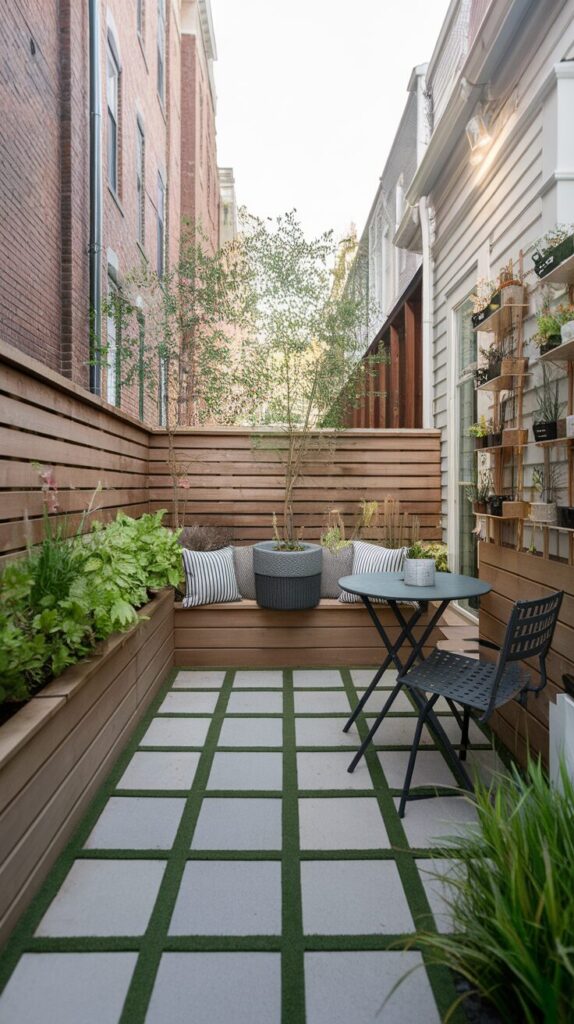
Side yards often sit ignored like forgotten leftovers, and that’s a waste. Side yard patio extensions create private, functional outdoor zones with minimal effort.
Making Narrow Spaces Feel Bigger
Use vertical elements like planters and lighting to draw the eye up. Furniture with slim profiles keeps the space open.
Side yard patio tips:
- Use pavers or gravel for flexibility
- Add privacy screens or fencing
- Incorporate wall-mounted lighting
Small spaces still deserve big ideas, right?
7. Add a Patio Extension for Outdoor Dining
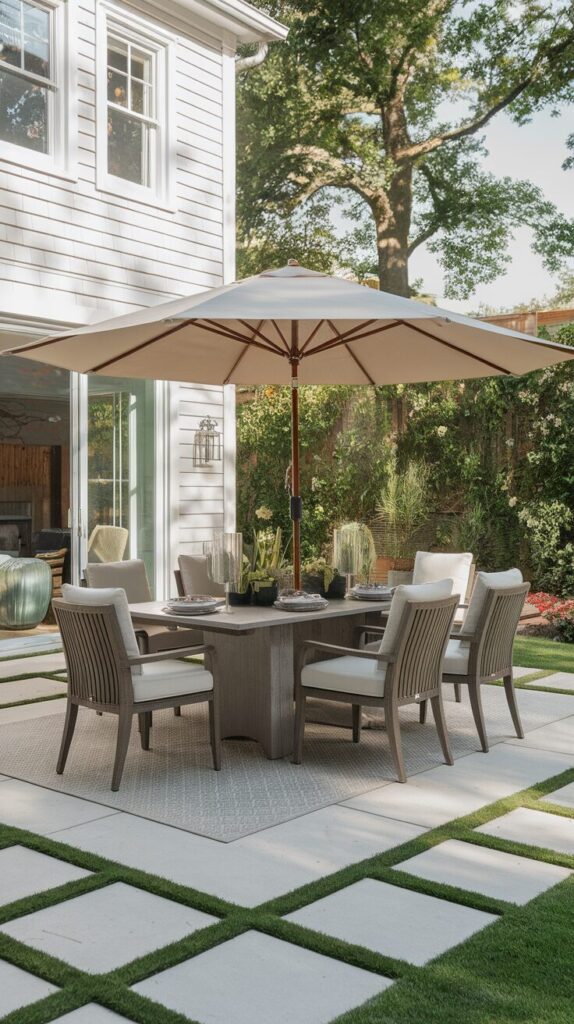
If you love eating outside, a dining-focused patio extension makes total sense. I learned the hard way that squeezing a table into a lounge area never feels right.
Designing for Comfortable Dining
Give yourself clearance around the table so chairs don’t bump into walls or planters. Shade matters here more than anywhere else.
Outdoor dining essentials:
- Minimum 36 inches of clearance around tables
- Easy access to the kitchen
- Durable, weather-resistant furniture
Ever noticed how meals last longer outside when everyone feels comfortable? That’s not an accident.
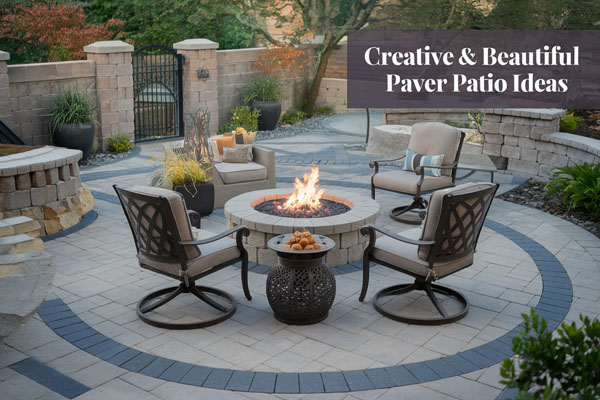
8. Extend with a Fire Pit Patio Area
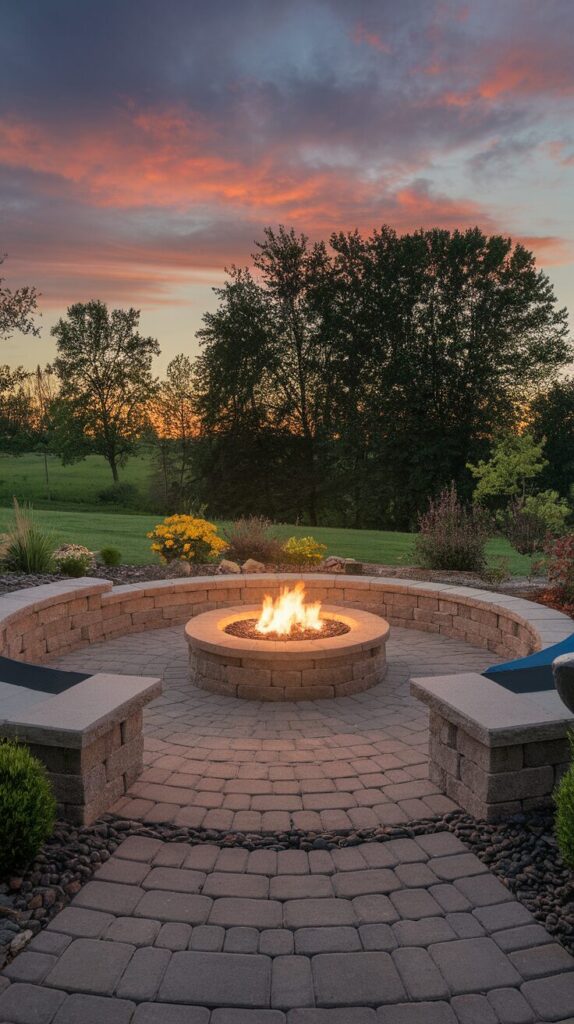
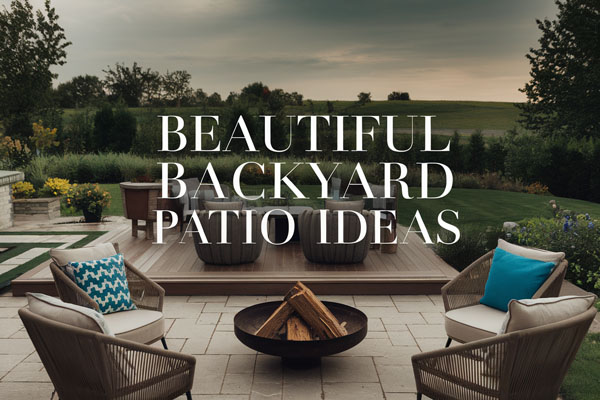
Fire pits change how you use your patio, full stop. A fire pit patio extension gives you a destination space rather than just extra square footage.
Fire Pit Placement That Actually Works
I always place fire pits slightly away from the main seating zone. That way, smoke doesn’t dominate the entire patio.
Fire pit extension ideas:
- Circular seating layouts
- Sunken fire pit areas
- Built-in benches with cushions
Nothing beats late-night conversations around a fire, unless you enjoy staring at your phone alone.
9. Create a Garden-Integrated Patio Extension

Some people think patios and gardens compete, but a garden-integrated patio extension blends both worlds. I love patios that feel like part of the landscape rather than sitting on top of it.
Blending Hardscape and Greenery
Use planting beds, planters, and natural stone to soften edges. Curved lines work better than rigid squares here.
Garden patio design ideas:
- Border patios with native plants
- Use stepping stones for transitions
- Add trellises for vertical greenery
Ever wondered why some patios feel calm instantly? Nature does that work for you.
10. Expand with a Poolside Patio Extension

If you have a pool, a poolside patio extension feels almost mandatory. Wet feet need space, and so do loungers.
Designing for Pool Traffic
Slip-resistant surfaces matter more than style here, although you can have both. Shade zones help people cool down without leaving the pool area.
Poolside patio must-haves:
- Non-slip pavers or textured concrete
- Chaise lounge zones
- Towel and storage areas
Trust me, nobody enjoys balancing a drink on a pool edge.
11. Use Gravel for a Flexible Patio Extension
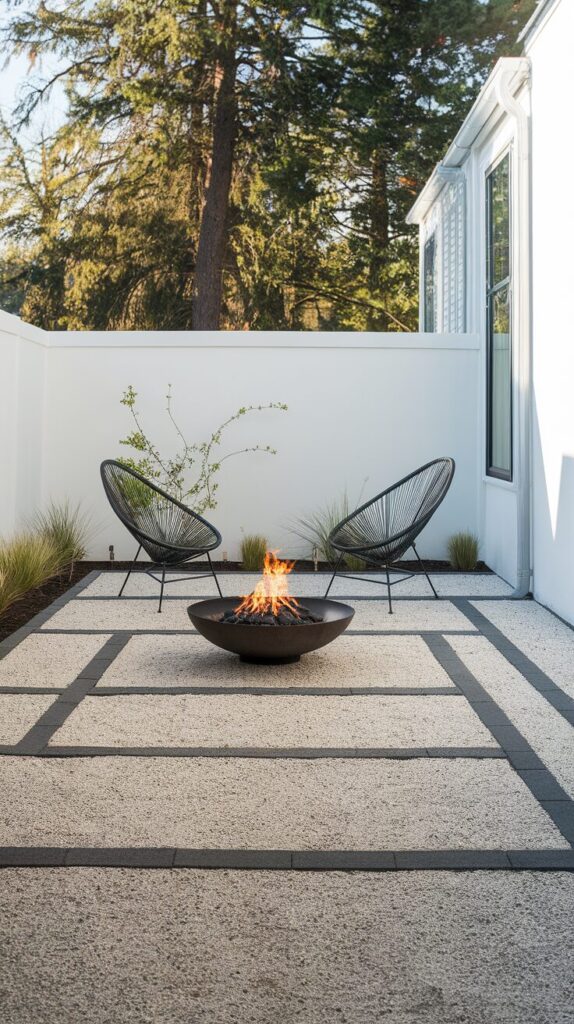
Gravel doesn’t get enough credit, and gravel patio extensions shine when you want flexibility and budget control. I’ve used gravel patios as temporary expansions that later became permanent favorites.
Making Gravel Feel Polished
Edging defines the space and keeps stones where they belong. Add furniture, lighting, and plants to elevate the look.
Why gravel patios work:
- Excellent drainage
- Easy to install and modify
- Lower cost than hardscape
Ever walked barefoot on sharp gravel? Choose the right size and save yourself the pain.
12. Add Built-In Seating to Expand Functionality
Sometimes extending your patio isn’t about size but about how you use the space. Built-in seating increases capacity without clutter.
Smart Seating Integration
Benches along edges or walls keep the center open. I love benches with hidden storage because they pull double duty.
Built-in seating ideas:
- L-shaped corner benches
- Seat walls around fire pits
- Storage benches for cushions
Why buy extra chairs when your patio itself can do the work?
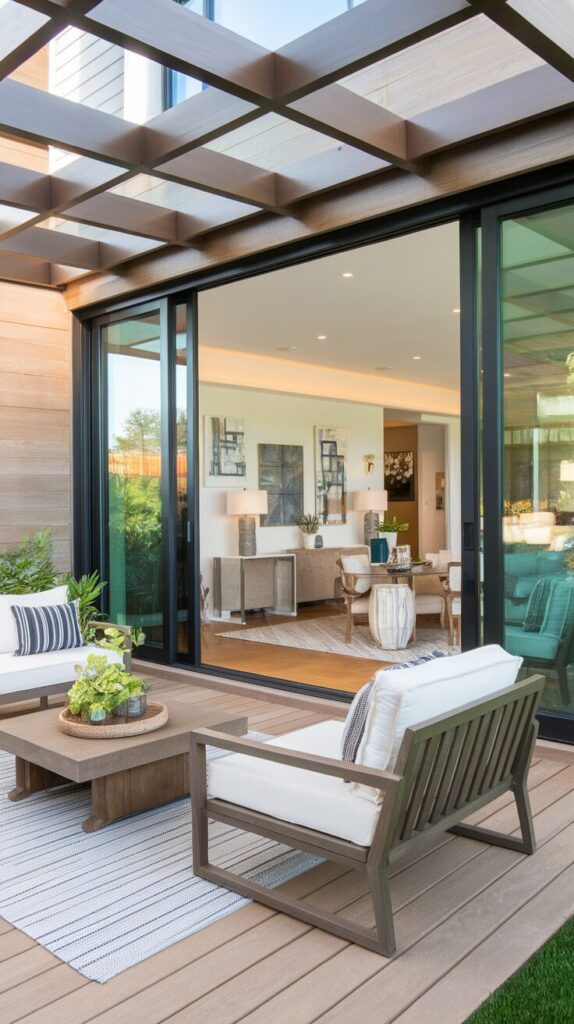
13. Create a Transitional Indoor-Outdoor Extension

This one hits close to home because I love spaces that blur boundaries. An indoor-outdoor transitional patio extension makes your home feel larger instantly.
How to Nail the Transition
Use similar flooring tones and wide doors to connect spaces visually. Furniture style consistency seals the deal.
Transition design tips:
- Large sliding or folding doors
- Matching indoor and outdoor materials
- Consistent color palettes
Ever opened your doors and felt like the house suddenly doubled in size? That’s the magic.
Patio Extension Planning Strategy: Build Smart Before You Build Big
Before you extend a single square foot, you need a clear patio extension strategy that aligns with your lifestyle, budget, and property layout. I always recommend starting with purpose first and materials second because structure and flow matter more than finishes.
Step 1: Define How You’ll Use the Space
Ask yourself what you truly want from your new outdoor living space. Do you plan to host dinners, relax with a book, entertain large groups, or create a kid-friendly zone?
Clarifying your main goal helps you avoid random additions that look impressive but don’t actually improve usability.
Step 2: Evaluate Sun, Shade, and Drainage
Walk your yard at different times of the day and observe where sunlight hits and where water collects. Drainage planning and shade awareness prevent long-term frustration and costly fixes later.
If water pools near your foundation, you must address grading before expanding any patio surface.
Step 3: Set a Realistic Budget Framework
Break your budget into categories so you stay in control:
- Hardscape materials
- Labor or contractor costs
- Lighting and electrical
- Furniture and accessories
- Landscaping adjustments
A structured budget ensures you prioritize essentials first and upgrade finishes later if needed.
Step 4: Check Local Building Codes and HOA Rules
Some patio extensions require permits, especially if you add covers, electrical wiring, or structural elements. Always confirm local regulations before starting construction to avoid fines or forced modifications.
Material Selection Guide for Long-Term Durability
Choosing the right materials affects maintenance, safety, and overall patio lifespan. I always encourage homeowners to think beyond appearance and consider performance under real weather conditions.
Hardscape Material Comparison
Here’s a simple breakdown of common patio extension materials:
- Concrete: Durable, affordable, customizable with stains or stamps, may crack over time
- Pavers: Flexible, repair-friendly, visually versatile, requires proper base preparation
- Natural Stone: Premium look, long-lasting, higher cost
- Gravel: Budget-friendly, excellent drainage, requires edging and maintenance
Your climate should influence your choice because freeze-thaw cycles, heavy rain, or intense sun impact surface longevity.
Maintenance Considerations
Every material demands upkeep, and ignoring that fact leads to regret. Seal concrete periodically, re-level pavers if shifting occurs, and refresh gravel when needed.
Low maintenance does not mean zero maintenance.
Safety and Structural Considerations for Patio Extensions
Safety should guide every patio extension decision. A beautiful space loses value instantly if it creates hazards.
Structural Stability
Ensure proper base preparation for pavers or gravel installations. Poor compaction leads to sinking and uneven surfaces.
For raised patios or multi-level layouts, confirm retaining walls and step heights meet safety standards.
Slip Resistance and Accessibility
Choose slip-resistant surfaces, especially near pools or shaded areas where moisture lingers. Textured finishes or anti-slip coatings reduce fall risks.
If you want long-term usability, consider accessibility features like wide transitions and minimal step changes.
Electrical and Fire Safety
When adding lighting, heaters, or fire pits:
- Use outdoor-rated wiring and fixtures
- Maintain safe clearance around fire features
- Avoid placing fire pits too close to structures
Safety planning enhances both comfort and long-term durability.
Patio Extension ROI and Property Value Impact
A well-designed patio extension can increase both usability and resale appeal. Buyers consistently prioritize outdoor living spaces, especially when they feel cohesive and intentional.
How Patio Extensions Improve Value
- Expanded entertaining space increases buyer interest
- Covered patios extend seasonal usability
- Built-in seating and fire pits create functional zones
Outdoor upgrades often deliver strong perceived value because they enhance lifestyle, not just square footage.
Design Consistency Matters
Match materials and architectural style to your home. A modern patio attached to a traditional home may reduce visual harmony and overall appeal.
Cohesive design signals thoughtful planning and improves long-term satisfaction.
Seasonal Planning and Long-Term Adaptability
Outdoor living evolves with the seasons, so flexibility matters. I always recommend designing with adaptability in mind rather than locking into one rigid setup.
Make Your Patio Work Year-Round
- Add shade structures for summer comfort
- Incorporate heaters or fire features for cooler months
- Use removable furniture covers for weather protection
Seasonal planning maximizes return on your investment.
Plan for Future Expansion
If you anticipate adding features later, leave structural flexibility in your layout. Planning ahead avoids demolition and unnecessary rebuilding costs.
Common Mistakes to Avoid
Even the best patio extension ideas fail without proper execution. These mistakes show up repeatedly and reduce both functionality and longevity.
Ignoring Drainage
Water pooling damages surfaces and foundations. Always grade the extension away from the home and incorporate proper runoff solutions.
Overcrowding the Layout
Cramming too much furniture into limited space kills flow. Leave clear walking paths and breathing room around seating zones.
Choosing Style Over Function
Beautiful materials mean nothing if they crack, stain, or overheat. Balance aesthetics with durability and safety.
Skipping Lighting Plans
Without lighting, your patio becomes unusable after sunset. Plan electrical needs early rather than adding temporary fixes later.
Forgetting Privacy
Expanding your patio increases visibility. Use screens, landscaping, or fencing to maintain comfort.
Frequently Asked Questions
How much does it cost to extend a patio?
Costs vary based on material, size, and labor, but most patio extensions range from a few thousand dollars for gravel to significantly more for natural stone or covered structures.
Do I need a permit for a patio extension?
Ground-level patio extensions often don’t require permits, but covered patios, electrical work, or structural changes usually do. Always check local regulations.
What is the best material for a patio extension?
Pavers and concrete remain the most popular options due to durability and cost balance. The best material depends on climate, budget, and design goals.
How long does a patio extension last?
With proper installation and maintenance, concrete and paver patios can last 20–30 years or more.
Can I extend my patio myself?
DIY patio extensions work well for gravel and some paver projects, but complex grading, electrical work, or raised structures require professional expertise.
Does a patio extension increase home value?
Yes, a well-designed patio extension enhances outdoor living appeal and often improves resale interest, especially when it complements the home’s architecture.
Final Thoughts
Extending your patio gives you more than extra square footage; it gives you more life outside your walls. I’ve seen how the right patio extension turns quiet evenings into favorite memories and lazy afternoons into something special.
Pick ideas that match how you live, plan with intention, and don’t overthink it because outdoor living should feel fun, not stressful. Now grab that coffee, step outside, and imagine what your patio could become.