21 Small Kids Bedroom Ideas for Fun, Cozy Shared Spaces
Sharing a small kids bedroom sounds cute in theory, but real life adds toys, opinions, and big personalities into a tiny space. I’ve seen how fast a sweet shared room turns into a daily negotiation zone if the layout feels wrong.
That’s why smart, cozy, and fun design choices matter way more than fancy décor.
If you want a shared kids room that actually works and still looks adorable, you’re in the right place.
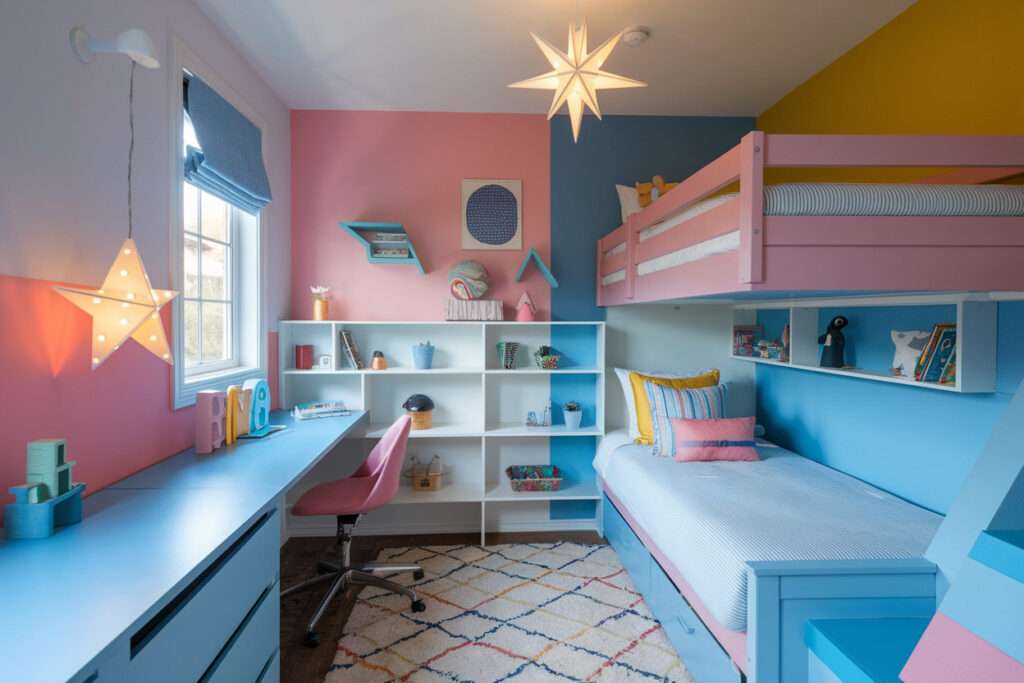
I’ll walk you through practical ideas that balance function, comfort, and a little bit of fun without making the room feel cramped.
1. Bunk Beds That Actually Feel Fun, Not Cramped
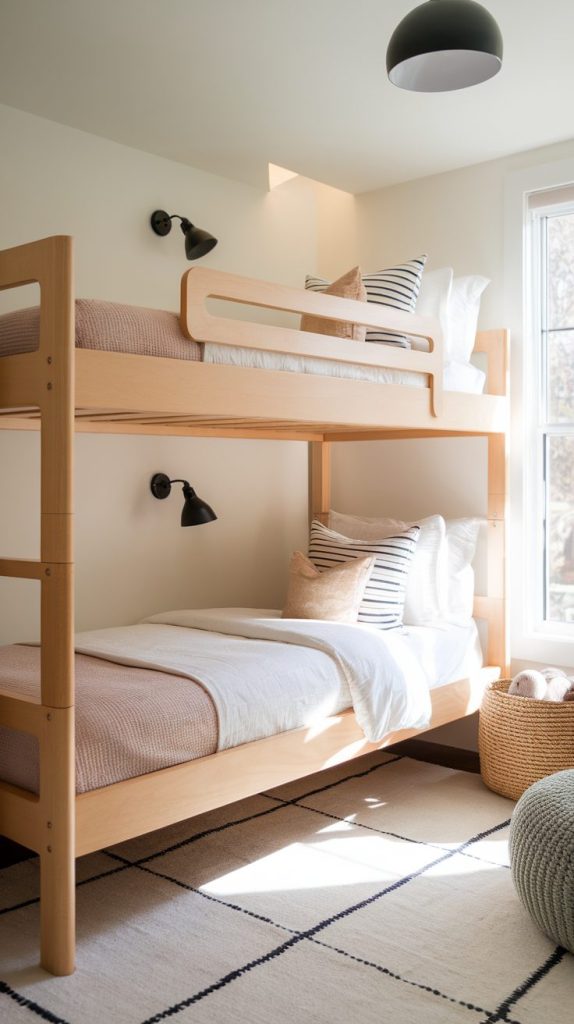
Bunk beds save space fast, but the wrong design makes a small room feel like a storage unit with mattresses. I always prefer bunk beds with open sides and slim frames because they keep the room visually light. A bulky bunk eats floor space even if it technically stacks beds.
I’ve noticed kids love bunk beds more when each level feels personal. Curtains, small wall lights, or individual shelves instantly turn each bunk into a mini retreat. That sense of ownership reduces fights more than any parenting hack ever will.
Safety still matters, so sturdy rails and a comfortable ladder make a big difference. I avoid vertical ladders in small rooms because kids bump into them constantly. Angled ladders feel safer and double as visual balance.
Storage-friendly bunk beds change the game in tight rooms. Drawers under the bottom bunk or steps with hidden storage keep toys from taking over the floor. Less mess means calmer energy, which every shared bedroom needs.
I also recommend neutral bed frames if the kids have different tastes. You can change bedding and accessories easily without replacing furniture. That flexibility saves money and sanity over time.
2. Built-In Storage That Hides the Chaos
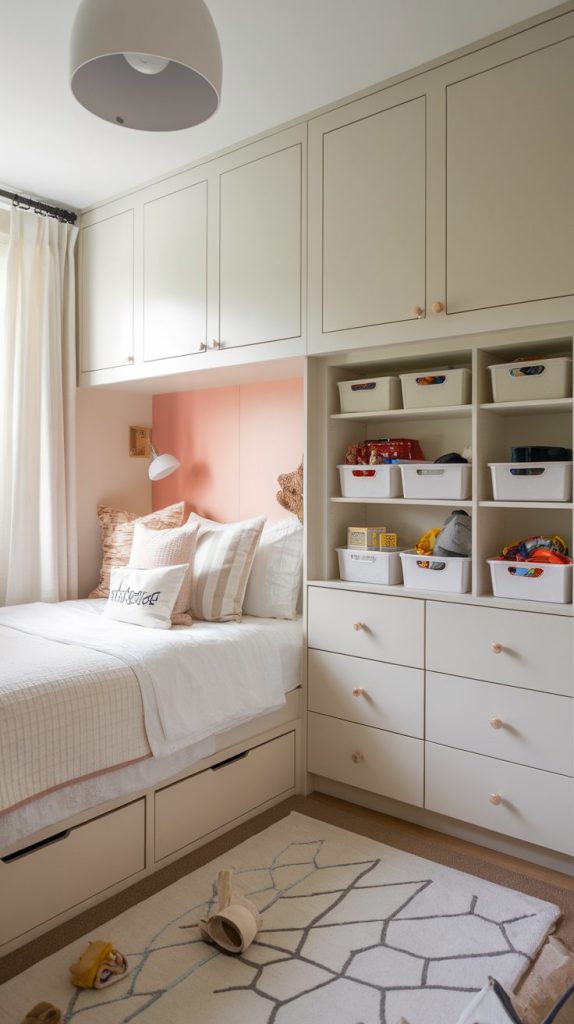
Small shared bedrooms fail when storage feels like an afterthought. Built-in storage keeps everything in its place without adding bulky furniture. I love wall-to-wall units because they maximize vertical space instead of stealing floor area.
When kids share, labels help more than you expect. Separate cubbies or drawers for each child reduce arguments instantly. Kids respect boundaries better when storage clearly belongs to them.
I prefer closed storage for toys and open shelves for books or display items. Closed cabinets hide visual clutter, which makes the room feel bigger. Open shelves add personality without overwhelming the space.
Under-bed drawers work beautifully in shared rooms. They keep seasonal clothes, extra bedding, or bulky toys out of sight. This setup frees closet space for everyday essentials.
If built-ins feel expensive, modular systems offer flexibility. You can rearrange pieces as kids grow or needs change. That adaptability makes small rooms last longer without redesigning everything.
3. Color Zoning to Give Each Child Their Own Space
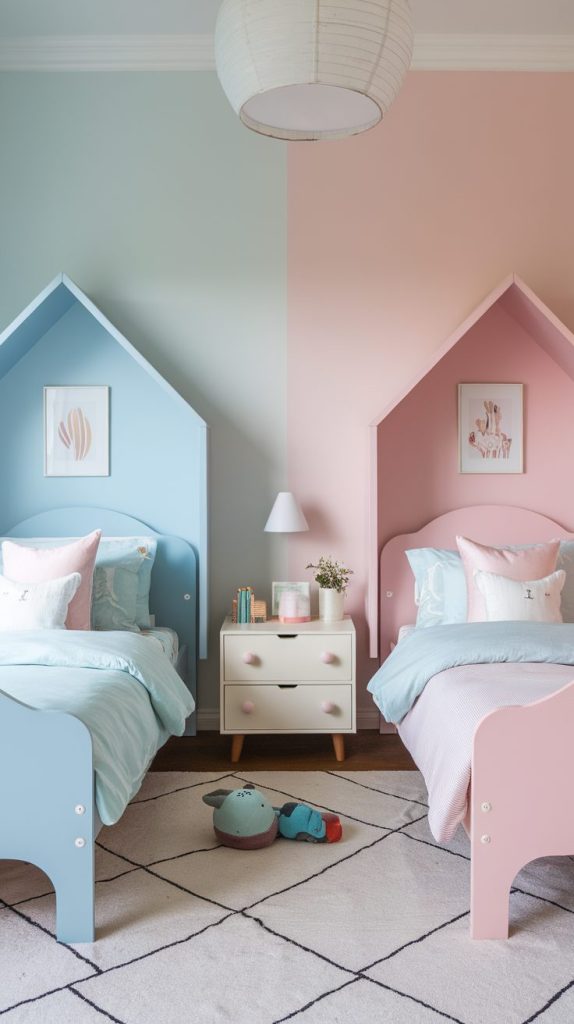
Color zoning creates personal space without physical dividers. I’ve used this trick many times, and it always works better than expected. Each child gets their own color palette, which feels fair and intentional.
You can paint half walls, use different bedding colors, or add color-coded rugs. These subtle boundaries help kids feel ownership without shrinking the room. Strong contrasts work, but soft complementary tones feel calmer.
I avoid dark colors in small shared bedrooms because they close the space visually. Light blues, greens, or warm neutrals keep things airy. Pops of brighter colors still add fun without overwhelming the room.
Wall decals or removable wallpaper help personalize zones without permanent commitment. Kids change tastes fast, so flexibility matters. You can update zones without repainting the entire room.
Color zoning also helps with organization. Kids naturally return items to their own side when visual cues exist. That alone reduces daily cleanup drama.
4. Loft Beds That Free Up Play Space
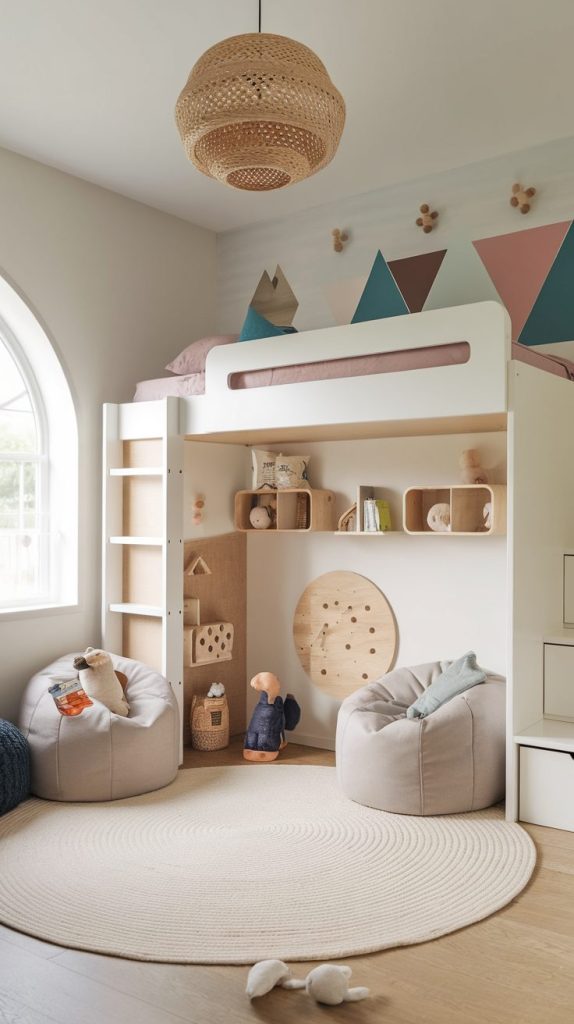
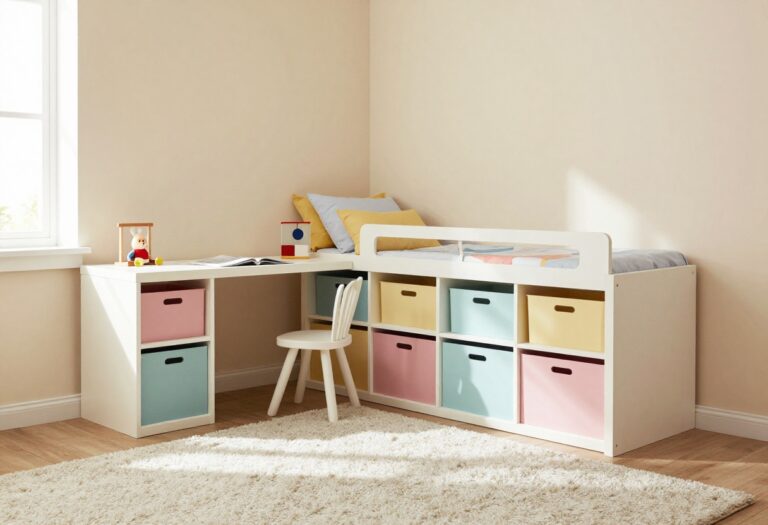
Loft beds work magic in small shared bedrooms when bunk beds feel too tight. Raising beds creates valuable space underneath for desks, play zones, or storage. Kids love the elevated feel, which makes bedtime more exciting.
I like loft beds with sturdy frames and open designs. Solid panels block light and make rooms feel boxed in. Open rails keep airflow and brightness intact.
Under-bed play spaces feel cozy without feeling cramped. Soft rugs, bean bags, or small tents turn that area into a favorite hangout. Kids naturally gravitate there during the day.
Desks under loft beds work well for school-age kids. This setup separates sleep and study zones without needing extra rooms. It also keeps homework mess contained.
Safety matters here too. Guardrails and secure ladders prevent accidents. I always recommend checking ceiling height before committing to loft beds.
5. Shared Desks With Clearly Defined Spots

Homework chaos ruins shared bedrooms fast if desks feel crowded. A shared desk works best when each child has a clearly defined zone. Equal space keeps things fair and organized.
I prefer long wall-mounted desks because they save floor space. Floating designs look lighter and make cleaning easier. Pair them with stools or slim chairs that tuck underneath.
Individual storage above or below desks prevents supply mix-ups. Small drawers or pegboards keep scissors, markers, and notebooks separated. Kids argue less when tools stay where they belong.
Lighting matters more than most people think. Each child needs their own task light to avoid shadows and eye strain. Matching lamps maintain visual balance.
This setup also teaches responsibility. Kids learn to manage their own workspace, which helps beyond the bedroom.
6. Under-Bed Drawers That Replace Dressers
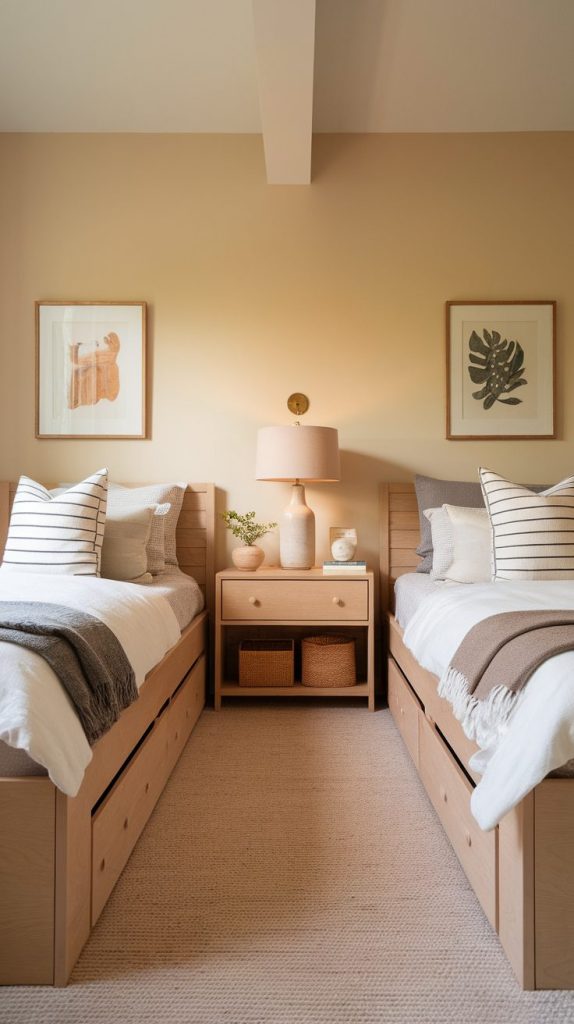
Dressers eat floor space fast in small shared bedrooms. Under-bed drawers solve that problem without sacrificing storage. I’ve seen rooms open up instantly with this swap.
Each child should get their own set of drawers. Clear ownership keeps mornings smoother and reduces sibling tension. Nobody wants to dig through someone else’s clothes.
I prefer drawers with smooth glides and handles kids can grip easily. Cheap hardware breaks quickly under daily use. Quality matters more than style here.
Seasonal rotation keeps drawers functional. Store off-season clothes elsewhere and free up space for everyday items. This habit keeps drawers manageable.
Under-bed storage also makes cleaning easier. Kids can access their clothes without moving furniture, which encourages independence.
7. Wall Shelves Instead of Bulky Furniture
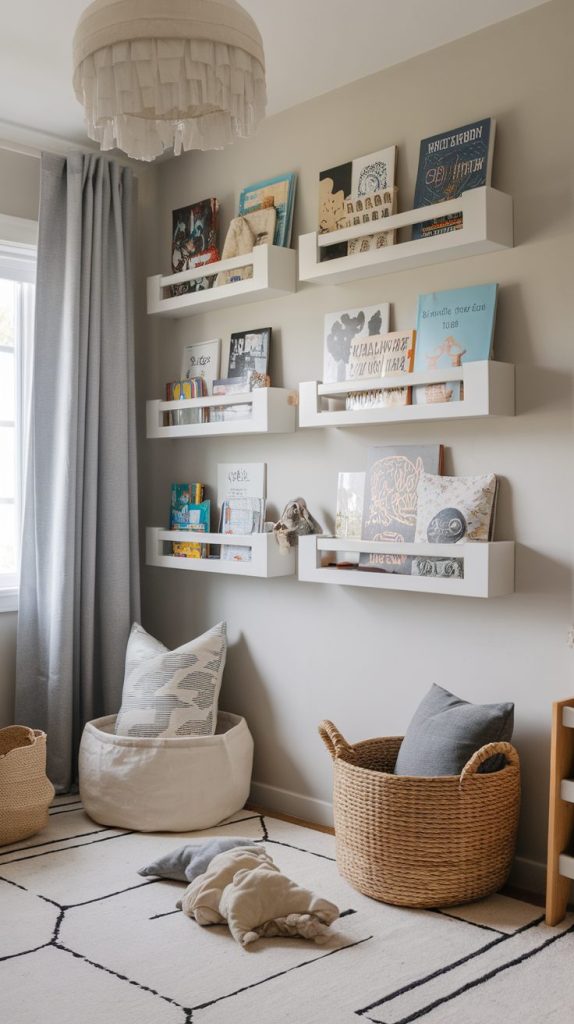
Wall shelves add storage without crowding the room. I use them constantly in small shared bedrooms. They keep floors clear and rooms feeling open.
Staggered shelves add visual interest without overwhelming walls. Symmetry looks neat, but playful layouts suit kids better. Balance matters more than perfection.
Shelves work great for books, toys, and décor. Keep heavier items lower to avoid accidents. Lightweight items up high stay safe.
I always secure shelves properly because kids climb everything. Strong anchors prevent disasters later. Safety never looks cool, but it saves headaches.
Wall shelves also grow with kids. You can swap toys for books or trophies as interests change.
8. Matching Beds With Different Accessories

Matching beds keep shared rooms visually calm. Differences come through bedding, pillows, and décor instead. This approach avoids a cluttered look.
I’ve noticed kids appreciate individuality without needing totally different furniture. Personal accessories feel special enough. It’s a smart compromise.
Neutral bed frames last longer through style changes. Accessories cost less to replace than furniture. That saves money long-term.
This setup also simplifies layout planning. Matching dimensions make spacing easier. Everything aligns neatly.
You get harmony without sacrificing personality. That balance matters in shared spaces.
9. Sliding Doors to Save Floor Space
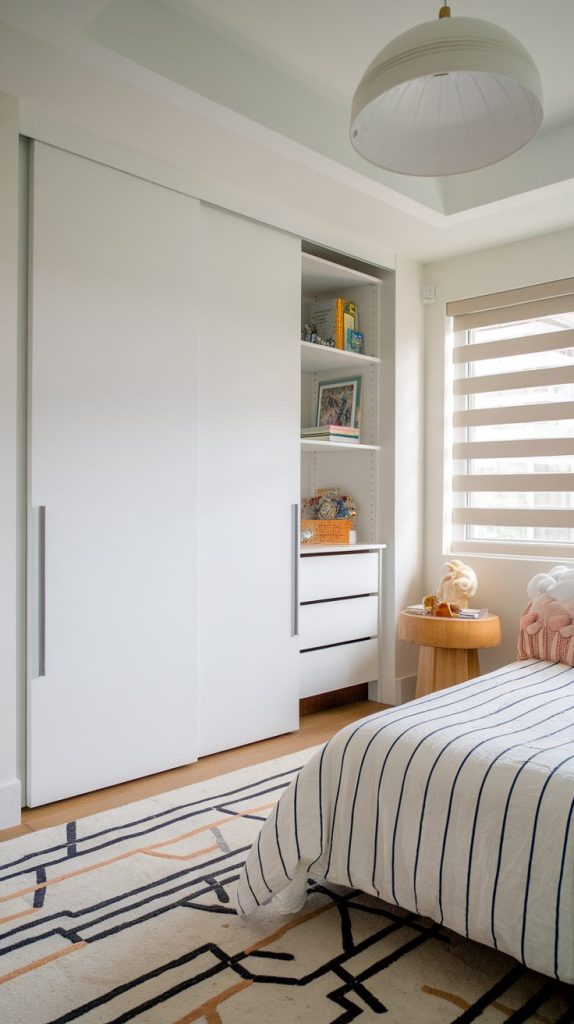
Traditional doors waste valuable floor space. Sliding doors solve that problem instantly. They feel modern and practical.
Closet sliding doors free up room for furniture. Kids move around more easily. Less bumping means fewer tears.
I prefer soft-close sliders for safety. Slamming doors cause injuries and noise. Quiet movement keeps peace.
Frosted or paneled designs add style without distraction. Avoid mirrors if kids roughhouse often. Safety first.
Sliding doors also look sleek. Small rooms benefit from clean lines.
10. Shared Play Zones With Clear Boundaries
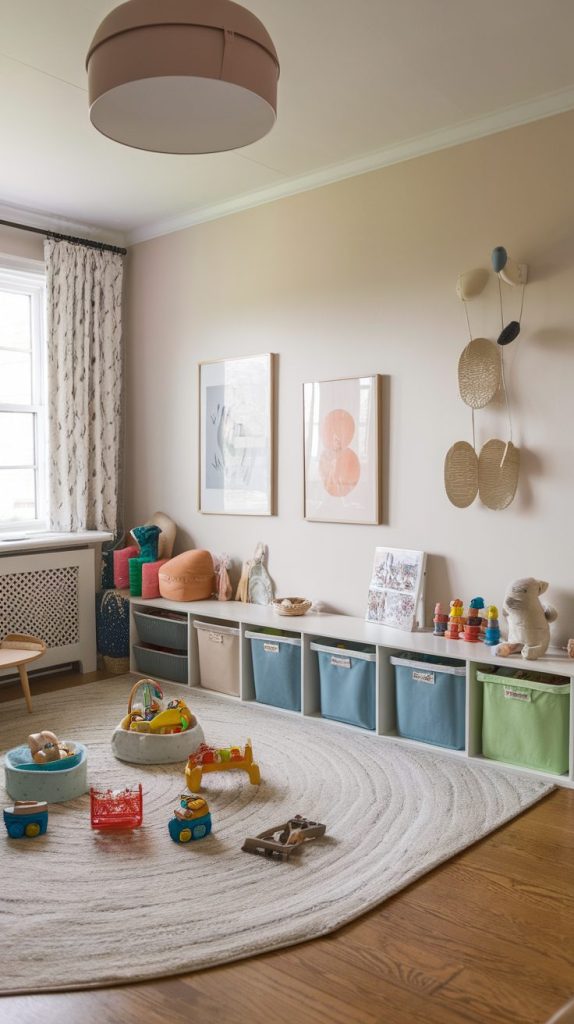
Shared play zones work best with structure. Define areas using rugs or low shelves. Kids understand boundaries visually.
I like soft rugs that cushion falls. Comfort matters during playtime. Durable materials handle messes.
Rotate toys regularly to avoid overload. Fewer options spark more creativity. Too many toys overwhelm kids.
Storage bins near play zones encourage cleanup. Kids clean more when tools stay nearby. Convenience matters.
This setup keeps play contained. Bedrooms feel calmer overall.
11. Vertical Storage for Toys and Books
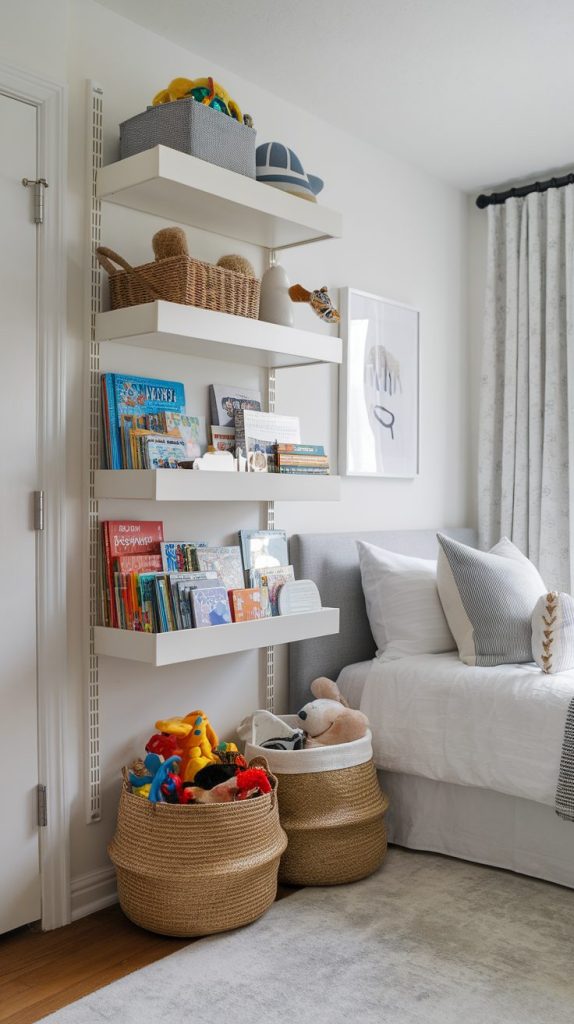
Vertical storage maximizes space in small shared rooms. Tall shelves use height instead of width. That keeps floors open.
I prefer adjustable shelving. Kids’ needs change quickly. Flexibility saves money. Secure tall units to walls for safety. Kids climb everything. Anchors prevent accidents.
Use baskets for smaller toys. They hide clutter while staying accessible. Visual calm matters. Vertical storage keeps everything visible. Kids find items easily.
12. Neutral Walls With Playful Accents
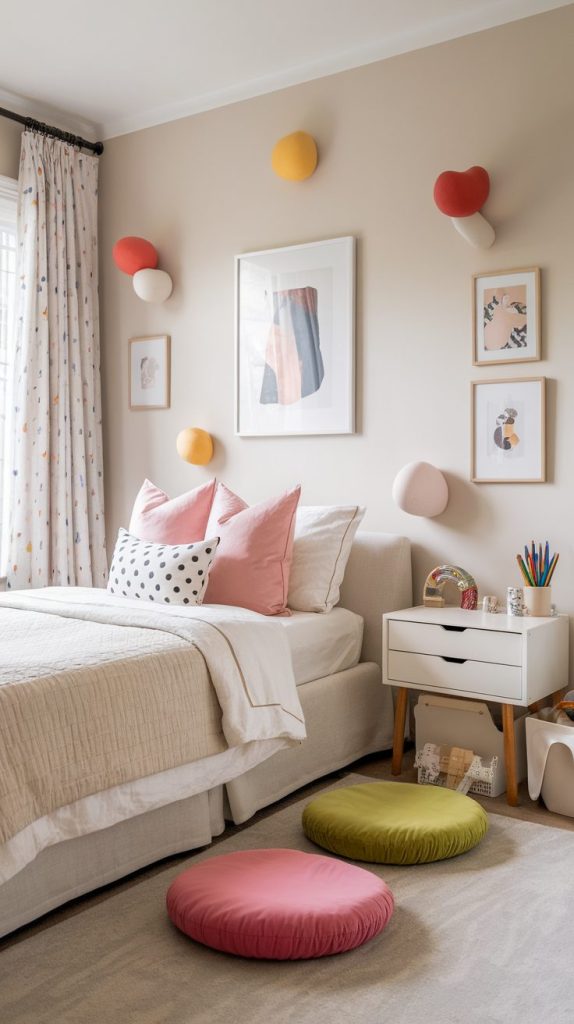
Neutral walls make small rooms feel bigger. I always start with light shades. They bounce light around nicely.
Add personality through accents like art or textiles. These elements change easily. Kids love updates. Avoid busy patterns on walls. They overwhelm small spaces fast. Simplicity wins here.
Accent colors work best in small doses. Pillows, rugs, or art do the trick. This approach keeps rooms timeless. Styles evolve without repainting.
13. Curtains to Create Temporary Privacy
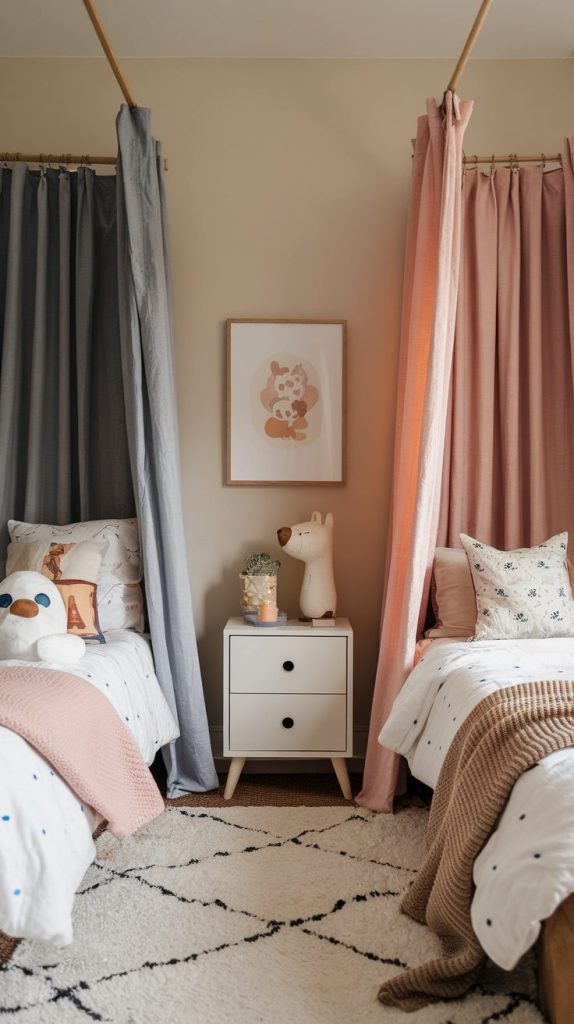
Curtains create instant privacy without permanent walls. Kids appreciate personal space sometimes. Even siblings need breaks.
Use lightweight fabrics to keep rooms bright. Heavy curtains darken spaces. Airiness matters. Curtains also add softness. They make rooms feel cozy. Comfort improves sleep.
Mount rods securely. Kids pull everything. Stability matters. This solution feels flexible. Open or close as needed.
14. Low Beds for Younger Kids
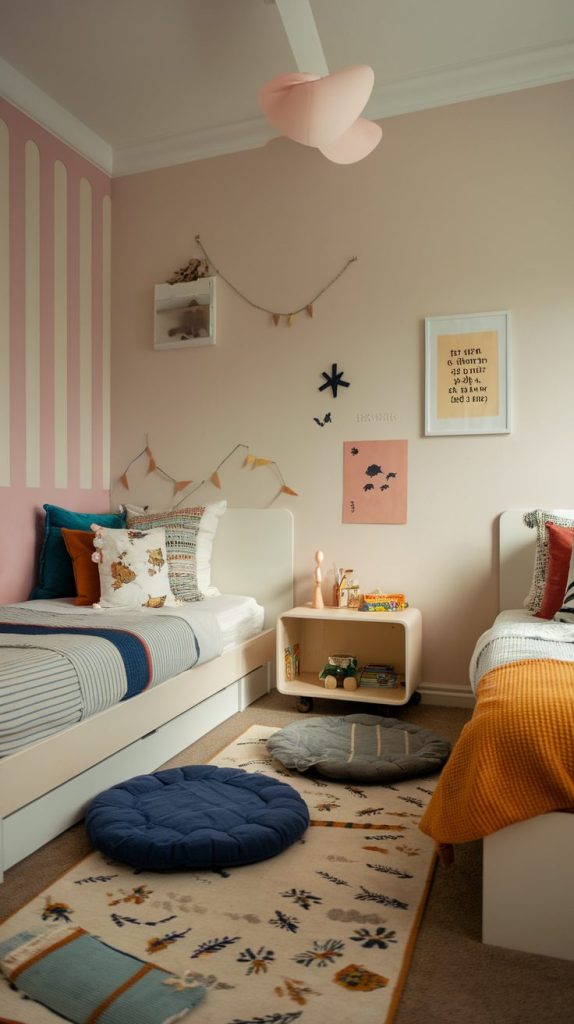
Low beds suit younger kids sharing small rooms. They feel safer and accessible. Falls hurt less too. These beds keep ceilings visually higher. Rooms feel bigger instantly. Open space matters.
Pair low beds with floor cushions. Kids love lounging there. It adds play value. Storage still fits underneath. Use bins or drawers. Function stays intact.
Low beds also ease bedtime routines. Parents appreciate that.
15. Storage Benches That Double as Seating
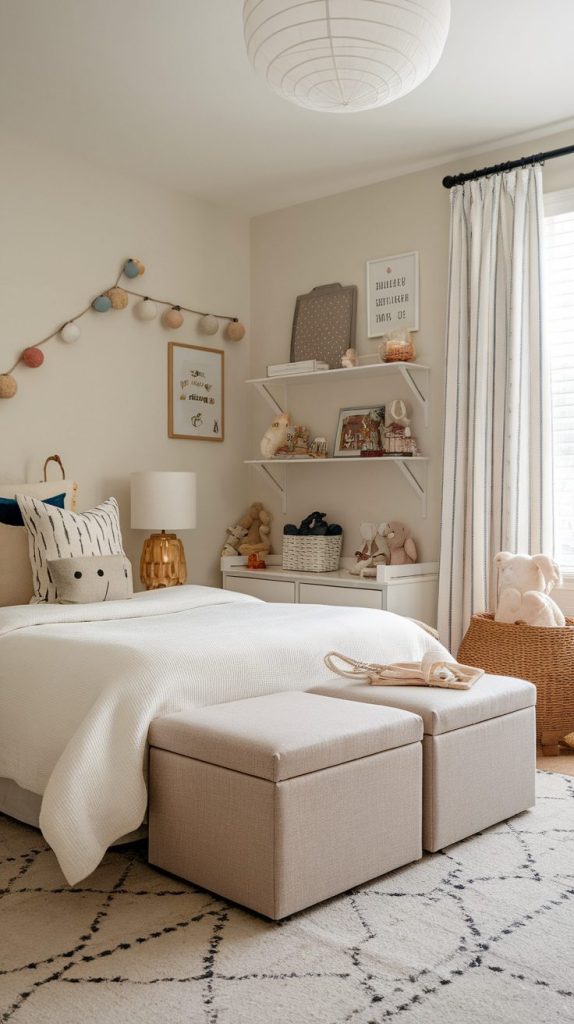
Storage benches add function without clutter. I love them at bed ends or walls. They store toys neatly. Benches provide seating for reading or dressing. Dual-purpose furniture saves space. Efficiency matters.
Choose cushioned tops for comfort. Hard surfaces discourage use. Softness invites sitting. Lids should open easily but safely. Slow-close hinges prevent finger injuries.
This piece works hard in small rooms. Every inch counts.
16. Pegboards for Flexible Organization
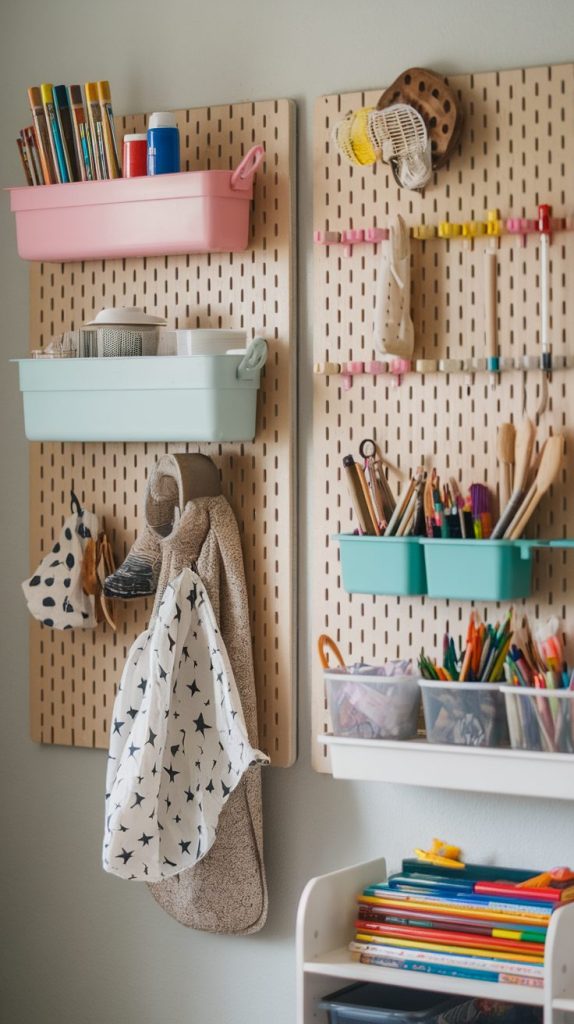
Pegboards offer customizable storage. Kids enjoy rearranging hooks and bins. It feels interactive. They hold art supplies, backpacks, or hats. Everything stays visible. No digging required.
I mount pegboards at kid-friendly heights. Accessibility encourages independence. Kids manage their stuff better.
Bright accessories add color without clutter. Pegboards become décor too. This system grows with kids. Adapt easily over time.
17. Shared Reading Nooks
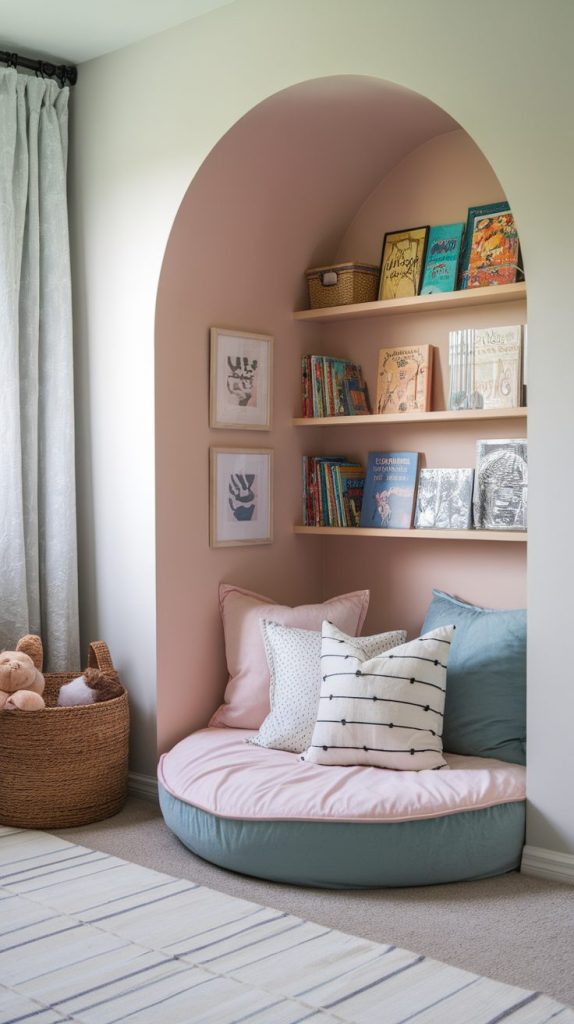
Reading nooks add calm to shared rooms. Kids unwind there easily. Quiet zones matter. Use floor cushions or small benches. Soft lighting enhances comfort. Cozy vibes encourage reading.
Place nooks near windows if possible. Natural light feels inviting. Kids linger longer. Add small shelves nearby. Easy access keeps books in use.
Reading nooks balance active play. Bedrooms feel more peaceful.
18. Minimalist Furniture Layouts
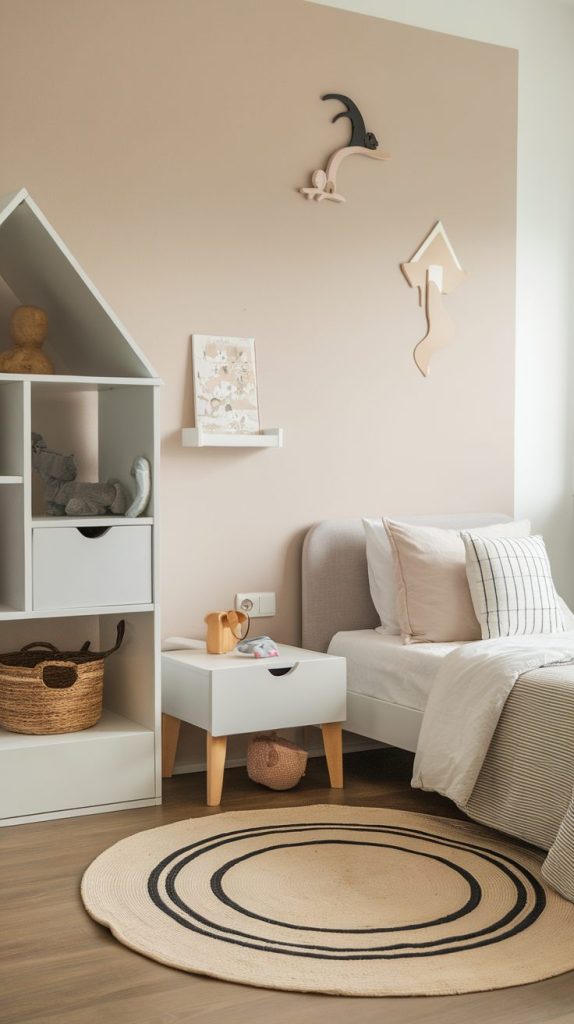
Minimalist layouts reduce stress in shared rooms. Fewer pieces mean more movement space. Kids play freely.
I prioritize essentials only. Extra furniture crowds rooms quickly. Simplicity works best. Clear pathways prevent bumps and falls. Safety improves instantly. Flow matters.
Minimalism also eases cleaning. Less stuff equals faster cleanup. Everyone wins. This approach keeps rooms adaptable. Change layouts easily.
19. Matching Lighting With Individual Control
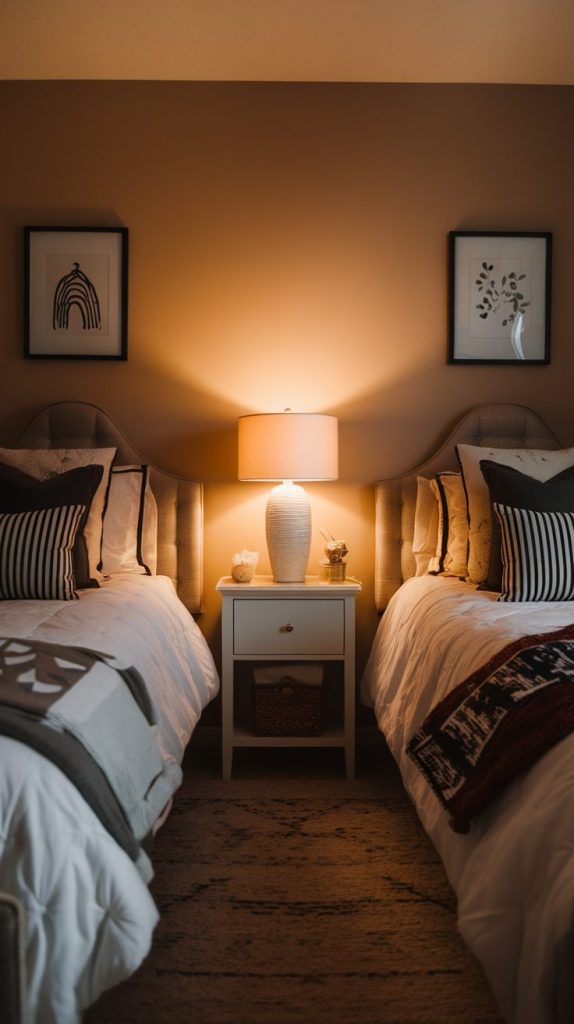
Matching lights keep design cohesive. Individual switches give kids control. Independence matters. Bedside lamps work better than overhead lights alone. Soft lighting helps bedtime routines. Calm matters.
Choose warm bulbs for comfort. Harsh light disrupts sleep. Mood matters. Secure cords properly. Loose wires invite accidents. Safety first. Lighting affects behavior more than décor. Choose wisely.
20. Toy Rotation Systems to Reduce Clutter
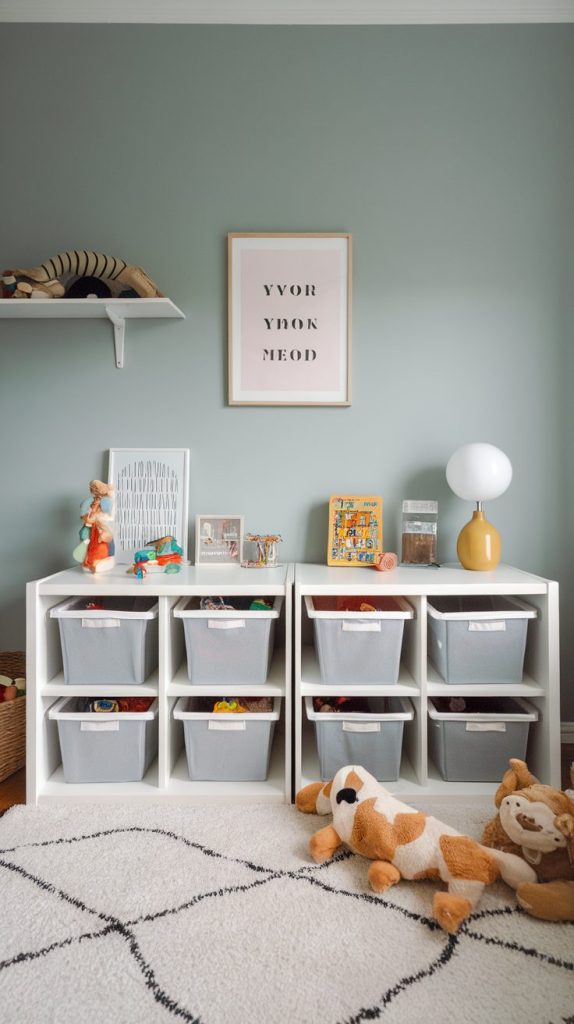
Toy rotation keeps rooms manageable. Fewer toys feel new again. Kids stay engaged. Store extras elsewhere. Rotate weekly or monthly. Novelty returns naturally.
This system reduces mess. Kids focus better. Calm improves. Rotation also teaches appreciation. Kids value toys more. Less waste occurs. Shared rooms benefit hugely from this trick. Trust me.
21. Personalized Décor Without Overcrowding
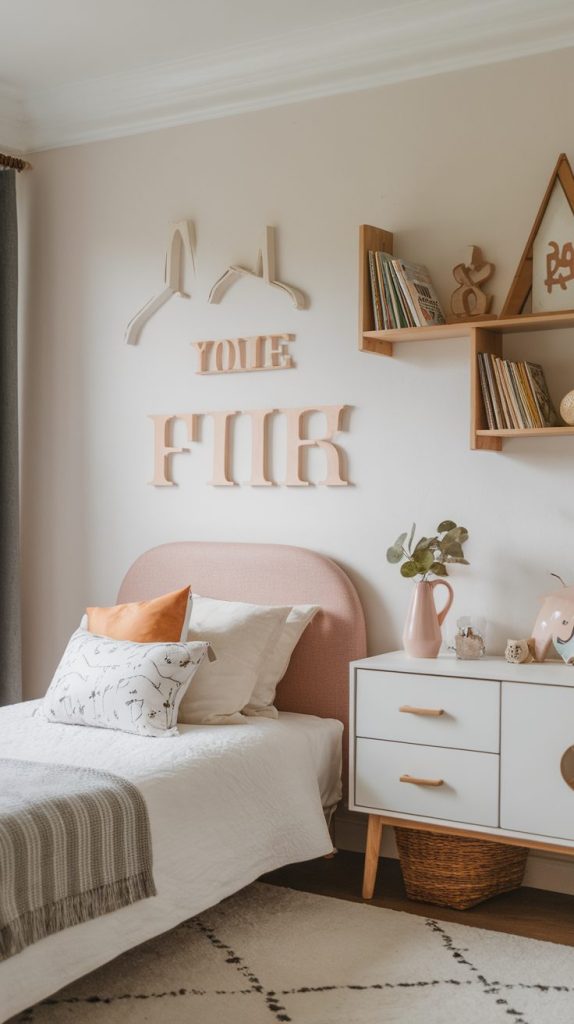
Personal touches matter in shared rooms. Names, initials, or favorite art work well. Kids feel seen. Keep décor minimal to avoid clutter. One or two items per child suffice. Balance matters.
Use removable items. Tastes change fast. Flexibility saves effort. Personal décor also reduces rivalry. Each child feels represented. Harmony improves.
Small touches create big emotional impact. That matters most.
Smart Layout Strategy for Small Shared Kids Bedrooms
Before anyone buys furniture or paints walls, I always recommend starting with a clear layout strategy. A small shared kids bedroom only works when you design it intentionally instead of squeezing things in randomly. You need a plan that balances sleep, storage, study, and play without overlap.
Step 1: Measure Everything First
Grab a tape measure and write down the exact room dimensions. Measure walls, ceiling height, window placement, door swing, and closet depth before choosing beds or desks. Guessing leads to overcrowding, and overcrowding creates frustration fast.
Sketch a rough floor plan on paper or use a simple room planning app. Visual planning prevents expensive mistakes and awkward layouts. This step alone separates functional rooms from chaotic ones.
Step 2: Define Core Zones
Every successful shared kids bedroom includes four core zones:
- Sleep Zone
- Storage Zone
- Study Zone
- Play or Relax Zone
Even in tiny rooms, you can define these areas visually with rugs, color zoning, or lighting changes. Clear zoning reduces conflict because kids understand where activities belong.
Step 3: Prioritize Vertical Space
Small bedrooms rarely lack height. Use tall shelving, loft beds, wall hooks, and vertical storage to free up valuable floor space.
When you design upward instead of outward, you create breathing room. Open floor space makes even a compact bedroom feel calmer and safer.
Step 4: Choose Flexible, Long-Term Pieces
Kids grow fast and their needs change constantly. I always suggest furniture that adapts over time instead of trendy pieces that last one year.
Look for:
- Convertible beds
- Adjustable shelving
- Modular storage systems
- Neutral base furniture
This strategy protects your budget and keeps the room functional for years.
Common Mistakes to Avoid in Small Shared Kids Bedrooms
I’ve seen beautifully decorated shared rooms fail because of simple planning mistakes. These errors seem small at first, but they create daily frustration over time.
1. Overcrowding the Room
Parents often try to include everything at once. Two dressers, two desks, multiple toy bins, and oversized beds instantly shrink the room.
Remove unnecessary pieces and combine functions wherever possible. Less furniture creates more harmony.
2. Ignoring Personal Space
Even siblings who adore each other need defined boundaries. When kids feel like they have zero personal ownership, arguments increase.
Color zones, labeled storage, and individual lighting help prevent tension. Small gestures make a big difference.
3. Choosing Style Over Function
A Pinterest-perfect room means nothing if it frustrates daily use. Beautiful but impractical furniture causes constant stress.
Always test function first. Open drawers, check clearance, and think through daily routines before committing.
4. Skipping Anchoring and Safety
Tall shelves and bunk beds require secure installation. Kids climb, jump, and play harder than adults expect.
Secure heavy furniture to walls and avoid unstable pieces. Safety builds trust and peace of mind.
5. Forgetting Future Growth
Tiny toddler beds or babyish themes age quickly. Designing with long-term use in mind saves money and effort.
Choose adaptable designs that transition smoothly as kids grow.
Budget Planning & Cost-Saving Tips
Creating a functional small shared kids bedroom does not require a massive budget. Smart prioritization helps you invest where it matters most.
Focus spending on:
- Sturdy beds
- High-quality storage hardware
- Safe lighting
- Durable flooring or rugs
Save money on decorative items that you can change easily. Bedding, wall art, and accessories cost less to update than furniture.
DIY solutions also stretch budgets effectively. Repainting existing furniture, adding drawer dividers, or installing wall hooks delivers high impact at low cost.
Buying secondhand solid wood furniture often beats purchasing cheap particleboard pieces. Quality materials last longer and handle daily wear better.
Safety & Child-Friendly Design Considerations
Safety should guide every design decision in a shared kids bedroom. A well-designed room protects kids while supporting independence.
Secure Furniture and Fixtures
Anchor tall shelves and wardrobes to the wall. Check bed rails, ladder stability, and screw tightness regularly.
Install soft-close hinges where possible to prevent finger injuries. Small safety details prevent big problems.
Choose Non-Toxic Materials
Look for low-VOC paint and child-safe finishes. Kids spend many hours in their bedrooms, so air quality matters.
Natural fiber rugs and solid wood furniture often provide safer long-term options.
Maintain Clear Walkways
Keep pathways between beds and doors open. Children wake up at night and need safe movement.
Avoid placing sharp-edged furniture in high-traffic areas.
Frequently Asked Questions
How small is too small for a shared kids bedroom?
A room under 80 square feet feels challenging, but smart vertical storage and bunk beds make it workable. Careful layout planning matters more than square footage alone.
What age is appropriate for siblings to share a bedroom?
Many families start sharing during toddler years, while others wait until school age. Compatibility, sleep habits, and personality matter more than age alone.
How do I reduce sibling fights in a shared bedroom?
Clear personal zones, labeled storage, and equal access to space reduce tension. When kids feel ownership, they cooperate more naturally.
Are bunk beds safe for younger kids?
Most manufacturers recommend top bunks for children over six years old. Always follow safety guidelines and install guardrails properly.
How often should I reorganize a shared kids bedroom?
I recommend reassessing every six months. Kids grow quickly and their storage needs change often.
What colors work best in small shared bedrooms?
Light neutrals with soft accent colors make rooms feel larger and calmer. Avoid very dark shades unless used sparingly for contrast.
These additional sections strengthen the foundation behind the design ideas and support long-term functionality. A thoughtful strategy, attention to safety, and smart budgeting ensure that small shared kids bedrooms remain cozy, organized, and peaceful over time.
Conclusion
Designing a small shared kids bedroom takes intention, not perfection. Smart layouts, flexible storage, and personal touches transform tight spaces into happy ones. I’ve seen these ideas reduce mess, stress, and daily arguments more times than I can count.
If you focus on function first and fun second, everything falls into place. Start small, adjust as your kids grow, and trust your instincts. A cozy shared bedroom can actually feel like a win for everyone.