20 Bedroom Organization Ideas to Maximize Space
You know that moment when you walk into your bedroom and immediately feel annoyed instead of relaxed. I’ve been there more times than I’d like to admit, usually stepping on something that absolutely did not belong on the floor.
If your bedroom feels smaller than it should or constantly messy, trust me, it’s not just you.
The good news is you don’t need a bigger bedroom, fancy furniture, or a full weekend makeover. You just need smarter organization ideas that actually work in real life, not just in perfect Instagram bedrooms.
Let me walk you through the ideas I genuinely love and use, like we’re chatting over coffee and casually judging clutter together.
1. Under-Bed Storage That Actually Stays Organized
Under-bed storage feels obvious, but most people use it in the worst way possible.
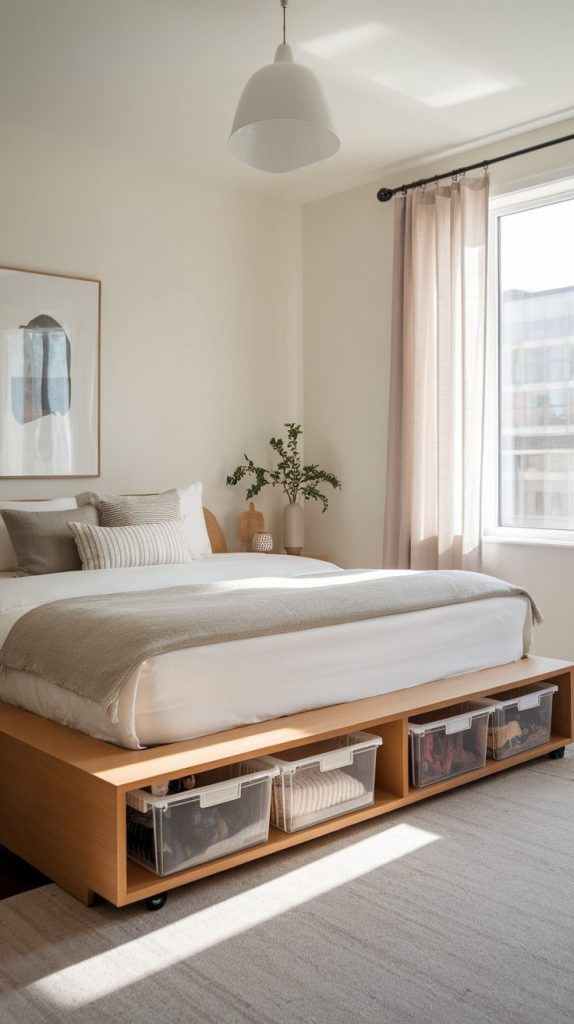
They shove random boxes under there and forget what exists until next year. I prefer treating under-bed space like a proper storage zone, not a black hole.
I always recommend using low-profile bins with wheels or clear lids. You see what’s inside without dragging everything out, which saves time and frustration.
Seasonal clothes, extra bedding, and shoes fit perfectly here when you store them intentionally.
Here’s what works best under the bed:
- Flat storage bins with labels
- Vacuum-sealed bags for bulky items
- Rolling drawers for easy access
If you ask me, under-bed storage feels like free real estate. Why waste it when your closet already struggles to breathe?
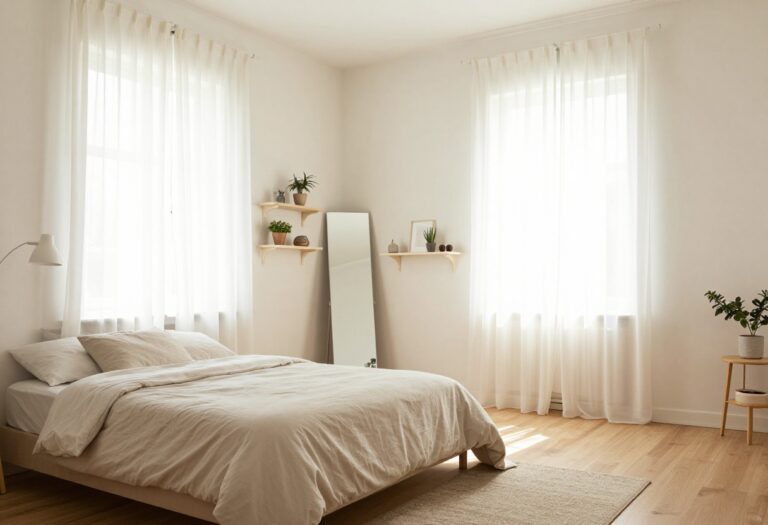
2. Vertical Shelving to Use Wasted Wall Space
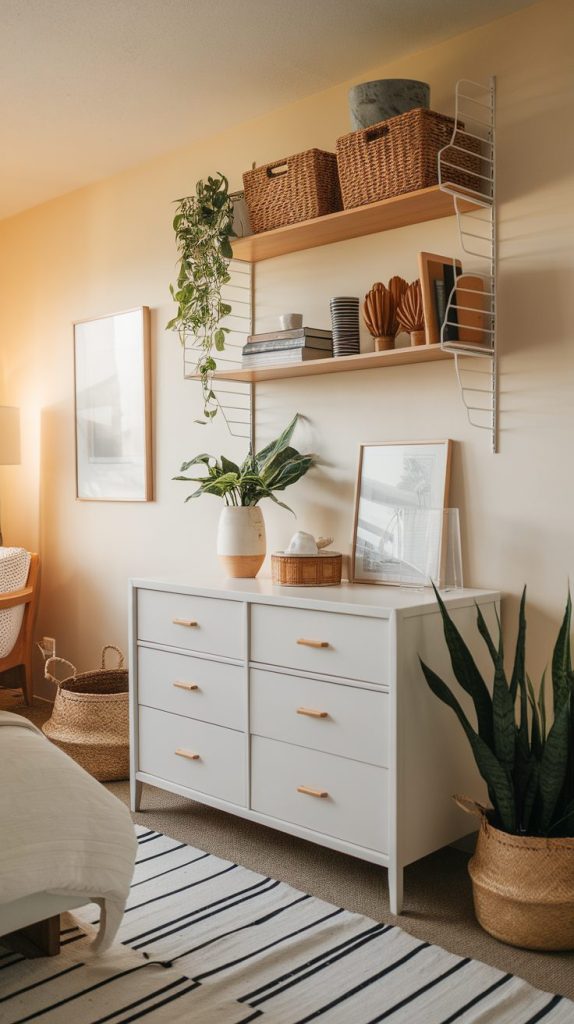
Most bedrooms waste an insane amount of vertical space. People focus only on floor furniture and ignore the walls completely. That’s like owning a bookshelf and only using the bottom shelf.
Wall-mounted shelves instantly free up floor space while adding storage. I like placing them above dressers, desks, or even the headboard area if the layout allows it. Books, baskets, and décor pieces suddenly feel organized instead of chaotic.
Vertical shelving works best when you:
- Keep heavier items lower
- Use baskets to hide visual clutter
- Leave some empty space for balance
IMO, walls exist for a reason, and blank walls feel like missed opportunities.
3. Multi-Functional Furniture That Earns Its Space
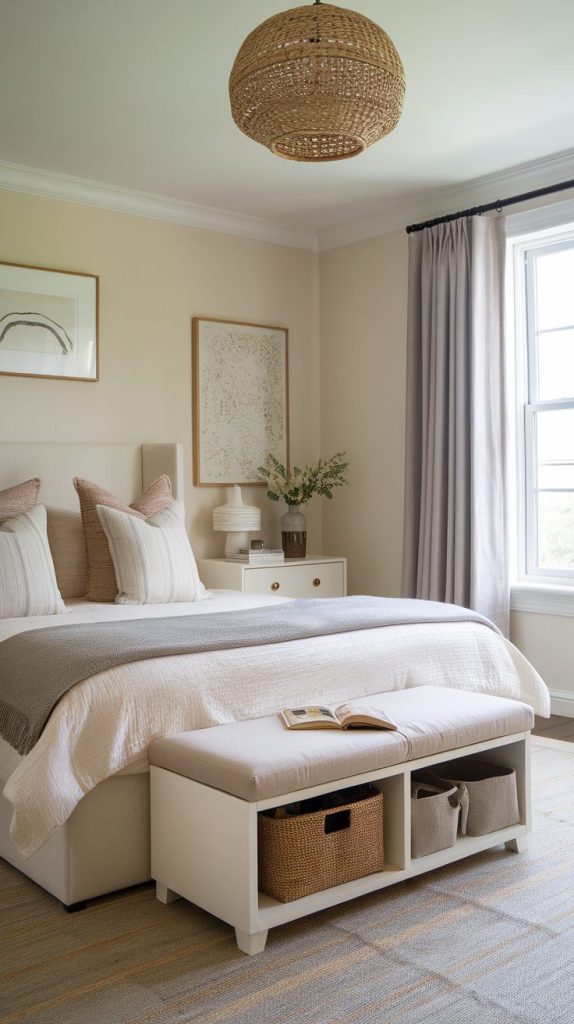
If a piece of furniture only does one thing, it better do it really well. Otherwise, it wastes space in a small or medium bedroom. I always lean toward furniture that works double shifts.
Storage beds, ottomans with hidden compartments, and nightstands with drawers change everything. You sit, sleep, or relax like normal while secretly storing half your life inside. That feels like winning.
Smart multi-functional pieces include:
- Storage beds with drawers
- Benches with lift-up lids
- Nightstands with shelving
I use a storage bench at the foot of my bed, and I swear it hides more clutter than my closet ever could.
4. Closet Zoning to Stop Clothes From Taking Over

A messy closet spills chaos into the entire bedroom. When clothes lose their zone, they end up on chairs, beds, and floors. That’s just facts.
I divide closets into clear sections like tops, bottoms, outerwear, and accessories. Each category gets its own space, which makes daily dressing faster and cleaner. You grab what you need without digging through piles.
Closet zoning works best when you:
- Use slim hangers consistently
- Stack folded items vertically
- Keep frequently used items at eye level
Once your closet feels controlled, your bedroom magically feels bigger too.
5. Drawer Dividers That Prevent Junk Piles
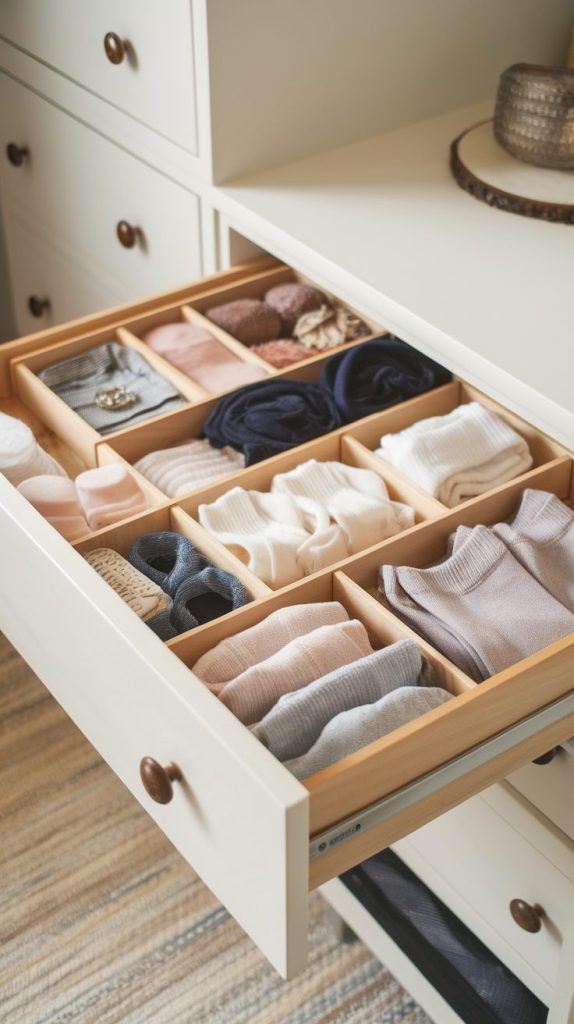
Drawers look organized for about two days without dividers. Then chaos creeps back in, especially with socks, underwear, and random accessories. I learned this the hard way.
Drawer dividers force everything to stay in its place. You stop shoving items inside and hoping for the best. Every item gets a home, which keeps drawers usable long-term.
Great uses for drawer dividers include:
- Socks and underwear
- Jewelry and watches
- Tech accessories
FYI, even cheap dividers work better than no dividers at all.
6. Floating Nightstands for More Floor Space
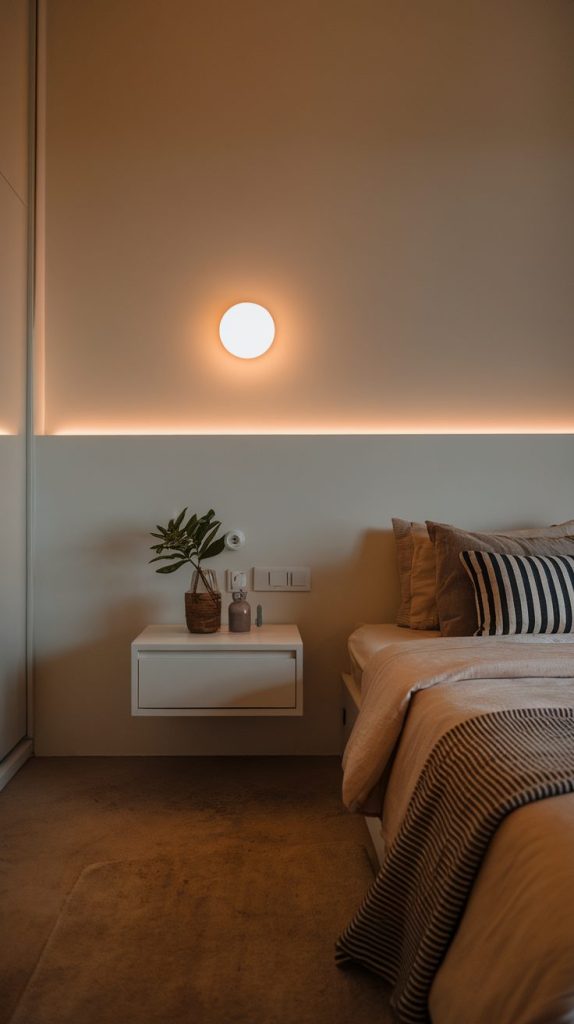
Traditional nightstands take up valuable floor space, especially in tight bedrooms. Floating nightstands solve that problem beautifully. They give you storage without crowding the room.
I love how floating nightstands make a bedroom feel lighter and more modern. You clean the floor easily, and the space feels less boxed in. They still hold essentials like lamps, books, and chargers.
Floating nightstands work best when you:
- Keep items minimal on top
- Use drawers instead of open shelves
- Mount them at comfortable reach height
Once you switch, regular nightstands feel bulky and unnecessary.
7. Over-the-Door Storage You’ll Actually Use
Over-the-door storage sounds boring until you realize how useful it is. Doors sit there doing nothing most of the time. Why not make them work harder?
I use over-the-door organizers for shoes, accessories, and even cleaning supplies. They keep items visible and accessible without eating up drawer or closet space. Plus, installation takes minutes.
Best over-the-door storage ideas include:
- Shoe organizers
- Hook racks for bags
- Pocket organizers for accessories
This trick feels especially helpful in rental spaces where permanent storage feels limited.
8. Bedside Caddies for Small Essentials
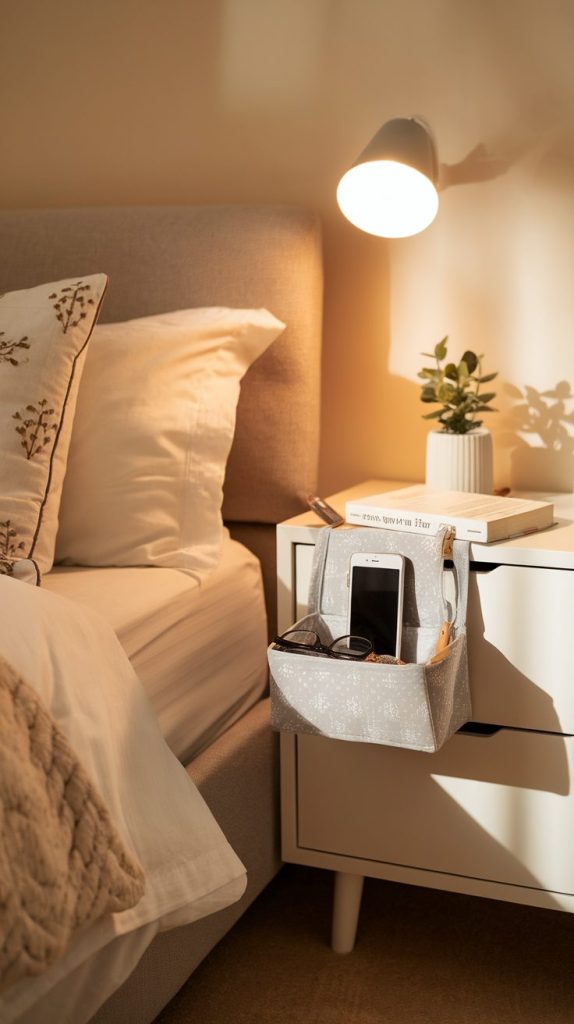
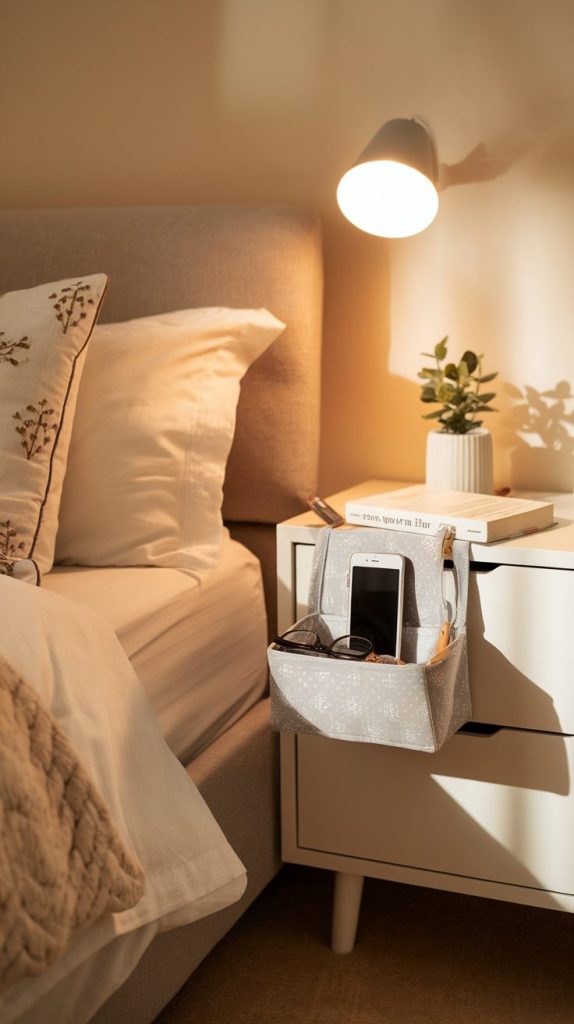
Nightstands overflow fast with books, chargers, glasses, and random stuff. Bedside caddies keep those small items organized without adding furniture. They slide right under the mattress.
I like using them for items I grab daily. Phones, remotes, notebooks, and even snacks fit easily. Everything stays within reach without cluttering surfaces.
Bedside caddies work well because they:
- Save surface space
- Keep essentials hidden
- Stay easy to access
This feels like a low-effort win that instantly reduces mess.
9. Stackable Storage Boxes for Flexibility

Fixed storage limits flexibility, especially when your needs change. Stackable boxes let you grow or shrink storage without replacing furniture. I use them everywhere.
Clear or fabric boxes work great for shelves and closets. You stack them neatly and label them for quick access. When needs change, you rearrange instead of replacing.
Stackable storage works best when you:
- Use uniform sizes
- Label every box clearly
- Group similar items together
This system feels practical instead of permanent, which I really appreciate.
10. Hanging Hooks to Control Daily Clutter

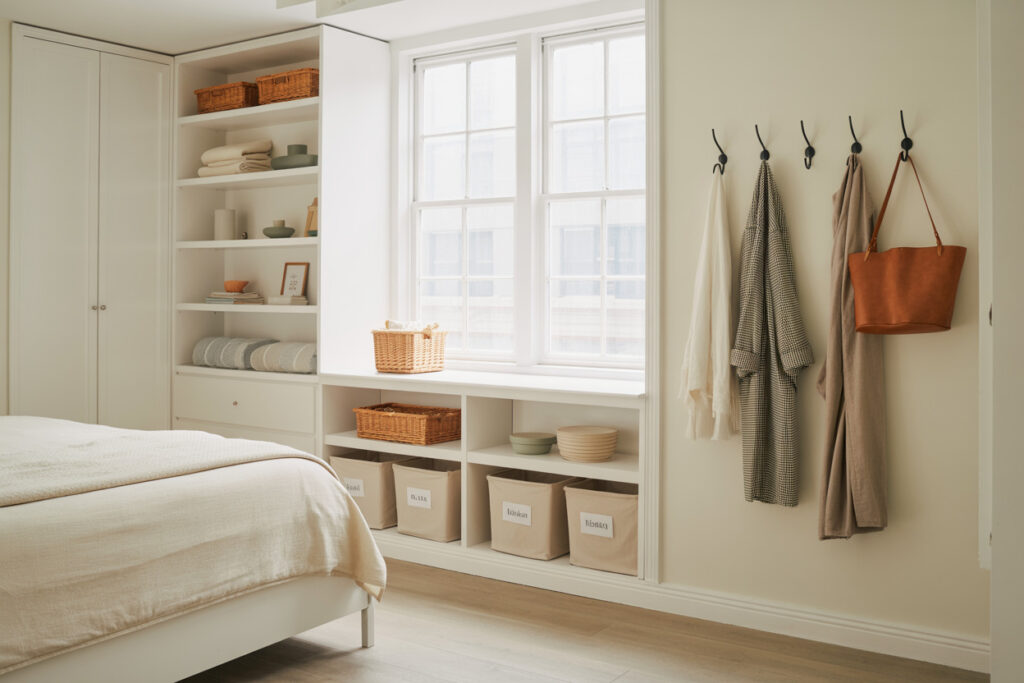
Daily clutter kills bedroom organization faster than anything. Bags, jackets, hats, and hoodies end up everywhere if you don’t plan for them. Hooks solve that problem instantly.
I place hooks behind doors or along unused wall sections. Items go up instead of piling on chairs or the floor. The room looks cleaner without effort.
Smart hook placements include:
- Behind the bedroom door
- Near the closet entrance
- On empty wall corners
Once hooks exist, clutter magically learns where to live.
11. Slim Dressers That Save Space Without Losing Storage
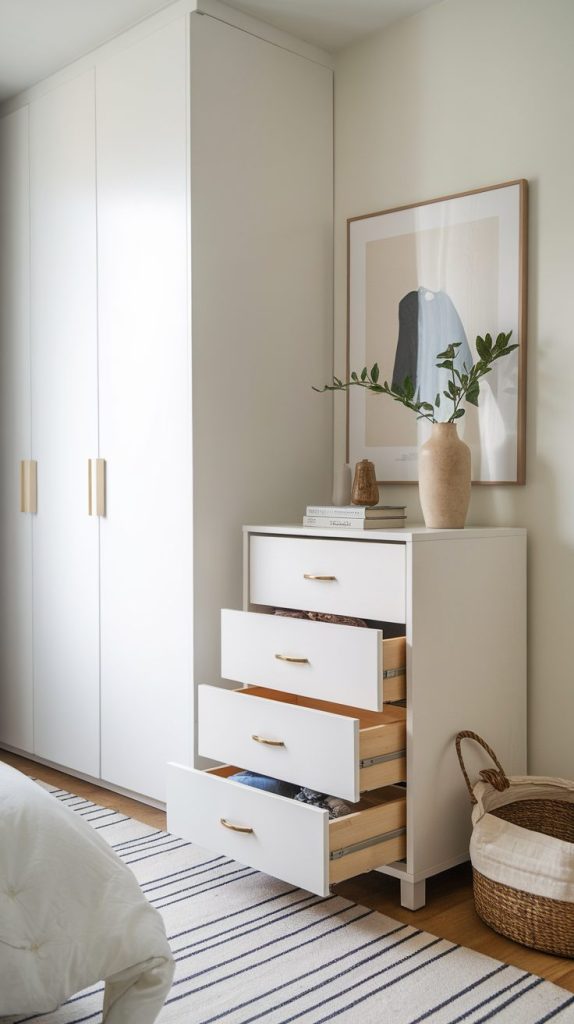
Bulky dressers dominate small bedrooms. Slim dressers provide storage without overwhelming the space. I prefer taller designs that use vertical height.
These dressers fit well in narrow spaces like beside closets or near doors. You store the same items while keeping walkways clear. The room instantly feels more open.
Slim dressers work best when you:
- Use drawer organizers inside
- Avoid overstuffing drawers
- Pair them with wall mirrors
They prove that storage doesn’t need to look heavy to be effective.
12. Shelf Dividers for Neater Open Storage
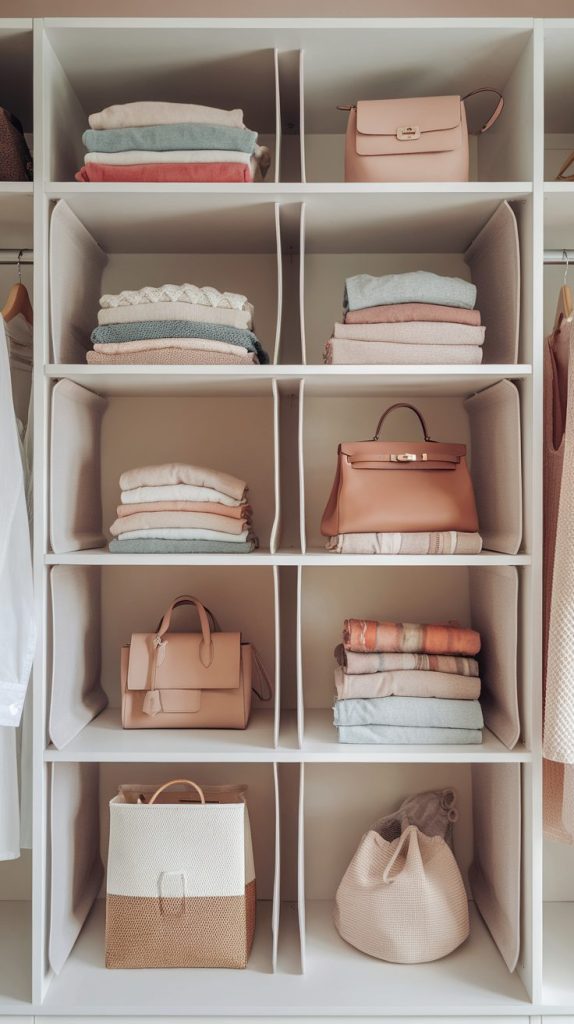
Open shelving looks great until stacks collapse. Shelf dividers keep piles upright and organized. I use them for clothes, bags, and even books.
They stop items from mixing together. You grab one thing without knocking over the rest. That small change makes open storage feel practical instead of decorative.
Shelf dividers help most with:
- Folded clothes
- Handbags and clutches
- Towels and linens
This trick saves time and frustration every single day.
13. Mirrors With Hidden Storage Inside
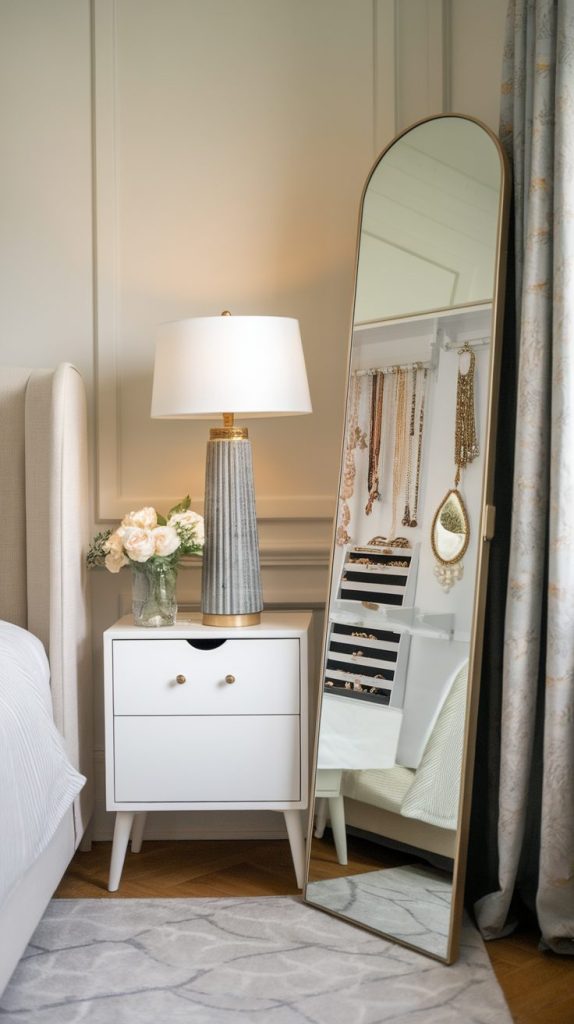
Mirrors already belong in bedrooms, so why not make them useful. Storage mirrors hide shelves behind reflective panels. They store items without adding visible clutter.
I love these for jewelry, skincare, and small accessories. You open the mirror, grab what you need, and close it. The room stays clean and stylish.
Storage mirrors work best when you:
- Keep contents organized inside
- Avoid overloading shelves
- Mount them securely
This feels like a sneaky storage win that looks elegant.
14. Rolling Carts for Flexible Storage
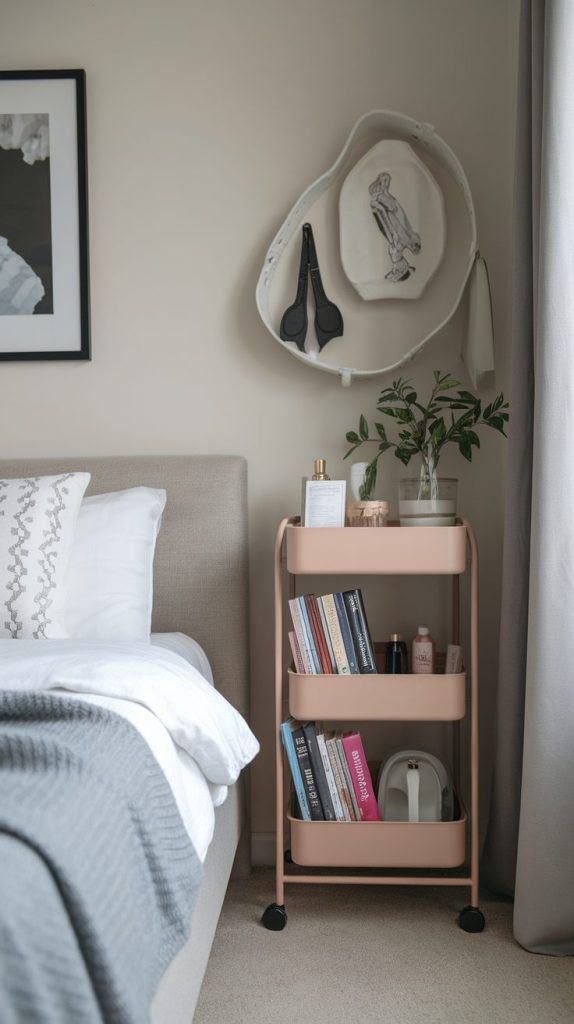
Rolling carts don’t get enough credit in bedrooms. They move easily and adapt to changing needs. I use them when I want storage without commitment.
You roll a cart beside your bed, desk, or closet. It stores beauty products, books, or accessories. When you want space, you roll it away.
Rolling carts work well because they:
- Move without effort
- Fit in tight spaces
- Offer open access
They feel especially useful for small bedrooms with changing layouts.
15. Vacuum-Sealed Bags for Seasonal Items
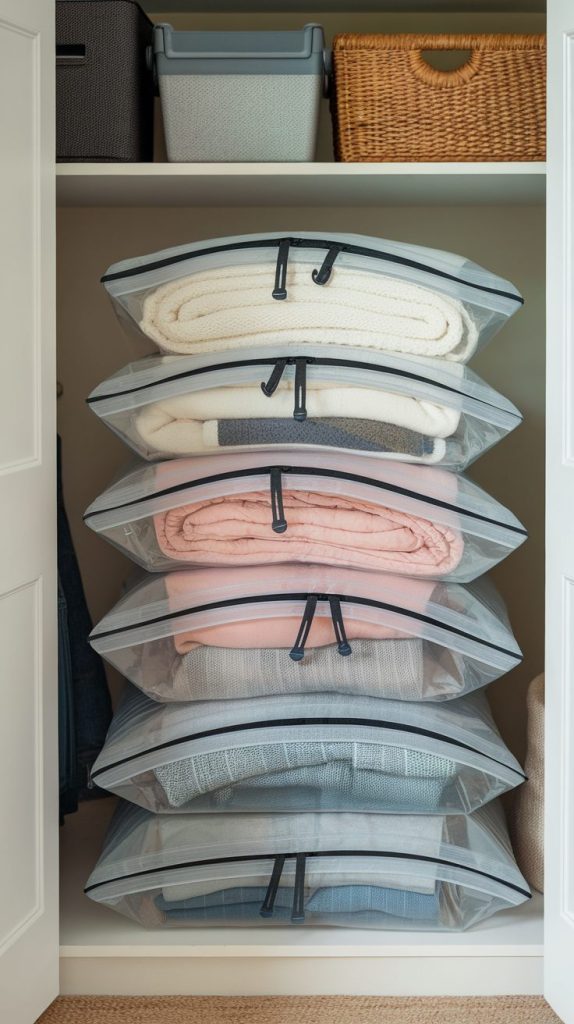
Seasonal items take up ridiculous amounts of space. Vacuum-sealed bags shrink bulky items instantly. I rely on them every year without fail.
Winter blankets, jackets, and extra pillows compress into manageable sizes. You store more without crowding closets or shelves. It feels oddly satisfying.
Vacuum bags work best when you:
- Label each bag clearly
- Store them flat
- Keep them away from sharp objects
This trick alone can free up half your closet space.
16. Headboard Storage for Hidden Organization

Headboards don’t have to stay decorative. Storage headboards add shelves and compartments without adding furniture. I find them especially useful in small bedrooms.
They hold books, lamps, and décor neatly. You skip extra nightstands and save floor space. Everything feels intentional and tidy.
Storage headboards work best when you:
- Keep items minimal
- Use baskets for small pieces
- Avoid overcrowding shelves
They prove that even beds can multitask.
17. Clear Containers to Find Items Faster
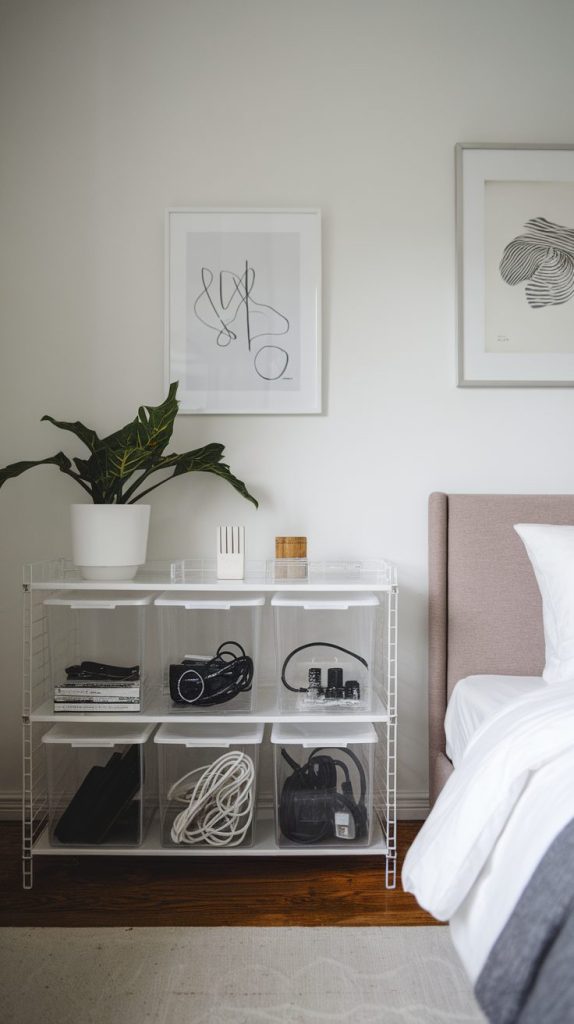
Clear containers eliminate guesswork. You see everything instantly without opening boxes. That saves time and keeps things organized.
I use clear containers for accessories, cables, and small items. They reduce clutter because nothing gets forgotten or duplicated. You know exactly what you own.
Clear containers work best when you:
- Group similar items
- Stack consistently
- Clean them regularly
Once you switch, opaque boxes feel inconvenient.
18. Corner Shelves for Awkward Spaces
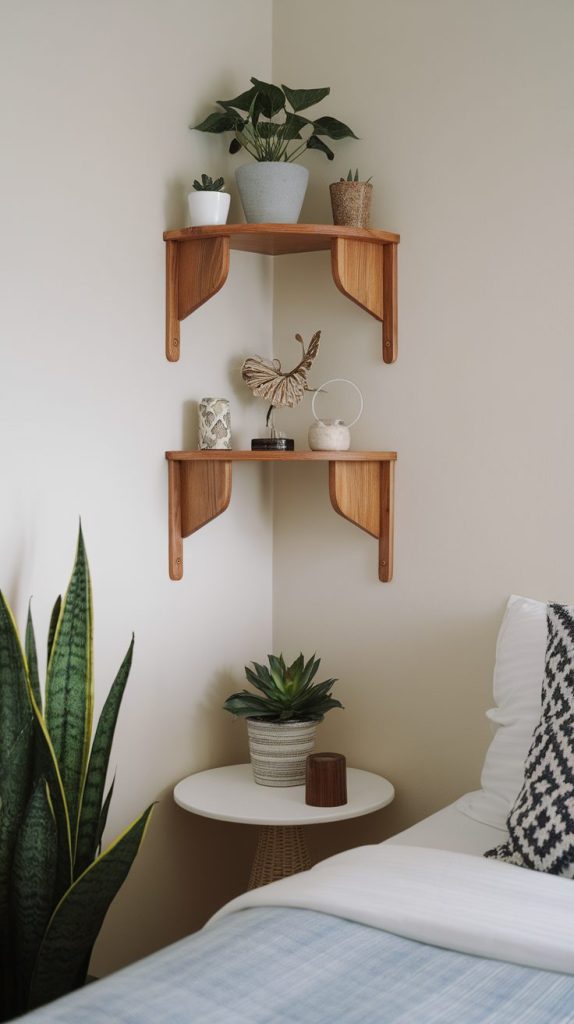
Corners often sit unused because they feel awkward. Corner shelves turn those spaces into storage zones. I love how subtle yet effective they feel.
They hold décor, plants, or small baskets. The room feels balanced instead of cramped. You use space that usually goes ignored.
Corner shelves work best when you:
- Keep items lightweight
- Match shelf color to walls
- Avoid overcrowding
This idea feels small but makes a noticeable difference.
19. Laundry Hampers That Blend In
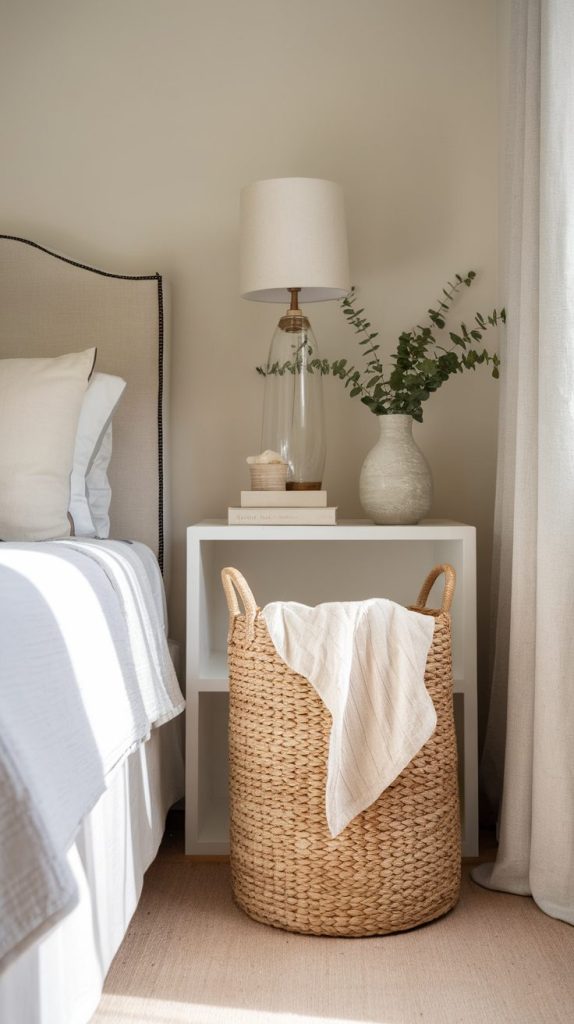
Laundry hampers often ruin bedroom aesthetics. I prefer hampers that blend into décor. Woven or fabric options feel softer and cleaner.
They keep clothes off the floor while staying visually calm. You stop seeing laundry as clutter and start seeing it as organized. That mental shift matters.
Good hamper features include:
- Neutral colors
- Breathable fabric
- Compact shapes
A good hamper quietly keeps chaos under control.
20. Daily Reset Habit That Keeps Everything Working

All the storage in the world fails without habits. I spend five minutes each night resetting my bedroom. That habit keeps everything functional.
I return items to their spots and clear surfaces. The room stays organized without deep cleaning sessions. It feels manageable and realistic.
A daily reset includes:
- Clearing the bed
- Hanging clothes
- Returning items to storage
This habit ties every organization idea together.
Bedroom Organization Strategy: The Space-First Framework
Before you buy a single bin or basket, you need a simple strategy. I call this the Space-First Framework because it forces you to evaluate space before adding storage. Most people buy organizers first and then wonder why nothing fits properly.
Start by measuring your room and identifying unused areas like vertical walls, under-bed space, and corners. Then decide what you actually need to store instead of guessing. When you match storage to real inventory, your bedroom organization ideas actually work long term.
Follow this simple structure:
- Step 1: Declutter aggressively before organizing
- Step 2: Assign every category a fixed home
- Step 3: Choose storage that fits your layout, not trends
- Step 4: Build daily habits that protect your system
This framework keeps your bedroom functional instead of temporarily tidy. When you focus on space first, you stop wasting money on random storage solutions that create more clutter.
How to Declutter Before You Organize
Organization without decluttering creates prettier clutter. I always remove at least 20–30% of items before reorganizing a bedroom. That single move makes every storage solution more effective.
Sort items into four categories: keep, donate, relocate, and toss. Be honest about what you actually use weekly. If something hasn’t moved in a year, it probably doesn’t deserve premium bedroom space.
Decluttering works best when you:
- Empty one zone at a time
- Finish one category before moving on
- Avoid sentimental decision fatigue
Once you reduce volume, every organization idea in the article becomes easier to implement and maintain.
Small Bedroom vs. Large Bedroom Organization Approach
Not all bedrooms require the same strategy. Small bedrooms demand vertical thinking and multi-functional furniture. Large bedrooms need zoning to prevent empty space from turning into clutter zones.
In small rooms, prioritize wall-mounted shelves, floating nightstands, and under-bed storage. In larger rooms, define areas for sleeping, dressing, and storage so items don’t spread randomly. Clear zones improve flow and reduce visual noise.
No matter the size, focus on:
- Clear walkways
- Defined storage areas
- Limited surface clutter
When you adapt your organization ideas to room size, the space feels intentional instead of cramped or chaotic.
Common Mistakes to Avoid
People sabotage their bedroom organization without realizing it. I’ve made most of these mistakes myself, so trust me when I say they slow everything down. Avoiding them saves time and frustration.
One major mistake involves buying storage before decluttering. Extra containers often encourage you to keep more than you need. Organization should reduce volume, not hide it.
Another common issue includes inconsistent systems. If half your drawers use dividers and the other half don’t, chaos creeps back quickly. Consistency keeps systems sustainable.
Avoid these mistakes:
- Overfilling drawers and bins
- Ignoring vertical space
- Leaving daily-use items without a designated spot
- Skipping labeling when needed
When you fix these habits, your bedroom organization lasts instead of collapsing after two weeks.
Maintenance Plan: Keeping Your Bedroom Organized Long-Term
Even the best bedroom organization ideas fail without maintenance. I rely on simple habits instead of occasional deep clean marathons. Small actions keep systems working.
Commit to a weekly five-minute audit of high-traffic zones like nightstands and dressers. Remove items that don’t belong and return them immediately. That quick reset prevents clutter buildup.
Monthly, review one storage area and remove unnecessary items. This routine keeps volume controlled and storage efficient. Organization works best when you treat it as maintenance, not a one-time project.
Consistency protects your investment in time, money, and effort. When systems feel easy, you stick with them.
Bedroom Organization FAQ
1. How do I organize a small bedroom with no closet?
Use vertical shelving, under-bed storage, and multi-functional furniture. Wall hooks and slim dressers also help maximize limited space. Focus on storing upward instead of outward.
2. What is the fastest way to reduce bedroom clutter?
Start by clearing surfaces like nightstands and dressers. Remove visible clutter first because it creates immediate visual relief. Then move to closets and drawers.
3. How often should I reorganize my bedroom?
You shouldn’t need full reorganizations often. A strong system only requires small weekly resets and occasional seasonal edits. Major overhauls usually signal poor systems.
4. Are storage bins better than open shelving?
Storage bins hide clutter and create a cleaner look. Open shelving works well when you maintain neat stacks and use dividers. Choose based on how disciplined you feel about visual order.
5. What bedroom organization ideas work best for renters?
Use non-permanent solutions like over-the-door organizers, rolling carts, and adhesive hooks. Avoid heavy built-ins that require drilling unless your lease allows it. Portable storage keeps flexibility high.
6. How do I keep my bedroom organized with a busy schedule?
Build micro-habits instead of long cleaning sessions. Spend five minutes daily resetting surfaces and returning items to their homes. Simple routines protect your system without overwhelming you.
Conclusion
Bedroom organization doesn’t require perfection, just smarter choices and a little consistency. When you use space intentionally, even small bedrooms feel calm and functional. I’ve learned that good organization supports better sleep and less daily stress.
Try a few ideas instead of everything at once and see what sticks. Small changes add up faster than you expect. Your bedroom should feel like a retreat, not a storage unit in disguise.