20 Smart Bedroom Room Arrangement Ideas You’ll Love
My bedroom used to feel tight, awkward, and mildly annoying every single day. I blamed the room size, the furniture, and honestly the universe for a while.
Then I realized the real problem came from how I arranged things, not how much space I had.
Once I stopped forcing furniture where it looked “right” and started placing it where it actually worked, everything changed. The room felt calmer, easier to clean, and way more grown-up without spending real money.
If your bedroom feels off but you can’t explain why, these ideas will fix that fast.
1. Anchor the Bed on the Longest Wall
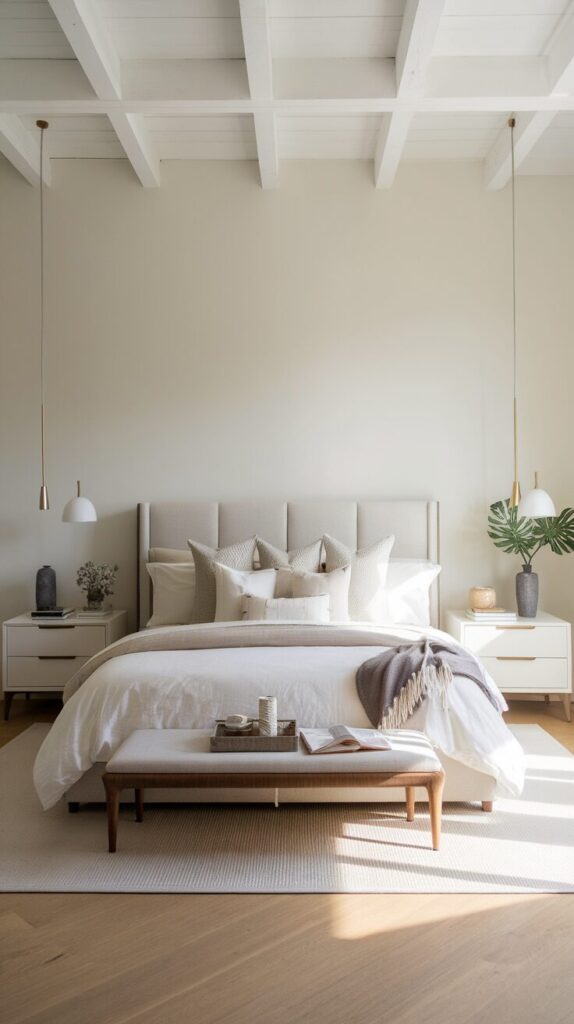
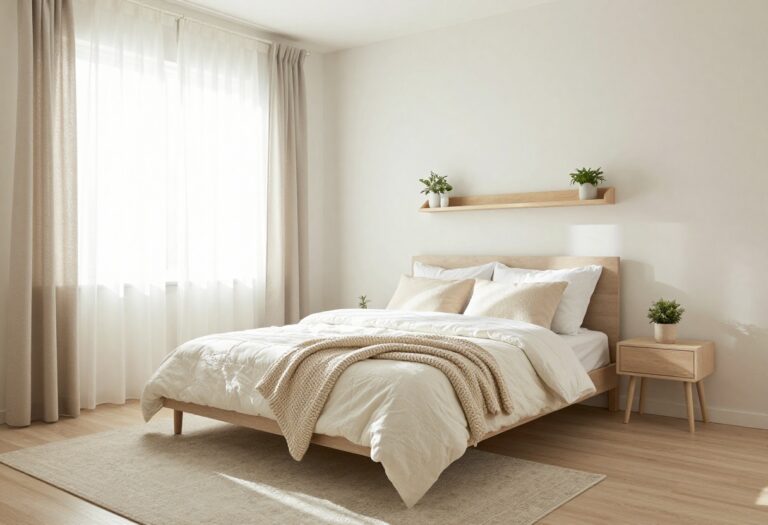
Most bedrooms feel wrong because the bed floats in a random spot that kills the flow. I see this all the time, especially in small or oddly shaped rooms. The longest wall usually gives the bed breathing room and instantly makes the layout feel intentional.
This setup gives your eyes a clear focal point the second you walk in. The room feels wider because furniture lines up instead of fighting each other. I tried this after years of shoving my bed near a window, and I regretted not doing it sooner.
Why This Works
The longest wall supports visual balance without crowding walkways. You create symmetry naturally, even if the room stays small. The bed finally looks like it belongs there.
How to Do It
- Measure wall length before moving anything so you avoid awkward gaps
- Center the bed visually, not mathematically, so the room feels relaxed
- Leave at least 24 inches of walking space on each side
Style & Design Tips
Use matching nightstands if space allows, but keep them slim. Avoid bulky headboards that eat visual space fast.
Pro Tip or Budget Hack
Skip a headboard and mount large pillows or fabric panels instead. You save money and gain flexibility.
2. Use Nightstands That Match the Bed Height
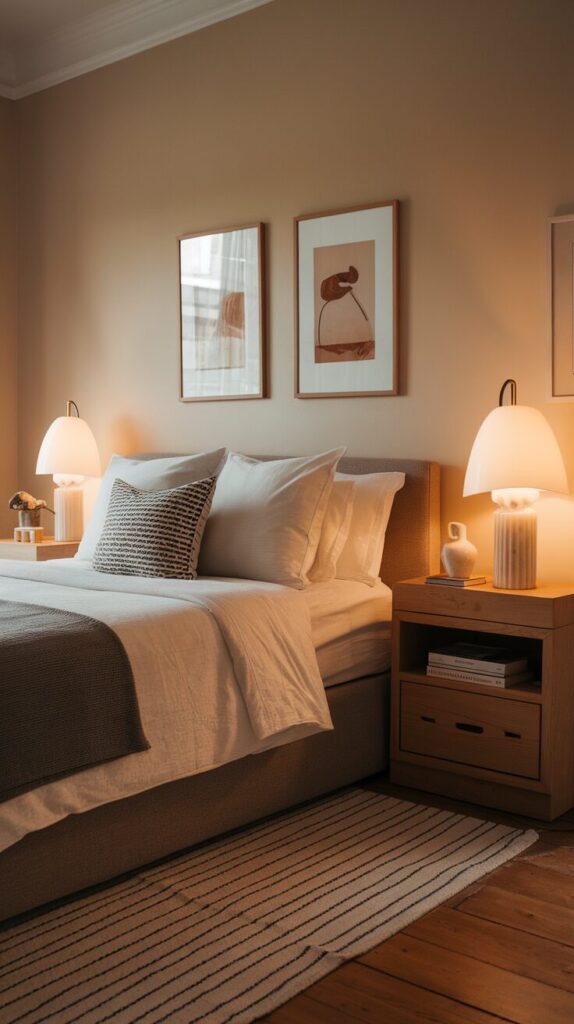
Nothing throws off a bedroom faster than nightstands that sit way too high or awkwardly low. I ignored this for years and wondered why my room felt messy even when clean. The moment I fixed the height mismatch, everything clicked.
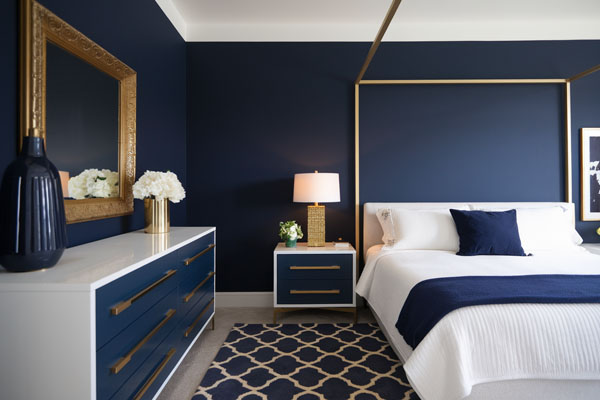
Nightstands should support the bed, not compete with it. When the heights align, the room looks calmer and more expensive without effort.
Why This Works
Matching heights create visual continuity. Your eye moves smoothly across the room instead of stopping at random levels.
How to Do It
- Measure mattress height from floor to top
- Choose nightstands within two inches of that height
- Replace tall tables with stools or small cabinets
Style & Design Tips
Stick with clean shapes and neutral tones. Avoid oversized drawer pulls that dominate visually.
Pro Tip or Budget Hack
Stack sturdy books under shorter nightstands to raise them. This trick works shockingly well.
3. Float the Bed Away From the Wall
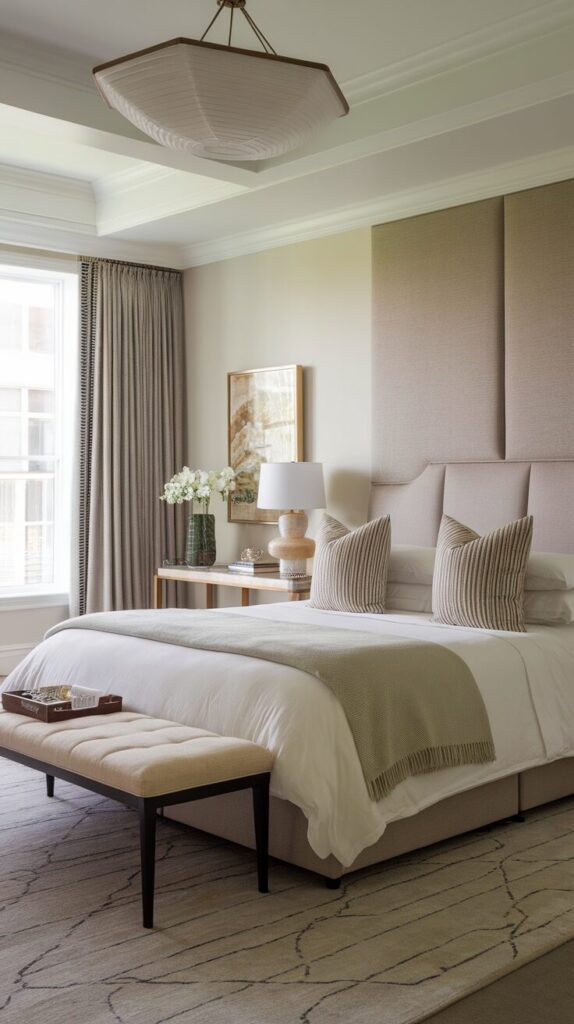
Everyone pushes the bed against the wall by default. I did it too until I realized it made the room feel cramped and unbalanced. Floating the bed slightly forward changes everything.
This layout adds hotel vibes instantly. The space behind the bed feels intentional instead of wasted.
Why This Works
You create depth and movement in the room. The bed becomes a centerpiece instead of a wall accessory.
How to Do It
- Pull the bed out 6–12 inches from the wall
- Add a narrow console or shelf behind the headboard
- Keep cords hidden to maintain a clean look
Style & Design Tips
Use low-profile furniture behind the bed. Avoid tall shelves that block light.
Pro Tip or Budget Hack
Use a slim IKEA console table behind the bed. It looks custom without the price.
4. Swap a Dresser for Under-Bed Storage
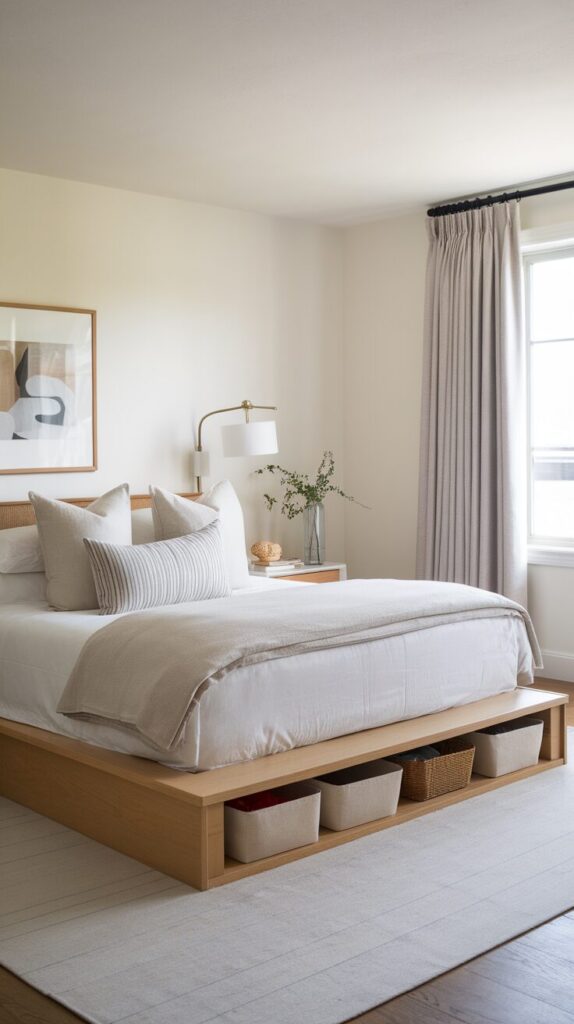
Dressers eat space fast, especially in smaller bedrooms. I replaced mine with under-bed storage and never looked back. The room instantly felt lighter and easier to move around.
This option works great if you store seasonal clothes or extra bedding. You keep everything accessible without bulky furniture.
Why This Works
You use dead space that already exists. The room stays open while storage stays hidden.
How to Do It
- Choose bins with wheels for easy access
- Label everything clearly to avoid chaos
- Keep frequently used items elsewhere
Style & Design Tips
Pick neutral bins that disappear visually. Avoid clear plastic if aesthetics matter to you.
Pro Tip or Budget Hack
Vacuum-seal bags maximize space for bulky items like blankets.
5. Create a Mini Dressing Zone
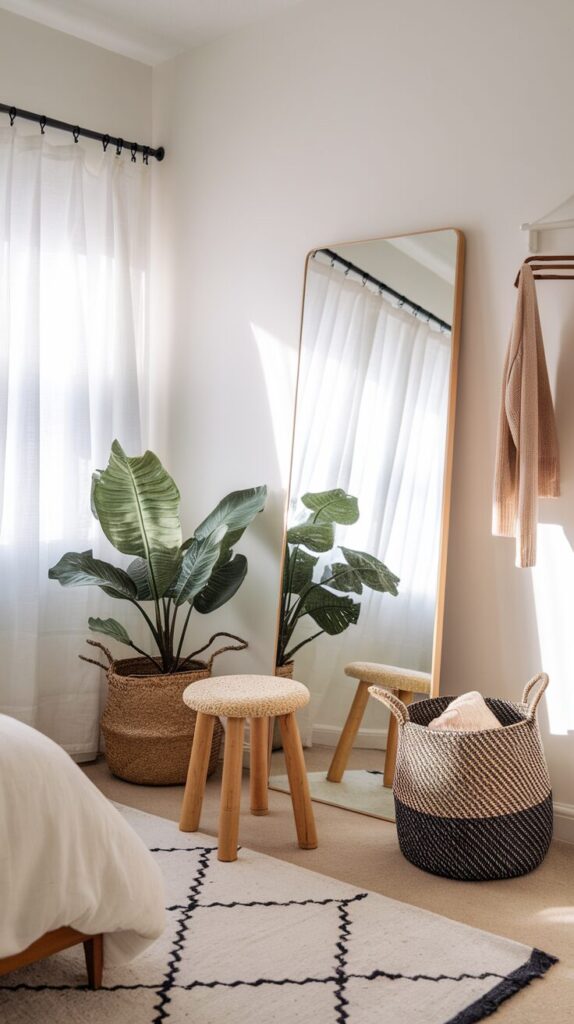
Clothes end up everywhere when the room lacks a getting-ready area. I added a tiny dressing zone, and my floor stayed clean for once. Even small bedrooms can handle this with the right layout.
A mirror, stool, and light create a functional corner without clutter. This setup saves time every morning.
Why This Works
You give clothes a temporary home instead of the bed. The room stays intentional and calm.
How to Do It
- Place a mirror near natural light
- Add a small stool or bench
- Keep accessories contained in one basket
Style & Design Tips
Choose warm lighting for flattering results. Avoid harsh overhead bulbs in this zone.
Pro Tip or Budget Hack
Use a wall-mounted mirror instead of a standing one to save floor space.
6. Push Storage Vertically, Not Horizontally
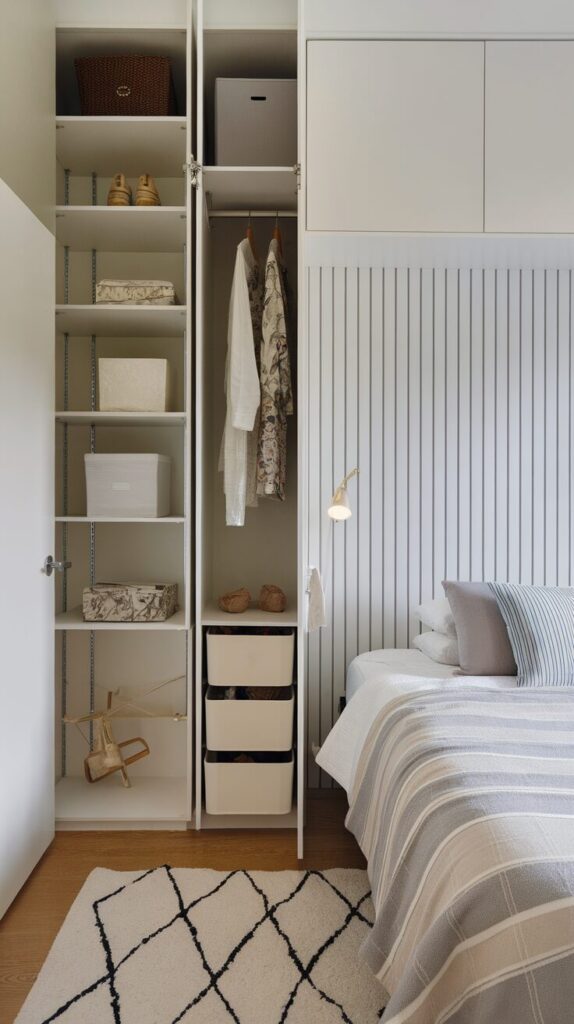
Horizontal furniture eats walking space fast. Vertical storage keeps the floor clear and the room breathable. I learned this the hard way after tripping over drawers daily.
Tall shelves and wardrobes work harder in small rooms. You gain storage without shrinking the layout.
Why This Works
Vertical lines draw the eye upward. The room feels taller and more open.
How to Do It
- Use floor-to-ceiling shelves where possible
- Anchor tall furniture securely
- Keep lower areas visually light
Style & Design Tips
Mix open and closed storage. Avoid filling every shelf to prevent visual clutter.
Pro Tip or Budget Hack
Install floating shelves instead of buying tall cabinets.
7. Center the Rug Under the Bed
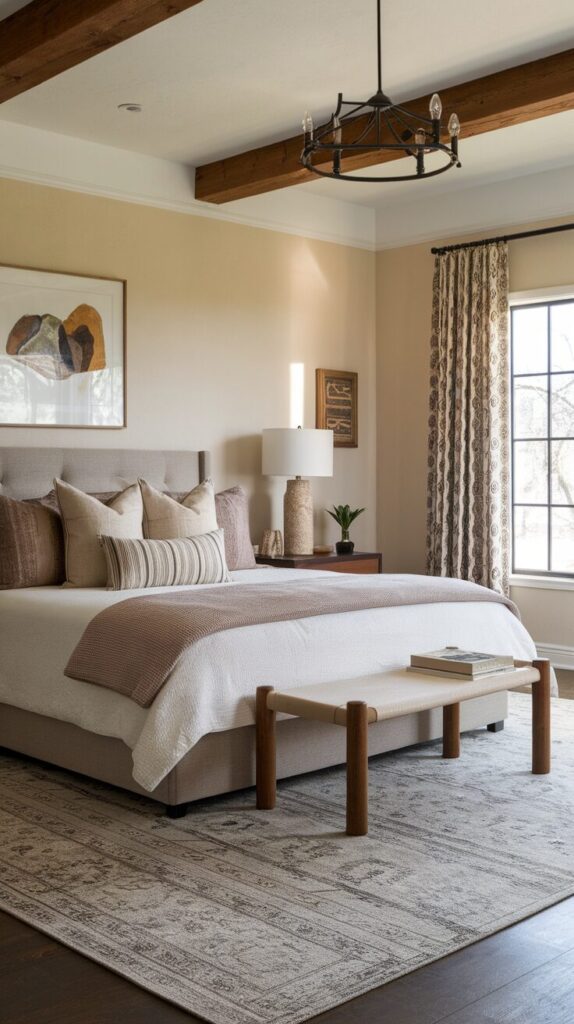
Rugs confuse people more than they should. A tiny rug floating somewhere random does nothing. Centering the rug under the bed fixes the layout instantly.
The rug should frame the bed, not hide under it. This move adds warmth and structure.
Why This Works
The rug grounds the furniture. Everything feels anchored and cohesive.
How to Do It
- Choose a rug large enough to extend past the bed
- Align it evenly on both sides
- Keep edges straight and visible
Style & Design Tips
Stick to low-pile rugs for easy cleaning. Avoid busy patterns in small rooms.
Pro Tip or Budget Hack
Layer a large neutral rug with a smaller accent rug on top.
8. Use a Bench at the Foot of the Bed
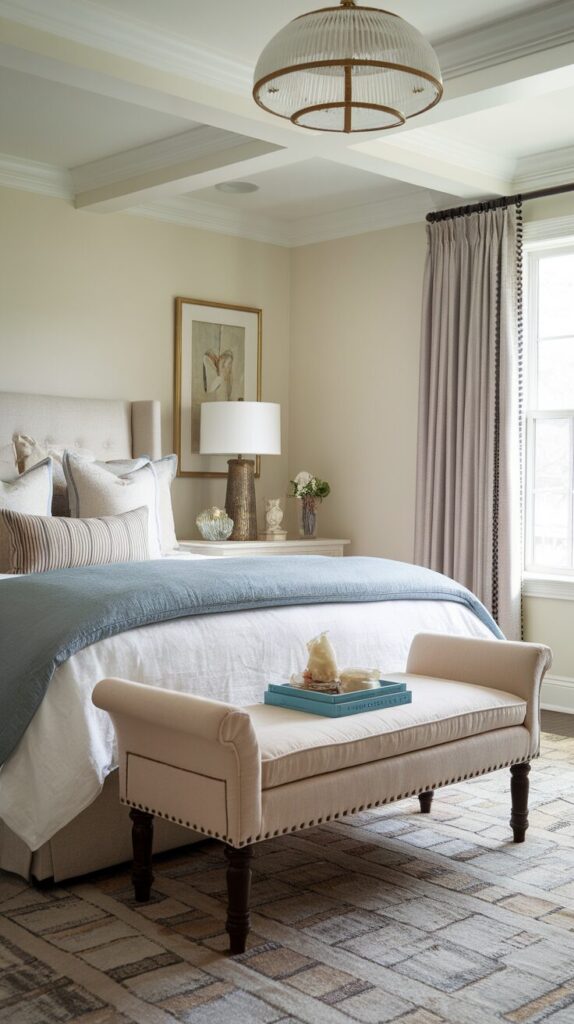
A bench adds function without clutter. I resisted this idea until I tried it, and now I swear by it. The bed feels finished instead of floating awkwardly.
Benches help with dressing, storage, and visual balance. They also keep throw pillows under control.
Why This Works
You extend the bed’s footprint visually. The room feels intentional and styled.
How to Do It
- Choose a bench slightly shorter than the bed width
- Leave walking clearance around it
- Use storage benches for extra function
Style & Design Tips
Match the bench tone to the bed frame. Avoid oversized benches that block movement.
Pro Tip or Budget Hack
Repurpose a narrow entry bench instead of buying bedroom-specific furniture.
9. Turn Corners Into Purposeful Zones
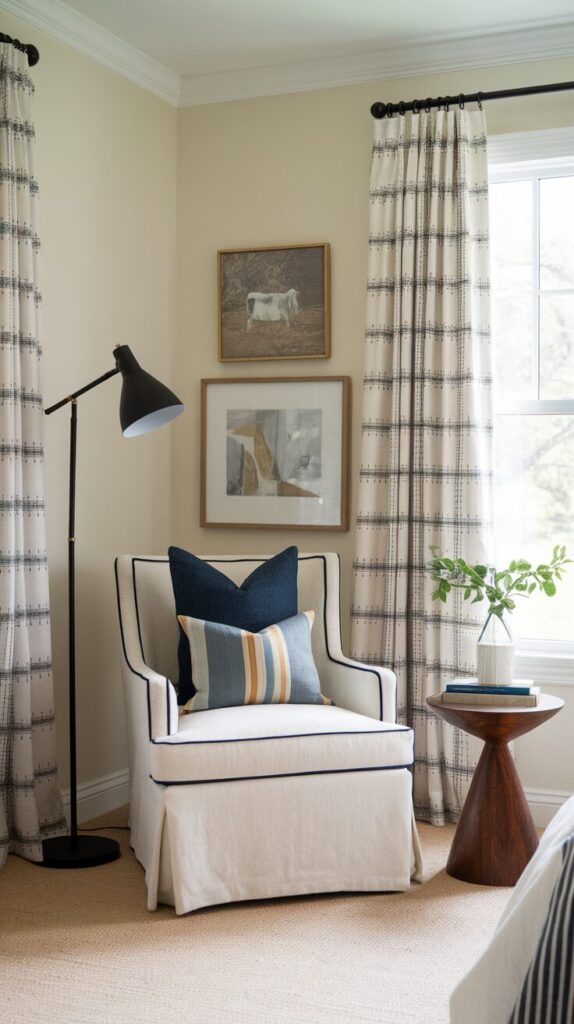
Empty corners feel sad and wasted. I started treating corners like mini rooms, and my layout improved fast. Even awkward corners can work hard.
Reading nooks, plant stands, or small desks fit perfectly here. The room feels layered instead of flat.
Why This Works
You activate unused space. The room gains function without crowding.
How to Do It
- Identify dead corners first
- Choose one purpose per corner
- Keep furniture scaled correctly
Style & Design Tips
Add a lamp to define the zone. Avoid stuffing corners with random items.
Pro Tip or Budget Hack
Use a floor pillow and wall sconce for a cozy reading spot.
10. Face the Bed Toward the Door, Not the Window
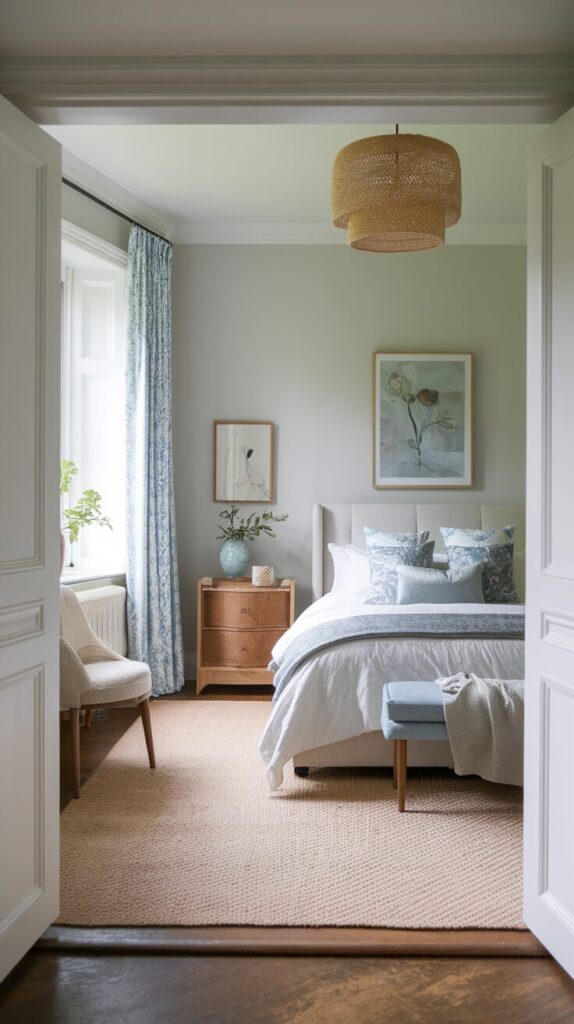
I used to aim the bed at the window because it felt logical. Facing it toward the door actually improved flow and comfort. The room finally felt grounded.
This layout reduces visual chaos. You gain a sense of control and calm.
Why This Works
The bed aligns with natural movement. You enter the room and feel oriented instantly.
How to Do It
- Test different angles before committing
- Keep sightlines clean
- Avoid blocking doors or closets
Style & Design Tips
Frame the bed with art or lamps. Avoid heavy curtains behind the headboard.
Pro Tip or Budget Hack
Use lightweight panels instead of full curtains if the bed faces a window.
11. Replace a Desk With a Wall-Mounted Option
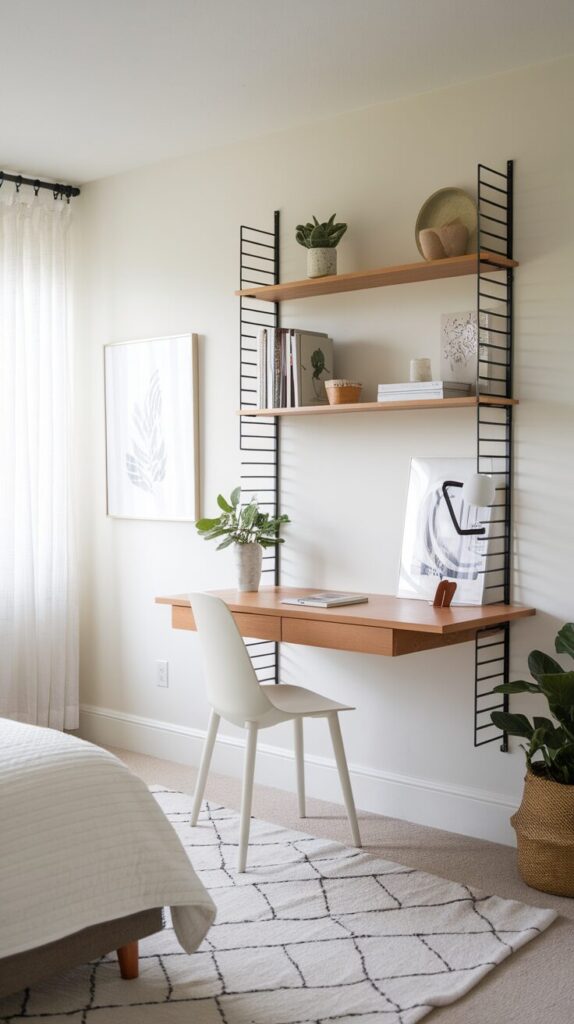
Traditional desks dominate bedroom space fast. I switched to a wall-mounted desk and gained breathing room immediately. The room felt calmer without sacrificing function.
This works especially well for light work or vanity setups. You keep the floor open and flexible.
Why This Works
Wall-mounted furniture reduces visual weight. The room feels larger and easier to clean.
How to Do It
- Mount the desk at a comfortable height
- Add floating shelves above if needed
- Keep cables hidden
Style & Design Tips
Choose slim designs with clean lines. Avoid chunky brackets that draw attention.
Pro Tip or Budget Hack
Use a wall-mounted shelf as a minimalist desk surface.
12. Angle Furniture Slightly for Better Flow
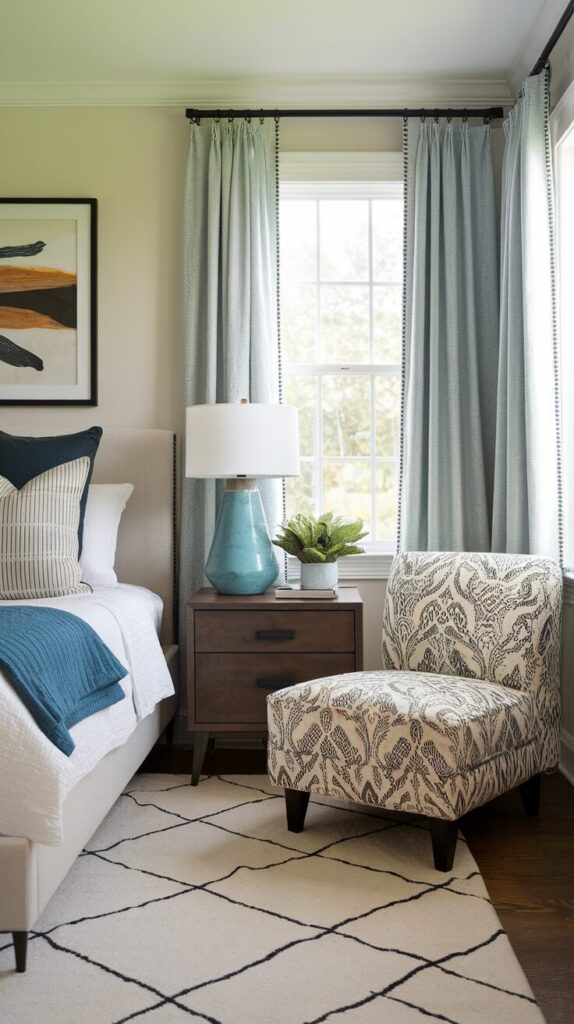
Perfectly straight furniture sometimes feels stiff. I angled one chair slightly and noticed the room felt more relaxed. Small shifts create big changes.
Angled pieces break boxy layouts. The space feels more organic and lived-in.
Why This Works
Angles guide movement naturally. The room stops feeling like a grid.
How to Do It
- Angle one piece at a time
- Keep pathways clear
- Trust your eye
Style & Design Tips
Use this trick sparingly. Avoid angling large furniture excessively.
Pro Tip or Budget Hack
Angle a small accent chair instead of major pieces.
13. Keep the Floor as Clear as Possible
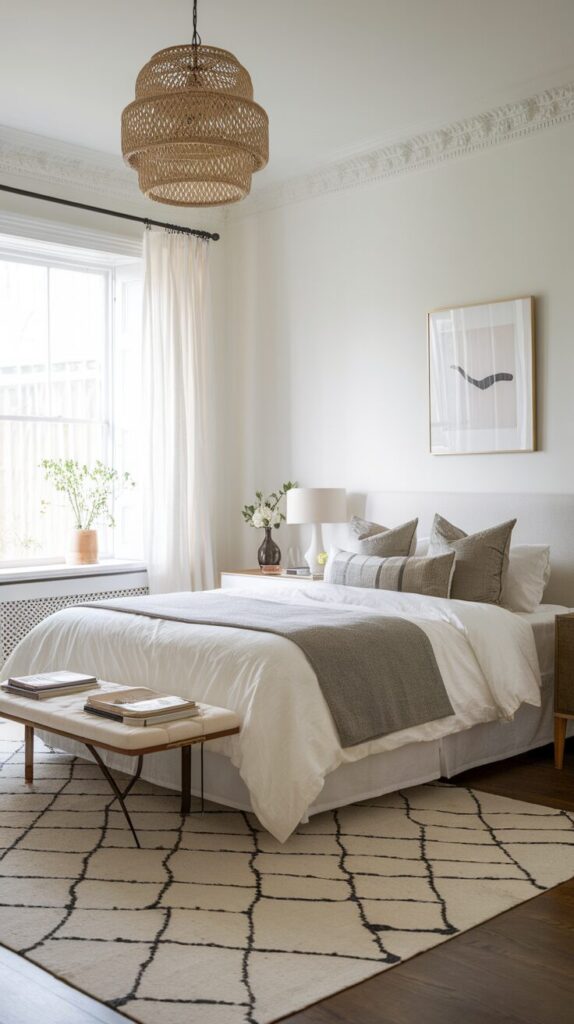
Floors collect clutter faster than any surface. I made it a rule to keep mine mostly clear, and the room felt bigger overnight. Furniture choice matters here.
Leggy furniture lifts visually. The room breathes easier.
Why This Works
Visible floor space signals openness. Your brain reads the room as larger.
How to Do It
- Choose furniture with legs
- Mount lamps and shelves
- Store items vertically
Style & Design Tips
Match leg finishes for cohesion. Avoid heavy skirted furniture.
Pro Tip or Budget Hack
Add furniture risers to existing pieces.
14. Place Mirrors Strategically, Not Randomly
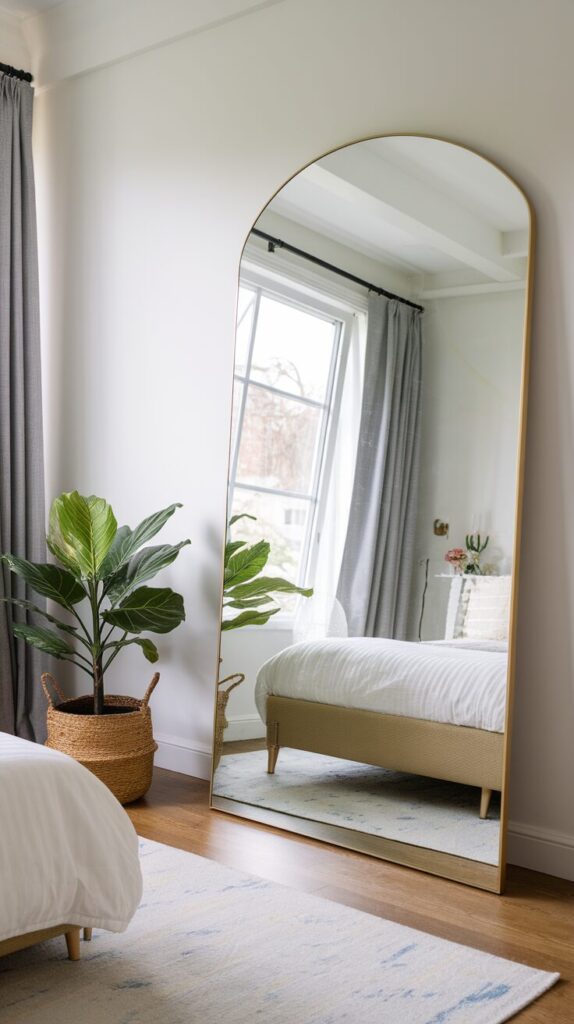
Mirrors help, but only when placed well. I moved mine across from a window, and the room doubled visually. Random mirrors just confuse the layout.
Good placement amplifies light and depth. Bad placement adds chaos.
Why This Works
Mirrors bounce light intentionally. The room feels brighter and wider.
How to Do It
- Face mirrors toward light sources
- Avoid reflecting clutter
- Keep frames simple
Style & Design Tips
Use thin frames for modern rooms. Avoid multiple small mirrors scattered everywhere.
Pro Tip or Budget Hack
Lean a full-length mirror instead of mounting it.
15. Downsize the Bed Frame If Needed
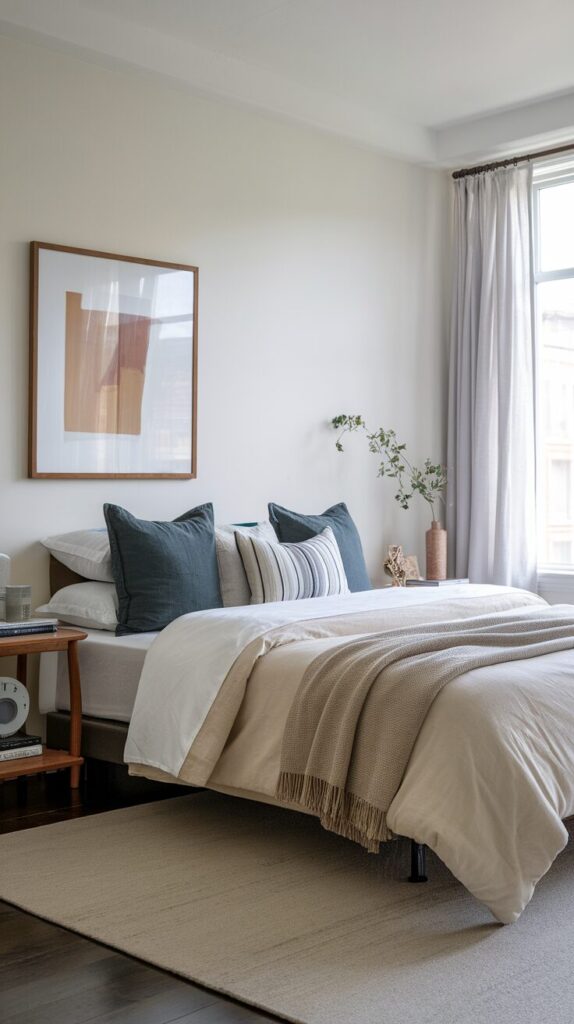
Oversized frames look luxurious online but overwhelm real rooms. I swapped mine for a slimmer frame and gained space instantly. The mattress still felt great.
Slim frames prioritize comfort without bulk. The room finally made sense.
Why This Works
You reduce visual and physical weight. The layout opens up naturally.
How to Do It
- Measure clearance around the bed
- Choose low-profile frames
- Skip footboards
Style & Design Tips
Stick with neutral finishes. Avoid ornate detailing in small rooms.
Pro Tip or Budget Hack
Use a simple metal frame and upgrade bedding instead.
16. Create Symmetry Where You Can
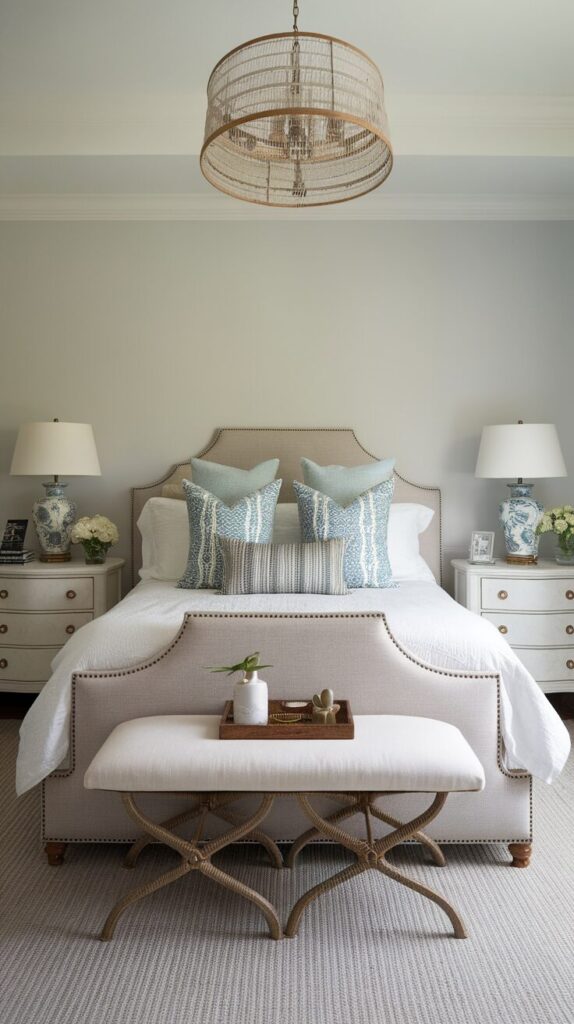
Symmetry calms the eye fast. I added matching lamps, and the room instantly felt pulled together. Even partial symmetry helps.
You don’t need perfection. Balance matters more.
Why This Works
Symmetry creates order. The room feels intentional and restful.
How to Do It
- Match lamps or nightstands
- Align artwork evenly
- Balance visual weight
Style & Design Tips
Mix textures to avoid stiffness. Avoid overmatching everything.
Pro Tip or Budget Hack
Use identical lamp shades on different bases.
17. Keep the Closet Area Visually Quiet
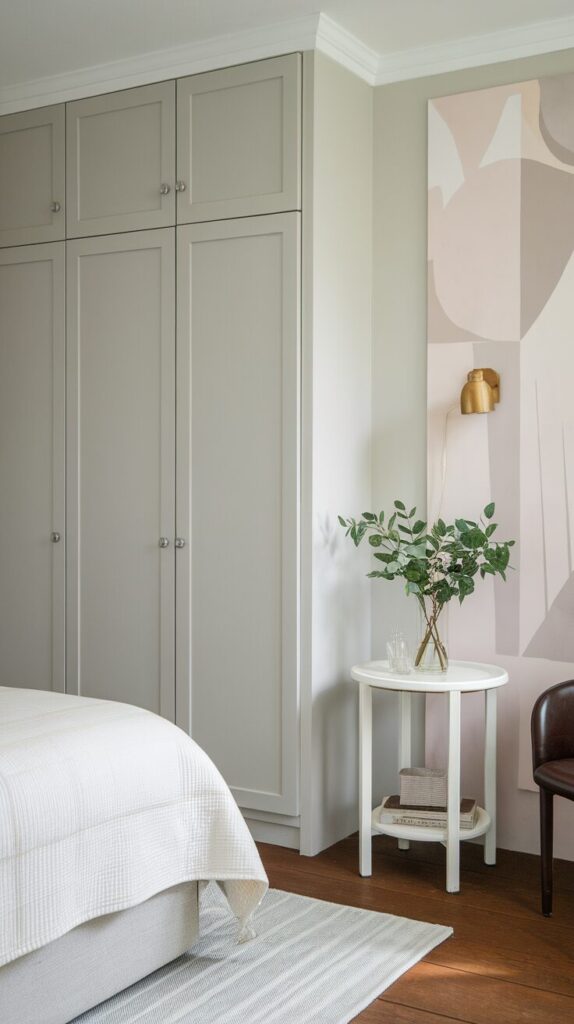
Closets create visual noise when cluttered. I simplified mine, and the room felt calmer. Doors matter here.
Clean closet lines reduce mental clutter. The bedroom feels restful again.
Why This Works
Your eyes stop catching on chaos. The room feels peaceful.
How to Do It
- Use closed storage where possible
- Match closet color to walls
- Organize inside thoroughly
Style & Design Tips
Stick to neutral closet finishes. Avoid bold colors here.
Pro Tip or Budget Hack
Add curtains instead of doors for flexibility.
18. Limit Furniture to What You Actually Use
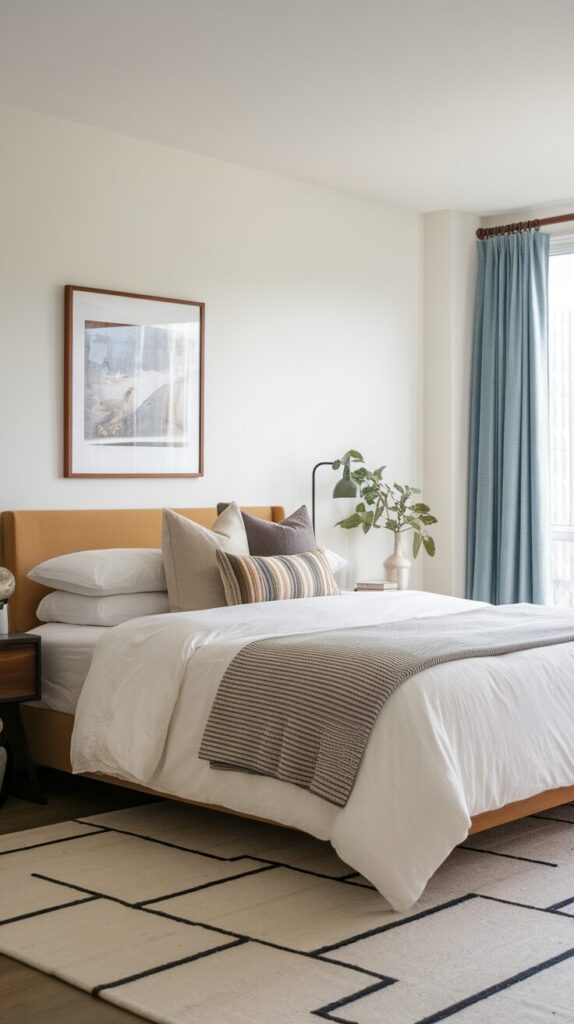
Extra furniture sounds nice until it blocks movement. I removed one unused chair and instantly improved flow. Less really helps here.
Every piece should earn its place. If it doesn’t, it goes.
Why This Works
Fewer pieces improve circulation. The room feels lighter.
How to Do It
- Remove one item at a time
- Test the layout for a week
- Notice how you move
Style & Design Tips
Prioritize function over trends. Avoid impulse décor buys.
Pro Tip or Budget Hack
Store unused items elsewhere before selling or donating.
19. Use Lighting to Define Layout Zones
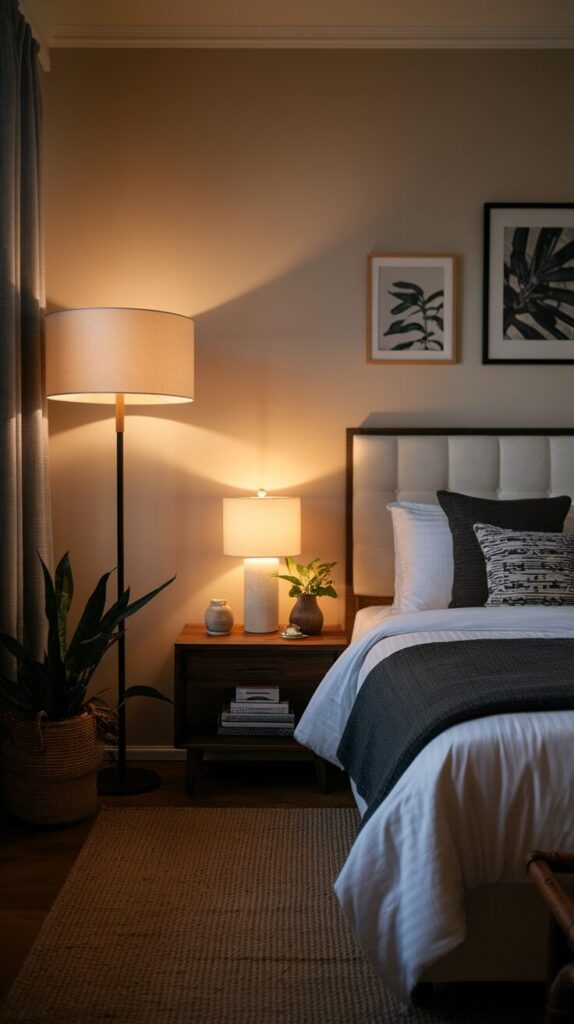
Lighting shapes space more than furniture sometimes. I added a floor lamp, and the room felt zoned instantly. Overhead lights alone feel flat.
Layered lighting adds depth. The room feels intentional.
Why This Works
Light guides attention. Zones feel purposeful and cozy.
How to Do It
- Use at least two light sources
- Match bulb warmth
- Place lights near activity zones
Style & Design Tips
Choose warm light for bedrooms. Avoid cool white bulbs.
Pro Tip or Budget Hack
Use plug-in sconces instead of hardwiring.
20. Leave One Area Intentionally Empty
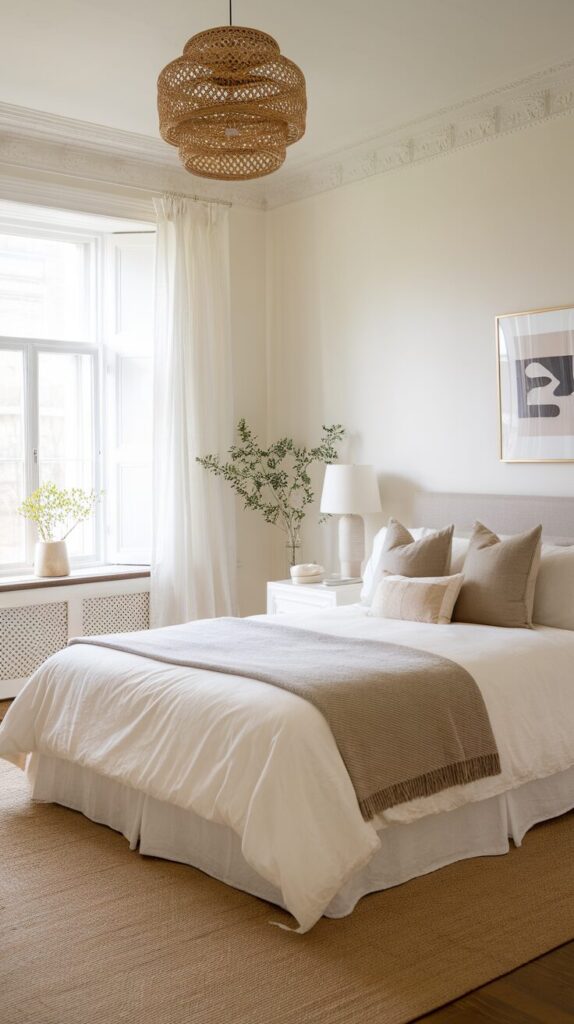
This sounds counterintuitive, but it works. I left one corner empty, and the room felt calmer. Space matters as much as furniture.
Empty space lets the room breathe. It also makes cleaning easier.
Why This Works
Negative space balances the layout. The room feels thoughtful, not crowded.
How to Do It
- Choose a corner or wall
- Resist filling it immediately
- Let the room settle
Style & Design Tips
Use empty space near windows if possible. Avoid filling every inch.
Pro Tip or Budget Hack
Use this space flexibly for future needs.
Bedroom Layout Strategy That Actually Works
Before you move a single piece of furniture, you need a simple plan. Most people start dragging heavy furniture around and hoping for magic, and that approach almost always leads to frustration. A clear layout strategy saves time, protects your back, and helps you make smarter design decisions.
Start by identifying the room’s natural focal point. That focal point could be a window, a feature wall, or simply the wall that fits your bed best. Once you lock that in, you arrange everything else around it instead of letting furniture float randomly.
Next, define your zones before you decorate. Sleeping, dressing, working, and relaxing each deserve a designated area, even in small bedrooms. When you assign each function a spot, you prevent overlap and clutter from taking over.
Finally, measure everything twice before committing. Guessing leads to tight walkways and awkward corners, and you will regret it later. A tape measure solves most layout mistakes before they even happen.
Common Bedroom Arrangement Mistakes to Avoid
Many bedrooms feel crowded not because they are small, but because the layout ignores flow. Blocking natural walking paths creates daily friction that builds frustration over time. You should always maintain clear pathways between the bed, closet, and door.
Another mistake comes from oversized furniture. That massive dresser or dramatic bed frame might look stunning online, but it can overwhelm a modest space instantly. Scale always matters more than trend.
Poor lighting placement also ruins great layouts. Relying on one overhead fixture creates harsh shadows and flat depth. Layered lighting instantly upgrades the mood and functionality of the room.
Cluttered surfaces quietly sabotage good design. Nightstands stacked with random items distract the eye and shrink the visual space. You should keep surfaces intentional and minimal for a calmer atmosphere.
Finally, many people ignore vertical space. Empty walls waste storage potential and decorative opportunities. Smart wall usage often solves storage issues without crowding the floor.
How to Measure Your Bedroom the Smart Way
Accurate measurements prevent expensive mistakes. You should measure wall length, ceiling height, door clearance, and window placement before buying or rearranging anything. A quick sketch on paper gives you a visual guide to reference.
Pay close attention to door swing and closet clearance. Many layouts fail because furniture blocks access points. You want full functionality without awkward squeezing.
Consider traffic flow when reviewing your sketch. Imagine walking into the room and moving naturally to each zone. If you feel mentally blocked during that visualization, your layout probably needs adjustment.
Budget-Friendly Bedroom Arrangement Planning
You do not need a designer budget to create a smart bedroom layout. Rearranging existing furniture often produces the biggest improvement. A fresh layout costs nothing but time and effort.
Repurposing items from other rooms also works well. A slim entry table can become a vanity, and a small bookshelf can replace a bulky dresser. Creative swaps stretch your budget without sacrificing style.
Focus your spending on high-impact pieces. Lighting, rugs, and mirrors often deliver more visual return than expensive décor accessories. Smart investment beats impulse shopping every time.
FAQs
How do I arrange a small bedroom without it feeling cramped?
You should prioritize clear walking paths and vertical storage. Choose slim furniture and keep the floor visible whenever possible. Light colors and strategic mirrors also help expand the visual space.
Where should I place my bed in a rectangular room?
You should usually place the bed along the longest uninterrupted wall. This placement creates balance and preserves walkway space. Avoid blocking windows or doors whenever possible.
How much space should I leave around the bed?
Aim for at least 24 inches of clearance on accessible sides. This spacing allows comfortable movement and cleaning. Tight layouts quickly feel frustrating over time.
Should the bed face the door?
Facing the bed toward the door often creates a sense of stability and awareness. This layout helps you feel oriented as you enter the room. However, prioritize flow and comfort over strict rules.
How can I make my bedroom look bigger without remodeling?
You should keep surfaces clutter-free and use light-reflecting elements like mirrors. Choose furniture with exposed legs to maintain visible floor space. Layered lighting also creates depth and dimension.
Is symmetry necessary in bedroom design?
Symmetry helps create visual calm, but it is not mandatory. Balanced layouts matter more than perfect matching. You can mix pieces as long as the overall weight feels even.
Creating a Bedroom That Supports Better Sleep
Your bedroom arrangement directly affects how well you rest. Clean sightlines, balanced lighting, and minimal clutter reduce mental stimulation at night. A calm layout encourages your brain to slow down naturally.
Avoid placing stimulating items near the bed. Work desks, bright screens, and heavy storage units can create subtle tension. You want the sleep zone to feel protected and peaceful.
Temperature and airflow also matter in layout decisions. Keep vents unobstructed and avoid blocking windows completely. Good circulation improves comfort and long-term sleep quality.
A smart bedroom arrangement does more than look good. It supports your daily routines, improves organization, and enhances rest. When function and style align, the entire room works harder for you.
Final Thoughts
You don’t need to redo your entire bedroom to make it work better. One smart change can shift the whole vibe and make daily life easier. I always suggest trying just one idea first and living with it for a week.
Your bedroom should support how you actually live, not how a catalog says you should. Trust your instincts, move things around, and give yourself permission to change your mind.