20 Space-Saving Small Bedroom Ideas for Men That Inspire
I’ll say it straight because sugarcoating never helped anyone. Small bedrooms don’t need bigger closets or magic furniture. Small bedrooms need smarter decisions and a little honesty about what actually gets used.
I’ve lived in tiny rooms that forced me to rethink every inch, and I learned fast what worked and what looked cool on Pinterest but failed in real life.
Let’s talk about ideas that actually help you breathe in your own bedroom.
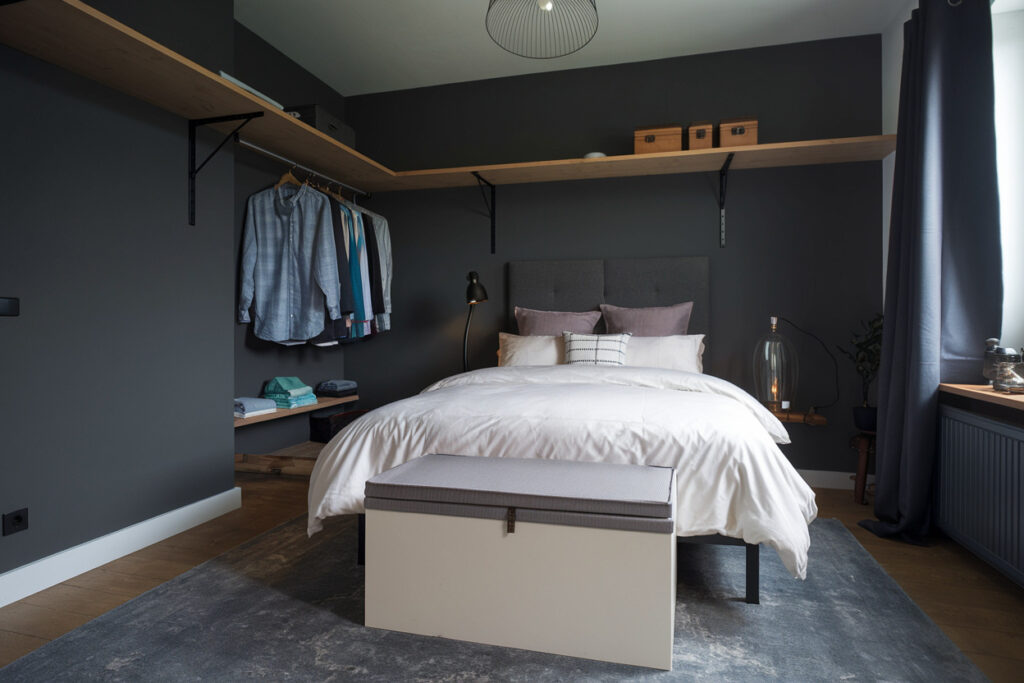
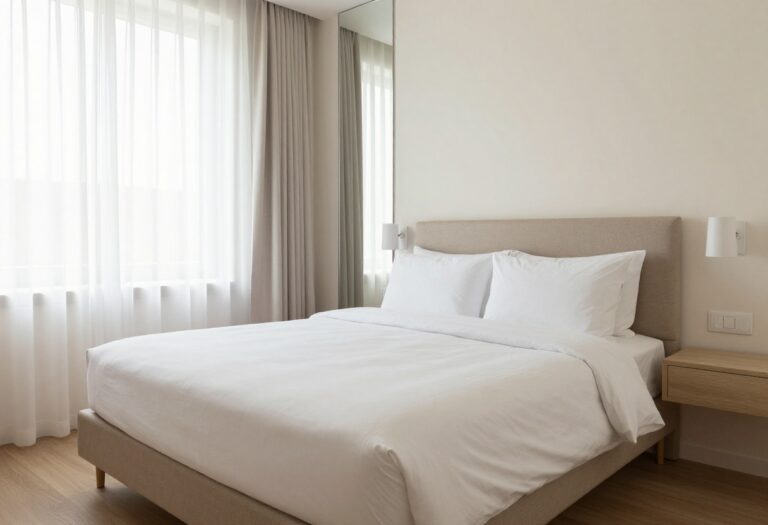
1. Platform Beds With Built-In Storage Drawers
My first apartment bedroom barely fit a bed and a walking path, and that setup humbled me fast.
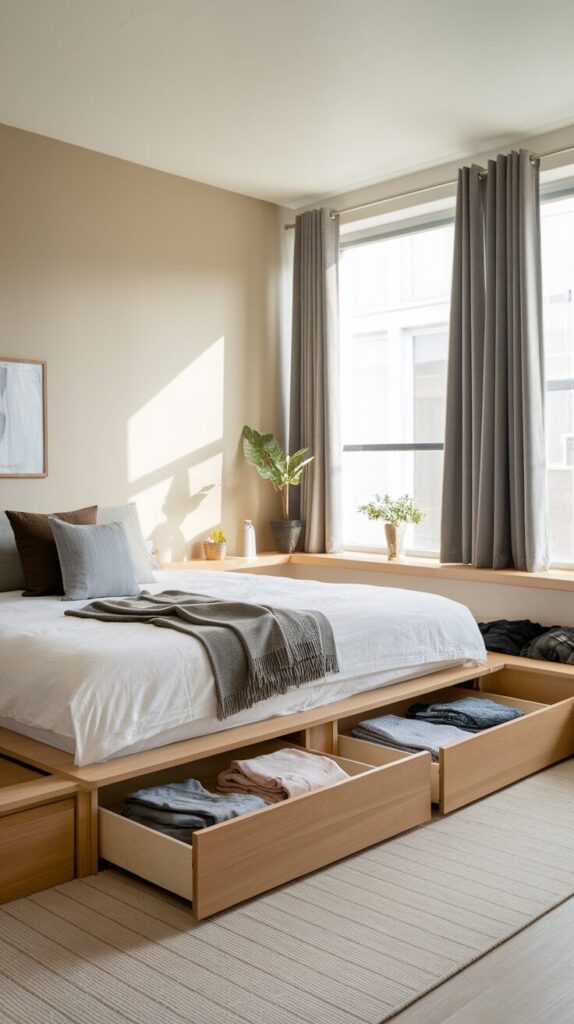
Clothes piled up because I had nowhere to put them, and my “I’ll organize later” plan never happened. A platform bed with drawers saved me from sleeping in a laundry zone.
This idea works because the bed already eats the most floor space in the room. Storage drawers turn that dead zone into a workhorse without adding clutter or furniture bulk. I love how clean the room feels once everything slides out of sight.
I always suggest measuring drawer clearance before buying anything. Some beds need side space to open drawers fully, which matters in tight rooms. Look for front-opening drawers if your room runs narrow.
Why This Works
Beds dominate visual weight in small rooms, so hiding storage there keeps the room balanced. Drawers keep items contained, which reduces visual noise and mental stress. You also avoid stacking bins that collect dust and regret.
How to Do It
- Choose a platform bed with smooth-glide drawers
- Measure wall-to-bed clearance carefully
- Assign each drawer a category
- Use drawer dividers to prevent chaos
Style & Design Tips
Stick to low-profile frames to keep the room feeling open. Dark wood adds weight, while light finishes keep things airy. Avoid bulky headboards that steal visual space.
Pro Tip or Budget Hack
Buy a simple platform frame and add rolling under-bed drawers yourself. I’ve done this with fabric bins and plywood tops, and it worked shockingly well.
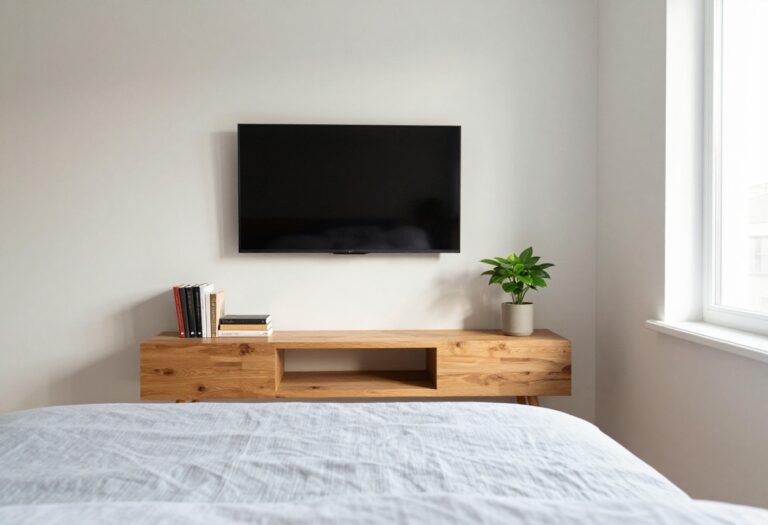
2. Wall-Mounted Nightstands Instead of Floor Tables
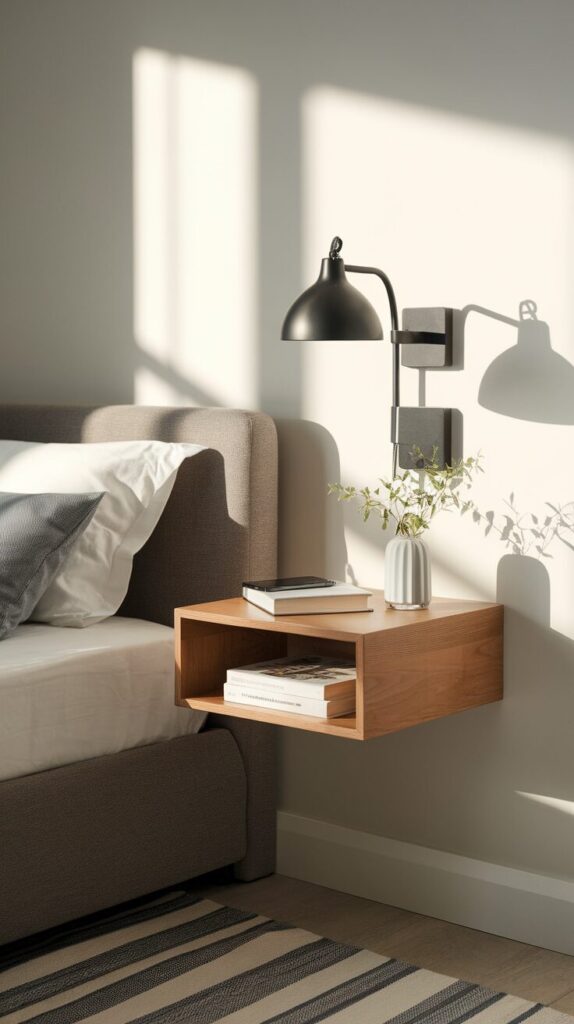
Traditional nightstands waste floor space, and I’ll die on that hill. They block airflow, collect junk, and make vacuuming annoying. Wall-mounted nightstands feel lighter and smarter.
This idea keeps essentials close without cluttering the floor. Floating designs create breathing room visually and physically. I love how modern the room feels afterward.
I installed one with a single drawer, and that choice forced me to keep only essentials. The result felt calmer and more intentional.
Why This Works
Floating furniture opens floor space and tricks the eye into seeing a larger room. You reduce visual weight near the bed, which matters in tight layouts. Cleaning also becomes faster, which feels like a win.
How to Do It
- Mount at mattress height or slightly above
- Anchor into studs for stability
- Choose shallow depth designs
- Limit items to essentials
Style & Design Tips
Match the finish to your bed frame for cohesion. Avoid oversized shelves that overpower the wall. Minimal hardware keeps the look sharp.
Pro Tip or Budget Hack
Use a small floating shelf with a lip instead of a drawer unit. It costs less and still handles phone, book, and charger duty.
3. Vertical Closet Shelving That Uses Full Wall Height

Closets waste space at the top, and that truth annoys me every time I see empty air above hangers. Vertical shelving fixes that mistake instantly. You gain storage without stealing floor area.
I added shelves above my closet rod, and I stored bags, folded jeans, and seasonal items there. The closet finally worked like it should have from day one.
Tall storage makes even small closets feel custom. You control the chaos instead of letting it spill out.
Why This Works
Vertical storage uses space your eyes already ignore. You separate daily items from occasional ones easily. Everything stays visible but organized.
How to Do It
- Install adjustable shelving tracks
- Place frequently used items at eye level
- Use labeled bins on top shelves
- Keep spacing consistent
Style & Design Tips
Stick with white or wood tones for a clean look. Avoid mismatched bins that create visual clutter. Uniform containers calm the space.
Pro Tip or Budget Hack
Wire shelving costs less and installs easily. Add fabric bins to soften the look and hide mess.
4. Slim Dressers That Go Tall Instead of Wide

Wide dressers eat walls fast and leave no room to breathe. Tall dressers flip that script by climbing upward instead. I prefer them every time in small bedrooms.
A narrow footprint keeps walkways clear and flexible. You still get plenty of storage without sacrificing layout options.
I switched to a tall dresser years ago and never looked back. The room instantly felt more balanced.
Why This Works
Tall furniture draws the eye upward, which adds perceived height. You keep more usable floor area for movement. The room feels less boxed in.
How to Do It
- Choose stable, anchored designs
- Keep top drawers for daily wear
- Use drawer dividers
- Secure to wall for safety
Style & Design Tips
Matte finishes reduce visual heaviness. Avoid deep drawers that swallow items. Consistent drawer sizes look cleaner.
Pro Tip or Budget Hack
IKEA-style modular units let you customize height without custom pricing. Mix closed drawers with one open shelf for style.
5. Pegboard Walls for Daily Essentials

Pegboards sound utilitarian, but hear me out. They organize everyday items without bulky furniture. I use one near my bed for keys, watch, and headphones.
This setup keeps surfaces clear and routines smooth. Everything stays visible, so nothing disappears.
It also adds personality when styled right. Function meets character here.
Why This Works
Pegboards adapt easily as needs change. You avoid clutter buildup on flat surfaces. Wall storage keeps items accessible.
How to Do It
- Mount pegboard securely
- Use uniform hooks and cups
- Group items by routine
- Leave breathing space
Style & Design Tips
Paint the pegboard to match the wall. Avoid overcrowding hooks. Negative space matters.
Pro Tip or Budget Hack
Use hardware store pegboards instead of designer versions. Paint transforms them instantly.
6. Murphy Beds for Extreme Space Saving
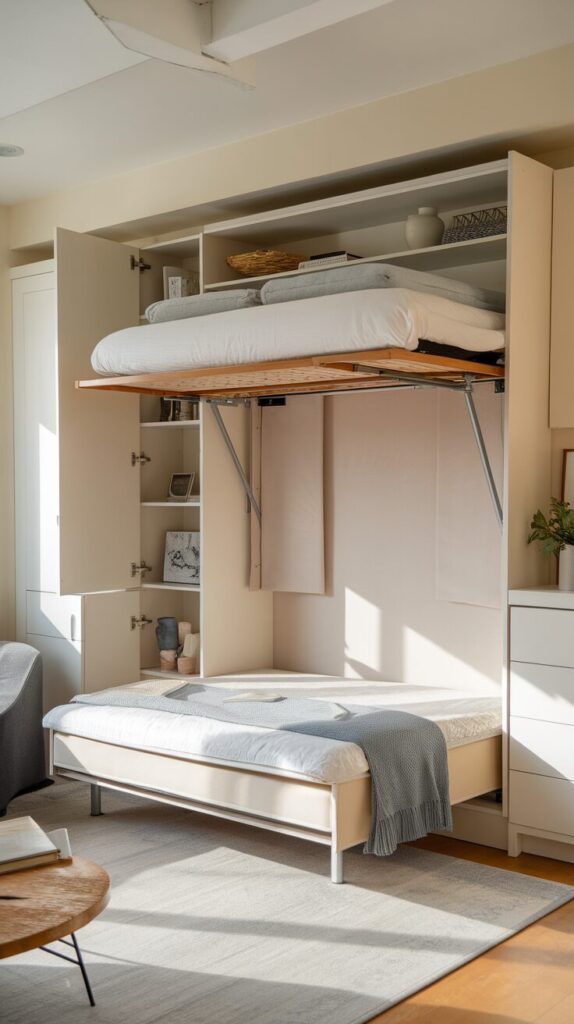
Murphy beds feel dramatic, but they solve real problems. They free floor space during the day completely. I’ve seen studios transformed by one move.
This option works best when the bedroom doubles as an office or lounge. You gain flexibility without moving walls.
It takes commitment, but the payoff feels huge.
Why This Works
Folding the bed removes the room’s largest footprint. You reclaim square footage instantly. Multi-use rooms thrive with this setup.
How to Do It
- Measure ceiling height carefully
- Choose hydraulic-assisted frames
- Plan wall clearance
- Anchor professionally
Style & Design Tips
Choose cabinet finishes that blend with walls. Avoid bulky handles that scream furniture. Seamless design wins.
Pro Tip or Budget Hack
Look for used Murphy bed kits. Many people sell them after moves.
7. Storage Benches at the Foot of the Bed

A storage bench pulls double duty without effort. It adds seating and hides clutter. I use one for extra blankets and gym gear.
This piece anchors the bed visually. It also feels intentional, not random.
The room gains function without crowding. Benches stay low and compact. Storage hides mess quickly. Seating adds usability.
- Match bench width to bed
- Choose lift-top or drawers
- Limit contents to soft items
- Keep height proportional
Style & Design Tips
Upholstered benches soften hard rooms. Avoid oversized trunks. Balance matters.
Pro Tip or Budget Hack
Use a hollow ottoman instead. It costs less and moves easily.
8. Floating Shelves Above the Bed
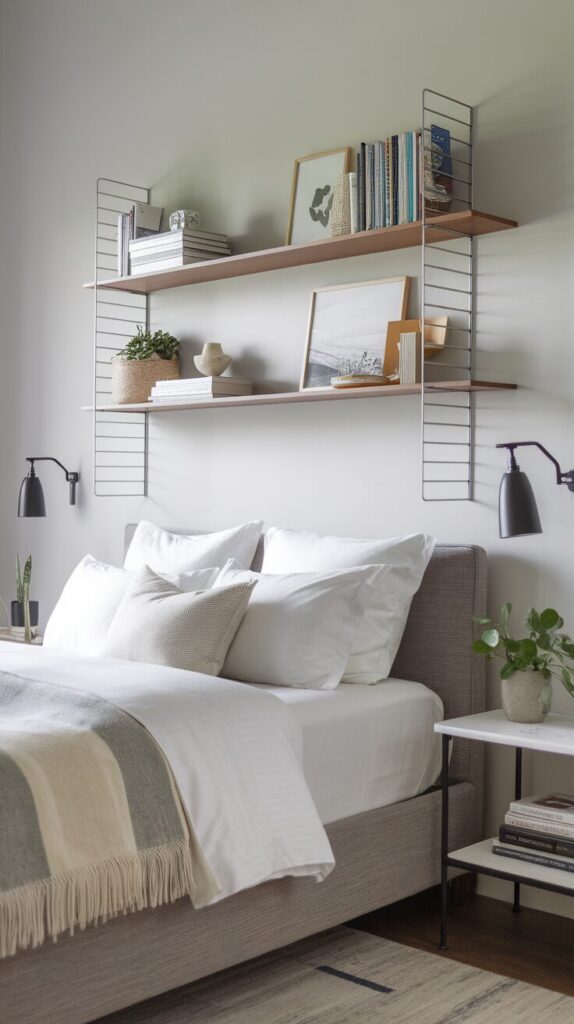
The wall above the bed often sits empty out of fear. Floating shelves change that safely. I use them for books and minimal decor.
They add storage without crowding. Height keeps items out of the way. They also frame the bed nicely.
Wall space handles weight better than floors here. Visual layers add depth. Storage stays accessible.
- Mount into studs
- Keep shelf depth shallow
- Leave head clearance
- Limit decor
Style & Design Tips
Stick to odd numbers for styling. Avoid heavy items. Safety first.
Pro Tip or Budget Hack
Use picture ledges for lighter storage. They cost less and install easily.
9. Under-Desk Storage in Bedroom Offices
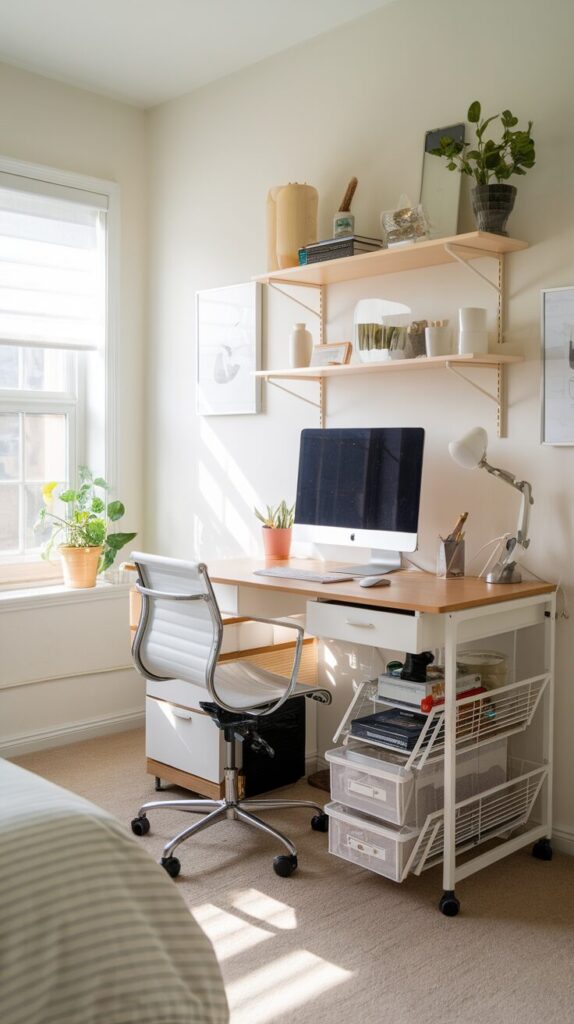
Bedroom offices need discipline. Under-desk storage keeps work items contained. I stash cables and files there.
This setup keeps surfaces clean. Focus improves instantly. The room still feels like a bedroom. Hidden storage reduces visual stress. Work zones stay defined. Cleanup feels fast.
- Use rolling drawers
- Label contents
- Keep cords contained
- Limit work items
Style & Design Tips
Match desk and storage finishes. Avoid open bins. Closed storage wins.
Pro Tip or Budget Hack
Repurpose filing drawers from offices closing sales.
10. Sliding Closet Doors Instead of Swing Doors
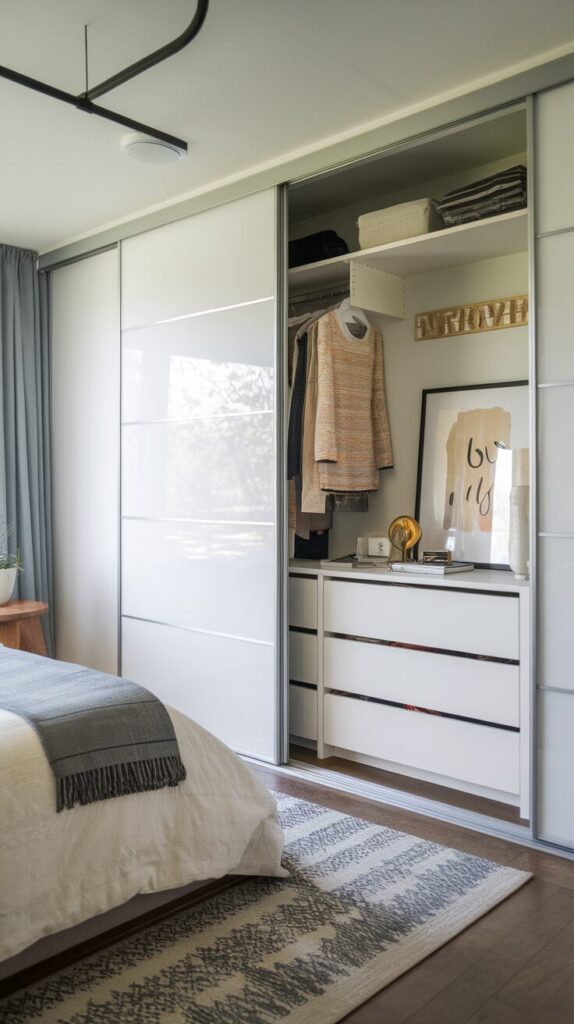
Swing doors waste clearance space. Sliding doors fix that problem cleanly. I switched and gained room instantly. They also modernize the look. Function improves with zero footprint change.
It feels like cheating space. Sliding doors remove arc clearance needs. Layout flexibility improves. Movement feels easier.
- Measure track width
- Choose smooth rollers
- Install soft-close
- Keep panels light
Style & Design Tips
Mirrored panels reflect light. Avoid heavy frames. Slim profiles look better.
Pro Tip or Budget Hack
Use curtain tracks temporarily. It works and costs less.
11. Built-In Headboards With Storage Niches
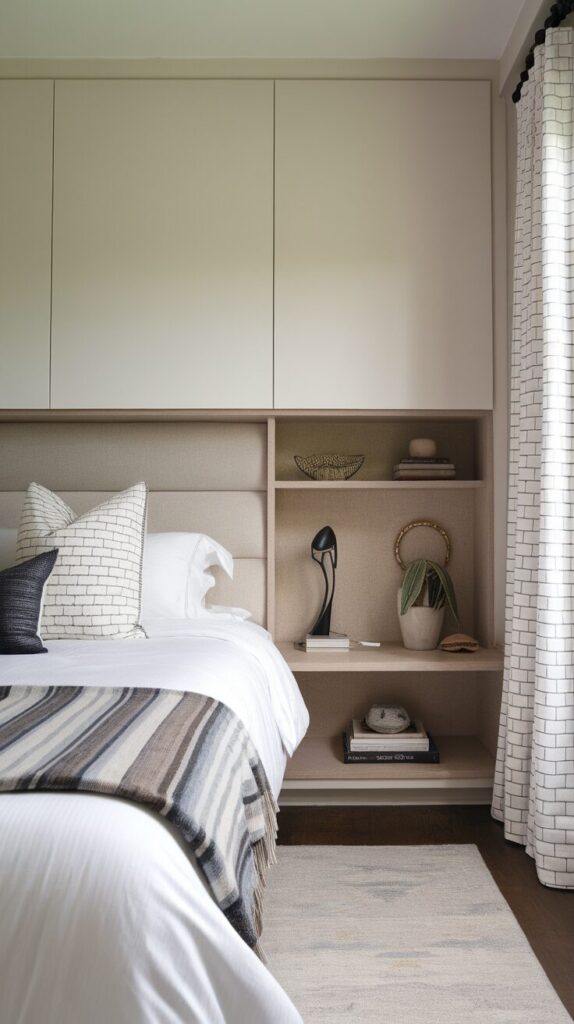
Headboards can work harder. Built-in niches store essentials without tables. I love the hotel feel. This setup feels intentional. Everything stays reachable. Walls do the work here.
Integrated storage reduces furniture count. Visual flow improves. Function increases.
- Frame shallow niches
- Add lighting
- Keep symmetry
- Limit contents
Style & Design Tips
Use warm wood tones. Avoid deep cubbies. Shallow looks cleaner.
Pro Tip or Budget Hack
Fake built-ins with shelving units anchored behind the bed.
12. Hooks Instead of Floor Racks
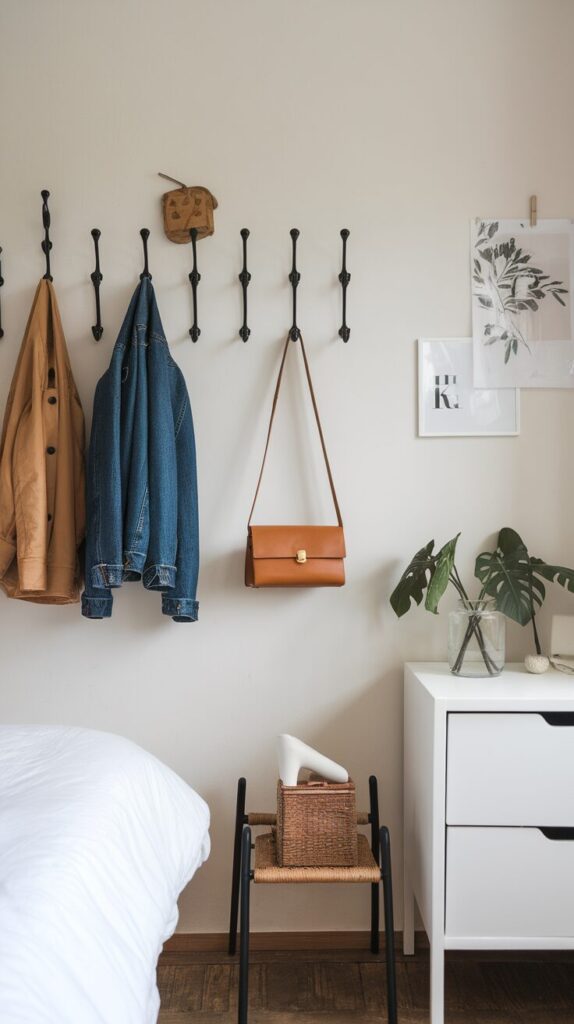
Floor racks clutter fast. Wall hooks solve that quietly. I hang jackets and bags behind doors. This keeps items visible but off the floor. The room stays open.
Small change, big impact.
Vertical storage frees floor space. Access stays easy. Visual clutter reduces.
- Install sturdy hooks
- Space evenly
- Assign zones
- Limit items
Style & Design Tips
Choose matte black or brass. Avoid mismatched hooks. Consistency matters.
Pro Tip or Budget Hack
Command hooks work for lighter items.
13. Storage Cubes Used as Side Tables
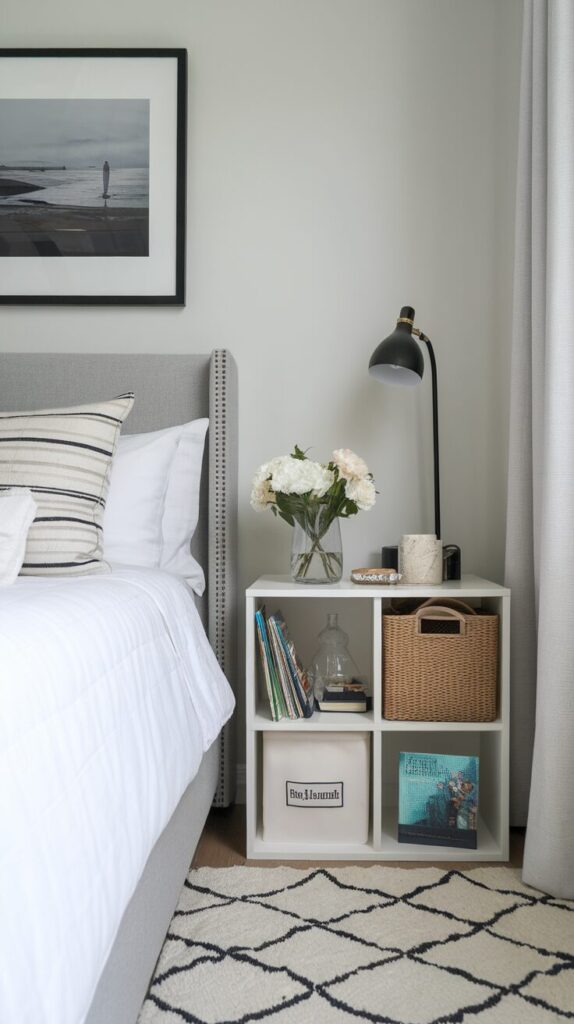
Side tables can store things too. Storage cubes hide clutter inside. I use one for cables and books. They adapt easily. Flexibility helps small rooms. Function meets form here.
Dual-purpose furniture reduces item count. Storage stays hidden. Visual calm improves.
- Choose solid construction
- Add fabric bins
- Limit surface items
- Keep height aligned
Style & Design Tips
Wood cubes feel warmer. Avoid glossy finishes. They show clutter.
Pro Tip or Budget Hack
DIY cubes from plywood cost less.
14. Bed Risers With Hidden Storage
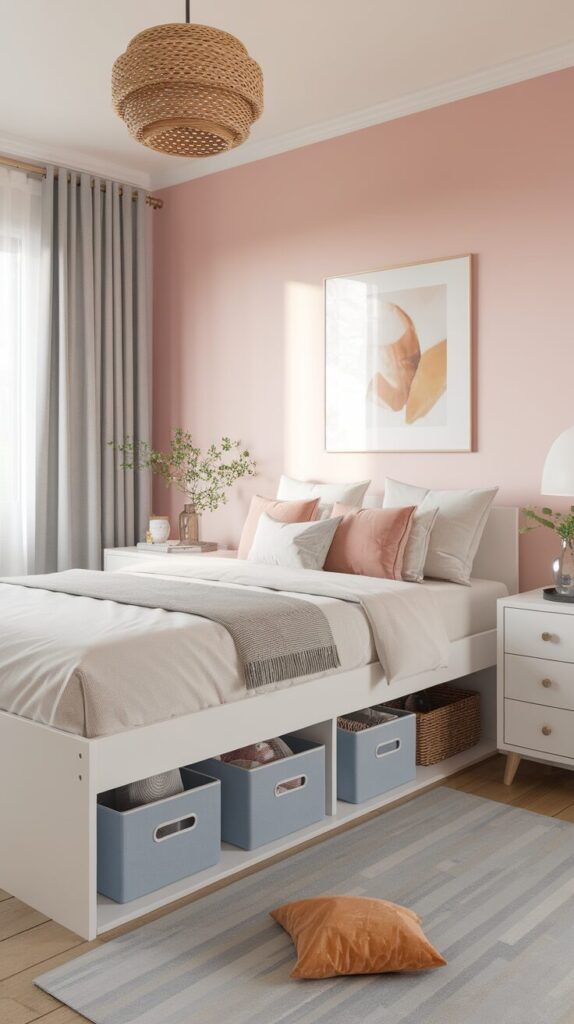
Bed risers sound unglamorous, but they work. Extra height unlocks storage. I stored suitcases there for years.
This option suits renters. No permanent changes needed. It feels sneaky in a good way.
Vertical clearance adds volume. Hidden zones stay unused otherwise. Storage stays discreet.
- Choose sturdy risers
- Keep height consistent
- Use matching bins
- Check stability
Style & Design Tips
Hide risers with bed skirts. Avoid mismatched bin colors. Uniform looks cleaner.
Pro Tip or Budget Hack
Stack wooden blocks carefully for custom height.
15. Corner Shelving Units
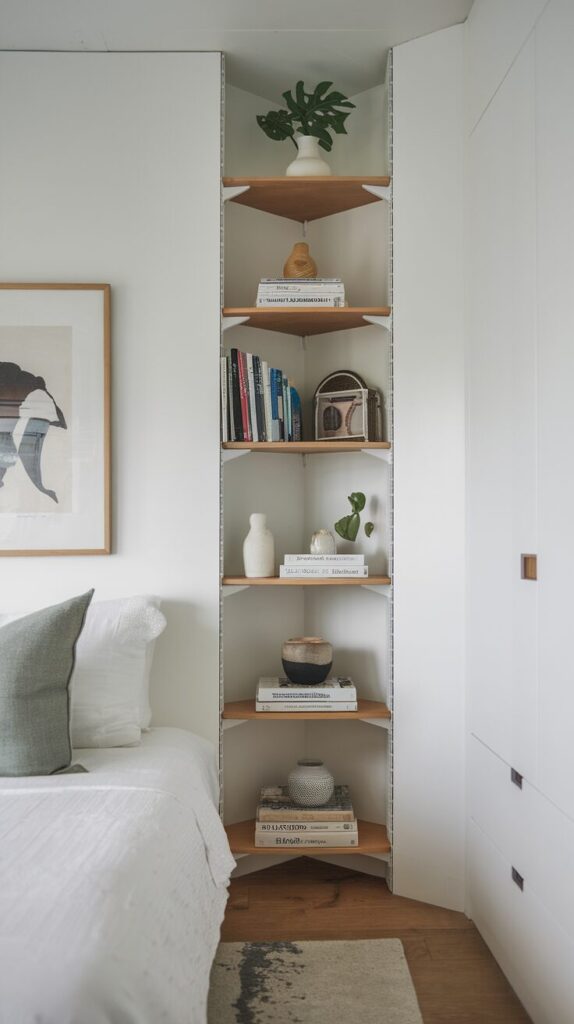
Corners often waste space. Corner shelves reclaim it smartly. I added one and gained storage without blocking paths.
They feel built-in. Flow improves instantly. Corners deserve respect.
Corners handle vertical weight well. You avoid blocking walls. Storage expands quietly.
- Measure angles
- Choose tall units
- Anchor securely
- Style lightly
Style & Design Tips
Open shelves feel lighter. Avoid bulky backs. Airflow matters.
Pro Tip or Budget Hack
Use ladder shelves angled into corners.
16. Fold-Down Desks for Multi-Use Rooms
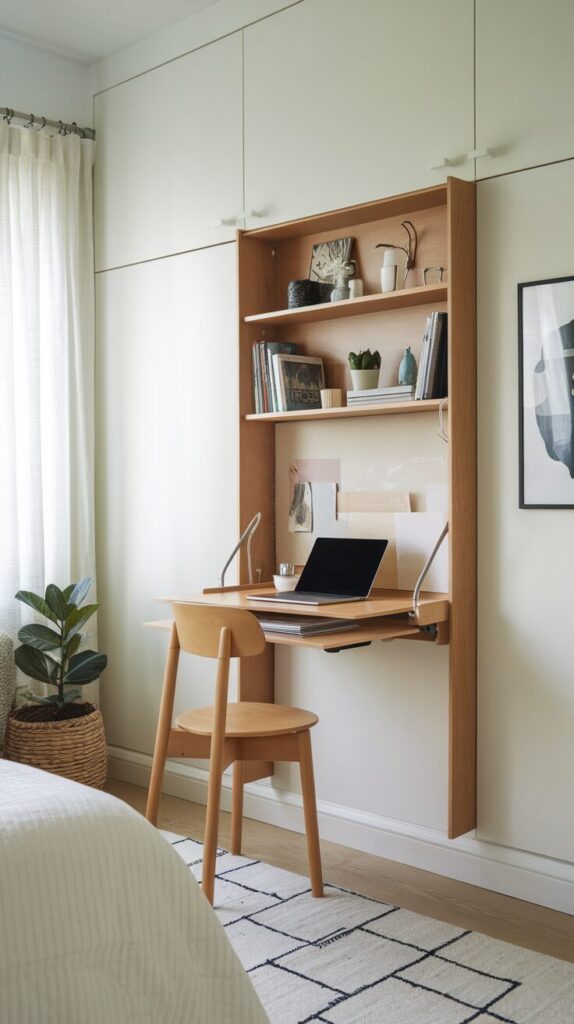
Fold-down desks disappear when not needed. I love that flexibility. Work ends, and the room relaxes.
This setup suits minimalists. You control clutter. The room stays calm.
Temporary surfaces reduce clutter buildup. Floor space stays open. Focus improves.
- Mount securely
- Check weight limits
- Store supplies nearby
- Fold daily
Style & Design Tips
Match wall color. Avoid thick panels. Slim profiles win.
Pro Tip or Budget Hack
Use wall-mounted drop-leaf tables.
17. Drawer Dividers for Maximum Efficiency
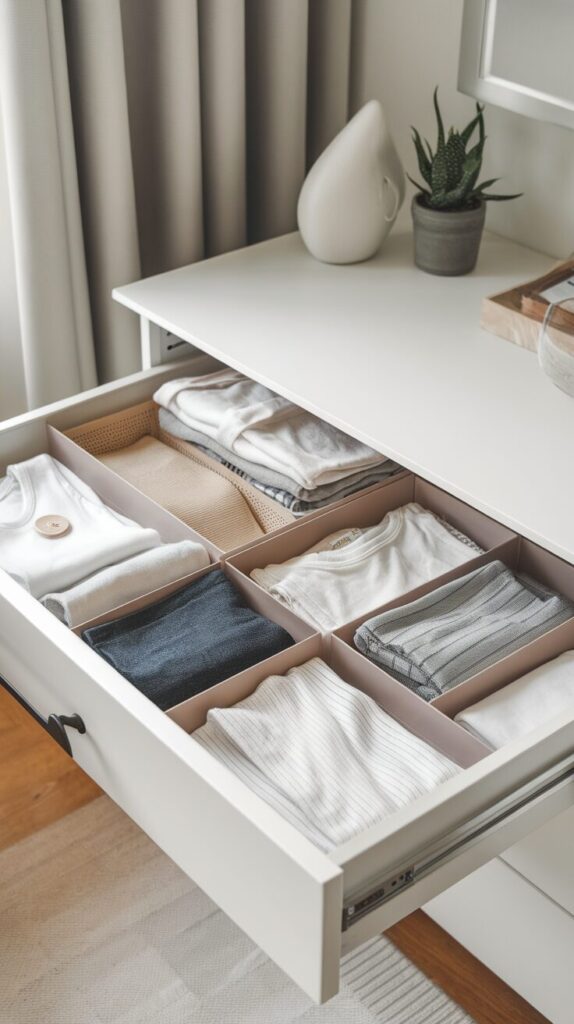
Drawers fail without dividers. I learned that the hard way. Dividers force order gently.
They save time every morning. Chaos stays contained. Small change, huge payoff. Compartmentalization improves access. Items stay visible. Clutter reduces.
- Measure drawer interior
- Use adjustable dividers
- Group by type
- Edit regularly
Style & Design Tips
Clear dividers show contents. Avoid overfilling. Space matters.
Pro Tip or Budget Hack
DIY dividers from cardboard work surprisingly well.
18. Over-Door Storage Racks
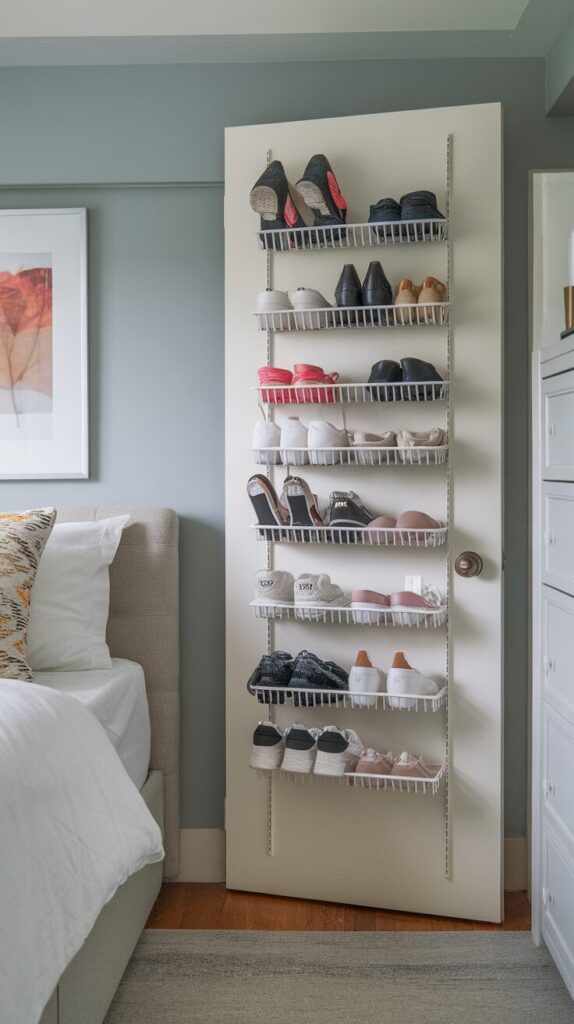
Doors hide storage potential. Over-door racks unlock it. I store shoes and accessories there. This option suits rentals. No drilling required.
Doors finally earn their keep. Unused vertical surfaces gain function. Storage stays accessible. Floor stays clear.
- Choose slim racks
- Check door clearance
- Limit weight
- Organize by frequency
Style & Design Tips
Neutral colors blend better. Avoid bulky hooks. Doors need movement.
Pro Tip or Budget Hack
Use fabric organizers instead of metal.
19. Minimalist Wardrobe Rotation
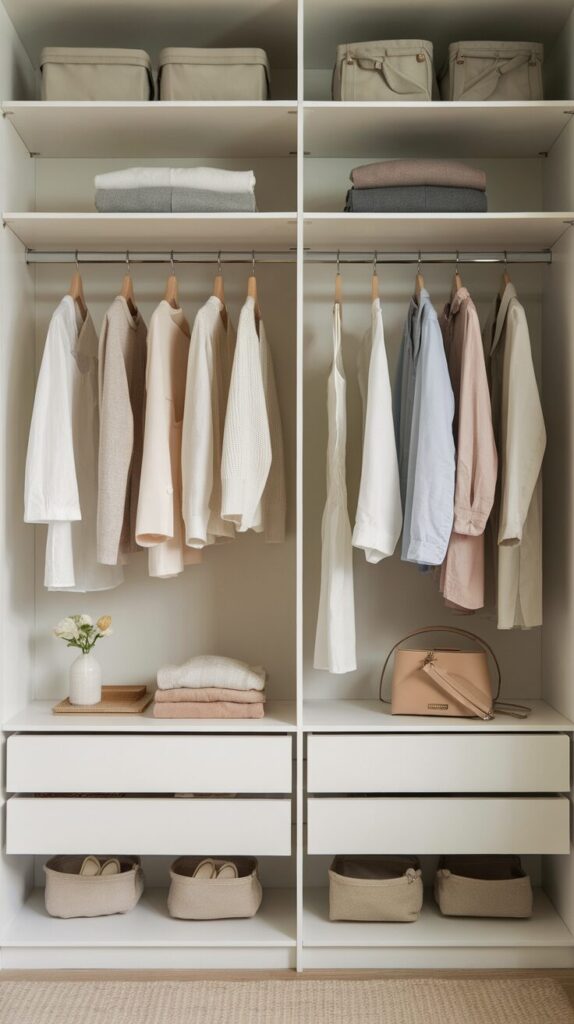
Owning less saves space. I rotate clothes seasonally. Closets breathe again. This habit simplifies mornings. Decision fatigue drops.
Less truly works. Fewer items need less storage. Visual calm improves. Organization sticks.
- Sort by season
- Store off-season items
- Donate extras
- Maintain monthly
Style & Design Tips
Stick to neutral palettes. Avoid impulse buys. Consistency helps.
Pro Tip or Budget Hack
Vacuum bags save massive space.
20. Clear Surfaces Rule
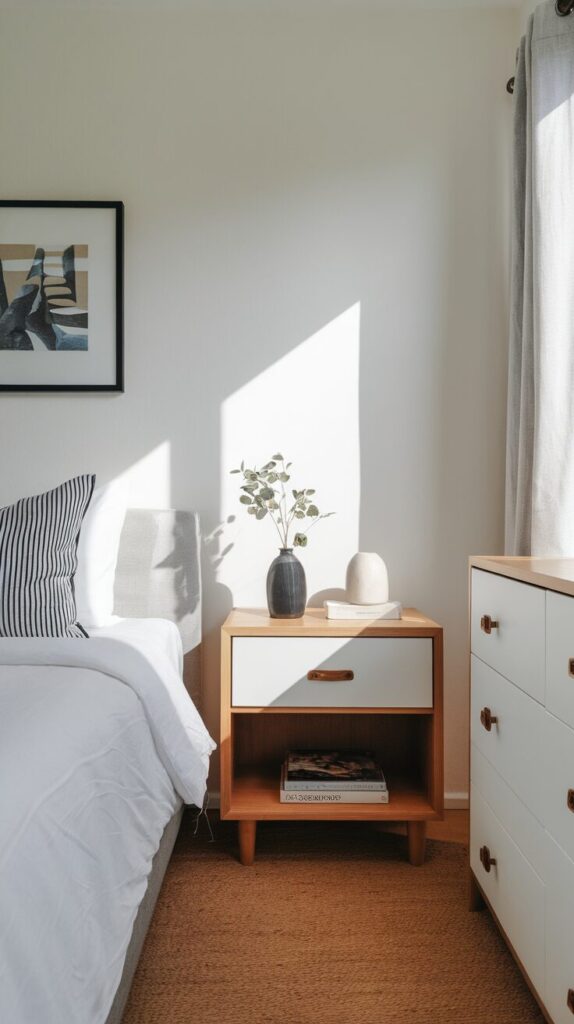
Clear surfaces change everything. I follow a one-item rule per surface. The room feels bigger instantly. This habit costs nothing. Discipline creates space. It works every time.
Visual clutter shrinks perceived space. Clean lines calm the mind. Focus improves.
- Remove non-essentials
- Assign homes
- Reset nightly
- Stay consistent
Style & Design Tips
Choose one statement piece. Avoid stacking items. Space matters.
Pro Tip or Budget Hack
Use trays to contain essentials neatly.
The Small Bedroom Strategy: Design Smarter Before You Buy Anything
Most guys start by shopping, and that move usually backfires. You don’t fix a small bedroom with random purchases. You fix it with a clear plan and a little restraint.
I always tell people to audit the room first. Stand in the doorway and ask yourself what blocks movement, what collects clutter, and what actually gets used daily. That simple awareness shifts everything.
Start by defining the room’s primary function. Do you sleep only, or do you work, game, and relax there too? Once you define the purpose, every furniture decision becomes easier and more intentional.
Next, measure everything. Measure wall lengths, bed clearance, door swings, and window spacing before you even open a shopping tab. Precision prevents expensive mistakes.
Then focus on vertical thinking. Small bedrooms reward upward storage, multi-functional pieces, and hidden compartments. Horizontal sprawl kills flow instantly.
Finally, commit to editing your belongings. Even the smartest storage ideas fail when you overload them. Space-saving design works best when you combine it with discipline.
Layout Planning: The 3-Zone Rule for Small Bedrooms
I use what I call the 3-zone rule in tight rooms. Every small bedroom should clearly define a sleep zone, a storage zone, and an optional function zone like work or dressing. Clear zones create visual order.
Keep the sleep zone clean and centered. Avoid crowding it with unnecessary furniture, and let the bed anchor the room. That stability makes the room feel grounded.
Place storage along one dominant wall whenever possible. Concentrating drawers, shelves, and closets in one area reduces scattered visual noise.
If you add a desk or chair, tuck it into a corner or near natural light. Give each zone breathing space so the room feels organized rather than cramped.
When you respect zones, you control flow. The room starts working for you instead of against you.
Common Mistakes to Avoid in Small Bedrooms
1. Buying Oversized Furniture “Because It Looks Cool”
Big furniture overwhelms small rooms fast. That oversized dresser might look amazing in a showroom, but it will suffocate your layout at home.
Always scale down slightly. Proportion matters more than trend.
2. Ignoring Vertical Space
Empty wall height wastes opportunity. If your storage stops at eye level, you leave space unused.
Install shelves, hooks, or tall units and let the walls work harder.
3. Overdecorating Every Surface
Too many objects shrink a room visually. Even stylish decor creates clutter when you stack it everywhere.
Choose fewer, better pieces. Intentional minimalism wins in small bedrooms.
4. Blocking Natural Light
Heavy curtains, dark bulky furniture, or tall pieces in front of windows kill brightness. Light creates the illusion of space instantly.
Keep window areas clear and let daylight expand the room naturally.
5. Skipping Regular Decluttering
Even the best storage systems fail without maintenance. Clutter creeps back in quietly.
Set a monthly reset habit and stick to it.
Storage Psychology: Why Visual Simplicity Makes Rooms Feel Bigger
Your brain reacts to visual noise faster than you realize. When surfaces look crowded, your mind interprets the space as smaller and more stressful.
Hidden storage reduces that tension immediately. Closed drawers, clean lines, and organized zones calm the space and your mood.
Color choices also influence perception. Lighter tones reflect more light, while consistent palettes prevent visual fragmentation.
When you simplify visually, you create perceived space without moving a single wall. That psychological shift often matters more than square footage.
Budget Planning for Small Bedroom Upgrades
You don’t need a full renovation budget to improve a small bedroom. Strategic upgrades beat expensive overhauls every time.
Start with layout and decluttering because they cost nothing. Rearranging furniture often unlocks space you already have.
Next, invest in one high-impact piece like a storage bed or tall dresser. Let that anchor your transformation.
Then add smaller upgrades like hooks, dividers, and shelves gradually. Spreading costs keeps things manageable and realistic.
Smart budgeting protects your momentum. Slow progress beats abandoned projects.
Frequently Asked Questions
How do I make a small bedroom look more masculine without cluttering it?
Stick to clean lines, structured furniture, and a limited color palette. Dark accents paired with neutral walls create strength without heaviness. Focus on texture instead of extra objects.
What colors make a small bedroom look bigger?
Light neutrals, soft grays, and muted earth tones reflect more light. Consistent color schemes prevent the room from feeling chopped up. Avoid harsh contrasts in tight spaces.
Should I use mirrors in a small bedroom?
Yes, but use them intentionally. Place mirrors where they reflect light or open space rather than clutter. A well-positioned mirror doubles brightness instantly.
How often should I declutter a small bedroom?
Do a light reset weekly and a deeper edit monthly. Small rooms show clutter quickly, so consistency matters. Regular maintenance keeps storage systems working.
Is a small bedroom better with minimal decor?
In most cases, yes. Thoughtful decor beats excessive decor every time. Choose a few meaningful pieces and let them breathe.
Can I fit a desk in a small bedroom?
You can if you plan carefully. Use wall-mounted or fold-down desks to preserve floor space. Keep the work zone compact and organized to avoid visual overload.
Final Thoughts
You don’t need to do all twenty ideas, and honestly, you shouldn’t. Pick one that annoys you daily and fix that first. Small wins build momentum fast.
I’ve learned that space-saving lives in habits as much as furniture. Start small, stay consistent, and enjoy finally liking your bedroom again.