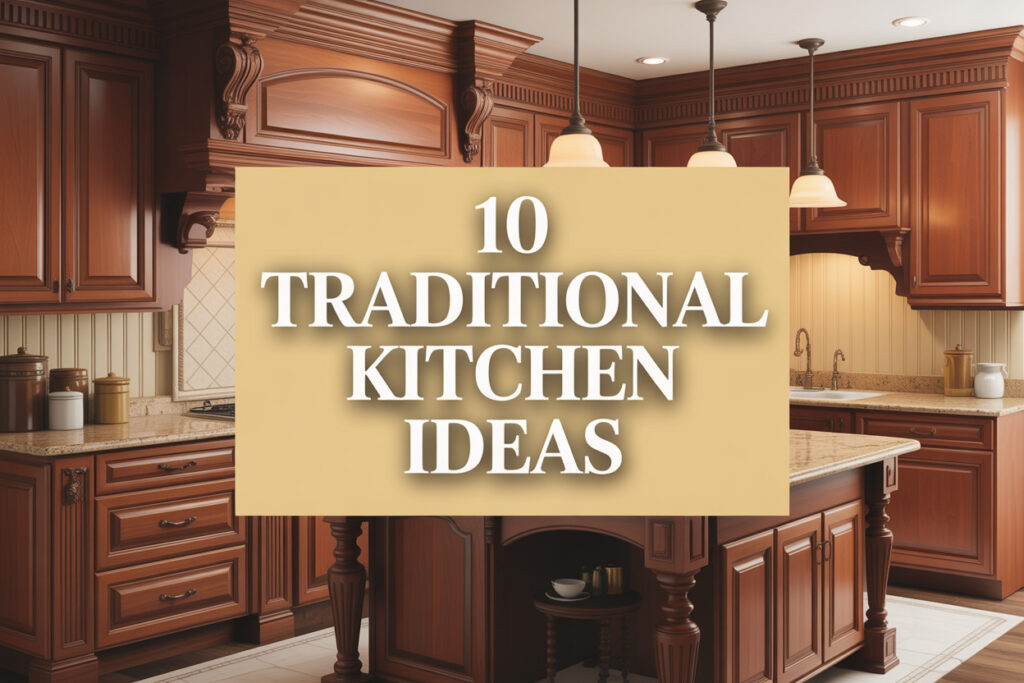
10 Traditional Kitchen Ideas for Timeless Style
Function always outlasts trends in a hardworking space like the kitchen. When cabinets, counters, and storage make sense, everything else falls into place naturally.
Traditional kitchen design leans into that logic instead of chasing whatever showed up on social media last week.
Classic details stick around because they solve real problems while still looking good. That balance is what makes traditional kitchens feel steady and dependable without being boring.
And honestly, when you get it right, you won’t feel the urge to redo everything in five years.
1. Shaker-Style Cabinets
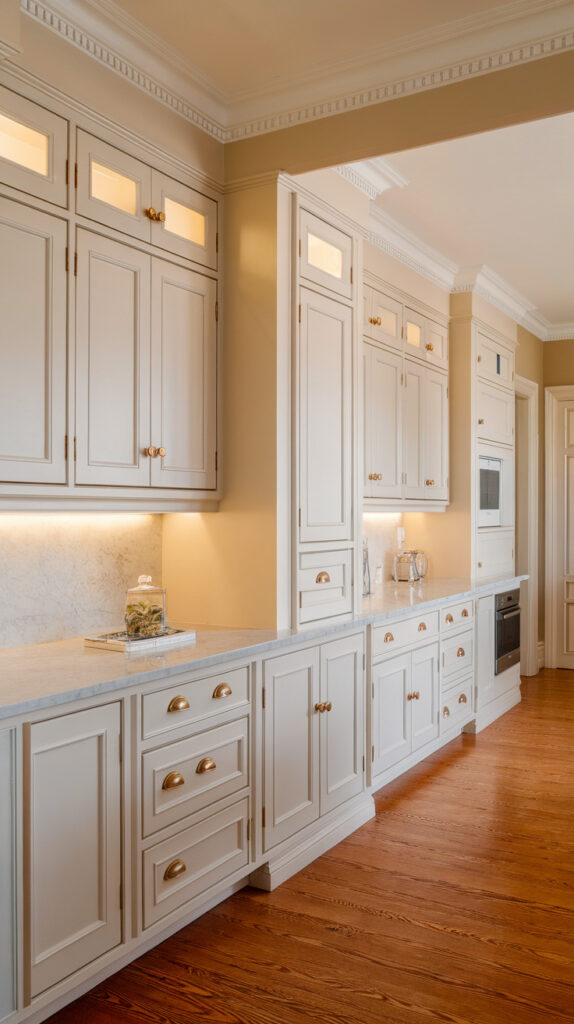
Flat slab cabinets often look sleek at first, but they can feel cold and forgettable over time. Raised, over-detailed doors can swing too far the other direction and overwhelm the space. Shaker-style cabinets land perfectly in the middle with clean lines, subtle framing, and just enough depth to feel intentional.
I’ve worked with Shaker cabinets in both small and large kitchens, and they never disappoint. They don’t scream for attention, but they quietly elevate everything around them. If you’re aiming for traditional style that won’t age fast, this is a solid starting point.
Why This Works
Shaker cabinets focus on proportion and simplicity. The recessed panel adds shadow and dimension without cluttering the visual field. That balance keeps the kitchen grounded and calm.
They also pair well with almost any hardware or countertop material. You can dress them up with brass or keep them classic with polished nickel. That flexibility is gold when you want a timeless base.
How to Do It
- Choose solid wood or high-quality MDF for durability and a smooth painted finish.
- Stick to neutral tones like soft white, cream, or muted gray for long-term appeal.
- Install classic hardware with simple shapes to maintain a traditional feel.
- Opt for soft-close hinges because slamming cabinet doors kills the vibe instantly.
Each step keeps the design cohesive while making sure the cabinets hold up to daily use.
Style & Design Tips
Avoid overly ornate knobs or trendy matte black pulls if you want true traditional style. Classic finishes like brushed brass, polished chrome, or antique bronze age better and complement the Shaker profile beautifully.
If your kitchen is small, lighter cabinet colors reflect more light and make everything feel open. Darker tones work well in larger kitchens but require balanced lighting to avoid a heavy look.
Pro Tip or Budget Hack
If replacing cabinets isn’t in the budget, consider refacing them with Shaker-style doors instead. It costs significantly less and gives you the same timeless look without tearing everything out.
You can also swap out hardware and repaint existing doors in a traditional shade for a quick upgrade. Sometimes that’s all it takes to shift the entire feel of the room.
2. Classic Subway Tile Backsplash
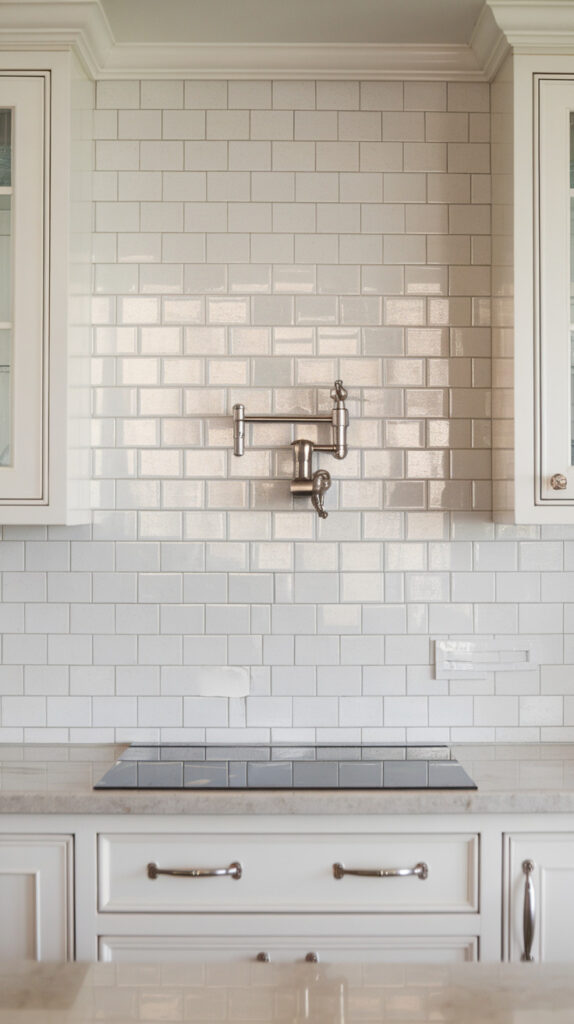
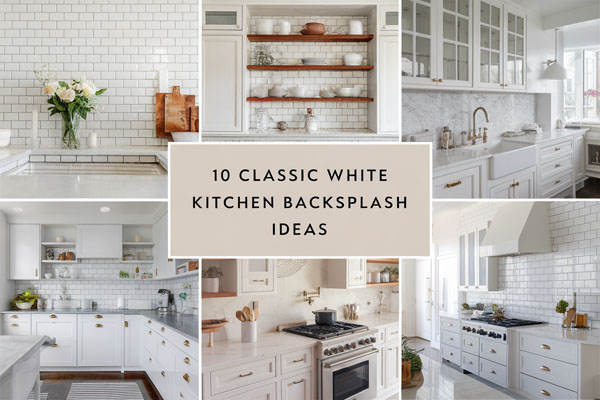
Busy patterned backsplashes can feel exciting at first, but they often steal attention from the rest of the kitchen. Subway tile keeps things clean, balanced, and easy on the eyes. It supports the design instead of competing with it.
I’ve installed white subway tile more times than I can count, and I’ve never had a client regret it. It’s simple, yes, but simple doesn’t mean boring. It means dependable.
Why This Works
Subway tile creates subtle texture through grout lines. That grid pattern adds structure without visual chaos. It also reflects light beautifully, which helps traditional kitchens feel bright and welcoming.
Because it’s been around for over a century, it doesn’t feel like a trend. That history gives it staying power.
How to Do It
- Use 3×6 white ceramic tiles for the most classic look.
- Choose a slightly contrasting grout for definition without harsh lines.
- Install in a traditional horizontal brick pattern for authenticity.
- Extend the tile up to the cabinets or ceiling for a more polished finish.
Each decision keeps the design rooted in tradition while still feeling fresh.
Style & Design Tips
Avoid overly dark grout if you want a soft traditional vibe. Medium gray works well because it highlights the tile without looking harsh.
If you want subtle variation, consider handmade or slightly imperfect tiles. That small texture difference adds charm without making the backsplash look busy.
Pro Tip or Budget Hack
Ceramic subway tile is incredibly affordable compared to stone or designer tiles. You can splurge elsewhere, like on hardware or lighting, and still achieve a high-end feel.
If you’re handy, this is one of the most beginner-friendly DIY tile projects out there.
3. Farmhouse Sink
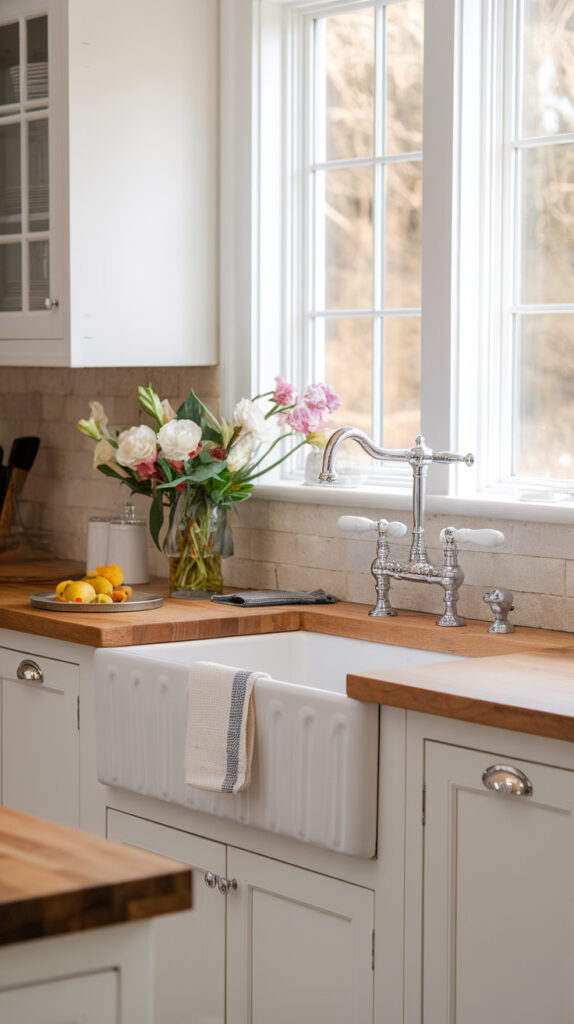
Standard stainless sinks do the job, but they rarely become a focal point. A farmhouse sink adds depth, function, and character in one move. The exposed front panel gives the kitchen a strong traditional anchor.
I’ll be honest, I was skeptical the first time I used one. After washing oversized pots without banging my wrists on the counter edge, I changed my mind fast.
Why This Works
Farmhouse sinks are deeper and wider than typical undermount sinks. That extra space makes cleanup easier and more comfortable. The front apron also becomes a visual statement.
In a traditional kitchen, that statement feels rooted in heritage rather than trend.
How to Do It
- Choose fireclay or porcelain for an authentic traditional look.
- Ensure your base cabinet supports the extra weight.
- Pair it with a classic bridge faucet or gooseneck style.
- Keep surrounding countertops simple so the sink stands out naturally.
Proper installation matters because this sink style requires structural support.
Style & Design Tips
White is the most timeless choice for farmhouse sinks. Stainless can work, but it leans more modern.
Avoid overly industrial faucets if you want to keep things traditional. Stick to warm metallic finishes for balance.
Pro Tip or Budget Hack
If fireclay is too expensive, look for high-quality composite alternatives. They mimic the look without the premium price tag.
You can also install a farmhouse apron panel over a standard sink cabinet for a similar visual effect.
4. Crown Molding on Cabinets
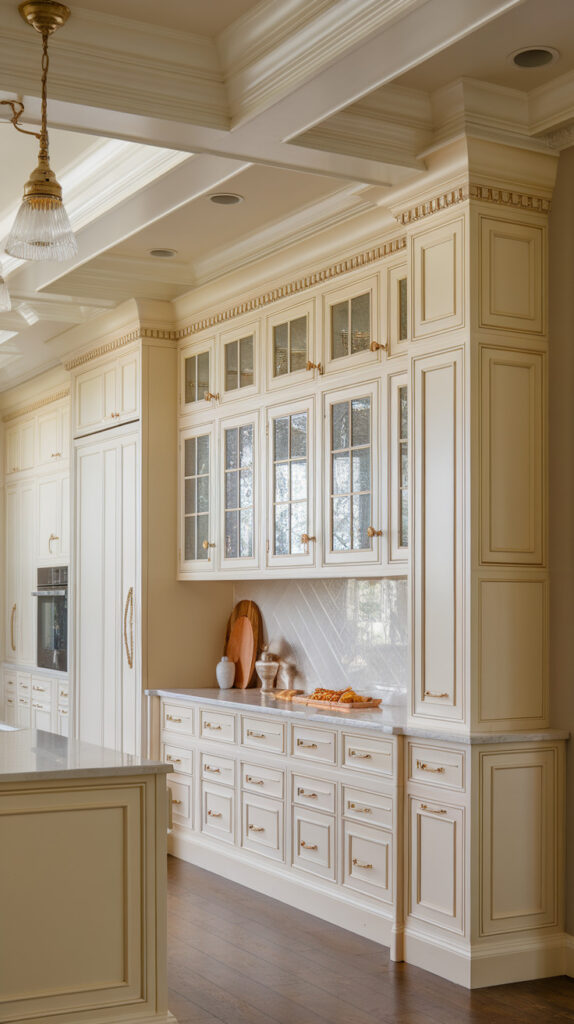
Flat cabinet tops that stop short of the ceiling can make the kitchen feel unfinished. Crown molding bridges that gap and instantly elevates the look. It adds architectural detail without overwhelming the space.
I’ve seen kitchens transform overnight just by adding this one feature. It’s subtle but powerful.
Why This Works
Crown molding draws the eye upward, which makes ceilings feel taller. It also creates a smooth transition between cabinetry and ceiling.
Traditional kitchens rely on these architectural details to feel complete.
How to Do It
- Measure carefully to ensure tight corner joints.
- Choose a molding profile that complements your cabinet style.
- Paint the molding the same color as the cabinets for cohesion.
- Seal all seams before painting for a polished finish.
Precision matters because sloppy molding ruins the effect.
Style & Design Tips
Avoid overly ornate crown designs if your cabinets are simple. Clean, curved profiles feel more timeless.
If your ceilings are low, use slimmer molding to avoid crowding the space.
Pro Tip or Budget Hack
If cabinets don’t reach the ceiling, add a simple filler panel before installing crown. It’s cheaper than replacing cabinetry and still looks intentional.
Pre-primed molding also saves time and effort.
5. Butcher Block Countertops
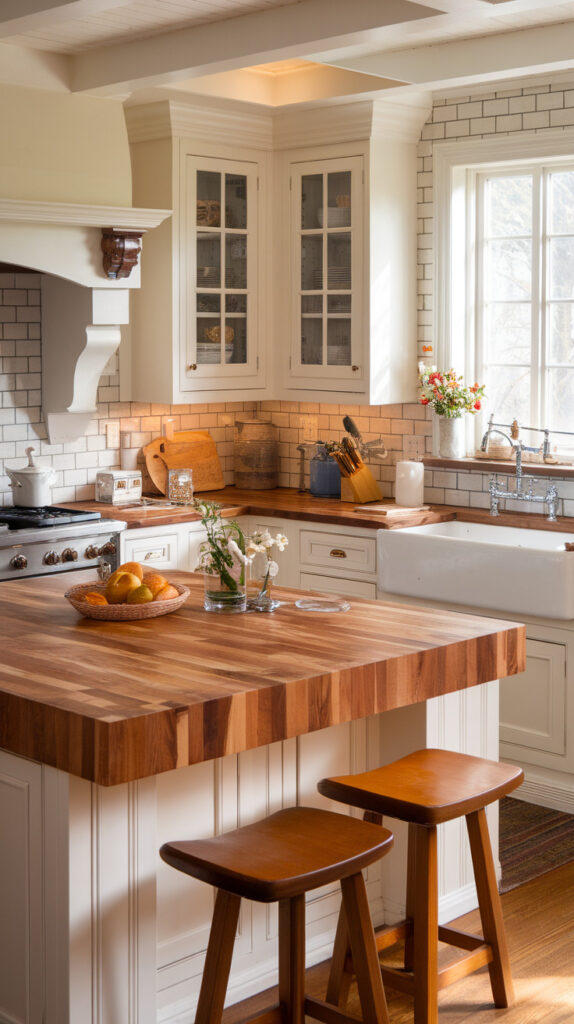
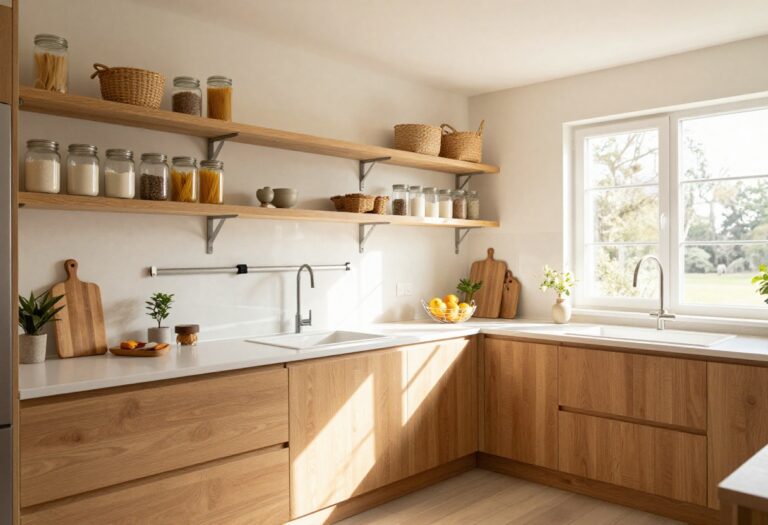
Stone countertops dominate the market, but they can feel cold in a traditional setting. Butcher block adds warmth and texture that instantly softens the room. It brings in a natural element without feeling rustic.
I like using butcher block on an island even when perimeter counters are stone. That contrast feels thoughtful rather than random.
Why This Works
Wood introduces warmth through color and grain variation. It balances painted cabinetry beautifully.
It’s also practical for food prep when sealed properly.
How to Do It
- Choose hardwood like maple or oak for durability.
- Seal with food-safe oil or polyurethane depending on usage.
- Install carefully to prevent gaps or warping.
- Maintain regularly with light sanding and resealing.
Maintenance keeps it looking fresh for years.
Style & Design Tips
Avoid overly dark stains if you want a classic feel. Medium natural tones work best.
Pair wood counters with white cabinetry for strong contrast.
Pro Tip or Budget Hack
Use butcher block only on the island to cut costs. It gives you the warmth without committing to full coverage.
6. Glass-Front Upper Cabinets
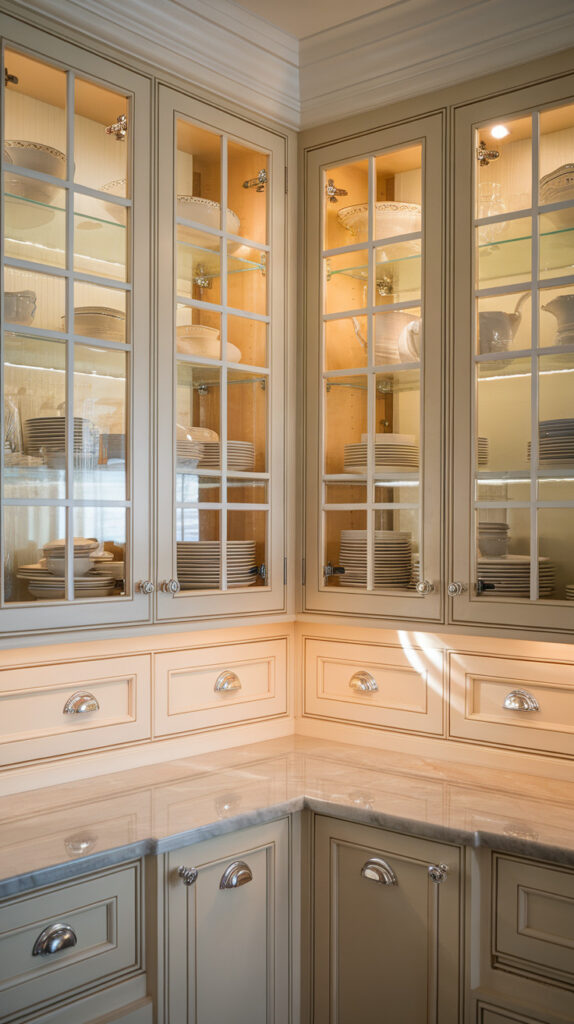
Solid upper cabinets can feel heavy in some kitchens. Glass-front doors break up that visual weight and add elegance. They also encourage you to keep things organized.
I love how they showcase simple dishware without turning the kitchen into a display case.
Why This Works
Glass reflects light and creates depth. That subtle transparency keeps the space from feeling boxed in.
Traditional kitchens often use glass to highlight craftsmanship.
How to Do It
- Replace select upper doors with clear or seeded glass panels.
- Keep displayed items minimal and coordinated.
- Install interior lighting for added dimension.
- Use sturdy hinges to support glass weight.
Balance matters so the kitchen doesn’t feel cluttered.
Style & Design Tips
Avoid colored or frosted glass if you want a true traditional look. Clear glass feels classic.
Stick to neutral dishware for a clean aesthetic.
Pro Tip or Budget Hack
Swap just two cabinet doors instead of all of them. It saves money while achieving the same effect.
7. Traditional Pendant Lighting
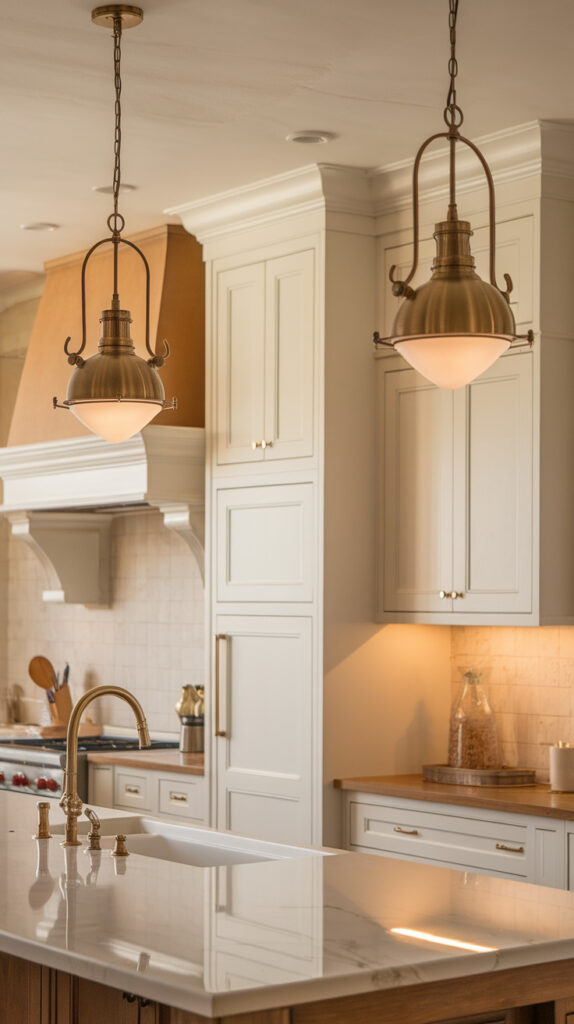
Recessed lighting alone can feel flat and forgettable. Traditional pendant lights add character and layered illumination. They also define key zones like islands or sinks.
Lighting is one of those things people underestimate until they see the difference.
Why This Works
Pendant lights draw focus to work areas. They create visual rhythm across the kitchen.
Classic shapes age better than trendy geometric designs.
How to Do It
- Choose metal or glass pendants with simple curves.
- Hang them 30–36 inches above the countertop.
- Space evenly for balanced lighting.
- Use warm bulbs to maintain a cozy tone.
Proper placement keeps everything proportional.
Style & Design Tips
Avoid overly industrial styles for traditional kitchens. Look for timeless silhouettes.
Match metal finishes with cabinet hardware for cohesion.
Pro Tip or Budget Hack
Vintage-inspired fixtures often cost less than designer pieces but look just as good.
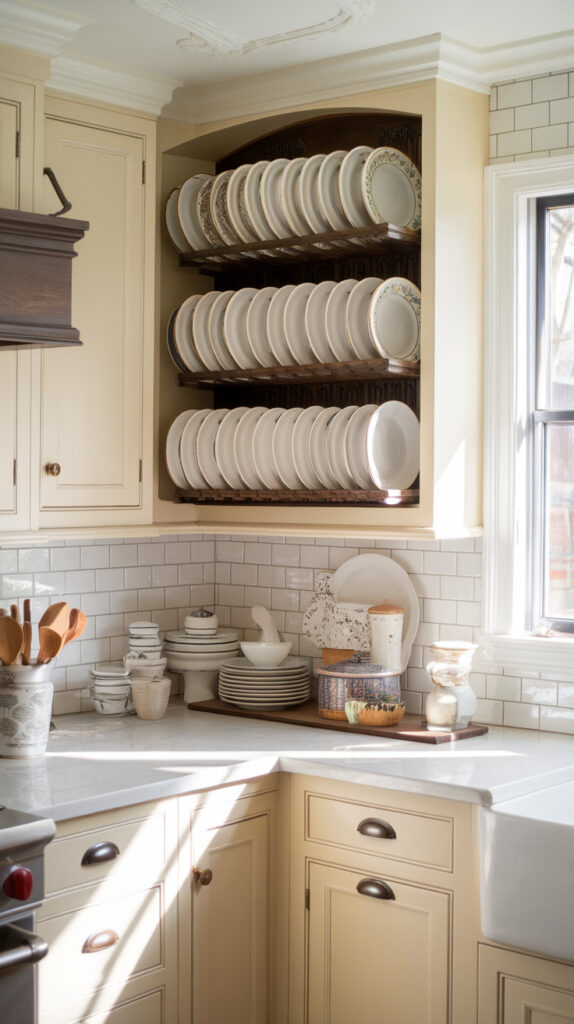
8. Built-In Plate Rack or Open Shelf Accent
Fully closed storage can feel rigid. A built-in plate rack or small open shelf introduces charm without chaos. It gives the kitchen personality.
I’ve added plate racks in two projects, and both homeowners loved the nostalgic touch.
Why This Works
Open elements break monotony. They add variation in depth and texture.
Traditional kitchens thrive on subtle decorative details.
How to Do It
- Install a plate rack above the stove or sink area.
- Secure plates firmly with proper spacing.
- Keep shelf decor minimal and intentional.
- Use sturdy wood to support weight.
Execution determines whether it feels curated or messy.
Style & Design Tips
Stick to white or neutral plates for a cohesive look. Avoid overcrowding the rack.
Paint the rack the same color as cabinets for unity.
Pro Tip or Budget Hack
You can build a simple plate rack with basic lumber and trim. It’s a surprisingly approachable DIY.
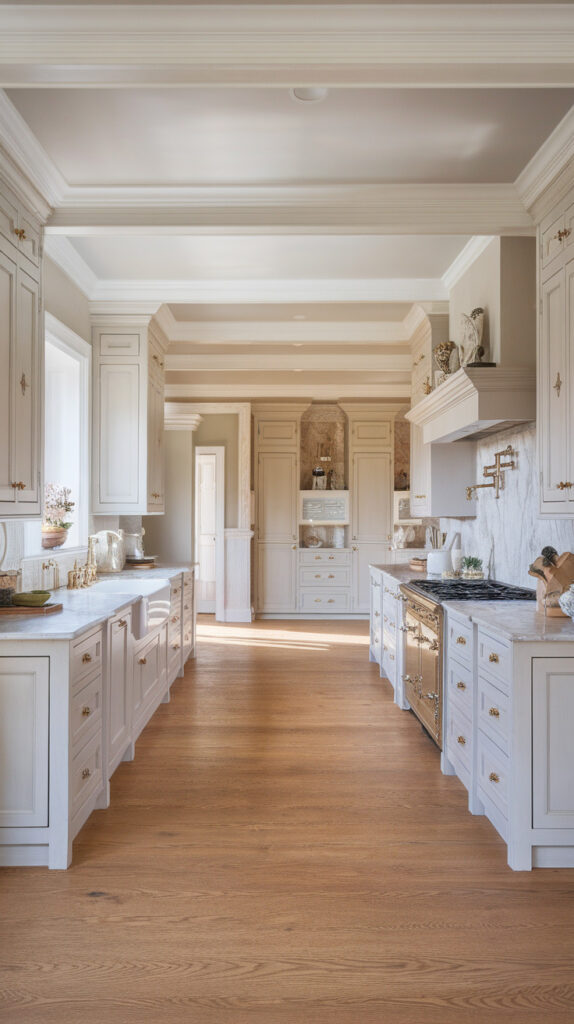
9. Neutral Color Palette
Bold colors often age quickly in kitchens. Neutral tones create a steady foundation that won’t feel dated. Creams, warm whites, and soft grays dominate traditional spaces for a reason.
I’ve seen bold kitchens look tired in under three years. Neutrals just keep going.
Why This Works
Neutral palettes allow architectural details to shine. They also make it easier to swap accessories over time.
Traditional design relies on subtlety rather than shock value.
How to Do It
- Choose one primary neutral for cabinets.
- Use a complementary shade for walls.
- Add contrast through wood or metal accents.
- Keep decorative elements restrained.
Consistency keeps the space calm.
Style & Design Tips
Avoid stark bright white unless balanced with warmth. Soft undertones feel more classic.
Layer textures instead of colors for interest.
Pro Tip or Budget Hack
Paint is the cheapest way to transform a kitchen. A well-chosen neutral can do most of the heavy lifting.
10. Classic Hardware Details
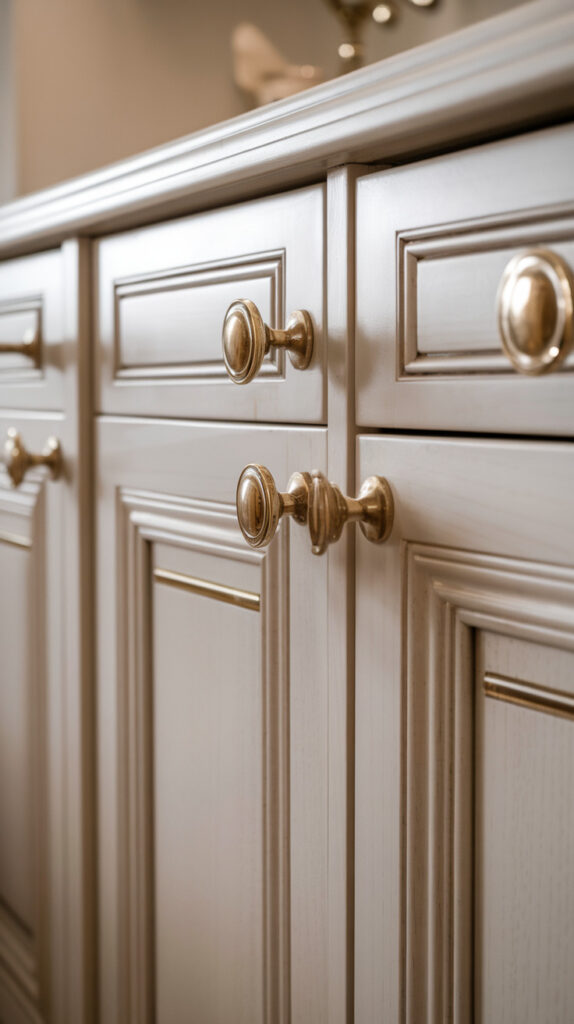
Oversized trendy pulls might look bold now, but they often date a kitchen quickly. Classic hardware keeps everything grounded. Small details make a big difference.
I once swapped hardware in a client’s kitchen and it felt like a full renovation.
Why This Works
Hardware acts like jewelry for cabinets. Subtle pieces enhance without overpowering.
Traditional kitchens rely on balance and restraint.
How to Do It
- Choose cup pulls or simple knobs for authenticity.
- Stick to finishes like brass, nickel, or bronze.
- Keep sizes proportional to cabinet doors.
- Install evenly using a template.
Precision ensures a polished look.
Style & Design Tips
Avoid mixing too many finishes. Two complementary metals are enough.
Matte finishes feel modern, while polished or brushed lean traditional.
Pro Tip or Budget Hack
Hardware swaps are one of the cheapest upgrades you can make. It’s a small move with huge visual payoff.
Traditional Kitchen Design Foundation: Building It Right From the Start
Strong traditional kitchens don’t begin with paint colors or hardware finishes. They begin with layout decisions that support daily cooking, cleaning, and movement. When the workflow feels smooth, everything else feels intentional instead of decorative.
Start by evaluating your kitchen triangle, meaning the distance between your sink, stove, and refrigerator. These three zones should connect easily without forcing you to walk in circles. A timeless kitchen depends more on flow than on decorative details.
Storage planning also matters more than most people realize. Deep drawers for pots, vertical dividers for trays, and accessible pantry shelves prevent clutter from taking over. When storage works efficiently, the traditional aesthetic stays clean and calm.
Material consistency builds authority in design. Choose two or three primary materials and repeat them thoughtfully throughout the space. That repetition creates visual harmony without feeling forced.
Layout & Function Strategy for Long-Term Value
A traditional kitchen should age well both visually and practically. That means planning for durability before choosing finishes. Cabinets, counters, and flooring should withstand daily wear without constant maintenance.
Invest in quality where you interact most often. Cabinet hinges, drawer slides, faucet valves, and countertop materials deserve priority because they affect everyday experience. If those elements fail, no amount of decorative detail can compensate.
Think about resale value even if you’re not planning to sell soon. Neutral palettes, classic materials, and functional layouts appeal to a broader range of buyers. Traditional kitchens consistently perform well in real estate because they feel safe and dependable.
Lighting layers also require strategy. Combine overhead lighting, task lighting, and accent lighting so the space remains functional in every scenario. Balanced lighting preserves both usability and ambiance without dramatic extremes.
Common Mistakes to Avoid in Traditional Kitchen Design
Overdecorating ruins more traditional kitchens than under-designing them. Heavy corbels, ornate carvings, and excessive molding can make the space feel crowded. Traditional style should feel refined, not theatrical.
Mixing too many wood tones creates visual confusion. If your cabinets are warm oak and your floor is cool gray wood, the clash becomes distracting. Keep undertones aligned to maintain harmony.
Ignoring proportions leads to awkward results. Oversized pendant lights or tiny hardware on large drawers throw off balance instantly. Traditional kitchens rely on scale consistency to feel cohesive.
Choosing trendy statement pieces undermines timeless design. Bold patterned tile or ultra-modern fixtures may feel exciting, but they age quickly. When in doubt, lean toward subtlety.
Neglecting maintenance planning causes long-term frustration. Wood counters, light grout, and painted cabinets require upkeep. Know what you’re signing up for before committing.
How to Blend Modern Comfort With Traditional Style
Traditional doesn’t mean outdated. You can integrate modern appliances and technology without compromising the aesthetic. The key is concealment and thoughtful placement.
Panel-ready refrigerators and dishwashers blend seamlessly into cabinetry. That integration keeps the visual lines clean and uninterrupted. Hidden appliances preserve the traditional look while delivering modern performance.
Smart lighting systems and touchless faucets can work beautifully if the design remains understated. Choose finishes that align with your overall palette. Technology should support convenience, not dominate attention.
Comfort also includes seating and layout flexibility. An island with comfortable stools invites gathering without disrupting flow. Traditional kitchens thrive when they feel lived in rather than staged.
Material Selection Guide for Durability
Not all “classic” materials perform equally in real kitchens. Marble looks stunning but stains easily if not sealed and maintained properly. Quartz offers similar elegance with less upkeep.
Hardwood flooring feels authentic, but engineered wood can provide better moisture resistance. The goal is balancing authenticity with practicality. Traditional style works best when it supports real life.
Cabinet finishes should resist chipping and fading. High-quality paint or factory finishes outperform rushed DIY paint jobs. Investing in proper preparation saves money over time.
Backsplash grout selection matters more than most people expect. Sealed grout prevents discoloration and mold buildup. Small technical decisions protect the longevity of your design.
Budget Planning & Cost Control Strategy
Traditional kitchens can look expensive even when built strategically. Focus spending on visible focal points like cabinetry, countertops, and lighting. Secondary areas can be simplified to stay within budget.
Refacing cabinets instead of replacing them can cut costs significantly. Swapping hardware and repainting often delivers dramatic transformation. Strategic upgrades outperform full demolition in many cases.
Choose mid-range materials with classic appearance rather than luxury labels. Many affordable options replicate high-end finishes convincingly. Careful sourcing stretches your investment.
Always allocate part of your budget for unexpected expenses. Plumbing adjustments, electrical updates, and installation surprises are common. Planning for contingencies keeps the renovation stress manageable.
Maintenance & Longevity Planning
A timeless kitchen stays timeless only with proper care. Regular cleaning routines protect surfaces from wear and staining. Gentle cleaners preserve finishes longer than harsh chemicals.
Wood surfaces require periodic resealing. Painted cabinets benefit from touch-ups over time. Proactive maintenance prevents small issues from becoming costly repairs.
Ventilation also plays a huge role in longevity. A quality range hood reduces grease buildup and moisture damage. Air circulation protects cabinetry and wall finishes.
Consistency in care extends the life of every element. Traditional kitchens reward homeowners who treat them thoughtfully. Long-term upkeep protects both beauty and function.
Frequently Asked Questions
1. Are traditional kitchens outdated compared to modern styles?
No, traditional kitchens remain one of the most requested styles in home design. Their balanced proportions and neutral palettes age well over time. Trends shift, but foundational design principles stay relevant.
2. Can I mix traditional and modern elements together?
Yes, but moderation is key. Use traditional cabinetry and layout as the base, then integrate subtle modern features like updated lighting or appliances. Avoid dramatic contrasts that compete visually.
3. What is the best countertop material for a traditional kitchen?
Quartz, granite, and butcher block all work well depending on your lifestyle. Choose based on maintenance tolerance and durability needs. The finish and color matter more than the material label.
4. How do I keep a white traditional kitchen from looking plain?
Layer textures instead of colors. Combine wood accents, subtle backsplash variation, and classic hardware. Texture adds depth without sacrificing timeless appeal.
5. Is crown molding necessary for a traditional kitchen?
It isn’t mandatory, but it enhances architectural character significantly. Crown molding creates a finished transition between cabinets and ceiling. Without it, the space may feel slightly incomplete.
6. How much should I budget for a traditional kitchen renovation?
Costs vary widely depending on size and material choices. Prioritize cabinetry, countertops, and layout improvements first. A clear budget plan with contingency funds ensures smoother execution.
Final Thoughts
Timeless kitchens don’t rely on flashy features or trendy shortcuts. They lean into proportion, function, and materials that have already proven themselves over decades.
When you build around strong fundamentals, the rest falls into place without trying too hard. And honestly, there’s something satisfying about walking into a kitchen that still feels right years later.