10 Rustic Tile Shower Ideas for a Cozy Bathroom
Bathrooms function best when design choices balance comfort, durability, and practicality instead of chasing trends that age quickly.
Rustic tile showers manage that balance better than most styles because they combine texture, warmth, and character without feeling overly decorated.
A well-designed rustic shower doesn’t need complicated materials or luxury finishes to feel inviting.
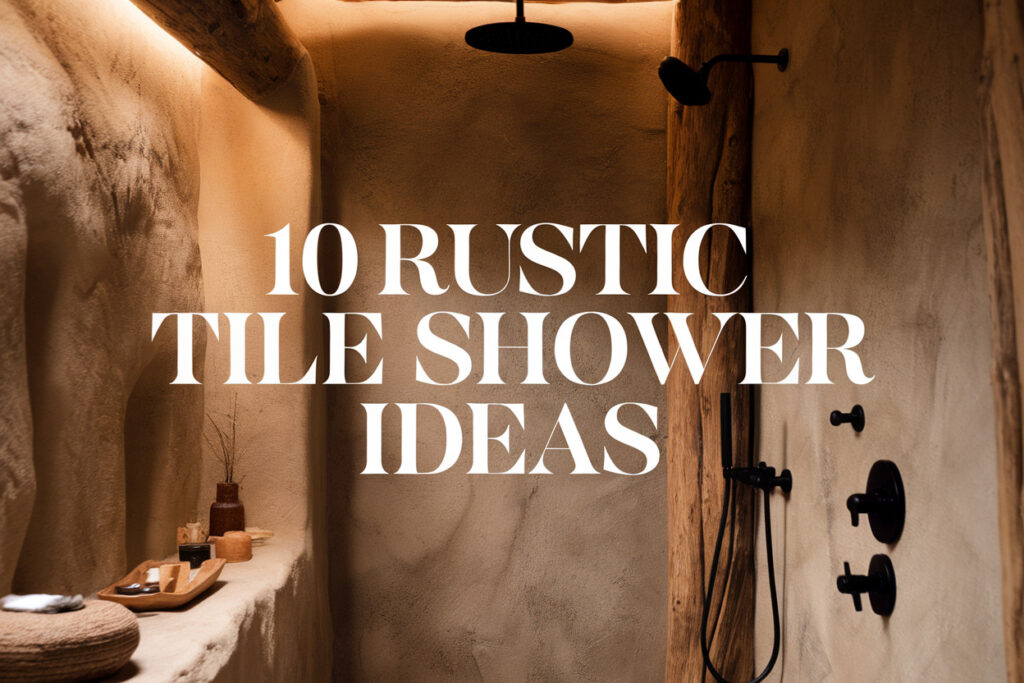
The charm usually comes from simple tile choices, thoughtful layouts, and a few design decisions that make the space feel grounded and natural.
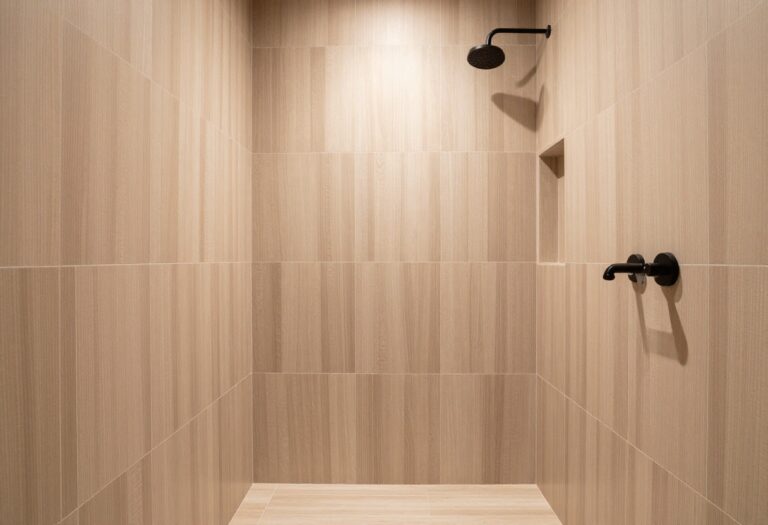
1. Stone-Look Porcelain Tile Shower
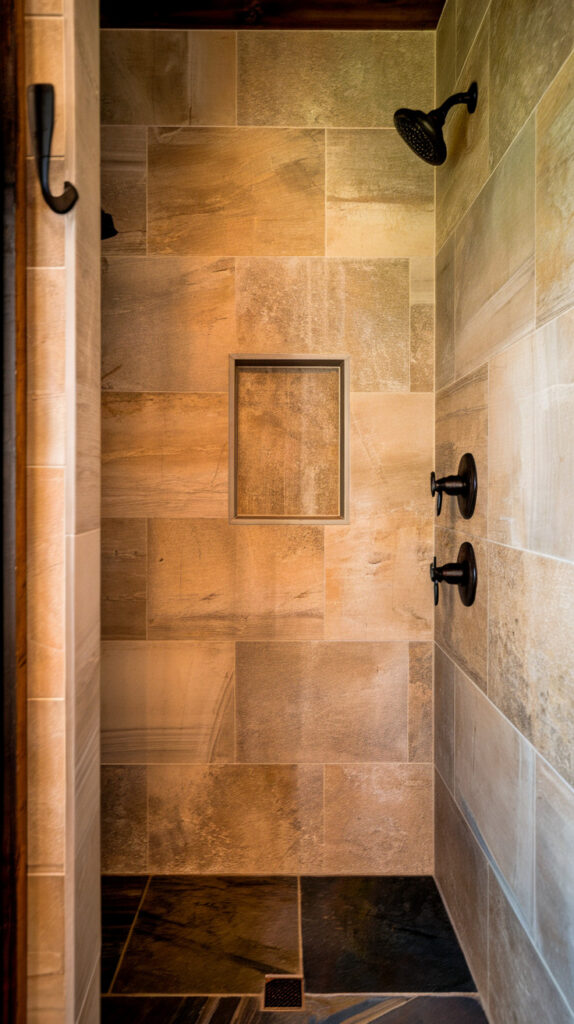
Small bathrooms often struggle with surfaces that feel cold, flat, or overly modern. Stone-look porcelain tiles fix that problem instantly because they mimic natural rock textures while staying easy to maintain.
I’ve used these in a renovation once, and the transformation surprised me. The shower suddenly felt warmer and more grounded without requiring real stone, which would have been expensive and high-maintenance.
Why This Works
Stone textures introduce visual depth that glossy tiles simply cannot achieve. The subtle variation in color and surface creates movement that keeps the shower from feeling sterile.
Porcelain also handles water extremely well. Unlike natural stone, it doesn’t absorb moisture or require constant sealing, which makes it ideal for everyday bathrooms.
How to Do It
- Choose stone-look porcelain tiles in warm tones like sand, slate gray, or beige.
- Use larger tiles on the walls to reduce grout lines and create a natural stone slab appearance.
- Pair the walls with a slightly darker tile on the shower floor for contrast and safety.
- Install tiles in a stacked or horizontal pattern to make the shower look wider.
Style & Design Tips
Avoid tiles that look overly uniform because real stone never looks perfectly identical. Look for tiles with natural color variation and subtle texture.
Matte finishes work better than glossy ones. They add authenticity and also reduce slipping, which matters more than people realize.
Pro Tip or Budget Hack
Porcelain tiles that imitate stone cost far less than real stone slabs. You get the same rustic feel without sealing, staining risks, or heavy installation costs.
2. White Subway Tile With Rustic Grout
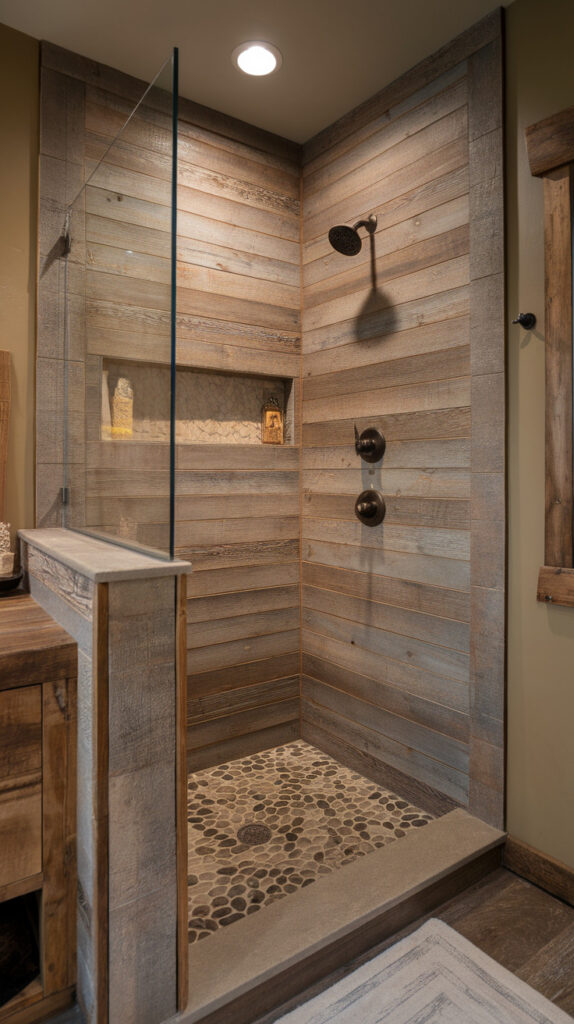
Sometimes the most rustic design choices come from the simplest materials. White subway tiles become surprisingly cozy when paired with darker grout and warm hardware finishes.
I’ve seen this approach used in farmhouse bathrooms, and it always works because it balances clean structure with rustic detail. The tiles stay classic, while the grout adds personality.
Why This Works
Subway tiles offer a structured, organized layout that keeps the shower visually tidy. Dark grout lines introduce contrast, which adds depth and subtle rustic charm.
The grid pattern also highlights craftsmanship. Instead of hiding grout lines, the design celebrates them.
How to Do It
- Install classic white subway tiles in a brick pattern.
- Choose charcoal, warm gray, or light brown grout for contrast.
- Use matte black or brushed brass fixtures for a rustic finish.
- Extend the tiles to the ceiling for a polished look.
Style & Design Tips
Bright white grout can make the shower feel too modern. Darker grout softens the look and adds a slightly vintage touch.
Stick with matte or satin finishes on fixtures rather than chrome. Chrome often pushes the design toward contemporary rather than rustic.
Pro Tip or Budget Hack
Subway tiles are one of the cheapest tile options available. Spend a little more on grout color and fixtures to upgrade the overall design without increasing the tile budget.
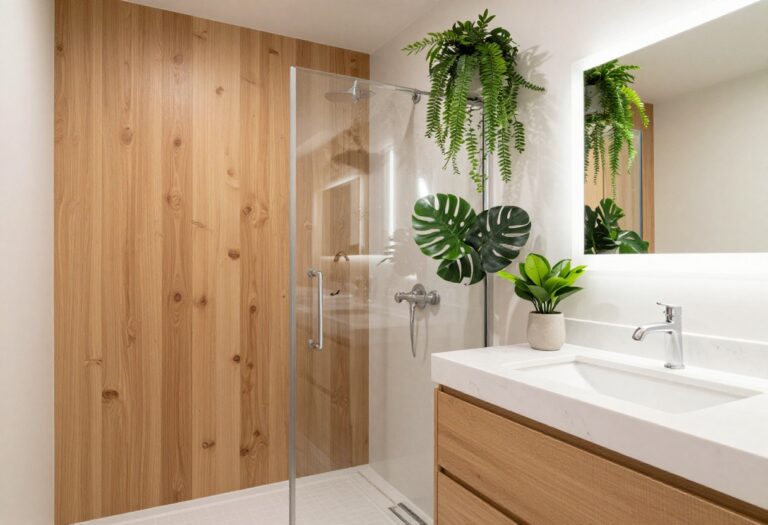
3. Wood-Look Tile Shower Walls
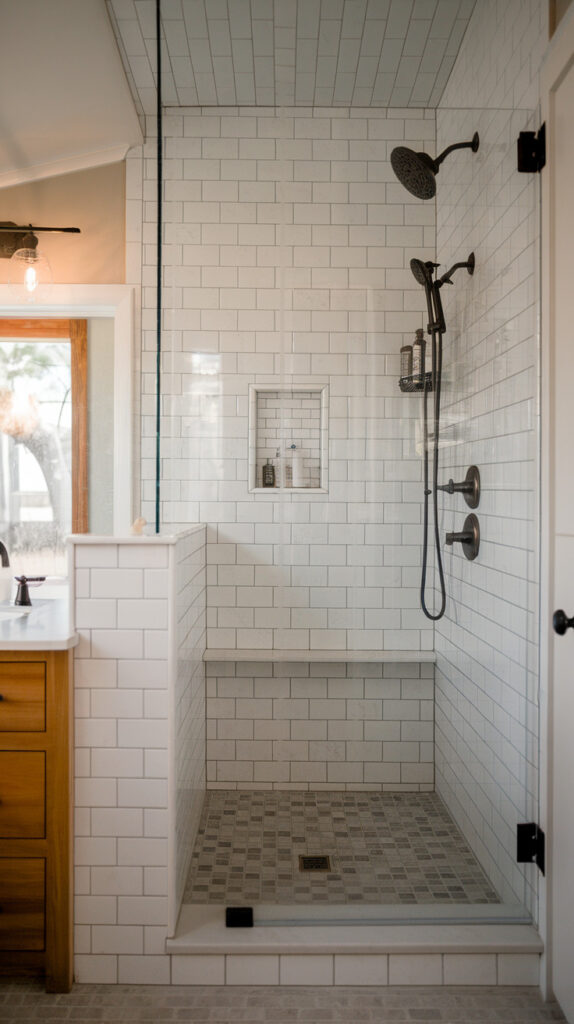
Real wood in showers rarely lasts long, but wood-look porcelain tiles solve that issue beautifully. These tiles replicate wood grain textures while staying completely waterproof.
The first time I saw a shower with wood-look tiles, I had to touch the wall just to confirm it wasn’t actual wood. That’s how convincing modern tiles have become.
Why This Works
Wood textures instantly warm up a bathroom. They introduce a cabin-like feeling that makes the shower space feel relaxing rather than purely functional.
Porcelain versions avoid the biggest downside of wood: moisture damage.
How to Do It
- Choose wood-look porcelain tiles in warm oak, walnut, or weathered pine tones.
- Install tiles vertically to mimic real wood paneling.
- Use thin grout lines so the tiles resemble wooden planks.
- Pair with stone or pebble flooring for texture contrast.
Style & Design Tips
Avoid extremely dark wood tones in small bathrooms. They absorb light and make the space feel smaller.
Mid-tone woods create a balanced rustic look that feels cozy but still bright.
Pro Tip or Budget Hack
Use wood-look tiles only on the shower walls and keep the rest of the bathroom simple. This keeps the rustic element focused without overwhelming the room.
4. Pebble Stone Shower Floor
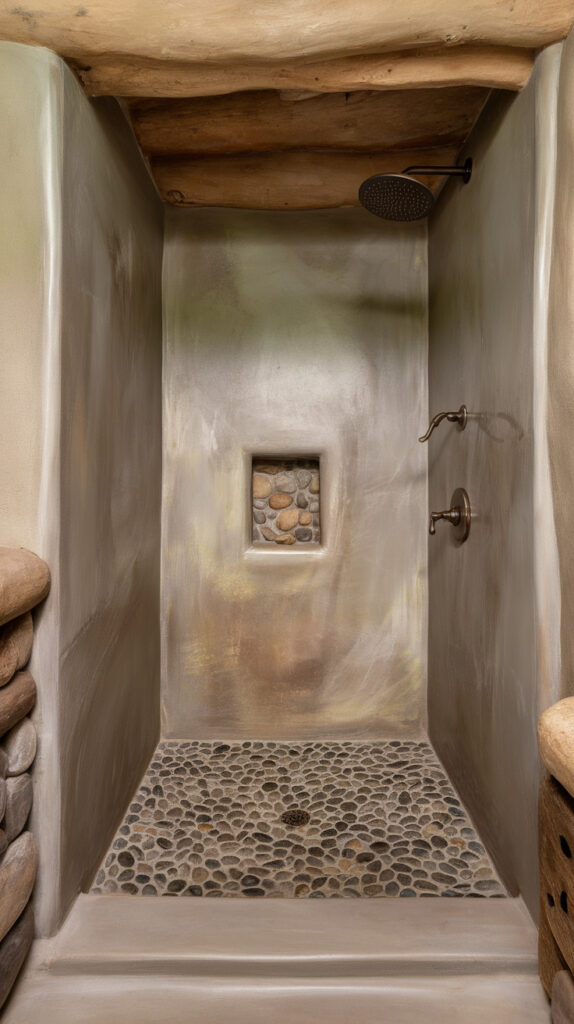
Shower floors often become design afterthoughts, but they shouldn’t be. Pebble stone tiles instantly create a natural spa-like texture under your feet.
I installed pebble tiles in a small guest bathroom once, and everyone commented on them. People notice surfaces they physically interact with more than decorative elements.
Why This Works
Pebble tiles introduce organic shapes that contrast nicely with flat wall tiles. The uneven texture also improves grip, making the floor safer.
The look naturally feels rustic because stones resemble river rocks.
How to Do It
- Purchase interlocking pebble tile sheets for easy installation.
- Choose neutral tones like gray, beige, or mixed river stones.
- Seal the stones properly to prevent water absorption.
- Pair with simple wall tiles to avoid visual clutter.
Style & Design Tips
Too many colors in pebble flooring can look messy. Stick with earth-toned palettes that blend naturally.
Smooth polished stones work better for comfort than sharp textured ones.
Pro Tip or Budget Hack
Use pebble flooring only inside the shower area instead of the entire bathroom floor. This keeps installation costs manageable while still delivering the rustic effect.
5. Rustic Terracotta Tile Shower
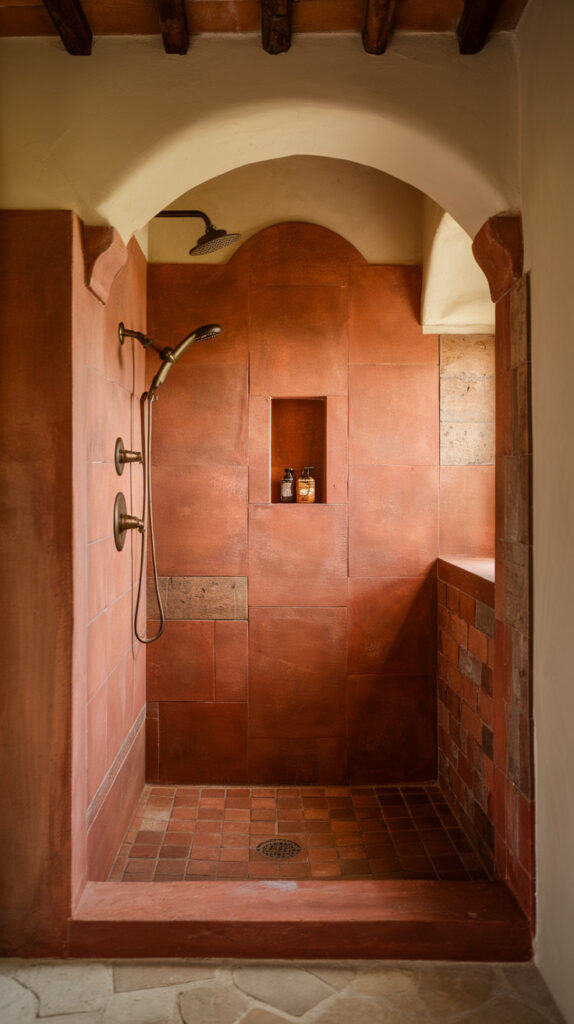
Terracotta tiles bring warmth that few materials can match. Their earthy red tones instantly create a Mediterranean-style rustic bathroom.
They also age beautifully. Slight color changes over time actually add character instead of ruining the look.
Why This Works
Terracotta naturally reflects warm light tones. That warmth softens the overall bathroom atmosphere, which often feels sterile with cooler materials.
The handmade texture also feels authentic.
How to Do It
- Choose sealed terracotta tiles designed for wet areas.
- Use them on shower walls or accent panels.
- Pair with cream or beige tiles for balance.
- Apply proper waterproof sealing.
Style & Design Tips
Too much terracotta can overwhelm a small space. Combine it with neutral tiles to keep the room visually balanced.
Matte finishes preserve the rustic feel better than glossy coatings.
Pro Tip or Budget Hack
Use terracotta only on one feature wall inside the shower. This creates a focal point without raising installation or sealing costs.
6. Stacked Slate Tile Shower
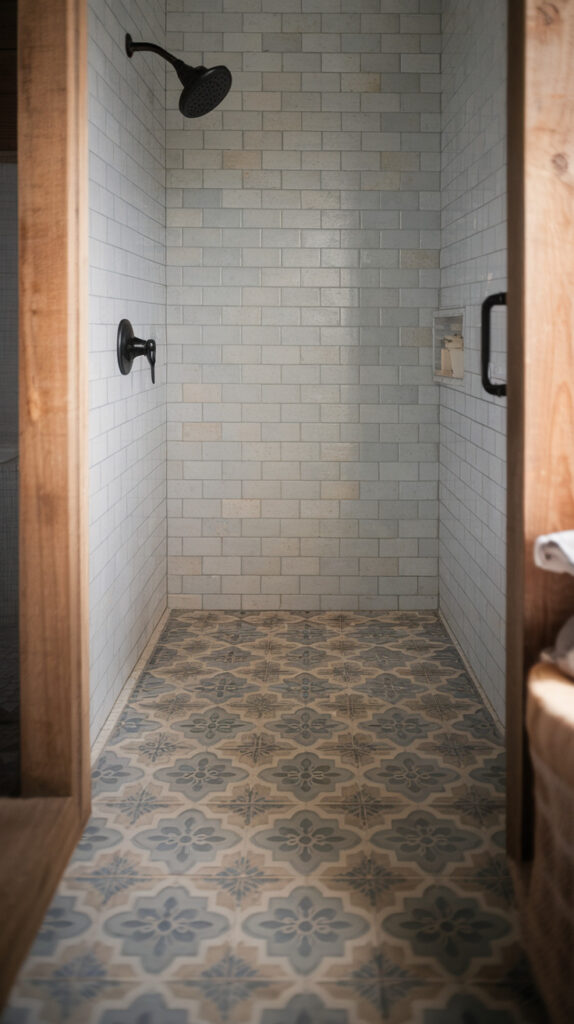
Slate tiles deliver one of the strongest rustic looks available. Their layered textures create dramatic depth that flat tiles simply can’t replicate.
This style works especially well in cabin-inspired bathrooms or nature-themed designs.
Why This Works
Slate has natural color variations that range from charcoal to rusty brown. These variations keep the surface visually interesting.
The layered texture also catches shadows, adding dimension.
How to Do It
- Install stacked slate tiles on a feature shower wall.
- Use neutral ceramic tiles on the other walls.
- Add warm lighting to highlight texture.
- Seal the slate to protect it from moisture.
Style & Design Tips
Too much slate can feel heavy. Limit it to one accent wall to maintain balance.
Pair slate with warm metals like bronze or brass for cohesion.
Pro Tip or Budget Hack
Use slate-look porcelain tiles instead of real slate if you want lower maintenance and easier installation.
7. Vintage Pattern Tile Shower Floor
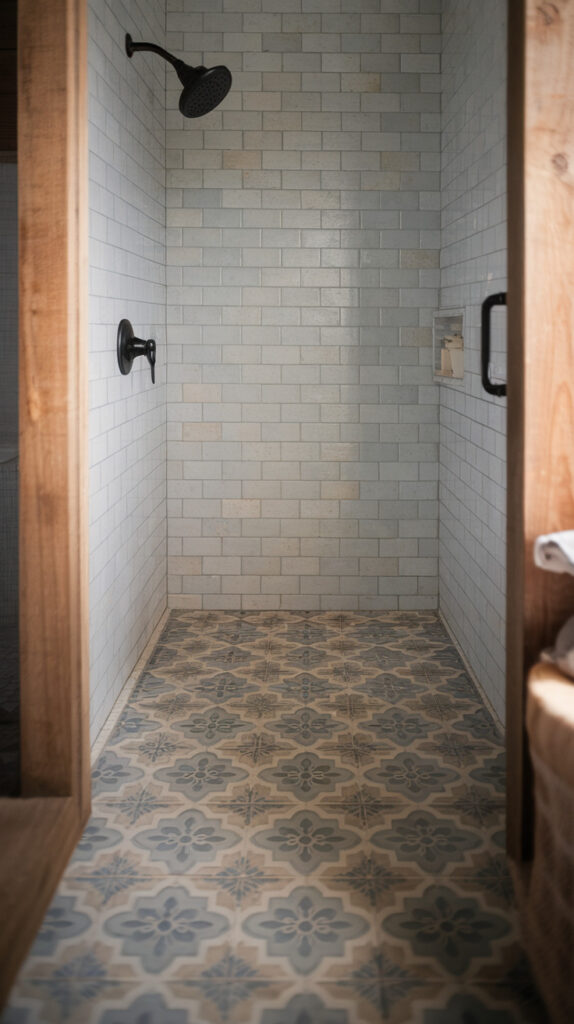
Rustic bathrooms don’t always mean plain stone or wood textures. Vintage patterned tiles can add personality while still keeping the design cozy.
Patterned floors feel nostalgic in the best way.
Why This Works
Patterns break up monotony and create visual interest. They also anchor the shower space so it feels intentional rather than purely functional.
Muted patterns maintain rustic charm.
How to Do It
- Choose vintage-style patterned tiles with faded colors.
- Keep walls simple with neutral tiles.
- Limit patterns to the floor area.
- Use warm lighting to soften the look.
Style & Design Tips
Bold patterns work best in small areas like shower floors. Too much pattern can overwhelm the room.
Choose muted color palettes instead of bright modern designs.
Pro Tip or Budget Hack
Tile manufacturers often sell patterned tiles as small batches. Buying only enough for the shower floor keeps costs low.
8. Brick-Look Tile Shower Walls
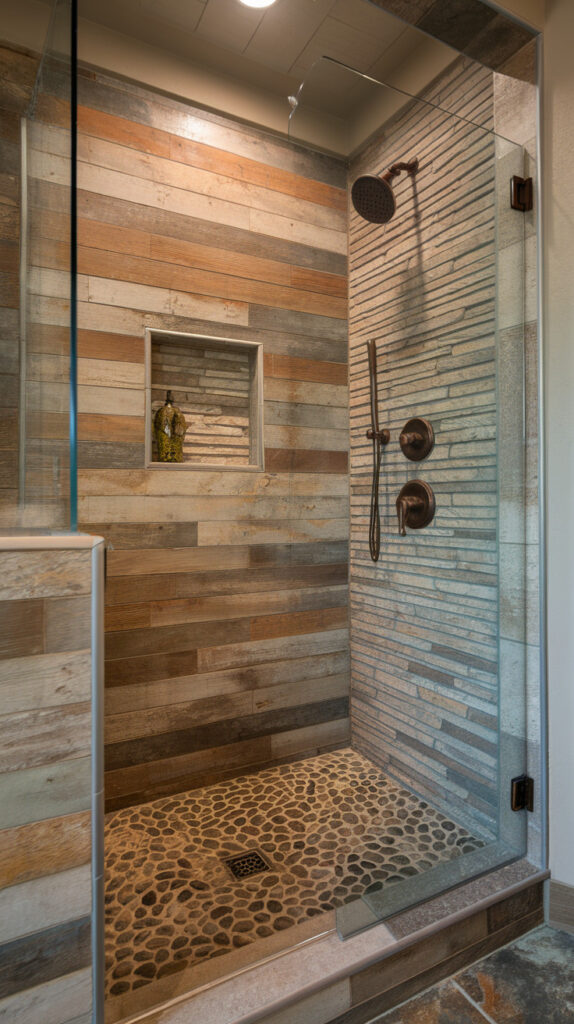
Brick adds instant rustic charm, but real brick in showers can be difficult to maintain. Brick-look porcelain tiles offer the same character with far less hassle.
The texture alone gives the shower a cozy cottage feel.
Why This Works
Brick patterns create strong visual rhythm. The horizontal layout also makes the shower appear wider.
The design works well in farmhouse-style bathrooms.
How to Do It
- Use brick-look porcelain tiles in warm red or clay tones.
- Install in a staggered brick pattern.
- Pair with simple stone flooring.
- Seal grout properly.
Style & Design Tips
Avoid bright red brick tones. Slightly faded or weathered finishes feel more authentic.
Combine with wood accents elsewhere in the bathroom.
Pro Tip or Budget Hack
Use brick tiles only halfway up the shower wall. Finish the top section with plaster-style tiles to reduce material costs.
9. Mixed Texture Tile Shower
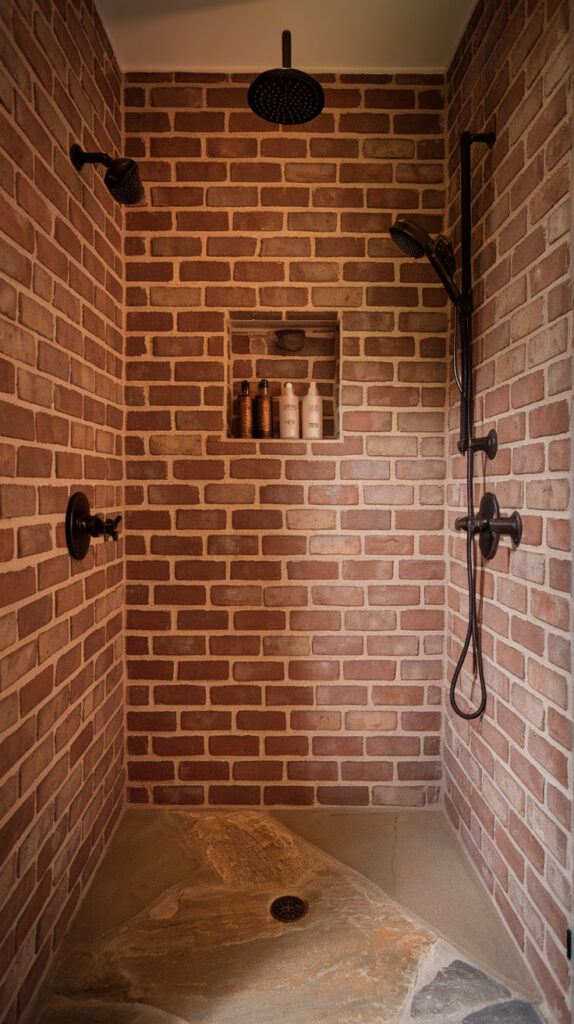
Bathrooms sometimes look flat when every surface uses the same material. Mixing tile textures creates a layered rustic look that feels more intentional.
The trick is balance rather than chaos.
Why This Works
Different textures catch light differently. This creates depth without adding extra colors.
The result feels handcrafted rather than mass-produced.
How to Do It
- Combine stone-look tiles, wood-look tiles, and pebble flooring.
- Limit the palette to 2–3 natural tones.
- Use one texture as the dominant surface.
- Keep grout color consistent.
Style & Design Tips
Too many textures can look messy. Stick with a clear hierarchy: one main material, one supporting material.
Use earthy tones so everything feels cohesive.
Pro Tip or Budget Hack
Use expensive textured tiles only on visible areas. Fill hidden sections with simpler tiles to reduce costs.
10. Rustic Mosaic Tile Accent
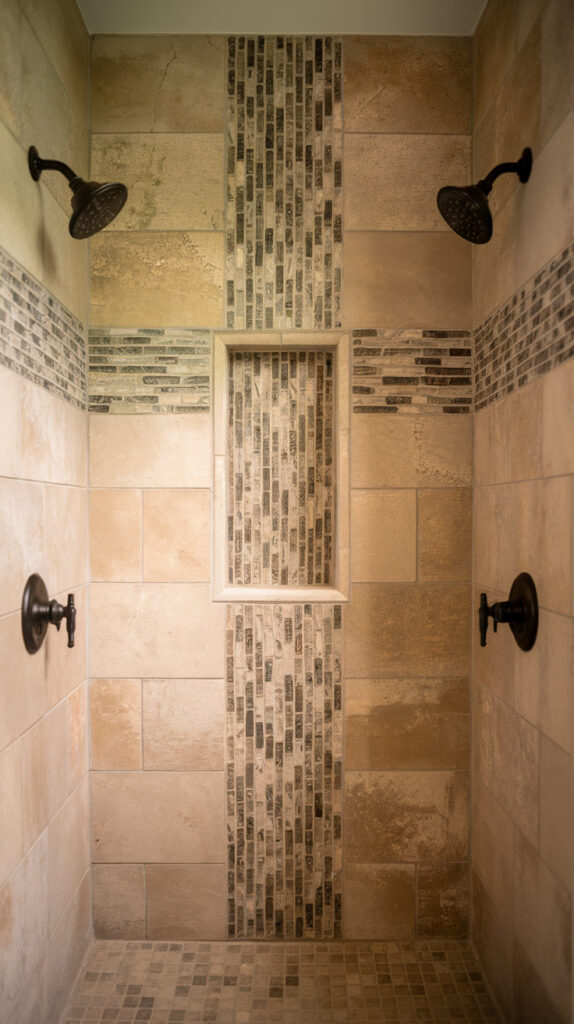
Mosaic tiles create detail that larger tiles cannot achieve. When used sparingly, they add charm without overwhelming the design.
A small mosaic strip can completely change a shower’s personality.
Why This Works
Mosaics introduce intricate patterns and subtle color variation. This draws attention to specific areas like niches or borders.
The detail feels handcrafted and intentional.
How to Do It
- Install mosaic tile strips along the middle of the shower wall.
- Use natural stone mosaics for rustic appeal.
- Frame shower niches with matching mosaics.
- Pair with neutral wall tiles.
Style & Design Tips
Keep mosaics subtle rather than flashy. Natural stone colors maintain the rustic theme.
Avoid overly glossy finishes that clash with rustic textures.
Pro Tip or Budget Hack
Buy mosaic tiles in small sheets and use them only for accents. This keeps the design interesting while preventing unnecessary tile expenses.
Rustic Shower Design Strategy: Building a Bathroom That Actually Ages Well
Rustic bathrooms work best when the design prioritizes durability before aesthetics. Tiles, grout, and materials inside a shower deal with constant moisture, temperature changes, and cleaning chemicals, so practical decisions matter more than decorative trends.
The smartest approach is choosing materials that look better with time rather than worse. Rustic textures like stone, terracotta, wood-look tile, and slate tend to age gracefully because slight wear blends into their natural appearance.
Focus on Texture First
Rustic bathrooms rely heavily on texture rather than bold colors or decorative elements. Flat glossy tiles rarely capture that warm, natural character that makes rustic spaces feel cozy.
Stone finishes, matte tiles, wood grain patterns, and pebble surfaces introduce visual depth that immediately softens the space. Even subtle texture variation can transform a basic shower into something that feels more thoughtfully designed.
Choose Earth-Tone Color Palettes
Rustic design thrives on colors found in nature. Warm beiges, soft browns, clay reds, muted greens, and slate grays create a relaxed atmosphere that feels grounded rather than trendy.
Bright whites and ultra-dark tones can disrupt the balance if they dominate the space. Neutral palettes allow textures to become the visual focus instead of competing colors.
Mix Materials Carefully
Combining textures creates a layered rustic look, but too many materials can quickly feel chaotic. A good rule is limiting the shower to two primary materials and one accent texture.
For example, stone-look wall tiles paired with pebble flooring create contrast without visual clutter. Adding wood-look tiles as a third surface can work, but it requires careful color coordination.
Prioritize Comfort and Maintenance
Rustic bathrooms should feel relaxed rather than complicated. Materials that require constant sealing, delicate cleaning routines, or specialty products often turn into long-term frustrations.
Porcelain tiles that mimic stone, wood, or brick usually deliver the best balance of rustic appearance and easy maintenance. They resist moisture well and keep cleaning routines simple.
How to Choose the Right Rustic Tiles for Your Shower
Choosing the right tile often determines whether a rustic shower feels cozy or accidentally messy. The goal is selecting surfaces that complement each other without competing visually.
Tile size, color variation, and finish all influence how the final space feels.
Tile Size Impacts the Overall Look
Large tiles create a calm and open appearance because fewer grout lines interrupt the surface. This works especially well for stone-look porcelain tiles that mimic large natural slabs.
Smaller tiles, on the other hand, introduce more texture and visual rhythm. Mosaic and pebble tiles are great examples, but they work best as accents rather than dominant surfaces.
Matte Finishes Work Better for Rustic Design
Glossy tiles often feel modern or contemporary. Rustic bathrooms usually benefit from matte or lightly textured finishes that absorb light instead of reflecting it.
Matte tiles also improve safety inside showers because they provide slightly better traction when wet.
Natural Variation Creates Authenticity
Tiles that look perfectly identical can feel artificial. Rustic spaces benefit from subtle color differences and irregular patterns that resemble natural materials.
Manufacturers often label these tiles as “high variation” or “natural blend.” That small detail makes a noticeable difference once the tiles are installed.
Common Mistakes to Avoid
Rustic showers can quickly lose their charm if a few key design mistakes slip into the plan. Most of these issues happen when homeowners focus only on appearance instead of practicality.
Understanding these pitfalls beforehand saves both money and renovation headaches.
Using Too Many Rustic Elements
Rustic design works best with restraint. Combining wood-look tiles, brick tiles, stone accents, and patterned flooring all in the same shower often creates visual overload.
Pick one main rustic material and allow supporting surfaces to stay simple. This keeps the space balanced and visually relaxing.
Ignoring Lighting Conditions
Dark stone tiles and heavy textures can make small bathrooms feel cramped if lighting is insufficient. Rustic doesn’t mean gloomy, and the space should still feel comfortable to use daily.
Adding warm LED lighting or keeping part of the palette lighter prevents the shower from feeling closed in.
Choosing High-Maintenance Materials
Natural stone can look beautiful, but some varieties require frequent sealing and careful cleaning. Many homeowners discover this only after installation.
Porcelain alternatives often replicate the look of stone or wood while eliminating the maintenance burden.
Overusing Patterned Tiles
Patterned tiles add character, but large patterned areas can overwhelm the space quickly. Floors, niches, or accent strips usually provide enough personality without dominating the entire shower.
Keeping patterned tiles limited allows the design to stay timeless rather than trendy.
Neglecting Slip Resistance
Rustic bathrooms sometimes use polished stones or smooth tiles that become slippery when wet. Safety should always come before appearance.
Tiles labeled as slip-resistant or textured work better for shower floors and reduce potential hazards.
Budget-Friendly Ways to Achieve a Rustic Shower Look
A rustic shower doesn’t require expensive stone slabs or custom materials. Many affordable tile options now replicate natural textures with surprising accuracy.
Smart planning allows homeowners to create the same cozy effect while staying within a reasonable renovation budget.
Use Feature Walls Strategically
Instead of covering every surface with premium tiles, focus on one feature wall inside the shower. This creates visual impact without dramatically increasing material costs.
The remaining walls can use simpler tiles that complement the main surface.
Combine High-End and Basic Tiles
Premium tiles usually attract attention when used in visible areas like eye-level walls or niches. Basic tiles work perfectly well on less noticeable sections.
This mixed approach stretches the budget while keeping the final design polished.
Shop Clearance Tile Lots
Tile retailers often discount discontinued designs or small remaining batches. These tiles can work perfectly for smaller areas like shower floors or accent strips.
Checking clearance sections occasionally reveals materials that would normally exceed the renovation budget.
Rustic Shower Maintenance Tips
Rustic bathrooms should feel relaxing to maintain rather than demanding constant upkeep. A few basic habits keep tiles, grout, and fixtures looking fresh for years.
Simple routines prevent the buildup that often makes showers look older than they actually are.
Seal Grout Properly
Grout absorbs moisture easily if it isn’t sealed. Applying grout sealer protects against stains, mildew, and discoloration.
Reapplying the seal every year or two helps maintain long-term durability.
Clean Textured Surfaces Gently
Stone-look and slate-style tiles often contain small grooves that trap soap residue. Soft brushes or microfiber cloths remove buildup without damaging the texture.
Harsh scrubbing tools can wear down grout or scratch the tile finish.
Use Mild Cleaning Products
Strong chemical cleaners sometimes strip sealants or fade tile finishes. Mild bathroom cleaners typically work just as well when used regularly.
Routine cleaning prevents the need for aggressive chemicals later.
FAQ: Rustic Tile Shower Design
What tile works best for a rustic shower?
Porcelain tiles that mimic natural materials like stone, wood, or brick usually work best. They offer the rustic appearance people want while remaining durable and easy to maintain in wet environments.
Are pebble shower floors comfortable to stand on?
Smooth pebble tiles generally feel comfortable once installed properly. The rounded stones provide gentle texture underfoot and also improve traction compared to flat tiles.
Do rustic bathrooms work in small spaces?
Rustic designs can actually make small bathrooms feel warmer and more inviting. Using lighter earth tones and limiting heavy textures helps prevent the space from feeling crowded.
Is real stone better than stone-look tile?
Real stone offers authenticity but requires more maintenance and sealing. Stone-look porcelain tiles often provide a similar appearance while being easier to care for long term.
What grout color works best with rustic tiles?
Warm gray, beige, or charcoal grout tends to complement rustic materials well. These tones highlight tile textures without creating overly sharp contrast.
Can rustic showers still look modern?
Rustic and modern elements can blend surprisingly well. Pairing natural textures with simple fixtures and clean tile layouts creates a balanced design that feels both cozy and contemporary.
How long do porcelain shower tiles typically last?
Quality porcelain tiles can last several decades with proper installation and routine maintenance. Their resistance to water, stains, and wear makes them one of the most durable bathroom materials available.
Final Thoughts
Rustic shower designs work best when materials feel natural rather than overly polished. Texture, warmth, and subtle variation usually matter more than complicated layouts.
Small design choices often make the biggest difference. A simple tile swap or a textured floor can completely change how a bathroom feels, and honestly, those are the upgrades that tend to age the best.