17 Open Concept Living Room Ideas to Brighten Your Space
Everyone says open concept living rooms feel bright, but that only works when the layout actually makes sense. I’ve walked into too many open spaces that felt chaotic instead of calm, and that always bugs me.
Let’s fix that energy and make the space work for real life, not just Pinterest photos.
Open layouts can feel airy, warm, and inviting when you handle them right. They can also feel loud, messy, and unfinished when you skip the basics.
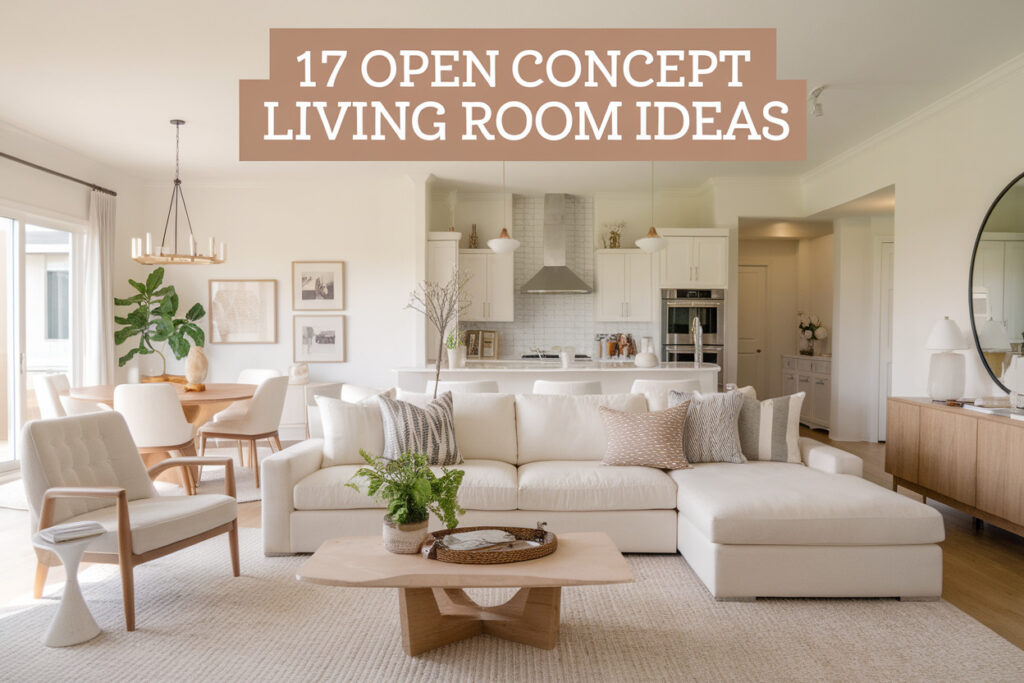
I’ll walk you through ideas I’ve tried, loved, tweaked, and sometimes messed up so you don’t have to.
1. Define Zones Without Building Walls
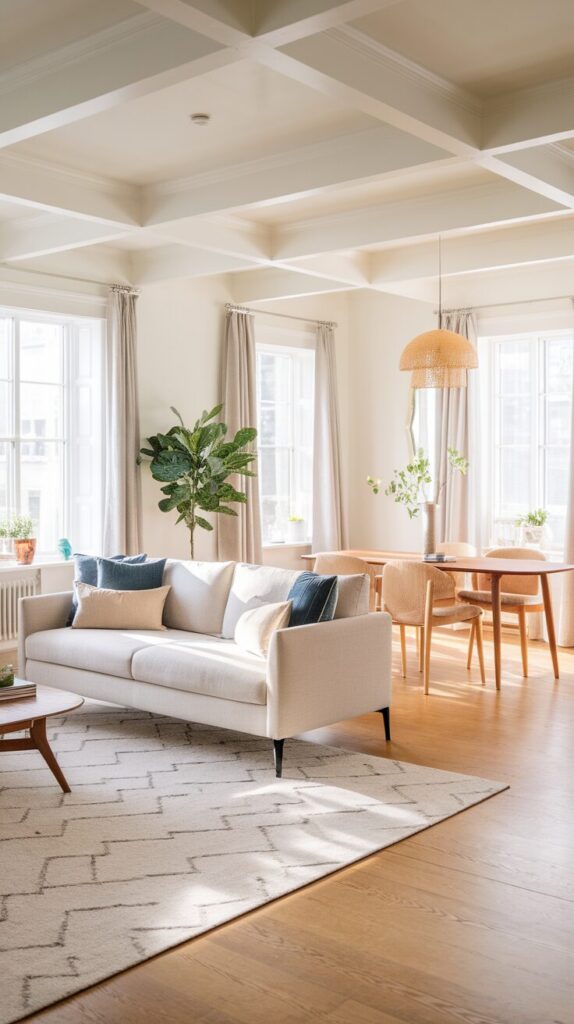
My biggest mistake early on involved treating an open space like one giant room. Everything floated around with no purpose, and nothing felt cozy. Once I defined zones, the whole space clicked.
This idea focuses on creating clear areas for lounging, dining, or working without adding walls. You use furniture placement and rugs to signal where one zone ends and another begins. The room feels organized while staying open and breathable.
Why This Works
Zoning gives the eye something to rest on instead of scanning a massive open area. Each zone feels intentional, which reduces visual noise and stress. The space feels brighter because your layout guides natural light instead of blocking it.
How to Do It
- Place a sofa with its back facing the dining area to mark separation.
- Use area rugs to anchor each zone clearly.
- Keep walking paths open and obvious.


Style & Design Tips
Choose rugs that share a color family to avoid visual chaos. Avoid tiny rugs because they shrink zones instead of defining them. Consistency matters more than matching everything perfectly.
Pro Tip or Budget Hack
You can layer affordable flatweave rugs over neutral carpet to fake built-in zones. I’ve done this in rentals, and it works shockingly well.
2. Use Light-Colored Furniture as Anchors
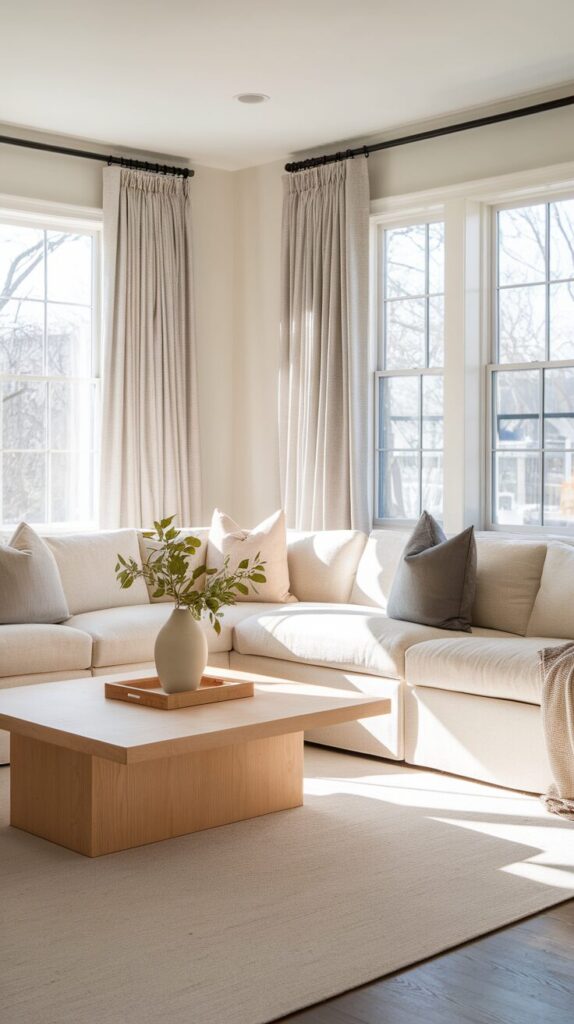
Dark furniture looks dramatic, but it can swallow light in an open layout. I learned this after dragging a bulky dark sofa into a sunny room and instantly regretting it. Light furniture saved the day.
This idea centers on choosing sofas, chairs, and tables in lighter tones to reflect light. These pieces anchor the space without weighing it down. The room instantly feels more open and inviting.
Why This Works
Light colors bounce natural and artificial light around the room. Your eyes move freely instead of stopping at heavy visual blocks. The space feels bigger even when the square footage stays the same.
How to Do It
- Choose sofas in beige, cream, or light gray.
- Balance light furniture with textured throws or pillows.
- Ground the look with one darker accent piece.

- 80%polyester+20%spandex
- Superior Fabric: 80% Polyester+20% Spandex, high quality stretchy jacquard fabric, soft and comfortable.
- Dimensions:Sofa slipcover: Fit Total sitting area is 60-81 in. More details please refer to the measurement guide in pho…
Style & Design Tips
Mix textures to avoid a washed-out look. Linen, boucle, and soft leather add depth without darkness. Avoid matching everything in one flat shade.
Pro Tip or Budget Hack
Slipcovers work wonders when you want a lighter look without buying new furniture. I’ve used washable ones, and they hold up better than expected.
3. Let One Statement Rug Lead the Room
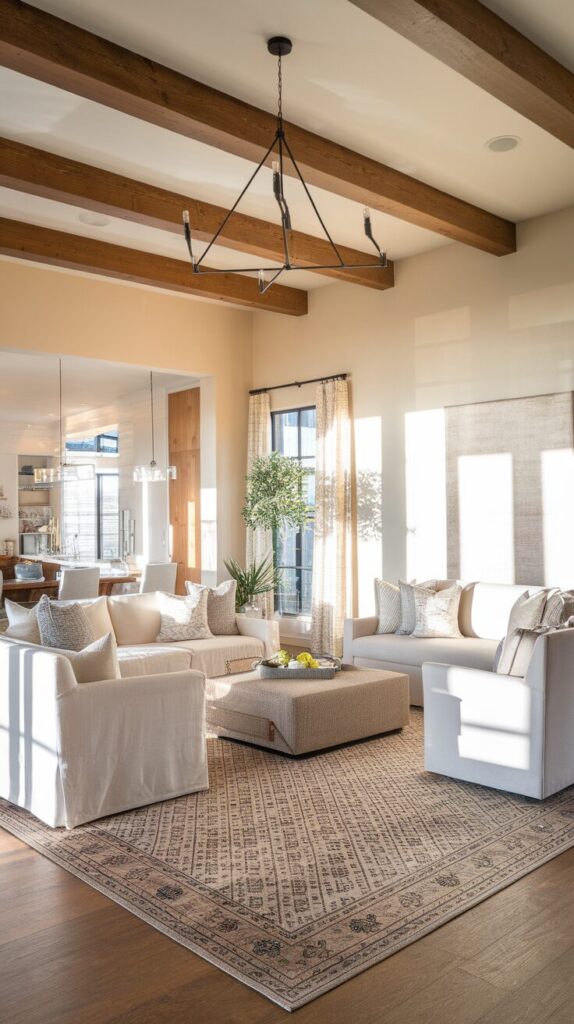
I used to buy rugs last, and that always caused problems. Once I flipped the process and chose the rug first, everything else fell into place. Rugs deserve more respect than they get.
This idea uses one large statement rug to unify the open living area. The rug visually connects furniture while defining the main lounging zone. It adds color and personality without clutter.
Why This Works
A large rug creates visual cohesion across an open space. It grounds furniture so nothing feels like it floats randomly. The room feels brighter because your layout looks intentional.
How to Do It
- Pick a rug big enough for all front furniture legs.
- Choose patterns that include light tones.
- Center the rug under your main seating area.


Style & Design Tips
Avoid tiny rugs because they break the flow. Choose low-pile rugs for easier cleaning. Scale matters more than pattern boldness.
Pro Tip or Budget Hack
Outdoor rugs work indoors and cost less. I’ve used them in high-traffic living rooms with zero regrets.
4. Keep Window Treatments Simple and Airy
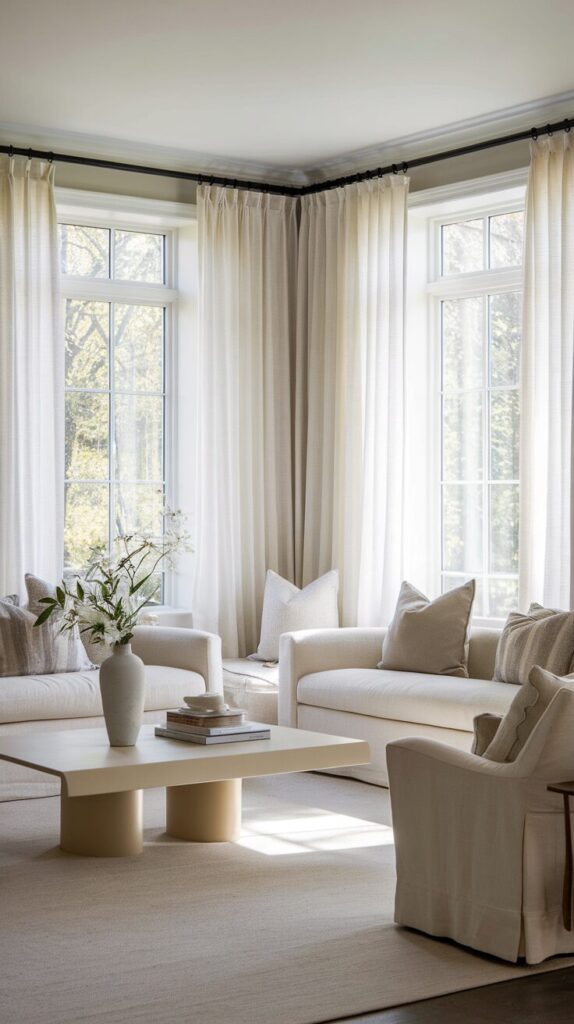
Heavy curtains kill light faster than anything else. I learned this after hanging thick panels and wondering why my room felt gloomy at noon. Less fabric always wins here.
This idea focuses on using sheer or minimal window treatments. You frame the windows without blocking sunlight. The room stays bright all day long.
Why This Works
Natural light flows freely without visual barriers. Windows feel taller and wider with the right treatment. The space feels open instead of boxed in.
How to Do It
- Choose sheer curtains or light-filtering shades.
- Mount rods higher than the window frame.
- Keep panels neutral and lightweight.
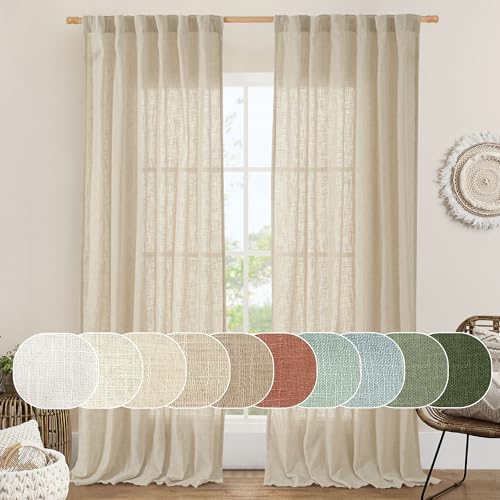
- Package Includes: Include 2 natural linen curtains, each light filtering burlap neutral curtain measures 52″ W x 84″ L (…
- Linen Textured: Our Linen curtains are made of 20% Linen & 80% Polyester, give it a more natural and organic look, with …
- Light Filtering: This textured linen curtain allows for better light diffusion, which means that linen curtains filter s…
Style & Design Tips
Avoid heavy patterns near windows. Stick to soft whites or warm neutrals. Let the view do the talking.
Pro Tip or Budget Hack
Tension rods with sheer panels work well for renters. I’ve used them without drilling a single hole.
5. Use Matching Wood Tones Across Spaces
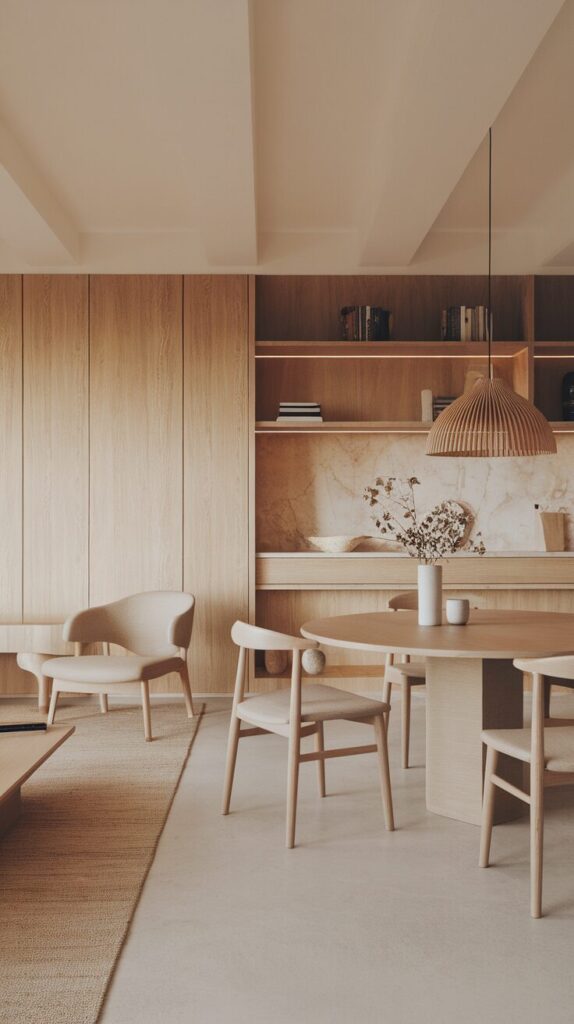
Nothing makes an open concept feel messy faster than clashing finishes. I once mixed three wood tones and instantly felt visual stress. Matching tones fixed everything.
This idea focuses on repeating similar wood finishes across furniture and decor. The space feels cohesive and calm. Brightness improves because your eye flows smoothly.
Why This Works
Consistency reduces visual clutter. Your brain processes the space faster and more comfortably. The room feels intentional instead of accidental.
How to Do It
- Choose one main wood tone.
- Repeat it in tables, shelves, or frames.
- Add contrast with metal or fabric accents.

- Self-Adhesive and Removable: Easy to install,self-Adhesive and removable,peel and stick wallpaper can be applied to most…
- Material and Size: The size of each roll of wood grain wallpaper is 17.7 inches wide and 118 inches long(45cm × 3m), cov…
- Usage scenario: Wood grain paper can be used for smooth surface positions, such as living room walls, bedroom walls, des…
Style & Design Tips
You don’t need exact matches. Similar warmth levels work just fine. Consistency beats perfection.
Pro Tip or Budget Hack
Wood-look contact paper can fake matching tones. I’ve refreshed old tables this way with great results.
6. Float Furniture Away from Walls
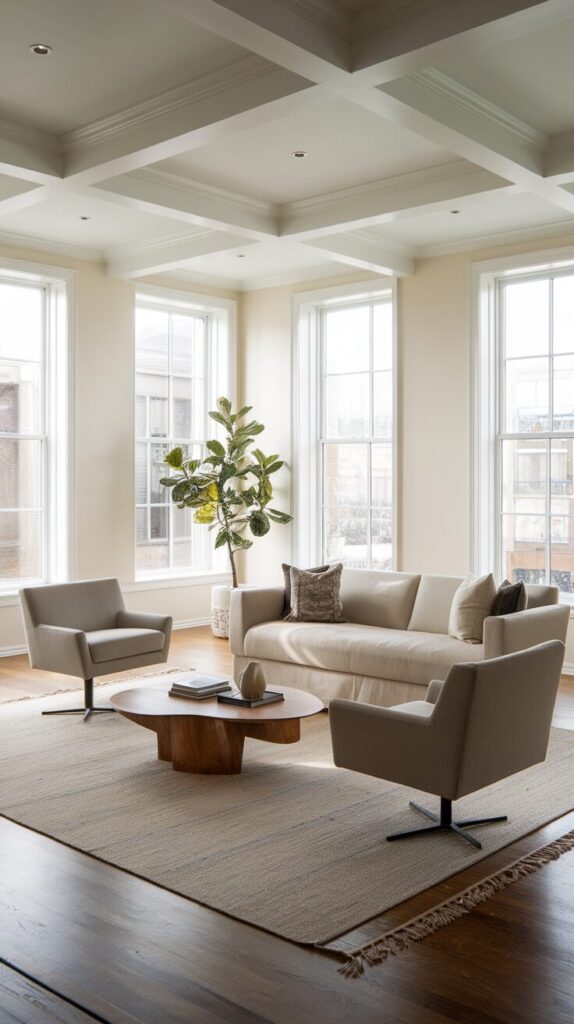
Pushing everything against walls feels safe, but it rarely looks good. I resisted floating furniture until I tried it once and never went back. The room instantly felt bigger.
This idea encourages pulling furniture inward to create conversation zones. You allow space to breathe around the layout. The room feels more balanced and bright.
Why This Works
Floating furniture improves flow and scale. Light moves around pieces instead of getting trapped. The room feels more intentional and inviting.
How to Do It
- Pull sofas a few inches off walls.
- Use rugs to anchor floating layouts.
- Keep walkways clear and logical.
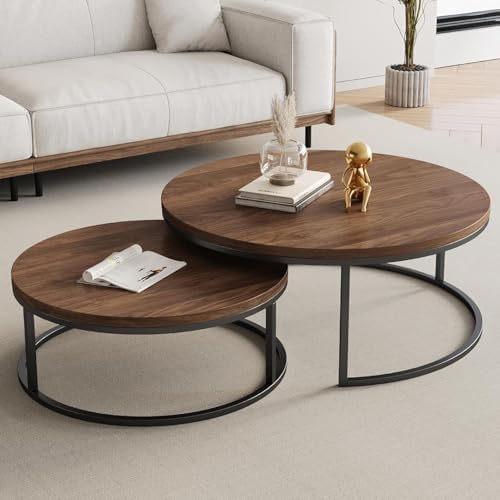
- Modern Nesting Design:This set includes two round coffee tables with a versatile nesting design, allowing you to stack t…
- Sturdy and Stylish Construction:Constructed with high-quality MDF and a durable metal frame, this coffee table set combi…
- Versatile Multi-Use:Ideal for use as a coffee table, side table, or accent piece, these nesting tables are designed to a…
Style & Design Tips
Avoid blocking windows or doorways. Balance furniture sizes carefully. Air space counts as design.
Pro Tip or Budget Hack
Even small shifts make a difference. I’ve moved furniture just six inches and changed the whole vibe.
7. Use Mirrors to Bounce Light Around
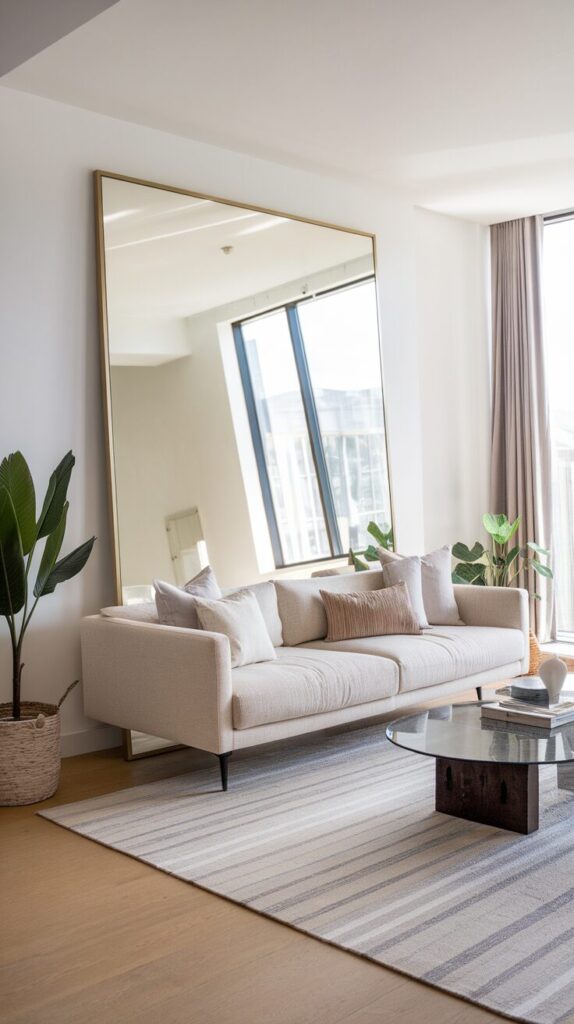
Mirrors feel like magic in open spaces. I once added one large mirror and watched the room double in brightness. That moment sold me forever.
This idea uses mirrors strategically to reflect light and views. You amplify natural brightness without adding lamps. The space feels open and lively.
Why This Works
Mirrors multiply light sources. They visually expand the room. The layout feels lighter without changing furniture.
How to Do It
- Place mirrors across from windows.
- Choose large-scale frames.
- Keep frames simple and neutral.
Style & Design Tips
Avoid cluttered mirror walls. One strong mirror works better than many small ones. Scale matters here.
Pro Tip or Budget Hack
Lean mirrors instead of hanging them. I’ve done this in rentals with zero wall damage.
8. Stick to a Tight Color Palette
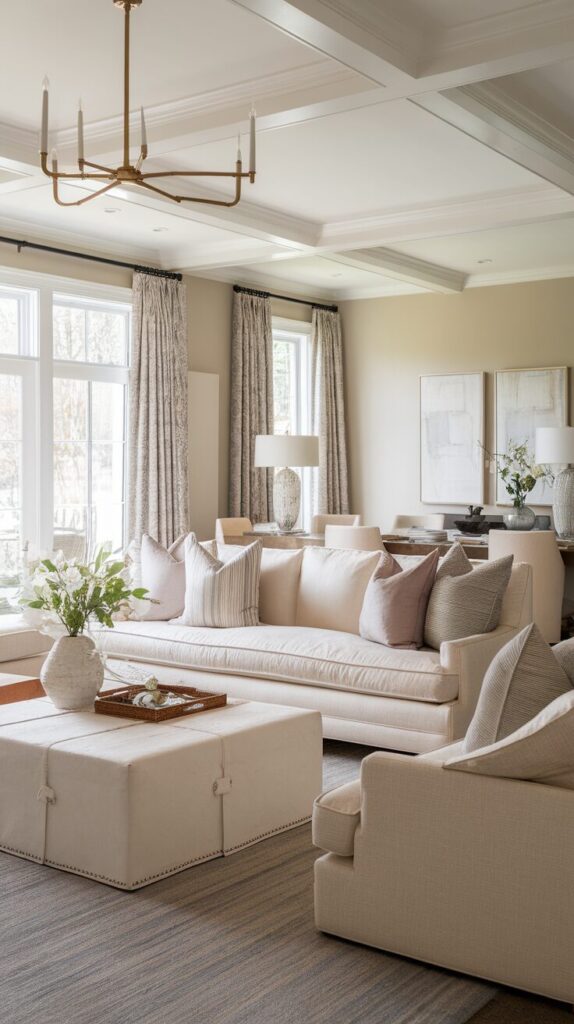
Too many colors create chaos in open layouts. I learned this after mixing every shade I loved and feeling overwhelmed. Editing saved the room.
This idea focuses on choosing two or three main colors and repeating them. The room feels calm and cohesive. Brightness improves through consistency.
Why This Works
Limited palettes reduce visual noise. Your eye flows naturally through the space. Light feels uninterrupted.
How to Do It
- Choose one neutral base.
- Add one accent color.
- Repeat accents subtly.
Style & Design Tips
Avoid adding random colors last-minute. Stick to your plan. Discipline pays off.
Pro Tip or Budget Hack
Use removable pillow covers to test colors. I swap mine seasonally without commitment.
9. Keep Lighting Layered but Minimal
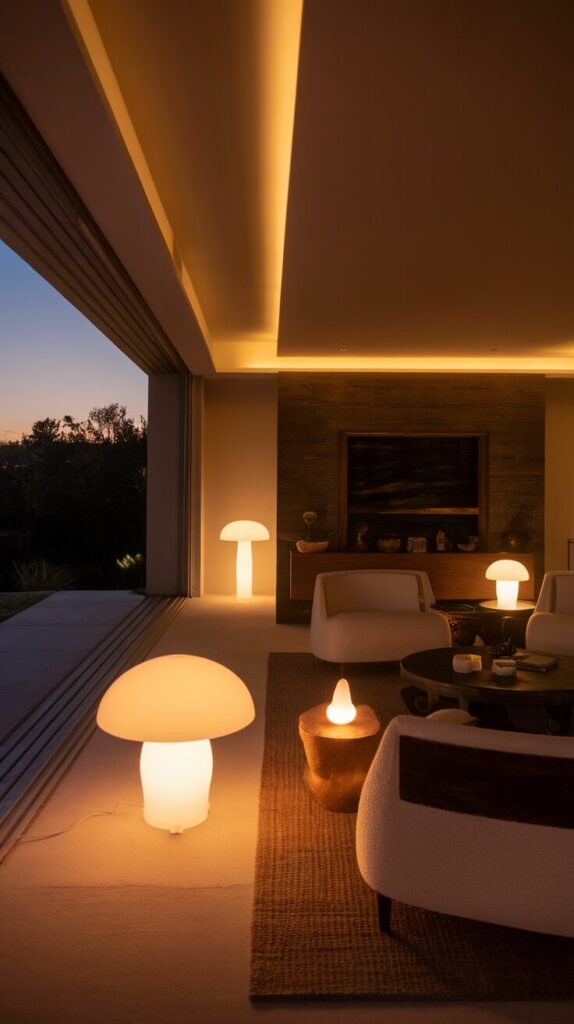
One overhead light never works in open spaces. I learned that after living under harsh lighting for months. Layers changed everything.
This idea uses multiple light sources without clutter. Floor lamps, table lamps, and soft overhead lights balance the room. Brightness feels natural instead of harsh.
Why This Works
Layered lighting adds depth. You control mood and brightness easily. The space feels warm and flexible.
How to Do It
- Use floor lamps near seating.
- Add table lamps on side tables.
- Choose warm bulbs consistently.
Style & Design Tips
Avoid mismatched bulb temperatures. Stick to warm white. Consistency keeps things cozy.
Pro Tip or Budget Hack
Plug-in sconces look built-in without wiring. I swear by them.
10. Use Open Shelving Sparingly
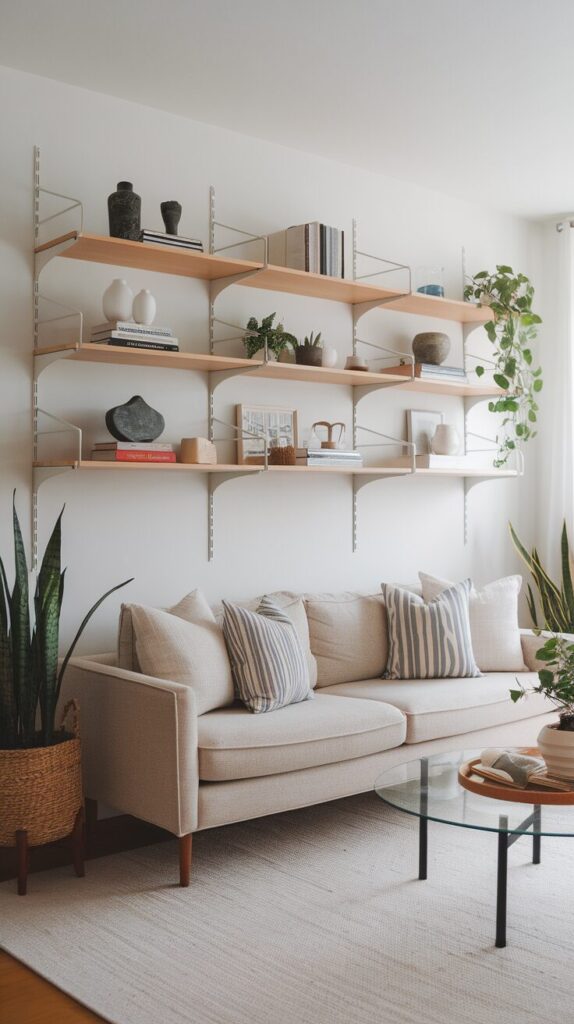
Open shelving looks great until it turns messy. I love it, but only in moderation. Less really works better here.
This idea focuses on using limited open shelving for display. You add personality without clutter. The room stays light and organized.
Why This Works
Open shelves add interest without blocking light. They keep walls visually light. The room feels curated instead of crowded.
How to Do It
- Limit shelves to one wall.
- Style with negative space.
- Rotate decor seasonally.
Style & Design Tips
Avoid overcrowding shelves. Use books, plants, and simple objects. White space matters.
Pro Tip or Budget Hack
Floating shelves cost less and look cleaner. I prefer them every time.
11. Add Plants for Natural Brightness
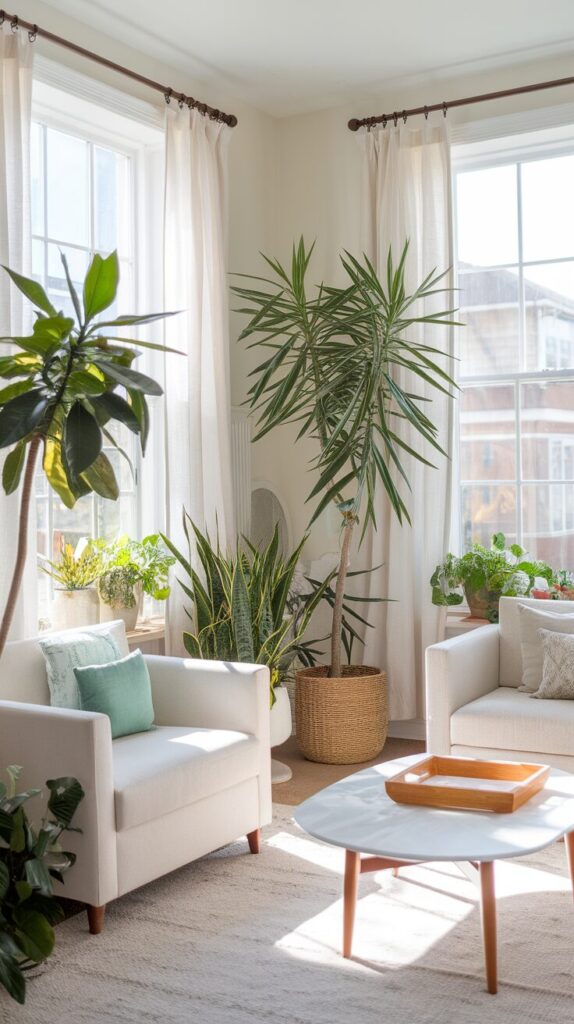
Plants change everything. I noticed instant warmth after adding greenery. Fake or real, they work.
This idea uses plants to soften open spaces. Green tones brighten rooms naturally. The space feels alive.
Why This Works
Plants add contrast and texture. They soften hard lines. Light feels warmer around greenery.
How to Do It
- Place tall plants near windows.
- Use smaller plants on tables.
- Mix planters for interest.
Style & Design Tips
Avoid tiny plants scattered everywhere. Group them intentionally. Clustering looks cleaner.
Pro Tip or Budget Hack
High-quality faux plants work great. I mix them with real ones.
12. Use Low-Profile Furniture
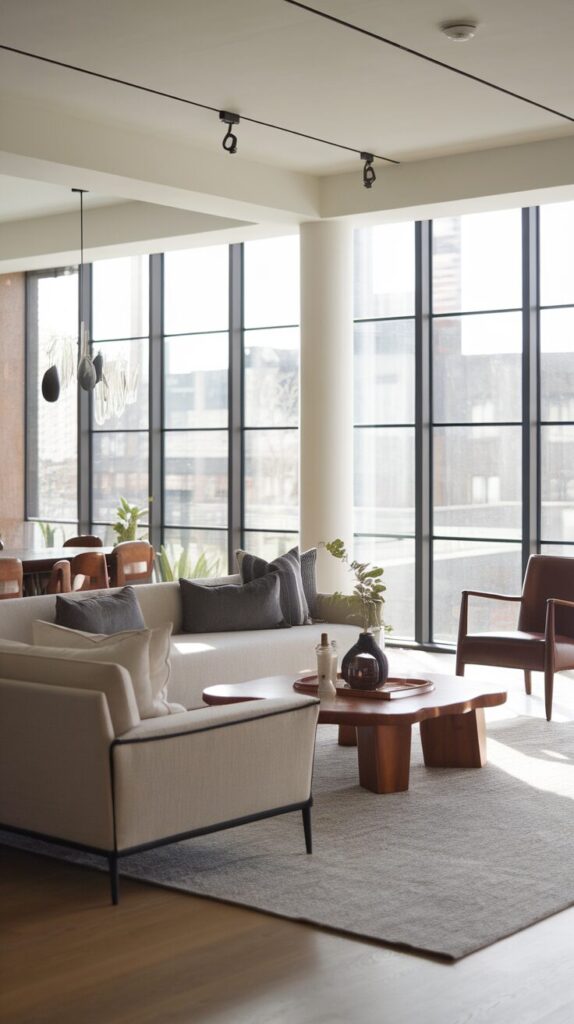
Bulky furniture blocks sightlines. I swapped chunky pieces for slimmer ones and saw instant improvement. The room finally breathed.
This idea focuses on low-profile sofas and chairs. Sightlines stay open. Light flows freely.
Why This Works
Low furniture keeps visual weight down. Ceilings feel higher. The room feels spacious.
How to Do It
- Choose furniture with exposed legs.
- Avoid oversized arms.
- Keep heights consistent.
Style & Design Tips
Mid-century styles work well here. Avoid boxy shapes. Lightness matters.
Pro Tip or Budget Hack
Remove bulky skirts from sofas. I’ve done this for a cleaner look.
13. Keep Floors Consistent Throughout
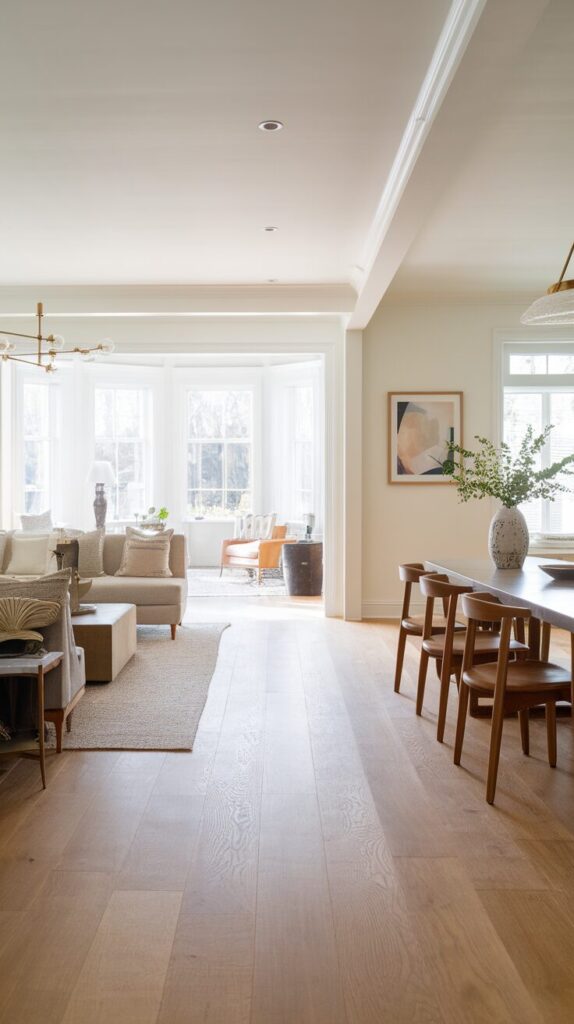
Different flooring kills flow. I noticed this immediately in mixed-floor homes. Consistency saves the space.
This idea uses one flooring style across open areas. The room feels unified. Brightness improves through continuity.
Why This Works
Continuous flooring expands the space visually. Your eye travels without interruption. Light reflects evenly.
How to Do It
- Match flooring materials.
- Use rugs for variation.
- Keep tones consistent.
Style & Design Tips
Avoid strong contrasts between zones. Subtle changes work better. Flow matters most.
Pro Tip or Budget Hack
Vinyl planks offer affordable continuity. I’ve used them with success.
14. Use Vertical Space Wisely
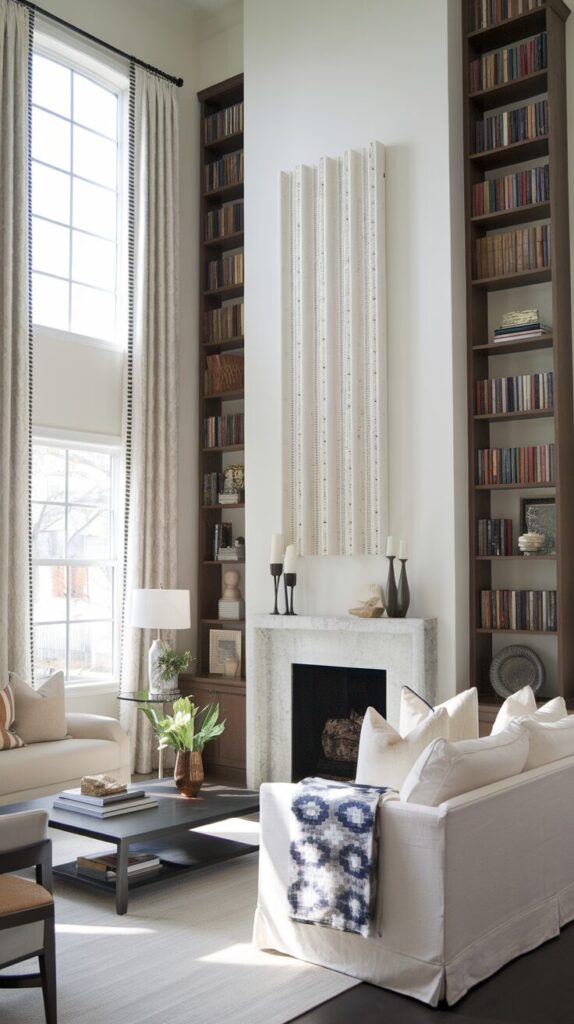
Ignoring vertical space wastes potential. I learned this after adding tall shelves and loving the effect. Height changes everything.
This idea focuses on drawing the eye upward. You use tall elements sparingly. The room feels taller and brighter.
Why This Works
Vertical lines elongate the room. Ceilings feel higher. Light feels less trapped.
How to Do It
- Add tall bookcases.
- Use vertical art.
- Hang curtains high.
Style & Design Tips
Avoid cluttering tall pieces. Keep them simple. Height needs balance.
Pro Tip or Budget Hack
Tall mirrors double this effect. I use them often.
15. Keep Decor Intentional and Edited
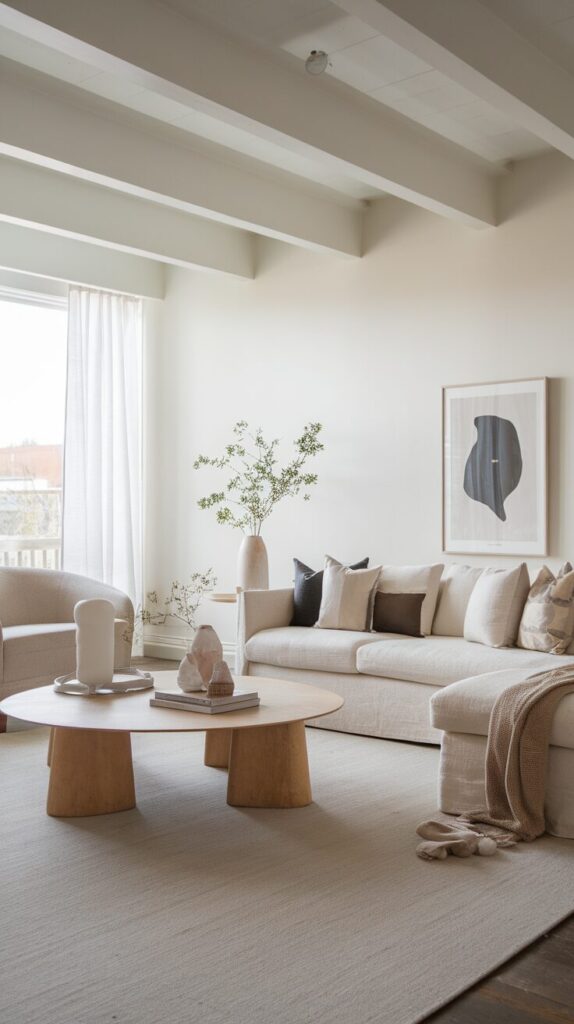
Too much decor overwhelms open spaces. I learned to edit ruthlessly. The room thanked me.
This idea focuses on choosing fewer, better pieces. Each item earns its place. The room stays calm.
Why This Works
Less clutter equals more light. Your eye relaxes. The space feels purposeful.
How to Do It
- Edit decor seasonally.
- Remove duplicates.
- Choose statement pieces.
Style & Design Tips
Avoid filling every surface. Leave breathing room. Restraint looks expensive.
Pro Tip or Budget Hack
Rotate decor instead of buying new. I shop my own storage.
16. Align Furniture With Natural Light
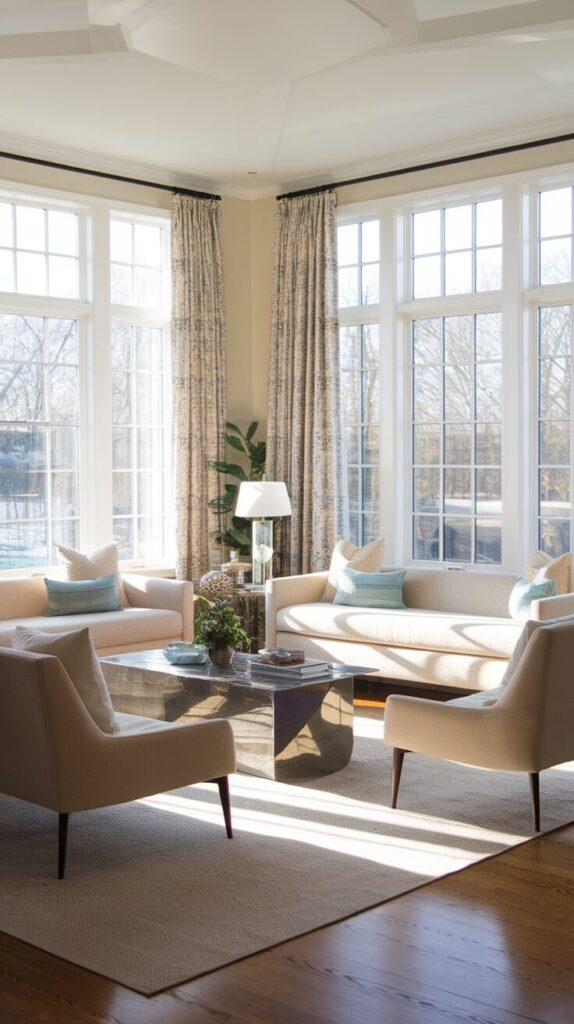
Fighting natural light never works. I learned to arrange furniture around it instead. Everything improved.
This idea uses sunlight as your layout guide. Seating faces light sources. The room feels welcoming.
Why This Works
Natural light becomes a focal point. Rooms feel brighter and happier. Flow improves naturally.
How to Do It
- Face seating toward windows.
- Avoid blocking light paths.
- Use reflective surfaces nearby.
Style & Design Tips
Avoid tall furniture near windows. Let light lead. Sunlight always wins.
Pro Tip or Budget Hack
Rearranging costs nothing. I do this twice a year.
17. Keep Sightlines Clean and Open
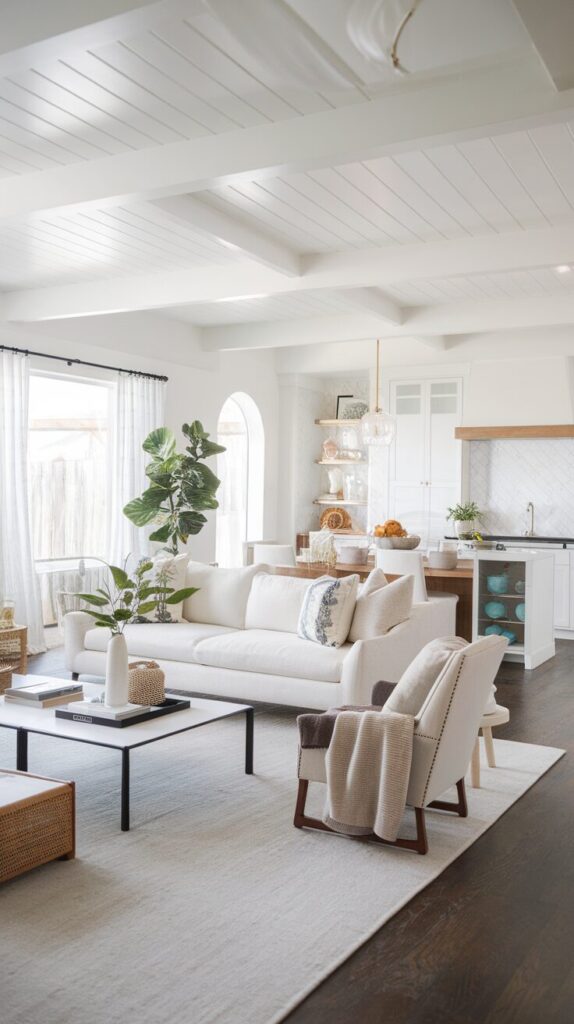
Visual clutter ruins open concepts. I learned this after clearing one awkward corner. The room finally made sense.
This idea focuses on maintaining clear sightlines across the space. You remove obstacles. Light flows freely.
Why This Works
Clear sightlines make rooms feel larger. Your eye travels uninterrupted. Brightness increases naturally.
How to Do It
- Avoid tall furniture in walkways.
- Keep layouts symmetrical.
- Remove unnecessary pieces.
Style & Design Tips
Step back often and reassess. Edit without guilt. Open means open.
Pro Tip or Budget Hack
Take photos to spot clutter. I catch issues faster that way.
Open Concept Living Room Strategy: The Brightness-First Foundation
Before you move a single chair, you need a simple strategy that guides every decision. I always start with what I call a “brightness-first foundation” because open concept spaces succeed or fail based on light, flow, and visual clarity. When you anchor your layout in those three elements, everything else feels easier and more intentional.
Start by assessing natural light sources and mapping how light moves throughout the day. I physically stand in different spots and notice where shadows fall because that step tells me where to place seating, mirrors, and reflective surfaces. This small habit prevents dark corners and awkward glare zones that ruin the vibe.
Next, define functional zones on paper before rearranging furniture. I sketch rough rectangles for lounging, dining, or work areas so I avoid random placement decisions. Clear planning reduces costly mistakes and creates a cohesive, polished result that feels professionally designed.
Finally, commit to one cohesive style direction before you shop. You don’t need a strict theme, but you do need visual consistency in tone, texture, and scale. A focused foundation protects your budget and keeps your open concept living room bright instead of busy.
Layout Planning Principles That Designers Actually Use
Professional designers don’t guess their way through open layouts. They rely on proportion, balance, and sightline management to keep large spaces from feeling chaotic. You can use the same principles without hiring anyone.
Start with proportion because scale determines comfort. Large rooms require substantial anchor pieces, but those pieces must still allow breathing room around them. I measure walkways and maintain at least two to three feet of clearance because tight paths make open spaces feel cramped.
Balance visual weight across the room instead of clustering everything on one side. If you place a large sectional on the left, counterbalance it with shelving, art, or a tall plant on the right. Balanced layouts feel calm and stable, which naturally enhances brightness.
Respect sightlines from entry points and adjacent spaces. When someone walks into your home, their eyes should land on something intentional, not clutter or the back of a bulky cabinet. Strong focal points create confidence in the design and elevate the entire space.
Common Mistakes to Avoid in Open Concept Living Rooms
Open concept living rooms look effortless in photos, but small missteps can derail the entire layout. I’ve made enough of these mistakes myself to spot them instantly. You can avoid them with a little awareness and honest editing.
Ignoring acoustics creates echo-heavy spaces that feel uncomfortable. Hard floors, high ceilings, and minimal walls amplify sound, so you need rugs, fabric upholstery, and soft textures to absorb noise. A bright room should still feel cozy and livable.
Using too many competing focal points confuses the eye. When the TV, fireplace, oversized art, and bold shelving all fight for attention, the room loses direction. Choose one primary focal point per zone and let supporting pieces play quieter roles.
Overfilling the space with furniture shrinks it visually. Open layouts tempt you to “fill the emptiness,” but empty space actually enhances brightness and flow. Intentional negative space makes your home feel curated rather than crowded.
Mixing drastically different styles without a unifying thread breaks cohesion. You can blend modern and rustic, but you need shared tones, materials, or shapes to tie everything together. Without that link, the room feels accidental instead of designed.
Furniture Buying Guidelines for Long-Term Success
Impulse furniture purchases often create long-term layout headaches. I always measure twice and visualize placement before committing because open spaces expose mistakes quickly. Smart buying protects both your budget and your design integrity.
Choose modular or flexible pieces whenever possible. Sectionals with movable components adapt better to open layouts than rigid, oversized sofas. Flexibility allows you to tweak zones as your needs change without replacing everything.
Prioritize exposed-leg furniture over bulky, skirted pieces. Visible floor space increases perceived brightness and makes rooms feel lighter. This small detail dramatically improves visual flow in open concept homes.
Test fabric samples in natural daylight before finalizing colors. Store lighting can mislead you, and darker tones often look heavier at home. I always place swatches near windows and observe them at different times of day to avoid regret.
Maintenance & Longevity Tips for Open Spaces
Open concept living rooms demand consistent upkeep because everything stays visible at once. You can’t hide clutter behind a wall, so maintenance becomes part of the design strategy. I treat organization as a visual tool, not just a chore.
Adopt a weekly reset routine where you edit surfaces and return items to designated zones. This habit keeps brightness intact because clutter absorbs visual energy and disrupts flow. Small resets prevent large messes from forming.
Rotate decor seasonally instead of layering new pieces on top of old ones. Freshness comes from thoughtful swaps, not accumulation. This practice maintains visual clarity and extends the life of your favorite decor.
Protect high-traffic areas with durable finishes and washable textiles. Open spaces often connect directly to kitchens or entryways, which increases wear. Smart material choices preserve your layout and keep the room looking polished over time.
Frequently Asked Questions
How do I make an open concept living room feel cozy without making it dark?
You can layer warm lighting, textured fabrics, and area rugs to add warmth without blocking light. Stick to light or mid-tone colors and balance them with soft materials. Cozy comes from texture and layout, not darkness.
Should all furniture match in an open concept layout?
Furniture doesn’t need to match exactly, but it should share a common tone or material. Consistency in wood finishes, metal accents, or color families creates cohesion. Coordinated variety looks intentional and elevated.
How large should my rug be in an open living area?
Your rug should anchor all major seating pieces, ideally with front legs resting on it. Small rugs fragment open spaces and disrupt flow. Larger rugs unify zones and enhance brightness by grounding the layout properly.
Can I use dark colors in an open concept living room?
You can absolutely use dark colors, but you should balance them with lighter elements. Pair darker furniture or accent walls with reflective surfaces and soft lighting. Contrast adds depth when handled intentionally.
How do I separate a living room from a dining area without walls?
You can use rugs, furniture placement, lighting changes, or console tables to create subtle separation. Clear zone definition maintains openness while adding structure. Thoughtful arrangement works better than physical barriers.
What type of lighting works best in open concept homes?
Layered lighting works best because it adds depth and flexibility. Combine overhead fixtures with floor lamps and table lamps in consistent bulb temperatures. Warm white lighting usually creates the most inviting and balanced effect.
Final Thoughts
Open concept living rooms thrive on intention, not excess. You don’t need every idea here to make a difference, and honestly that would overwhelm anyone. Try one change, live with it, and then adjust because real homes evolve slowly.
I always say trust your gut and your lifestyle over trends. Your space should feel bright, calm, and comfortable for you first. Start small, enjoy the process, and let the room grow with you.