15 Beautiful Curtain Ideas to Transform Living Rooms
Open shelving gets way too much credit, but curtains quietly do the heavy lifting in most living rooms. I learned this the hard way after swapping sofas, rugs, and pillows without fixing the one thing ruining the vibe.
Curtains control light, mood, privacy, and even how tall your ceilings feel, which feels unfair for something people treat like an afterthought. Once I started paying attention to curtains, my living room finally made sense.
I also realized curtains fix problems faster than furniture ever will. They soften echoey rooms, hide awkward windows, and pull colors together when nothing else cooperates.

If your living room feels almost right but still off, curtains usually hold the answer.
Below are curtain ideas I’ve tried, tweaked, loved, or side-eyed in real homes. Pick one, not all, and your space will already feel calmer.
1. Floor-to-Ceiling Neutral Curtains That Fake Height
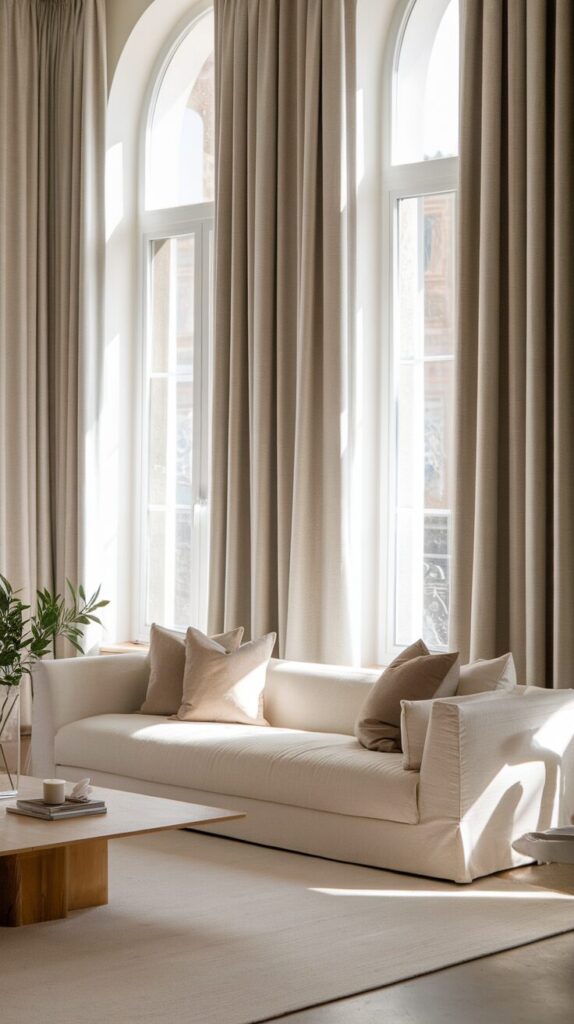
My living room used to feel squat no matter how much I rearranged furniture. The ceilings weren’t low, but they sure felt like they were judging me.
Floor-to-ceiling neutral curtains fixed that illusion instantly and made the room feel grown and calm. I still consider this the easiest visual upgrade I’ve ever done.
Why This Works
Long curtains pull the eye upward and stretch the wall visually. Neutral colors blend instead of chopping the wall into sections. The room feels taller, cleaner, and more intentional without screaming for attention.
How to Do It
- Mount curtain rods 6–10 inches above the window frame.
- Let panels kiss the floor or barely puddle.
- Choose linen, cotton, or faux linen for softness.
Style & Design Tips
Stick with warm whites, soft beiges, or light greige for flexibility. Avoid stiff fabrics that look like office blinds in disguise. Longer always looks better than shorter in living rooms.
Pro Tip or Budget Hack
Buy extra-long panels and hem them yourself with iron-on tape. IKEA curtains work shockingly well here for the price.
2. Sheer White Curtains for Soft, Everyday Light
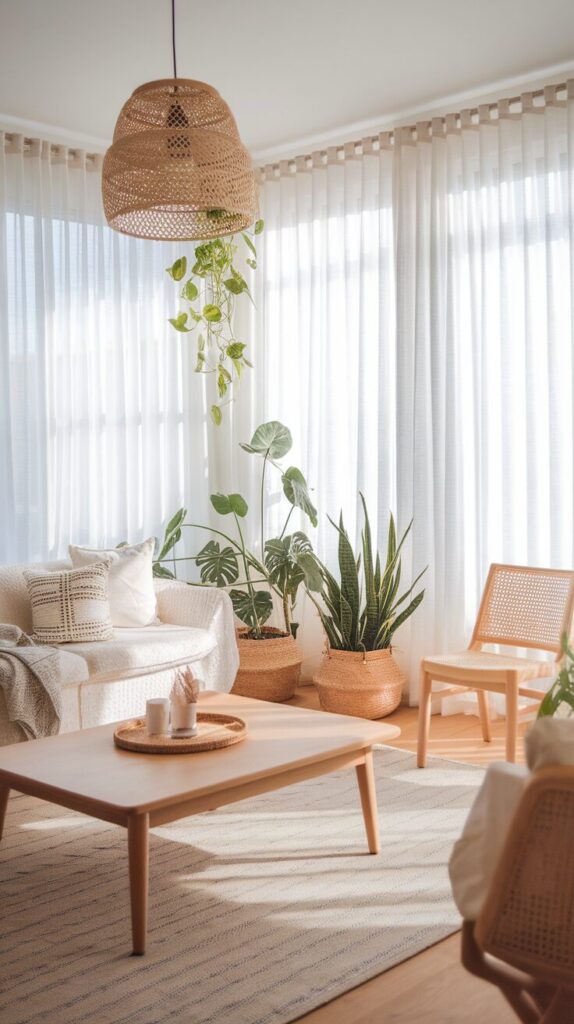
Some rooms feel dark even at noon, and lamps can’t always save them. Sheer white curtains filter harsh sunlight without turning the room into a cave. I love how they glow during the day and feel breezy instead of heavy. They make the room feel awake without trying too hard.
Why This Works
Sheers soften light instead of blocking it completely. They blur the outside just enough for privacy while keeping brightness. The room feels lighter both visually and emotionally.
How to Do It
- Choose voile or lightweight cotton.
- Hang them full length for a relaxed look.
- Pair them with hidden blinds if you need nighttime privacy.
Style & Design Tips
Avoid shiny polyester sheers that look cheap under sunlight. Texture matters more than thickness with white curtains. Keep them clean because dust shows fast.
Pro Tip or Budget Hack
Layer two sheer panels per side for fullness without bulk. It looks custom but costs less than thick drapes.
3. Dark Curtains for Moody, Cozy Living Rooms
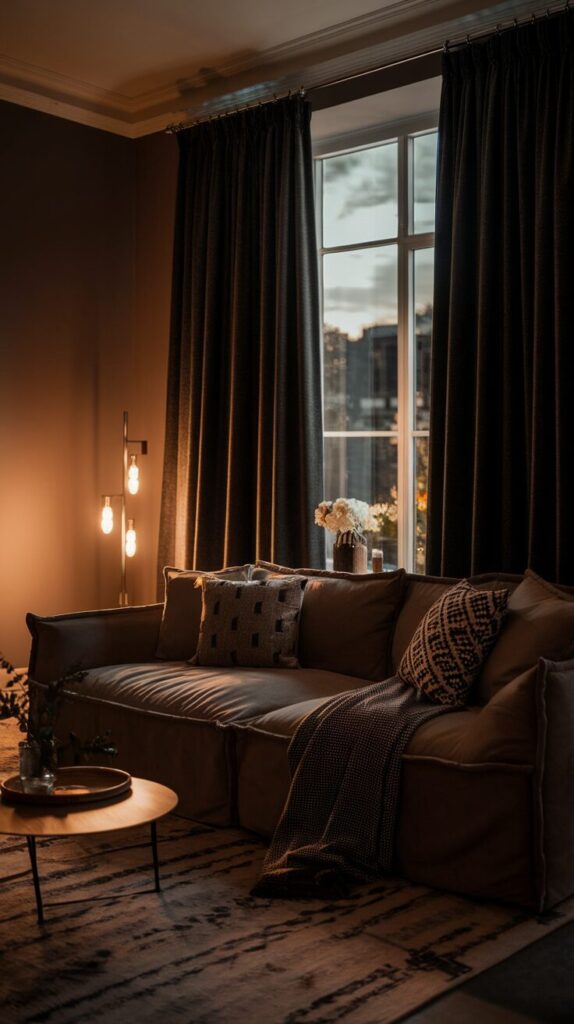
Bright isn’t always better, and I’ll die on that hill. Dark curtains add instant mood and make a living room feel cozy and intentional. I tried charcoal panels once and never went back to pale colors in that space. The room felt calmer and more put together overnight.
Why This Works
Dark colors ground a room visually and reduce glare. They frame windows instead of disappearing into walls. The space feels richer and more finished.
How to Do It
- Pick charcoal, navy, forest green, or deep brown.
- Balance darkness with lighter walls or furniture.
- Use thicker fabric for structure.
Style & Design Tips
Avoid pairing dark curtains with dark walls unless you want drama. Contrast keeps the room from feeling heavy. Matte fabrics age better than shiny ones.
Pro Tip or Budget Hack
Use blackout curtains even if you don’t need darkness. They drape better and block heat surprisingly well.
4. Patterned Curtains That Act Like Wall Art
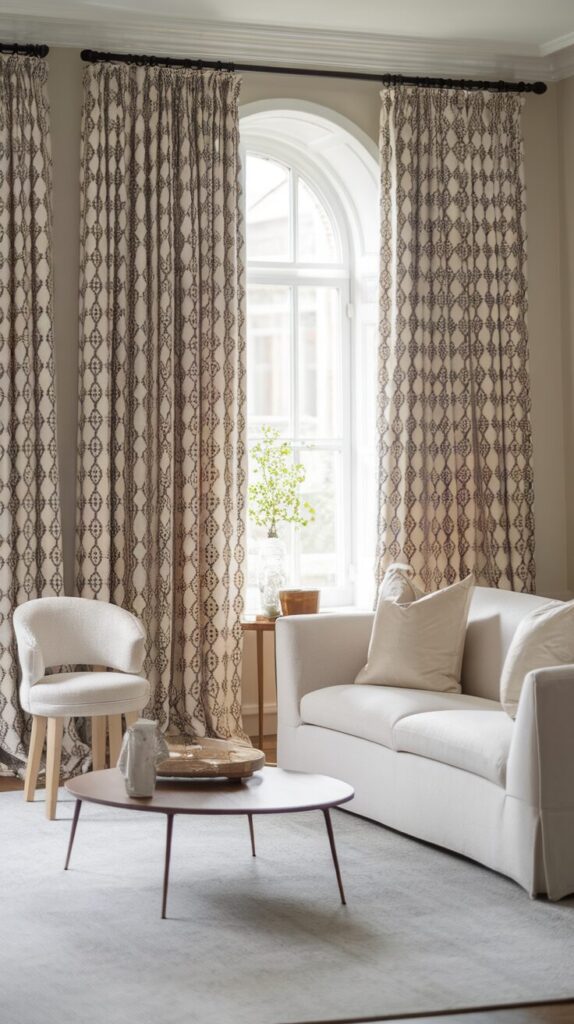
Blank walls sometimes feel unfinished no matter what you hang. Patterned curtains fill visual space without adding clutter. I treat them like vertical art that moves with light and air. They add personality without requiring commitment to paint or wallpaper.
Why This Works
Patterns draw attention upward and across the room. Curtains cover large surface areas, so even subtle designs feel impactful. They add interest without crowding shelves or walls.
How to Do It
- Choose one dominant pattern.
- Keep furniture and rugs simple.
- Match one color from the pattern elsewhere.
Style & Design Tips
Avoid tiny busy prints that blur from afar. Medium to large-scale patterns read better in living rooms. Florals, geometrics, and soft stripes work well.
Pro Tip or Budget Hack
Buy patterned fabric and use clip rings. You skip sewing and get a custom look.
5. Two-Tone Curtains for Visual Balance
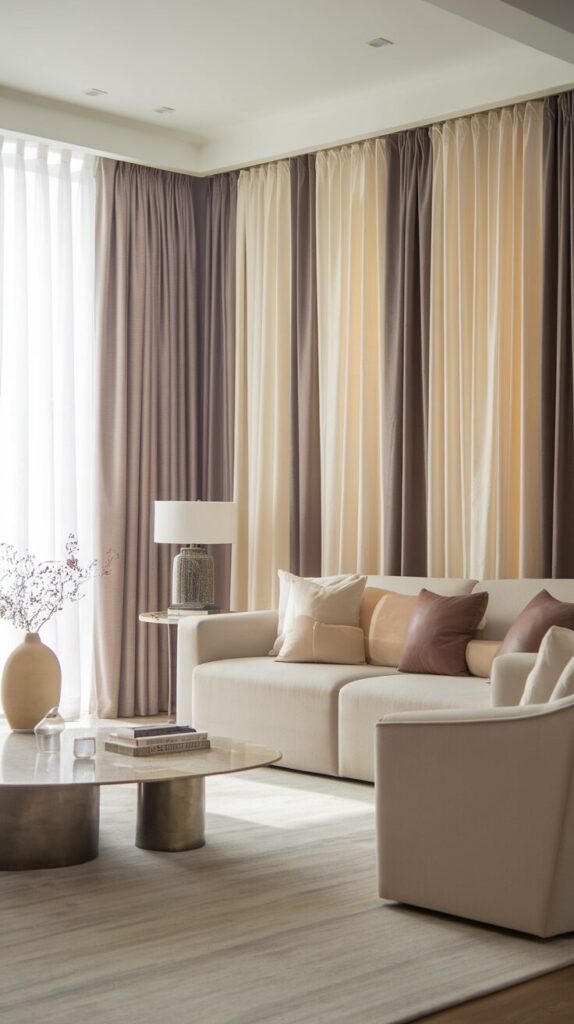
Sometimes one color feels flat, but full patterns feel like too much. Two-tone curtains land right in the middle. I love how they break up height while still keeping things calm. They add design without stealing the spotlight.
Why This Works
Color blocking creates structure and balance. The eye moves naturally between tones without feeling overwhelmed. It adds depth without clutter.
How to Do It
- Choose tones from the same color family.
- Keep the darker color at the bottom.
- Use simple rod hardware.
Style & Design Tips
Avoid harsh contrast unless the room already feels bold. Soft transitions look more expensive than high contrast. Linen blends work beautifully here.
Pro Tip or Budget Hack
DIY by sewing or taping fabric panels together. Straight seams make this beginner-friendly.
6. Linen Curtains for Relaxed, Lived-In Style
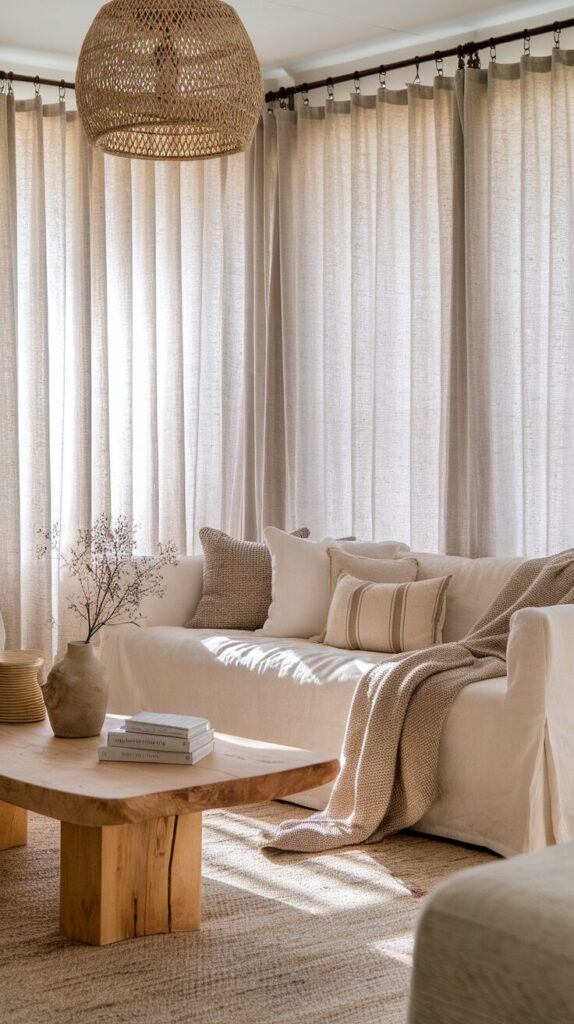
Linen curtains feel like exhaling after a long day. They wrinkle, they drape casually, and they don’t try too hard. I love them in rooms meant for lounging and long conversations. They instantly make a space feel human.
Why This Works
Linen diffuses light gently and adds texture. The fabric moves naturally with air. The room feels softer and less staged.
How to Do It
- Choose washed or stonewashed linen.
- Hang slightly oversized panels.
- Let them puddle lightly.
Style & Design Tips
Embrace wrinkles because ironing defeats the point. Texture is the star here, not perfection. Neutral tones work best.
Pro Tip or Budget Hack
Linen blends cost less and still look great. Steam them once and let life do the rest.
7. Layered Curtains for Function and Style
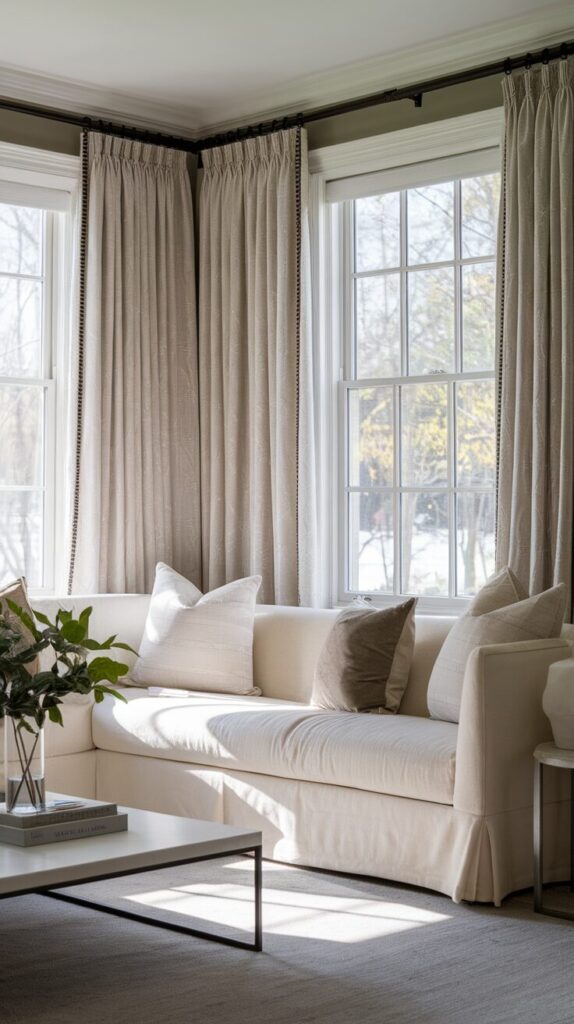
One curtain rarely does everything well. Layering gives flexibility without sacrificing style. I use sheers for daytime and heavier panels for night. It feels fancy but solves real problems.
Why This Works
Layers allow light control, privacy, and insulation. They add depth and dimension to windows. The setup adapts to different moods and seasons.
How to Do It
- Install double curtain rods.
- Hang sheers closer to the window.
- Add heavier drapes on the outer rod.
Style & Design Tips
Keep colors within the same palette. Too many contrasts get messy fast. Texture variety matters more than color variety.
Pro Tip or Budget Hack
Use tension rods for inner sheers. You save hardware costs and installation time.
8. Bold Color Curtains as a Statement Piece

Sometimes the room needs a little drama. Bold curtains act like a feature wall without paint. I tried mustard once on a whim and ended up redesigning the room around it. No regrets.
Why This Works
Color draws the eye and anchors the space. Curtains cover enough area to make impact without permanence. They’re easy to swap when tastes change.
How to Do It
- Choose one bold shade.
- Repeat that color in small accents.
- Keep walls neutral.
Style & Design Tips
Avoid neon tones that age badly. Rich, muted colors last longer visually. Velvet adds extra depth.
Pro Tip or Budget Hack
Dye neutral curtains at home. You control the shade and save money.
9. Minimal Black Rods with Simple Curtains
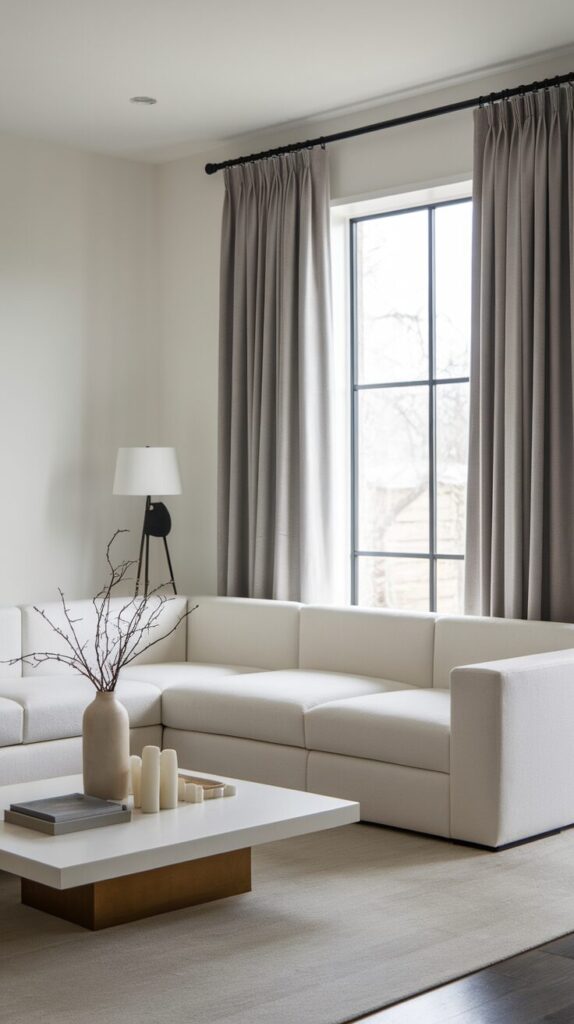
Hardware matters more than people admit. Slim black rods give curtains a modern edge. I switched from chunky bronze once and the room instantly looked cleaner. Small change, big payoff.
Why This Works
Black creates crisp contrast and visual structure. Minimal rods disappear while still framing windows. The look feels intentional and modern.
How to Do It
- Choose matte black finishes.
- Mount rods wider than the window.
- Keep finials simple.
Style & Design Tips
Avoid ornate ends unless the room leans traditional. Clean lines always feel current. Match rod color to other metal accents.
Pro Tip or Budget Hack
Spray paint existing rods black. It’s cheap and surprisingly durable.
10. Ceiling-Mounted Curtains for Modern Flow
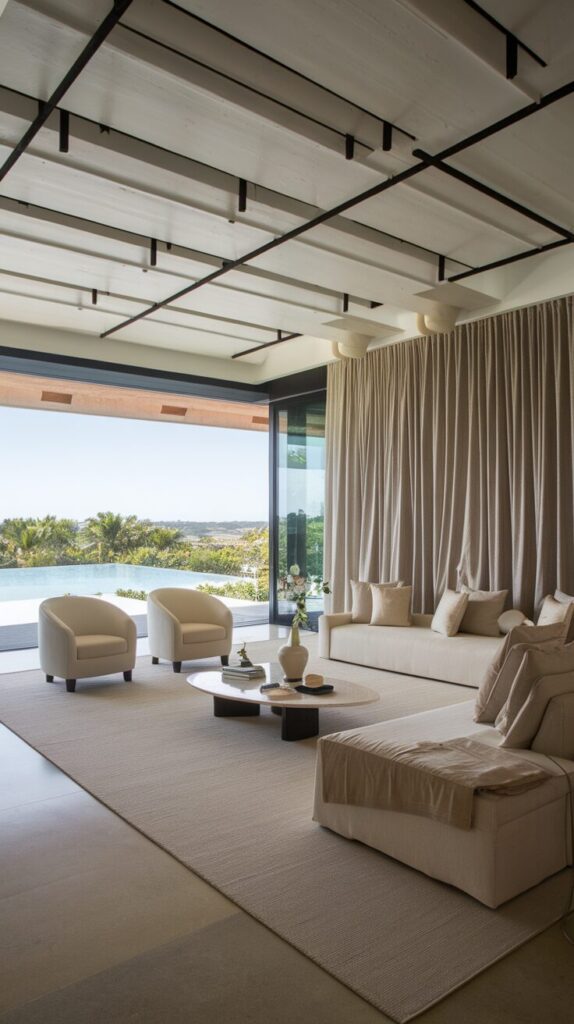
Wall-mounted rods can interrupt visual flow. Ceiling-mounted tracks feel sleek and architectural. I love this look in open-plan living rooms. It feels custom without custom prices.
Why This Works
Ceiling mounts emphasize height and continuity. Curtains slide smoothly and look integrated. The room feels more cohesive.
How to Do It
- Use ceiling track systems.
- Choose full-length panels.
- Keep colors subtle.
Style & Design Tips
Avoid bulky fabrics that fight the track. Flow matters more than drama here. Neutral tones shine.
Pro Tip or Budget Hack
IKEA track systems work well and install easily. They cost far less than custom tracks.
11. Natural Fiber Curtains for Earthy Warmth
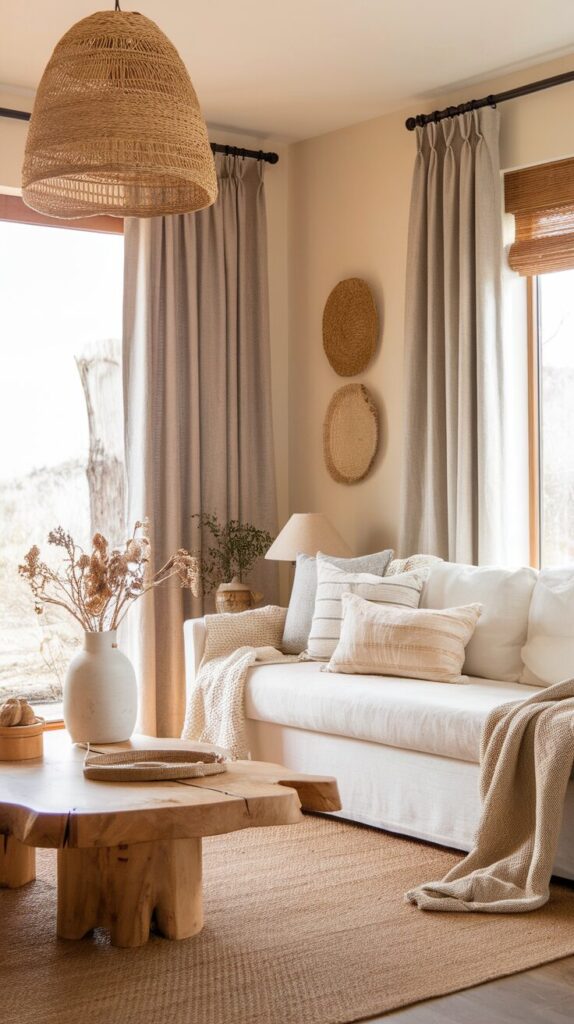
Cotton, bamboo blends, and jute textures bring warmth without heaviness. I love these in living rooms that feel cold or sterile. They ground the space naturally. The vibe feels relaxed and welcoming.
Why This Works
Natural fibers add texture and warmth. They soften modern furniture and hard surfaces. The room feels balanced and calm.
How to Do It
- Choose lined panels to prevent stiffness.
- Stick to earthy tones.
- Pair with wood furniture.
Style & Design Tips
Avoid overly rough textures that snag. Softness matters in living spaces. Balance with smooth elements.
Pro Tip or Budget Hack
Look for cotton-jute blends. They’re cheaper and easier to maintain.
12. Curtains That Match the Wall Color
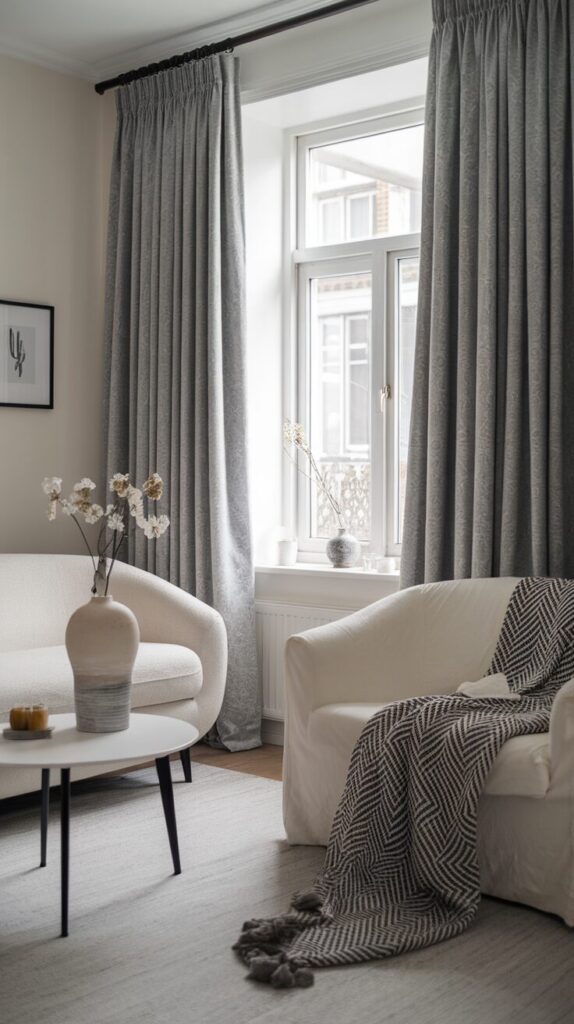
Matching curtains to wall color sounds boring but works beautifully. I tried this in a small living room and it made everything feel larger. The walls felt continuous instead of chopped. It’s subtle but powerful.
Why This Works
Color continuity reduces visual breaks. The room feels calmer and more spacious. Curtains blend instead of competing.
How to Do It
- Match undertones carefully.
- Choose similar but not identical shades.
- Use texture for interest.
Style & Design Tips
Avoid exact matches that look accidental. Slight variation looks intentional. Texture saves this look.
Pro Tip or Budget Hack
Buy lighter curtains and dye them to match. It’s easier than hunting perfect shades.
13. Vintage-Inspired Curtains for Character
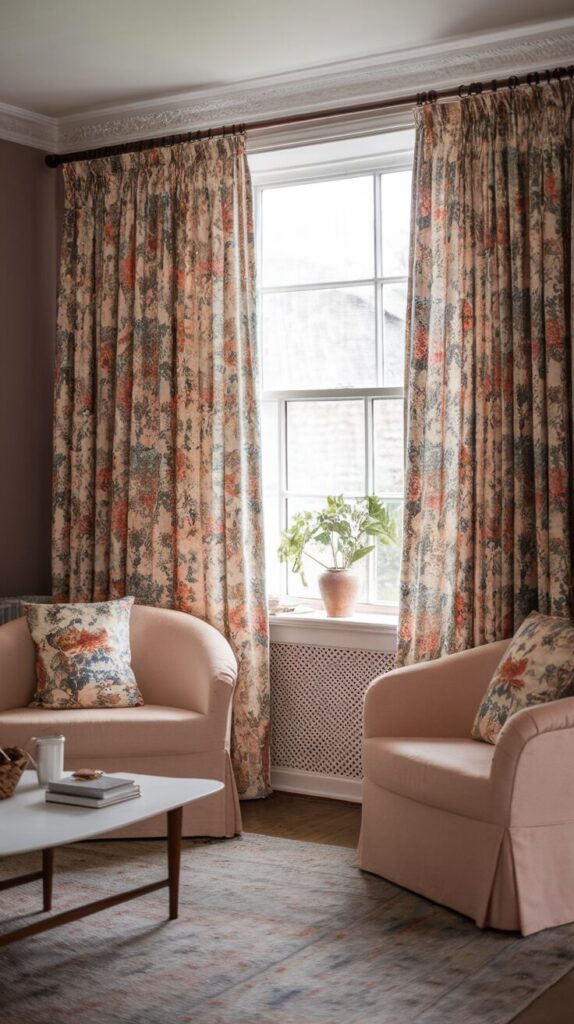
Modern rooms sometimes feel soulless. Vintage-style curtains add history and charm. I love subtle florals or faded stripes for warmth. They make the room feel collected, not staged.
Why This Works
Vintage patterns add storytelling. They soften sharp modern lines. The space feels layered and lived-in.
How to Do It
- Choose muted patterns.
- Pair with simple furniture.
- Keep accessories minimal.
Style & Design Tips
Avoid loud retro prints unless you commit fully. Subtlety keeps it timeless. Soft colors age better.
Pro Tip or Budget Hack
Check thrift stores for fabric. Turn tablecloths into curtains.
14. Curtains Used as Room Dividers
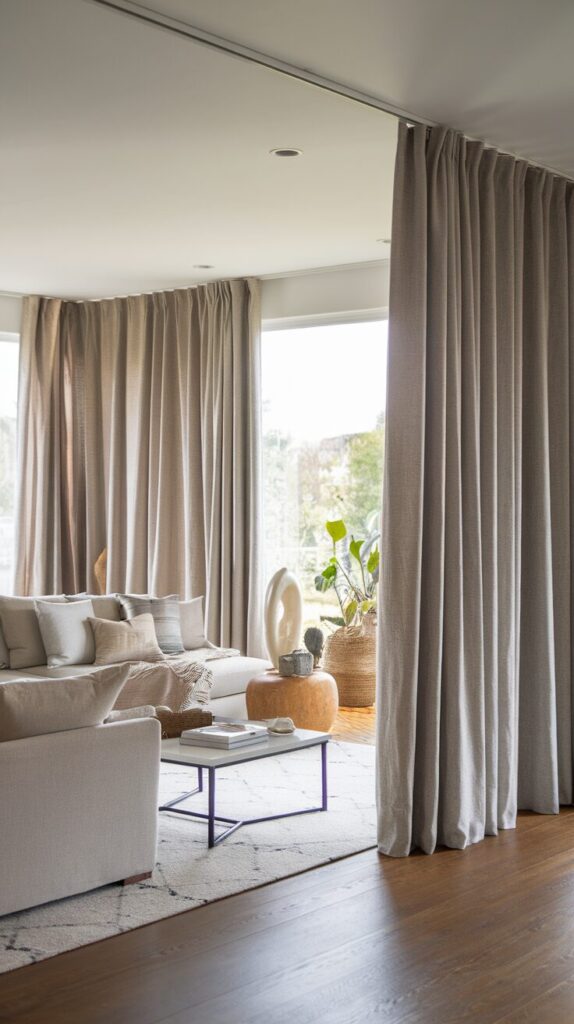
Open living rooms need flexibility. Curtains create zones without walls. I’ve used them to hide workspaces and clutter fast. It’s practical and surprisingly stylish.
Why This Works
Curtains add privacy without permanence. They soften open layouts visually. Spaces feel adaptable.
How to Do It
- Install ceiling tracks.
- Choose heavier fabric for coverage.
- Keep colors neutral.
Style & Design Tips
Avoid thin sheers if privacy matters. Function comes first here. Match fabric to room style.
Pro Tip or Budget Hack
Use shower curtains temporarily. Test the idea before committing.
15. Simple Curtains with Perfect Pleats
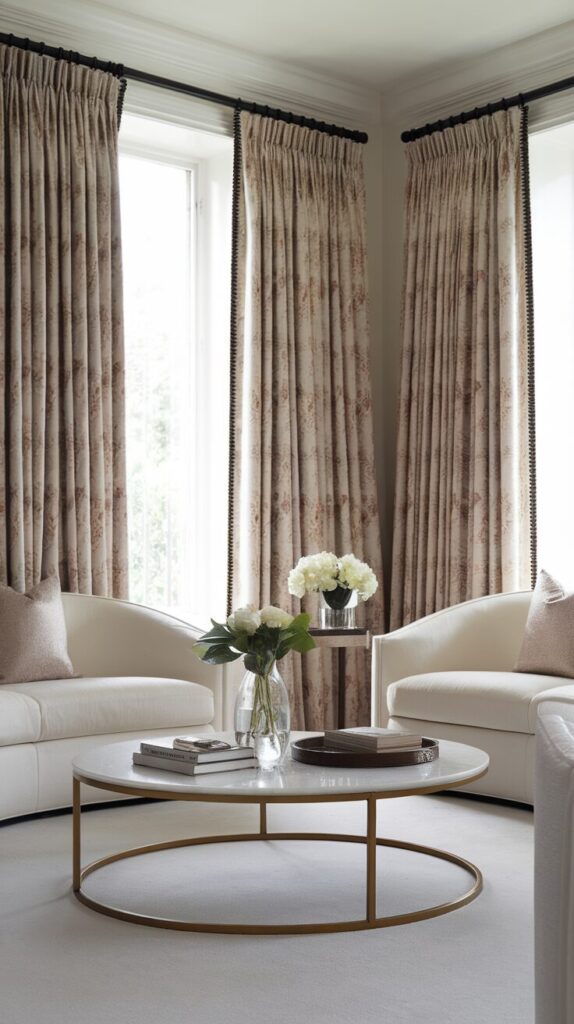
Sometimes simplicity wins. Clean pleats make even basic curtains look tailored. I notice this detail immediately in well-designed rooms. It signals care and polish.
Why This Works
Pleats control fullness and drape. Curtains hang evenly and move smoothly. The look feels custom.
How to Do It
- Use pinch pleats or ripple fold tape.
- Space hooks evenly.
- Steam after hanging.
Style & Design Tips
Avoid uneven spacing. Precision elevates simplicity. Neutral fabrics shine here.
Pro Tip or Budget Hack
Use pleater tape instead of sewing. It saves time and money.
How to Choose the Right Curtains for Your Living Room
Before you click “add to cart” on anything, you need a simple curtain strategy. I used to pick curtains based only on color, and I wasted money every single time. You need to think about light, ceiling height, insulation, privacy, and how the room functions daily. When you treat curtains like a structural design choice instead of a decorative afterthought, everything starts to align.
Start with function first, style second. Ask yourself whether you need privacy, glare control for TV time, insulation from heat, or just softness in the space. A south-facing living room needs different fabric than a shaded apartment window. When you define the job first, you avoid expensive guesswork later.
Measure twice and then measure again. You need width that extends 6–12 inches beyond the window frame and length that reaches the floor or ceiling. Curtains that float awkwardly above the floor kill the mood instantly. Proper proportions instantly make a room look custom, even when the panels cost less than dinner for two.
Fabric weight matters more than people realize. Lightweight linen filters light beautifully but won’t block heat or noise. Heavier cotton or blackout-lined panels add insulation and reduce outside distraction. When you match fabric weight to your lifestyle, the room starts working for you instead of against you.
Hardware also plays a design role. Thin rods suit modern spaces while thicker rods lean traditional. Finials, rings, and pleat styles subtly influence the room’s personality. When you treat hardware like jewelry for the window, the whole setup looks intentional instead of random.
Common Curtain Mistakes to Avoid
Hanging curtains too low ruins even the prettiest panels. When you mount rods directly above the window frame, you visually shrink the room. You want height, not compression. Always give the illusion of taller ceilings.
Choosing curtains that are too narrow creates a skimpy, unfinished look. Curtains should look full even when closed. If you stretch one panel across a wide window, it screams budget mistake. Always calculate fullness at 1.5 to 2 times the window width.
Ignoring undertones creates subtle visual chaos. A cool gray curtain next to warm beige walls feels slightly off even if you can’t explain why. You must match undertones carefully to avoid that uncomfortable mismatch. Warm with warm and cool with cool keeps things cohesive.
Picking trendy colors without thinking long-term leads to regret. Bold hues can look amazing, but only when the rest of the room supports them. If your furniture leans neutral, neon teal curtains might feel loud in six months. Choose bold thoughtfully, not impulsively.
Forgetting about maintenance causes frustration later. Light curtains collect dust and sun-fade quickly. Heavy fabrics require stronger hardware and occasional cleaning. When you plan for upkeep early, you avoid future annoyance.
Curtain Sizing & Measurement Guide for a Perfect Fit
Proper sizing separates amateur decorating from polished design. I’ve seen gorgeous living rooms fall apart because curtains stopped three inches too short. Precision elevates everything instantly.
Width comes first. Measure the window frame width and multiply by at least 1.5 for light fullness or 2 for a luxurious look. Wider panels allow curtains to stack nicely at the sides without blocking light.
Height determines visual impact. Mount rods 6–10 inches above the frame or close to the ceiling for maximum height illusion. Floor-length panels should either barely touch the floor or puddle slightly, depending on style preference.
Stack-back space matters too. Curtains need wall space on each side to open fully without covering the window glass. If you ignore this detail, you lose natural light even when panels are open.
Always account for hardware placement before drilling. Measure from rod placement, not window trim. That small detail saves you from awkward length surprises after installation.
Fabric & Light Control: What You Need to Know
Different fabrics control light in completely different ways. Sheer voile diffuses sunlight but won’t provide nighttime privacy. Blackout-lined curtains block light almost entirely and improve sleep in multi-use living spaces.
Thermal curtains help regulate temperature in extreme climates. They reduce heat gain during summer and help retain warmth during winter. This functional benefit also lowers energy costs over time.
Velvet and heavier cotton absorb sound slightly better than thin fabrics. If your living room echoes or faces a busy street, thicker curtains can soften noise. Fabric choice influences comfort more than most people expect.
UV exposure fades certain fabrics quickly. South-facing windows require fade-resistant materials or protective lining. When you plan for sunlight strength, you protect both curtains and nearby furniture.
Breathable fabrics suit humid environments better. Linen and cotton allow airflow and prevent musty smells. Matching fabric to climate ensures longevity and comfort.
Living Room Curtain FAQ
How high should I hang my curtain rod?
You should mount the rod 6–10 inches above the window frame or just below the ceiling. Higher placement creates the illusion of taller walls. Height always works in your favor visually.
Should curtains touch the floor?
Curtains should either barely touch the floor or puddle slightly. Panels that stop short look accidental. Precision in length makes even simple curtains look expensive.
How many curtain panels do I need per window?
Most standard windows need two panels for proper fullness. Wider windows may require four panels. Fullness creates elegance while skimpy panels look unfinished.
Are blackout curtains only for bedrooms?
Blackout curtains work beautifully in living rooms too. They reduce glare during movie time and improve insulation. Many modern blackout options look stylish, not heavy.
Can I mix curtain styles in an open-concept space?
You can mix styles, but you should keep color tones consistent. Similar palettes maintain flow between areas. Too much variation creates visual clutter quickly.
How often should I clean living room curtains?
You should vacuum curtains monthly and wash or dry clean them every 6–12 months depending on fabric. Regular cleaning prevents dust buildup and fading. Maintenance protects your investment long term.
Final Thoughts
Curtains change rooms faster than most décor swaps. You don’t need fifteen ideas at once, and honestly that would feel chaotic anyway. Pick one idea that solves a real problem and start there. Once you see how much difference curtains make, you’ll never treat them as an afterthought again.