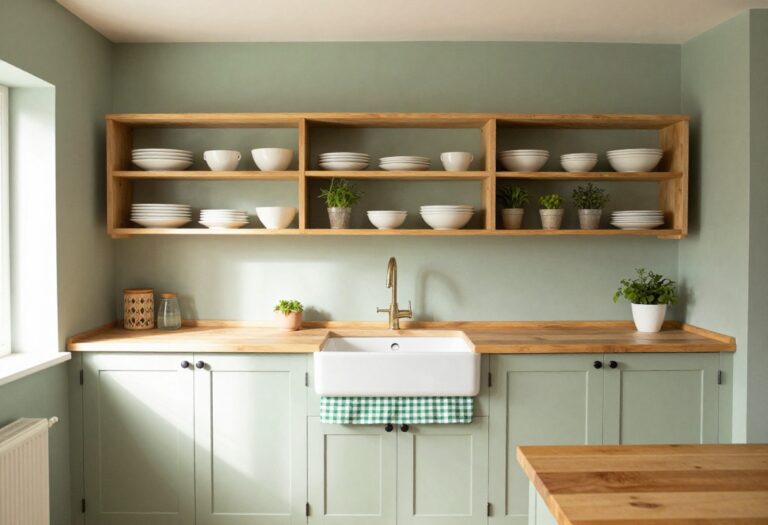
9 Clever Gray Kitchen Ideas for a Fresh, Pulled-Together Look
Gray kitchens have a reputation for feeling cold or flat, but the right approach can make them anything but. When you choose the right shades and pair them with warm textures, gray becomes a versatile backdrop that feels both fresh and inviting.
The key is balancing cool tones with natural elements and thoughtful accents. These nine ideas focus on keeping your gray kitchen light and airy while still feeling practical for everyday life.
Whether you're planning a full renovation or just a few small updates, each tip is designed to help you create a space that looks pulled together without trying too hard. From cabinet colors to countertop choices, these strategies work in real homes with real budgets.
1. Soft Gray Cabinets with Warm Wood Accents
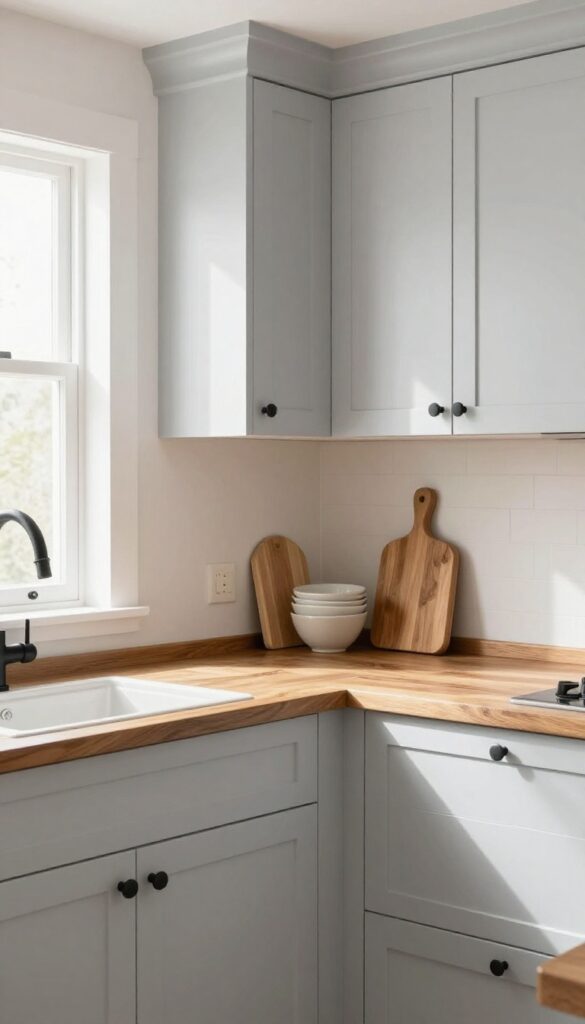
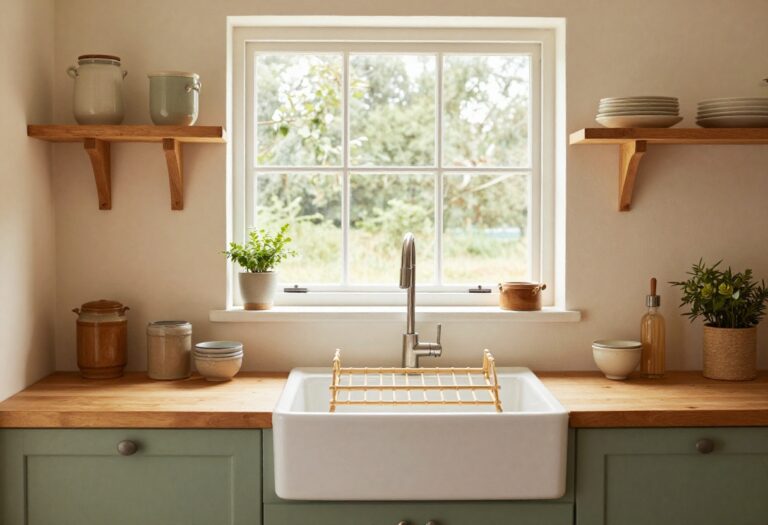
Pale gray cabinetry has a way of making a kitchen feel instantly more open and serene. But left on its own, all that coolness can come across as a little sterile. The fix is simple: bring in warm wood.
Whether it's a butcher-block countertop, open shelving in oak or walnut, or even a wooden island top, the contrast softens the gray and adds an organic, lived-in feel. The result is a kitchen that feels fresh but not cold, airy but still grounded.
Why It Works
Gray and wood are a classic pairing because they balance each other perfectly. The gray provides a calm, neutral backdrop that makes the space feel larger, while the wood introduces warmth and texture that prevent the room from feeling flat or impersonal. This combination also plays well with natural light, making the kitchen feel bright without being stark.
Best For
This look is ideal for kitchens that get good natural light but could use a little warmth. It works especially well in open-concept homes where the kitchen flows into living or dining areas, because the wood accents help tie the spaces together. It's also a great choice for anyone who wants a light, Scandinavian-inspired vibe without going fully white.
Styling Tip
Stick to one or two wood tones to keep the look cohesive. If you choose walnut open shelving, carry that same finish into bar stools or a cutting board display. Add a few matte black or brass fixtures—like cabinet pulls or a faucet—to give the scheme some subtle edge without overpowering the soft palette.
2. Layered Gray Tones on Walls and Trim
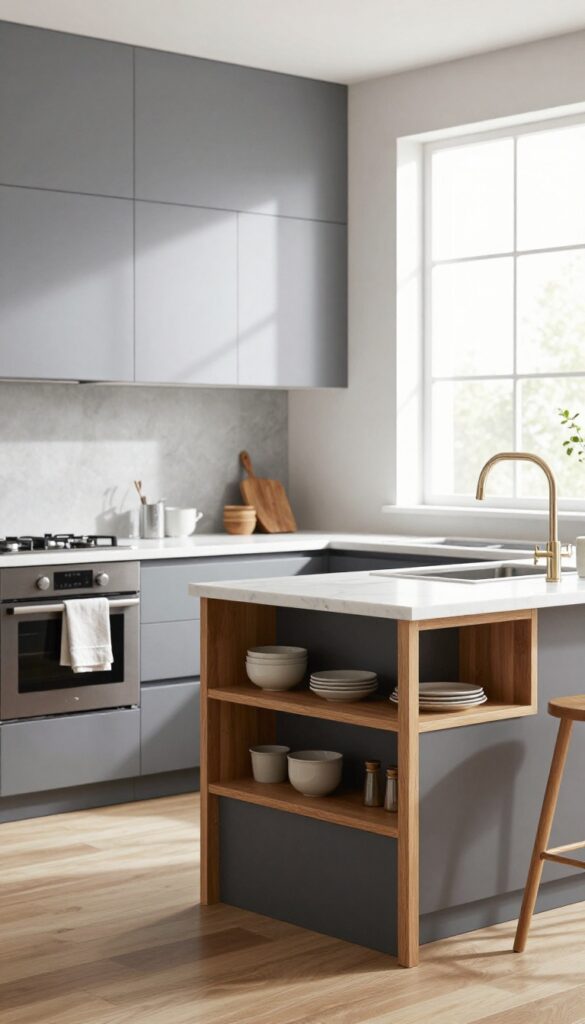
Gray kitchens don't have to feel flat or one-note. By using two or three different gray shades—like a soft dove gray on the walls and a deeper charcoal on the trim or kitchen island—you add subtle depth that keeps the space interesting without overwhelming it. This monochromatic approach feels intentional and serene, perfect for creating a light, airy kitchen that still has plenty of personality.
Why It Works
Layering tones within the same color family creates visual interest without the risk of clashing. The lighter shade opens up the room and reflects natural light, while the darker accents anchor the space and define key architectural features. It's a sophisticated trick that adds dimension in a clean, understated way.
Best For
This idea is ideal for kitchens with good natural light, where the subtle contrast between grays can really shine. It also works beautifully in open-plan layouts where you want the kitchen to feel connected to adjacent living areas but still have its own distinct character.
Styling Tip
To keep the look fresh and avoid feeling too cool, bring in warm wood accents like a butcher block countertop or open shelving. Soft textiles—think linen dish towels or a wool runner—add texture and prevent the space from feeling sterile.
3. White Marble or Quartz Countertops for Contrast
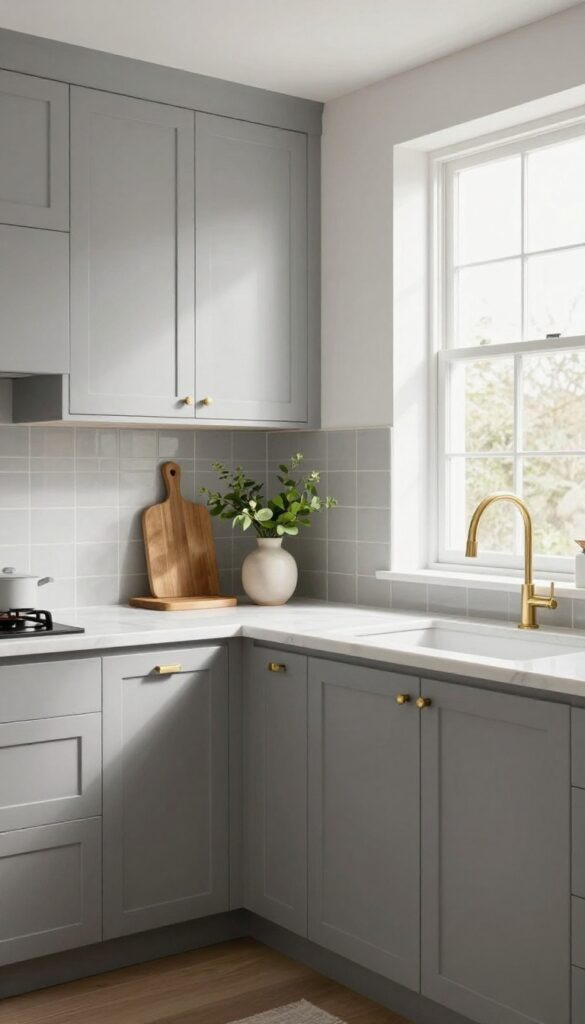
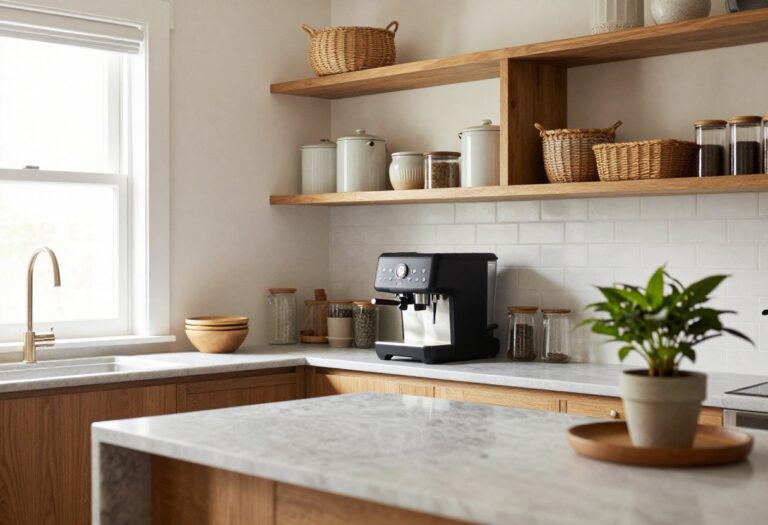
Gray kitchens can sometimes feel a little flat if everything stays in the same muted family. That’s where bright white countertops come in—they add an instant lift. Whether you choose marble with soft veining or a crisp quartz, the contrast against gray cabinets or backsplash tile makes the whole space feel cleaner and more open.
Why It Works
White reflects light, so even a small kitchen feels bigger and airier. The subtle pattern in natural stone or engineered quartz keeps the look from being too stark, while the light surface breaks up the gray and adds visual interest without clutter.
Best For
This works especially well in kitchens with gray shaker cabinets, charcoal islands, or matte gray tile backsplashes. It’s also great for galley kitchens or spaces without a lot of natural light, since the white countertops help bounce brightness around.
Styling Tip
Pair white countertops with warm brass or brushed gold hardware to keep the look from feeling cold. Add a few wooden cutting boards or a ceramic vase with greenery to bring in natural texture that softens the contrast.
4. Textured Gray Backsplash in Subway or Herringbone
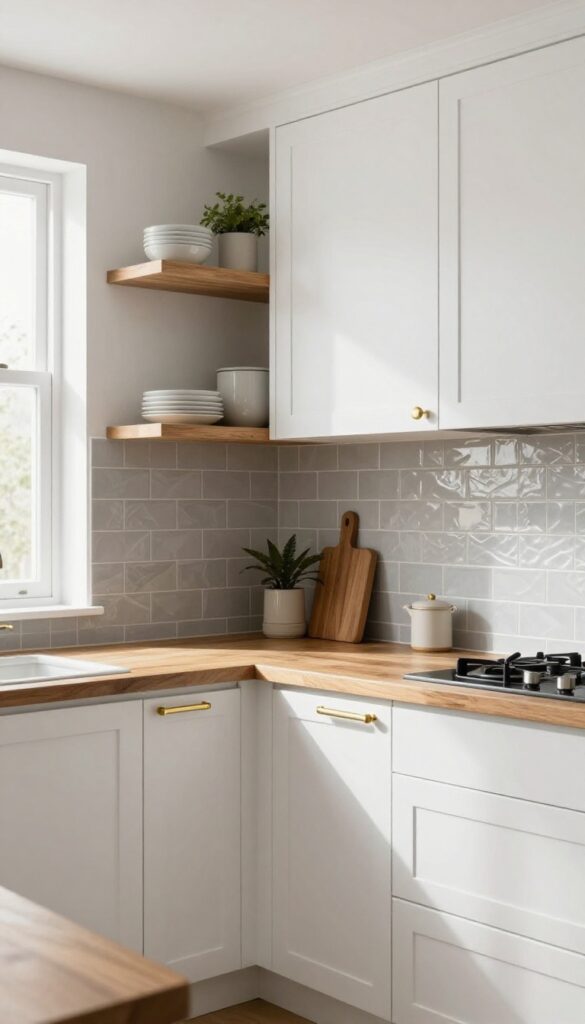
A gray backsplash doesn't have to be flat or boring. By choosing tiles with texture—like handmade subway tiles with slight ripples or a classic herringbone layout—you add depth that catches the light throughout the day. The result is a kitchen that feels layered and interesting without going dark or heavy.
Why It Works
Texture adds visual weight and movement, so even a light gray finish feels substantial. The uneven surfaces reflect light differently, keeping the space from looking flat or sterile. It's an easy way to introduce character without adding color.
Best For
This works especially well in kitchens with white or pale cabinetry, where the backsplash becomes the focal point. It's also great for galley kitchens or windowless spaces that need a bit of dynamism without overwhelming the room.
Styling Tip
Pair a textured gray backsplash with warm wood accents—like open shelving or a butcher block countertop—to soften the cool tones. Use matte hardware in brushed brass or black to complement the handmade feel.
5. Open Shelving in Light Gray or Natural Wood
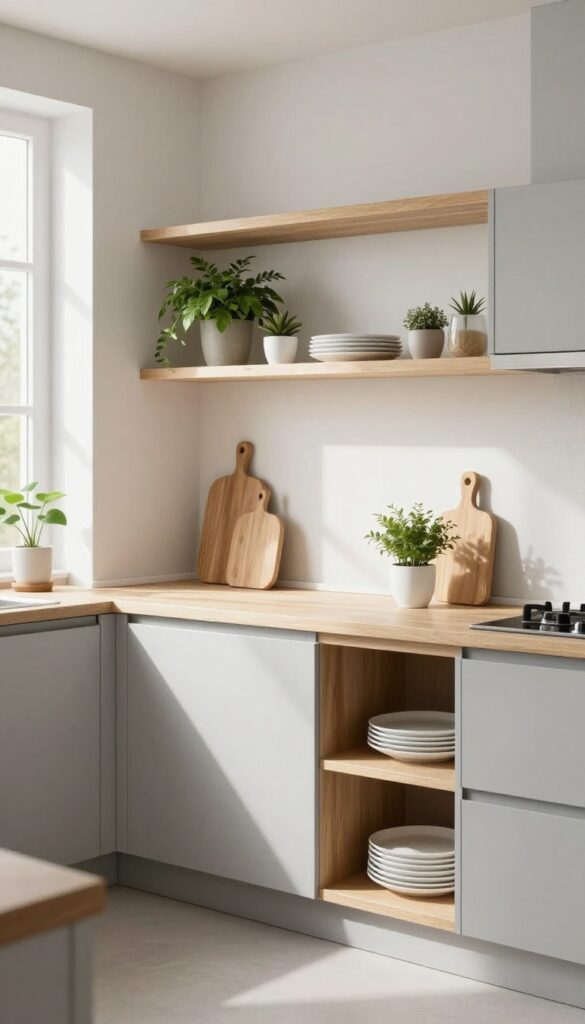
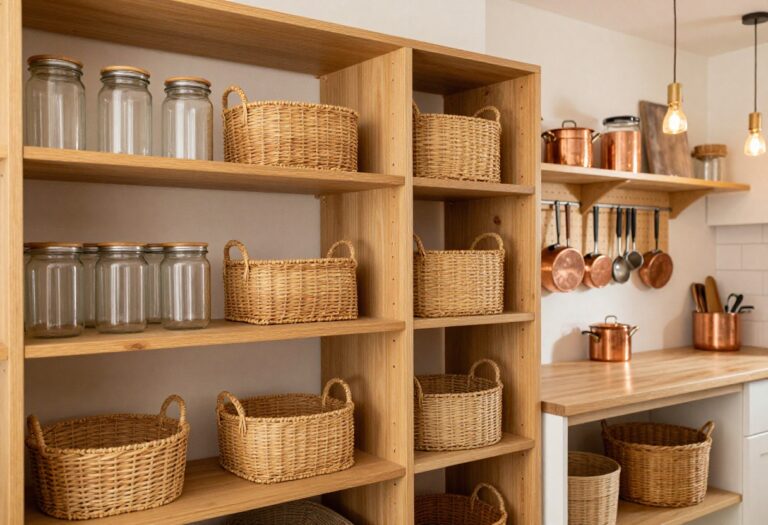
Upper cabinets can make a kitchen feel closed in, especially in smaller spaces. Swapping them for open shelves painted in a soft gray or left as natural wood instantly opens up the room and adds an airy, breathable feel. It’s a practical swap that brings personality to the forefront without sacrificing storage.
Why It Works
Open shelving removes visual bulk at eye level, making the kitchen feel larger and brighter. Light gray or natural wood tones keep the look soft and cohesive, while the exposed items add warmth and character. It also encourages you to stay organized since everything is on display.
Best For
This works well in compact kitchens where cabinet doors can feel overwhelming, or in any kitchen that wants a more casual, inviting vibe. It’s also great for renters who can install removable shelves without a major renovation.
Styling Tip
Mix functional pieces like white dinner plates with decorative accents such as small plants or wooden cutting boards. Keep the color palette neutral to maintain that light and airy feel—think whites, warm woods, and touches of green.
6. Brass or Gold Hardware for a Warm Glow
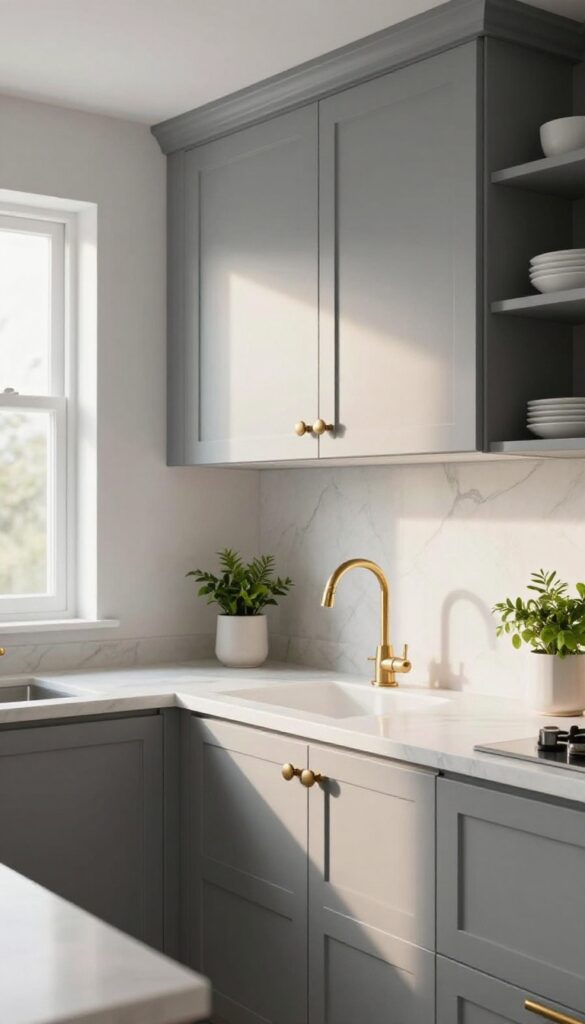
Gray kitchens can sometimes feel a little cool or flat, but the right hardware changes everything. Swapping out standard silver pulls and faucets for brass or gold instantly adds warmth and character. The contrast is subtle enough to keep the space feeling light and airy, yet noticeable enough to give it a polished, pulled-together look.
Why It Works
Brass and gold finishes reflect light beautifully, which helps brighten up gray cabinets and countertops. The warm metallic tones create a natural focal point without overwhelming the room, making the kitchen feel more inviting and curated.
Best For
This idea works well in any gray kitchen, from soft dove gray to deeper charcoal. It's especially effective in kitchens with white or marble-look countertops, where the metal pops against the neutral backdrop.
Styling Tip
Stick to one finish throughout—match your cabinet pulls, faucet, and even light fixtures for a cohesive look. If you're hesitant about going all gold, start with just the faucet and add a few pulls to test the vibe.
7. Pale Gray Island with a Contrasting Base
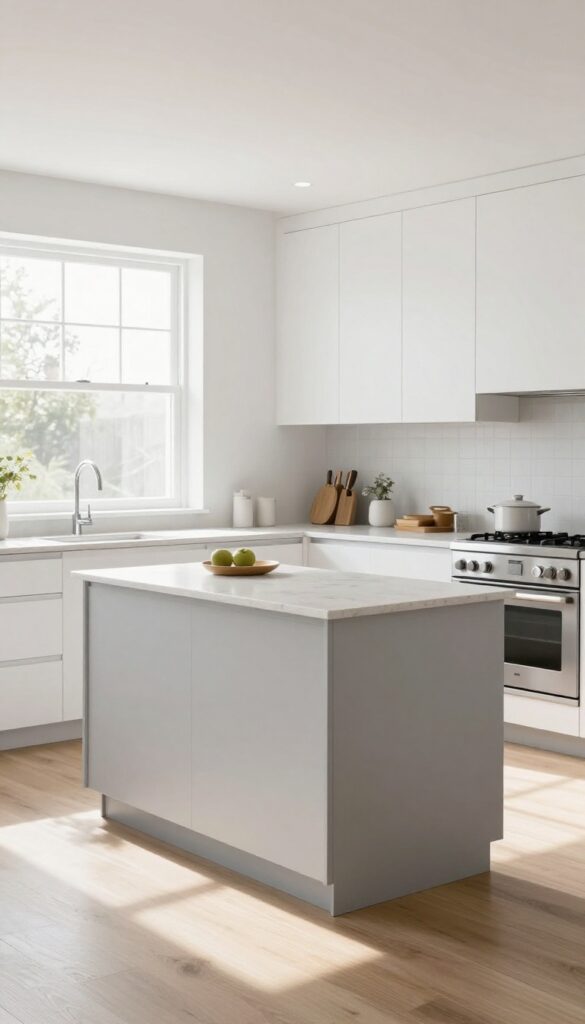
A pale gray island does something unexpected in a kitchen—it adds color without stealing the show. Paired with white or off-white perimeter cabinets, it creates a soft focal point that defines the workspace without feeling heavy. The contrast between the island and surrounding cabinetry gives the layout clear visual structure, which is especially helpful in open-plan homes where the kitchen flows into living areas.
Why It Works
The light gray hue keeps the room feeling airy and spacious, while the darker (or more saturated) base of the island grounds the design. This two-tone approach draws the eye naturally to the island as the heart of the kitchen, making it both functional and visually anchoring.
Best For
This idea shines in kitchens with a neutral palette—think white walls, light wood floors, and stainless steel appliances. It's also great for galley or L-shaped layouts where the island sits at the center of activity.
Styling Tip
Choose a pale gray with warm undertones (like greige) to keep the space cozy. Add contrast by painting the island base a deeper charcoal or navy blue—just keep the countertop light, like quartz or marble, to maintain that fresh look.
8. Natural Light Boost with Sheer Window Treatments
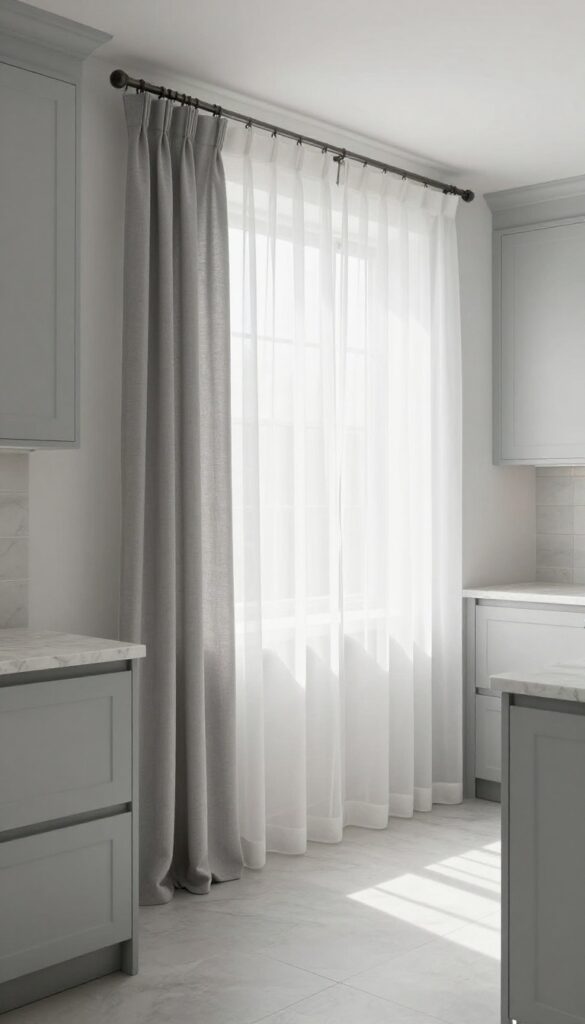
Gray kitchens can sometimes feel a bit flat if the lighting isn't right. That's where sheer window treatments come in—they let in plenty of natural light while softening the overall look. Instead of heavy curtains that block sunlight, opt for white or light gray sheers that keep the space feeling open and breezy.
Why It Works
Sheer fabrics diffuse harsh sunlight, creating a gentle glow that makes your gray palette look softer and more inviting. They also add a layer of texture without overwhelming the room, which is key for maintaining that light and airy feel.
Best For
This idea works especially well in kitchens with limited natural light or small windows. It's also great for open-concept spaces where you want to maintain a seamless flow between rooms without visual barriers.
Styling Tip
Hang sheers from a simple rod mounted close to the ceiling to make the window appear taller. Choose a fabric with a subtle weave for extra interest, and keep them floor-length for a polished finish.
9. Greenery and Natural Fiber Runners for Softness
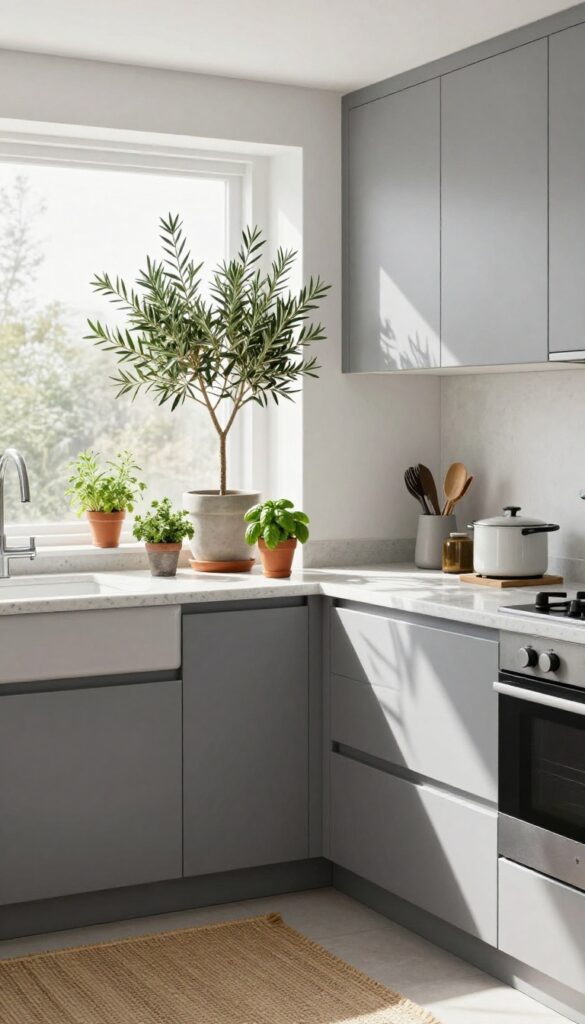
Gray kitchens can sometimes feel a bit cool or stark, but the right mix of natural textures warms them right up. Adding potted herbs, a small olive tree, or a jute runner introduces organic softness that breaks up all that sleek cabinetry and stone. These elements bring life into the room without cluttering surfaces, keeping the space feeling light and airy.
Why It Works
Plants add visual softness and a pop of green that contrasts beautifully with gray tones. Natural fiber runners like jute or sisal introduce tactile warmth and help define the kitchen's layout, making the space feel more grounded and inviting.
Best For
This idea works especially well in kitchens with lots of hard surfaces—think quartz countertops, tile backsplashes, and glossy cabinets. It's also perfect for open-plan layouts where you want to soften the transition between cooking and living areas.
Styling Tip
Place a low-maintenance olive tree in a corner near a window for height, then cluster small potted herbs like rosemary or basil on the windowsill. Lay down a jute runner along the sink-to-stove path—it adds texture underfoot and is easy to replace when it gets dirty.
FAQ
What shade of gray is best for a small kitchen?
Light grays with warm undertones—like greige or dove gray—work best in small kitchens. They reflect light and keep the space from feeling cramped or gloomy.
How do I keep a gray kitchen from feeling cold?
Incorporate warm materials like wood, brass, or cream textiles. These add visual warmth and balance the coolness of gray, making the room feel cozy and inviting.
Can I mix gray with other colors in the kitchen?
Absolutely. Gray pairs beautifully with white, navy, blush, or even soft green. Just keep the palette limited to two or three colors for a cohesive look.
What countertop color goes best with gray cabinets?
White marble or quartz is a classic choice, but warm beige or light wood countertops also work well. Avoid dark countertops if you want to maintain an airy feel.
Is gray kitchen still trendy in 2025?
Yes, but the trend has shifted toward warmer, softer grays rather than cool industrial tones. Layered textures and natural accents keep the look current and timeless.
Conclusion
Gray kitchens don't have to feel flat or uninspired. With the right mix of warm textures, thoughtful contrasts, and natural light, you can create a space that feels fresh, functional, and completely pulled together. Start with one or two ideas that resonate with your style and budget.
Small changes like swapping hardware or adding open shelving can make a big difference. The goal is a kitchen that feels like home—light, airy, and effortlessly stylish.