9 Clever Kitchen Pass Through Ideas for a Cleaner, Prettier Home
Kitchen pass throughs are having a moment. They open up sightlines, make serving effortless, and add a fresh architectural detail without a full renovation.
Whether you're connecting to a dining room or just want more light, a well-placed opening can transform how your home feels. The trick is choosing a style that feels intentional, not accidental.
These nine ideas range from sleek and minimal to warm and inviting, so you can find the perfect fit for your space. Each one prioritizes clean lines and practical function, keeping your home looking polished and uncluttered.
1. The Slim Horizontal Slot
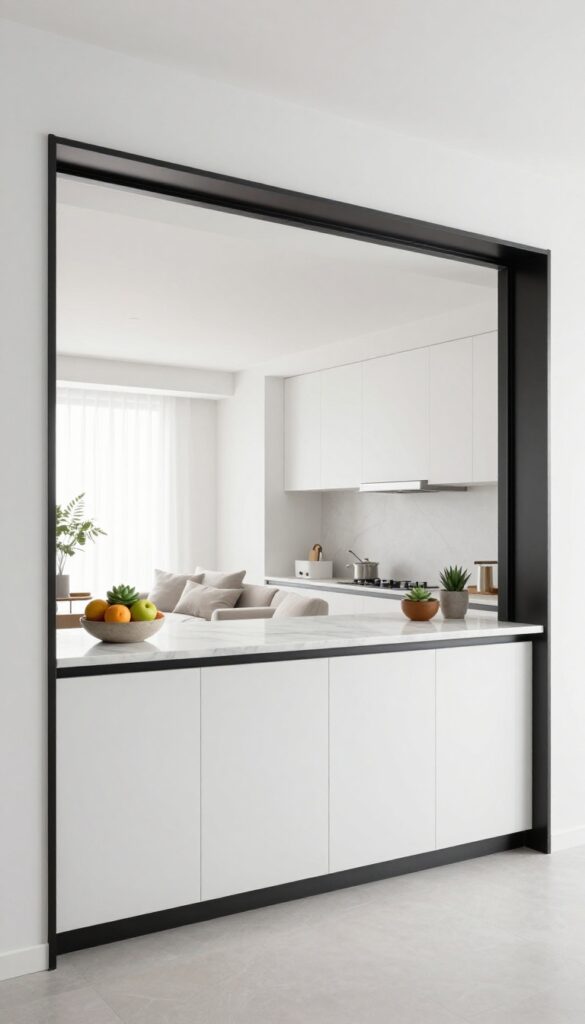
Picture a long, narrow cutout in your kitchen wall, right at counter height. It’s not a window—it’s a pass-through that keeps the room open without eating into cabinet space. This modern trick is especially handy in galley kitchens or when you want to stay connected to the living room while cooking.
The clean line of the slot feels intentional and minimal, blending into the wall almost like a design feature.
Why It Works
It preserves wall space for storage or art while creating a visual link between rooms. The slim shape prevents large objects from cluttering the opening, so the pass-through stays tidy and functional. Plus, it lets natural light flow through without the cost of a full window.
Best For
This works well in open-plan homes where the kitchen adjoins a living or dining area. It’s also a smart solution for narrow kitchens that need a sense of airiness without sacrificing upper cabinets.
Styling Tip
Frame the slot with a sleek metal trim in brushed brass or matte black to echo your hardware. Keep the counter on both sides clear of clutter—just a small plant or a bowl of fruit on the kitchen side adds life without blocking the view.
2. The Fold-Down Counter Extension
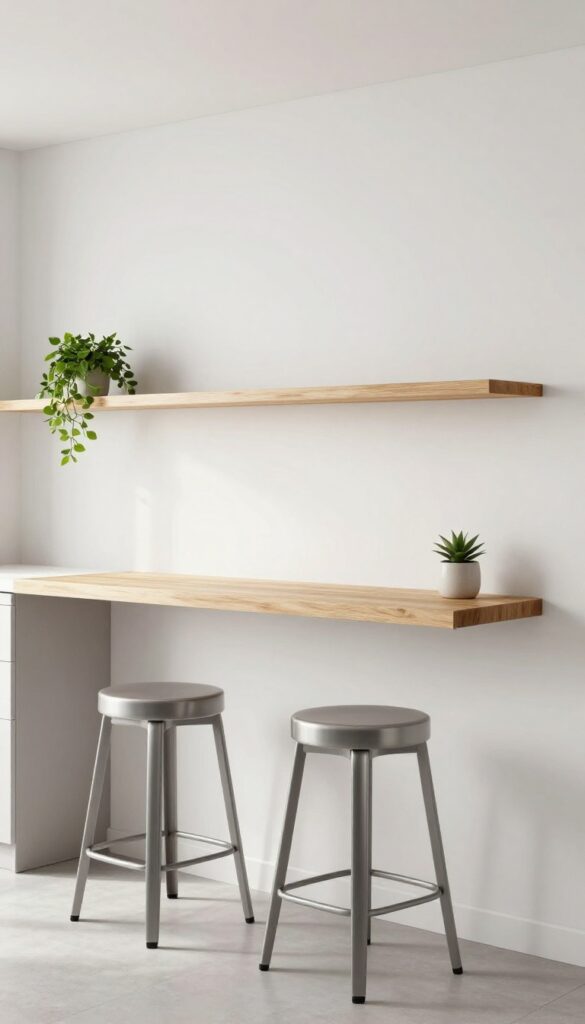
Picture a narrow wooden shelf mounted to the wall that, with a gentle pull, transforms into a petite breakfast bar or a handy serving station. When you're done, it folds back up flush against the wall, leaving your kitchen looking clean and uncluttered. This fold-down counter is a sleek, space-saving solution that adds both function and a modern touch without stealing square footage.
Why It Works
It creates extra counter space exactly when you need it—for morning coffee, quick meals, or setting down groceries—and disappears when you don't. The flush design maintains a streamlined look, which is essential in a modern kitchen where every surface counts.
Best For
Tiny kitchens, galley layouts, or any pass-through where you want a casual dining spot without a permanent table. It's also ideal for kitchen islands that need a little extra room for guests.
Styling Tip
Choose a solid wood or matte-laminate flap that matches your cabinetry. Add two or three sleek bar stools with metal legs to keep the look airy. For a pop of warmth, install a small floating shelf above to hold a plant or a ceramic bowl.
3. The Glass-Paneled Pass Through
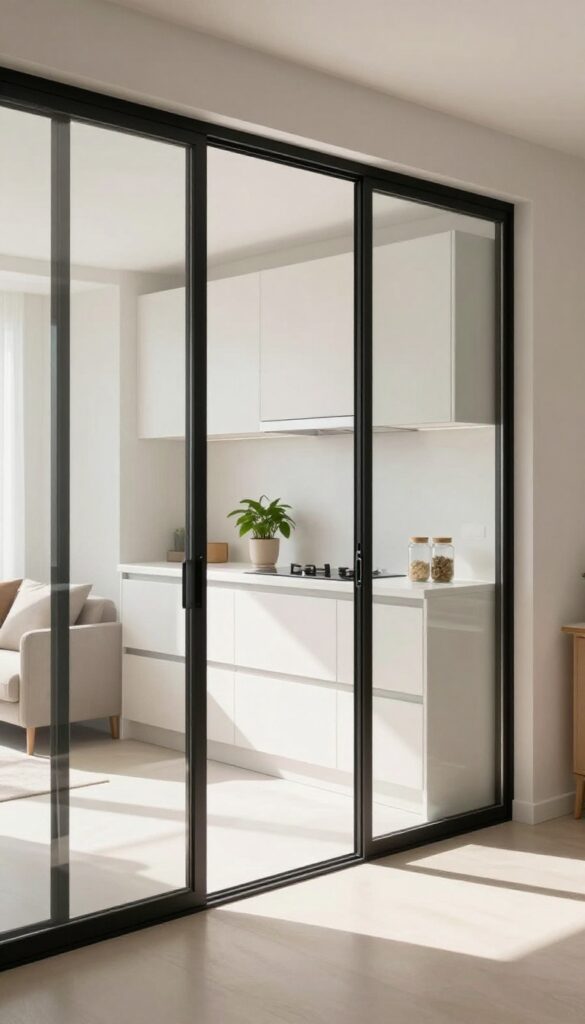
Imagine a kitchen that feels open to the living room but still keeps cooking smells where they belong. Sliding glass panels replace a solid wall section, creating a visual bridge without the noise or odors drifting through. The result is a space that breathes—light streams in from both sides, and the kitchen never feels cut off from the rest of the home.
It's a modern solution for anyone who wants separation without sacrificing brightness.
Why It Works
Glass panels maintain an open, airy feel while providing a physical barrier. They block cooking smells, reduce noise, and still let you see into the next room. The sliding mechanism saves space compared to a swinging door, and the transparency keeps sightlines clear, making the entire area feel larger.
Best For
This idea shines in open-plan homes where the kitchen flows into a living or dining area. It's also great for kitchens that get a lot of natural light from one side—the glass helps distribute that light deeper into the home. If you love the idea of an open concept but want to contain mess and smells, this is your sweet spot.
Styling Tip
Choose slim, black-framed glass panels for a sleek, industrial look, or go with wood frames to warm up the space. Keep the surrounding wall color light—white, pale gray, or soft beige—so the glass blends in rather than creating a heavy visual block. Add a simple shelf on the kitchen side for a few pretty jars or plants to make the pass through feel intentional.
4. The Open Shelf Pass Through
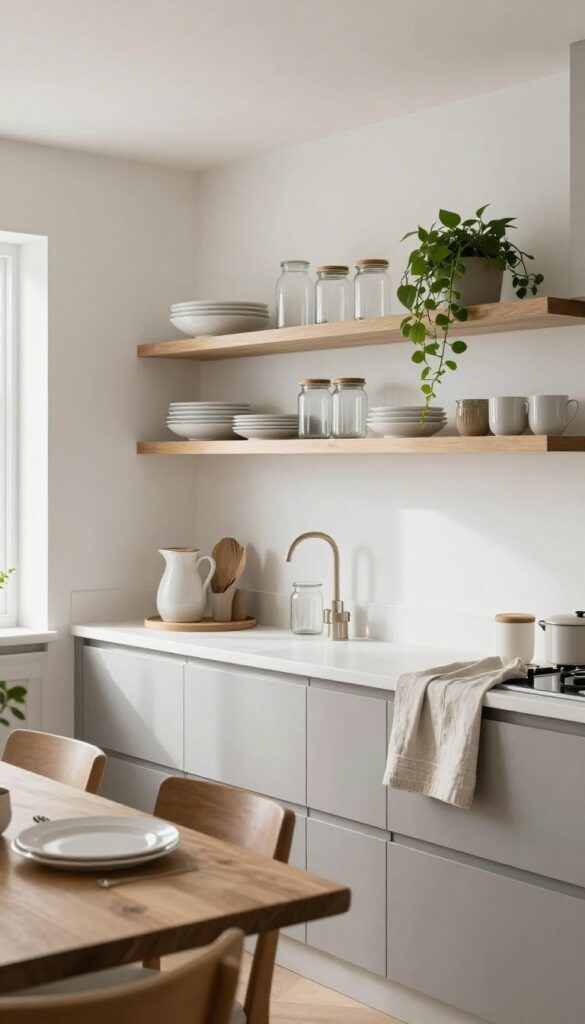
Wide openings between the kitchen and dining area often feel like wasted space. By installing sturdy floating shelves on both sides, you turn that gap into a functional display zone. The result is a pass through that feels intentional—part serving station, part decor moment.
Why It Works
It transforms a basic cutout into a design feature. The shelves keep everyday items within arm's reach while adding visual depth. The open layout maintains the connection between rooms but gives each side its own personality.
Best For
Homes where the kitchen opens to a dining or living area and you want to keep the sightline open but add storage. It works especially well in modern kitchens with clean lines and minimal upper cabinets.
Styling Tip
Stick to a neutral palette on the shelves—white dishes, clear glass jars, and a few trailing plants. Use a mix of heights and textures, like a ceramic pitcher next to a stack of linen napkins, to keep it from looking cluttered.
5. The Barn Door Pass Through
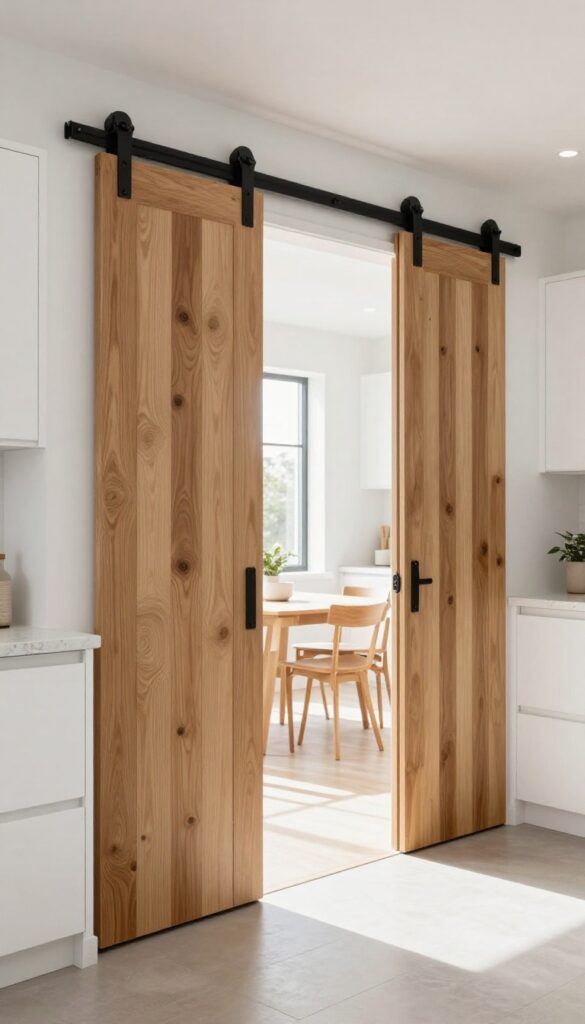
A rustic sliding barn door covering a rectangular opening between the kitchen and dining area brings warmth and texture to a modern, clean space. The wood grain adds an organic touch against sleek cabinetry and quartz countertops. When closed, the pass through disappears into the wall, keeping the kitchen hidden during messy prep.
When open, it creates a casual serving window that feels both intentional and charming.
Why It Works
The sliding mechanism saves space compared to a swinging door, and the barn door's horizontal lines visually widen the opening. The contrast between warm wood and cool modern finishes adds depth without clutter.
Best For
Open-plan kitchens that need a flexible barrier between cooking and dining zones. Also great for homes with a rustic-modern or farmhouse-contemporary style.
Styling Tip
Choose a wood tone that complements your flooring or cabinetry. For a cleaner look, go with a flat-panel barn door in a matte finish rather than a heavily distressed one. Add a black steel track for an industrial touch.
6. The Counter-Height Pass Through with Seating
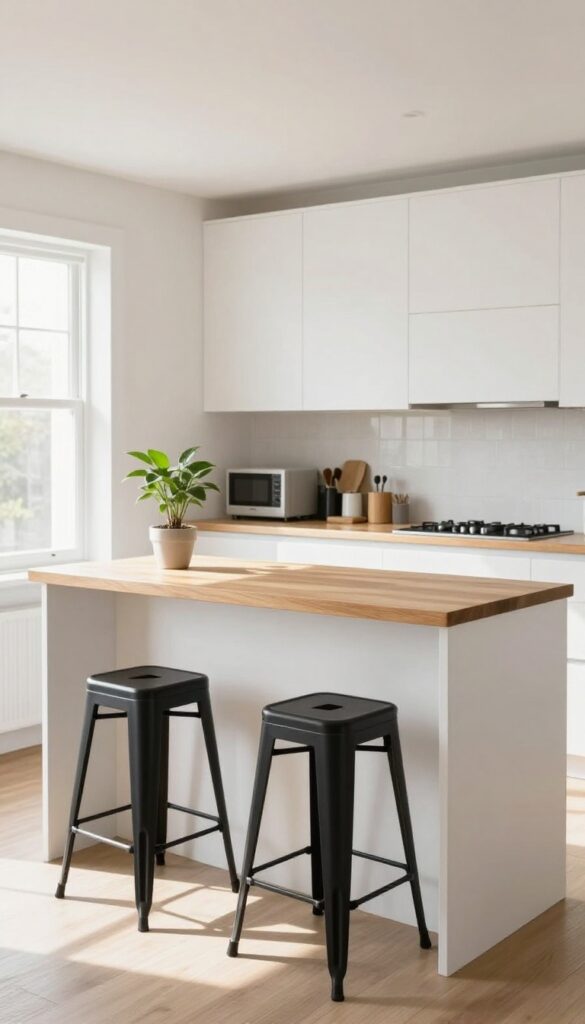
Picture this: a raised opening in the wall between your kitchen and dining area, topped with a sleek counter overhang and a couple of stools tucked underneath. It’s not just a pass through—it’s a casual dining spot, a homework station, and a conversation hub all in one. The counter-height design keeps the kitchen workspace visually separate while still letting you hand over a plate of snacks or keep an eye on the kids.
Clean lines and a minimalist stool choice keep the look modern and uncluttered.
Why It Works
By raising the opening to counter height, you hide the inevitable kitchen mess from the dining side while maintaining an open feel. The overhang provides a proper eating surface, and the stools invite people to sit and chat without entering the work zone. It’s a smart way to add seating without sacrificing floor space or cabinetry.
Best For
Homes with an open-plan kitchen and dining area where you want a clear but not closed-off separation. Ideal for families who need a spot for quick breakfasts or kids’ homework while dinner is being prepped. Also works well in smaller homes where a full island isn’t feasible.
Styling Tip
Choose stools with a slim profile and a finish that complements your cabinetry—black metal or light wood keeps the look airy. Add a pair of pendant lights above the counter to define the seating area and create a cozy glow. Keep the countertop clear except for a small plant or a bowl of fruit to maintain that clean aesthetic.
7. The Arched Pass Through
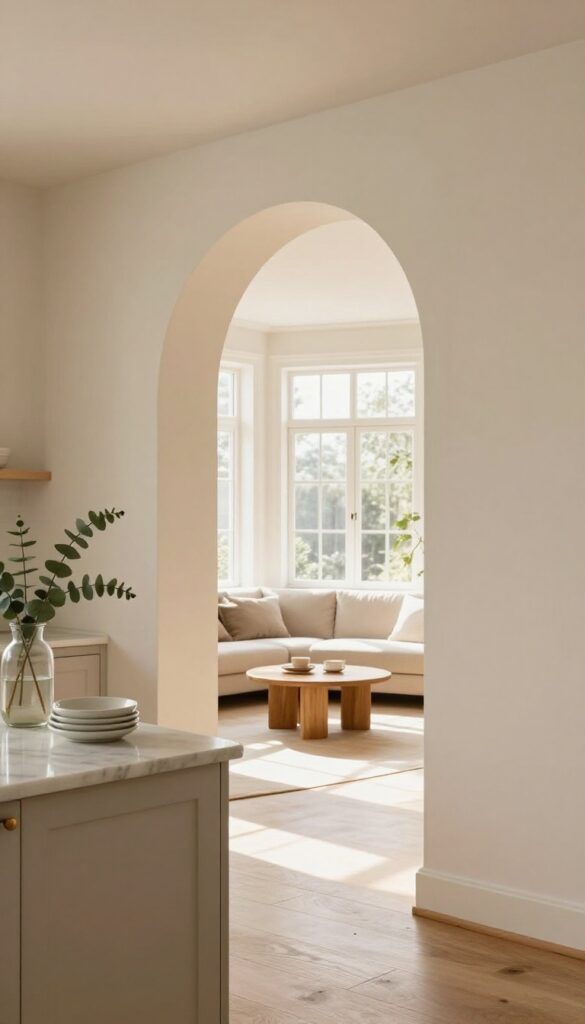
A curved opening instantly softens the hard lines of a kitchen. Unlike a standard rectangular cutout, an arched pass through brings a sense of old-world charm and elegance. It feels intentional, not accidental—like a design feature that was always meant to be there.
Why It Works
The arch draws the eye upward, making the ceiling feel higher and the space more open. It also creates a visual frame that makes the kitchen feel like a distinct room, even when it's open to the living area.
Best For
This look shines in homes with a Mediterranean, Spanish, or modern organic style. It works especially well in kitchens that open into a dining or living room, where the arch can act as a beautiful transition between spaces.
Styling Tip
Keep the arch clean and simple with drywall for a minimalist look, or frame it with natural wood to add warmth. Paint the interior of the arch a slightly darker shade than the wall to create depth and make it pop.
8. The Pass Through with a Serving Ledge
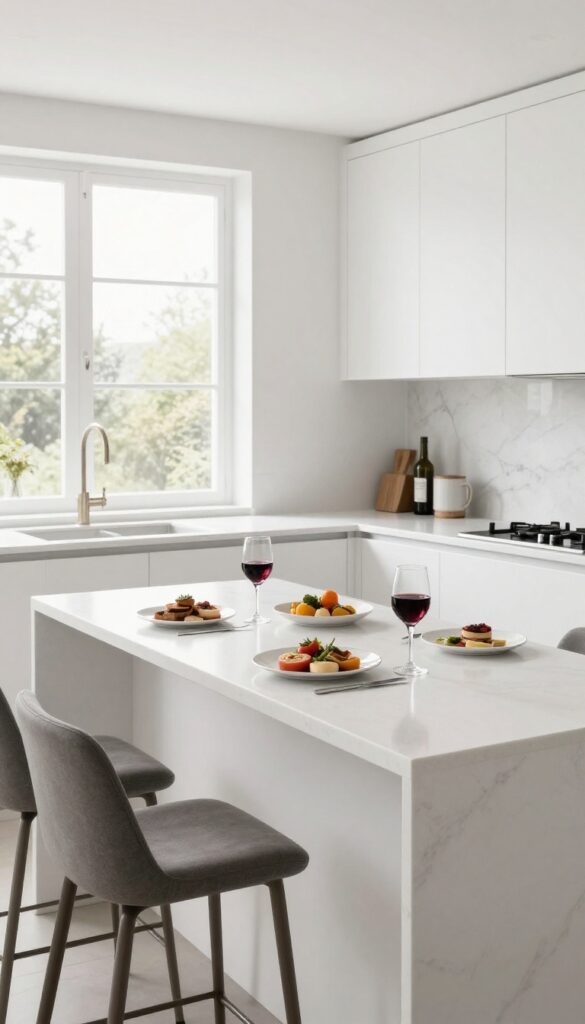
Imagine a kitchen pass through that does double duty as a mini bar or buffet. A slim serving ledge extending from the opening on the dining side offers a convenient spot to set down plates, drinks, or serving bowls during meals. This small addition makes the pass through feel intentional and polished, especially when the ledge material matches your countertop for a seamless look.
Why It Works
The serving ledge creates a natural landing zone for food and drinks, reducing trips back and forth between the kitchen and dining area. It also adds usable surface space without taking up floor area, making it ideal for open layouts where every inch matters.
Best For
This idea shines in homes where the kitchen opens into a dining room or living area. It's especially useful for families who love to entertain, as the ledge becomes a casual buffet or bar during gatherings.
Styling Tip
Choose a ledge material that echoes your countertop—quartz, marble, or butcher block—for a cohesive look. Add a couple of bar stools on the dining side to turn the pass through into a breakfast bar when you're not serving.
9. The Hidden Pass Through (Cabinet Door Style
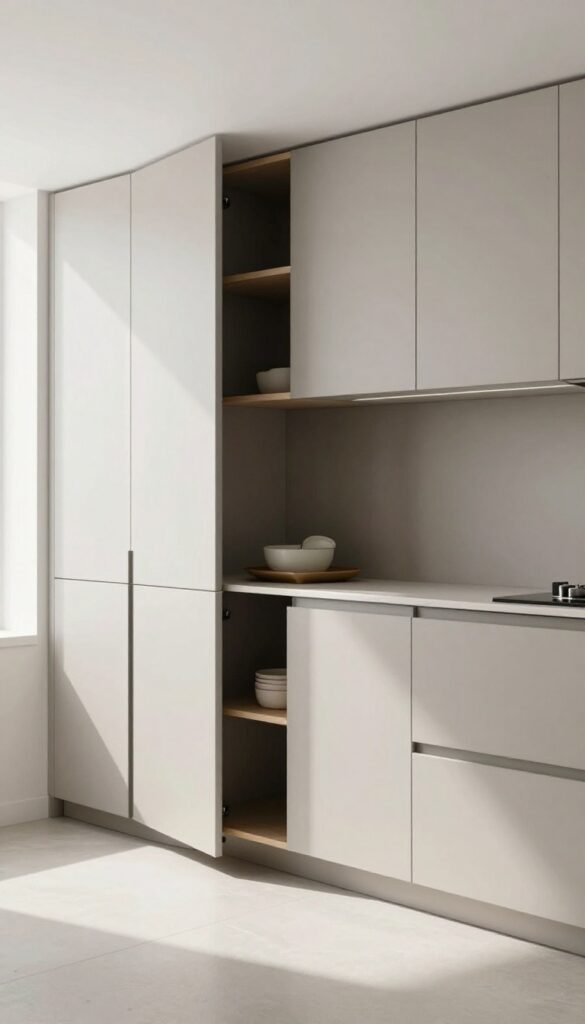
Imagine a pass through that vanishes completely when not in use. That’s the magic of a hidden pass through concealed behind cabinet doors that match your kitchen cabinetry. Open the doors to reveal a convenient opening for passing dishes or chatting with guests; close them and the pass through disappears, leaving a seamless, minimalist facade.
This approach is perfect for those who love the functionality of a pass through but prefer a clean, uncluttered look in their kitchen.
Why It Works
This idea works because it offers the best of both worlds: the convenience of an open pass through when you need it, and the clean lines of closed cabinetry when you don’t. It keeps your kitchen looking tidy and intentional, without sacrificing the flow or connection between spaces.
Best For
Best for minimalist kitchens where every surface and line is carefully considered. It’s also ideal for open-plan homes where you want to maintain a visual separation between the kitchen and dining or living areas, but still have the option to open things up when entertaining.
Styling Tip
To make the hidden pass through feel intentional, choose cabinet doors with a simple, flat-panel design and a finish that blends seamlessly with the rest of your cabinetry. Add soft-close hinges for a smooth, quiet operation, and consider installing a small shelf inside the pass through to hold a tray or a few frequently used items.
FAQ
Do I need a contractor to install a kitchen pass through?
It depends on the complexity. Simple cutouts in non-load-bearing walls can be DIY-friendly, but any structural changes or electrical work require a professional. Always check your wall type first.
What is the ideal size for a kitchen pass through?
A standard pass through is about 36 to 48 inches wide and 12 to 18 inches tall. The size should suit your counter height and the items you plan to pass through.
Can a pass through help with small kitchen ventilation?
Yes, an open pass through improves airflow between rooms, which can help reduce cooking odors and heat. Adding a window or glass panel can further enhance ventilation.
How do I keep a pass through clean and clutter-free?
Use it intentionally. Avoid stacking items on the ledge or shelf. Choose a design with minimal crevices, and wipe down surfaces regularly.
A pass through works best when it's kept clear.
What style of pass through works best in a modern home?
Slim horizontal slots, glass panels, and hidden cabinet-door styles fit modern aesthetics. Stick to clean lines, neutral colors, and materials like metal, glass, or matte wood.
Conclusion
A kitchen pass through is one of those updates that makes daily life easier while adding real character to your home. Whether you go for a sleek slot or a cozy barn door, the key is choosing something that feels natural in your space.
Start with one idea that excites you, and let it guide the rest of the room. Your kitchen will feel more open, more connected, and a little bit brighter.