10 Concrete Shower Ideas That Instantly Upgrade Your Space
Concrete showers solve more problems than most people expect, especially when dealing with durability, water resistance, and long-term maintenance. They hold up better than trendy materials that look great for a year and then start showing wear. At the same time, they bring that clean, modern look that somehow feels both minimal and bold.
A lot of people think concrete automatically means cold or industrial, but that’s honestly just one version of it. With the right finish, texture, and layout, it can feel warm, spa-like, or even a little luxurious.
I’ve tested a few of these ideas in real spaces, and some surprised me in a good way. Let’s get into the ones that actually make a difference.
1. Smooth Polished Concrete Shower Walls
Rough or uneven shower walls can make cleaning annoying and visually cluttered. A polished concrete finish fixes both issues while instantly making the space feel more intentional. It’s one of those upgrades that looks expensive without actually being complicated.
The surface feels sleek and continuous, which removes that busy tile-line effect. I’ve seen this in a small bathroom once, and it made the whole space feel twice as big without changing anything else.
Why This Works
Polished concrete reflects light slightly, which helps brighten the shower without adding extra fixtures. It also creates a seamless look that reduces visual breaks.
That smooth finish makes water slide off more easily, so you deal with fewer stains and buildup over time.
How to Do It
- Apply a concrete overlay to existing walls instead of full demolition
- Use fine polishing tools to achieve a smooth finish
- Seal the surface properly to prevent moisture absorption
- Choose a matte or semi-gloss finish depending on your style
Each step matters because skipping sealing or polishing leads to dull, uneven results that won’t last.
Style & Design Tips
Stick with neutral tones like soft grey or warm beige for a timeless look. Dark polished concrete can work, but it needs good lighting to avoid feeling heavy.
Avoid mixing too many textures in the same shower, or it starts looking messy instead of minimal.
Pro Tip or Budget Hack
Use a microcement kit instead of traditional poured concrete to cut down costs and installation time. It gives a very similar finish without the heavy construction work.
2. Concrete Shower with Built-In Bench
Standing showers are fine until you actually want to relax or shave comfortably. A built-in concrete bench solves that instantly without adding bulky furniture.
It blends right into the structure, so it doesn’t interrupt the design. I’ve personally found this especially useful in shared bathrooms where flexibility matters.
Why This Works
A built-in bench creates both function and balance in the shower layout. It also adds a horizontal element that breaks up vertical surfaces.
Because it’s part of the structure, it feels cohesive rather than added on.
How to Do It
- Plan the bench height between 17–19 inches for comfort
- Build the frame using waterproof backing boards
- Apply concrete or microcement over the structure
- Seal thoroughly to prevent water damage
Skipping waterproofing here is a mistake you’ll regret quickly.
Style & Design Tips
Keep the bench edges slightly rounded for a softer look. Sharp corners can feel too harsh in a shower space.
Add a small slope on the surface so water doesn’t pool, which is a detail people often forget.
Pro Tip or Budget Hack
If full concrete feels too expensive, create the bench with tile backing and apply a concrete-look finish on top.
3. Concrete Shower Niche for Storage
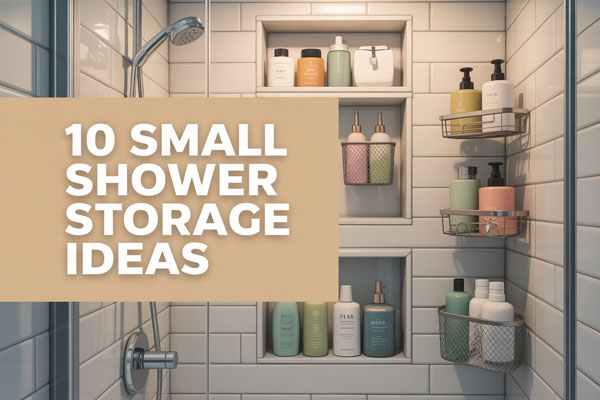
Shampoo bottles on the floor always make a shower look messy, no matter how nice the rest of it is. A built-in concrete niche keeps everything organized while blending into the wall.
It’s one of those small upgrades that changes how the whole shower functions daily. I added one in a renovation once, and honestly, I’d never skip it again.
Why This Works
A niche eliminates clutter and keeps items within easy reach. It also maintains the clean lines of the shower design.
Because it sits flush with the wall, it doesn’t take up extra space.
How to Do It
- Frame the niche between wall studs
- Apply waterproof membrane before finishing
- Coat with concrete or microcement
- Seal properly to protect against moisture
Waterproofing is critical here, or you’ll deal with leaks later.
Style & Design Tips
Match the niche finish with the wall for a seamless look. For contrast, use a slightly darker tone inside the niche.
Avoid making it too small, or it becomes frustrating to use.
Pro Tip or Budget Hack
Use a pre-built niche insert and apply a concrete finish over it to save time and reduce errors.
4. Dark Charcoal Concrete Shower
Light bathrooms dominate design trends, but darker tones create a completely different vibe. A charcoal concrete shower feels bold without being overwhelming when done right.
It adds depth and makes fixtures stand out more. I’ve seen matte black fixtures paired with this, and the result looked insanely polished.
Why This Works
Dark tones absorb light, which creates a cozy and grounded feel. They also highlight contrast elements like metal fixtures.
Concrete’s natural texture prevents the color from looking flat.
How to Do It
- Choose a deep charcoal pigment for the concrete mix
- Apply evenly to avoid patchy color
- Use proper sealing to maintain tone consistency
- Add good lighting to balance the darkness
Without proper lighting, this look can feel too heavy.
Style & Design Tips
Pair with brushed gold or matte black fixtures for a high-end finish. Keep the rest of the bathroom lighter to balance the look.
Avoid overcrowding with accessories, as dark surfaces already make a statement.
Pro Tip or Budget Hack
Use dark-tinted microcement instead of full concrete to achieve the same look at a lower cost.
5. Concrete Shower with Glass Partition
Full shower enclosures can make a bathroom feel boxed in. A glass partition paired with concrete opens things up without losing functionality.
This combo creates a clean, modern layout that feels more spacious. I’ve used this in a compact bathroom, and it completely changed the flow.
Why This Works
Glass allows light to pass through, preventing visual blockage. Concrete adds texture and grounding to balance the openness.
Together, they create a perfect mix of structure and airiness.
How to Do It
- Install a frameless glass panel instead of a full door
- Ensure proper drainage to avoid water spreading
- Apply concrete finish on walls and floor
- Seal all surfaces thoroughly
Good drainage is what makes this setup practical.
Style & Design Tips
Go for clear glass instead of frosted to keep the space open. Use minimal hardware for a cleaner look.
Avoid thick frames that break the visual flow.
Pro Tip or Budget Hack
Use a fixed glass panel instead of a door to reduce cost and simplify installation.
6. Textured Concrete Shower Walls
Flat surfaces can sometimes feel a bit lifeless, especially in larger showers. Adding texture to concrete walls gives the space more personality without cluttering it with extra decor.
It creates subtle movement that changes with light throughout the day. I didn’t expect this to matter much until I saw how it made a plain shower feel more custom.
Why This Works
Texture adds depth without relying on color or accessories. It also hides minor imperfections better than perfectly smooth surfaces.
This makes maintenance easier over time.
How to Do It
- Apply concrete with a trowel for natural texture
- Use stamping or brushing techniques for variation
- Keep the texture subtle for easier cleaning
- Seal properly to protect the surface
Too much texture can trap dirt, so balance is key.
Style & Design Tips
Stick with soft, organic patterns rather than sharp designs. It keeps the look relaxed instead of busy.
Avoid mixing multiple textures in one space, or it starts feeling chaotic.
Pro Tip or Budget Hack
Practice on a small board first to get the texture right before applying it to the full wall.
7. Concrete Shower Floor with Linear Drain
Traditional shower drains can interrupt the design and feel outdated. A linear drain paired with a concrete floor creates a sleek, uninterrupted look.
It also improves water flow when installed correctly. I’ve used this setup once, and it made cleaning noticeably easier.
Why This Works
Linear drains allow for a single slope instead of multiple angles. This simplifies both design and maintenance.
It also enhances the modern aesthetic of concrete.
How to Do It
- Install the linear drain along one edge
- Create a slight slope toward the drain
- Apply concrete finish evenly across the floor
- Seal thoroughly for water resistance
Improper slope leads to water pooling, so precision matters.
Style & Design Tips
Align the drain with the wall for a cleaner layout. Choose a finish that matches your fixtures.
Avoid placing the drain in the center, as it breaks the visual flow.
Pro Tip or Budget Hack
Look for affordable stainless steel linear drains instead of designer versions—they work just as well.
8. Warm-Toned Concrete Shower Finish
Cold grey isn’t the only option when it comes to concrete. Warm-toned finishes bring a softer, more inviting feel that works well in cozy bathrooms.
It’s a great choice if you want something modern without going full industrial. I’ve seen this paired with wood accents, and it felt surprisingly welcoming.
Why This Works
Warm tones balance the natural hardness of concrete. They also complement other materials like wood and brass.
This creates a more layered and comfortable design.
How to Do It
- Add warm pigments to the concrete mix
- Test samples before full application
- Apply evenly for consistent color
- Seal to preserve the tone
Skipping testing can lead to unexpected color results.
Style & Design Tips
Pair with natural wood or brass fixtures for a cohesive look. Keep lighting warm to enhance the effect.
Avoid cool-toned accessories that clash with the finish.
Pro Tip or Budget Hack
Use tinted sealers to adjust the warmth without redoing the entire surface.
9. Concrete Shower with Minimal Fixtures
Too many fixtures can make even a nice shower feel cluttered. Keeping things minimal lets the concrete take center stage.
This approach works especially well in smaller bathrooms where space feels limited. I’ve tried this setup, and it instantly made everything feel calmer and more organized.
Why This Works
Fewer elements create a cleaner visual flow. It also makes cleaning faster and easier.
Concrete becomes the main design feature instead of competing with other elements.
How to Do It
- Choose only essential fixtures
- Use wall-mounted options to save space
- Keep finishes consistent across all hardware
- Plan layout carefully before installation
Planning prevents awkward placement later.
Style & Design Tips
Stick with one or two finishes for a cohesive look. Matte finishes tend to work better with concrete.
Avoid mixing too many styles, or the simplicity gets lost.
Pro Tip or Budget Hack
Skip unnecessary add-ons and invest in one high-quality showerhead instead.
10. Concrete Shower with Integrated Lighting
Lighting often gets ignored in showers, but it changes everything. Integrated lighting within a concrete shower adds both function and atmosphere.
It highlights textures and improves visibility without relying on harsh overhead lights. I’ve seen this done with LED strips, and it looked clean without being flashy.
Why This Works
Built-in lighting enhances depth and visibility. It also adds a subtle design layer without clutter.
Concrete surfaces reflect light softly, which improves the overall effect.
How to Do It
- Install waterproof LED strips in recessed areas
- Plan wiring before applying concrete
- Use warm or neutral lighting tones
- Seal all edges to protect against moisture
Proper sealing ensures long-term safety.
Style & Design Tips
Place lighting under benches or along niches for a soft glow. Avoid overly bright lights that feel harsh.
Keep it subtle so it enhances rather than dominates the space.
Pro Tip or Budget Hack
Use plug-and-play waterproof LED kits to simplify installation and reduce costs.
Concrete Shower Design Foundation: What Actually Makes It Work
Jumping into concrete without a plan usually leads to regrets, not upgrades. The material looks simple on the surface, but the way it behaves depends heavily on prep, sealing, and layout decisions.
Start by thinking about function before style, especially how water moves and where moisture might sit. A good layout always solves drainage first, then builds design on top of it.
Material choice matters more than people expect, and not all “concrete finishes” behave the same. Microcement, overlays, and poured concrete all have different thickness, durability, and installation needs.
Sealing is the part most people underestimate, and it’s honestly the backbone of the entire setup. A poorly sealed concrete shower will stain, absorb moisture, and lose its finish faster than you think.
Key Elements to Get Right First
- Waterproofing comes before anything else, always
- Proper slope ensures water doesn’t pool or damage surfaces
- Sealing protects both appearance and durability
- Lighting placement changes how concrete texture looks
- Ventilation helps prevent long-term moisture issues
Skipping even one of these usually shows up later as maintenance problems.
Choosing the Right Concrete Finish
Polished concrete gives a clean, modern look and works best in smaller spaces. Textured finishes add depth but need a bit more care when it comes to cleaning.
Microcement is usually the easiest option for DIY-friendly upgrades. Traditional poured concrete works great but requires more planning and labor.
Planning for Long-Term Use
Concrete showers are low-maintenance, not no-maintenance. You still need to clean and occasionally reseal to keep the surface looking fresh.
Think about how often the shower gets used and who’s using it daily. Small design choices like bench placement or niche size become very noticeable over time.
Common Mistakes to Avoid
Most concrete shower issues don’t come from the material itself, but from how it’s installed or finished. Avoiding a few common mistakes can save you from expensive fixes later.
Skipping Proper Sealing
Unsealed or poorly sealed concrete absorbs water and stains quickly. It might look fine at first, but problems show up faster than expected.
Always use a high-quality sealer designed specifically for wet areas. Reapply it when needed instead of waiting for visible damage.
Ignoring Drainage Slope
Flat surfaces might look clean, but they don’t work in a shower. Water pooling leads to stains, mold, and long-term damage.
Even a slight slope makes a huge difference in performance. This is one of those details that should never be rushed.
Overdoing Texture
Heavy textures look interesting at first but become a cleaning nightmare. Soap and grime build up faster in uneven surfaces.
Stick with subtle texture that adds depth without creating maintenance issues.
Mixing Too Many Styles
Concrete already has a strong visual presence, so layering too many design elements makes it feel chaotic. It’s easy to go overboard with fixtures, colors, or materials.
Pick a direction and stay consistent throughout the space.
Poor Lighting Choices
Concrete reacts strongly to lighting, and bad lighting can make it look dull or uneven. Harsh overhead lights often kill the texture instead of highlighting it.
Use soft, layered lighting to bring out the finish properly.
Maintenance & Care Guide for Concrete Showers
Keeping a concrete shower in good shape isn’t complicated, but it does require consistency. A little regular care goes much further than occasional deep cleaning.
Daily maintenance mostly comes down to reducing moisture buildup. Wiping down surfaces quickly after use helps prevent water spots and mineral deposits.
Weekly cleaning should stay gentle and simple. Avoid harsh chemicals that can damage the sealant over time.
Easy Maintenance Routine
- Wipe down walls with a soft cloth after showers
- Use mild, pH-neutral cleaners for weekly cleaning
- Avoid abrasive scrubbers that can wear the finish
- Check sealant condition every few months
- Reapply sealer as needed based on usage
These small habits keep the surface looking new for much longer.
When to Reseal
Most concrete showers need resealing every 1–2 years depending on use. High-traffic bathrooms may need it sooner.
If water stops beading on the surface, that’s usually a sign it’s time.
Cost Breakdown & Budget Planning
Concrete showers can range from surprisingly affordable to high-end depending on how you approach them. The final cost depends more on method than material.
Microcement and overlays are usually the most budget-friendly options. They avoid demolition and reduce labor time significantly.
Poured concrete and custom builds cost more but offer maximum customization. These work better in full remodels rather than quick upgrades.
Where Your Budget Goes
- Material (microcement, overlay, or poured concrete)
- Labor or installation tools
- Waterproofing systems
- Sealants and finishing products
- Fixtures and accessories
Planning these ahead of time helps avoid unexpected expenses.
Smart Ways to Save
Focus on one feature instead of upgrading everything at once. Even a single concrete wall or niche can change the look.
DIY-friendly kits reduce labor costs but require patience and attention to detail.
Concrete Shower FAQ
Is concrete safe for showers?
Yes, concrete works well in showers when it’s properly sealed and waterproofed. Without sealing, it can absorb moisture and cause issues.
Does concrete crack over time?
Minor hairline cracks can happen, especially in larger surfaces. Proper installation and flexible coatings help reduce this risk.
Is a concrete shower hard to clean?
Not really, as long as the surface is smooth or lightly textured. Regular wiping and mild cleaning products keep it low maintenance.
Can I install a concrete shower over existing tiles?
Yes, microcement and overlays can go directly over tiles. This makes it a popular option for renovations.
Does concrete feel cold in a shower?
It can feel slightly cool, but warm lighting and proper design balance that out. Pairing it with warmer tones helps a lot.
How long does a concrete shower last?
With proper care and resealing, a concrete shower can last many years. It’s one of the more durable options available.
Final Thoughts
Concrete showers aren’t just about looks—they solve real everyday problems while upgrading the space visually. Once you get the basics right, the design possibilities open up quickly.
Pick one idea that fits your space and start there instead of overcomplicating everything. I’ve learned that even a small upgrade can completely shift how a bathroom feels.