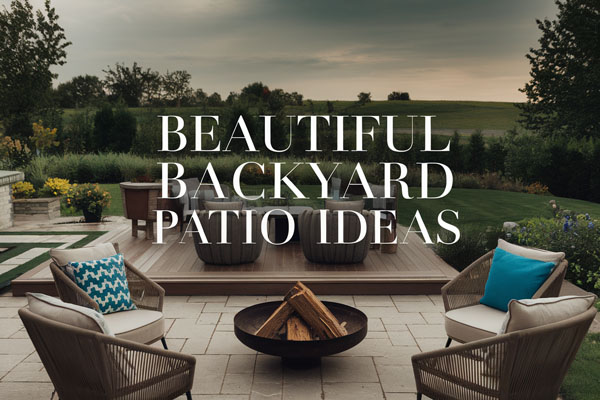
10 Corner Patio Ideas to Maximize Outdoor Space
Corners waste potential. I said it, and I stand by it. Most patios leave corners empty, awkward, or full of random junk that never looks intentional.
I learned this the hard way after tripping over a sad plastic chair I kept “temporarily” in a corner for two summers. Once I finally fixed that spot, the entire patio felt bigger, calmer, and way more usable.
If your patio feels cramped or unfinished, your corners probably cause the problem.

Let’s fix that.
1. Corner Built-In Bench That Feels Custom
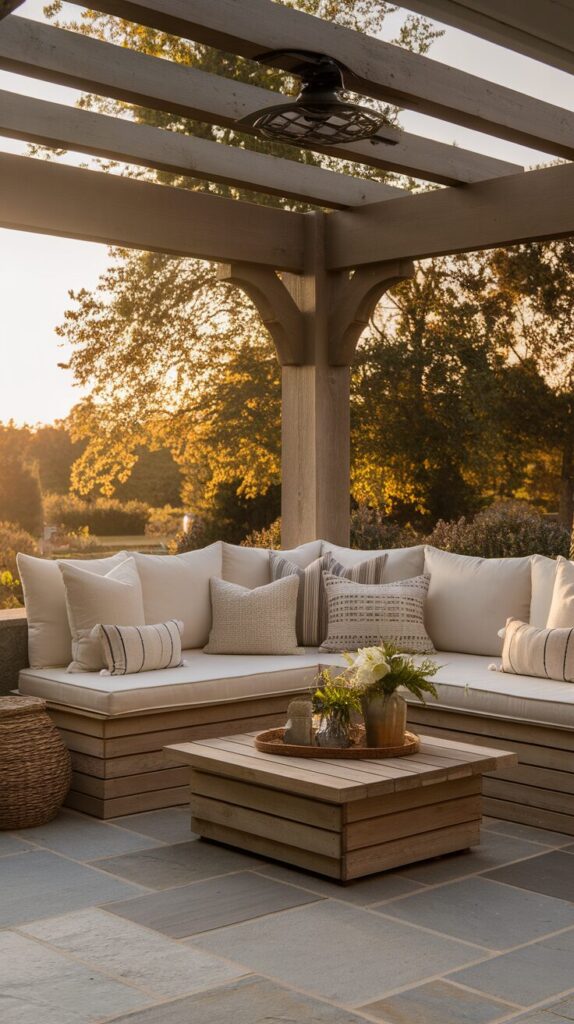
Every patio corner begs for seating, yet people keep forcing chairs where they never fit right. A corner bench uses dead space and turns it into a cozy hangout spot that actually feels planned. I love this idea because it anchors the patio instead of letting furniture float around awkwardly.
The real magic comes from how natural it feels once it’s in place. Corners already create structure, so a bench slips right in without blocking walkways. You also gain more seating than individual chairs without making the space feel crowded.
Why This Works
Corners naturally support L-shaped furniture, so you get stability and flow at the same time. The bench keeps foot traffic open while defining a clear seating zone. This setup makes small patios feel intentional instead of accidental.
How to Do It
- Measure the corner wall lengths and subtract walking clearance.
- Build or buy an L-shaped bench that fits snugly.
- Secure the bench to the wall or ground for safety.
- Add seat cushions designed for outdoor use.
Style & Design Tips
Stick to slim bench profiles to avoid a bulky look. Neutral cushions keep things flexible, while patterned pillows add personality. Avoid oversized backs that block sightlines or views.
Pro Tip or Budget Hack
Use weather-treated plywood and outdoor paint instead of expensive hardwoods. I once saved hundreds by building a bench frame myself and splurging only on good cushions.
2. Vertical Corner Planter Wall for Instant Privacy
Corners feel empty until plants step in. A vertical planter wall turns unused vertical space into something lush, calming, and surprisingly practical. I swear plants fix everything, especially awkward patio layouts.
This idea works wonders if you want privacy without bulky fencing. It also softens hard lines and makes even tiny patios feel alive and intentional.
Why This Works
Vertical planters draw the eye upward, which visually expands the space. Plants absorb sound, soften edges, and add movement with almost zero footprint. Corners support vertical structures without interfering with circulation.
How to Do It
- Install a vertical garden frame or wall-mounted planters.
- Choose plants that thrive outdoors in your climate.
- Use lightweight containers to reduce wall stress.
- Add drip trays or self-watering systems.
Style & Design Tips
Mix trailing plants with upright greenery for depth. Avoid overcrowding, or the wall looks messy instead of curated. Stick to a limited plant palette for a cleaner look.
Pro Tip or Budget Hack
Use recycled wooden pallets sealed with outdoor varnish. I’ve done this twice, and it looks custom without the custom price tag.
3. Corner Fire Pit Lounge That Feels Intimate
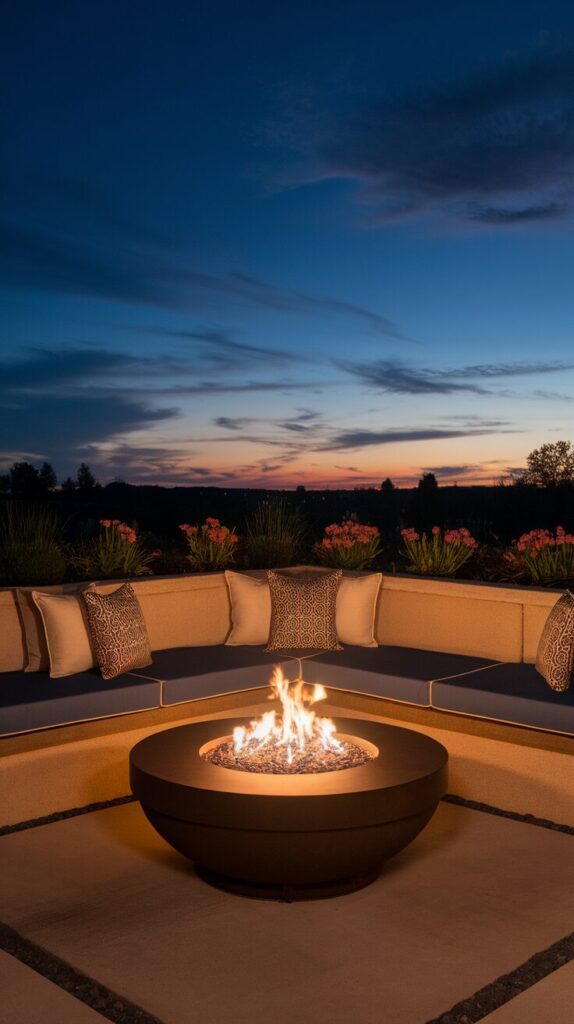
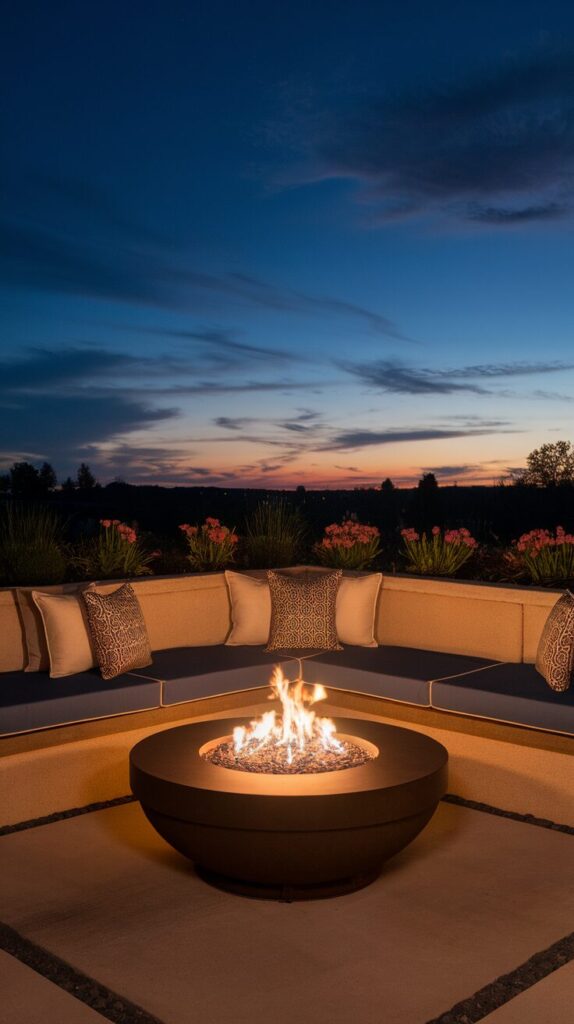
Fire pits don’t belong in the middle of small patios. A corner fire pit creates warmth without stealing precious walking space. This setup instantly turns an unused corner into the social heart of your patio.
I love how this idea encourages conversation without feeling forced. People naturally gather around fire, especially when seating wraps comfortably around it.
Why This Works
Corners naturally contain heat and light, which makes the fire pit feel cozy instead of exposed. This layout creates a destination without dominating the patio. The fire pit also visually anchors the space.
How to Do It
- Choose a compact fire pit designed for small spaces.
- Position seating in an L-shape around it.
- Maintain safe clearance from walls and furniture.
- Use fire-rated materials nearby.
Style & Design Tips
Stick with low-profile seating to keep sightlines open. Dark finishes hide soot better and feel grounded. Avoid oversized fire pits that overpower the corner.
Pro Tip or Budget Hack
Propane fire bowls offer easy setup and minimal maintenance. I switched from wood to propane and never looked back.
4. Corner Bistro Set for Coffee Moments
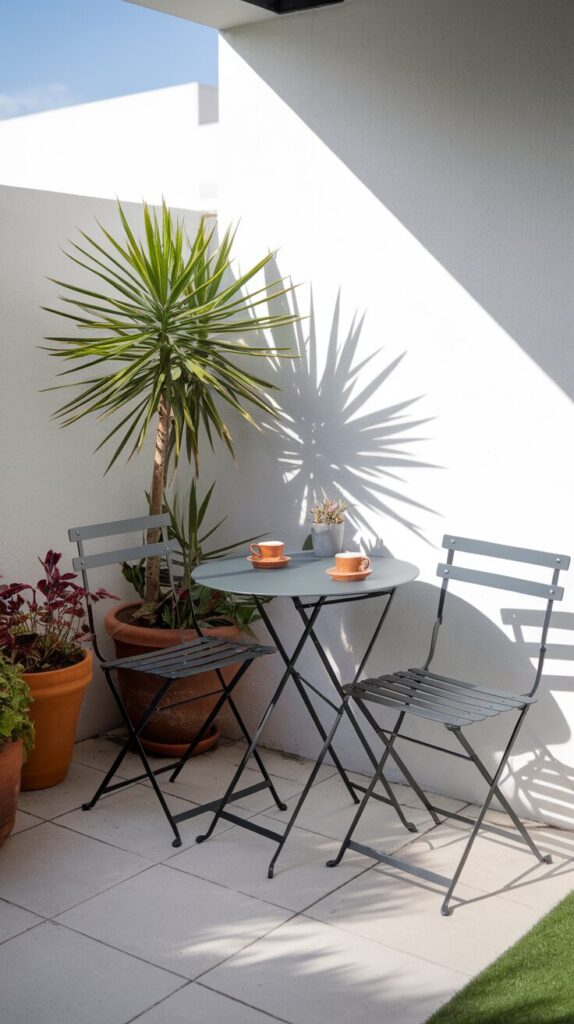
Not every patio needs a full dining table. A corner bistro set gives you a perfect spot for coffee, wine, or quiet conversations. This idea feels light, flexible, and refreshingly low-commitment.
I added one to my own patio and suddenly used the space every morning. Corners make bistro setups feel tucked in rather than exposed.
Why This Works
Small tables fit naturally into corners without blocking movement. The setup creates a functional zone without overwhelming the patio. You gain usability without sacrificing breathing room.
How to Do It
- Choose a round or triangular table for easier flow.
- Select lightweight chairs that move easily.
- Leave clearance for standing and sitting.
- Add a small outdoor rug to define the space.
Style & Design Tips
Metal or wood works well for durability. Keep chairs armless to save space. Avoid bulky cushions that overwhelm the setup.
Pro Tip or Budget Hack
Thrift stores often carry solid bistro sets that just need paint. I refreshed mine with outdoor spray paint and saved a ton.
5. Corner Outdoor Storage Bench That Hides Everything
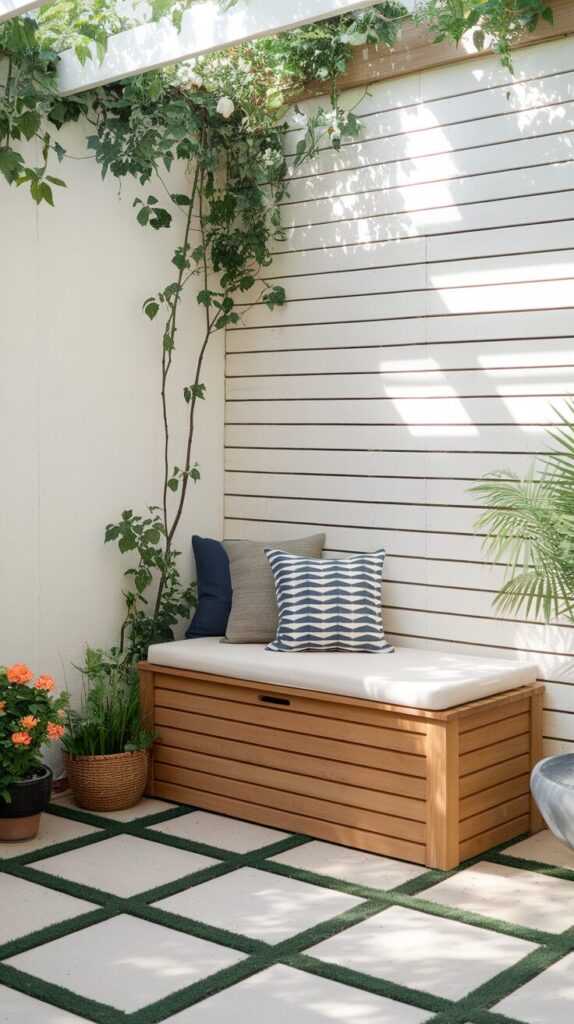
Patios collect stuff fast. Cushions, tools, toys, and mystery items always end up piled somewhere. A corner storage bench hides the chaos while giving you extra seating.
This idea solves two problems at once, which always earns bonus points from me. It keeps the patio clean without sacrificing comfort.
Why This Works
Corners naturally disguise storage without drawing attention. The bench keeps clutter contained while maintaining visual balance. This setup supports function without looking utilitarian.
How to Do It
- Choose a weatherproof storage bench.
- Position it flush against corner walls.
- Store frequently used items for easy access.
- Add cushions for comfort.
Style & Design Tips
Match the bench color to your patio furniture. Simple lines look cleaner in small spaces. Avoid overly decorative designs that draw attention to storage.
Pro Tip or Budget Hack
Deck boxes often cost less than benches and still double as seating. Add a cushion and nobody notices the difference.
6. Corner Pergola or Privacy Screen for Structure
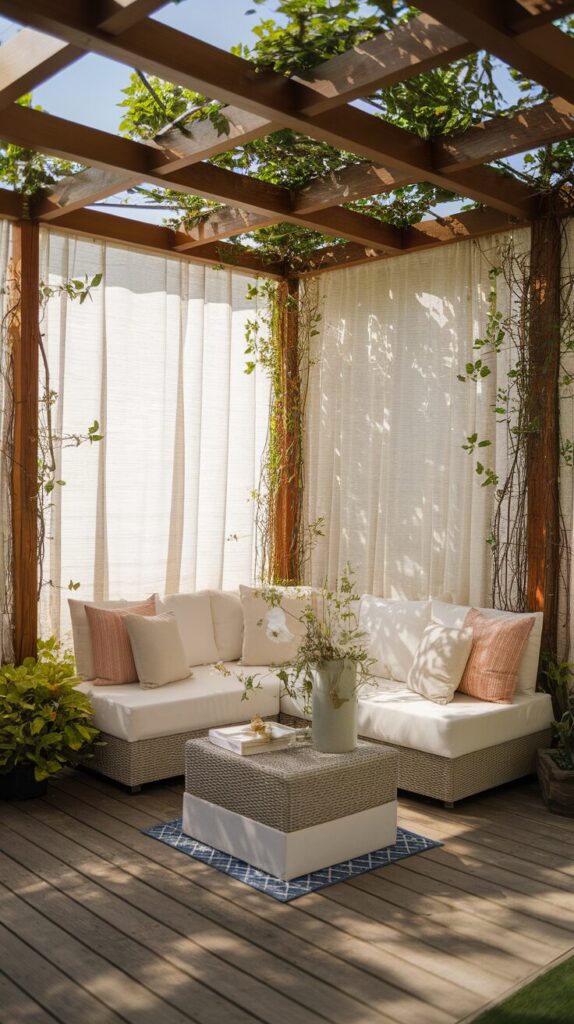
Corners feel unfinished without vertical definition. A pergola or privacy screen gives the patio structure and purpose. I love how this instantly upgrades the space without a full remodel.
This idea works especially well for patios that feel exposed or undefined. Corners support these structures naturally and discreetly.
Why This Works
Vertical elements frame the patio and create a sense of enclosure. Corners offer natural support points for posts and panels. This addition improves both aesthetics and comfort.
How to Do It
- Install a small pergola or screen in the corner.
- Secure posts properly for stability.
- Add climbing plants or fabric panels.
- Ensure airflow remains open.
Style & Design Tips
Stick to slim posts for a lighter look. Neutral finishes blend best with outdoor spaces. Avoid heavy lattice that blocks light.
Pro Tip or Budget Hack
Use outdoor curtains instead of solid panels. I love how flexible they feel and how easily they adjust for privacy.
7. Corner Water Feature for Relaxing Sound
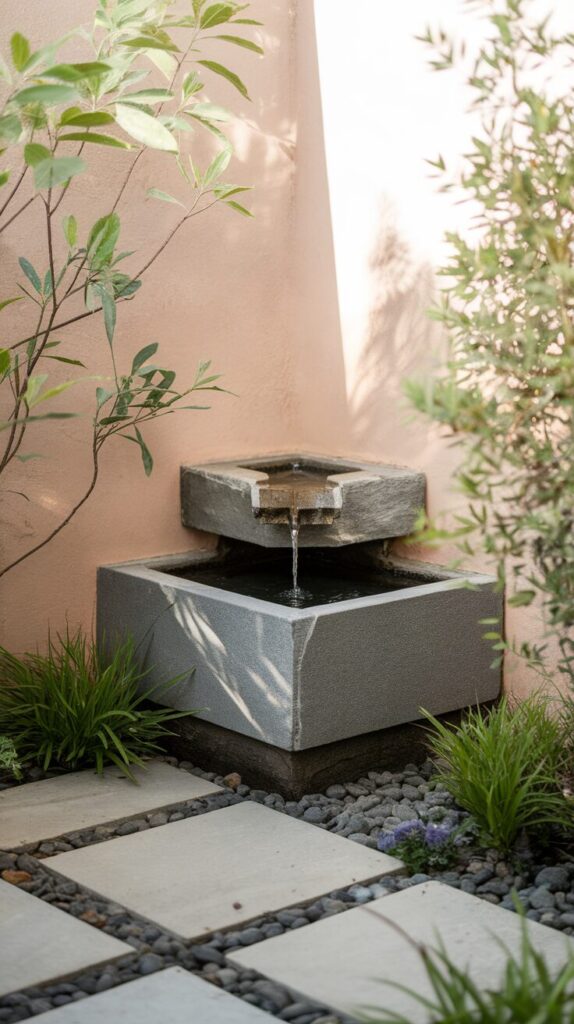
Water calms everything. A small corner fountain adds movement, sound, and serenity without taking up floor space. This idea transforms patios into mini retreats.
I hesitated before adding one, but now I can’t imagine the space without it. The sound alone changes the entire vibe.
Why This Works
Corners contain sound and prevent splashing from spreading. Vertical fountains maximize impact with minimal footprint. This feature adds luxury without clutter.
How to Do It
- Choose a self-contained water feature.
- Place it on a stable, level surface.
- Ensure access to power if needed.
- Clean regularly to prevent buildup.
Style & Design Tips
Stone and ceramic feel timeless outdoors. Avoid overly ornate designs that feel busy. Let the water remain the focal point.
Pro Tip or Budget Hack
Solar-powered fountains eliminate wiring headaches. I started with one and upgraded later without regret.
8. Corner Outdoor Bar for Entertaining
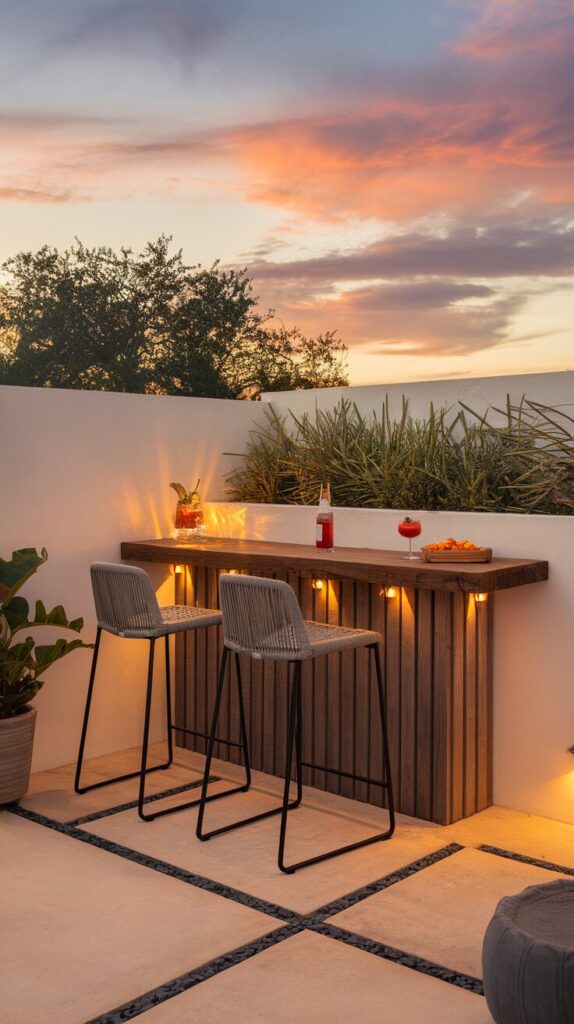
Corners make perfect bar zones. An outdoor bar tucked into a corner keeps traffic flowing while creating a fun focal point. This idea feels social without taking over the patio.
I’ve hosted more casual hangouts since adding mine. People naturally gather there without crowding other areas.
Why This Works
Corners support counter height without blocking pathways. The bar defines an entertainment zone without spreading out. This setup balances function and flow beautifully.
How to Do It
- Install a compact bar cabinet or counter.
- Add bar stools that tuck underneath.
- Store essentials inside weatherproof compartments.
- Light the area for evening use.
Style & Design Tips
Wood tones feel warm and inviting. Keep countertops slim to save space. Avoid oversized stools that block movement.
Pro Tip or Budget Hack
Repurpose an old console table with outdoor sealant. I’ve done this twice, and guests always assume it’s custom.
9. Corner Lounge Chairs with Side Table
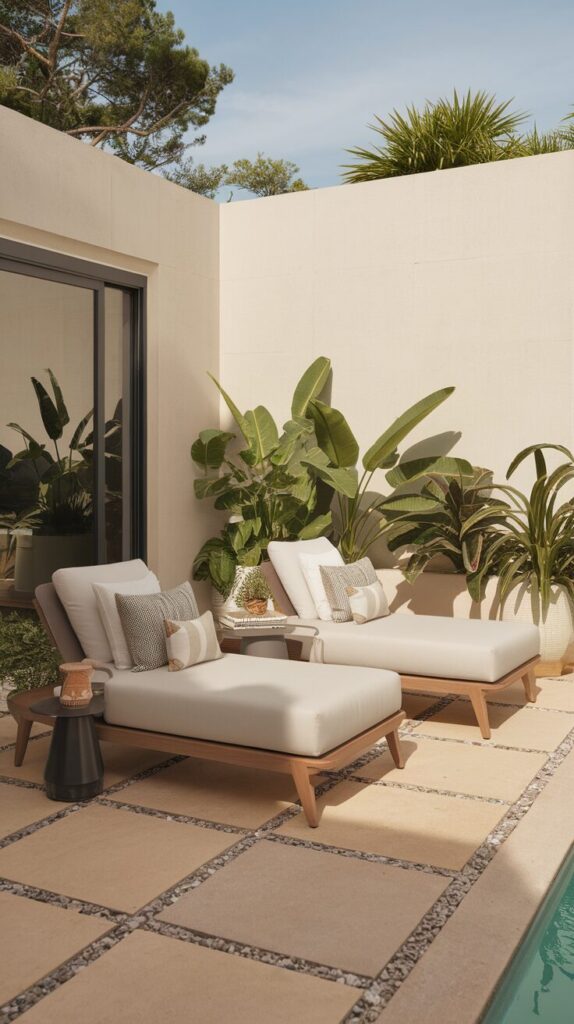
Sometimes simple wins. A pair of lounge chairs with a side table creates an instant relaxation zone. Corners help this setup feel intentional rather than random.
This idea works great for reading, sunbathing, or unwinding solo. I use mine when I want quiet without committing to full hosting mode.
Why This Works
Corners naturally frame seating and reduce visual clutter. The setup feels grounded and balanced. You get comfort without overcrowding the patio.
How to Do It
- Choose slim-profile lounge chairs.
- Add a small side table between them.
- Angle chairs slightly inward.
- Keep clearance behind seating.
Style & Design Tips
Matching chairs create harmony. Light-colored cushions brighten corners. Avoid oversized recliners that dominate the space.
Pro Tip or Budget Hack
Look for stackable chairs that store easily. I rotate mine seasonally and save space when needed.
10. Corner Lighting Setup That Sets the Mood
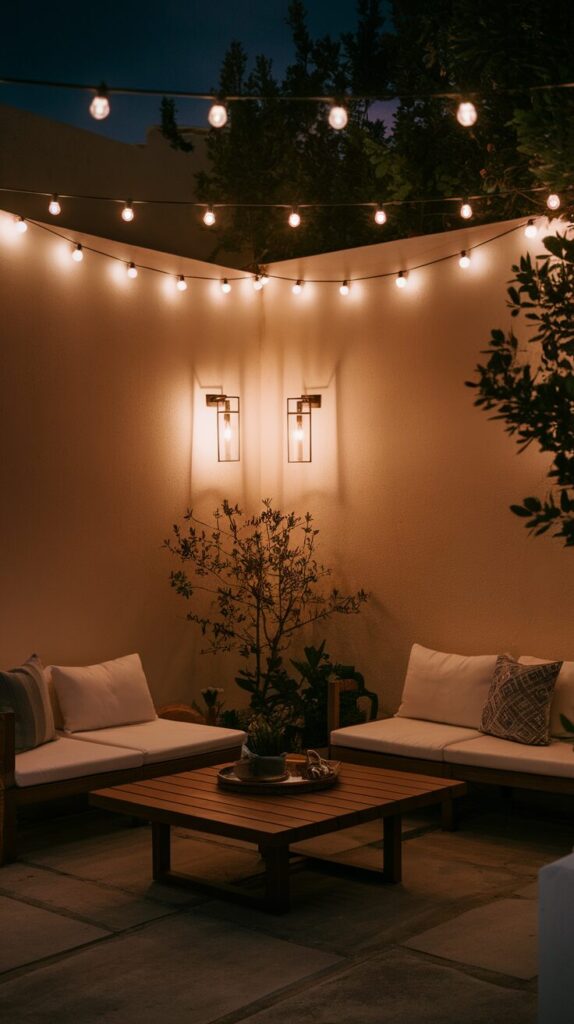
Lighting changes everything. A corner lighting setup defines ambiance without cluttering the patio. This idea pulls the entire space together once the sun sets.
I ignored lighting for years and regretted it instantly. Once I added it, the patio felt finished.
Why This Works
Corners hide wiring and anchor fixtures discreetly. Light spreads outward naturally from corners. This setup creates warmth without harsh glare.
How to Do It
- Install string lights or sconces in the corner.
- Angle lights to wash the space evenly.
- Use warm bulbs for comfort.
- Connect to timers or solar sources.
Style & Design Tips
Soft lighting feels inviting. Avoid harsh white bulbs outdoors. Layer lighting for depth and flexibility.
Pro Tip or Budget Hack
Solar string lights cost less and install faster. I use them everywhere and rarely miss wired options.
The Smart Corner Patio Planning Framework
Before you move furniture or buy anything, you need a simple plan. Random upgrades create clutter, but strategic changes create flow. I always start with a quick patio reset so I see the space clearly.
First, define the purpose of each corner. One corner can support seating, another can handle storage, and another can create ambiance with lighting or plants. When every corner has a job, the patio instantly feels intentional.
Next, measure everything. I know measuring feels boring, but it saves you from buying pieces that overwhelm the space. Corners exaggerate sizing mistakes, so accurate dimensions protect both your layout and your budget.
Then, prioritize vertical space. Small patios expand visually when you build upward instead of outward. Vertical planters, screens, and lighting stretch the eye and make the entire patio feel taller and more open.
Finally, layer function before décor. Add seating, storage, and structure first, then bring in pillows, plants, and styling. This order keeps your patio practical while still looking curated.
How to Balance Function and Style in Small Corners
Many patios look good but feel awkward. I’ve seen beautiful setups that block walking paths or crowd doorways, and that kills usability fast. You need balance between comfort and clearance.
Keep at least 24–30 inches of walking space around major furniture. This simple rule protects flow and prevents corners from feeling boxed in. If you can’t walk comfortably, the layout needs adjusting.
Choose multipurpose pieces whenever possible. Storage benches, nesting tables, and stackable chairs work harder without taking extra space. Smart furniture choices reduce clutter automatically.
Stick to a consistent color palette. When corners follow the same tone or finish, the patio feels cohesive instead of patchy. Visual consistency makes small spaces feel bigger.
Common Mistakes to Avoid
Overcrowding the Corner
People assume corners hold more than they actually do. Oversized sectionals or bulky storage boxes swallow the space and restrict movement. Always scale furniture slightly smaller than you think you need.
Ignoring Drainage and Weather
Outdoor corners collect water and debris quickly. If you install wood or cushions without considering moisture, damage happens fast. Choose weather-resistant materials and elevate furniture slightly when possible.
Blocking Natural Light
Tall solid screens or heavy panels can darken the patio. Light keeps outdoor spaces inviting and open. Use slatted panels or sheer curtains instead of solid walls.
Skipping Anchoring and Stability
Loose furniture in corners shifts over time. Wobbly benches or unstable pergolas create safety issues. Secure larger pieces properly to protect both guests and your investment.
Mixing Too Many Focal Points
Every corner doesn’t need drama. If you add a fire pit, water feature, and bar all in one small patio, the space feels chaotic. Pick one standout feature and let other corners support it.
Corner Patio Maintenance Essentials
Smart design only works when you maintain it. I learned this lesson after neglecting cushions one rainy season, and I never repeated that mistake.
Clean corners weekly to prevent dirt buildup. Corners collect leaves, dust, and moisture faster than open areas. A quick sweep and wipe-down keeps everything looking fresh.
Inspect structural elements seasonally. Check pergola posts, wall planters, and lighting fixtures for wear. Small fixes now prevent expensive repairs later.
Store cushions during extreme weather. Even “weatherproof” fabrics last longer when you protect them. A storage bench or deck box makes this step easy.
Refresh styling once or twice a year. Swap pillows, update plants, or adjust lighting to keep the patio feeling current. Small updates create big visual impact.
Frequently Asked Questions
How do I choose which corner to upgrade first?
Start with the corner you notice most often. Choose the one visible from inside your home or closest to seating. Improving that area creates instant impact.
Can I use more than one idea on a small patio?
Yes, but you need balance. Pair one major feature with one or two lighter upgrades. Avoid stacking multiple heavy elements together.
What materials last longest in patio corners?
Weather-treated wood, powder-coated metal, and outdoor-rated fabrics hold up well. These materials resist moisture and temperature shifts better than untreated options.
Do corner setups work on balconies?
Absolutely. Balconies benefit even more from corner planning because space feels tighter. Focus on vertical storage and slim seating.
How much should I budget for a corner patio upgrade?
Budgets vary widely based on materials and scale. You can refresh a corner for a few hundred dollars with DIY upgrades. Larger structures like pergolas require a higher investment.
Will corner upgrades make my patio look smaller?
No, strategic corner upgrades actually improve visual flow. When corners feel intentional, the patio looks more organized and spacious. Thoughtful placement expands the perceived space.
Final Thoughts
You don’t need more space to enjoy your patio. You just need to stop ignoring the corners and start using them with intention.
Try one idea first and live with it for a week. I promise that once one corner works, you’ll want to fix every other one too.