15 Cozy Small Living Room Ideas for Stylish Apartments
Small living rooms have a weird reputation, and honestly, they don’t deserve it. I’ve lived with tiny apartment living rooms that somehow felt warmer and more “me” than larger spaces.
When space feels limited, style choices matter more, and that’s actually a good thing.
If your living room feels cramped, awkward, or just plain boring, you’re not alone. I’ve rearranged sofas at midnight and regretted rug sizes more times than I’ll admit.
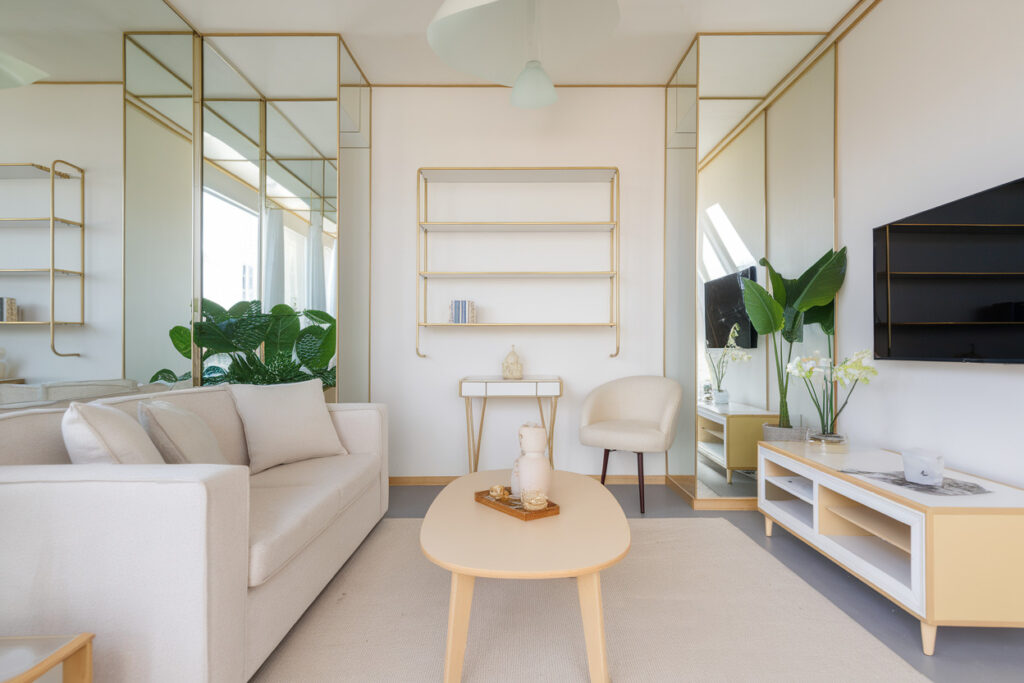
Let’s talk through cozy, realistic ideas that actually work in small apartments without trying too hard.
1. Choose a Compact Sofa That Actually Fits
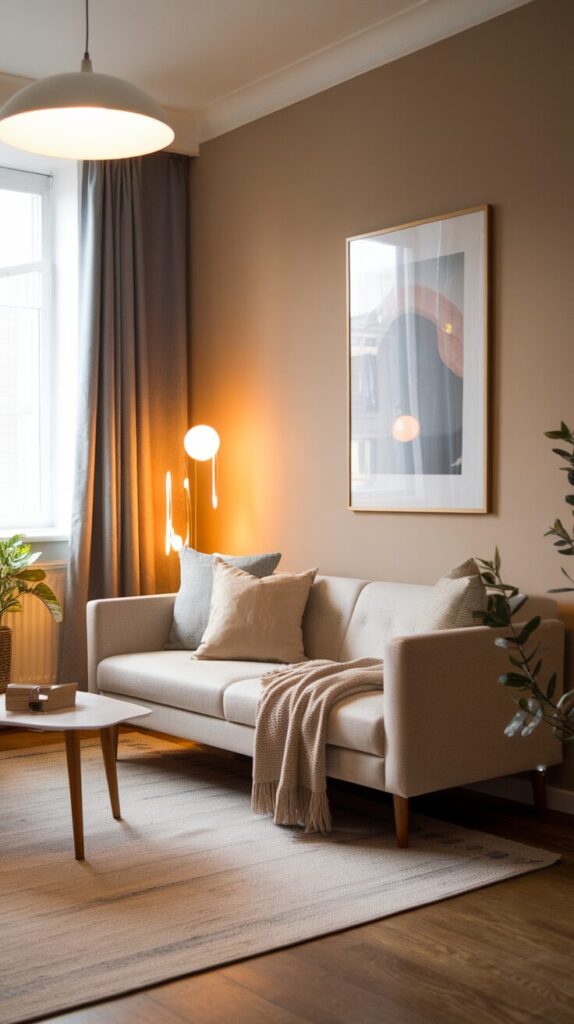
A small living room lives or dies by the sofa choice, and I say that from painful experience. Oversized sofas look comfy in stores, but they bully small apartments into submission. A compact sofa keeps the room breathable and makes everything else easier.
I always look for sofas with slim arms and exposed legs because they visually lighten the space. Bulky arms eat up square footage faster than you expect, and nobody enjoys that surprise. A tailored, apartment-sized sofa gives you comfort without stealing the whole room.
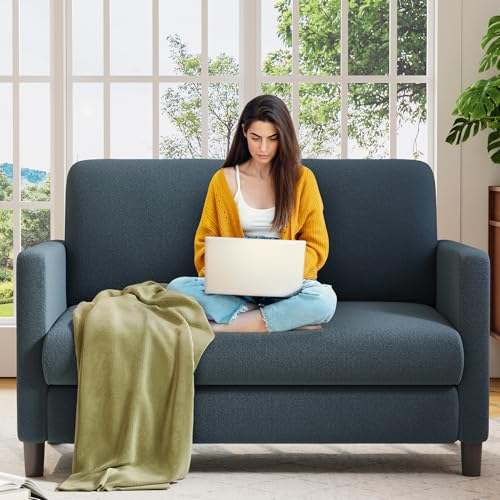
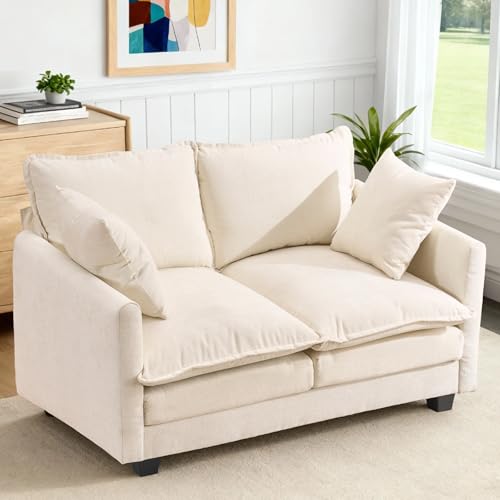
Neutral colors work best here, but I still like subtle texture like boucle or soft linen. Texture adds warmth without visual clutter, which matters in tight spaces. Wouldn’t you rather curl up on something cozy than wrestle with a couch that dominates the room?
2. Use Light, Warm Wall Colors for an Airy Feel
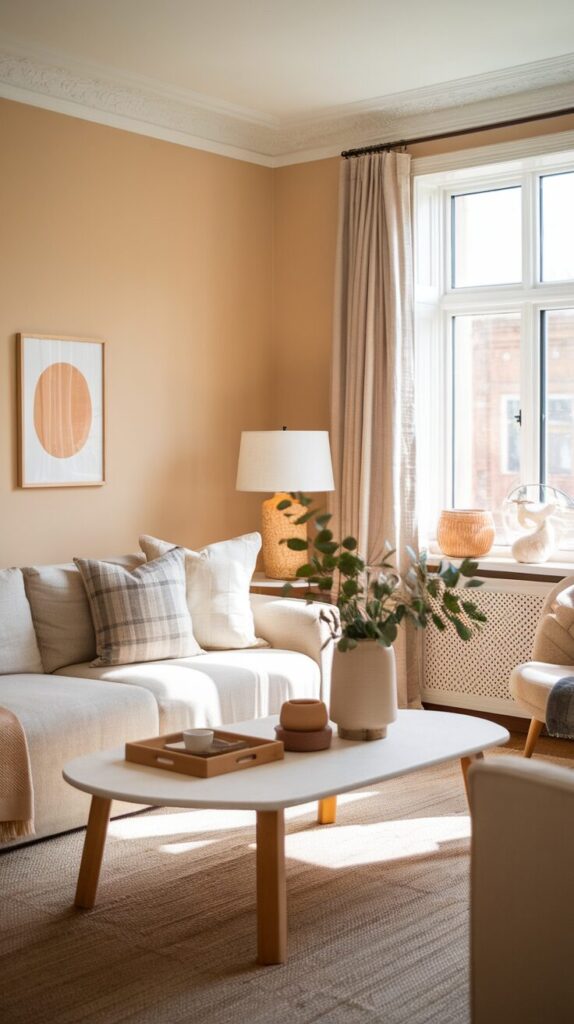
Wall color changes everything in a small living room, and I don’t say that lightly. Dark colors can look stunning, but they close in fast if you don’t balance them perfectly. Light, warm shades open things up while keeping the space inviting.
I personally love soft beige, creamy white, or warm greige because they feel calm instead of sterile. Bright white can feel harsh, especially at night under artificial lighting. Warm neutrals reflect light and make small apartments feel larger without feeling cold.

If you want color, try it in undertones rather than bold saturation. A blush-leaning beige or soft sage can feel cozy without shrinking the room. Doesn’t your living room deserve to feel welcoming at all hours?
3. Add a Rug That Grounds the Space Properly
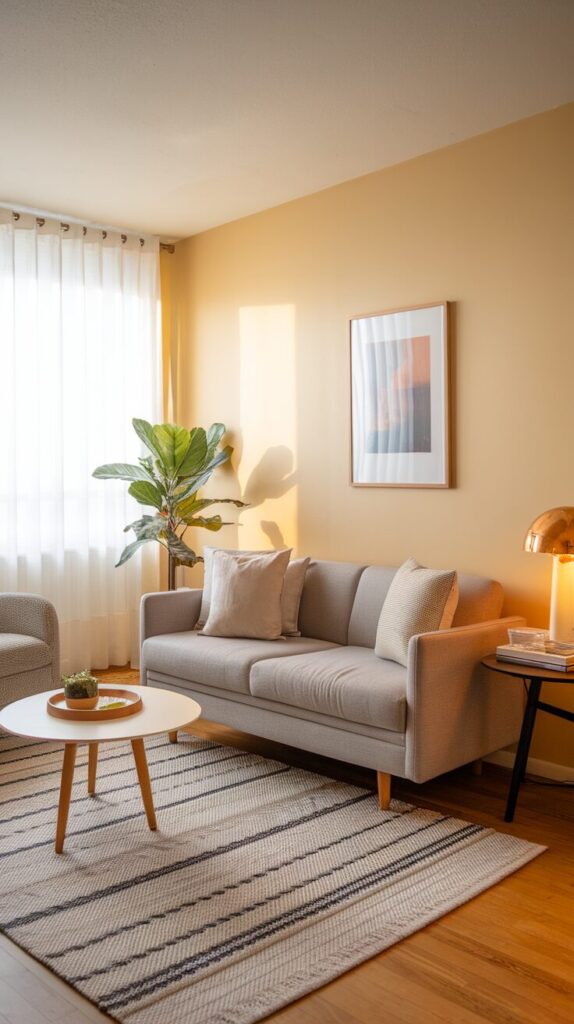
Rugs confuse people more than they should, especially in small living rooms. Too small looks awkward, and too big feels overwhelming if you choose the wrong pattern. The trick lies in proportion and softness.
I always suggest placing at least the front legs of your sofa on the rug. This simple move visually connects furniture and makes the room feel intentional. A properly sized rug anchors the space and adds instant warmth underfoot.
Stick with low-pile or flatweave rugs to avoid bulk. Thick shag can feel cozy, but it eats visual space fast in apartments. Wouldn’t you rather walk into a living room that feels pulled together instead of chopped up?
4. Layer Lighting Instead of Relying on One Source
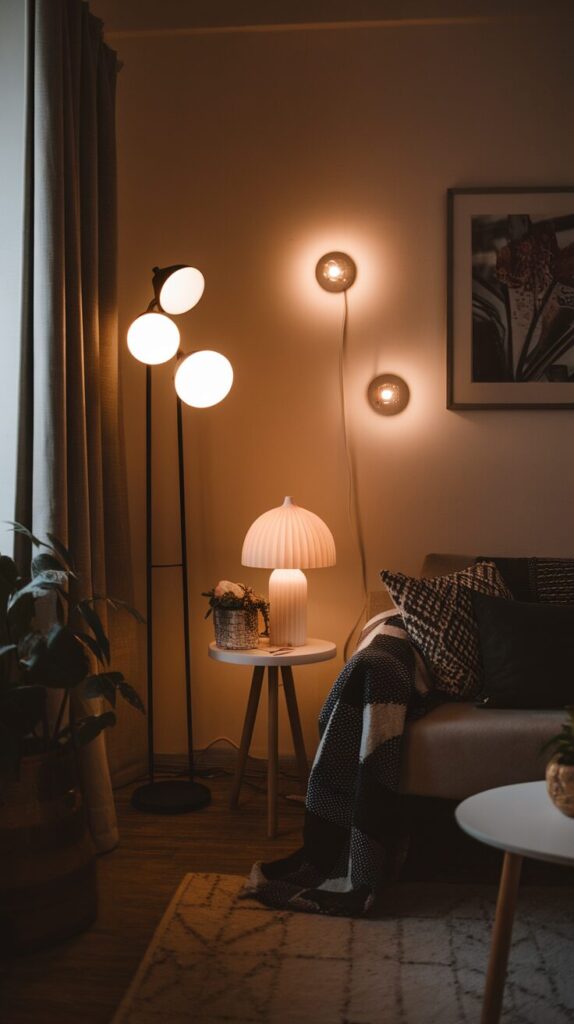
Overhead lighting alone kills cozy vibes faster than anything else. I learned this the hard way when my living room felt like a waiting room. Layered lighting changes the mood instantly, even in tiny spaces.
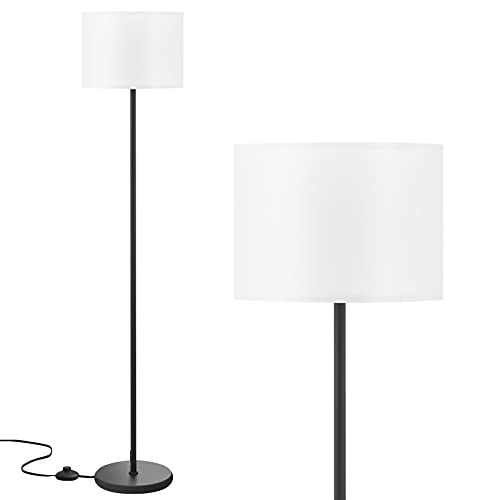
I usually combine a floor lamp, a table lamp, and soft ambient light like wall sconces. This setup adds depth without taking up much space. Multiple light sources create warmth and flexibility in small living rooms.
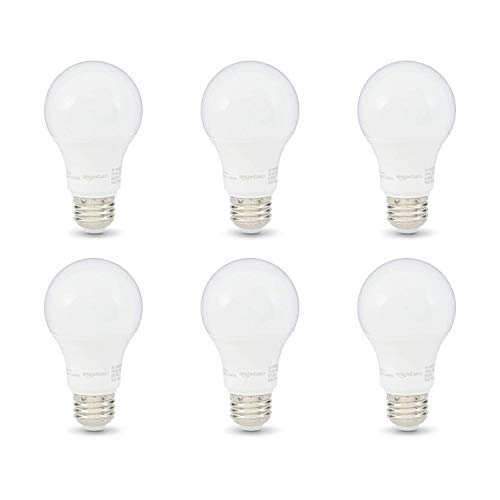

Warm bulbs matter more than people admit. Cool light drains coziness no matter how cute your furniture looks. Who wants a stylish apartment that feels like an office after sunset?
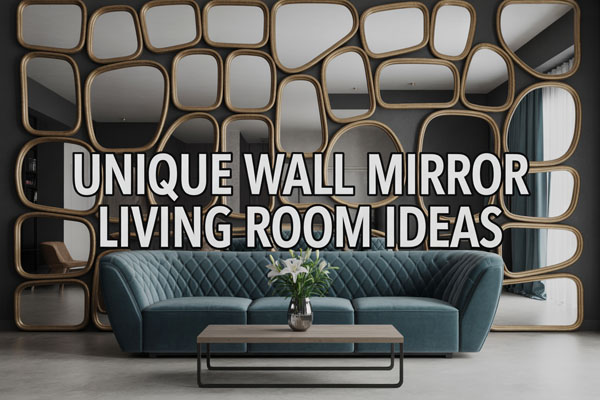
5. Use Mirrors to Expand Visual Space
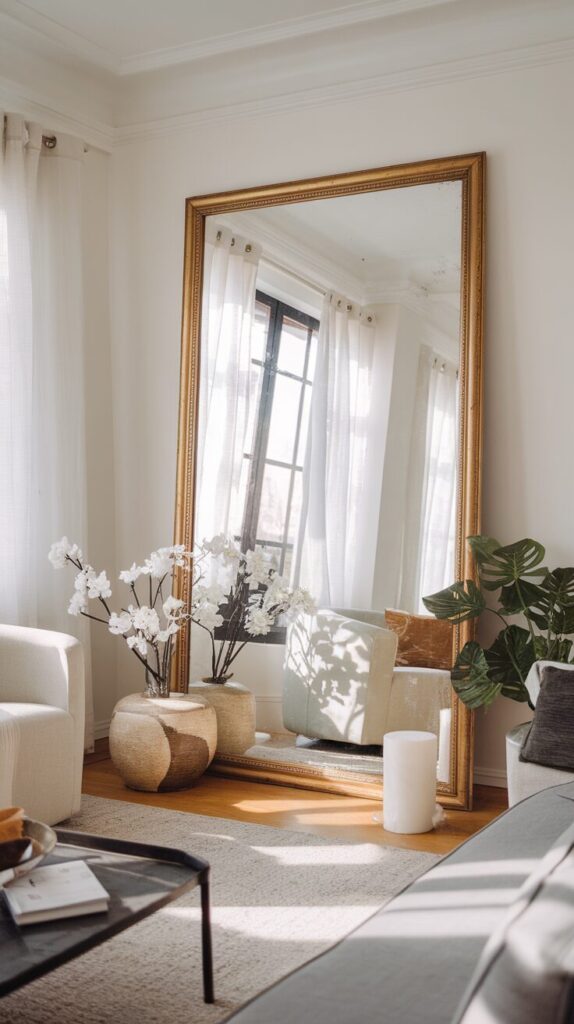
Mirrors feel like cheating, but I fully support it. They reflect light, add depth, and trick your eyes into seeing more space. In small apartments, that’s a win.
I like placing a medium to large mirror across from a window if possible. This placement bounces natural light and instantly brightens the room. Mirrors make small living rooms feel open without adding clutter.


Choose frames that match your style so the mirror feels intentional. Thin metal frames look modern, while wood frames add warmth. Wouldn’t you rather double the light without doubling the rent?
6. Pick Multifunctional Furniture That Works Hard
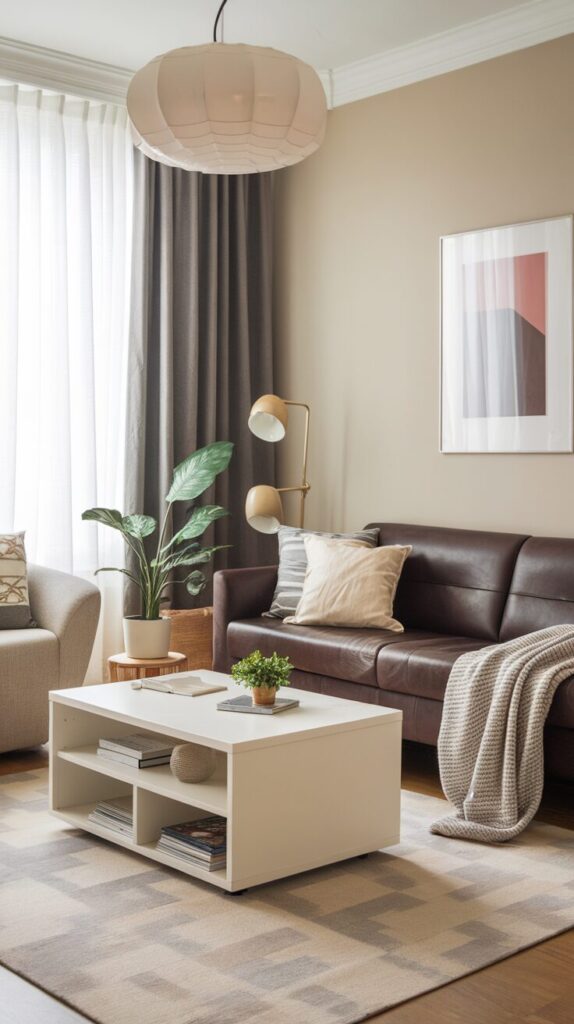
Every piece of furniture in a small living room needs to earn its place. I’ve stopped buying items that only do one thing because space doesn’t allow that luxury. Multifunctional pieces feel like quiet heroes.
Think ottomans with storage, coffee tables with shelves, or benches that double as seating. These items reduce clutter while adding function. Smart furniture choices keep your living room usable and cozy at the same time.
I especially love storage ottomans because they hide blankets, remotes, and random clutter. No one needs to see that chaos. Doesn’t it feel better when your space works with you instead of against you?
7. Create Vertical Interest with Shelving
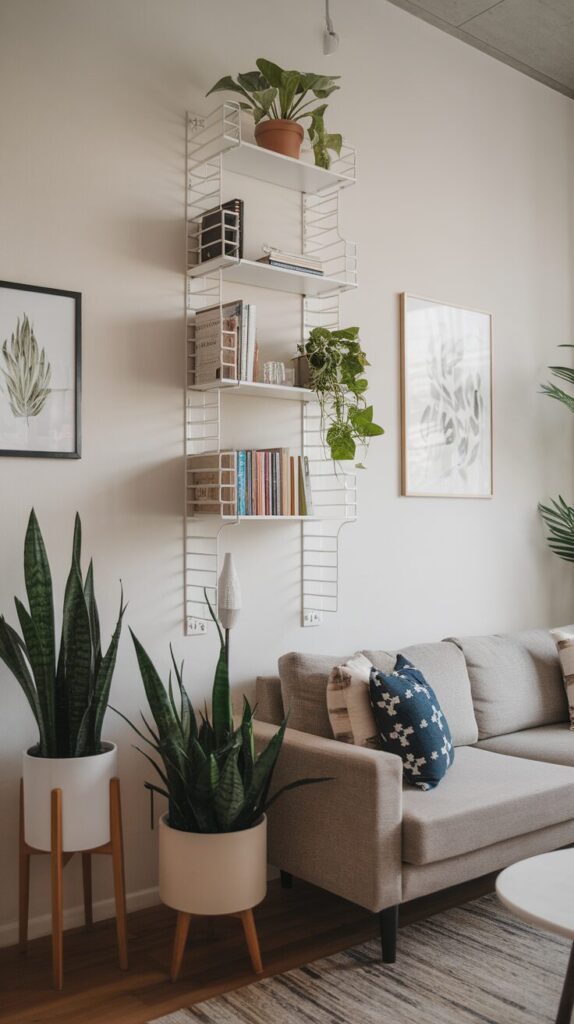
Small living rooms benefit from thinking upward instead of outward. Vertical shelving draws the eye up and makes ceilings feel taller. I use this trick constantly in apartments.
Floating shelves keep things light and airy compared to bulky bookcases. You can display books, plants, and a few decor pieces without overwhelming the room. Vertical shelving adds storage and style without stealing floor space.


Keep shelf styling minimal so it doesn’t look cluttered. I stick to odd numbers and leave breathing room between items. Wouldn’t you rather admire your shelves than feel stressed by them?
8. Keep Window Treatments Light and Simple
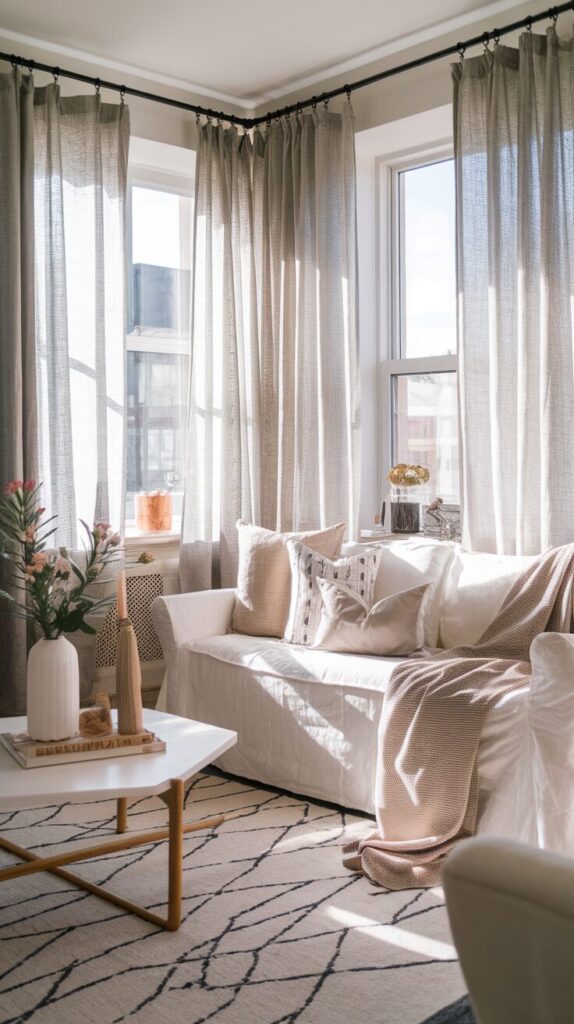
Heavy curtains weigh down small living rooms fast. I learned that lesson after hanging dark drapes that swallowed my walls. Light window treatments make a huge difference.
Sheer curtains or light linen panels allow natural light to flow freely. Mounting rods higher than the window frame also creates the illusion of height. Simple window treatments keep small apartments feeling open and relaxed.
If privacy worries you, layer sheers with light-filtering panels. This combo gives flexibility without bulk. Don’t you love when sunlight actually reaches your sofa?
9. Add Cozy Textures Through Soft Furnishings
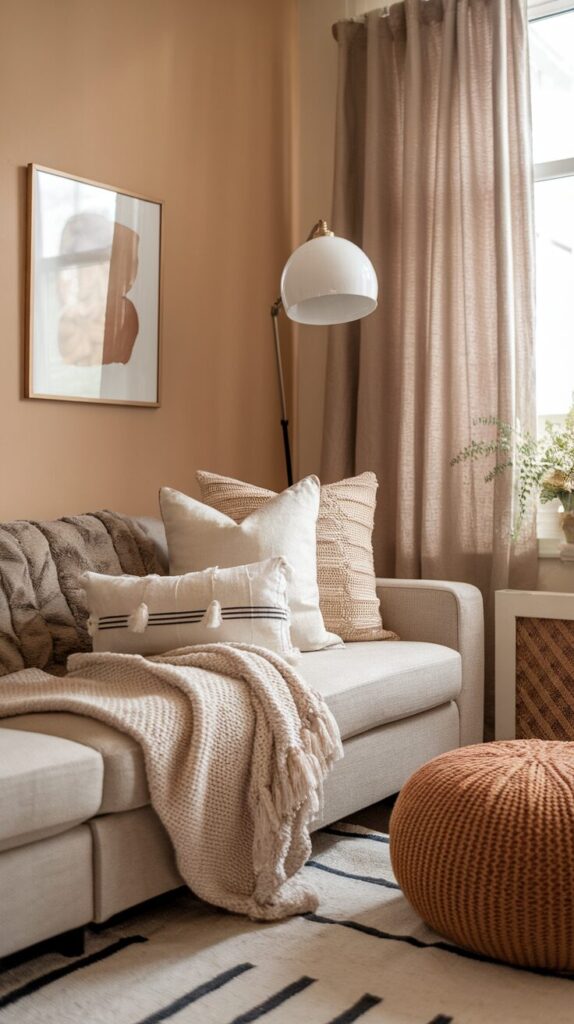
Texture creates coziness without needing extra furniture. I lean heavily on throw pillows, blankets, and soft fabrics in small living rooms. These details make the space feel lived-in, not staged.
Mix materials like knit throws, velvet pillows, and cotton covers for balance. Too much of one texture looks flat. Layered textiles add warmth and personality without crowding the room.
Stick to a limited color palette to avoid visual chaos. I usually choose two or three tones and rotate textures instead. Isn’t it nicer when cozy feels calm instead of messy?
10. Choose a Coffee Table That Matches the Scale
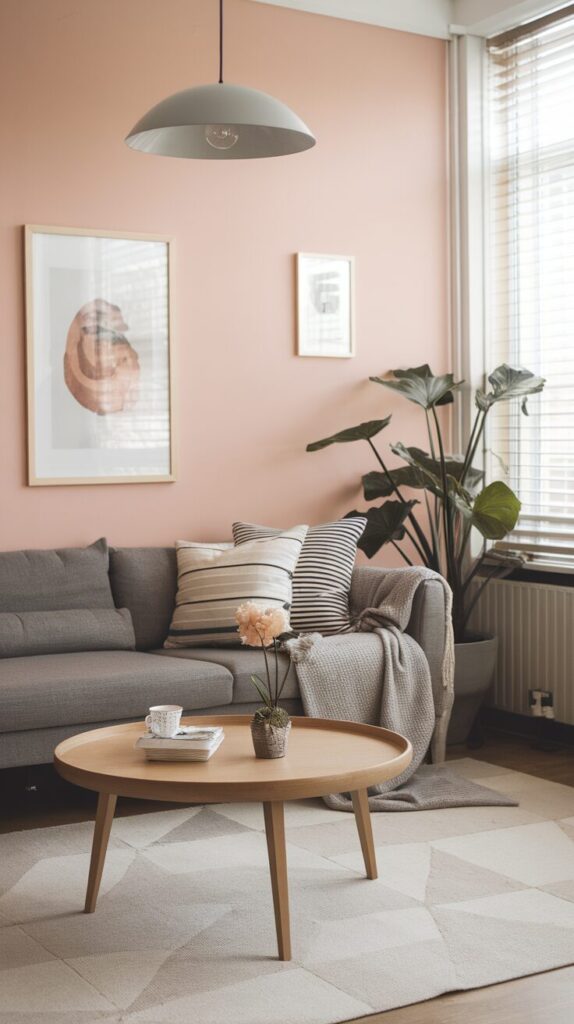
Coffee tables often cause more trouble than they’re worth in small spaces. Oversized tables block walkways and make the room feel cramped. Scale matters more than style here.
Round or oval tables work best because they soften edges and improve flow. I prefer slim designs with open bases to keep things visually light. A well-sized coffee table supports comfort without dominating the room.
If space feels tight, consider nesting tables instead. You can pull them out when needed and tuck them away later. Wouldn’t you rather move freely than squeeze around furniture?
11. Use Plants to Add Life Without Bulk
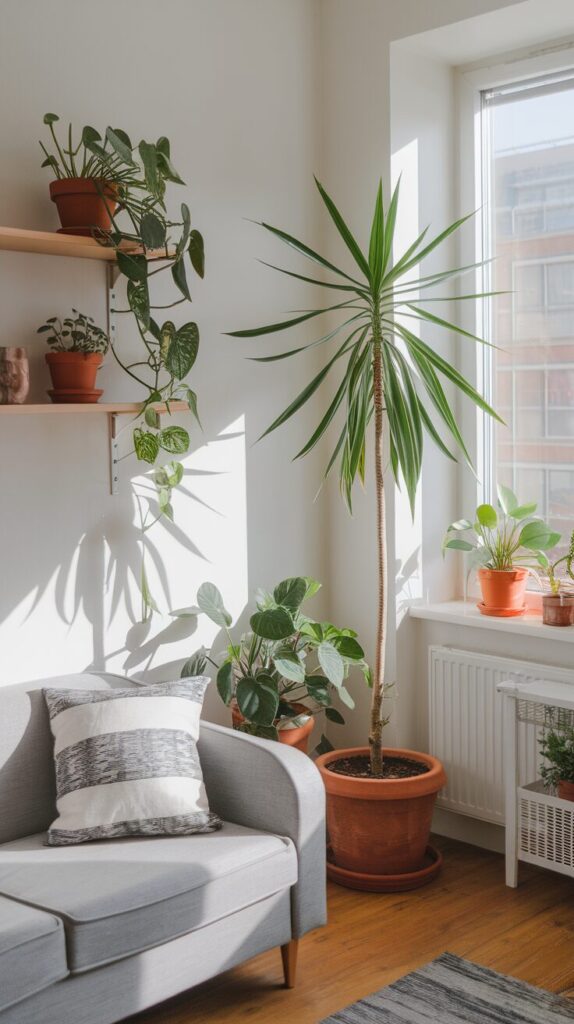
Plants bring warmth and freshness into small living rooms instantly. I always add greenery, even in apartments with limited light. The trick lies in choosing the right size and placement.
Tall floor plants in corners draw the eye up and soften hard edges. Smaller plants work well on shelves or side tables. Plants add life and coziness without cluttering your living room.
Low-maintenance options keep stress levels low. I stick to snake plants or pothos because they forgive neglect. Doesn’t a little greenery make everything feel more relaxed?
12. Define Zones with Subtle Layout Tricks
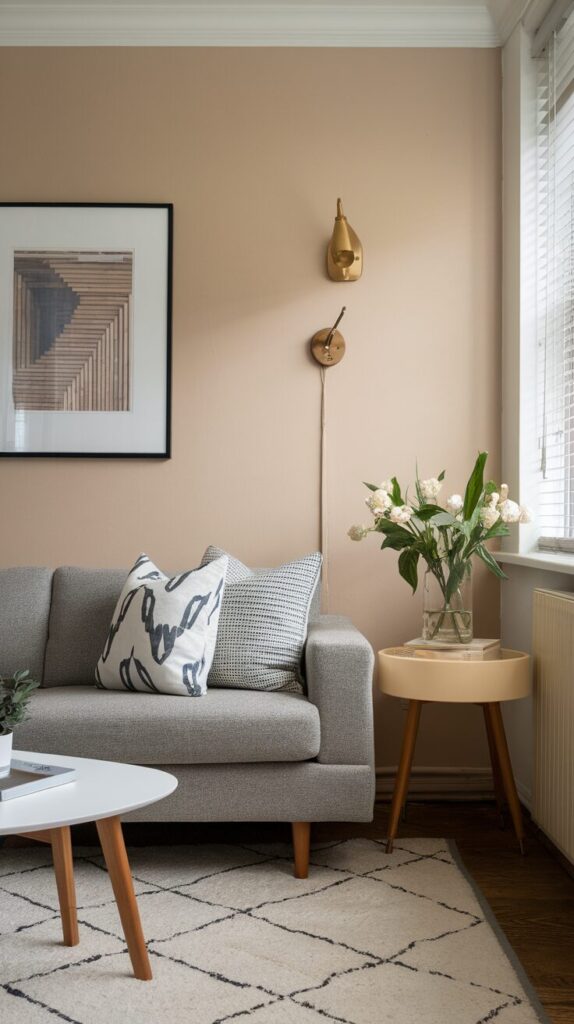
Even small living rooms benefit from clear zones. Defining areas makes the space feel intentional instead of accidental. I use furniture placement to guide flow.
Positioning the sofa to face a focal point like a TV or window helps anchor the room. A small side table can define seating without adding bulk. Subtle zoning improves function without walls or dividers.
Avoid blocking walkways or door paths. Flow matters more than squeezing in extra pieces. Wouldn’t you rather move naturally through your space?
13. Limit Decor but Choose Meaningful Pieces
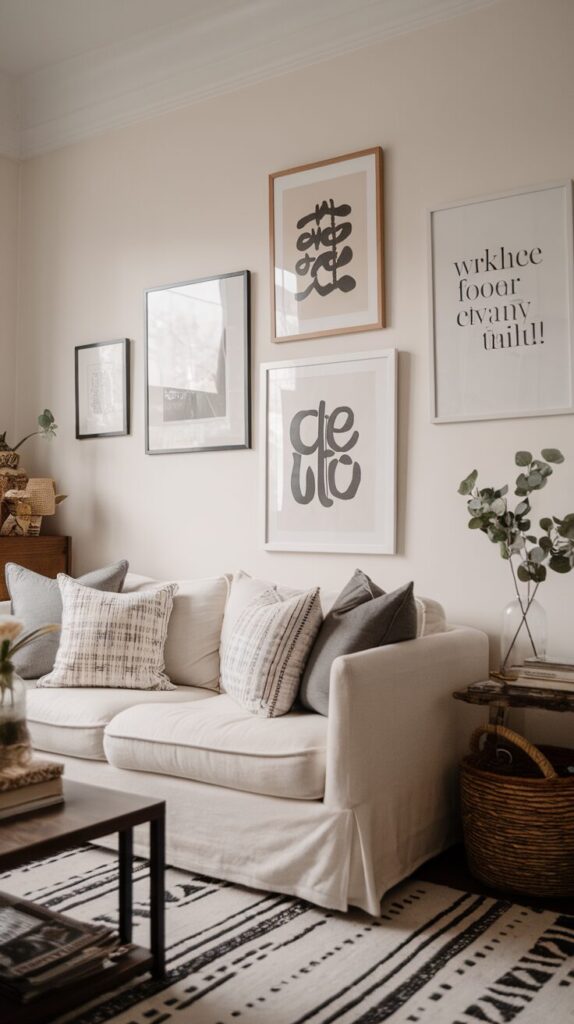
Too much decor overwhelms small living rooms fast. I’ve learned to edit ruthlessly and keep only what matters. Fewer items create stronger impact.
I choose decor with personal meaning like photos, travel souvenirs, or artwork I love. These pieces add soul without clutter. Intentional decor makes small apartments feel personal and cozy.
Leave some empty space to let the room breathe. Visual rest matters as much as decoration. Doesn’t it feel nicer when every piece has a purpose?
14. Embrace Warm Wood Tones for Balance
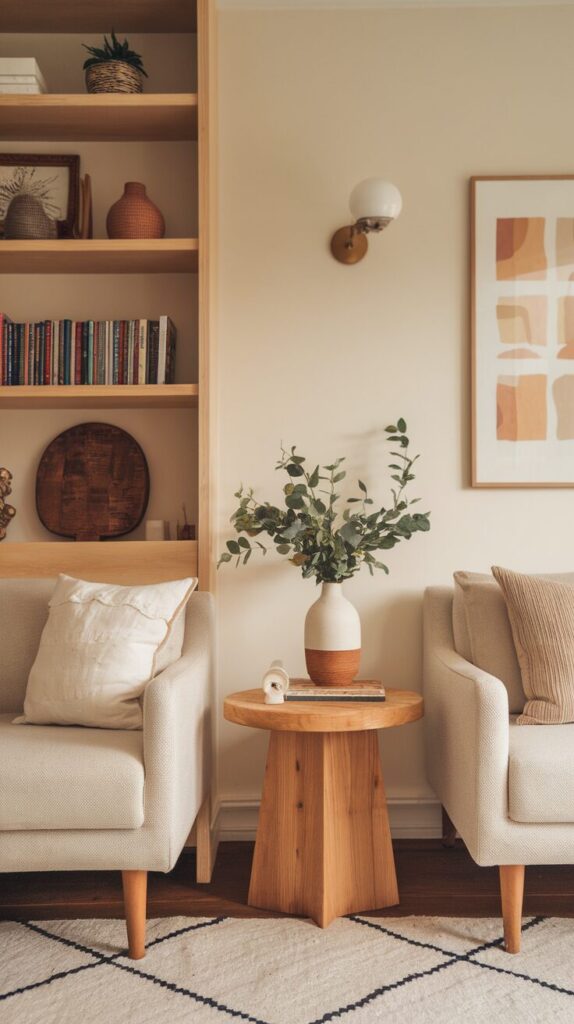
Wood tones add warmth and grounding to small living rooms. I always include some form of wood to balance softer elements. It keeps the space from feeling flat.
Light to medium wood works best in apartments because it feels airy. Think oak, maple, or walnut accents. Wood textures create cozy contrast against light walls and fabrics.
You don’t need matching furniture sets. Mixing wood tones adds depth and character. Wouldn’t you rather have a space that feels collected over time?
15. Keep the Layout Flexible and Adjustable
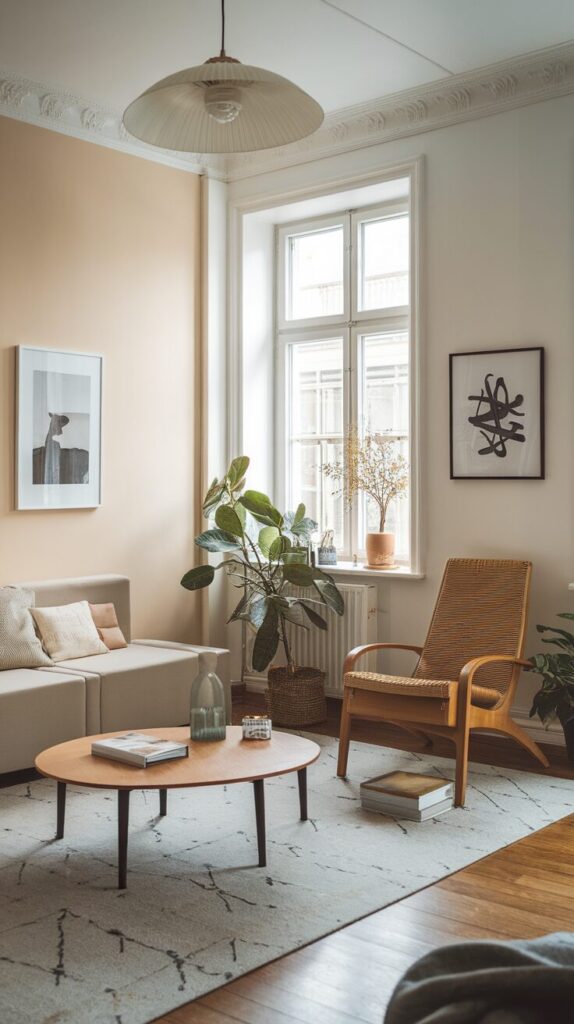
Small living rooms benefit from flexibility more than rigid setups. I rearrange my space more often than I admit. Adaptability keeps things fresh.
Lightweight furniture makes changes easier without effort. Chairs that move or stools that tuck away help a lot. Flexible layouts let your living room grow with your needs.
Try different arrangements until something clicks. There’s no rulebook for cozy. Isn’t it satisfying when your space finally feels just right?
Small Living Room Design Strategy: The Cozy-First Foundation
Before you buy anything new, you need a simple plan. I always start with a cozy-first foundation, which means I prioritize comfort, flow, and function before aesthetics. Style comes easier when the basics feel right.
First, measure everything. Measure your walls, doorways, and the exact footprint where your sofa and coffee table will sit. I never trust guesswork in small apartments because one wrong inch can ruin the layout.
Next, define your living room’s primary purpose. Do you host friends often, binge-watch shows, read, or work from the couch sometimes? Your answer should guide furniture placement, lighting decisions, and even rug size.
Then, choose one visual anchor. I usually pick either the sofa or a large rug as the starting point. A clear focal piece prevents the space from feeling random or cluttered.
Finally, build around that anchor with intention. Add only pieces that support comfort or storage, and skip anything that exists just to fill space. Small living rooms reward clarity, not excess.
Common Mistakes to Avoid in Small Living Rooms
Small apartment living rooms punish design mistakes quickly. I’ve made enough of them to save you the trouble. Let’s keep your space cozy instead of chaotic.
One major mistake involves pushing all furniture against the walls. People assume this move creates more space, but it often makes the room feel awkward and disconnected. Pulling the sofa slightly forward with a rug underneath creates a more balanced layout.
Another mistake involves choosing oversized furniture because it “looks luxurious.” Large pieces overwhelm small square footage and block natural movement. Scale always matters more than drama in compact spaces.
Poor lighting choices also ruin cozy potential. One bright ceiling fixture creates glare and kills atmosphere instantly. Layered lighting adds warmth and flexibility without sacrificing function.
Clutter sneaks in faster than you expect. Too many decor items, busy patterns, and competing colors create visual noise. Edit aggressively and protect your breathing room.
Finally, don’t ignore traffic flow. You should move through your living room naturally without squeezing sideways. Comfort includes movement, not just cushions.
Smart Budget Planning for Small Apartment Living Rooms
You don’t need a huge budget to create a stylish small living room. I’ve transformed spaces with thoughtful purchases instead of impulse splurges. Strategic spending beats random upgrades every time.
Start with the items you use daily. Invest in a quality sofa and comfortable rug because they define the room’s experience. High-impact pieces deserve more budget than decorative accents.
Save money on decor and smaller accessories. Throw pillows, art prints, and side tables often look great at affordable price points. You can upgrade these later without regret.
Plan purchases in phases. Buy foundational pieces first, then layer in lighting, textiles, and plants. This pacing prevents rushed decisions and protects your budget.
Always measure before you click “buy.” Returning oversized furniture wastes time and money. Small spaces demand precision, not optimism.
How to Maintain a Cozy Small Living Room Long-Term
Creating a cozy space feels satisfying, but maintaining it matters just as much. Small living rooms show clutter quickly, so habits matter. I treat upkeep as part of the design process.
Adopt a weekly reset routine. I spend ten minutes fluffing pillows, folding blankets, and clearing surfaces. This habit keeps the room feeling intentional instead of chaotic.
Rotate decor seasonally instead of stacking new items on top. Swap pillow covers or throws rather than adding more pieces. Refreshing details keeps the space interesting without overcrowding it.
Control paper and random items aggressively. Mail, receipts, and remote controls multiply fast in small apartments. Storage baskets or drawers keep visual clutter under control.
Finally, revisit your layout occasionally. Sometimes a slight shift in furniture placement improves flow dramatically. Small adjustments often deliver big improvements.
Frequently Asked Questions About Cozy Small Living Rooms
1. What is the best sofa size for a small apartment living room?
Choose a sofa between 70–84 inches wide for most small apartments. Slim arms and raised legs make the piece feel lighter. Always measure your space before committing.
2. Can I use dark colors in a small living room?
Yes, but use them strategically. Pair dark walls or furniture with light textiles and layered lighting. Balance prevents the room from feeling closed in.
3. How do I make my small living room look bigger?
Use mirrors, light wall colors, and properly scaled furniture. Keep visual clutter minimal and maintain clear walkways. Visual openness depends more on layout than square footage.
4. What type of rug works best in a compact space?
Low-pile or flatweave rugs work best. Choose a size large enough to anchor the front legs of your seating. Proper proportion creates cohesion.
5. How many decor items should I display?
Display fewer, meaningful pieces instead of filling every surface. Leave negative space for balance. Intentional styling always feels more elevated.
6. Is multifunctional furniture necessary in small apartments?
Yes, especially if storage feels limited. Ottomans with hidden compartments or nesting tables maximize usability. Smart furniture choices reduce clutter and increase comfort.
Conclusion
Small living rooms don’t need big budgets or dramatic makeovers to feel cozy and stylish. Thoughtful furniture choices, warm textures, and smart layouts make a bigger difference than square footage. I’ve seen tiny apartments feel more inviting than massive living rooms with the wrong setup.
If you take one thing from this, focus on comfort and intention. Edit what doesn’t serve you and lean into what makes you relax. Your living room should feel like a soft exhale at the end of the day.