11 Farmhouse Walk-In Shower Ideas for a Bathroom That Looks Better Fast
A farmhouse walk-in shower usually looks best when it solves two problems at once: it makes the bathroom feel bigger, and it cuts down on the fussy stuff that collects grime. That balance matters more than people think, because a shower can look stylish in photos and still feel annoying in real life.
I’ve noticed farmhouse bathrooms go wrong when they lean too fake-rustic or too polished. The sweet spot sits somewhere in the middle, where the materials feel warm and grounded, but the layout still works like a modern bathroom should.
That’s why the smartest upgrades are usually the simplest ones. A better tile choice, a cleaner glass setup, or a more thoughtful mix of wood and metal can change the whole room without turning it into a renovation drama nobody asked for.
1. White Subway Tile with Dark Grout
A lot of bathrooms feel flat because every surface blends together and nothing has enough contrast to hold the room. White subway tile with dark grout fixes that fast, especially in a walk-in shower where you want clean lines without making the space feel cold. I still think this is one of the easiest farmhouse wins because it looks classic, works with almost anything, and does not try too hard.
The tile gives the shower a fresh, simple base, while the darker grout adds structure and keeps the pattern from disappearing. It also hides some of the everyday mess better than white grout, which is a tiny blessing if you’re tired of scrubbing like it’s a part-time job.
Why This Works
This combo works because it creates contrast without chaos. The white keeps the shower feeling open and bright, and the darker grout outlines each tile so the wall has rhythm and texture instead of looking like one giant blank slab.
It also fits the farmhouse look without locking you into one version of it. You can pair it with black metal, warm wood, brushed nickel, or even antique brass and it still makes sense.
How to Do It
- Use classic rectangular subway tile in a stacked or offset pattern depending on how clean or traditional you want the shower to feel.
- Choose a medium or dark gray grout instead of bright black if you want softer contrast that still gives the walls definition.
- Extend the tile high enough to make the shower feel finished, ideally to the ceiling if the budget allows.
- Seal the grout properly so it stays easier to clean and does not become the part of the project you regret later.
Style & Design Tips
Keep the rest of the shower fairly simple so the grout lines can do their job. Too many competing details like loud floor tile, ornate fixtures, and busy wall décor can make the whole space feel cluttered instead of charming.
A matte black shower frame or hardware usually looks great here, but warm wood tones help balance it so the room does not go full modern-industrial by accident. I’d also skip super glossy finishes if you want the shower to feel more relaxed and less showroom stiff.
Pro Tip or Budget Hack
If full tile-to-ceiling coverage is stretching the budget, use the subway tile on the main wet walls and paint the upper area in a moisture-friendly warm white. That still gives you the farmhouse look where it counts without burning money on extra tile no one will study that closely.
2. Reclaimed Wood Accent Outside the Wet Zone
Some farmhouse bathrooms feel weirdly sterile because everything is tile, glass, and painted drywall. Adding a reclaimed wood accent just outside the wet zone brings back the warmth that makes farmhouse style feel lived-in instead of staged. I love this move because it changes the mood of the bathroom without messing with the actual shower waterproofing.
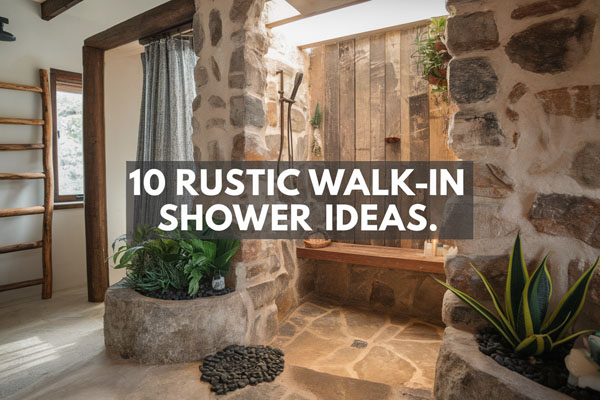
The trick is keeping the wood where it can be seen and appreciated, but not constantly drenched. A vertical wood wall beside the walk-in shower, a wrapped half wall, or a wood-backed towel nook can give the room depth fast.
Why This Works
Wood adds the texture that most bathrooms are missing. In a room full of hard, slick surfaces, that rougher grain makes the space feel more balanced and gives the eye somewhere to land.
It also helps the shower feel more connected to the rest of the bathroom. Instead of the shower looking like a separate glass box dropped into the room, the wood makes the whole setup feel intentional and warm.
How to Do It
- Use reclaimed or distressed-look wood on a wall adjacent to the shower rather than inside the direct splash area.
- Pick boards with variation in tone, because a little age and imperfection gives the farmhouse look more character.
- Protect the wood with a bathroom-safe sealant so moisture in the room does not slowly wreck it.
- Keep the surrounding materials simple so the wood becomes a feature instead of competing with five other “statement” elements.
Style & Design Tips
Stick with muted, natural wood colors rather than orange-heavy stains that can make the room look dated in a hurry. Weathered oak, soft walnut, or lightly whitewashed finishes usually play nicest with farmhouse showers.
You also want to watch the scale of the grain and texture. If your floor tile already has heavy movement, using super rugged wood with deep color swings can push the room into visual noise real fast.
Pro Tip or Budget Hack
You do not need true antique barn wood to get this look. Quality wood-look wall planks or even carefully chosen peel-and-stick paneling in a dry area can give a similar farmhouse effect for a lot less money, and sometimes with way less maintenance too.
3. Black-Framed Glass Panels
A walk-in shower can disappear too much if the enclosure is completely frameless and the rest of the room is pale. Black-framed glass panels fix that by adding structure and definition without making the shower feel closed off. This one always looks sharper than expected, and it gives farmhouse bathrooms a little backbone.
The black lines create a grid effect that feels custom, even when the rest of the shower is pretty simple. It also helps the shower stand out as a design feature instead of just the place where shampoo bottles go to multiply.
Why This Works
This idea works because the black framing gives visual contrast while the glass keeps the room open. That balance is perfect for a farmhouse bathroom, which usually needs both lightness and a bit of grounding.
It also pairs beautifully with other farmhouse materials. White tile, warm wood, natural stone, and vintage-style fixtures all look more polished when the enclosure adds some clear, strong lines.
How to Do It
- Choose a black-framed glass panel or door system with slim lines so it feels stylish rather than heavy.
- Keep the glass as clear as possible to let your tile and flooring stay visible through the enclosure.
- Match the shower hardware, faucet, and other metal details to the black frame for a more pulled-together look.
- Make sure the layout still allows easy entry and enough splash protection, because pretty is nice but puddles are annoying.
Style & Design Tips
Use black framing as one of your main contrast points, not one of fifteen. Repeating black in small, controlled ways like a mirror frame, shower fixture, or sconce keeps the room cohesive without making it feel harsh.
I’d avoid overly ornate muntin patterns unless the bathroom is fairly large. Too many little divisions can make a modest shower feel busy, and that ruins the calm, simple farmhouse vibe pretty quickly.
Pro Tip or Budget Hack
If a full custom black-framed enclosure is too expensive, use a simpler glass panel and bring in the black through fixtures, mirror frames, and lighting first. You can still get most of the same visual effect, and the room will feel far more intentional without a giant splurge.
4. Pebble or Stone Shower Floor
A lot of walk-in showers have walls that look good and floors that feel like an afterthought. A pebble or small stone floor adds texture underfoot and gives the shower a more grounded, natural farmhouse feel. When it’s done well, it makes the whole setup feel less generic and way more interesting.
I’m especially into this idea for bathrooms that need softness in a visual sense, not necessarily in a fluffy-rug sense. The uneven texture breaks up all the straight lines and makes the shower feel more organic.
Why This Works
Stone flooring works because it adds contrast in texture while still fitting the earthy, practical side of farmhouse design. The natural variation keeps the floor from looking too perfect, which is usually a good thing in this style.
It also helps define the shower area without needing extra trim or visual clutter. That floor change creates a subtle zone, which is useful in open walk-in layouts.
How to Do It
- Choose pebbles or mosaic stone designed specifically for shower floors so you get proper slip resistance and drainage.
- Stick with tones that connect to the rest of the room, like warm gray, taupe, cream, or muted charcoal.
- Have the floor installed carefully so the slope still drains well and does not leave random puddles hanging around.
- Seal the material and grout the right way so cleaning stays manageable and the surface lasts longer.
Style & Design Tips
Keep the wall tile quieter if you’re using a textured floor. One star per shower is usually enough, and the floor can absolutely carry the visual interest on its own.
You should also be picky about the pebble size and finish. Very high-contrast stones or extra chunky pebble patterns can start feeling more spa-cave than farmhouse, and that is a different lane entirely.
Pro Tip or Budget Hack
Use pebble flooring only on the shower base and choose a more budget-friendly large-format tile for the rest of the bathroom floor. That gives you the texture where it matters most without turning the entire room into a costly stone project.
5. Shiplap Ceiling Above the Shower Area
When farmhouse bathrooms feel unfinished, the ceiling is often part of the problem. Adding shiplap to the ceiling above or around the walk-in shower gives the room more character and makes the whole space feel thoughtfully designed instead of builder-basic. It’s one of those upgrades people do not always think about, but it changes the room fast.
I like this especially in bathrooms with plain white walls and simple tile because it adds interest in a spot that usually gets ignored. It also pulls the farmhouse look upward so the room feels layered, not flat.
Why This Works
A shiplap ceiling works because it introduces texture without stealing valuable floor space or adding clutter. In a walk-in shower setup, that extra detail overhead makes the shower feel more architectural and custom.
It also helps balance out hard, cool surfaces below. Tile, glass, and metal can feel a little one-note on their own, but a plank ceiling warms everything up.
How to Do It
- Use moisture-resistant boards or properly sealed wood-look planks rated for bathroom use.
- Install the planks in a direction that helps the room feel longer or wider depending on the layout.
- Paint the ceiling in white, cream, or a soft muted color if you want a lighter farmhouse look.
- Pair it with simple recessed lighting or a damp-rated fixture that does not fight with the plank detail.
Style & Design Tips
Keep the plank width moderate so the ceiling detail feels clean rather than chunky. Thin to medium-width boards usually look more refined in a bathroom than oversized planks that can feel a little heavy overhead.
You also want to pay attention to the ceiling height. In a low bathroom, dark wood on the ceiling can start to feel like the room is crouching on top of you, which is not the cozy vibe people think it will be.
Pro Tip or Budget Hack
If real wood installation is not practical, use high-quality beadboard or shiplap-style moisture-rated panels in a painted finish. Once installed and styled well, most people will read the texture first, not the materials invoice.
6. Built-In Shower Niche with Farmhouse Contrast Tile
A walk-in shower looks more polished when storage feels built in instead of tacked on. A shower niche lined with contrast tile is one of the easiest ways to make the space feel custom while also solving the very real problem of bottles balancing on the floor like they’ve given up. I’m a big fan of features that are pretty and useful, because the bathroom has enough nonsense already.
The niche can be subtle or slightly bold, depending on the tile you choose. Either way, it gives the shower a focal point that feels intentional instead of random.
Why This Works
This works because it combines function with design in a way that does not take up extra room. The niche keeps products organized, while the contrast tile adds visual depth to a part of the shower that would otherwise disappear into the wall.
It also helps break up larger expanses of tile. That little shift in pattern or color gives the shower more character without requiring a huge design swing.
How to Do It
- Build the niche at a height that feels natural to reach and wide enough for the products you actually use.
- Choose a tile inside the niche that contrasts with the main shower wall but still belongs to the same palette.
- Add a stone or solid-surface shelf if you want a cleaner finish and easier maintenance.
- Keep the shape simple, because rectangles usually suit farmhouse bathrooms better than fussy curves or trendy cutouts.
Style & Design Tips
The contrast tile should feel connected, not random. Small mosaic, herringbone, or darker subway tile often works beautifully inside a niche when the surrounding walls are lighter and simpler.
Try not to overdecorate the niche visually if your shower already has a bold floor or black-framed enclosure. Too many feature moments in one spot can start to look like the bathroom couldn’t choose a personality.
Pro Tip or Budget Hack
If you are already tiling the shower, using leftover tile in a different layout inside the niche can create contrast without buying a whole new material. That trick saves money and still makes the niche feel special.
7. Warm Brass Fixtures for a Softer Farmhouse Look
A lot of farmhouse bathrooms default to black hardware, which looks great, but sometimes it can start feeling a bit expected. Warm brass fixtures bring in softness and a more collected, slightly vintage feel without losing the clean lines a walk-in shower needs. I really like brass when the room needs warmth but wood alone is not enough to get there.
This idea works especially well in bathrooms that already have white tile, soft neutrals, or pale walls. The metal adds richness without making the space feel dark or heavy.
Why This Works
Brass works because it gives the room contrast in a gentler way than black. It still stands out, but it does it with warmth, which fits the welcoming side of farmhouse style really well.
It also helps a bathroom feel less generic. Even small changes in finish can shift the whole vibe, and warm metal often makes the shower look more expensive than it actually was.
How to Do It
- Choose a warm brushed brass finish rather than something super shiny if you want a more relaxed farmhouse feel.
- Match the shower fixture, handles, and nearby cabinet or mirror hardware for consistency.
- Pair brass with white tile, creamy paint, or muted green and greige tones for the best balance.
- Use samples if possible, because some brass finishes lean too yellow and can throw the whole room off.
Style & Design Tips
Brass looks best when the rest of the palette stays calm. Let the metal be the warmth, and avoid piling on too many orange woods or yellow-toned accents nearby.
I’d also skip mixing too many finishes in a small shower area. One metal can look intentional, two can work if you’re careful, and three usually looks like the bathroom lost a bet.
Pro Tip or Budget Hack
You do not have to change every single metal detail at once. Start with the shower trim and a mirror or light fixture, then update smaller hardware later so the budget hit feels less rude.
8. Half Wall Entry for an Open Farmhouse Feel
Some walk-in showers need a little structure, but a full glass enclosure can feel too formal or expensive for the room. A half wall entry gives you definition, splash control, and a more relaxed farmhouse layout without boxing everything in. I like this option because it feels architectural in a quiet way.
The half wall can separate the shower from the vanity or toilet area while still letting light move through the room. It also gives you another surface to finish in tile, stone, or wood detail.
Why This Works
This setup works because it creates privacy and flow at the same time. The wall guides the layout, but the open top and entry keep the bathroom from feeling smaller than it is.
It also fits farmhouse style because it feels practical and grounded. There is something very no-fuss about a half wall shower that just makes sense, and that usually reads better than something overly sleek.
How to Do It
- Build the half wall high enough to block splash and give definition, but low enough to keep the room feeling open.
- Finish the wall in the same tile as the shower or wrap the top in stone for a cleaner, more custom look.
- Pair the wall with a fixed glass panel if the layout needs a little more water control.
- Plan the showerhead placement carefully so the open entry still works without turning the floor outside into a mini lake.
Style & Design Tips
A half wall looks best when it feels solid and simple. Clean cap details, straight lines, and restrained materials keep it looking timeless instead of bulky.
Be careful with scale here, especially in a smaller bathroom. If the wall is too thick or too tall, it can make the shower feel heavier than it should and cut the room awkwardly in half.
Pro Tip or Budget Hack
A half wall can reduce the amount of custom glass you need, which is often where shower budgets get punched in the face. Even using one smaller glass panel instead of a full enclosure can save a decent amount.
9. Soft Sage or Greige Wall Color Around the Shower
White is safe, but too much white can make a farmhouse bathroom feel a little bland. A soft sage or warm greige wall color around the walk-in shower adds character without competing with the tile, and it helps the room feel calmer and more finished. I’ve seen this change make a bathroom feel custom almost instantly.
The key is choosing a muted tone, not a loud one. Farmhouse style usually looks better when the color whispers instead of shouting across the room.
Why This Works
These colors work because they bring softness and subtle contrast to the space. White tile stands out better against a gentle painted wall, and the whole room feels warmer without losing its clean look.
They also play really well with natural materials. Wood, stone, black accents, and brass finishes all tend to look more intentional next to muted earthy paint.
How to Do It
- Pick a paint color with gray or beige undertones so it feels grounded rather than sugary or trendy.
- Use the color on the walls outside the direct wet area while keeping the shower tile clean and simple.
- Test the paint beside your tile and flooring before committing, because undertones can get sneaky fast.
- Use a bathroom-appropriate paint finish that can handle humidity without turning into a peeling mess later.
Style & Design Tips
Keep the color muted and dusty, not bright. Soft sage, mushroom greige, and warm stone tones usually give that farmhouse calm without drifting into nursery or office territory.
You also want enough contrast between the paint and tile. If the tones are too similar, the room can end up looking muddy rather than layered, which is not the goal.
Pro Tip or Budget Hack
Paint is one of the cheapest ways to shift the feel of a bathroom in a big way. If a full shower renovation is not happening right now, updating the wall color around the walk-in shower can still make the room look noticeably better.
10. Vintage-Inspired Lighting Near the Shower Zone
A good shower can still look boring if the bathroom lighting is flat and forgettable. Vintage-inspired sconces or simple industrial-farmhouse fixtures near the shower zone add character fast and help the room feel more styled without a full remodel. This is one of those details people often leave until last, even though it changes the mood of the whole space.
I’ve always thought lighting is where farmhouse bathrooms either become charming or become aggressively average. The right fixture makes even basic materials look better.
Why This Works
Lighting works because it adds personality while also improving how the room functions. A walk-in shower area benefits from balanced, flattering light, and the fixture itself can reinforce the farmhouse look without using more décor.
It also creates visual layering. Instead of everything being tile and plumbing hardware, the room gets another material and shape to help it feel finished.
How to Do It
- Choose damp-rated sconces or overhead fixtures with simple vintage-inspired forms and practical bulb coverage.
- Use finishes that coordinate with the rest of the room, whether that means black, brass, or aged metal.
- Place lighting where it supports visibility without creating harsh glare on glass or mirror surfaces.
- Keep the scale in proportion to the bathroom so the fixtures feel intentional rather than oversized for drama’s sake.
Style & Design Tips
Clear glass shades, metal domes, and simple gooseneck or barn-style shapes usually work well. The goal is character, not theme park farmhouse, so try not to go too novelty with it.
A fixture that is too decorative can make the shower area feel busy. If you already have bold tile or strong black framing, choose lighting with a simpler silhouette to balance everything out.
Pro Tip or Budget Hack
Swapping the fixture is often much cheaper than replacing tile or glass, but the visual return can be surprisingly good. Even one great sconce or a better overhead light can pull the whole bathroom together for less than most people expect.
11. Simple Wood Bench for Function and Warmth
A walk-in shower can look unfinished when it has nowhere to set anything and no visual anchor inside the space. A simple wood bench solves that by adding warmth, function, and a bit of farmhouse charm without making the shower feel crowded. I like this idea because it makes the shower feel more thoughtful, not just prettier.
The bench can hold towels, bath products, or a plant outside the direct spray if you want a more styled look. Even when it’s purely practical, it still softens the hard surfaces around it.
Why This Works
This works because the bench brings in natural texture and a grounded shape. In a shower full of tile, glass, and metal, that one warmer element can completely change how the space feels.
It also adds usability in a real-world way. A place to sit, shave, store a towel, or set products sounds small, but it makes daily use easier and makes the shower feel more elevated.
How to Do It
- Choose a moisture-friendly wood like teak or a well-sealed material designed for bathroom use.
- Keep the bench shape clean and simple so it matches the easygoing farmhouse style.
- Place it where it does not interrupt movement or get constantly soaked if you want it to last longer.
- Make sure the size suits the shower, because a bench that is too bulky will eat up space fast.
Style & Design Tips
Let the wood tone complement the rest of the room rather than fight with it. Medium warm wood usually feels the most versatile, especially with white tile, stone floors, or soft painted walls.
Do not overload the bench with baskets, bottles, candles, and twenty decorative objects. A farmhouse bathroom should feel relaxed and useful, not like a display shelf with plumbing.
Pro Tip or Budget Hack
A freestanding shower bench is often cheaper and easier than building one into the wall. It also gives you flexibility, which is nice if you change your mind later or just want one less permanent decision hanging over your head.
Final Thoughts
The best farmhouse walk-in shower ideas are usually the ones that make the bathroom feel warmer, simpler, and easier to use all at once. That’s the sweet spot, and honestly, it matters more than chasing every trend that shows up online for five minutes.
A few smart changes can make the whole room feel better fast, even if the renovation budget is not huge. I’d start with the detail that fixes your biggest annoyance first, because practical upgrades almost always end up looking the best too.