9 Half Wall Shower Ideas That Feel Fresh and Stylish
Half wall showers solve one of the most annoying bathroom problems: balancing openness with privacy. Full enclosures can feel boxed in, while open showers often turn into splash zones. This in-between design quietly fixes both without making the space feel overworked.
It also gives you more control over layout decisions, which is honestly where most bathrooms fall apart. I’ve noticed that once you get the structure right, everything else—tiles, fixtures, styling—just falls into place a lot easier.
And the best part? You don’t need a massive bathroom or a crazy renovation budget to make it work.
1. Classic Half Wall with Glass Extension
Bathrooms often feel cramped when walls block light and sightlines, especially in smaller layouts. A solid half wall alone can fix splash issues, but it can still make the space feel slightly closed off. Adding a glass panel on top solves both problems without complicating the design.
I’ve seen this setup instantly make tight bathrooms feel twice as open. It keeps water contained while letting light pass through naturally, which just feels cleaner overall.
Why This Works
This combination balances privacy and openness in a really practical way. The lower wall anchors the structure, while the glass keeps the upper area visually light.
It also works with almost any style, from modern to transitional, without looking out of place.
How to Do It
- Build a half wall around 42–48 inches high
- Install a frameless glass panel on top
- Use clear glass for maximum openness
- Seal joints properly to prevent leaks
Style & Design Tips
Choose low-iron glass if you want that ultra-clear, high-end look. Regular glass can have a slight green tint that becomes noticeable over time.
Avoid bulky frames unless you’re going for a more industrial vibe, because they can visually clutter the space fast.
Pro Tip or Budget Hack
Skip custom glass if you’re on a budget and look for standard-sized panels. Many hardware stores carry affordable options that still look clean and modern.
2. Half Wall with Built-In Storage Niches
Shower clutter builds up quickly when there’s nowhere to store essentials. Bottles end up on the floor or awkward corner racks that never look quite right. A half wall with built-in niches turns that dead space into something actually useful.
I’ve tried adding shelves later, and honestly, it never looks as intentional as doing it right from the start. Built-ins just feel cleaner and way more custom.
Why This Works
It combines structure and storage without adding extra elements. Everything feels integrated, which keeps the shower visually calm.
It also reduces the need for additional accessories that can make the space feel busy.
How to Do It
- Design niches directly into the half wall frame
- Position them at easy reach height
- Waterproof thoroughly before tiling
- Use contrasting tile inside niches for depth
Style & Design Tips
Stick with horizontal niches for a more modern look. Vertical ones can work, but they often feel a bit dated if not styled carefully.
Avoid overcrowding them with too many products, because that defeats the whole clean aesthetic.
Pro Tip or Budget Hack
Use leftover tile pieces inside niches to save money while still keeping the look cohesive.
3. Floating Half Wall with Open Base
Traditional half walls usually go all the way down to the floor, which can make the shower feel heavier than it needs to. A floating half wall creates a gap at the bottom, adding a sense of lightness and airflow.
I was skeptical about this at first, but once I saw it in a real bathroom, it completely changed how open the space felt.
Why This Works
The open base keeps the floor visually continuous, making the room appear larger. It also improves drainage and airflow, which is a nice bonus.
It works especially well in minimalist or modern bathrooms.
How to Do It
- Build a half wall elevated slightly above the floor
- Ensure proper structural support inside
- Align flooring seamlessly under the wall
- Waterproof carefully to avoid hidden leaks
Style & Design Tips
Keep the lines clean and simple for this design. Too many textures can ruin the floating effect.
Use large-format tiles to emphasize openness and reduce grout lines.
Pro Tip or Budget Hack
If full floating construction feels too complex, create the illusion by using a recessed base or shadow gap detail.
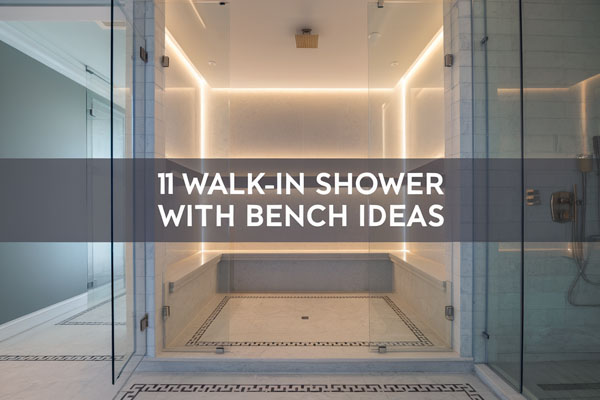
4. Half Wall with Bench Integration
Comfort matters more than most people admit when it comes to showers. Standing the entire time isn’t always ideal, especially for longer routines. Integrating a bench into the half wall adds both function and a subtle spa feel.
I added a small bench in one project, and it quickly became the most used feature in the bathroom.
Why This Works
It maximizes space by combining two features into one structure. The bench naturally extends from the wall, keeping everything cohesive.
It also adds a sense of luxury without needing a bigger footprint.
How to Do It
- Extend the half wall to form a seating area
- Ensure proper slope for water drainage
- Use waterproof materials and sealing
- Add comfortable depth for sitting
Style & Design Tips
Choose slip-resistant surfaces for safety without compromising style. Matte finishes usually work better than glossy ones here.
Avoid making the bench too narrow, because it quickly becomes uncomfortable.
Pro Tip or Budget Hack
Use the same tile for both the wall and bench to simplify installation and reduce costs.
5. Half Wall with Vertical Slat Accent
Plain walls can sometimes feel a bit boring, especially in modern bathrooms where everything is already minimal. Adding vertical slats to the half wall introduces texture without overwhelming the space.
I’ve noticed this detail works especially well when you want something subtle but still interesting.
Why This Works
Vertical lines draw the eye upward, making ceilings feel taller. It also adds depth without relying on heavy materials.
This approach works great in both contemporary and Scandinavian-inspired designs.
How to Do It
- Attach waterproof slats to the exterior side of the wall
- Keep spacing consistent for a clean look
- Use moisture-resistant materials
- Seal everything properly
Style & Design Tips
Stick with neutral tones like wood finishes or matte black for a timeless look. Bright colors can feel trendy but might not age well.
Avoid overly thick slats, because they can make the wall feel bulky.
Pro Tip or Budget Hack
Use PVC or composite slats instead of real wood for better durability and lower maintenance.
6. Curved Half Wall for Softer Flow
Sharp corners can make a bathroom feel rigid and less inviting. A curved half wall softens the layout and introduces a more natural flow.
I used to think curves were only for large bathrooms, but even small spaces benefit from this subtle shift.
Why This Works
Curves guide movement more naturally and reduce harsh visual breaks. They also make the space feel more custom and intentional.
It’s a small detail that has a surprisingly big impact.
How to Do It
- Frame the wall with a gentle curve
- Use flexible materials for shaping
- Tile carefully to follow the curve
- Maintain consistent height throughout
Style & Design Tips
Use small or mosaic tiles for curved surfaces, since they adapt better than large tiles.
Avoid overly dramatic curves unless the rest of the design supports it.
Pro Tip or Budget Hack
Keep the curve subtle to reduce labor costs and complexity during installation.
7. Half Wall with Dual-Tone Tile Design
Single-tone walls can sometimes feel flat, especially in larger showers. Splitting the half wall into two tile tones adds visual interest without making things busy.
I’ve seen this trick instantly elevate otherwise simple bathrooms.
Why This Works
It creates contrast and defines zones within the shower. The upper and lower sections feel intentionally designed rather than random.
It also helps tie different elements of the bathroom together.
How to Do It
- Choose two complementary tile colors
- Divide the wall horizontally
- Align grout lines for consistency
- Finish with a clean transition strip
Style & Design Tips
Keep one tone neutral and dominant, and use the second as an accent. Too much contrast can feel overwhelming.
Avoid mixing too many textures, because it can look chaotic fast.
Pro Tip or Budget Hack
Use pricier tiles only on the visible upper section and more affordable ones below.
8. Half Wall with Black Frame Glass Panel
Bathrooms sometimes lack definition when everything blends together. A black-framed glass panel adds contrast and structure to a half wall setup.
I’ve noticed this style works really well when you want something bold but still clean.
Why This Works
The black frame outlines the space without closing it off. It adds a graphic element that anchors the design.
It also pairs well with modern fixtures and hardware.
How to Do It
- Install a half wall base
- Add a black-framed glass panel on top
- Match fixtures with the frame color
- Ensure proper sealing
Style & Design Tips
Keep surrounding elements simple so the frame stands out. Too many bold features can compete for attention.
Use matte black finishes for a more refined look.
Pro Tip or Budget Hack
If custom frames are expensive, use adhesive frame kits on standard glass panels for a similar effect.
9. Half Wall with Marble or Stone Finish
Basic tile can sometimes feel a bit predictable, especially if you’ve seen it everywhere. Using marble or natural stone on a half wall instantly adds a more elevated feel.
I’ve used this in smaller bathrooms, and it surprisingly doesn’t overwhelm the space when done right.
Why This Works
Natural materials bring texture and variation that manufactured tiles often lack. It makes the shower feel more high-end without changing the layout.
It also ages better visually compared to trendy finishes.
How to Do It
- Select marble or stone slabs or tiles
- Seal the material properly
- Keep installation precise for clean lines
- Pair with simple fixtures
Style & Design Tips
Let the stone be the focal point by keeping everything else minimal. Too many patterns can clash with natural veining.
Choose lighter tones if you want to maintain an airy feel.
Pro Tip or Budget Hack
Use marble-look porcelain tiles instead of real stone for a similar aesthetic at a lower cost.
Half Wall Shower Design Strategy: Getting the Foundation Right
Most people jump straight into tile choices and finishes, but the structure of the half wall is what actually determines whether the whole design feels intentional or awkward. If the proportions or placement feel off, even the nicest materials won’t save it.
Start by thinking about how the shower interacts with the rest of the bathroom. The half wall should guide movement, not interrupt it, and it should align with existing elements like vanities or flooring lines.
Focus on Proportions First
Height matters more than people expect, and getting this wrong can throw off the entire look. A wall that’s too short feels pointless, while one that’s too tall starts to feel like a full enclosure again.
Aim for that middle ground where it provides function without blocking openness.
Think About Water Containment
Splash control is the practical side of this design, and ignoring it leads to daily frustration. The wall placement should naturally block water flow without relying entirely on glass panels or curtains.
This is where layout planning really pays off before construction even starts.
Align with Your Bathroom Layout
A half wall should feel like it belongs in the space, not like it was randomly added later. Aligning it with floor tile patterns or vanity edges creates a subtle sense of order.
That kind of visual alignment is what makes a bathroom look professionally designed instead of pieced together.
Choose Materials Early
Waiting too long to decide materials often leads to compromises. Knowing your tile size, thickness, and finish upfront helps you plan edges, transitions, and overall structure better.
It also prevents those last-minute decisions that usually don’t age well.
Common Mistakes to Avoid
Half wall showers look simple, but there are a few easy mistakes that can make them feel unfinished or impractical. Most of these come down to poor planning rather than bad design choices.
Catching these early saves both money and frustration later.
Making the Wall Too Thick
A bulky half wall can eat into valuable space, especially in smaller bathrooms. It also makes the design feel heavy and less refined.
Keep the profile as slim as possible while still maintaining structural integrity.
Ignoring Waterproofing Details
This is one area where shortcuts always show up later. Poor sealing leads to moisture problems that are expensive and annoying to fix.
Invest time in proper waterproofing from the start, even if it feels like overkill.
Overcomplicating the Design
Trying to combine too many ideas into one shower usually backfires. A half wall already adds visual interest, so piling on extra features can make the space feel cluttered.
Pick one main idea and let it lead the design.
Poor Glass Placement
Glass panels that are too short or misaligned defeat their purpose. They can either fail to block water or look visually disconnected from the wall.
Always measure carefully and think through how water will actually move in the space.
Choosing Trendy Over Timeless
Some finishes look great now but age quickly. Since showers aren’t something you want to renovate often, it’s smarter to lean toward designs that hold up over time.
You can always update smaller elements like accessories later.
Layout Planning Tips for Small and Large Bathrooms
Half wall showers behave very differently depending on the size of the bathroom. What works in a spacious layout might feel cramped in a compact one.
Understanding this early helps you avoid forcing a design that doesn’t fit.
Small Bathroom Approach
In smaller spaces, every inch matters more than you think. A half wall can actually make the room feel bigger if it keeps sightlines open.
Stick with lighter colors and minimal detailing to maintain that airy feel.
Large Bathroom Approach
Bigger bathrooms give you more flexibility, but they also require more intentional design. A half wall can help define zones so the space doesn’t feel empty or disconnected.
This is where you can experiment with materials or features without overwhelming the room.
Placement Matters More Than Size
Even a perfectly sized wall can feel wrong if it’s placed poorly. Positioning it where it naturally divides wet and dry areas makes the layout feel intuitive.
Think of it as guiding movement rather than just separating space.
Material Selection Guide for Half Wall Showers
Material choices influence not just the look but also how easy the shower is to maintain. Some finishes look great on day one but become a headache over time.
Balancing style and practicality is the goal here.
Tile Options
Tiles are the most common choice because they offer flexibility in design. Larger tiles reduce grout lines, which means less cleaning later.
Smaller tiles work better for detailed areas like niches or curves.
Glass Choices
Clear glass keeps things open, while frosted or textured glass adds privacy. The decision usually comes down to how exposed the shower area is.
Just make sure the glass thickness and quality match the rest of the build.
Natural vs. Engineered Materials
Natural stone brings character, but it requires more maintenance. Engineered options like porcelain mimic that look with less effort.
If you prefer low maintenance, engineered materials are usually the safer choice.
Hardware Finishes
Fixtures and hardware tie everything together visually. Matching finishes across faucets, frames, and accessories creates a cohesive look.
Mixing too many finishes can quickly feel unintentional.
Maintenance and Cleaning Tips
A well-designed shower should stay looking good without constant effort. Choosing the right setup can make cleaning much easier in the long run.
Small decisions here have a big impact on daily use.
Reduce Grout Lines
Grout is where most cleaning issues start. Fewer grout lines mean less buildup and easier maintenance.
This is why larger tiles are often the better option.
Use Proper Sealants
Sealing surfaces protects them from moisture and stains. It also helps maintain the original look of materials over time.
Reapply sealant periodically to keep everything in good condition.
Keep Glass Spot-Free
Water spots can make even a clean shower look messy. A simple squeegee routine after use makes a noticeable difference.
It’s one of those small habits that pays off quickly.
Choose Easy-Clean Finishes
Matte and textured finishes tend to hide water spots better than glossy ones. They also feel more forgiving in everyday use.
This makes them a practical choice for busy households.
FAQ: Half Wall Shower Ideas
What is the ideal height for a half wall shower?
Most half walls work best between 42 and 48 inches high. This range balances privacy and openness without making the space feel closed.
Do I always need a glass panel with a half wall?
Not always, but it helps with water control. In open layouts, adding glass makes the shower more functional without sacrificing style.
Are half wall showers good for small bathrooms?
Yes, they can actually make small bathrooms feel larger. The open design keeps sightlines clear and prevents the space from feeling boxed in.
How do I prevent water from splashing out?
Proper placement of the wall and optional glass panels is key. Angling the showerhead away from open areas also helps.
Are half wall showers expensive to build?
Costs vary depending on materials and design complexity. Simple designs with standard materials can be quite budget-friendly.
Can I DIY a half wall shower?
It’s possible, but it requires careful planning and waterproofing. If you’re unsure, it’s safer to involve a professional for the structural parts.
Final Thoughts
Half wall showers hit that sweet spot between style and practicality without trying too hard. Once you get the structure right, the rest of the design choices become way easier to manage.
I’d personally start simple and build from there, because overcomplicating things is where most bathrooms go wrong. A clean, thoughtful setup will always look better than something overloaded with ideas.