17 Functional Kitchen Sink Ideas for Every Home
I’ll be honest with you right away. I never thought I’d get excited about kitchen sinks, yet here we are, talking about them like they’re the MVP of the kitchen.
If you cook, clean, or just pretend to cook while ordering takeout, your sink works harder than almost anything else in the room, and choosing the right one changes how your kitchen actually feels day to day.
I’ve tested, installed, cursed at, and eventually loved a surprising number of sinks over the years, and I’ve learned one thing fast.
A functional kitchen sink saves time, space, and sanity, which matters way more than most people admit.
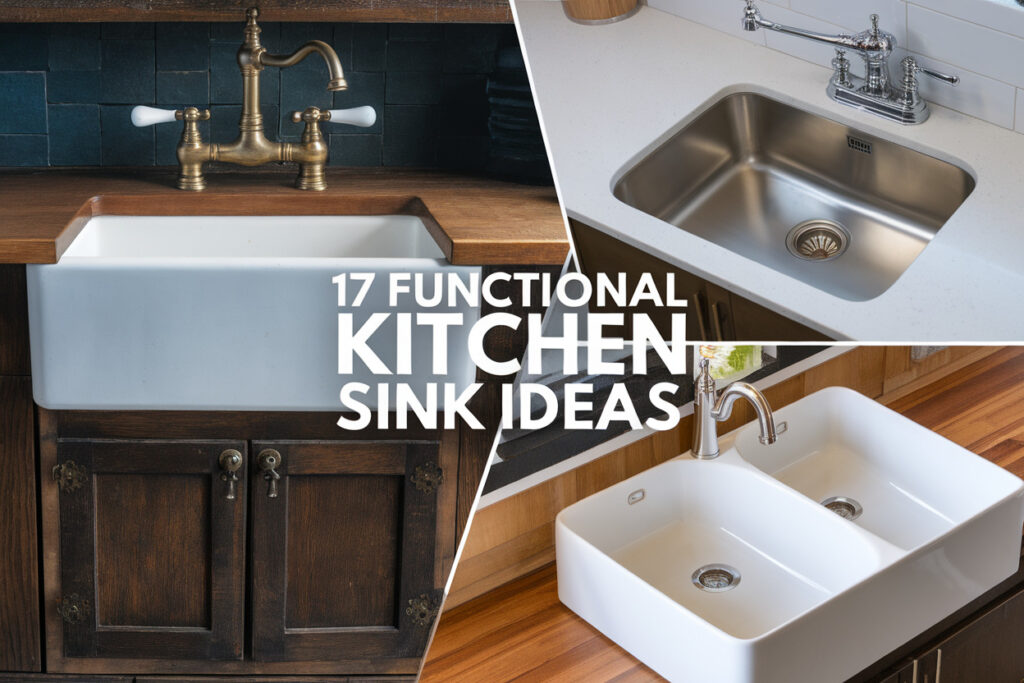
So let’s talk like friends and break down smart, practical, and genuinely useful kitchen sink ideas that work in real homes, not just in showroom photos.
Why the Right Kitchen Sink Matters More Than You Think
A sink doesn’t just sit there looking pretty, even though we secretly want that too. It handles dishes, food prep, hand washing, quick cleanups, and those moments when you just stand there thinking about life while water runs. Ever noticed how the wrong sink makes everything feel harder?
I learned this the hard way when I lived with a shallow, noisy sink that splashed water everywhere like it had a personal vendetta against dry countertops.
Function affects flow, and when your sink works with you instead of against you, cooking feels smoother and cleaning feels faster. That’s not design fluff, that’s daily life.
What Makes a Sink Truly Functional
Before we jump into specific ideas, let’s get clear on what functionality actually means in sink terms. It’s not just size or material, it’s how everything works together.
Key functional factors include
- Depth and bowl size for handling real dishes
- Material durability that handles heat and impact
- Installation style that fits your counter and workflow
- Accessories that reduce clutter and steps
When these align, you get a sink that feels effortless instead of annoying.
1. Single Bowl Deep Sink for Busy Kitchens
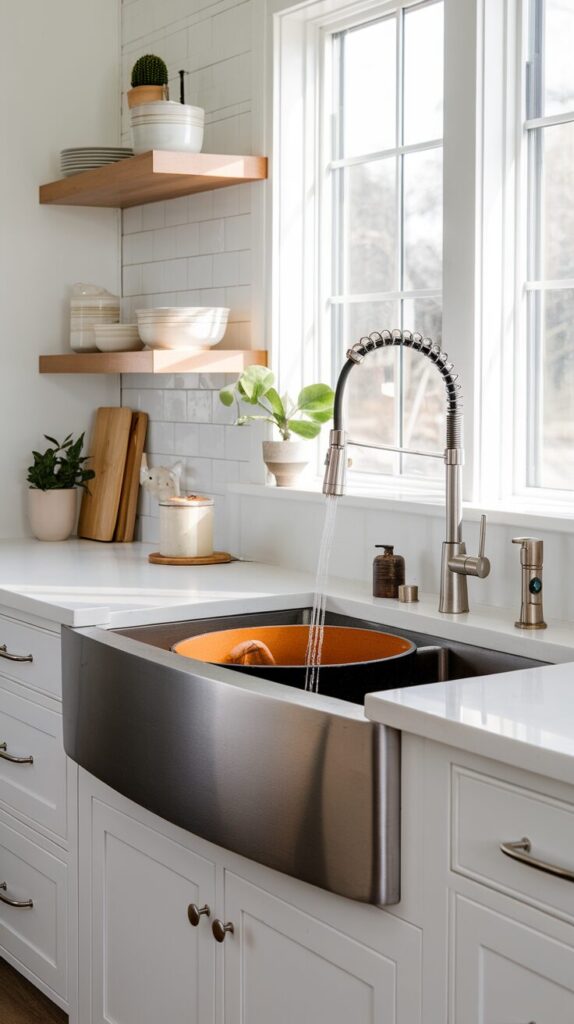
I love a deep single bowl sink because it feels like a black hole for dirty dishes in the best way. You can stack pans, baking trays, and oversized pots without playing sink Tetris. If you cook often, this setup saves you from constant rearranging.
Deep single bowl sinks work best when space matters more than separation. You wash, rinse, and soak in one large area, which feels surprisingly efficient. Ever tried washing a roasting pan in a tiny sink? Yeah, this fixes that problem fast.
2. Double Bowl Sink for Multi Tasking Pros
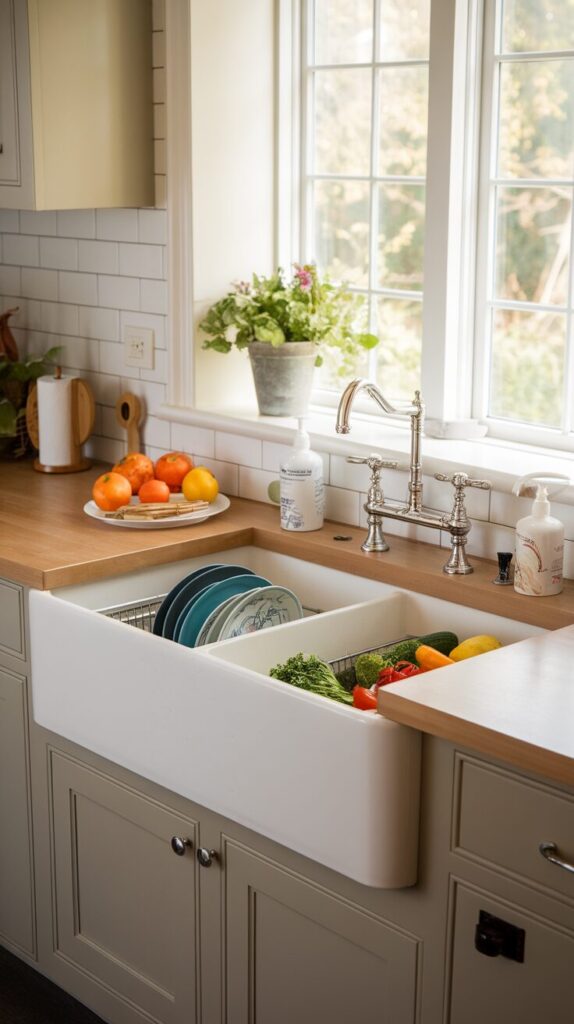
Some people swear by double bowl sinks, and I get why. One side handles dirty dishes while the other stays free for rinsing or food prep. It feels organized, especially if you cook with a partner or family.
When a Double Bowl Makes Sense
Double bowls shine when
- You prep and clean at the same time
- Multiple people use the kitchen together
- You like keeping tasks separated
IMO, this setup works best in medium to large kitchens where counter space balances the sink footprint.
3. Farmhouse Apron Front Sink for Style and Comfort
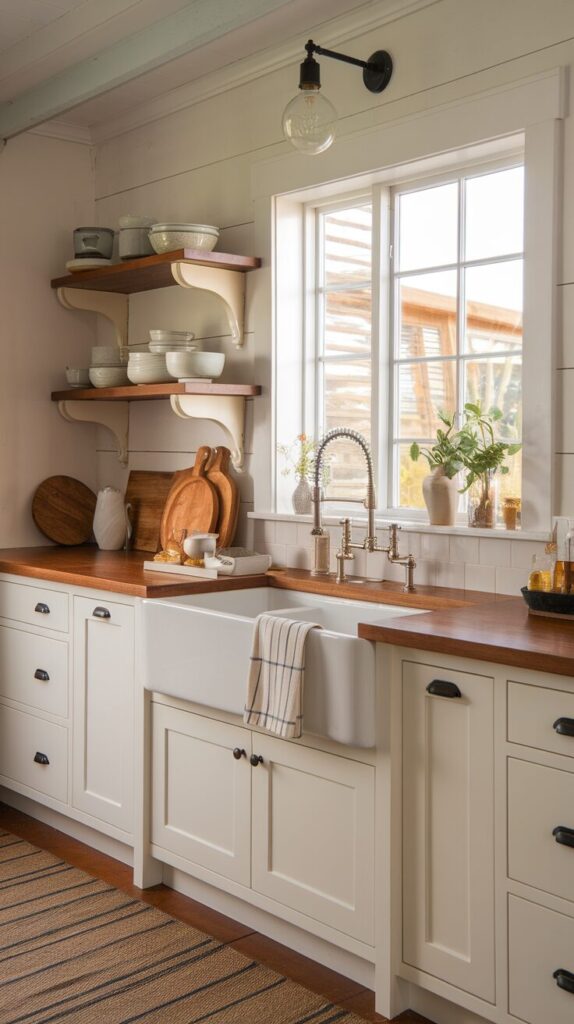
Farmhouse sinks look amazing, but they also serve a sneaky functional purpose. The exposed front reduces how far you lean over the counter, which saves your back during long dish sessions. I didn’t believe this until I used one for a week.
Apron front sinks combine comfort with capacity, and they hold large cookware with ease. If you cook often and hate bending awkwardly, this design feels like a quiet luxury that earns its keep.
4. Undermount Sink for Easy Cleaning
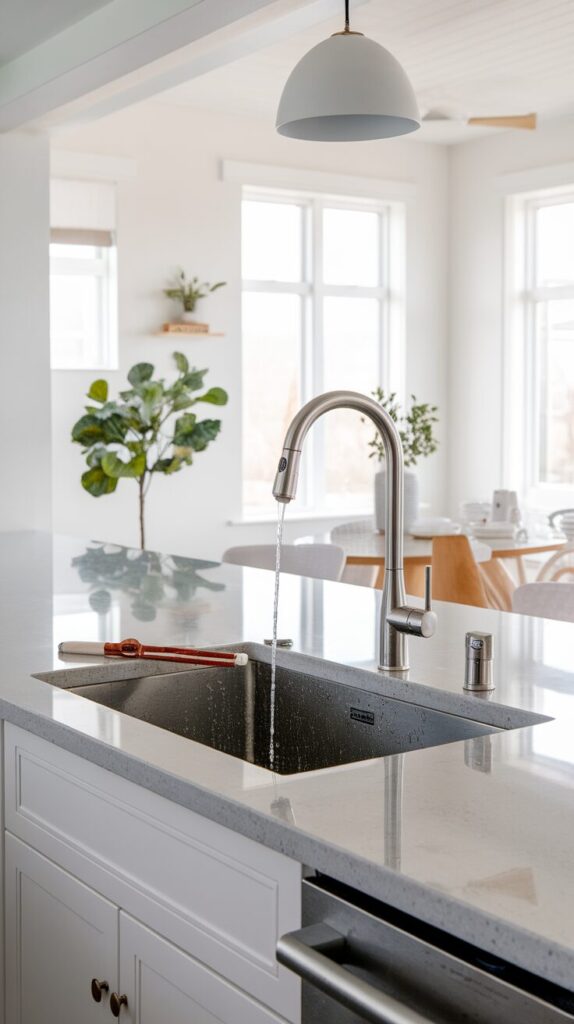
Undermount sinks make cleaning faster, plain and simple. You wipe crumbs and water straight into the sink without catching edges or seams. That small detail adds up over time.
Why Undermount Sinks Feel Effortless
This style helps because
- No raised lip traps debris
- Countertops look cleaner
- Maintenance feels simpler
If you value speed and minimal fuss, this one deserves serious consideration.
5. Workstation Sink with Built In Accessories
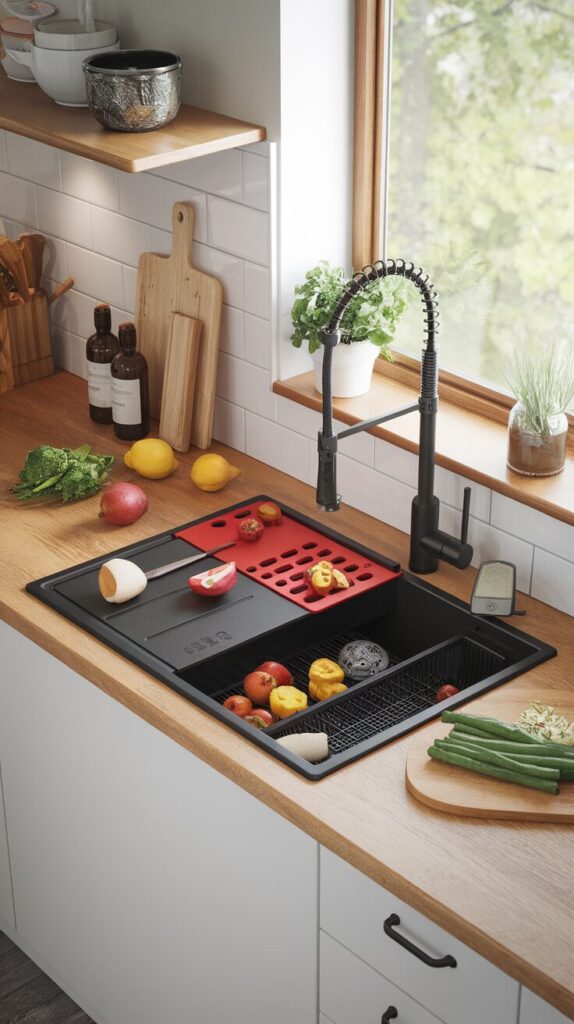
Workstation sinks feel like the Swiss Army knife of kitchen sinks. They come with sliding cutting boards, colanders, drying racks, and grids that fit perfectly. I use one now, and honestly, it changed how I prep meals.
Built in accessories reduce counter clutter and save steps. You chop, rinse, drain, and clean all in one spot. Ever wondered why professional kitchens feel efficient? This setup borrows that logic.
6. Integrated Drainboard Sink for Small Kitchens
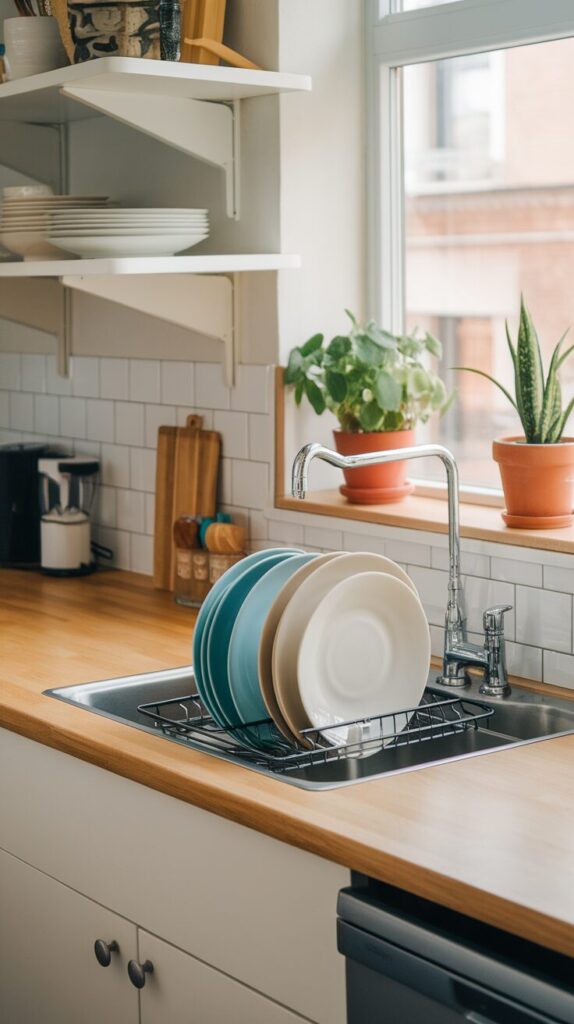
If you work with limited counter space, an integrated drainboard feels like a gift. It gives you a dedicated spot for drying dishes without needing extra racks or towels. I appreciate this especially in apartments and compact homes.
Why Drainboards Still Matter
Drainboards help by
- Saving counter space
- Reducing water mess
- Keeping dishes organized
This design feels old school to some, but functionally, it still delivers.
7. Stainless Steel Sink for Durability and Value
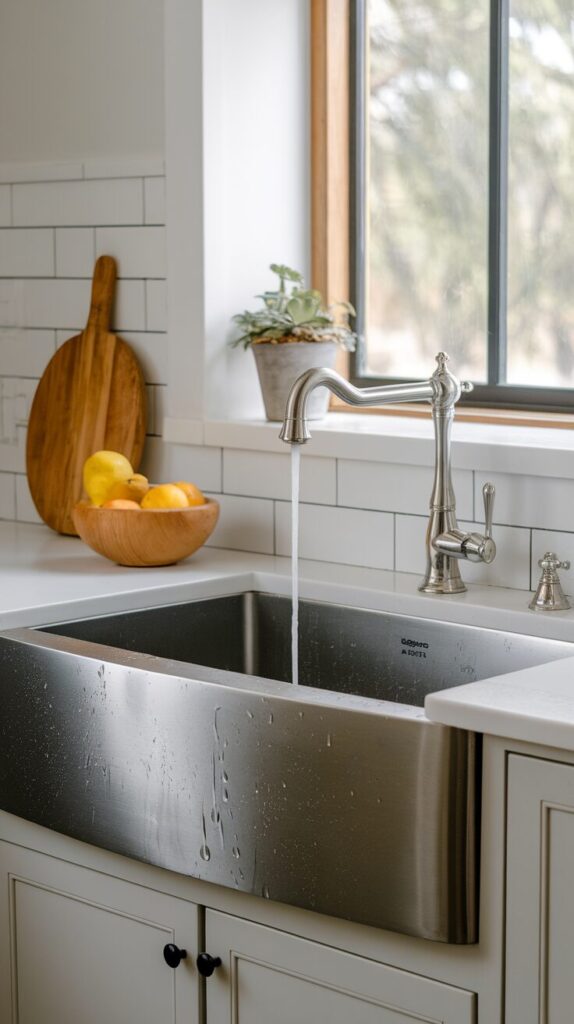
Stainless steel sinks remain popular for good reasons. They resist heat, handle impact, and clean easily. I’ve dropped heavy pans into mine more times than I’ll admit, and it barely flinched.
Stainless steel offers the best balance of cost, durability, and versatility. If you want a sink that works hard without drama, this option stays reliable year after year.
8. Granite Composite Sink for Quiet Strength
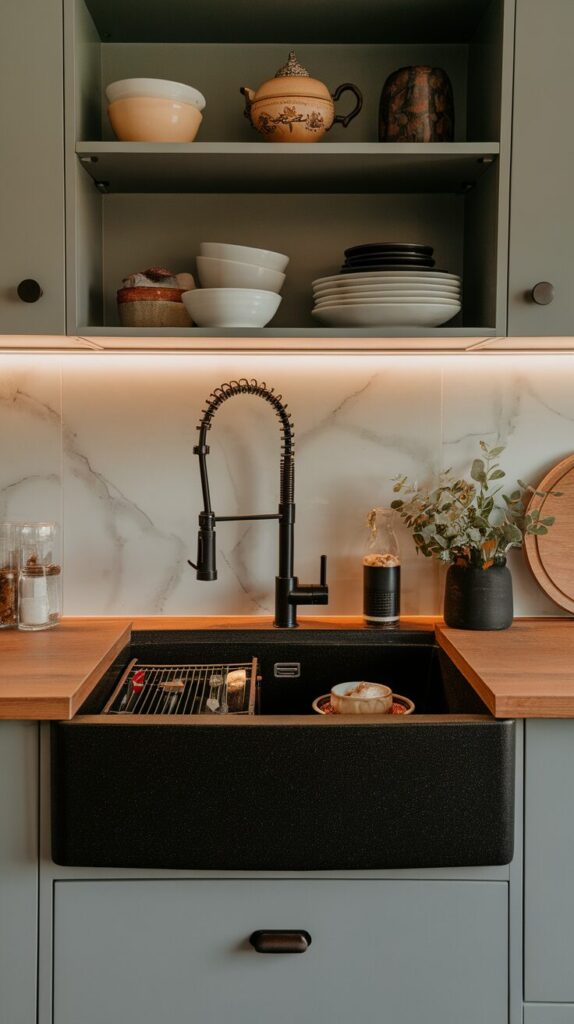
Granite composite sinks surprised me with how solid they feel. They resist scratches, reduce noise, and handle daily abuse well. Plus, they come in colors that break up the stainless steel monotony.
What Sets Granite Composite Apart
These sinks stand out because
- They absorb sound better
- They resist staining
- They feel sturdy and premium
If noise annoys you, this material makes dishwashing noticeably calmer.
9. Fireclay Sink for Heat and Impact Resistance
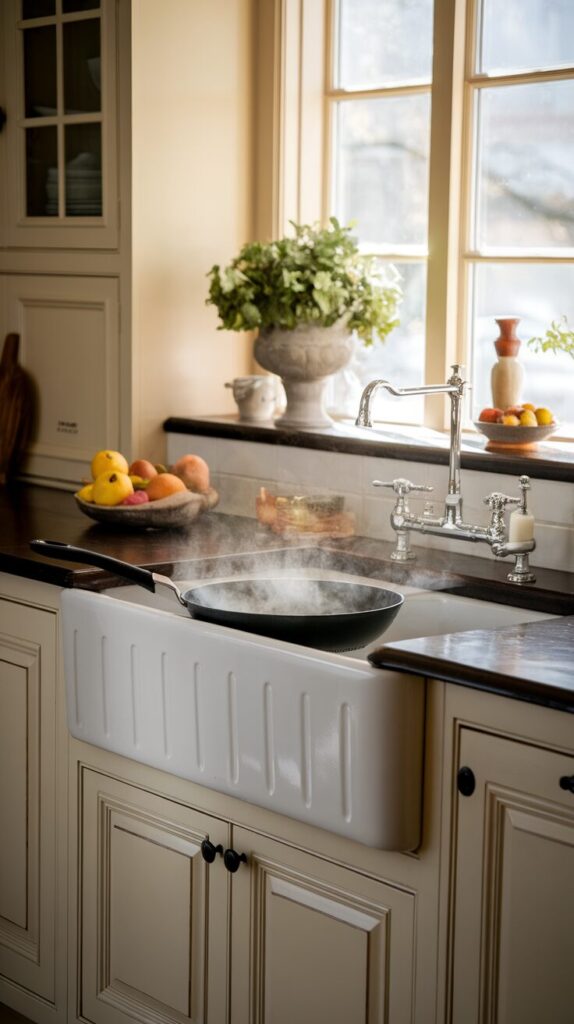
Fireclay sinks look classic, but they also handle serious heat. You can drop a hot pan straight in without worry, which feels liberating if you cook often. I like that they combine beauty with toughness.
Fireclay works best for people who want durability with a traditional aesthetic. Just make sure your cabinet support can handle the weight.
10. Corner Sink to Maximize Awkward Spaces
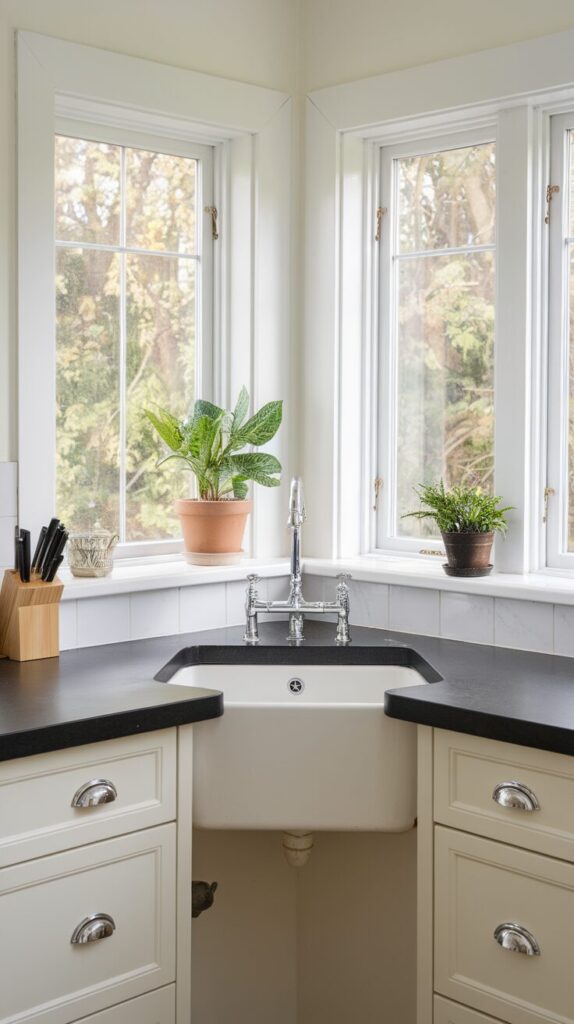
Corner sinks solve layout problems that frustrate many homeowners. They use space that often goes wasted while opening up counter areas elsewhere. I’ve seen small kitchens transform just by repositioning the sink.
When a Corner Sink Shines
This idea works well when
- Layout feels cramped
- Corners go unused
- You want better workflow
It’s not for everyone, but in the right layout, it feels smart rather than strange.
11. Bar Prep Sink for Entertainers
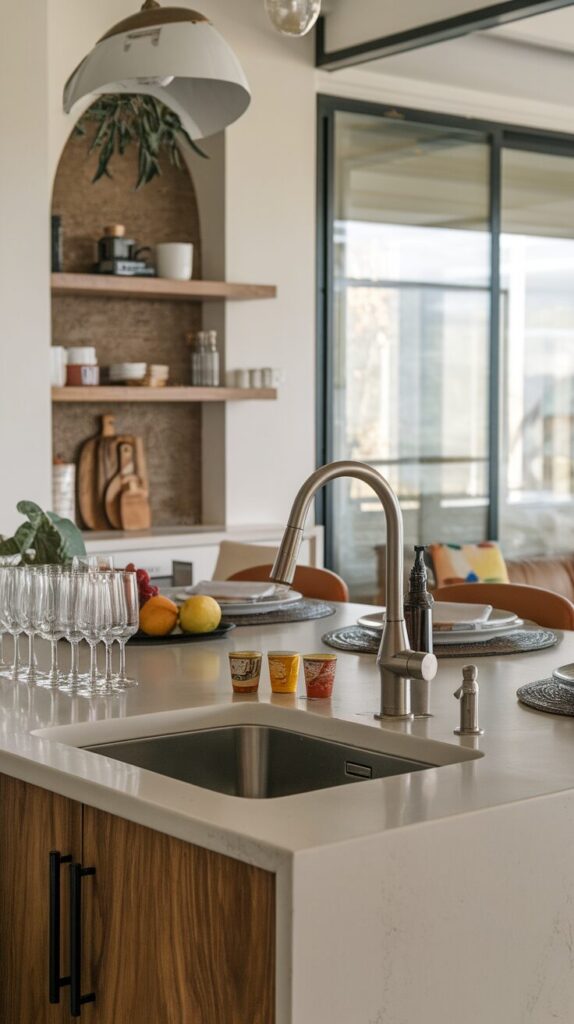
If you host often, a prep sink adds serious convenience. It keeps guests out of your main work zone while giving you extra space for drinks or quick rinses. I love this setup during gatherings because it spreads activity naturally.
Prep sinks reduce congestion and stress during entertaining. They feel indulgent but quickly prove their value.
12. Flush Mount Sink for Seamless Design
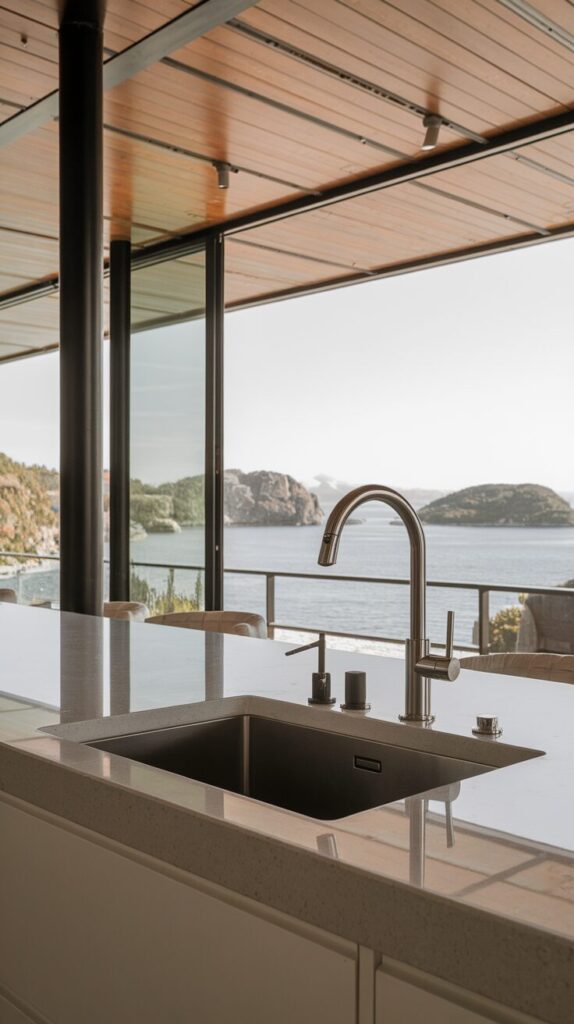
Flush mount sinks sit level with the countertop, creating a smooth, modern look. They clean easily and blend beautifully into contemporary kitchens. I appreciate how polished everything feels with this installation style.
Benefits of Flush Mount Installation
This design helps by
- Creating a seamless surface
- Simplifying cleanup
- Elevating visual flow
It works best with precise installation, so quality matters here.
13. Integrated Sink and Counter Combo
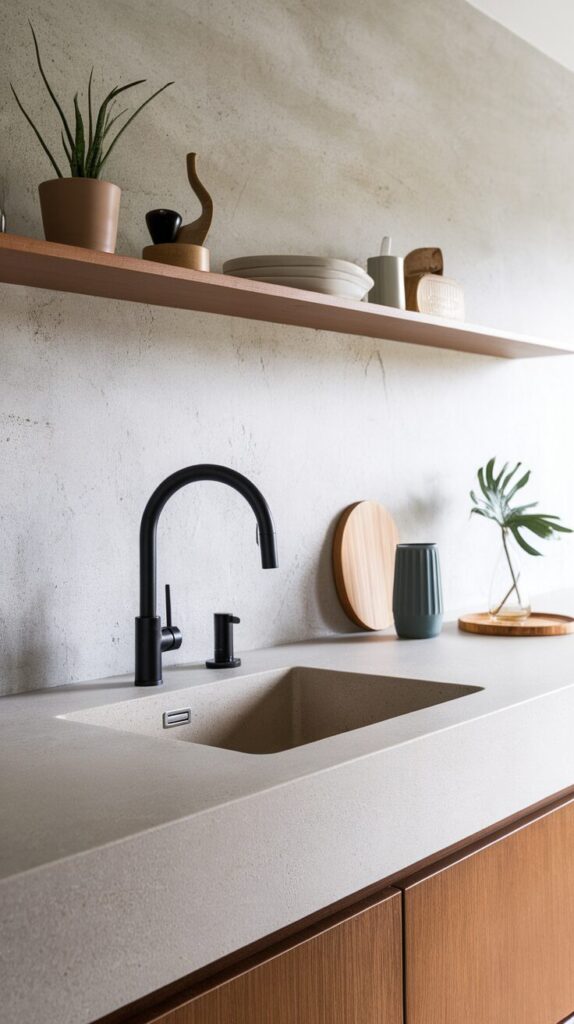
Some modern kitchens feature sinks made from the same material as the countertop. This creates a seamless look that feels futuristic and practical. Cleaning feels effortless because there are zero seams.
Integrated sinks offer unmatched visual continuity and easy maintenance. If you love minimal design, this idea hits the sweet spot.
14. Extra Wide Sink for Large Families
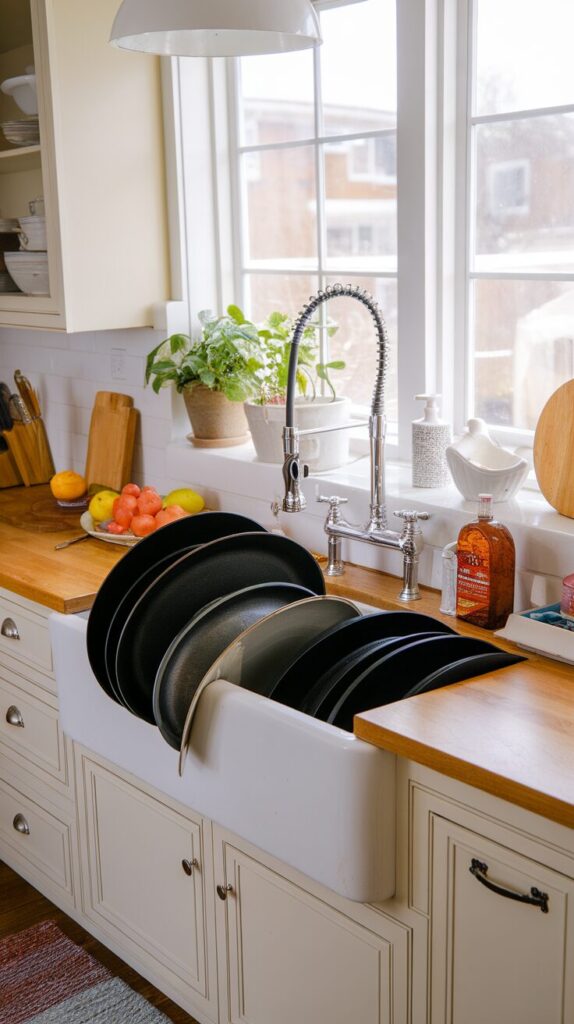
Wide sinks handle chaos better than narrow ones. Multiple dishes, big cookware, and constant use feel manageable with extra space. I recommend this for families who cook daily and clean in batches.
Why Size Changes Everything
A wider sink
- Handles volume better
- Reduces splash
- Supports faster cleanup
Sometimes, bigger really does mean better.
15. Low Divider Double Sink for Flexibility
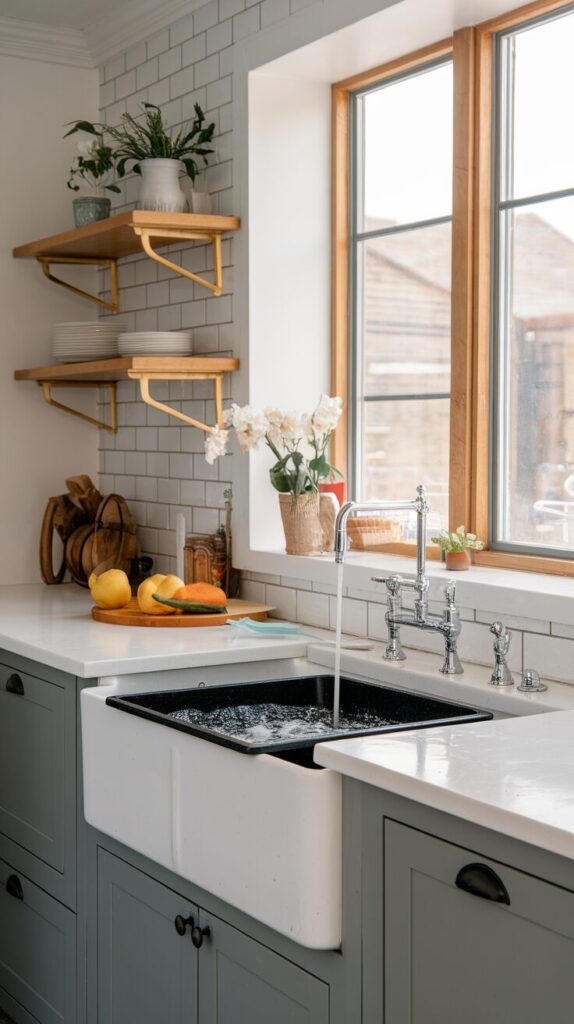
Low divider sinks combine the best of single and double bowls. You get separation without sacrificing space for large items. I find this design incredibly practical when washing oversized cookware.
Low dividers give flexibility without compromise, which feels rare in kitchen design.
16. Sink with Built In Water Filtration
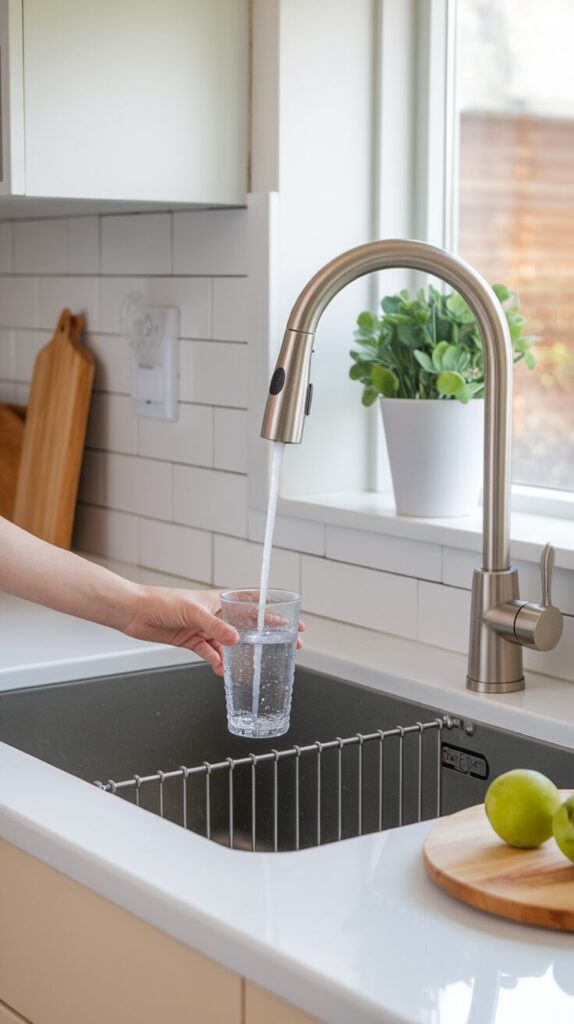
Built in filtration systems feel underrated. You get clean drinking water straight from the tap without cluttering your counter. I use mine constantly for cooking and refilling bottles.
Why Filtration at the Sink Works
This setup
- Reduces bottled water use
- Saves counter space
- Improves daily convenience
FYI, once you have it, you won’t want to go back.
17. Touchless Faucet Pairing for Hygiene and Ease
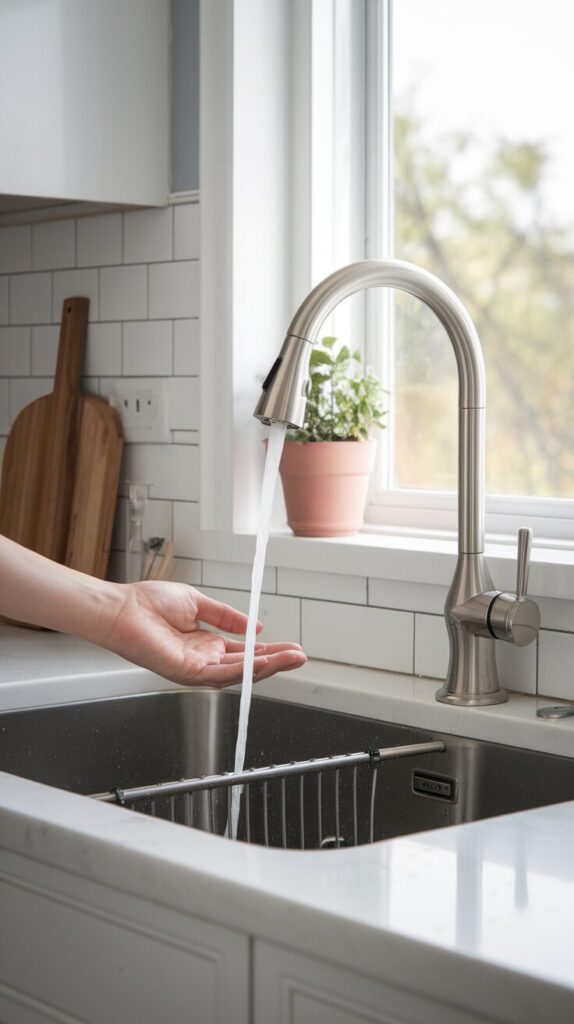
While technically a faucet feature, pairing your sink with a touchless faucet boosts functionality instantly. You turn water on without touching handles, which feels magical when your hands get messy. I resisted this at first, then became a believer.
Touchless setups improve hygiene and speed, especially during cooking sessions. Yes, it feels fancy, but it also feels practical.
The Functional Kitchen Sink Strategy: How to Choose with Confidence
Before you pick any of the sink ideas above, you need a simple strategy. I always tell friends to stop looking at photos first and start looking at habits instead. Your daily kitchen routine should guide your sink decision, not trends or what looks good on social media.
Step 1: Assess Your Kitchen Workflow
Pay attention to how you actually move in your kitchen. Do you prep near the sink, or do you use an island for chopping and rinsing? When you understand your movement pattern, you can choose a sink that supports it instead of interrupting it.
Ask yourself a few direct questions:
- Where do I wash most dishes?
- Do I clean as I cook or all at once?
- Do I need more prep space or more soaking space?
Clear answers remove guesswork fast.
Step 2: Match Sink Size to Cabinet and Counter Space
I’ve seen people fall in love with oversized sinks only to realize their base cabinet cannot support it. Always confirm cabinet width, plumbing alignment, and countertop material before choosing a sink style. Structural compatibility matters as much as aesthetics.
If you install a heavy fireclay or farmhouse sink, make sure the cabinet framing can handle the weight. That small planning step prevents expensive regrets later.
Step 3: Prioritize Material Based on Lifestyle
Not every material suits every household. Stainless steel handles heavy daily use and feels practical, while granite composite reduces noise and adds visual depth.
Here’s a simple material guide:
- Stainless Steel for durability and budget balance
- Granite Composite for quiet performance and modern color options
- Fireclay for classic design and heat resistance
When you match material to lifestyle, maintenance becomes easier instead of annoying.
Step 4: Plan for Long-Term Maintenance
A sink stays in place for years, sometimes decades. Choose finishes that resist staining and scratching based on your cleaning habits. If you hate polishing and special cleaners, pick a material that forgives you.
Low maintenance equals long-term satisfaction. You want to enjoy your kitchen, not babysit it.
Common Mistakes to Avoid
I’ve watched homeowners make the same sink mistakes again and again, and most of them come from rushing the decision. Let’s keep you out of that club.
Choosing Style Over Function
Yes, farmhouse sinks look stunning. But if your kitchen layout does not support one comfortably, you’ll regret forcing it. Always confirm that the design enhances your workflow instead of complicating it.
Ignoring Depth and Splash Control
Shallow sinks look sleek, but they splash like crazy when paired with high-pressure faucets. Proper depth reduces mess and cleanup time. Think about how often you wash large pots and pans.
Overlooking Faucet Compatibility
A great sink paired with a weak or awkward faucet feels frustrating. Always match your sink style with a faucet that supports your cleaning needs, especially if you choose deep or extra wide bowls.
Forgetting About Noise Levels
Metal sinks without sound-dampening pads can echo loudly during dishwashing. If noise bothers you, choose materials or models that reduce vibration.
Skipping Professional Installation When Needed
Some sink types require precise installation, especially undermount and flush mount designs. If you lack experience, hire a professional to avoid leaks and alignment issues.
Installation and Plumbing Considerations
Function does not stop at the sink surface. Installation quality affects long-term performance more than most people realize.
Cabinet Support and Reinforcement
Heavy sinks like fireclay and apron-front styles require reinforced cabinets. Always check weight limits and structural stability before installation.
Proper Sealing and Waterproofing
Water damage creeps in slowly but causes major problems. Use high-quality sealant and ensure tight edges, especially with undermount sinks.
Drain Placement and Garbage Disposal Compatibility
Some deep or specialty sinks require specific drain configurations. Confirm that your plumbing setup supports garbage disposals and filtration systems if you plan to install them.
Planning plumbing details upfront prevents hidden repair costs later.
Maintenance and Care Best Practices
You want your sink to look good and function well long after installation. Regular care keeps materials performing at their best.
Daily Cleaning Routine
Rinse food debris immediately after use. Wipe surfaces with a mild cleaner and soft cloth to prevent buildup and staining.
Weekly Deep Clean
Use non-abrasive cleaners appropriate for your sink material. Avoid harsh chemicals that damage protective coatings.
Preventing Scratches and Stains
Use protective grids at the bottom of deep sinks. Avoid dragging heavy cookware across the surface.
Consistent maintenance protects your investment and preserves functionality.
Frequently Asked Questions
What is the most durable kitchen sink material?
Stainless steel and granite composite offer excellent durability for daily use. Stainless steel handles impact well, while granite composite resists scratches and reduces noise.
Is a single bowl or double bowl sink better?
A single bowl works best for large cookware and open washing space. A double bowl supports multitasking and task separation, so your choice depends on your cooking style.
How deep should a kitchen sink be?
Most functional kitchen sinks range from 8 to 10 inches deep. Deeper sinks reduce splashing and handle large pots more easily.
Are farmhouse sinks practical for small kitchens?
Farmhouse sinks can work in small kitchens if cabinet support and layout allow it. Always measure carefully before committing.
Do workstation sinks really save space?
Yes, workstation sinks reduce counter clutter by integrating accessories like cutting boards and drying racks directly into the sink design.
Should I install a water filtration system at the sink?
If you want convenient access to clean drinking water, built-in filtration systems offer long-term value and reduce reliance on bottled water.
Final Thoughts
A kitchen sink might not feel glamorous, but it shapes how your kitchen actually functions every single day. I’ve learned that choosing the right sink saves time, reduces frustration, and quietly improves your routine, which feels like a win in my book.
So take a moment, think about how you really use your kitchen, and pick a sink that supports your lifestyle instead of fighting it.