20 Easy Living Room Furniture Arrangement Ideas for Style
Ever feel like your living room just isn’t working? Like the couch is judging you from the corner and your coffee table’s begging for a do-over? You’re not alone.
According to interior designers, furniture layout is one of the most common challenges people face in home decor. But here’s the good news: arranging your space doesn’t require a total remodel—or a feng shui certificate.
In this list, I’ve rounded up 20 super easy, style-boosting furniture arrangement ideas that will totally transform your living room vibe.
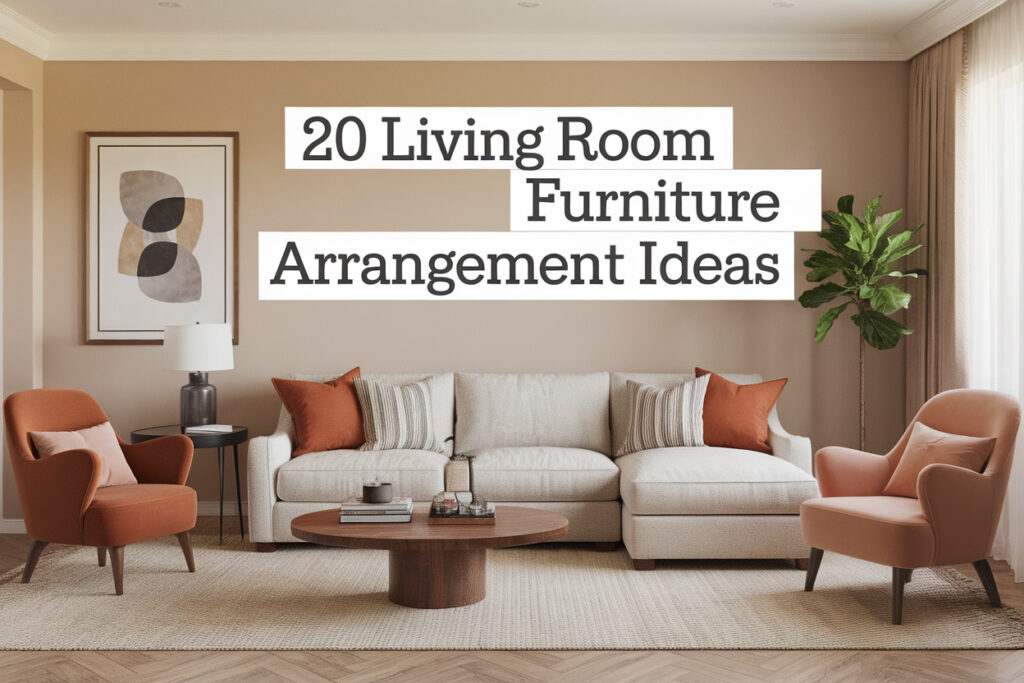
Whether you’re dealing with a narrow room, open floor plan, or teeny-tiny nook, there’s a trick here for you. Let’s style it up!
1. Float Your Furniture Off the Walls
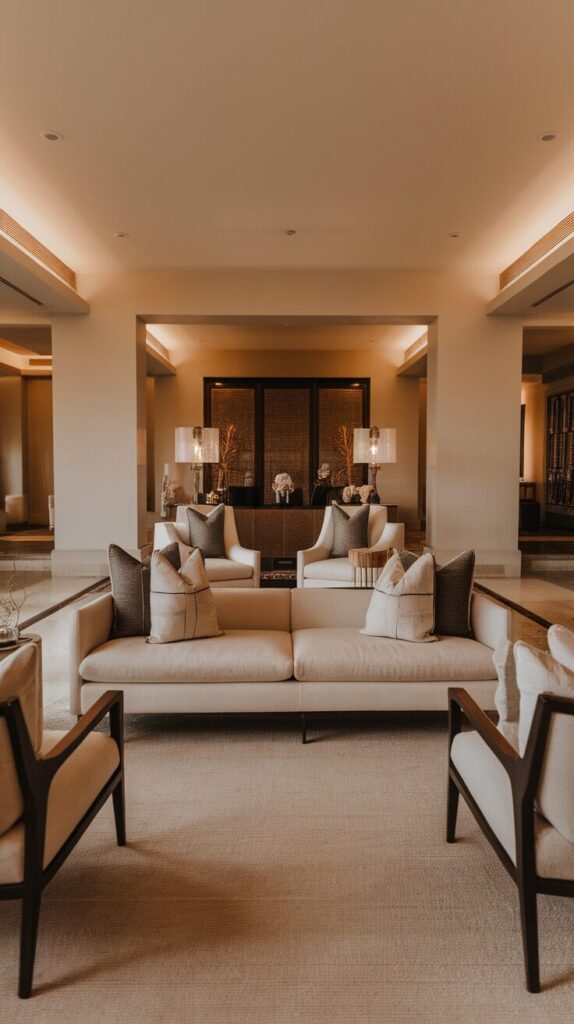
One fun way to instantly change your living room’s energy is by pulling your furniture away from the walls. Yep, it sounds counterintuitive, but it actually makes the space feel cozier. When seating floats in the middle, it creates an inviting conversation zone rather than that “waiting room” vibe.
To make this work, start with your sofa and pull it forward just a few feet. Anchor it with a rug underneath to make the arrangement look intentional, not random. Add chairs or a loveseat nearby, and suddenly you’ve got a social setup that feels curated.
This approach works wonders in open floor plans, where you want to carve out a living area without actual walls. Bonus: you’ll have space behind the sofa for a console table, shelves, or even extra storage.
2. Use Rugs to Define Zones

Here’s a decorator’s trick that instantly makes a room look more polished—use rugs to define zones. If your living room flows into the dining or office area, rugs are your best friend. They visually separate spaces without blocking them off.
For a cozy living zone, pick a rug that’s large enough to fit all your main seating pieces (at least the front legs). This makes the arrangement look grounded and cohesive. A bold pattern can add personality, while a neutral one blends seamlessly.
Don’t be afraid to layer rugs if your space feels bland. A natural jute rug topped with a patterned area rug adds texture and warmth while making your floating furniture feel anchored.
3. Angle Your Armchairs
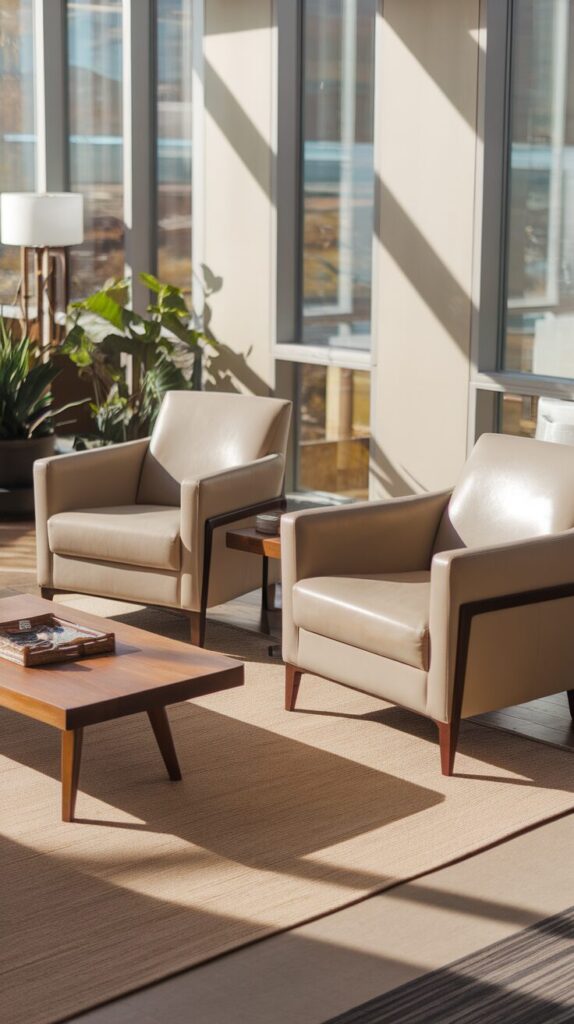
Tired of rigid, boxy layouts? Try angling your armchairs. A diagonal placement instantly adds movement and energy to your space. It’s like saying, “I don’t play by the furniture rules—but I still have style.”
If your sofa is the main anchor, angle a pair of chairs across from it. This breaks up the straight lines and makes the room feel more dynamic. It also helps create a better flow around your coffee table or central area.
This little shift makes a big impact, especially in square or awkwardly shaped rooms. The best part? You don’t need new furniture—just rotate what you already have.
4. Create a Conversation Circle
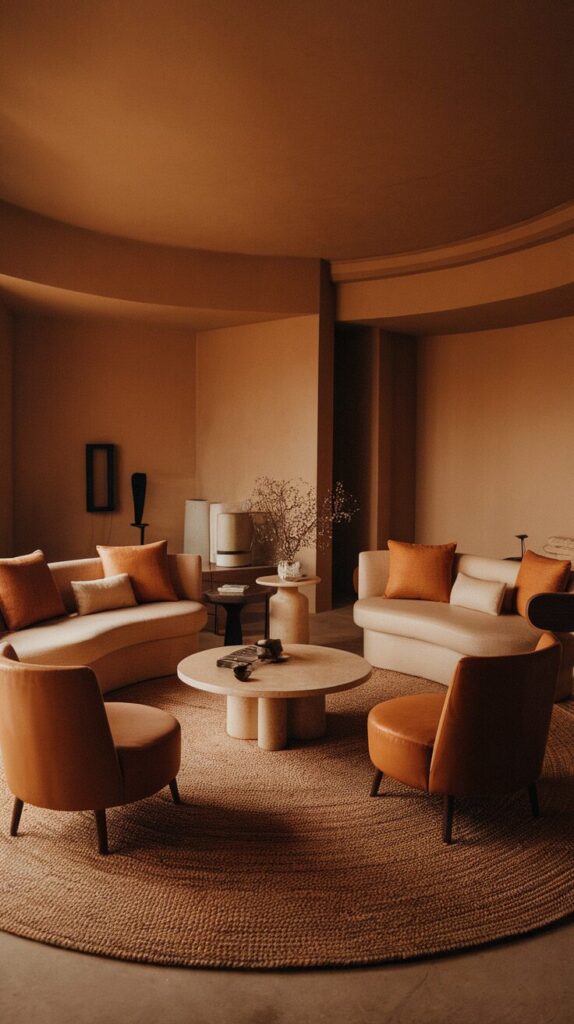
This one’s perfect if you love entertaining. Instead of lining up furniture like soldiers, arrange your sofas and chairs in a circle. Or at least close to one! It instantly encourages face-to-face chatting, laughter, and connection.
Start by picking a central focal point—a coffee table, fireplace, or rug—and build around it. Place seats so everyone has eye contact and easy reach to the center. The vibe feels intimate without being cramped.
It’s especially great for larger spaces that otherwise feel too spread out. With a conversation circle, the energy of the room naturally pulls people together.
5. Let the Coffee Table Be the Star
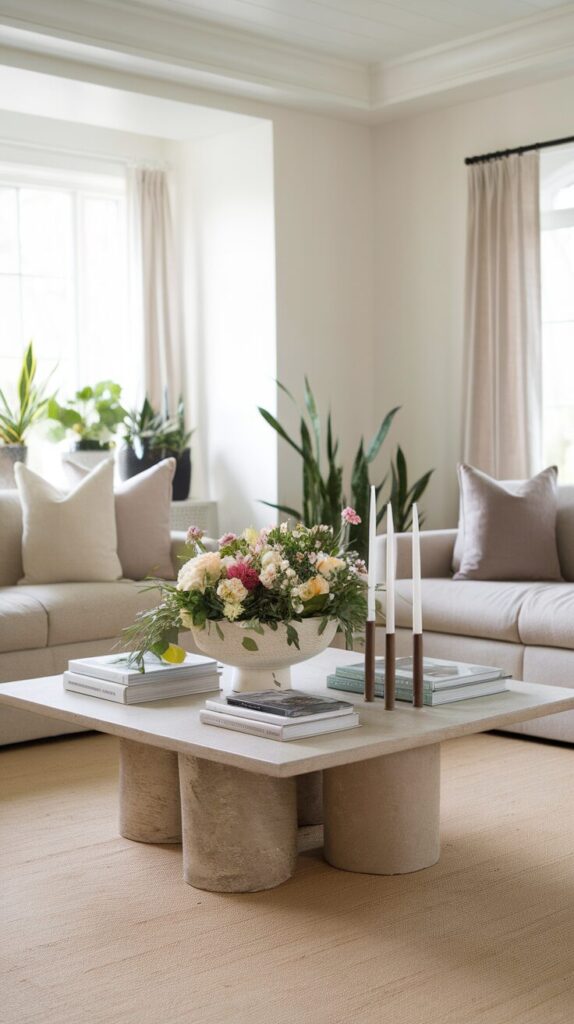
Ever notice how everything in the living room revolves around the coffee table? It’s the true star of the show, so let’s give it the stage it deserves. The key is to make sure every seat has easy access to it.
Place your sofa and chairs close enough that no one has to stretch like they’re doing yoga just to grab their coffee cup. This also keeps the layout feeling balanced and intentional.
Styling the table itself matters too—think trays, books, candles, or a simple vase of flowers. A well-placed table anchors your seating area and makes the whole space feel put together.
6. Embrace the “L” Shape
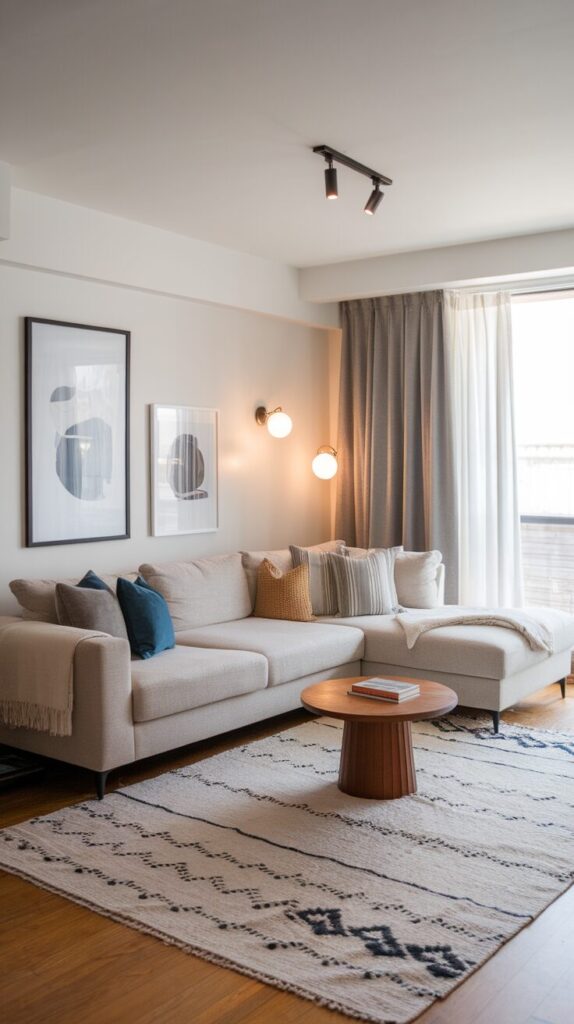
If you’re working with a corner or compact space, embracing the “L” shape is a game-changer. A sectional naturally forms the shape, but you can also pair a sofa with a loveseat or even two chairs.
The L-shape keeps things open yet cozy, making it ideal for family movie nights or casual lounging. It also maximizes tricky corners that often go unused.
Anchor it with a rug and a central coffee table, and you’ll have a functional, stylish space that feels intentional—without eating up precious square footage.
7. Use a Console Table Behind the Sofa
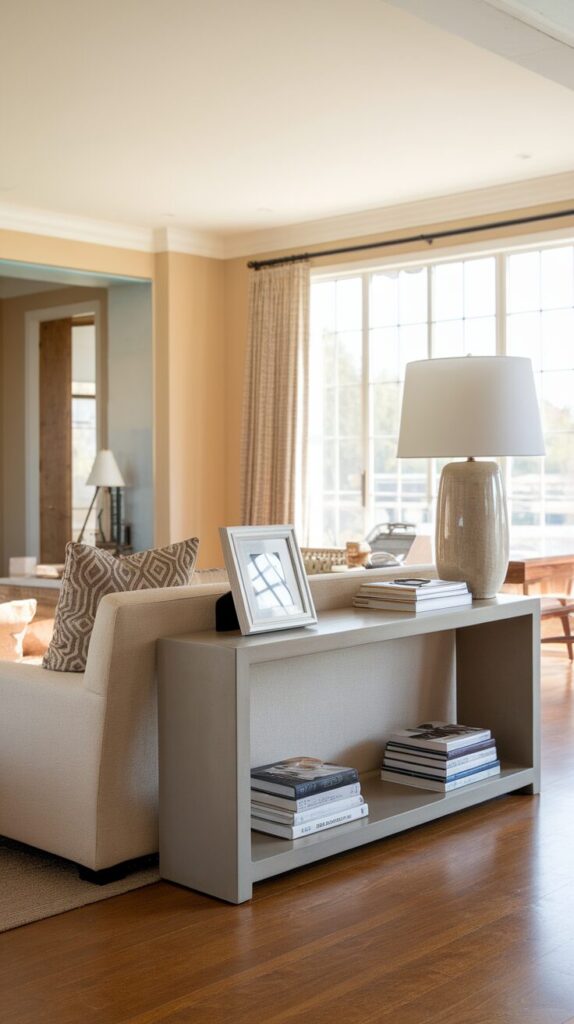
Here’s a unique twist for open layouts: place a console table right behind your sofa. It acts like a subtle divider, giving definition to the living area without blocking light or flow.
You can style it up with lamps, framed photos, or a stack of your favorite coffee table books. Plus, it adds much-needed surface space for things like drinks or decor.
In tighter spaces, go for a slim table that doesn’t overwhelm. This trick is especially helpful in apartments where one room has to do double duty.
8. Symmetry Isn’t Boring—It’s Classic
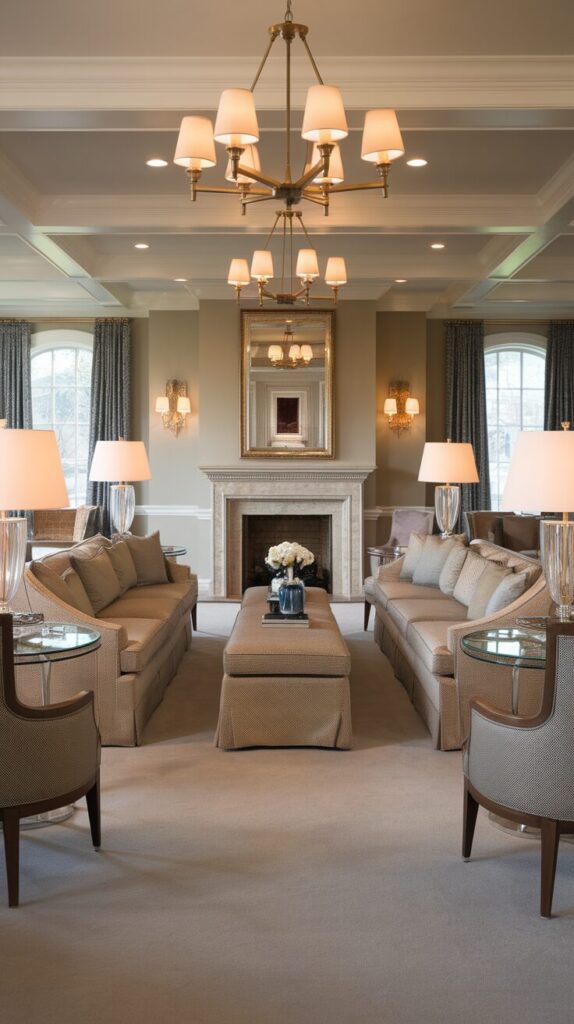
Why not try symmetry when arranging your living room? Matching sofas or pairs of chairs placed on either side of a focal point bring a sense of harmony. It’s the design equivalent of a deep, calming breath.
Start with a fireplace, window, or TV wall as your anchor. Place identical pieces on each side, then add matching lamps or side tables to tie it all together.
The result feels polished, timeless, and perfect for larger or more formal living rooms. Symmetry never really goes out of style—it’s a tried-and-true formula that always works.
9. Zone with Bookshelves or Screens
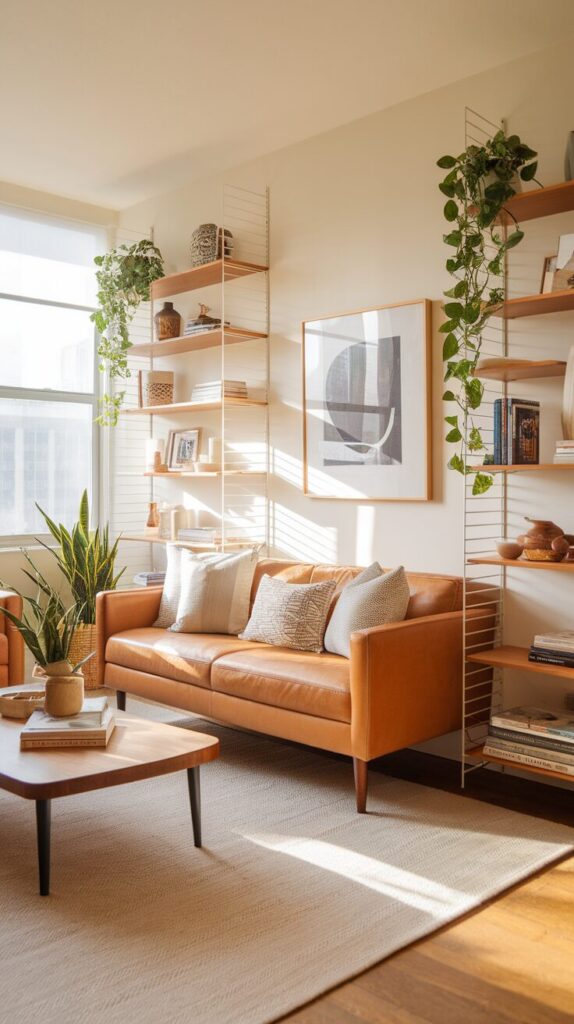
Kick off your makeover with a clever zoning trick: bookshelves or folding screens. They divide a large space without the hassle (or cost) of adding walls.
A tall bookshelf filled with decor doubles as storage and style. A folding screen adds instant architecture and can even be moved around as needed. Both create definition while keeping the room airy.
This idea works beautifully in rentals, studios, or open-plan homes where you want multipurpose functionality without losing that sense of flow.
10. Maximize Window Views
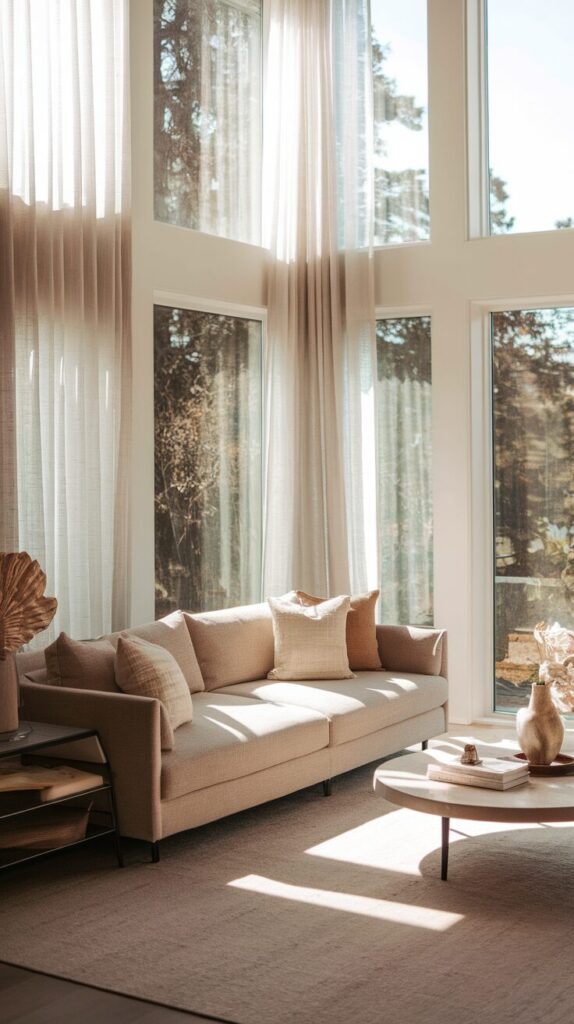
Here’s a simple idea with big impact—orient your seating to take advantage of natural light and views. A sofa facing the windows makes the whole room feel more open and airy.
If you’ve got a great view, let it be the star of the show. Even a modest garden or balcony becomes a “wow” moment when framed by your seating arrangement.
The added bonus? More natural light flooding your space, which instantly makes it feel fresher, calmer, and more inviting.
11. Go Minimal with Furniture
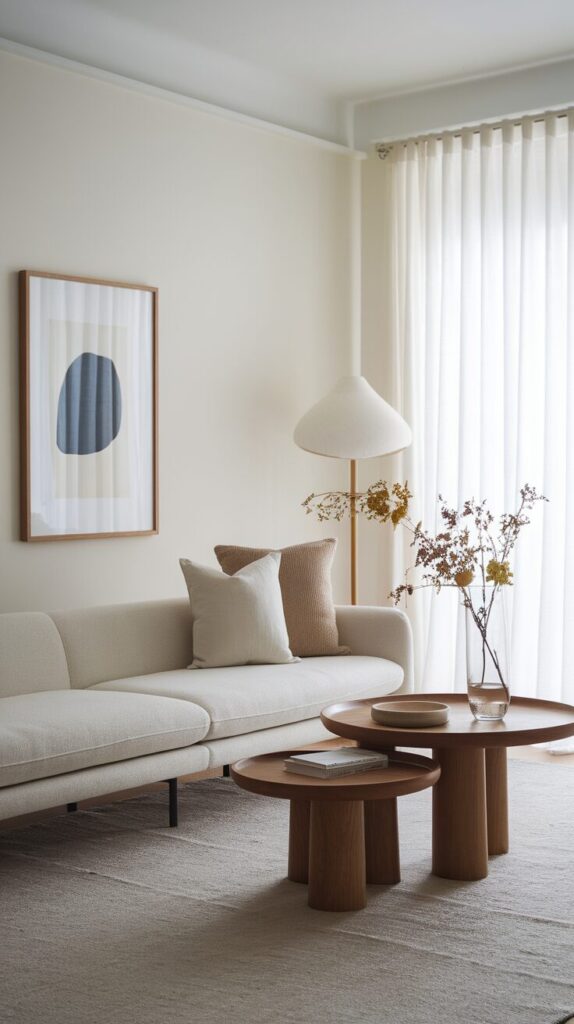
Less really can be more, especially in small or modern living rooms. A pared-down approach keeps the space feeling open and breathable, while still delivering style. Instead of filling every corner, choose a few versatile pieces that do double duty.
Think a sleek sofa with hidden storage, or a nesting table set that expands only when you need it. These multipurpose heroes save space while still looking chic. Minimal doesn’t mean bare—it means intentional.
Stick to clean lines and neutral tones, then layer in texture with throws, cushions, or a single bold piece of art. Suddenly, the room feels stylish without being stuffed.
12. Balance Heavy and Light Pieces
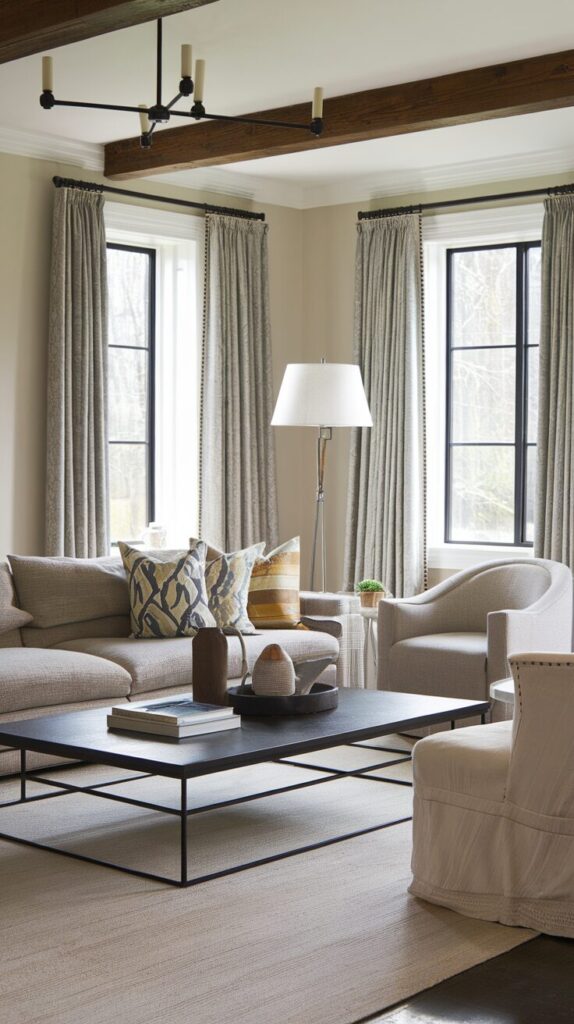
One decorating mistake people make is piling all the bulky furniture on one side of the room. That’s when a space starts to feel lopsided and awkward. The trick is to balance heavy and light elements so the eye flows easily.
Pair a chunky sectional with a slim-legged coffee table, or offset a solid wood media console with an airy accent chair. This keeps the room feeling grounded but never weighed down.
It’s all about visual rhythm—mixing scale, shape, and finish so that no one side dominates. Balance equals harmony, and harmony equals style.
13. Add a Reading Nook
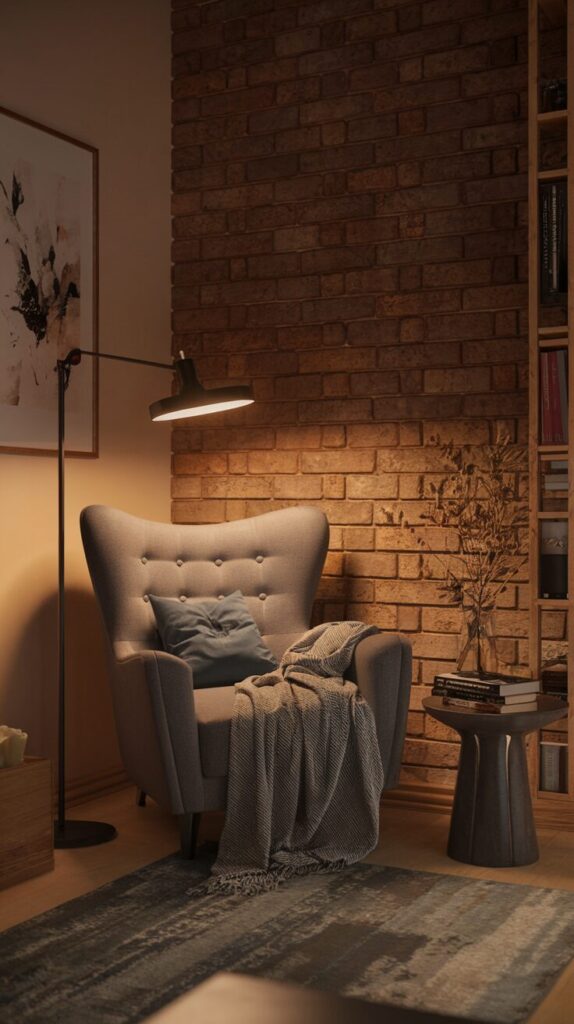
Why not give that unused corner a cozy upgrade with a reading nook? All it takes is a comfy chair, a floor lamp, and maybe a small side table for your tea or book stack. Suddenly, the corner goes from wasted space to favorite hangout.
Choose a chair that suits your vibe—plush for comfort, or sleek and modern for style. Add a throw blanket, a textured pillow, and voilà, instant hygge.
Even if you’re not a big reader, a styled nook adds character and makes the room feel lived-in. It’s one of those personal touches that makes a house feel like home.
14. Use Ottomans Creatively
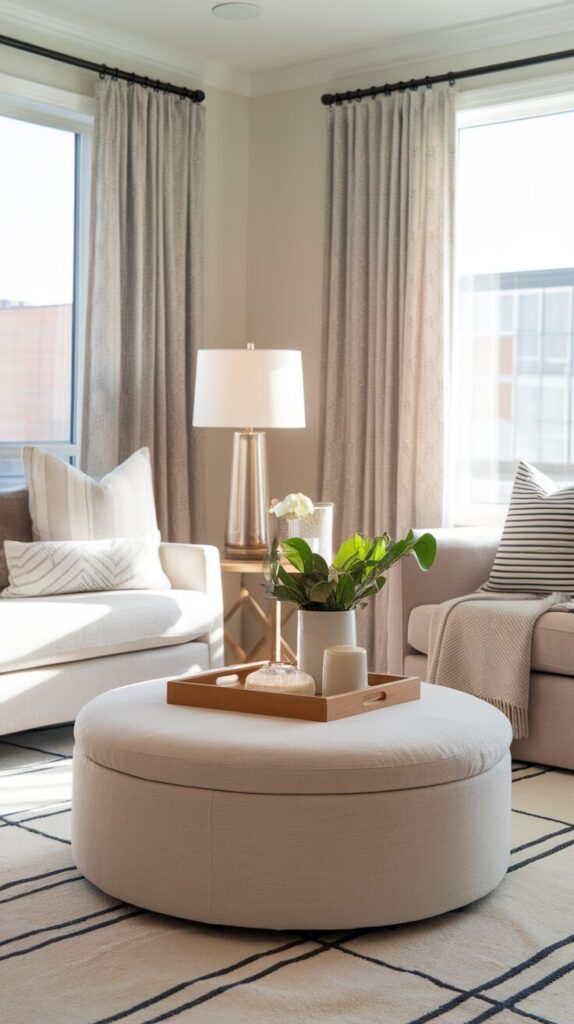
Ottomans are the unsung heroes of furniture arrangement. They can be extra seating, a footrest, or even a coffee table when you pop a tray on top. And unlike bulky furniture, they can move around easily to suit the moment.
In small living rooms, they add function without eating up precious space. In larger ones, they break up too much sofa-and-chair monotony.
Play with shapes—round, square, or tufted—and use fabric that complements your scheme. Ottomans bring style, comfort, and versatility all in one.
15, Frame the Fireplace or TV
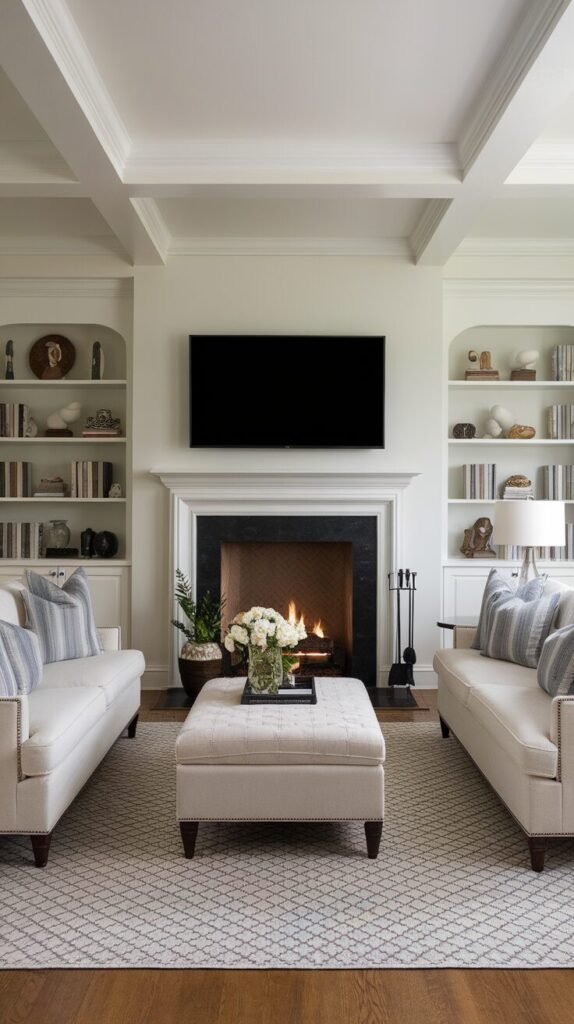
If your living room has a focal point—be it a fireplace or TV—let the furniture work with it, not against it. Orient the main seating so everyone has a clear, comfortable view. No more craning necks or awkward angles.
For balance, flank the focal point with accent chairs or shelves. This creates symmetry and makes the room feel anchored. A rug beneath ties the whole scene together.
This setup not only makes sense functionally, it also turns the fireplace or TV wall into the star of the show.
16. Try Asymmetry for a Modern Edge
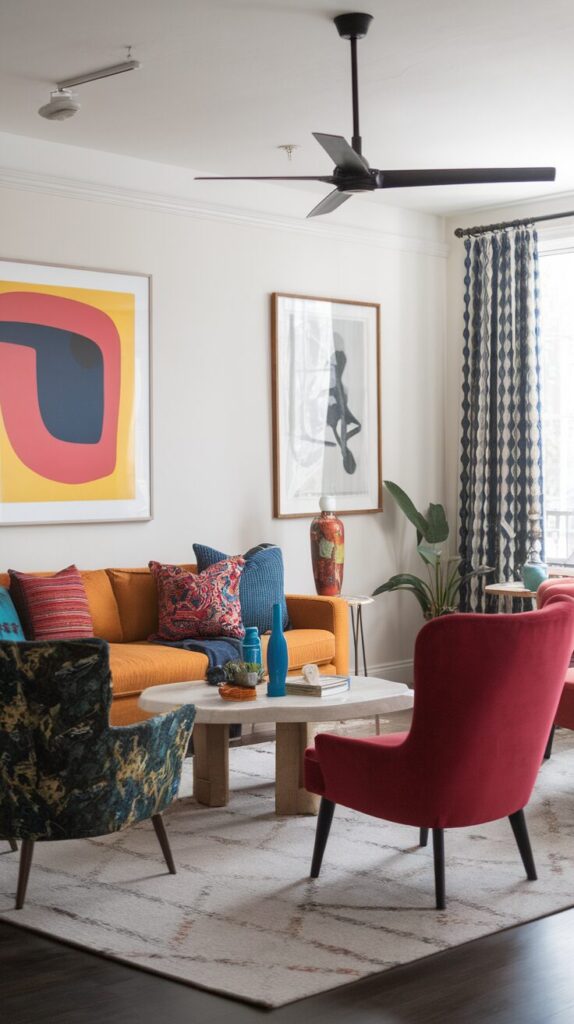
Who says everything has to match? Embracing asymmetry can give your living room a fresh, modern vibe. Instead of two identical chairs, try mixing a lounge chair with a pouf or bench.
This keeps the layout dynamic and adds visual interest. It’s especially effective in eclectic or boho spaces where personality rules.
The key is balance—vary the pieces without making the space feel chaotic. Asymmetry works when it feels playful, not random.
17. Tuck in Slim Side Tables
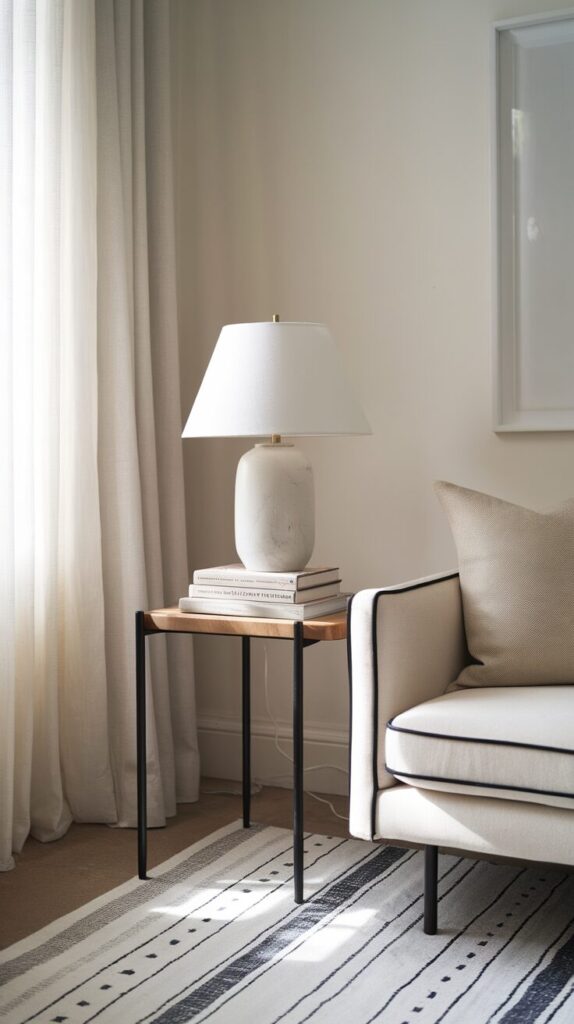
Small living room? No problem. Slim side tables are your new best friend. They slide into tight spots where bulky end tables just won’t fit.
Place them between chairs, next to the sofa, or even behind armrests for sneaky storage. Their small footprint means you get function without clutter.
Style them up with a lamp, a candle, or a stack of books, and suddenly that little table feels like a design choice, not just an afterthought.
18. Mix Seating Heights
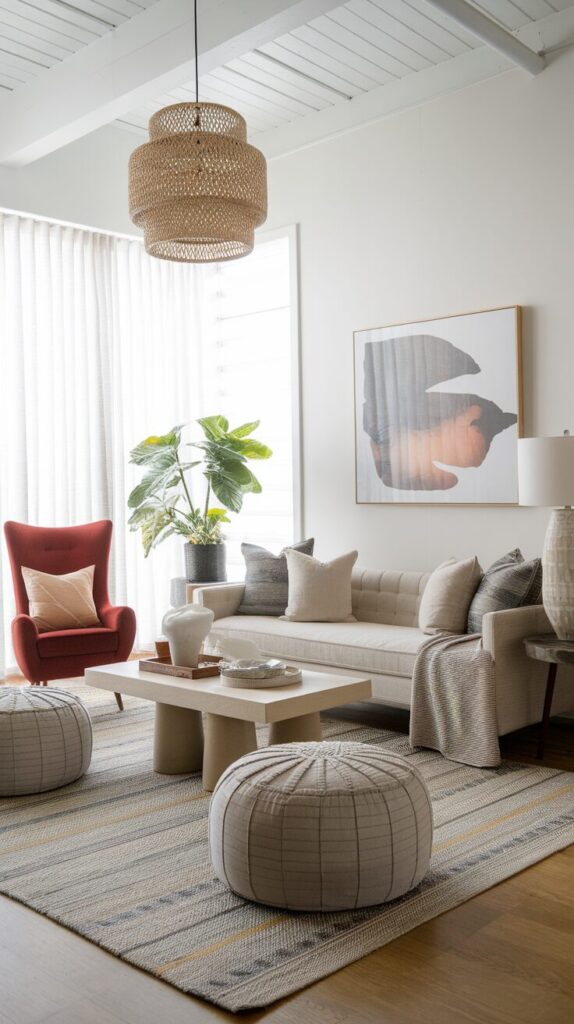
Here’s a design hack that adds instant depth: mix up the heights of your seating. Combine sofas, low chairs, poufs, and stools to create layers. The variation makes the room feel curated and full of dimension.
It also boosts functionality. Low poufs are perfect for casual lounging, while taller chairs give a more formal feel. Together, they balance comfort and style.
By playing with height, you avoid the dreaded “flat” look where everything sits at the same level. Variety is your secret weapon.
19. Use Plants as Space Dividers
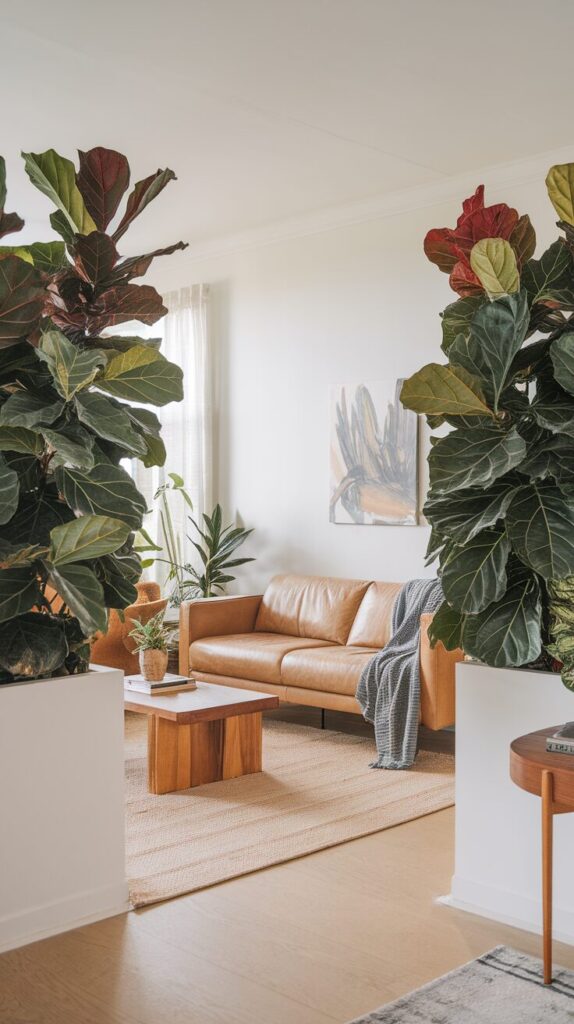
Plants aren’t just pretty—they’re powerful room shapers. Large potted palms, tall fiddle leaf figs, or even a row of smaller plants can act as dividers without blocking light.
Use them to soften corners, frame seating areas, or define a pathway. They bring life, color, and texture into the room while subtly guiding flow.
Bonus? Plants improve air quality and make the whole space feel fresher. Nature always knows best when it comes to styling.
20. Leave Breathing Room
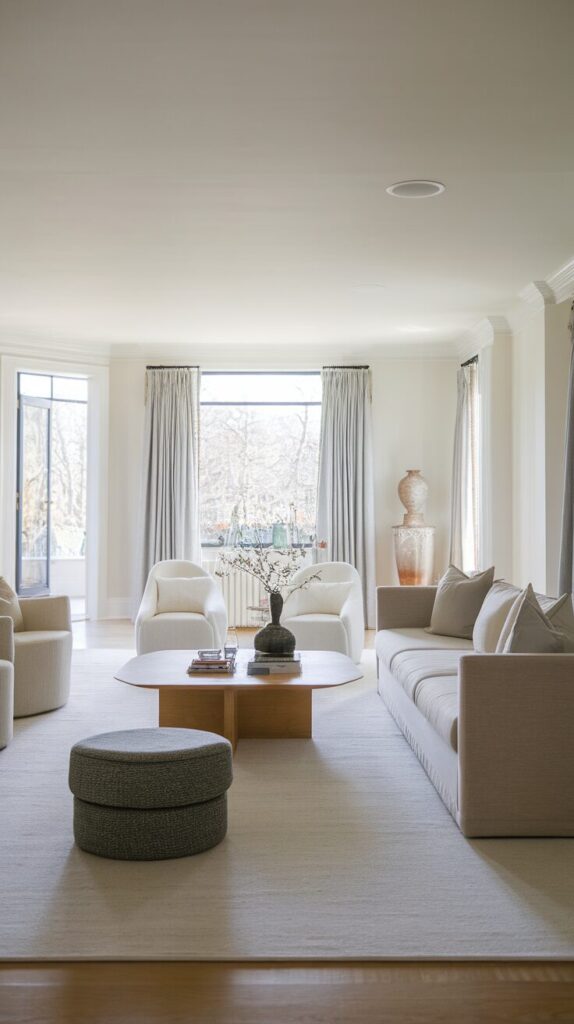
Last but definitely not least, give your furniture room to breathe. Walkways should be at least 2.5 to 3 feet wide so people can move comfortably. Crowding every inch makes the space feel like a maze.
By pulling pieces apart and leaving negative space, you actually make the room feel bigger. Less “furniture puzzle,” more open flow.
Think of it as editing—sometimes the best styling move is not adding, but subtracting. Space itself can be the ultimate luxury.
How to Plan Your Living Room Layout Like a Pro
Before you start dragging sofas across the room, pause. A smart layout always begins with a plan. Professional designers almost never arrange furniture randomly—they measure first, map second, and move last.
Start by measuring your room’s length and width, including doorways, windows, and built-in features like fireplaces. Sketch a simple floor plan on paper or use a free online room planner to test different setups. This step alone can save you from heavy lifting and layout regret.
Next, identify your room’s main purpose. Is it mostly for entertaining guests? Family movie nights? Quiet reading time? Your layout should support how you actually live, not just how it looks in photos.
Finally, define your focal point. It could be a fireplace, TV wall, large window, or statement artwork. Once you anchor the space around that feature, everything else flows more naturally.
How to Choose the Right Furniture for Your Layout
Furniture arrangement only works when the scale is right. Even the best layout will feel off if the pieces are too large or too small for the room.
In smaller living rooms, choose slim-profile sofas, exposed-leg furniture, and nesting tables. These visually lighten the space and improve flow. For larger rooms, don’t be afraid to use substantial pieces that can fill the space properly without feeling sparse.
Also think multifunctional. Storage ottomans, extendable coffee tables, and modular sectionals make layouts more flexible. This is especially helpful in apartments, family homes, or open floor plans where one room serves multiple purposes.
Common Mistakes to Avoid
Even great ideas can fall flat if a few layout basics are ignored. Here are the most common living room furniture arrangement mistakes—and how to avoid them.
Pushing Everything Against the Walls
It might seem like it creates space, but it often makes the room feel disconnected and awkward. Floating furniture slightly inward creates intimacy and better balance.
Choosing the Wrong Rug Size
A rug that’s too small makes the layout feel unfinished. At minimum, the front legs of your main seating pieces should sit on the rug.
Blocking Natural Pathways
If people have to zigzag around chairs or squeeze past tables, the layout isn’t working. Maintain walkways of at least 2.5 to 3 feet wide.
Ignoring Scale and Proportion
Oversized sectionals in small rooms or tiny coffee tables in large spaces throw off visual harmony. Always match furniture size to room dimensions.
Too Many Small Pieces
Ironically, too much “small furniture” can create visual clutter. Sometimes fewer, slightly larger pieces create a cleaner look.
Layout Tips for Different Room Types
Not all living rooms are created equal. Adjusting your approach based on room shape makes a big difference.
Narrow Living Rooms
Keep furniture aligned lengthwise to emphasize flow. Use slim tables and avoid blocking the central pathway.
Open Concept Layouts
Use rugs, lighting, and furniture backs to define zones without walls. Floating sofas and console tables work beautifully here.
Small Apartments
Choose multifunctional pieces and prioritize walkability. Leave negative space wherever possible to prevent a cramped feel.
Living Rooms with Kids or Pets
Opt for durable fabrics, rounded edges, and layouts that allow easy supervision. Function should lead, style can follow closely behind.
Frequently Asked Questions
How do I arrange furniture in a small living room?
Focus on scale and flow. Choose compact furniture, keep walkways clear, and use rugs to anchor seating areas. Floating pieces slightly can actually make the room feel larger.
What is the best layout for entertaining guests?
A conversation-focused setup works best. Arrange seating so guests face each other, and ensure everyone can easily access a coffee table or side table.
Should my sofa always face the TV?
Not necessarily. If your main focus is conversation or a fireplace, orient seating accordingly. The TV can be secondary depending on your lifestyle.
How far should furniture be from the walls?
There’s no strict rule, but pulling furniture even a few inches—or up to a few feet in larger rooms—creates a more intentional and cozy arrangement.
What size rug should I use in a living room?
Ideally, choose a rug large enough for at least the front legs of all major seating pieces to sit on it. Larger rugs typically make a room feel more cohesive.
How do I know if my layout is balanced?
Step back and look at the room from multiple angles. If one side feels heavier or crowded, adjust by redistributing visual weight with lighting, tables, or seating pieces.
Conclusion
See? Furniture arranging doesn’t have to be a full-blown HGTV production. With just a few smart tweaks—like angling that chair, floating your sofa, or adding a planty divider—you can totally change the vibe of your living room.
Whether you’re going for cozy, classy, or open and airy, these easy living room furniture arrangement ideas will help you nail both style and function. The secret is experimenting—don’t be afraid to move things around until it feels right.
Pro tip: Start small. Choose a couple of ideas that fit your space and layer them in. Or mix and match for a more personalized look. Even the tiniest shifts—like sliding in a slim table or pulling the sofa away from the wall—can give your living room new life.
At the end of the day, your home should feel like you. Ready to play some furniture Tetris? Have fun with it!