10 Open Walk-In Shower Ideas With No Door
Function usually matters more than square footage when a bathroom needs to feel bigger and easier to use. Small layout changes often solve problems that expensive renovations can’t fix.
Open walk-in showers without doors do exactly that. They remove visual barriers, simplify cleaning, and make the whole bathroom feel calmer and more spacious.
Some designs look ultra-modern, others lean spa-like or cozy. The trick is choosing a layout that actually works in real life, not just in pretty photos.
1. Single Glass Panel Walk-In Shower
Open showers can easily splash water everywhere if the layout isn’t planned carefully. A single fixed glass panel solves that problem without adding a bulky door that interrupts the space.
This setup uses one large glass sheet to block splash while keeping the shower entrance open. I’ve seen this style work beautifully in both small bathrooms and larger spa-style ones because it feels airy but still practical. It’s also one of the easiest upgrades if you’re renovating an existing shower.
Why This Works
The single panel acts like an invisible wall that controls water movement. It allows the bathroom to stay visually open while protecting the rest of the floor.
Because there’s no door frame or hinge, the design feels clean and modern. It also reduces maintenance since you’re dealing with one piece of glass instead of multiple parts.
How to Do It
- Measure your shower area and mark where splash tends to travel. This determines where the glass panel should sit.
- Install a fixed tempered glass panel about halfway across the shower entry. This blocks water without closing the space.
- Position the showerhead so water sprays toward the back wall, not the opening. This helps keep the floor dry.
- Slightly slope the shower floor toward the drain so water flows away from the bathroom area.
Style & Design Tips
Choose frameless glass if you want the room to feel larger. Thick clear panels look sleek and almost disappear visually.
Avoid overly small panels because they won’t block splash effectively. A panel that covers roughly half the shower width tends to work best.
Pro Tip or Budget Hack
Glass panels can be expensive when custom ordered. Many hardware stores sell standard-size tempered panels that cost far less and still look fantastic.
2. Curbless Walk-In Shower
Bathroom transitions often create cluttered visual lines. Removing the shower curb instantly makes the space feel smoother and more open.
A curbless shower flows directly into the bathroom floor without any raised step. It looks incredibly modern, but the real benefit is how easy it is to enter and clean.
Why This Works
Without a curb, the entire bathroom reads as one continuous surface. That visual continuity makes even a small bathroom feel noticeably bigger.
It also improves accessibility. Anyone can walk straight into the shower without stepping over a barrier.
How to Do It
- Lower the shower floor slightly during construction so water stays inside the area.
- Install a linear drain along the back or side wall. This helps water flow away quickly.
- Tile the bathroom floor so it gently slopes toward the drain.
- Use waterproof membranes beneath the tile to prevent moisture damage.
Style & Design Tips
Use large-format tiles across both the bathroom and shower floor. This minimizes grout lines and strengthens the seamless look.
Avoid glossy tiles on the shower floor because they become slippery when wet. Textured or matte tiles provide safer traction.
Pro Tip or Budget Hack
If a full curbless design isn’t possible structurally, a very low-profile curb can create a similar visual effect while still controlling water.
3. Half Wall Walk-In Shower
Sometimes a glass wall alone doesn’t provide enough privacy or structure. A half wall creates a balance between openness and separation.
This design uses a tiled wall that stops around chest height. Many homeowners add glass above it, but even without glass it can still work beautifully.
Why This Works
The half wall blocks splash and provides a solid anchor point for plumbing fixtures. It also creates a visual boundary without closing the shower completely.
Bathrooms with toilets or vanities close to the shower benefit a lot from this layout.
How to Do It
- Frame a short wall that extends halfway up from the floor.
- Waterproof the entire structure before tiling.
- Install the showerhead on the full wall opposite the opening.
- Leave enough entry space so the shower feels open rather than cramped.
Style & Design Tips
Cover the half wall in statement tile if you want the shower to stand out. Patterned tile, stone textures, or vertical stacks look amazing here.
Avoid making the wall too thick because it can eat up valuable space in smaller bathrooms.
Pro Tip or Budget Hack
The top of the half wall can double as a small shelf for shampoo and soap, eliminating the need for additional niches.
4. L-Shaped Open Shower Layout
Straight walk-in showers sometimes struggle with splash control. An L-shaped layout fixes that by using walls to guide water flow naturally.
This design positions the shower entrance around a corner instead of directly facing the spray. It feels private while still remaining open.
Why This Works
Water has to travel around the corner to escape the shower. That rarely happens, which keeps the bathroom floor dry.
It also creates a subtle sense of separation without requiring doors.
How to Do It
- Build two perpendicular walls forming an L shape.
- Place the showerhead on the inner wall facing away from the entrance.
- Leave an open gap that acts as the walk-in entry.
- Install a floor drain near the center or back corner.
Style & Design Tips
Use the same tile across both walls to keep the design cohesive. Bold textures or stone finishes work well because they create a spa-like vibe.
Avoid overly narrow entrances. The walk-in gap should feel comfortable to enter without turning sideways.
Pro Tip or Budget Hack
If construction space is tight, a partial L-shape using glass and tile can achieve the same splash protection.
5. Floor-to-Ceiling Tile Walk-In Shower
Open showers sometimes look unfinished if the tile stops halfway up the wall. Extending tile from floor to ceiling instantly elevates the design.
This approach turns the shower area into a dramatic feature instead of just a functional corner.
Why This Works
Full-height tile visually stretches the room upward. The vertical lines make ceilings appear higher.
It also protects walls from humidity and moisture over time.
How to Do It
- Choose a tile material that suits both water exposure and design goals.
- Waterproof the wall before installation.
- Continue tile all the way to the ceiling.
- Use a subtle grout color so the tile pattern remains the star.
Style & Design Tips
Large vertical tiles create a modern spa look. Natural stone textures bring warmth and depth.
Avoid mixing too many tile styles within one shower. One dominant material keeps things clean and elegant.
Pro Tip or Budget Hack
Use premium tile on the main shower wall only, then switch to simpler tile on the remaining walls to save money.
6. Linear Drain Walk-In Shower
Traditional center drains often require complicated floor slopes. Linear drains simplify the layout while making the shower look far more modern.
These long rectangular drains sit along one wall or at the shower entrance.
Why This Works
The floor only needs to slope in one direction toward the drain. That makes tile installation easier and visually cleaner.
Linear drains also work beautifully with large tiles because the slope remains subtle.
How to Do It
- Install a linear drain along the back or side wall.
- Build the floor slope toward the drain channel.
- Use waterproof membranes beneath the tile.
- Ensure the drain is accessible for cleaning.
Style & Design Tips
Choose a tile-in drain cover that blends with the floor tile. This creates a seamless designer look.
Avoid placing the drain directly in the entry path where people step frequently.
Pro Tip or Budget Hack
Some linear drains come with removable covers that allow easy cleaning without removing tiles.
7. Bench Seating Walk-In Shower
Standing showers are fine, but built-in seating adds comfort that people rarely expect until they try it.
A small shower bench turns the space into something that feels closer to a spa.
Why This Works
Benches provide a place to sit, shave, or simply relax under warm water. They also make the shower more accessible for older family members.
From a design perspective, benches add structure and visual interest.
How to Do It
- Frame a bench along the back or side wall of the shower.
- Waterproof the structure carefully.
- Tile the bench with the same material as the walls or floor.
- Slightly slope the seat so water drains off.
Style & Design Tips
Floating benches look modern and lightweight. Solid tiled benches feel more built-in and traditional.
Avoid placing the bench directly under the showerhead unless the layout allows comfortable seating.
Pro Tip or Budget Hack
A corner bench uses less space but still provides the same comfort benefits.
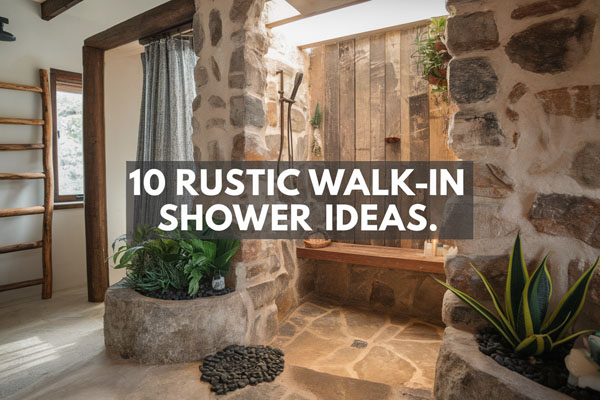
8. Natural Stone Spa Shower
Bathrooms can feel sterile when everything is glossy and white. Natural stone instantly warms up the space.
Stone showers bring a relaxing spa atmosphere that feels luxurious without needing complicated design tricks.
Why This Works
Natural stone introduces texture and variation that standard tiles often lack. Each piece looks slightly different, creating depth.
Stone also pairs beautifully with open shower layouts because it feels organic and calm.
How to Do It
- Choose moisture-resistant stone like slate or travertine.
- Seal the stone properly before installation.
- Use textured stone tiles for the floor to prevent slipping.
- Maintain regular sealing to protect the surface.
Style & Design Tips
Pair stone with matte black fixtures for a modern spa look. Brushed brass also complements earthy textures nicely.
Avoid mixing too many stone types in the same shower.
Pro Tip or Budget Hack
Stone-look porcelain tiles provide a similar appearance while costing far less and requiring less maintenance.
9. Niche Storage Walk-In Shower
Shower bottles scattered on the floor ruin even the nicest design. Built-in niches solve storage problems while keeping the shower clean and organized.
These recessed shelves sit directly inside the wall.
Why This Works
Niches use wall space that would otherwise go unused. They eliminate bulky shower caddies completely.
They also create subtle visual detail when tiled creatively.
How to Do It
- Frame a recessed cavity between wall studs.
- Waterproof the niche thoroughly.
- Tile the interior with accent tile if desired.
- Position the niche at a comfortable height for everyday use.
Style & Design Tips
Vertical niches work well for taller bottles. Horizontal niches create a sleek hotel-style look.
Avoid placing niches directly under the main shower spray.
Pro Tip or Budget Hack
A single long horizontal niche often works better than several small ones.
10. Minimalist Open Shower Design
Sometimes the best design choice is simply doing less. Minimalist walk-in showers remove anything unnecessary.
Clean lines, simple tile, and open space define this style.
Why This Works
Minimal designs reduce visual clutter. The bathroom feels calmer and easier to maintain.
Fewer materials also mean fewer elements that can look outdated later.
How to Do It
- Choose a simple tile palette with one dominant color.
- Use frameless glass or no glass at all.
- Keep fixtures sleek and minimal.
- Maintain strong floor drainage to control water.
Style & Design Tips
Stick to two or three materials max for the entire bathroom.
Avoid decorative tile patterns that compete with the minimalist concept.
Pro Tip or Budget Hack
A minimalist shower often costs less because it avoids complicated features and custom elements.
Planning an Open Walk-In Shower That Actually Works
Removing a shower door sounds simple, but the layout behind it matters more than most people expect. Without a proper plan, water can escape, airflow can feel awkward, and cleaning becomes frustrating instead of easier.
A successful open shower design balances three things: water control, floor slope, and smart placement of walls or panels. When those elements work together, the bathroom feels bigger, cleaner, and easier to use every day.
The first thing to think about is how water travels once the shower is running. Showerheads that face the opening almost always create splash problems, while those aimed toward a back wall or corner stay contained.
Drain placement also plays a huge role in performance. Linear drains along the back wall or near the entry often guide water away naturally, which helps keep the rest of the bathroom dry.
Ventilation deserves attention too. Open showers release steam into the room faster, so a good exhaust fan prevents moisture buildup and protects paint, drywall, and cabinetry over time.
The final piece of the puzzle is layout flow. Walkways, vanities, and toilets should sit outside the natural splash zone so the bathroom stays comfortable to move through.
Choosing the Right Materials for Open Walk-In Showers
Materials make or break the long-term durability of an open shower. Because there is no door barrier, surfaces must handle frequent moisture and cleaning without showing wear quickly.
Tile remains the most reliable option for both walls and floors. Porcelain tiles are especially popular because they resist water, stains, and scratches while still offering endless design options.
Stone materials like slate or travertine add warmth and texture. However, they require proper sealing and occasional maintenance to prevent water absorption.
Floor surfaces should always prioritize traction over appearance. Matte tiles, textured porcelain, or pebble stone floors help prevent slips and feel more comfortable underfoot.
Grout selection matters more than people realize. Darker grout hides staining better, while epoxy grout offers stronger resistance against moisture and mildew.
Fixtures should match the durability of the rest of the shower. Solid brass or stainless steel hardware holds up far longer than cheaper plated alternatives.
How to Control Water Splash in Doorless Showers
The biggest fear people have about open showers is water ending up all over the bathroom. Good design eliminates most of that concern before the shower is even installed.
The direction of the showerhead determines where water travels first. Pointing the spray toward a wall instead of the entry dramatically reduces splash.
Shower layout helps guide water naturally. L-shaped entrances, partial walls, or glass panels create subtle barriers that control water movement.
Floor slope also plays a major role. A properly pitched shower floor quietly directs water toward the drain instead of allowing it to spread across the bathroom.
The distance between the showerhead and opening matters as well. When the spray area sits deeper inside the shower zone, water has far less chance of escaping.
Common Mistakes to Avoid With Doorless Walk-In Showers
Open showers look simple, but certain mistakes can cause long-term frustration. Avoiding a few common design errors keeps the space both beautiful and functional.
One frequent mistake is placing the showerhead directly opposite the entry. Water sprays straight toward the opening and quickly reaches the bathroom floor.
Another issue appears when the shower floor lacks enough slope. Even a slight drainage problem can cause water to linger or slowly spread outside the shower zone.
Using slippery tile is another problem people overlook. Highly polished tile may look elegant, but it becomes hazardous once water and soap enter the mix.
Many homeowners also underestimate the importance of ventilation. Without proper airflow, steam collects in the bathroom and eventually leads to mildew or peeling paint.
Overcrowding the shower area with too many shelves or fixtures can ruin the clean open feel. Simpler layouts almost always look better and function more smoothly.
Maintenance and Cleaning Tips for Open Walk-In Showers
One of the biggest advantages of doorless showers is how easy they are to maintain. With fewer moving parts, cleaning becomes faster and far less frustrating.
Glass panels stay clearer when wiped quickly after use. A small squeegee or microfiber cloth removes water spots before they have time to form.
Tile surfaces benefit from regular rinsing as well. Soap residue and minerals build up slowly, so quick weekly cleaning keeps everything looking fresh.
Drain maintenance is another small but important habit. Clearing hair or debris occasionally prevents slow drainage and avoids future plumbing issues.
Natural stone surfaces require occasional sealing depending on the material. This simple step keeps the stone looking vibrant while protecting it from moisture damage.
Consistent cleaning routines extend the life of the shower materials and maintain the bright, open feel that makes doorless designs so appealing.
Budget-Friendly Ways to Achieve the Look
Open showers often appear in luxury bathrooms, but the concept doesn’t have to break the budget. With a few smart choices, the same clean style can be achieved for far less money.
One of the easiest savings comes from reducing custom glass. Using a single standard glass panel instead of a full enclosure cuts costs significantly.
Tile placement can also lower expenses. Feature tiles on the main shower wall create impact while simpler tiles cover less visible areas.
Stock shower fixtures are another good compromise. Many mid-range brands offer durable finishes that look almost identical to premium designer pieces.
Even the layout itself can save money. Doorless showers remove hinges, tracks, and sealing hardware, which reduces both material and installation costs.
Thoughtful planning often produces a design that looks high-end without the high-end price tag.
Frequently Asked Questions
Do open walk-in showers make the bathroom colder?
Doorless showers can feel slightly cooler because steam escapes into the room instead of staying inside an enclosure. However, proper bathroom heating and good ventilation usually keep the space comfortable.
How far should a showerhead be from the entrance in an open shower?
Ideally the showerhead should sit several feet inside the shower area. Positioning the spray deeper into the layout helps prevent water from reaching the bathroom floor.
Are doorless showers good for small bathrooms?
Yes, they often work very well in small spaces. Removing bulky doors and frames makes the room feel more open and visually larger.
Do open showers increase home value?
Many modern buyers appreciate open walk-in showers because they look contemporary and feel more luxurious. While they may not dramatically increase value alone, they often make bathrooms more appealing during resale.
What type of drain works best for walk-in showers?
Linear drains are popular because they simplify floor slope and look sleek. Traditional center drains still work well as long as the floor is properly angled toward them.
Can a walk-in shower work without any glass panel?
Yes, especially with smart layouts like L-shaped entries or partial walls. These designs guide water naturally while keeping the shower area open and accessible.
Final Thoughts
Bathroom design improves dramatically when unnecessary barriers disappear. Open walk-in showers without doors solve practical problems while making the space feel cleaner and more relaxed.
The best designs always balance style with real-world function. Pick a layout that manages water properly, fits your bathroom size, and feels comfortable to use every day.
I’ve seen even tiny bathrooms look twice as good after switching to an open shower layout. Once you try one, traditional shower doors start to feel like unnecessary clutter.