10 Smart Ideas to Replace Your Tub with a Walk-In Shower
Most old tub areas take up more room than they actually earn. You lose visual space, cleaning gets annoying, and the whole setup can make the bathroom feel heavier than it needs to.
A walk-in shower fixes that fast when the layout is handled well. It can make a bathroom feel cleaner, more open, and way easier to live with without turning the space into some cold showroom nobody enjoys using.
I’ve seen plenty of bathrooms improve the second the bulky tub disappeared, especially in smaller homes where every inch matters. The trick is not just removing the tub, but replacing it with something that looks intentional, balanced, and actually useful.
1. Frameless Glass Walk-In Shower for a Cleaner Layout
A lot of old tub-shower combos make the room feel chopped up, especially when you add a thick curtain, clunky track doors, or dated tile around the tub surround. Replacing that setup with a frameless glass walk-in shower instantly cuts the visual weight and makes the whole bathroom feel less crowded.
This idea works especially well if you already have decent natural floor space but the room still feels boxed in. I like it because it gives the bathroom that clean, edited look without trying too hard, which honestly is the sweet spot for most homes.
Why This Works
Frameless glass keeps sightlines open, so the eye moves across the room without stopping at a big visual barrier. That makes the bathroom feel larger, lighter, and more organized even if the square footage stays exactly the same.
It also helps show off the tile and shower walls instead of hiding them behind bulky hardware. When fewer parts compete for attention, the room feels calmer and more finished.
How to Do It
- Remove the existing tub and inspect the plumbing wall before planning anything else.
- Choose a clear frameless panel or door setup that matches the width of your old tub footprint.
- Use large-format tile inside the shower to reduce grout lines and keep the look streamlined.
- Keep the shower floor gently sloped toward the drain so water control stays practical.
- Install a simple metal finish for hinges, handles, and fixtures so nothing feels busy.
Style & Design Tips
Stick with clear glass instead of frosted if you want the bathroom to feel more open. Frosted glass has its place, but in smaller bathrooms it can feel like you swapped one wall for another and called it progress.
Use no more than two main finishes in the space. Too many metal tones, tile shapes, or accent details can make a brand-new walk-in shower look weirdly overworked.
Pro Tip or Budget Hack
If full custom glass pushes the budget too far, use a fixed frameless panel instead of a full enclosure. It still gives you that open, modern feel and usually costs less than a big swinging glass door system.
2. Curbless Walk-In Shower for a Smooth Open Feel
Some bathrooms still feel tight even after the tub is gone because the new shower has a chunky curb that breaks up the floor. A curbless walk-in shower solves that by letting the flooring flow straight into the shower area with no raised edge getting in the way.
This is one of my favorite options for making a bathroom feel expensive without stuffing it with fancy extras. It looks simple, but the simplicity is exactly what makes it feel polished.
Why This Works
A curbless design creates one uninterrupted floor plane, which makes the room look bigger and less fussy. It also improves accessibility, which matters a lot more than people think once daily comfort starts competing with trendy design choices.
The shower feels like part of the room instead of a separate boxed-in zone. That visual connection is a big reason curbless bathrooms feel so good when they’re done right.
How to Do It
- Check whether your floor can be recessed enough to create the proper shower slope.
- Use a linear drain or center drain based on your tile layout and plumbing access.
- Waterproof the entire shower area carefully, including the surrounding floor outside the wet zone.
- Choose one floor tile style that can continue into the shower without looking awkward.
- Add a fixed glass panel if splash control is needed without closing off the space.
Style & Design Tips
Use smaller slip-resistant tile on the shower floor if you need better grip, but keep the color close to the main bathroom floor so the transition stays smooth. That way you get function without making the shower floor scream for attention.
Avoid overdecorating a curbless shower because the whole charm is in the clean flow. This is not the place for six accent tiles, three niches, and a pebble floor having a personality crisis.
Pro Tip or Budget Hack
If full curbless construction is too complicated, a very low-profile curb can give a similar visual effect for less structural work. It won’t be exactly the same, but it can still look sleek and save you from major subfloor changes.
3. Half-Wall Walk-In Shower for Privacy Without Bulk
A fully open shower looks great in photos, but real life is not always that cooperative. If you want some privacy and splash control without putting the room back in a box, a half-wall walk-in shower is a smart middle ground.
This setup replaces the tub with a shower that still feels open while giving you a bit more structure. I like it in shared bathrooms because it adds function without making the space feel closed off again.
Why This Works
A half-wall gives the shower a defined boundary, which helps contain water and creates a more intentional layout. At the same time, it keeps the top half visually open, so the room still feels airy and modern.
It also gives you a surface for mounting fixtures or creating a ledge. That extra built-in function can make a small bathroom work harder without looking crowded.
How to Do It
- Remove the tub and map out where the shower opening should go for easy entry.
- Build a half-wall tall enough to block splash but low enough to keep sightlines open.
- Decide whether to top the wall with glass for added protection without extra heaviness.
- Tile both sides of the wall so it feels integrated with the rest of the shower.
- Add a small ledge or cap surface that can hold a candle, soap tray, or plant.
Style & Design Tips
Keep the half-wall thickness proportional to the room. If the wall gets too chunky, it starts feeling like an afterthought instead of a design feature.
Use the same tile on the wall and shower surround for a cleaner result. Too much contrast can make the wall feel random, and random is not the vibe you want after ripping out a tub.
Pro Tip or Budget Hack
A tiled pony wall with a standard glass panel on top often costs less than a full custom glass enclosure. You also save a little on cleaning because there’s less glass to keep spotless.
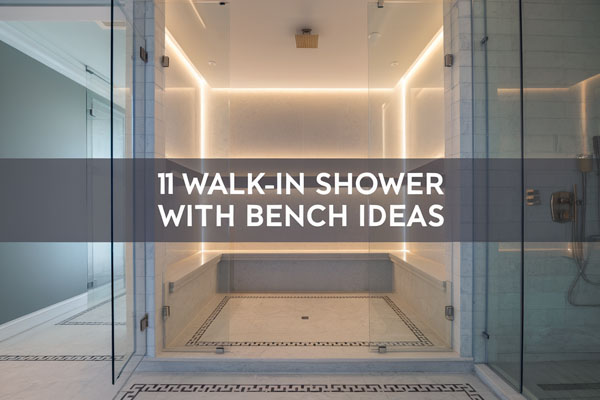
4. Walk-In Shower with a Built-In Bench for Everyday Comfort
Some people remove the tub and forget to replace any of its comfort features. A walk-in shower with a built-in bench gives you a place to sit, shave, rest products, or just make the shower feel more practical instead of bare-bones.
This idea works especially well in a former tub footprint because the space usually allows for a bench without making the shower cramped. I’m a fan of anything that makes a bathroom look good and function better, and this does both.
Why This Works
A bench adds structure and makes the shower feel planned rather than stripped down. It also introduces a horizontal line that can balance out tall walls, which helps the whole design feel more grounded.
On a practical level, it turns the shower into a space that works for more than one type of user. That matters whether you’re thinking about comfort now or just making the bathroom smarter for the long run.
How to Do It
- Use the old tub dimensions to decide whether a full bench or corner bench fits best.
- Build the bench into the wall framing and waterproof every surface thoroughly.
- Pitch the bench slightly so water drains instead of pooling on the seat.
- Finish it in tile, quartz, or stone that works with the rest of the shower.
- Pair it with a handheld showerhead for better usability.
Style & Design Tips
A bench looks best when it feels integrated, not stuck on at the last second. Match the finish to either the shower walls or the floor so it feels like part of the architecture.
Use one niche and one bench, not four storage features competing with each other. Too many built-ins can make the shower feel busy fast, and that defeats the clean walk-in look.
Pro Tip or Budget Hack
A floating corner bench can save space and materials while still giving you the same comfort boost. It’s also a good option if you want the shower floor to stay more open and easier to clean.
5. Large-Format Tile Shower for a Sleek Minimal Look
A small, busy tile pattern can make a new walk-in shower feel more cluttered than the tub you removed. Large-format tile fixes that by giving the shower broader surfaces, fewer grout lines, and a calmer overall look.
This is one of the easiest ways to make a bathroom feel more current without adding extra design gimmicks. I’ve always thought big tile does half the decorating work for you, which is nice because not every bathroom needs a dramatic personality.
Why This Works
Fewer grout lines mean the shower looks cleaner and often stays easier to maintain. That simple shift changes the vibe of the whole room because the surfaces feel less busy and more intentional.
Large tile also works well in small bathrooms because it reduces visual interruption. Instead of looking at a hundred tiny breaks, the eye sees cleaner planes and smoother movement.
How to Do It
- Choose porcelain or ceramic large-format tile rated for wet areas.
- Use a tile size that suits the shower walls without forcing too many awkward cuts.
- Keep the grout color close to the tile color for a more seamless look.
- Plan the layout before installation so the focal wall feels balanced.
- Use a smaller coordinating tile only on the floor if you need better slip resistance.
Style & Design Tips
Matte finishes usually look softer and hide water marks better than glossy ones. Glossy tile can look beautiful, but if hard water is part of your life, it may test your patience real quick.
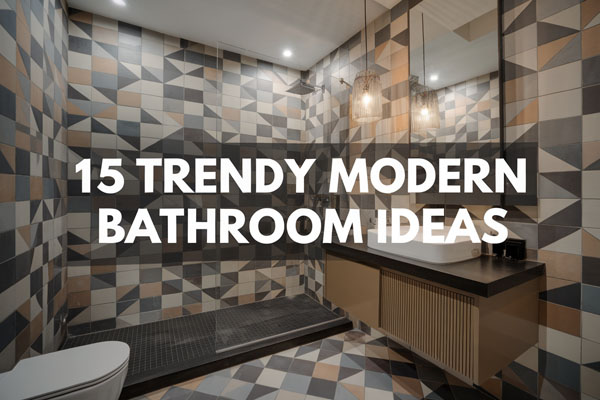
Stick with simple stone looks, soft concrete tones, or warm neutrals if you want a timeless result. Loud patterns can be fun, but they age fast in a shower you use every single day.
Pro Tip or Budget Hack
Use large-format tile on the main shower walls and a more affordable coordinating tile on secondary surfaces. That approach gives you the expensive look where it counts without torching your whole budget.
6. Warm Neutral Walk-In Shower for a Soft Spa-Like Upgrade
Some tub replacements go too hard on stark white and black contrast, and the bathroom ends up feeling cold instead of clean. A warm neutral walk-in shower gives you that uncluttered style while keeping the room comfortable, soft, and actually inviting.
This approach works really well if the rest of your home leans cozy rather than ultra-modern. I tend to prefer bathrooms that feel calm and lived-in instead of looking like they’re judging me for owning normal shampoo bottles.
Why This Works
Warm neutrals create visual softness, which helps a bathroom feel relaxed without looking dull. Shades like beige, greige, taupe, sand, and warm white add depth in a subtle way that still feels fresh.
They also play nicely with wood tones, brushed metals, and simple styling. That flexibility makes the bathroom easier to decorate now and update later.
How to Do It
- Start with a warm base tile color instead of bright icy white.
- Pick one accent material, like light wood, brushed brass, or warm gray stone.
- Keep the shower enclosure simple so the color palette stays the focus.
- Use layered lighting that flatters the finishes without making them look yellow.
- Add storage that blends into the wall so the space stays clean.
Style & Design Tips
Use warm whites instead of sharp cool whites if you want the room to feel softer. Cool tones can make some bathrooms feel sterile, especially when paired with too much gray.
Avoid mixing five beige tones that all fight with each other. Warm neutrals work best when the undertones feel related, not when each tile seems to have chosen violence.
Pro Tip or Budget Hack
If you can’t afford natural stone or specialty finishes, pick affordable porcelain in warm stone-look tones. Good porcelain has gotten so much better, and honestly, a lot of it looks great once the whole space comes together.
7. Walk-In Shower with Recessed Niche Storage Instead of Caddies
One thing that ruins a fresh shower fast is random bottles hanging from a wire rack like they just gave up. When replacing a tub with a walk-in shower, adding recessed niche storage keeps everything tidy without sticking extra clutter into the space.
This upgrade sounds small, but it changes how the shower feels every single day. I’ve learned that built-in storage is one of those features people underestimate until they live without it.
Why This Works
A recessed niche uses wall depth instead of floor space, so the shower stays open and functional. It also keeps products within reach without making the walls feel cluttered by add-on baskets or corner shelves.
Visually, a niche can either blend in or create a quiet design moment. Either way, it helps the shower feel finished and better organized.
How to Do It
- Plan the niche location around stud spacing and plumbing before installation starts.
- Place the niche where bottles are easy to reach but not directly in the main splash path.
- Size it based on what you actually use, not what looks trendy online.
- Waterproof the niche carefully and slope the bottom slightly for drainage.
- Finish it with matching tile or a simple accent that ties into the room.
Style & Design Tips
Long horizontal niches look sleek in modern bathrooms, while stacked vertical niches work well when two people share the shower. The right shape depends on how you use the space, not just what looks fancy in a showroom.
Use one clear storage solution instead of several scattered ones. Too many little shelves or cubbies can make the shower walls look chopped up and messy.
Pro Tip or Budget Hack
A single well-placed niche often does more than multiple cheap storage add-ons. Spend the money on doing one niche correctly, and skip the flimsy organizers that rust, sag, and quietly ruin the whole look.
8. Black Fixture Walk-In Shower for a Sharp Modern Edge
If your bathroom feels flat after removing the tub, black fixtures can give the new walk-in shower a little structure and contrast. This works especially well when the rest of the bathroom stays simple and the hardware gets to do the heavy lifting.
I like this idea when a space needs definition but not drama for the sake of drama. Black accents can look ridiculously good, but only when the rest of the room knows how to behave.
Why This Works
Black fixtures create crisp visual anchors in a space that might otherwise feel too soft or washed out. They help the shower feel intentional and current without demanding a bunch of trendy extras.
They also pair well with glass, stone, warm neutrals, and white tile. That flexibility makes black an easy upgrade if you want impact without reinventing the whole bathroom.
How to Do It
- Replace the old tub hardware with a black shower system and matching trim pieces.
- Keep the glass enclosure minimal so the fixtures remain visible and balanced.
- Choose a matte black finish for a softer, more forgiving look.
- Repeat the black finish in one or two nearby details, like hooks or a mirror frame.
- Use durable finishes from a reliable brand so wear shows less over time.
Style & Design Tips
Don’t overdo the contrast by adding black everywhere. A few strong black elements look stylish, while an all-black-everything plan can get heavy fast in a smaller bathroom.
Pair black with warm materials or soft tile colors so the room still feels inviting. Too much white and black without warmth can make the bathroom feel stiff, like it’s trying way too hard.
Pro Tip or Budget Hack
If replacing every fixture isn’t realistic, focus on the shower trim and one matching accessory finish. That alone can sharpen the look without forcing a full hardware overhaul.
9. Natural Stone-Look Shower for Texture Without the Fuss
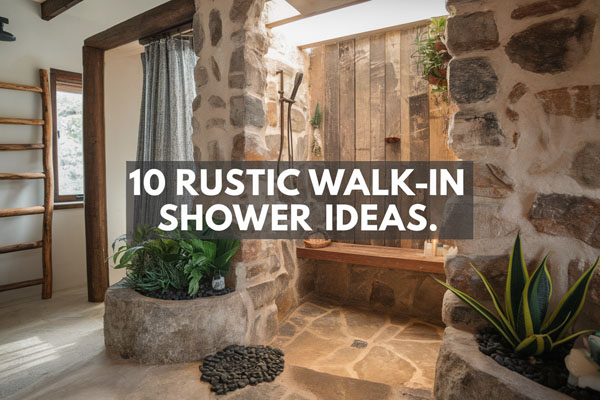
Some bathrooms need more depth after the tub comes out, especially if the rest of the finishes are plain. A natural stone-look walk-in shower adds texture and richness without the maintenance and cost that often come with real stone.
This is a smart move if you want a bathroom that feels elevated but still practical. I love the look of real stone, but I also love not babysitting surfaces that stain because someone looked at them wrong.
Why This Works
Stone-look finishes add variation, warmth, and visual interest in a subtle way. That texture keeps the shower from feeling flat, especially when the design stays otherwise simple.
Porcelain stone-look tile also tends to be easier to clean and more durable than many natural materials. You get the layered look without creating extra maintenance headaches.
How to Do It
- Pick a porcelain tile that mimics limestone, travertine, slate, or marble in a believable way.
- Use it on the shower walls, floor, or both depending on budget and layout.
- Choose a scale and pattern that fits the bathroom size without overwhelming it.
- Keep grout lines tidy and close in tone to the tile for a natural finish.
- Pair it with simple fixtures so the texture stays the focus.
Style & Design Tips
Go for soft movement and natural variation, not exaggerated prints that look fake from ten feet away. Some stone-look tile is gorgeous, and some looks like the printer had a weird day.
Avoid mixing too many competing textures in the same shower. If the tile already has character, let it lead and keep everything else quieter.
Pro Tip or Budget Hack
Use stone-look tile on the feature wall and a simpler coordinating tile on the other shower walls. That move gives the room depth and saves money without making the design feel watered down.
10. Compact Walk-In Shower with Smart Layout for Small Bathrooms
A small bathroom can make tub removal feel risky because every layout decision matters more. A compact walk-in shower designed with the right proportions can free up floor space, improve movement, and make the room work a lot harder than the old tub ever did.
This is probably the most practical option on the list because it helps real everyday bathrooms, not just the giant pretty ones people post online. Small spaces don’t need miracles, but they do need smarter choices.
Why This Works
A compact walk-in shower reduces bulk and gives the room better circulation. Even a few extra inches of visible floor can make a bathroom feel less cramped and easier to use.
When the layout is clean, the whole room feels more organized. That matters a lot in smaller bathrooms where one awkward fixture can throw off everything.
How to Do It
- Measure the old tub zone carefully and plan the shower dimensions around actual clearance needs.
- Use a sliding or fixed glass panel if a swinging door would eat up space.
- Choose wall-mounted storage and a recessed niche to keep the floor area open.
- Install a simple vanity and toilet layout that supports easier movement.
- Use light-to-medium tones and consistent finishes to help the room feel bigger.
Style & Design Tips
Keep the design tight and intentional. In a small bathroom, every extra shelf, color change, and decorative flourish gets noticed more than you think.
Use larger wall tile, clear glass, and minimal hardware for the most spacious result. Heavy framing and busy patterns can make a compact shower feel crowded again in about two seconds.
Pro Tip or Budget Hack
Skip oversized custom features and put the money into layout, waterproofing, and one or two visible upgrades. In a small bathroom, smart planning usually gives you a better result than flashy materials ever will.
Frequently Asked Questions
Do I need a permit to replace a tub with a walk-in shower?
In most cases, yes, especially if plumbing or structural changes are involved. It depends on your local regulations, but skipping permits can create bigger issues later when selling or renovating again.
Even for simple swaps, I’d always double-check with your local authority. It’s a quick step that saves a lot of potential headaches.
Will removing a bathtub hurt resale value?
It can in homes with only one bathroom, since many buyers still prefer having at least one tub. In homes with multiple bathrooms, replacing one tub with a walk-in shower is usually not a problem.
From what I’ve seen, a well-designed shower often looks more appealing than an outdated tub anyway. Just keep at least one tub somewhere in the house if possible.
How much does it typically cost to replace a tub with a walk-in shower?
Costs vary widely depending on materials, plumbing work, and glass installation. A basic conversion might be affordable, while a custom walk-in with premium tile and frameless glass can get expensive quickly.
The biggest cost drivers are waterproofing, tile work, and glass. That’s where you want to spend smart, not necessarily cheap.
How long does the conversion take?
Most projects take about 3 to 7 days if everything goes smoothly. Larger or more complex designs can stretch longer, especially if custom materials are involved.
Delays usually come from plumbing surprises or waiting on materials. Planning ahead helps avoid that.
Can I convert a tub to a walk-in shower in a small bathroom?
Yes, and it’s often one of the best upgrades for small spaces. Removing the tub usually frees up visual space and improves movement within the room.
The key is choosing the right layout and keeping the design simple. Overloading a small bathroom with features can cancel out the benefits.
Is a walk-in shower harder to clean than a tub?
Not really, and in many cases, it’s easier. Fewer edges, no curtain liners, and simpler surfaces make cleaning more straightforward.
Large tiles, minimal grout lines, and frameless glass also reduce maintenance. It depends more on design choices than the shower itself.
Do walk-in showers cause water to splash outside the area?
They can if not designed properly, but it’s easy to control with the right layout. Fixed glass panels, proper drainage slope, and smart showerhead placement make a big difference.
Even open designs can stay functional when planned well. This is one area where cutting corners usually shows up fast.
Final Thoughts
Replacing a tub with a walk-in shower can make a bathroom feel more useful, less bulky, and a whole lot easier on the eyes. The best version depends on your space, your budget, and how you actually live, not what looks dramatic for five seconds on social media.
I’d always choose a setup that feels clean, practical, and easy to maintain over something trendy and exhausting. A bathroom should work hard, look good, and not annoy you every morning, which feels like a fair standard to me.