10 Simple Apartment Decor Ideas That Shine
Function always beats square footage when an apartment starts feeling cramped or unfinished. Smart layout choices and small upgrades usually fix what people assume requires a bigger space or a higher budget.
A few intentional tweaks can shift the entire vibe without tearing into walls or draining your savings.
Most apartments already have decent bones; they just need better decisions layered on top. I’ve seen the tiniest rentals turn into spaces that feel custom and polished with nothing more than rearranged furniture and smarter styling.
The goal isn’t perfection—it’s clarity, flow, and personality that actually makes sense.
1. Create a Defined Entry Zone (Even If You Don’t Have One)
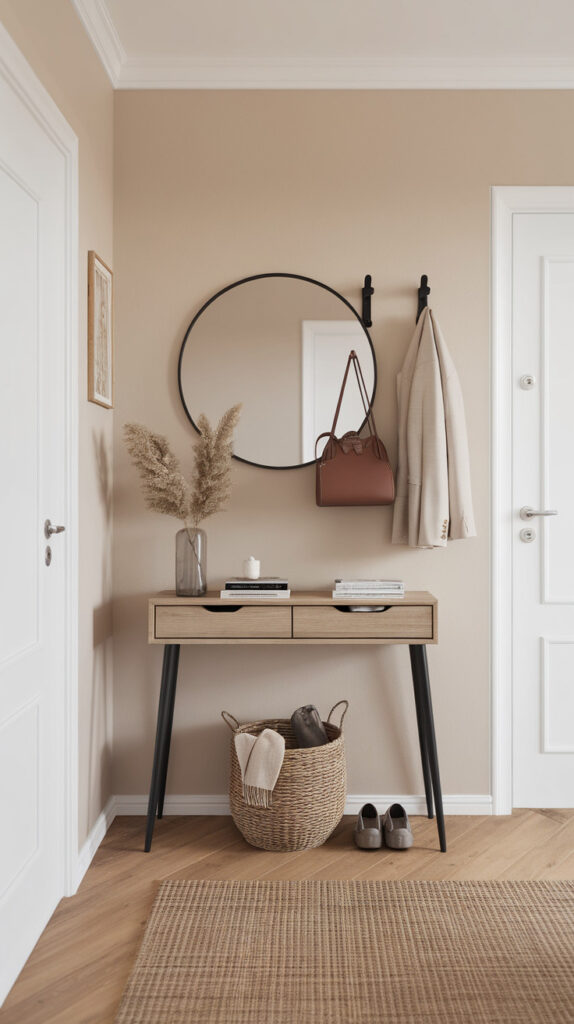
Apartments rarely come with a proper entryway, which means shoes, bags, and mail usually explode right inside the door. That chaos spreads fast and instantly makes the whole place feel smaller. Carving out a defined drop zone fixes that problem without building anything permanent.
I’ve lived in places where the front door basically opened into the living room, and it drove me nuts. The moment I added a slim console and a wall hook setup, everything felt intentional instead of accidental. It’s a small shift that sets the tone for the entire apartment.
Why This Works
Defined zones create mental boundaries, and mental boundaries reduce clutter. When your brain sees a clear purpose for a space, you’re more likely to use it correctly.
It also visually anchors the room, so the entrance doesn’t feel like a random gap in the wall. Even a tiny setup signals structure and order.
How to Do It
- Measure the wall space beside your door before buying anything.
- Choose a narrow console table or floating shelf under 12 inches deep.
- Install wall hooks or a small peg rail above it for bags and jackets.
- Add a tray or bowl to catch keys so they don’t wander.
Each piece should serve a job, not just look cute. If it doesn’t hold something practical, it’s taking up valuable real estate.
Style & Design Tips
Stick with lighter wood tones or matte black finishes for a modern look that doesn’t overpower a small space. If the wall feels empty, hang one medium-sized mirror above the console to bounce light around.
Avoid bulky benches unless you truly have room to walk past comfortably. Nothing kills flow faster than squeezing sideways every time you enter your own home.
Pro Tip or Budget Hack
Use a sturdy floating shelf instead of a full console table if space is tight. It costs less and keeps the floor visually open, which makes everything feel bigger instantly.
2. Use Large-Scale Art Instead of Gallery Walls
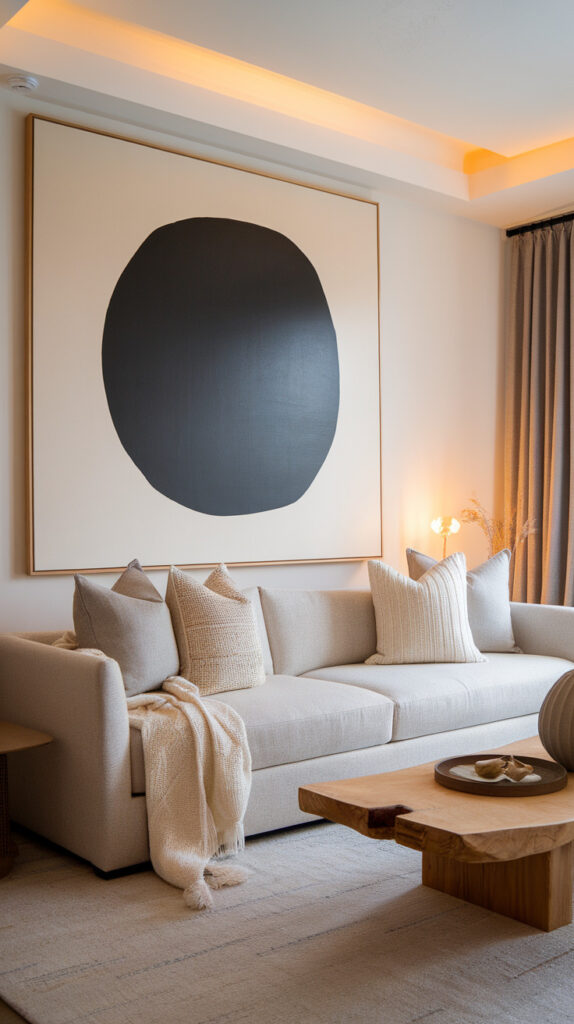
Tiny art pieces scattered everywhere often make apartment walls feel busier, not better. People assume smaller art fits small spaces, but the opposite is usually true. One large statement piece creates impact without visual clutter.
I used to overdo gallery walls, and honestly, it just looked like I couldn’t commit. When I swapped them for one oversized canvas, the room finally felt grounded. Bigger art simplifies everything.
Why This Works
Large-scale art acts as a focal point, which gives the eye somewhere to rest. When the eye rests, the room feels calmer and more put together.
It also tricks the brain into perceiving higher ceilings and wider walls. Scale creates presence, and presence creates confidence.
How to Do It
- Choose one main wall, preferably behind a sofa or bed.
- Pick artwork that spans at least two-thirds of the furniture width.
- Hang it at eye level, not near the ceiling.
- Keep surrounding decor minimal so the art stands out.
Resist the urge to add extra frames around it. Let the statement breathe.
Style & Design Tips
Neutral abstract art works well if your furniture already has personality. If your space is mostly beige or gray, consider bold color art to inject life.
Avoid tiny frames floating in a sea of empty wall. That awkward spacing screams “temporary.”
Pro Tip or Budget Hack
Print a large digital artwork at a local print shop and frame it yourself. It looks high-end for a fraction of gallery prices.
3. Upgrade Lighting Beyond Overhead Fixtures
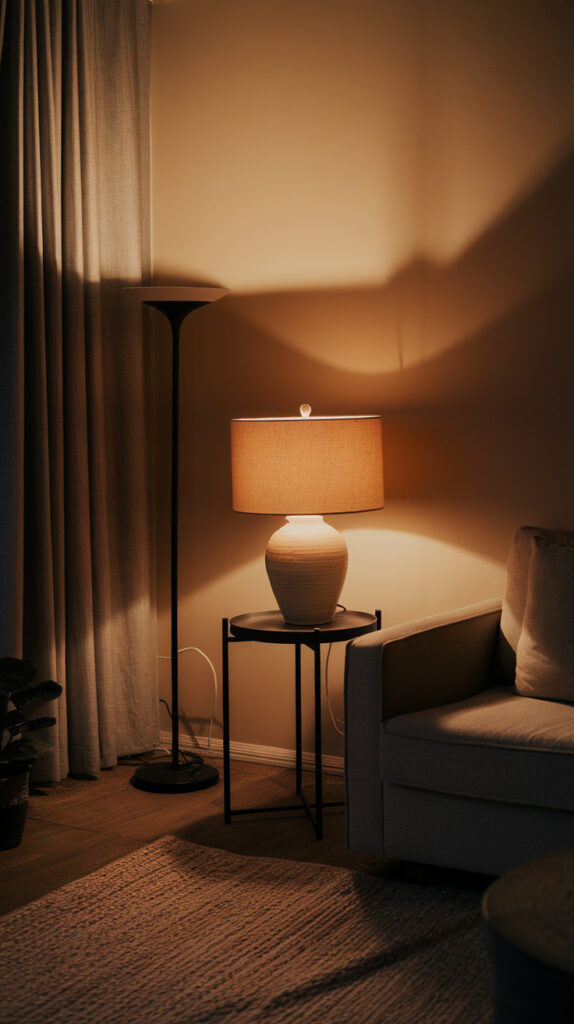
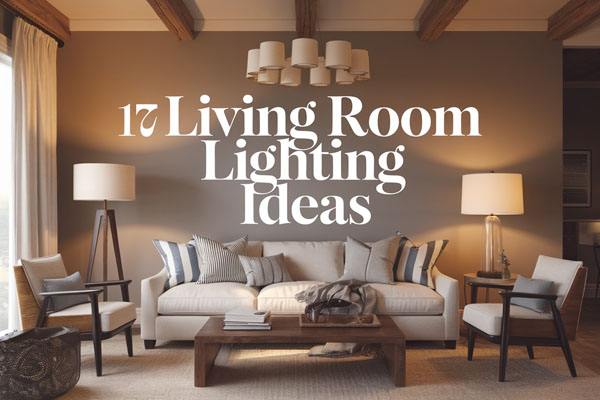
Most apartments come with standard overhead lights that feel flat and harsh. Relying on one ceiling fixture makes the space look unfinished and slightly depressing. Layered lighting changes everything.
The first thing I do in any rental is unplug that single overhead glare and bring in lamps. It instantly feels warmer and more styled without repainting a single wall. Light placement shapes mood more than paint color ever will.
Why This Works
Multiple light sources create depth and dimension. Instead of flooding the entire room evenly, you create soft shadows and highlights.
Layered lighting also makes evenings feel intentional rather than accidental. It’s the difference between a waiting room and a home.
How to Do It
- Add a floor lamp in one corner to balance the room.
- Place a table lamp on a side table or console.
- Use warm LED bulbs around 2700K for a cozy tone.
- Keep overhead lights for cleaning days only.
Think in layers: floor level, table level, and wall level.
Style & Design Tips
Choose lamps with simple bases if your furniture is bold. If your decor leans minimal, add texture through woven or ceramic lamp bases.
Avoid cool white bulbs. They make everything look sterile and slightly sad.
Pro Tip or Budget Hack
Swap standard bulbs for dimmable ones and plug lamps into an affordable dimmer switch. You’ll get custom-level ambiance without rewiring anything.
4. Add One Statement Rug That Grounds the Room
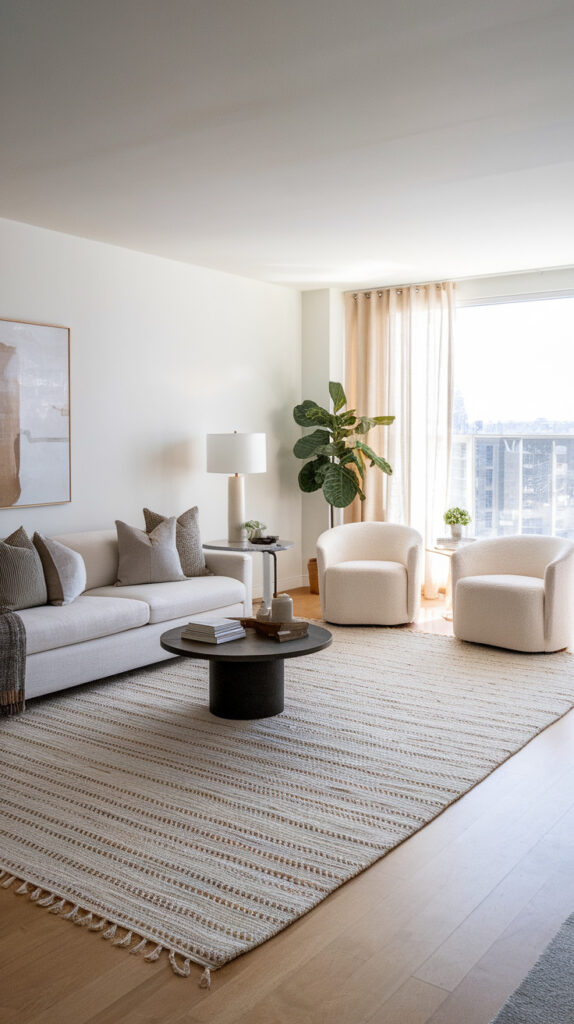
Small rugs floating in the center of the room rarely work. They shrink the space and make furniture look disconnected. A properly sized rug pulls everything together.
I once made the mistake of buying a rug that barely fit under my coffee table, and the room felt awkward for months. When I upgraded to a larger one that fit under the sofa legs, the space finally made sense.
Why This Works
A large rug visually connects furniture pieces into one cohesive unit. It defines the seating area clearly, especially in open-concept apartments.
It also absorbs sound, which matters more than people realize in rentals with thin walls.
How to Do It
- Choose a rug large enough for at least the front legs of furniture to sit on.
- Center it under the main seating area.
- Keep at least 6–12 inches of floor visible around the edges.
- Use a rug pad to prevent slipping.
Measure twice before buying. Returns are annoying and expensive.
Style & Design Tips
If your apartment already has patterned curtains or pillows, choose a neutral textured rug. If everything else is plain, a subtle pattern adds interest without chaos.
Avoid tiny rugs unless you’re defining a very specific nook, like under a desk.
Pro Tip or Budget Hack
Look for indoor-outdoor rugs if you’re on a budget. They’re durable, easy to clean, and often much cheaper than plush options.
5. Install Peel-and-Stick Wall Molding
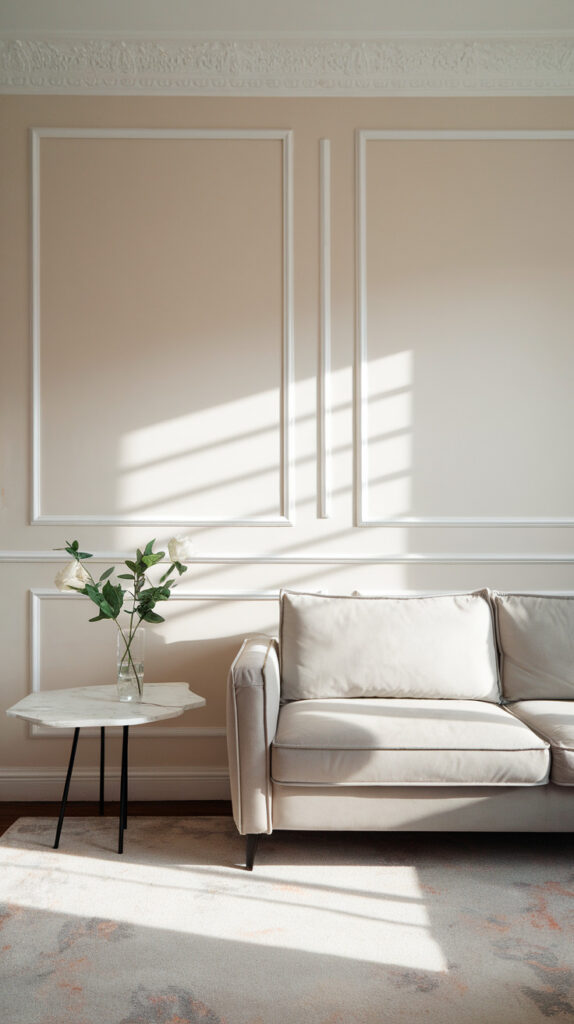
Blank apartment walls can feel flat and generic. Real molding adds character, but landlords usually don’t allow permanent changes. Peel-and-stick molding solves that problem.
I tried this in a previous rental, and it shocked me how much it elevated the place. The walls suddenly looked custom instead of builder-basic.
Why This Works
Wall molding creates depth and subtle shadow lines, which makes walls feel architectural. Even simple rectangular frames add a polished finish.
It also makes paint look more intentional because it’s framed.
How to Do It
- Measure and lightly mark rectangular panel outlines.
- Cut peel-and-stick molding to size.
- Use a level to keep lines straight.
- Press firmly and smooth edges.
Take your time with spacing. Uneven panels ruin the effect fast.
Style & Design Tips
Paint the molding the same color as the wall for a sophisticated look. High contrast works too, but it’s bolder.
Avoid overly intricate patterns in small apartments. Simple geometry feels cleaner.
Pro Tip or Budget Hack
Use lightweight PVC trim and removable adhesive strips if peel-and-stick options are pricey. It achieves a similar result for less.
6. Use Vertical Storage to Free the Floor
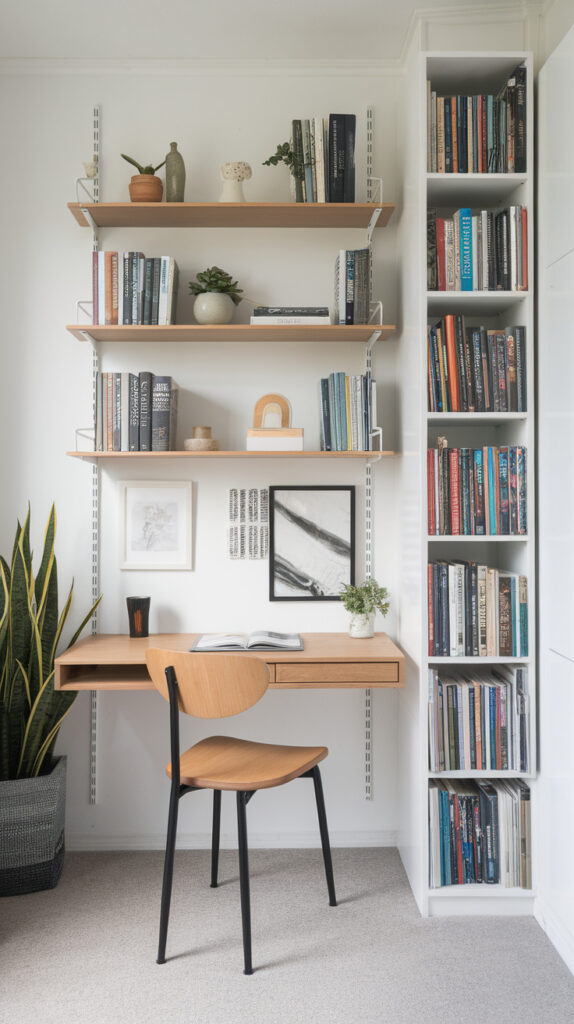
Floor clutter makes apartments feel smaller than they are. When everything lives at ground level, the room feels heavy. Going vertical lightens the entire layout.
I used to stack storage baskets everywhere until I realized my walls were completely underused. Floating shelves changed that instantly.
Why This Works
Vertical storage draws the eye upward, which makes ceilings feel taller. It also keeps walking paths clear.
Clear floors create the illusion of more square footage without knocking down walls.
How to Do It
- Install floating shelves above desks or sofas.
- Use tall bookcases instead of wide, low ones.
- Mount hooks for hats, bags, or even plants.
- Keep heavier items lower for safety.
Balance is key. Too much on one wall feels top-heavy.
Style & Design Tips
Style shelves with a mix of books, small decor pieces, and greenery. Leave negative space between objects.
Avoid overcrowding every inch. Empty space looks intentional, not lazy.
Pro Tip or Budget Hack
Thrift tall bookshelves and repaint them. A fresh coat of matte black or warm white makes old furniture feel new.
7. Incorporate Mirrors Strategically
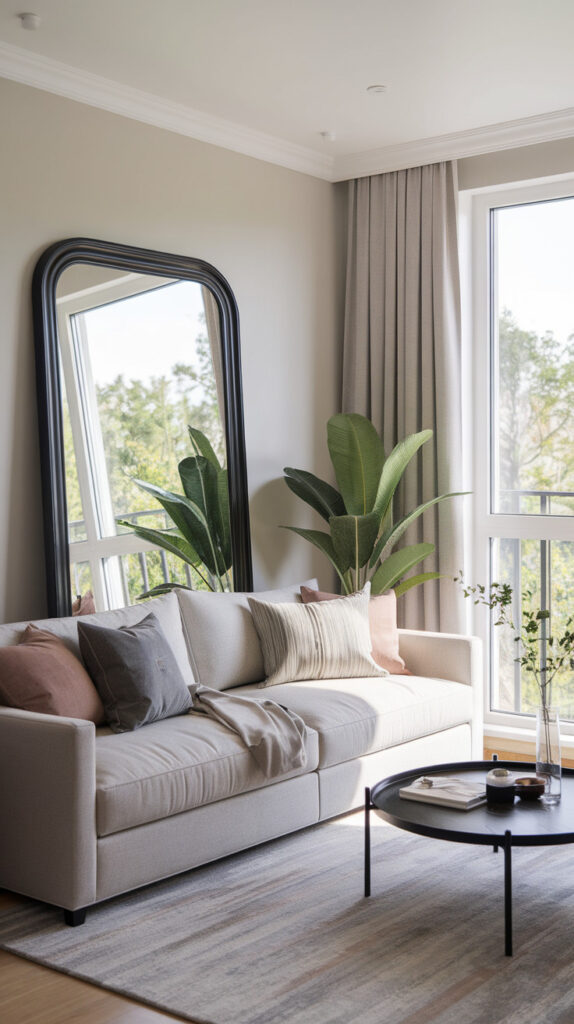
Apartments with limited natural light can feel boxed in. Mirrors fix that without rewiring or repainting.
I once hung a large mirror opposite a window in a dim rental, and it doubled the brightness instantly. It felt like I added another window without touching the wall.
Why This Works
Mirrors reflect light and visually expand space. They create depth by mimicking additional square footage.
They also add a subtle decorative layer without adding clutter.
How to Do It
- Place a mirror across from a window.
- Lean a tall mirror against a wall if drilling isn’t allowed.
- Choose one large mirror rather than multiple small ones.
- Keep reflections tidy; mirrors amplify mess too.
Placement matters more than size sometimes.
Style & Design Tips
Thin black or brass frames feel modern and clean. Ornate frames work better in larger spaces.
Avoid placing mirrors where they reflect awkward corners or cluttered areas.
Pro Tip or Budget Hack
Check thrift stores for solid wood mirrors. Sand and refinish them for a custom look.
8. Introduce One Bold Accent Color
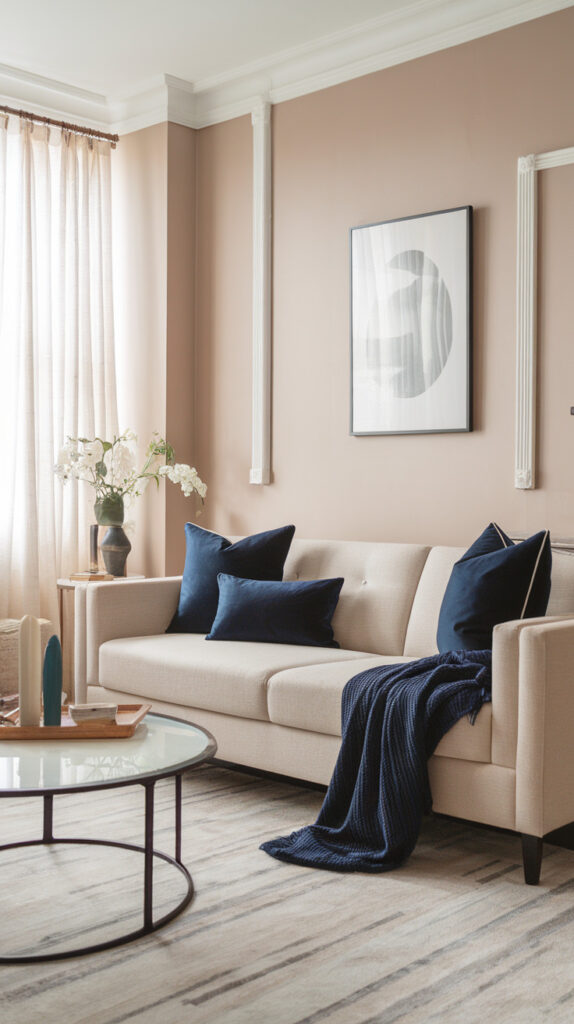
Neutral apartments are safe but often bland. Adding one bold accent color brings personality without overwhelming the space.
I like sticking to one strong shade—deep green or navy—and repeating it subtly. Anything more starts feeling chaotic fast.
Why This Works
One consistent accent color creates cohesion. It connects pillows, art, and small decor pieces without looking random.
Repetition builds harmony in small spaces.
How to Do It
- Choose one bold color you genuinely love.
- Add it through throw pillows or a blanket.
- Incorporate it again in small decor items.
- Keep everything else relatively neutral.
Commit to one shade instead of five competing tones.
Style & Design Tips
Pair bold colors with warm neutrals like beige or cream. Cool grays can dull vibrant tones.
Avoid over-saturating the room. A little goes a long way.
Pro Tip or Budget Hack
Swap pillow covers instead of buying new pillows. It’s cheaper and easier to store off-season.
9. Upgrade Cabinet Hardware
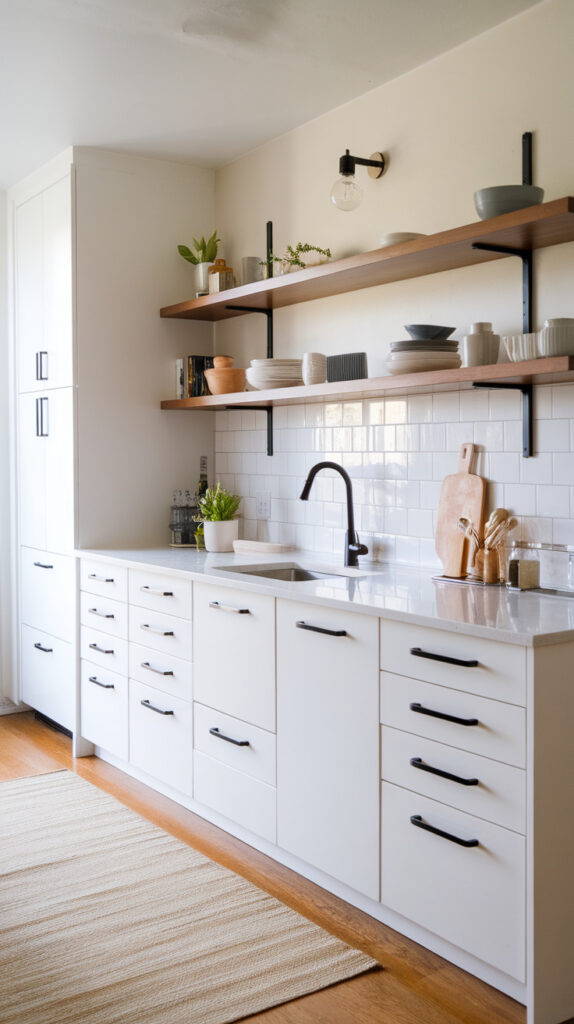
Apartment kitchens often feel generic because of basic hardware. Swapping knobs and pulls changes the entire look in under an hour.
I did this once with matte black handles, and the kitchen suddenly felt custom. It’s a small detail that makes a big impact.
Why This Works
Hardware acts like jewelry for cabinets. Even simple doors look elevated with upgraded pulls.
It adds personality without altering structure.
How to Do It
- Measure the distance between screw holes.
- Choose new knobs or pulls that match existing spacing.
- Store original hardware safely for move-out.
- Install with a screwdriver—no fancy tools needed.
Keep finishes consistent across the space.
Style & Design Tips
Brushed brass adds warmth. Matte black feels modern and clean.
Avoid overly trendy shapes that might look dated quickly.
Pro Tip or Budget Hack
Buy multipacks online instead of individual pieces. Bulk pricing saves a surprising amount.
10. Style With Real or High-Quality Faux Plants
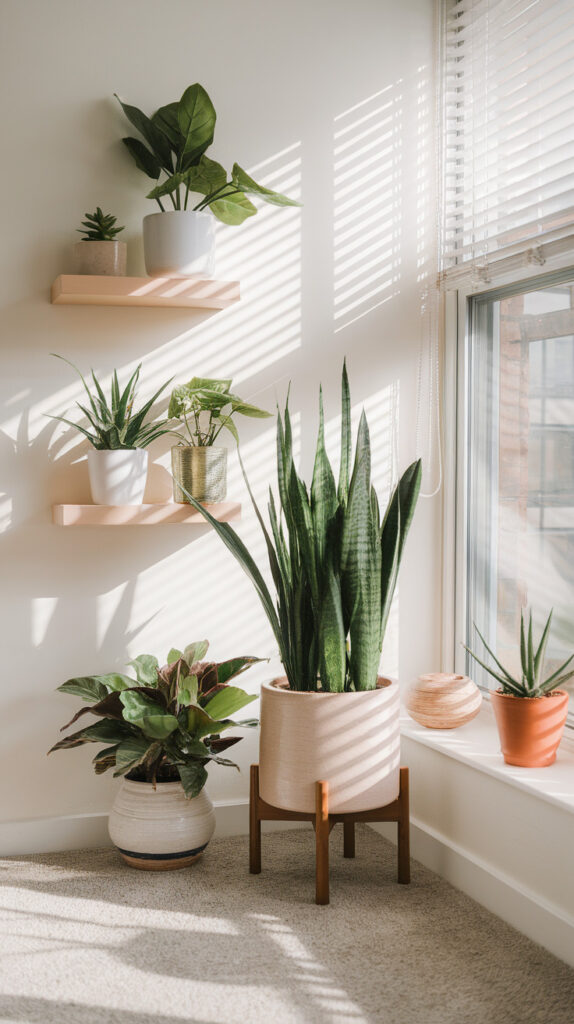
Bare corners make apartments feel unfinished. Plants soften edges and add life without clutter.
I don’t have a green thumb, so I mix real low-maintenance plants with high-quality faux ones. Nobody notices the difference if they’re styled well.
Why This Works
Greenery adds texture and contrast to hard apartment surfaces. It makes furniture feel less rigid.
Plants also fill awkward corners naturally.
How to Do It
- Place a tall plant in empty corners.
- Add small potted plants to shelves.
- Choose low-maintenance options like snake plants.
- Use simple pots in neutral tones.
Keep proportions balanced with the room size.
Style & Design Tips
Stick to natural-looking faux plants with varied leaf tones. Cheap plastic shine gives it away instantly.
Avoid tiny plants scattered everywhere. Group them in odd numbers for balance.
Pro Tip or Budget Hack
Buy one large real plant and supplement with smaller faux ones. It keeps maintenance low while looking authentic.
The Foundation Strategy Behind Simple Apartment Decor
Decorating a small apartment without a plan usually leads to impulse purchases and random styling choices that don’t connect. Before buying anything new, it helps to define the function of each zone and decide how you actually want to live in the space. That clarity prevents clutter and wasted money.
Start by identifying three priorities: storage, flow, and personality. Storage keeps chaos under control, flow protects walking paths and comfort, and personality makes the apartment feel like yours instead of a temporary rental. Every decor decision should support at least one of those goals.
I always recommend doing a quick “layout audit” before decorating. Stand in each room and ask what feels awkward, cramped, or underused. Fixing those functional problems first makes every aesthetic upgrade look intentional instead of random.
Budget strategy matters just as much as style strategy. Invest slightly more in anchor pieces like rugs, lighting, and large art, then save on accessories that you can swap seasonally. That balance keeps the apartment evolving without constantly overspending.
Finally, give the room breathing space. Negative space is not emptiness; it’s visual relief that allows your key decor pieces to shine. Apartments look expensive when they feel edited, not when they’re packed.
Common Mistakes to Avoid
One of the biggest mistakes people make is choosing furniture that’s too small for the room. It sounds logical to scale everything down in a small apartment, but undersized pieces often make the space feel awkward and disconnected. Proper proportions create cohesion, even in tight layouts.
Another common issue is pushing all furniture against the walls. While it seems like it frees up space, it often creates a hollow center and disrupts conversation flow. Pulling seating slightly inward usually makes the room feel more grounded and balanced.
Overdecorating shelves is another trap. Filling every inch with objects removes breathing room and makes styling look accidental. A mix of decor and empty space always feels more refined.
Ignoring lighting temperature also hurts the overall vibe. Mixing cool and warm bulbs randomly can make the apartment feel disjointed and flat. Keep bulb tones consistent for a cohesive look.
Lastly, avoid trend-chasing without intention. Trends move fast, but your apartment should reflect how you actually live. Choose updates that align with your lifestyle, not just what’s currently viral.
How to Decorate a Rental Without Losing Your Security Deposit
Renters often hesitate to personalize their space because they’re worried about damaging walls or fixtures. The good news is that most impactful upgrades can be done with removable or reversible methods. You just have to be strategic.
Use removable adhesive hooks and strips for lightweight decor instead of drilling whenever possible. For heavier items, anchor into studs carefully and keep original hardware stored safely for move-out. Always photograph the original condition before making changes.
Peel-and-stick wallpaper, molding, and backsplash tiles can transform a space without permanence. Just make sure to test a small area first to confirm clean removal. Some surfaces respond better than others.
Keep a labeled box for original cabinet hardware, light covers, and screws. That small habit saves time and prevents last-minute stress when it’s time to move. Rental decorating works best when it’s reversible by design.
Smart Budget Planning for Apartment Decor
Spending randomly on small decor items adds up faster than investing in one impactful piece. Instead of buying five inexpensive accents, put that money toward a larger anchor item that changes the room. A quality rug or large mirror often has more visual impact than scattered decor.
Create a simple decor budget with three categories: essentials, upgrades, and accessories. Essentials cover lighting and storage, upgrades include art or rugs, and accessories are pillows or small decor. Prioritizing like this keeps impulse spending under control.
Consider resale value when buying bigger pieces. Neutral furniture with clean lines sells easily if you move. Trendy statement pieces may not have the same longevity.
Finally, decorate in phases. You don’t need to finish the entire apartment in one weekend. Let the space evolve naturally as you live in it and notice what truly needs improvement.
Frequently Asked Questions
How do I make a small apartment look bigger without renovating?
Focus on light, mirrors, and proper furniture scale. Large rugs, strategic mirror placement, and layered lighting create visual depth without structural changes. Keeping floors clear and clutter minimal also makes a dramatic difference.
What colors work best in small apartments?
Neutral base colors like warm white, beige, or soft gray provide flexibility. Adding one consistent accent color prevents the space from feeling bland. Avoid too many competing bold shades in tight areas.
Can I decorate stylishly on a tight budget?
Absolutely. Prioritize high-impact items like lighting and rugs, then thrift or DIY smaller accents. Swapping hardware and pillow covers also refreshes a space without major spending.
How many decorative pieces are too many?
If surfaces feel crowded or cleaning becomes difficult, you’ve likely crossed the line. Leave intentional negative space between decor items. A curated look always feels more elevated than a packed one.
Should I match all my furniture finishes?
Not necessarily, but they should complement each other. Mixing wood tones works well when they share similar warmth. Keep metal finishes consistent within the same room for a polished appearance.
What’s the fastest way to refresh an apartment before guests arrive?
Declutter surfaces, adjust lighting to warm tones, fluff pillows, and reposition rugs if needed. Small tweaks in arrangement and lighting often create the biggest immediate impact.
Final Thoughts
Small apartments don’t need dramatic renovations to feel polished. They need smarter layout decisions, better lighting, and a few confident design choices layered thoughtfully.
I’ve made most of these mistakes myself before figuring out what actually works. Keep it simple, commit to your choices, and let the space breathe a little—you’ll be surprised how much it shines.