10 Small Cottage Kitchen Ideas for Cozy Homes
Storage decisions shape how a small kitchen feels and functions every single day. When cabinets fight for space and counters disappear under clutter, the whole room starts working against you instead of for you.
Smart layout tweaks and thoughtful design choices fix that fast. A cottage kitchen, especially a small one, needs charm and common sense in equal measure.
Small cottage kitchens don’t need more square footage. They need better strategy, softer details, and a little personality layered in without overcrowding the room. That’s where the magic actually happens.
1. Open Shelving With Purpose
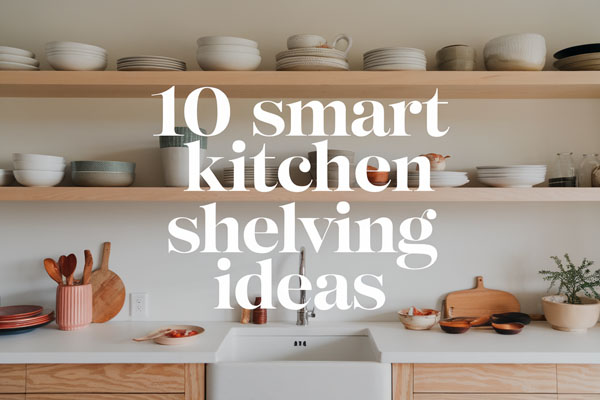
Upper cabinets often make a small cottage kitchen feel boxed in and top-heavy. They crowd your eye line and block natural flow, especially in narrow layouts. Swapping a few upper cabinets for open shelving instantly lightens the space while keeping essentials within reach. I’ve done this in a tight galley setup before, and the difference felt immediate.
Open shelving works best when it’s intentional, not random. You’re not displaying every mug you’ve ever owned. You’re choosing pieces that actually support the cozy cottage vibe while staying functional.
Why This Works
Removing bulky cabinetry visually expands the wall space. Your eyes travel across the room without hitting solid blocks of wood.
Open shelves also force you to edit. That editing process naturally reduces clutter and keeps the kitchen feeling curated instead of chaotic.
How to Do It
- Remove one or two upper cabinets, not all of them
- Install sturdy wooden shelves anchored into studs
- Keep everyday dishes and glassware on the lowest shelf
- Use baskets or ceramic crocks for smaller loose items
Anchoring into studs matters because shelves holding plates get heavy fast. Keeping daily items accessible makes the change practical, not just pretty.
Style & Design Tips
Stick with natural wood tones or soft painted finishes like cream or sage. Mixing too many colors on open shelves can look messy instead of charming.
Avoid overcrowding the shelves. Negative space is your friend here.
Pro Tip or Budget Hack
If custom shelves feel expensive, use thick pine boards from a hardware store and simple black or brass brackets. Sand them down, stain lightly, and seal them yourself for a fraction of the price.
2. Butcher Block Countertops for Warmth
Cold, glossy surfaces can make a small kitchen feel clinical instead of cozy. Cottage style leans warm and lived-in, and butcher block countertops instantly bring that softness. I’ve always preferred wood counters in smaller spaces because they visually calm everything down.
They also age beautifully. Scratches and wear don’t look like damage; they look like history.
Why This Works
Wood adds warmth and texture in a way stone often doesn’t. That warmth balances white cabinets and light walls, which are common in cottage kitchens.
It also softens sharp edges. A room filled with hard surfaces can feel stiff, and butcher block breaks that up.
How to Do It
- Choose solid wood or high-quality laminate butcher block
- Seal it properly with food-safe oil or polyurethane
- Re-oil regularly if you prefer a natural finish
- Install carefully around sinks to avoid water damage
Sealing is not optional. Water is the enemy of wood counters, especially near the sink.
Style & Design Tips
Pair butcher block with white or cream cabinetry for that classic cottage look. If you want contrast, go with muted green or dusty blue lower cabinets.
Avoid pairing it with ultra-modern fixtures. Stick to brushed brass, matte black, or vintage-inspired hardware.
Pro Tip or Budget Hack
If a full butcher block installation isn’t in the budget, try using it just on an island or one accent counter. That single warm surface can shift the entire feel of the kitchen.
3. Glass-Front Cabinets to Lighten the Look
Solid cabinet doors can make a small cottage kitchen feel heavy and closed off. Replacing a few with glass-front panels creates depth without removing storage. It’s a middle ground between open shelving and full cabinetry.
I’ve seen this completely change how a tight kitchen feels, especially in older homes with lower ceilings.
Why This Works
Glass reflects light and adds dimension. Even subtle reflections make a room feel slightly larger.
It also encourages tidy organization. When you can see inside, you’re more likely to keep it neat.
How to Do It
- Replace select upper cabinet doors with glass inserts
- Use clear or lightly frosted glass
- Keep displayed items simple and coordinated
- Install soft interior lighting if possible
Interior cabinet lighting elevates the whole effect. It doesn’t need to be bright, just subtle.
Style & Design Tips
Stick with matching dishware or neutral ceramics inside glass cabinets. Mixing too many patterns can look cluttered.
Avoid overfilling the shelves. Two-thirds full looks intentional; packed tight looks stressed.
Pro Tip or Budget Hack
If replacing cabinet doors feels costly, remove the center panel and insert affordable glass sheets yourself. A local glass shop can cut pieces to size for less than you’d expect.
4. Compact Farmhouse Sink for Character
A bulky sink in a small kitchen can overwhelm the base cabinets. Choosing a compact farmhouse sink gives you cottage charm without sacrificing space. It’s a subtle shift that makes a big visual impact.
I used to think farmhouse sinks were only for big country kitchens, but smaller versions work beautifully in tight layouts.
Why This Works
The exposed front adds personality without needing extra décor. It becomes a focal point naturally.
It also pairs perfectly with warm woods and classic hardware, reinforcing that cottage vibe.
How to Do It
- Measure your base cabinet carefully
- Choose a smaller apron-front model
- Pair it with a simple, functional faucet
- Ensure proper support underneath during installation
Proper support prevents sagging. These sinks are heavier than they look.
Style & Design Tips
Choose white fireclay for a traditional look. If you want something different, soft matte black can add subtle contrast.
Avoid overly modern faucet designs. Go for classic curves instead.
Pro Tip or Budget Hack
If a true farmhouse sink stretches your budget, look for apron-front sink covers or retrofit options that mimic the style without a full cabinet replacement.
5. Soft, Muted Color Palettes
Dark or overly bold colors can shrink a small kitchen visually. Cottage kitchens thrive on soft, muted shades that reflect light and feel welcoming. Think sage green, dusty blue, warm white, or pale gray.
I once painted a small kitchen deep navy thinking it would feel dramatic. It felt like a closet.
Why This Works
Light, muted tones bounce natural and artificial light around the room. That creates a sense of openness.
They also pair beautifully with wood, brass, and vintage details.
How to Do It
- Choose one dominant soft color
- Keep ceilings and trim lighter
- Test paint samples before committing
- Stick to cohesive undertones
Testing paint samples matters more than people think. Lighting shifts color dramatically.
Style & Design Tips
Use matte or satin finishes instead of high gloss. High gloss reflects too much and can look harsh.
Avoid combining too many pastel shades. Pick one hero color and let it shine.
Pro Tip or Budget Hack
If repainting cabinets feels overwhelming, try painting just the lower cabinets or a single accent wall. That smaller commitment can still transform the room.
6. Built-In Banquette Seating
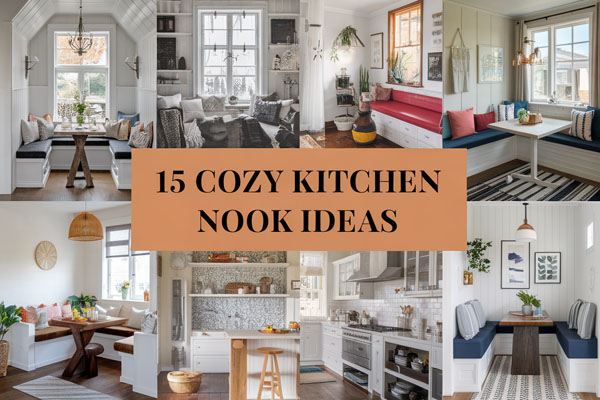
Traditional dining tables often waste valuable floor space in small cottage kitchens. Built-in banquette seating hugs the wall and maximizes every inch. It also feels instantly cozy.
I love how banquettes create a natural gathering corner without crowding the room.
Why This Works
It pushes seating against the wall, freeing up walking space. That matters in narrow layouts.
Many banquettes also include hidden storage underneath, which small kitchens desperately need.
How to Do It
- Build a simple bench frame along one wall
- Add hinged tops for hidden storage
- Use washable cushions for comfort
- Pair with a compact round table
Round tables improve traffic flow better than square ones.
Style & Design Tips
Choose striped or subtle floral fabrics for a cottage feel. Keep colors soft and cohesive.
Avoid oversized cushions that swallow the bench depth.
Pro Tip or Budget Hack
If custom carpentry isn’t your thing, repurpose low storage cabinets or sturdy benches and secure them together for a built-in look.
7. Vintage-Inspired Hardware
Generic cabinet handles drain personality from a cottage kitchen. Swapping them out for vintage-inspired hardware instantly upgrades the space without a full renovation. It’s one of the easiest changes you can make.
I’ve changed hardware in rentals before, and it felt like a completely different kitchen in under an hour.
Why This Works
Hardware acts like jewelry for your cabinets. Small details create big visual shifts.
Brass, aged bronze, or ceramic knobs reinforce the cottage aesthetic effortlessly.
How to Do It
- Measure existing hole spacing
- Choose cohesive finishes
- Replace knobs and pulls consistently
- Tighten securely without overtightening
Consistency keeps the design intentional instead of random.
Style & Design Tips
Mixing metals can work, but do it carefully. Stick to two finishes max to avoid visual chaos.
Avoid ultra-sleek bar pulls unless you’re blending cottage with modern.
Pro Tip or Budget Hack
Check antique shops or online marketplaces for authentic vintage hardware. You’ll often find unique pieces for less than big-box store prices.
8. Layered Lighting in a Small Space
One overhead light rarely does justice to a small cottage kitchen. Layered lighting adds warmth and functionality without clutter. It’s about combining task, ambient, and accent lighting smartly.
I’ve learned the hard way that relying on a single ceiling fixture makes food prep feel like surgery.
Why This Works
Multiple light sources eliminate harsh shadows. That makes cooking easier and the space more inviting.
Soft accent lighting also enhances architectural details like shelves or glass cabinets.
How to Do It
- Install under-cabinet lighting
- Add a small pendant over an island or table
- Use warm bulbs instead of cool white
- Include a dimmer switch
Dimmers give you flexibility for different moods without rewiring everything.
Style & Design Tips
Choose fixtures with simple, classic shapes. Clear glass or metal shades fit cottage style well.
Avoid overly industrial lighting unless you want a farmhouse blend.
Pro Tip or Budget Hack
Battery-operated puck lights work surprisingly well under cabinets if wiring isn’t an option. They’re affordable and easy to install.
9. Decorative Plate or Mug Displays
Small kitchens often lack wall personality. Using walls to display plates or mugs adds charm without taking up counter space. It’s functional décor at its best.
I once hung a simple rail for mugs, and it freed up an entire cabinet shelf.
Why This Works
Wall displays add vertical interest. They also keep everyday items accessible.
It turns functional pieces into part of the design story.
How to Do It
- Install plate racks or wall-mounted rails
- Secure them into studs
- Arrange items symmetrically or intentionally asymmetrical
- Leave breathing space between pieces
Spacing prevents the wall from looking cluttered.
Style & Design Tips
Stick with coordinated colors or patterns. Random mismatched pieces can feel chaotic.
Avoid overloading one wall. Spread displays out if needed.
Pro Tip or Budget Hack
Thrift stores are goldmines for charming plates and mugs. Mixing affordable finds with a few statement pieces keeps the look authentic.
10. Slim Rolling Kitchen Cart
Fixed islands don’t always work in small cottage kitchens. A slim rolling cart offers prep space when you need it and tucks away when you don’t. Flexibility matters more than permanence in tight spaces.
I’m a big fan of anything on wheels in small rooms. It just makes life easier.
Why This Works
Mobility increases functionality without committing to a bulky structure. It adapts to your workflow.
You can use it for prep, storage, or even as a mini coffee station.
How to Do It
- Choose a narrow cart with locking wheels
- Add baskets or hooks for extra storage
- Keep the top clear for prep
- Store it against a wall when not in use
Locking wheels keep it stable during chopping or mixing.
Style & Design Tips
Pick a cart that complements your cabinets. Wood tones or soft painted finishes work beautifully in cottage kitchens.
Avoid oversized carts that block pathways.
Pro Tip or Budget Hack
You can transform a basic utility cart with a wood top and upgraded hardware. A small DIY tweak makes it feel custom without the custom price.
Small Cottage Kitchen Design Strategy: Start With Function, Then Layer Charm
Small cottage kitchens perform best when layout decisions come before decorative ones. It’s tempting to jump straight into paint colors and hardware, but workflow, storage, and lighting should drive every major change. When you get the functional bones right, the cozy charm naturally falls into place.
Start by evaluating how you actually use your kitchen every day. Pay attention to prep zones, sink placement, traffic flow, and storage habits. A cottage kitchen should feel relaxed, but it still needs to support real cooking without frustration.
Think in layers rather than one big transformation. First handle layout and storage efficiency, then address surfaces like countertops and cabinetry, and finally add personality through textiles, hardware, and accessories. That sequence prevents expensive rework later.
It also helps to define your version of “cottage.” Some lean farmhouse, others prefer English cottage softness, and some blend vintage with modern function. Clarity at the beginning prevents a mismatched result.
Step 1: Audit Your Current Layout
Measure everything, including walkway widths and cabinet depths. In small kitchens, even two extra inches can change how the room flows.
Identify dead space, like awkward corners or upper cabinets that block light. Those are prime opportunities for open shelving, banquettes, or compact storage upgrades.
Step 2: Prioritize Multi-Functional Elements
Every piece should earn its footprint. A rolling cart, banquette with storage, or glass-front cabinet pulls double duty without overwhelming the space.
Avoid single-purpose furniture unless you truly have room. Flexibility is what makes small cottage kitchens feel intentional instead of cramped.
Step 3: Choose Materials That Age Well
Cottage kitchens improve with time. Wood, brass, ceramic, and soft paint tones develop character rather than looking worn out.
Avoid trendy finishes that may feel dated quickly. Timeless materials make the space easier to maintain and more appealing long term.
Common Mistakes to Avoid in Small Cottage Kitchens
Overdecorating ruins more small kitchens than poor layouts do. When every surface holds something decorative, the charm turns into clutter fast. Cottage style should feel collected, not crowded.
Another mistake is ignoring vertical space. Many small kitchens rely too heavily on base cabinets while upper walls remain underutilized or blocked by bulky cabinetry.
Choosing oversized furniture is another common issue. Thick dining tables, deep islands, or wide carts eat up valuable walking space and make the kitchen feel tight.
Poor lighting decisions also sabotage good design. One overhead fixture creates harsh shadows and flattens the entire room, especially when paired with dark finishes.
Finally, mixing too many themes confuses the visual story. Cottage style works best when finishes, colors, and hardware feel cohesive rather than experimental.
Storage Planning for Long-Term Function
Storage isn’t just about fitting everything inside cabinets. It’s about making daily tasks smoother and reducing friction in your routine.
Group items by function instead of by category. Keep baking supplies together, prep tools near the stove, and coffee essentials in one compact station.
Hidden storage, like banquette seating or deep drawers with dividers, prevents countertop overflow. When surfaces stay mostly clear, the room automatically feels larger.
Rotating seasonal or rarely used items out of the kitchen entirely can also help. Not everything needs to live in this room year-round.
Creating Visual Balance in a Small Layout
Balance matters more in small kitchens because there’s less room to hide design mistakes. If one wall feels visually heavy, the entire room feels off.
Distribute materials evenly. If you install wood shelves on one side, echo that wood tone somewhere else in the room.
Mix closed and open storage thoughtfully. Too much open shelving can look busy, while too many solid cabinets feel boxed in.
Contrast should feel intentional. Light cabinets paired with wood counters or muted walls paired with brass hardware create depth without chaos.
Budget Planning for Smart Upgrades
Small kitchens can be surprisingly affordable to update because they require fewer materials. That doesn’t mean costs won’t add up quickly without a plan.
Break the budget into three categories: structural changes, surface upgrades, and decorative elements. Prioritize structural improvements first since they affect daily function.
Save on cosmetic pieces like hardware or shelving by sourcing secondhand or DIY solutions. Spend more on elements that take wear, such as countertops or sinks.
Setting a realistic budget buffer prevents stress halfway through the project. Unexpected expenses almost always show up during renovations.
Maintenance and Longevity Considerations
Cottage kitchens should age gracefully rather than require constant repair. Choosing finishes that handle moisture and heat is essential.
Seal wood surfaces properly and maintain them regularly. Preventative care extends the life of butcher block and wood shelving significantly.
Select washable fabrics for banquettes and cushions. Kitchens are high-traffic zones, and easy cleaning keeps the cozy vibe intact.
Quality hardware also matters. Cheap knobs loosen quickly, while solid metal pieces hold up for years.
Frequently Asked Questions
1. How do I make a small cottage kitchen look bigger without knocking down walls?
Focus on light paint colors, open shelving, and glass-front cabinets. Keeping sightlines clear and surfaces uncluttered visually expands the space.
Strategic lighting and reflective surfaces also help. Even small adjustments can create noticeable openness.
2. Are farmhouse sinks practical in very small kitchens?
Yes, as long as you choose a compact version and reinforce the cabinet properly. They add charm without requiring extra floor space.
Proper installation matters more than size. A well-supported smaller model works beautifully.
3. What’s the best flooring for a cozy cottage kitchen?
Light wood or wood-look flooring creates warmth while reflecting light. Avoid very dark floors in tight spaces since they shrink the room visually.
Durability matters too, especially in high-traffic kitchens. Choose materials that handle moisture well.
4. Can I mix modern appliances with cottage design?
Absolutely, but keep the finishes cohesive. Stainless steel can work if balanced with warm wood and soft paint tones.
Avoid ultra-sleek, industrial-looking pieces unless blending styles intentionally. Subtle integration works best.
5. How much open shelving is too much?
If you struggle to keep it tidy, you probably have too much. A couple of shelves usually deliver charm without creating clutter.
Closed storage should still handle the bulk of everyday items. Balance keeps things manageable.
6. Is it worth investing in custom cabinetry for a small kitchen?
Custom solutions maximize tight spaces efficiently, especially in awkward layouts. However, thoughtful semi-custom options often achieve similar results at lower cost.
Assess your storage challenges first. Custom makes sense when standard cabinetry leaves wasted space.
Final Thoughts
Small cottage kitchens reward smart decisions more than big budgets. When you focus on function, warmth, and thoughtful details, the space naturally feels cozy instead of cramped. Every tweak should earn its place.
I genuinely believe small kitchens can feel more inviting than oversized ones when done right. A little planning, a bit of editing, and some personality go a long way.