10 Small Home Decor Ideas That Transform Spaces
Good design usually comes down to smart choices, not square footage. Most small rooms don’t feel cramped because they’re tiny; they feel cramped because the layout, storage, and visual balance are working against each other.
A few intentional tweaks can completely shift how a space functions and feels without knocking down a single wall.
I’ve learned this the hard way after rearranging my own apartment more times than I’d like to admit. The good news is that small homes actually respond faster to simple changes.
Let’s break down ten ideas that genuinely transform tight spaces without turning your place into a Pinterest experiment gone wrong.
1. Float Your Furniture Away From the Walls
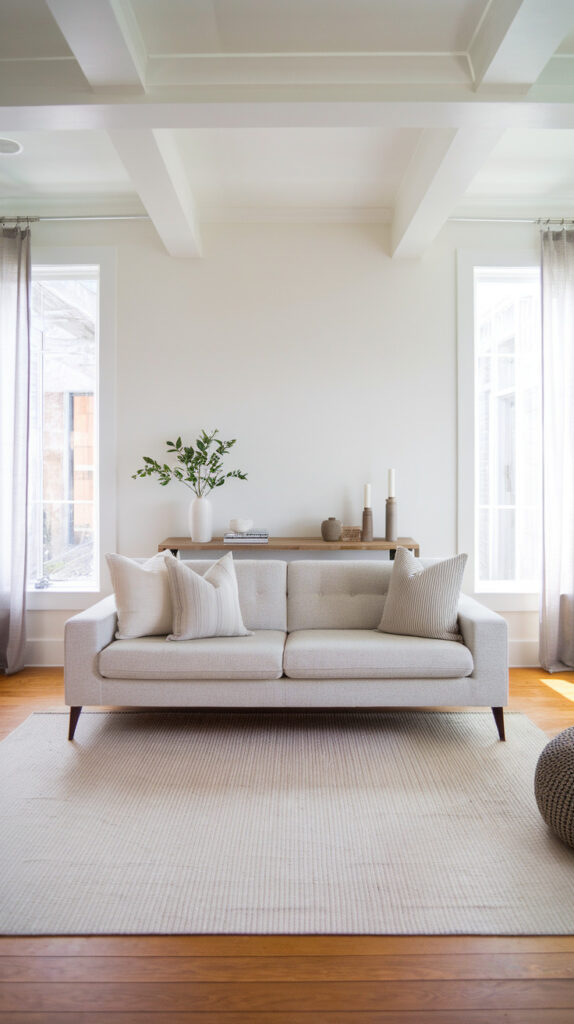
Pushing everything against the walls feels like the obvious move in a small room. It seems logical, but it often creates a hollow middle and awkward traffic flow. Floating key pieces—like a sofa or console—can actually make the space feel wider and more intentional.
I tried this in my living room after years of wall-hugging furniture, and the difference surprised me. Pulling the sofa forward just six inches made the room feel styled instead of shoved together. It also gave me space behind it for a narrow console table that doubles as storage.
Why This Works
When furniture breathes, the room gains dimension instead of looking like a storage unit. Creating small pathways and layered zones tricks the eye into seeing depth. Designers use this approach constantly because it builds flow instead of forcing everything into a perimeter.
The center of the room becomes usable rather than empty. That shift alone makes a small layout feel intentional instead of accidental.
How to Do It
- Pull the sofa 4–8 inches away from the wall and anchor it with a rug.
- Add a slim console or shelf behind it for visual structure.
- Keep at least 24 inches of walking space around main pathways.
- Adjust lighting so the new layout still feels balanced.
Each step matters because spacing without anchoring looks random. The rug and lighting make it look planned.
Style & Design Tips
Choose low-profile furniture so floating doesn’t overwhelm the room. If your sofa has bulky arms, consider swapping for a sleeker silhouette.
Avoid pushing every piece inward at once. Float one major item first and build around it.
Pro Tip or Budget Hack
Use painter’s tape to outline new furniture placement before moving anything heavy. It saves your back and helps you visualize spacing without committing.
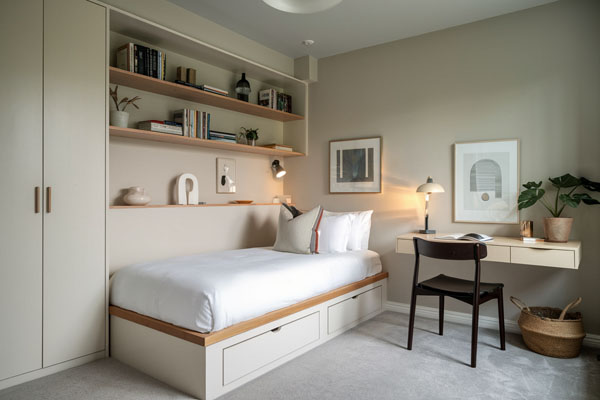
2. Use Vertical Storage That Blends In
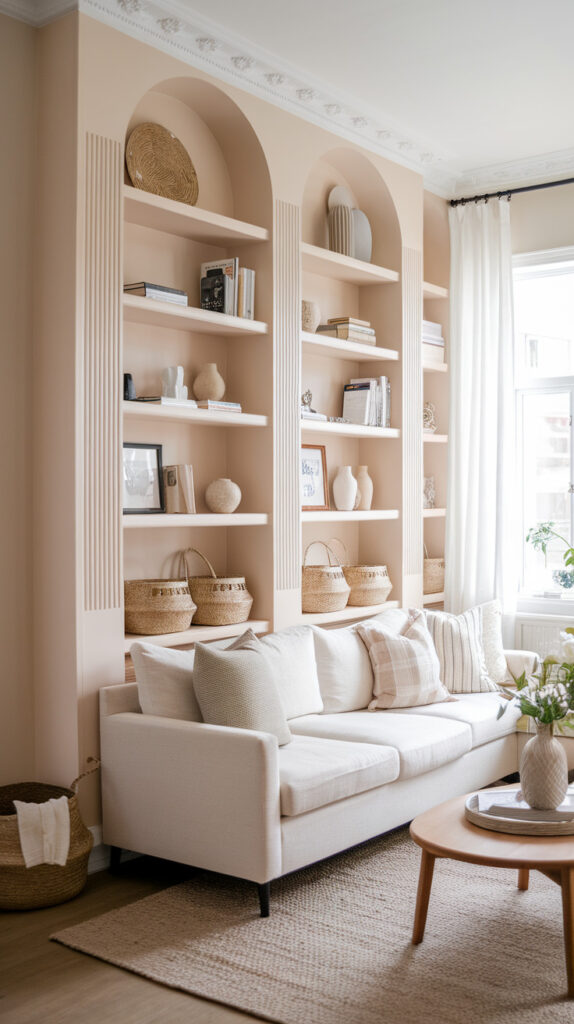
Floor space disappears fast in small homes. Storage that climbs upward instead of outward solves that problem without crowding the room. Tall shelves, wall-mounted cabinets, and vertical hooks keep things organized while freeing up valuable square footage.
I used to stack random bins in corners, which honestly just made everything look messier. Once I installed a tall bookcase that matched the wall color, the room felt taller and cleaner instantly.
Why This Works
The eye naturally travels upward when vertical lines are present. Tall storage emphasizes height, which makes ceilings feel higher. It also keeps clutter off the floor, reducing visual noise.
Blending shelves with the wall color makes them feel built-in instead of bulky. That subtle trick changes everything.
How to Do It
- Choose shelving that reaches close to the ceiling.
- Paint or buy shelves in the same color as your walls.
- Store heavier items at the bottom and lighter décor up top.
- Leave small gaps between items for breathing space.
Spacing matters because overcrowded shelves defeat the purpose. Negative space makes storage look styled.
Style & Design Tips
Incorporate closed storage baskets to hide everyday clutter. Mix books with decorative objects for balance.
Avoid deep shelves in narrow rooms. Slim profiles prevent that boxed-in feeling.
Pro Tip or Budget Hack
Use affordable wall-mounted rails with adjustable shelves instead of custom cabinetry. You’ll get flexibility without the custom price tag.
3. Add a Statement Mirror for Depth
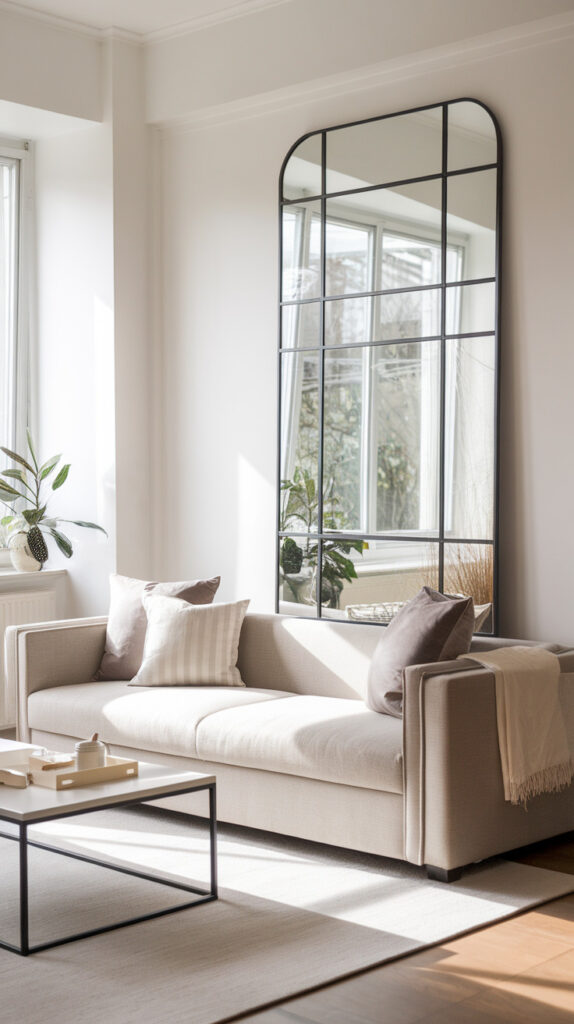
Small rooms often lack dimension. A large mirror strategically placed can double the visual space without changing the layout at all. It’s one of the simplest upgrades that delivers immediate impact.
I hung an oversized mirror opposite my window, and the entire room brightened and expanded visually. It felt like adding another window without any renovation drama.
Why This Works
Mirrors reflect light and bounce it around the room. That reflection reduces shadows and creates the illusion of depth. The brain reads reflected space as additional room.
Position matters more than size. Placement determines whether the mirror feels decorative or transformative.
How to Do It
- Place mirrors across from windows or light sources.
- Choose a mirror that’s at least two-thirds the width of the furniture below it.
- Lean oversized mirrors in bedrooms for a relaxed feel.
- Avoid placing mirrors where they reflect clutter.
Clean reflections create openness. Messy reflections create chaos.
Style & Design Tips
Opt for thin metal or wood frames for a modern look. Thick ornate frames can overwhelm tight spaces.
Round mirrors soften boxy layouts. Rectangular mirrors emphasize height.
Pro Tip or Budget Hack
Check secondhand stores for large mirrors. A quick frame repaint can turn a dated piece into something custom-looking.
4. Layer Lighting Instead of Relying on One Fixture
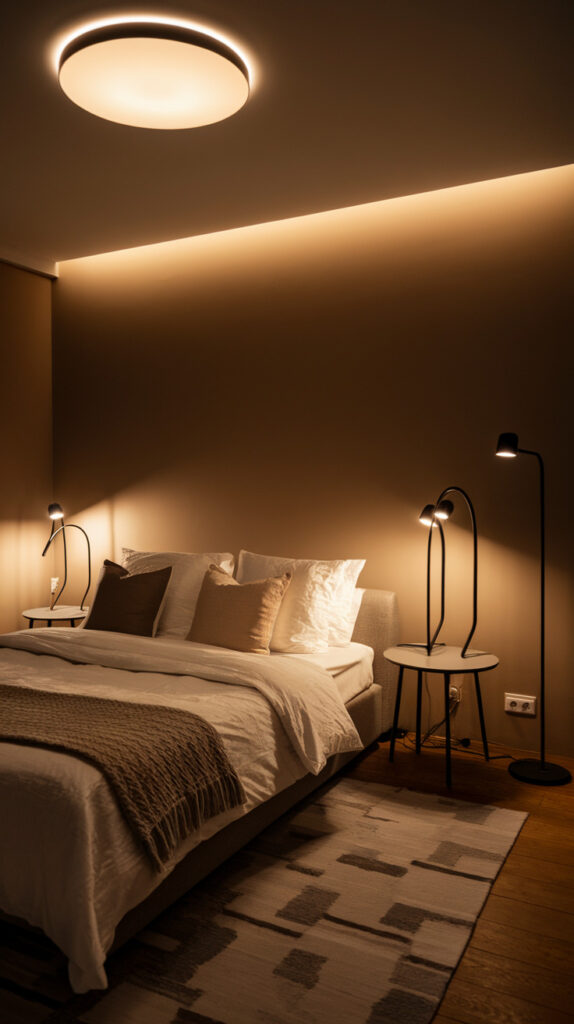
One overhead light rarely flatters a small room. It creates harsh shadows and flat surfaces. Layering light with floor lamps, table lamps, and wall sconces changes the mood instantly.
I once relied on a single ceiling fixture in my bedroom, and it made the space feel like a rental listing photo. Adding two warm-toned bedside lamps made it feel personal and cozy overnight.
Why This Works
Multiple light sources eliminate harsh shadows. Soft layered light adds dimension and makes corners feel intentional.
Lighting also highlights décor details you want people to notice. It creates zones within a small footprint.
How to Do It
- Add at least two secondary light sources.
- Use warm bulbs for comfort-focused rooms.
- Position lights at varying heights.
- Avoid overly bright cool-toned bulbs.
Height variation prevents flat lighting. Warm tones soften everything.
Style & Design Tips
Choose slim lamp bases to avoid bulky surfaces. Consider wall-mounted sconces to free up table space.
Avoid matching every light fixture exactly. Slight variation looks curated.
Pro Tip or Budget Hack
Plug-in wall sconces offer the look of hardwired lighting without hiring an electrician.
5. Define Zones with Rugs
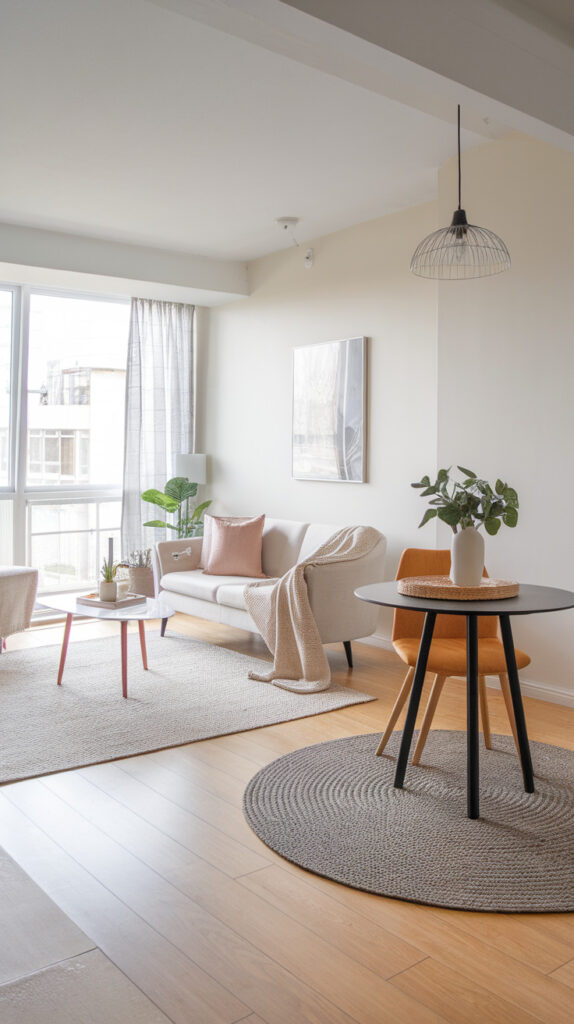
Open small spaces often feel undefined. Rugs can visually separate areas without physical barriers. They guide the eye and clarify function.
I once used one small rug in a studio setup, and it made everything look scattered. Switching to larger rugs that defined the seating and dining areas made it feel intentional and organized.
Why This Works
Rugs anchor furniture and define boundaries. The eye recognizes the edges as functional zones.
Size matters more than pattern. A too-small rug makes a room feel cramped.
How to Do It
- Choose rugs large enough for front furniture legs to sit on.
- Use different textures for separate zones.
- Keep at least 12 inches of floor visible around edges.
- Avoid busy patterns in very tight rooms.
Proportion controls perception. Balance keeps it calm.
Style & Design Tips
Stick with neutral bases if your space is already visually busy. Texture adds interest without chaos.
Layer smaller accent rugs over larger neutral ones for depth.
Pro Tip or Budget Hack
Use indoor-outdoor rugs indoors for durability and affordability.
6. Choose Multi-Functional Furniture
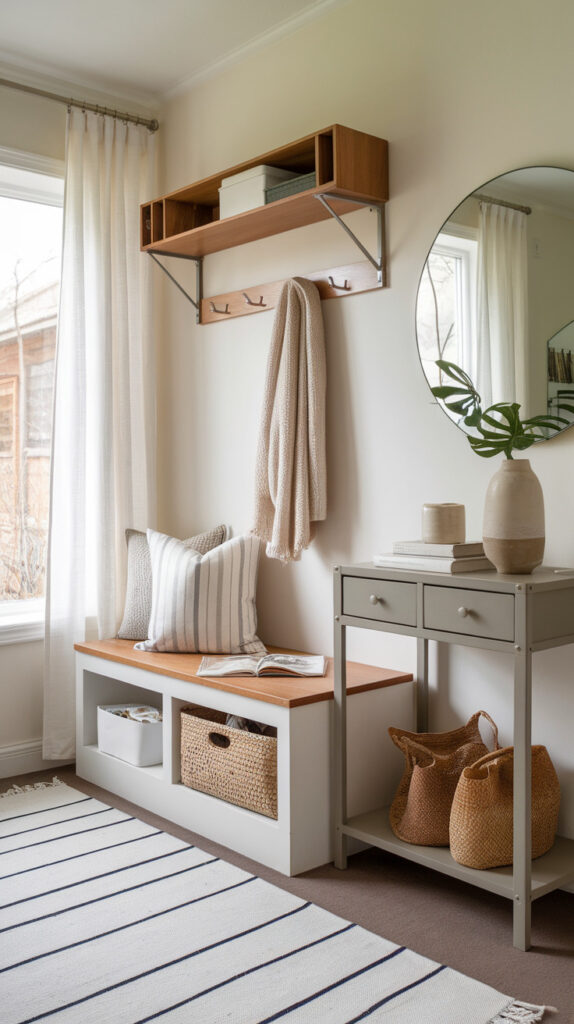
Small spaces demand pieces that work harder. Storage ottomans, fold-out desks, and nesting tables reduce clutter while increasing flexibility.
I added a storage bench in my entryway, and it replaced three separate items. That one swap cleaned up the entire area.
Why This Works
Multi-use furniture reduces the total number of pieces needed. Fewer items mean less visual clutter.
Flexible pieces adapt to changing needs. That adaptability keeps small homes functional.
How to Do It
- Prioritize hidden storage.
- Choose pieces with slim legs for visual lightness.
- Test foldable features before buying.
- Avoid oversized multi-use furniture.
Proportion still matters. Oversized defeats purpose.
Style & Design Tips
Look for clean-lined silhouettes that won’t date quickly. Neutral upholstery offers versatility.
Avoid bulky recliners in tight living rooms. Streamlined always wins.
Pro Tip or Budget Hack
Use stackable stools as side tables. They tuck away when not needed.
7. Install Floating Shelves in Underused Spots
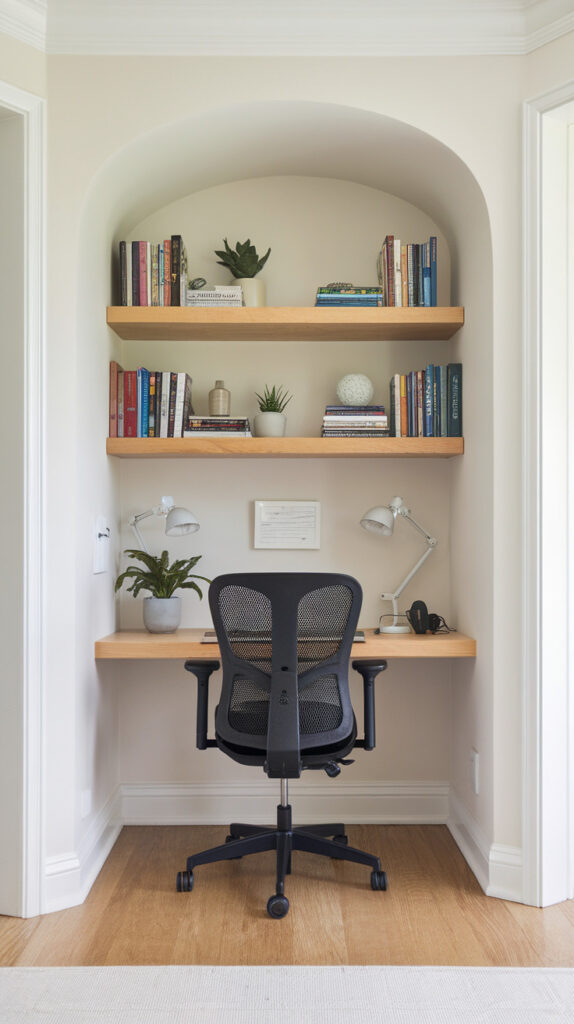
Empty wall corners and awkward nooks often go unused. Floating shelves transform dead zones into practical storage.
I installed two narrow shelves above my desk, and suddenly paperwork had a home. The room felt organized instead of overwhelmed.
Why This Works
Floating shelves add storage without floor footprint. They keep sightlines open.
Wall-mounted pieces appear lighter than freestanding furniture. That visual lightness matters.
How to Do It
- Mount shelves at eye level for display.
- Keep depth between 6–10 inches.
- Secure anchors properly.
- Style with a mix of practical and decorative items.
Balanced styling prevents cluttered walls.
Style & Design Tips
Use matching hardware finishes to tie shelves into the room. Too many finishes create noise.
Limit decorative objects per shelf. Less feels intentional.
Pro Tip or Budget Hack
Repurpose wood planks with affordable brackets for a custom look.
8. Paint One Accent Wall Strategically
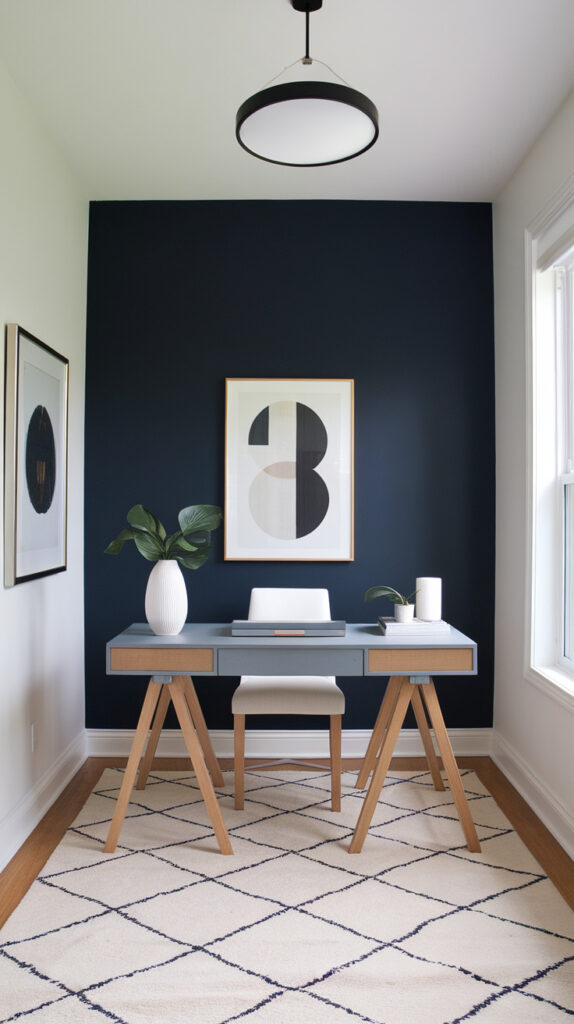
Painting every wall bold in a small room can feel overwhelming. A single accent wall adds depth without shrinking the space.
I once painted an entire small office dark blue, and it felt like a cave. Repainting three walls neutral and keeping one bold instantly fixed it.
Why This Works
Contrast creates depth. One darker wall recedes visually, making the room appear longer.
Accent walls also anchor furniture arrangements. They provide focus.
How to Do It
- Choose the wall behind the main furniture piece.
- Stick to deeper tones for impact.
- Keep other walls light and neutral.
- Test paint samples before committing.
Lighting affects color more than expected.
Style & Design Tips
Select matte or eggshell finishes for softness. Gloss can exaggerate imperfections.
Avoid accent walls in already narrow corridors. It can emphasize tightness.
Pro Tip or Budget Hack
Use peel-and-stick wallpaper for temporary impact without long-term commitment.
9. Edit and Simplify Décor
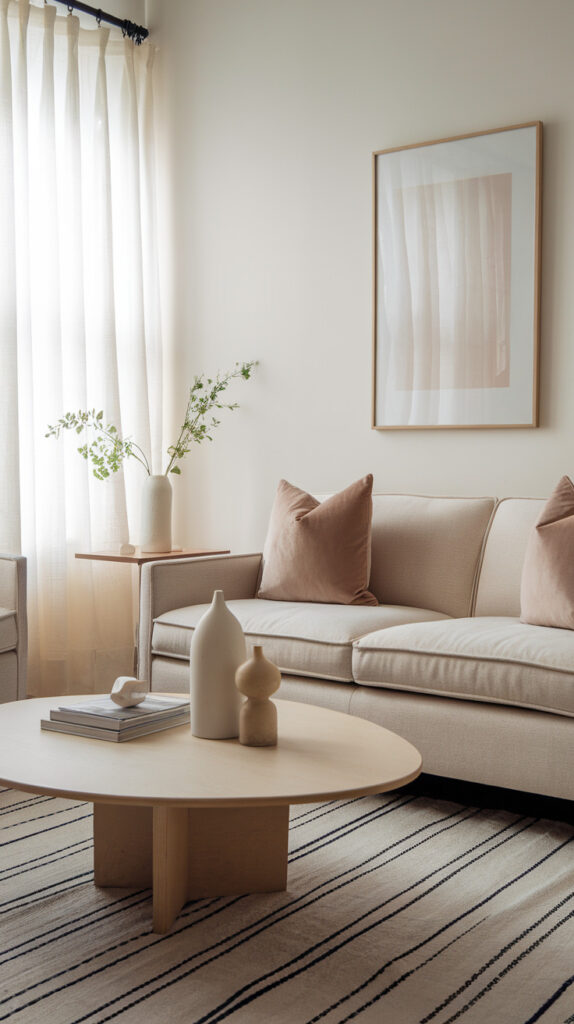
Clutter sneaks in slowly. Small homes suffer more from excess décor than large ones. Editing regularly keeps spaces fresh.
I used to collect random décor pieces that didn’t match, and it showed. Once I limited myself to a few intentional items per surface, the room finally felt styled instead of crowded.
Why This Works
Negative space highlights what remains. When fewer items compete, each piece stands out.
Simplified surfaces reduce stress visually. Clean lines feel larger.
How to Do It
- Remove everything from a surface.
- Add back only functional or meaningful items.
- Limit color palette to 2–3 tones.
- Store extras out of sight.
Intentional restraint creates impact.
Style & Design Tips
Use groupings of three for visual balance. Vary heights slightly.
Avoid filling every corner. Empty space is design, too.
Pro Tip or Budget Hack
Rotate décor seasonally instead of displaying everything at once.
10. Use Curtains to Elongate Walls
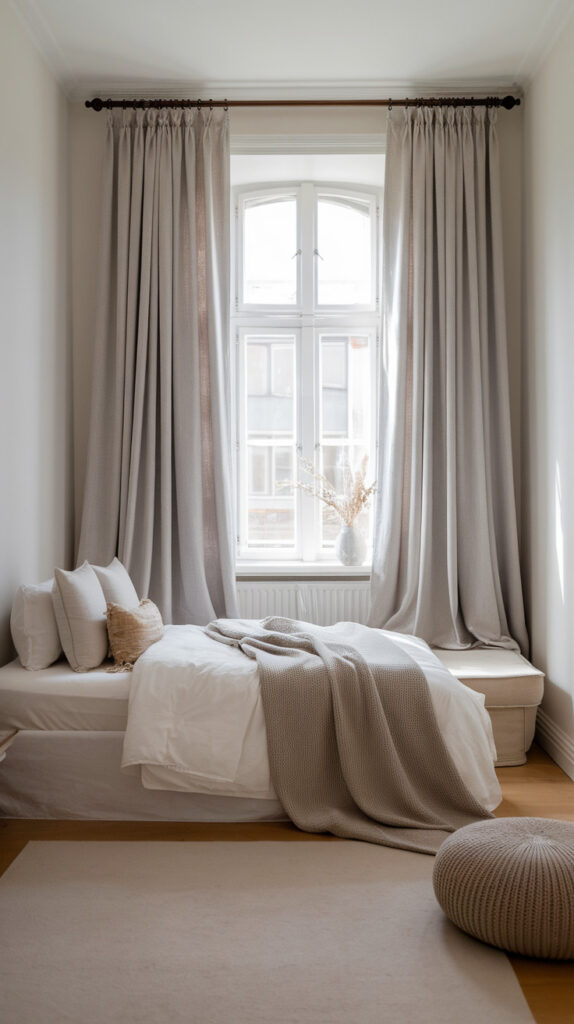
Short curtains shrink rooms visually. Hanging curtains higher and wider stretches the eye upward and outward.
I adjusted my curtain rods six inches higher, and it looked like I had taller ceilings instantly. It cost nothing but ten minutes and a drill.
Why This Works
Vertical lines emphasize height. Wider rods make windows appear larger.
The brain reads extended lines as expanded space. It’s simple but powerful.
How to Do It
- Mount curtain rods 4–8 inches above the window frame.
- Extend rods beyond window width.
- Choose lightweight fabrics.
- Let curtains just kiss the floor.
Length matters more than pattern.
Style & Design Tips
Choose solid or subtle patterns to avoid visual overload. Linen and cotton blends feel airy.
Avoid curtains that puddle excessively in small rooms.
Pro Tip or Budget Hack
Buy longer curtains and hem if needed. Longer panels look more luxurious.
Small Space Design Strategy That Makes Everything Work
Small rooms don’t improve because of random upgrades; they improve because of a clear strategy. Before moving a single piece of furniture, define how the room needs to function daily. A space that supports real habits will always feel better than one that simply looks styled.
Start by identifying the room’s primary purpose and one secondary purpose. For example, a living room might double as a workspace, but lounging should remain the priority. That clarity prevents overcrowding and keeps the layout focused.
Measure everything before buying or rearranging. Wall width, walking paths, window placement, and ceiling height all influence proportion decisions. Guessing leads to oversized furniture and regret purchases.
Focus on visual weight instead of just physical size. Two slim chairs can feel lighter than one bulky loveseat. Paying attention to silhouette and leg exposure keeps the room airy.
Commit to a consistent color story. Repeating 2–3 main tones across furniture, rugs, and accessories creates cohesion, which naturally makes small rooms feel larger.
Finally, edit before adding anything new. Removing visual clutter often improves a space faster than purchasing new décor.
Common Mistakes to Avoid
Ignoring scale ruins small rooms quickly. Oversized sectionals, bulky coffee tables, and thick bed frames dominate the floor and suffocate flow. Always compare dimensions to actual room measurements before committing.
Using tiny rugs is another classic mistake. A rug that floats in the middle without touching furniture makes everything look disconnected. Bigger rugs almost always look more expensive and balanced.
Overdecorating shelves defeats their purpose. When every inch is filled with objects, the room feels busy and chaotic. Leave breathing space between items.
Relying on one overhead light flattens everything. Harsh lighting exaggerates shadows and shrinks the room visually. Layered lighting creates warmth and dimension.
Choosing dark colors everywhere can also backfire. While one accent wall adds depth, painting all surfaces dark can visually compress the room.
Finally, pushing every piece of furniture against walls often feels logical but looks awkward. Strategic spacing almost always improves layout and flow.
Space Planning Checklist for Smarter Decisions
Walk through the room and map natural traffic patterns. You should be able to move between major areas without squeezing past furniture. If walking feels awkward, the layout needs adjustment.
Keep at least 24 inches of walking space in main pathways. This single guideline prevents cramped circulation and makes rooms feel open.
Anchor every seating arrangement with a rug or central piece. Floating furniture without an anchor creates visual confusion.
Maintain balance between open space and filled space. Empty corners are not wasted if they allow the room to breathe.
Use storage intentionally rather than reactively. Plan storage before clutter appears instead of solving it later.
Budget Planning & Smart Upgrades
Not every improvement requires a full redesign. Strategic upgrades like better lighting, longer curtains, or larger rugs offer strong visual impact for relatively low cost.
Invest more in high-use items like sofas and mattresses. These pieces affect comfort daily and influence overall room presence.
Save money on accessories and trend-based items. Pillows, small décor, and artwork can change over time without large financial risk.
Consider secondhand markets for larger pieces. Solid wood furniture and mirrors often appear at a fraction of retail price.
Always set a clear spending limit before shopping. A defined budget prevents impulse buys that clutter both the room and your wallet.
Frequently Asked Questions
How do I make a small room look bigger without renovating?
Focus on scale, lighting, and vertical emphasis. Larger rugs, layered lighting, and taller curtains instantly expand visual perception without structural changes.
What colors work best in small spaces?
Light neutrals tend to reflect more light and feel open. You can still incorporate darker tones through accent walls or furniture for depth.
Is minimalism necessary in small homes?
Minimalism isn’t required, but intentional editing helps. The key is keeping only what serves a purpose or adds meaningful visual value.
How do I choose the right furniture size?
Measure your room first, then compare dimensions carefully. Look for slim arms, raised legs, and lower profiles to maintain openness.
Can dark furniture work in small rooms?
Yes, if balanced properly. Pair dark pieces with lighter walls, reflective surfaces, and good lighting to avoid visual heaviness.
How often should I refresh or edit my décor?
Seasonal check-ins work well. Removing unused or unnecessary items every few months keeps the space functional and visually calm.
Final Thoughts
Small spaces respond dramatically to thoughtful changes. The goal isn’t to cram more in; it’s to make what you have work smarter and look intentional.
I’ve tested most of these ideas myself, and the difference always comes down to balance and restraint. Try one change at a time, trust your instincts, and don’t overcomplicate it. A well-edited small home always feels bigger than it actually is.