15 Calming Sage Green Bedroom Ideas for a Peaceful Feel
Sage green has a quiet way of making a bedroom feel like a true escape. It’s soft enough to calm the mind but rich enough to add depth, making it a favorite for anyone craving a peaceful space.
The key to pulling it off is layering—mixing textures, tones, and touches that keep the room from feeling flat or one-note. Whether you’re starting from scratch or just refreshing a few details, these 15 ideas will help you build a sage green bedroom that feels both cozy and collected.
Each one focuses on practical, achievable ways to bring that serene vibe home without sacrificing style.
1. Layer Sage Green Walls with Creamy Linen Bedding
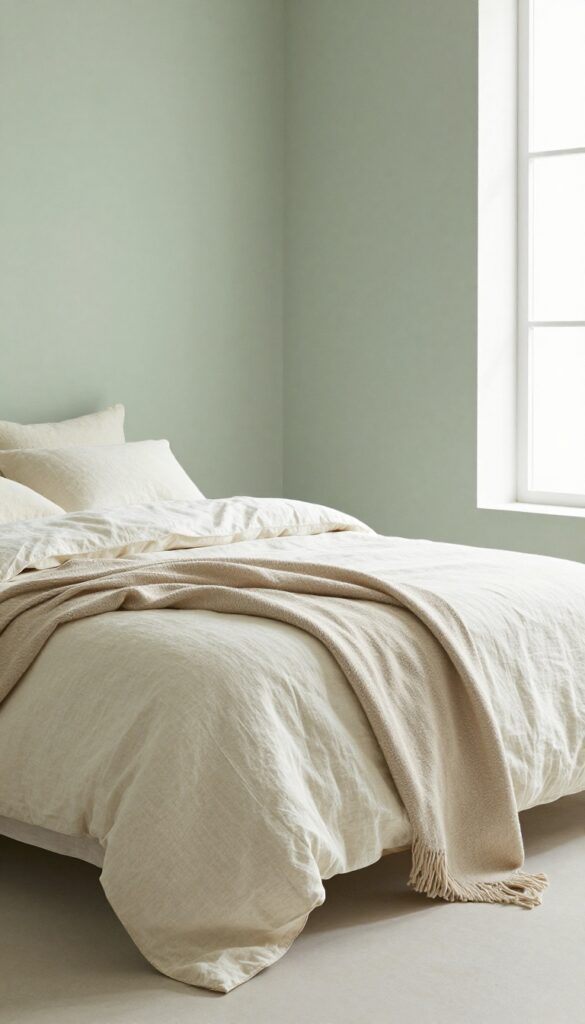
Soft sage walls set a serene backdrop that instantly calms the mind. Pair them with creamy linen bedding—think off-white or warm cream—and the room feels both airy and grounded. The natural texture of linen adds a relaxed, lived-in quality that makes the space inviting rather than sterile.
This combination leans into the cozy, layered vibe without feeling heavy or dark.
Why It Works
The muted green tones down visual noise, while the light bedding reflects natural light, keeping the room bright. Linen’s slight wrinkles and soft drape introduce organic texture, preventing the palette from feeling flat. Together, they create a balanced contrast that feels soothing and effortlessly stylish.
Best For
Bedrooms that get good natural light, especially those aiming for a calm, spa-like retreat. It’s also great for small rooms where you want color without closing in the space.
Styling Tip
Add a chunky knit throw in oatmeal or a few linen pillows in varying shades of cream to build depth. Keep the bed skirt minimal or skip it entirely to let the floor breathe.
2. Add a Velvet Sage Green Headboard for Texture
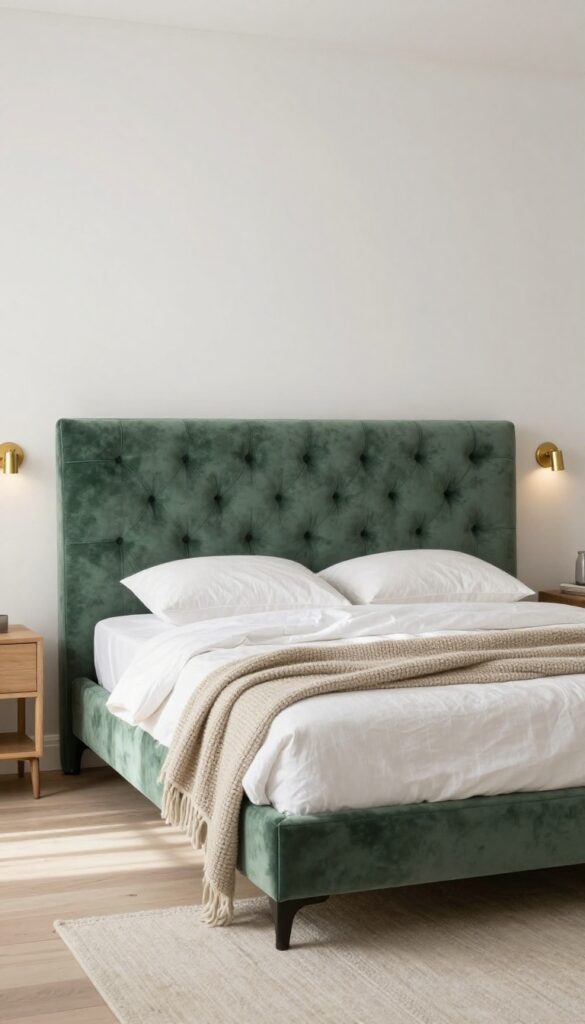
A bed frame can feel like a big commitment, but swapping out just the headboard is an easy way to transform your whole bedroom. A tufted velvet headboard in sage green brings instant softness and a touch of luxury without going over the top. It adds that cozy, layered look that makes a room feel collected and lived-in, not staged.
Why It Works
Velvet naturally catches light and adds depth, while the sage green keeps the calm vibe intact. The tufting breaks up the surface with subtle texture, making the bed feel like a focal point that invites you to sit back and relax.
Best For
This idea works well in bedrooms that feel a bit flat or lack architectural interest. It's also great for renters who can't paint walls but want to bring in color through furniture.
Styling Tip
Balance the plush headboard with crisp white or cream linen pillows and a chunky knit throw in oatmeal or pale beige. Add a pair of simple wood or brass sconces on either side to frame the bed and keep the look grounded.
3. Mix Sage Green with Warm Wood Tones
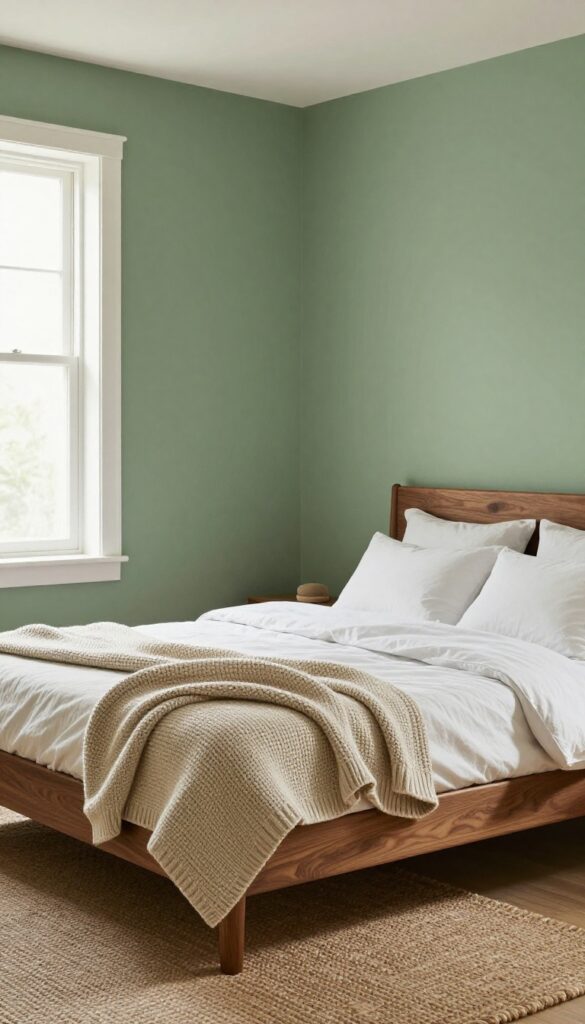
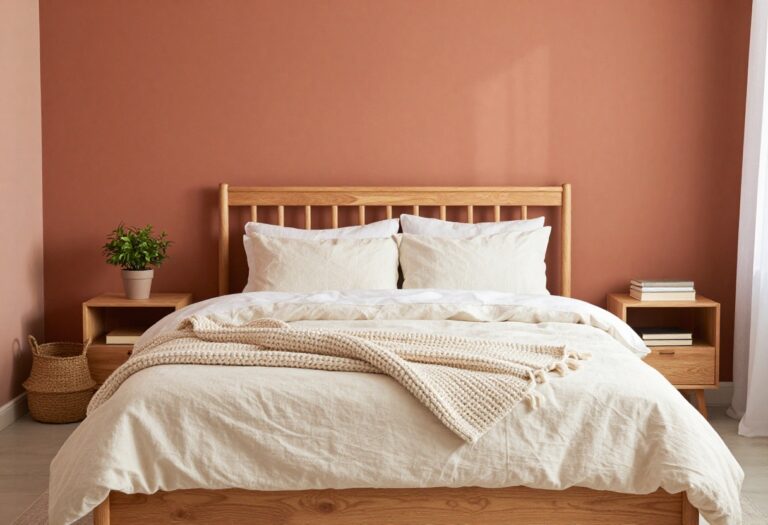
There's something about pairing cool sage with warm wood that instantly makes a bedroom feel grounded and inviting. The natural grain of wood softens the green's crispness, creating a balanced, earthy palette that's both calming and cozy. Whether you go for a reclaimed wood bed frame or simple walnut nightstands, this combination brings texture and warmth without overwhelming the space.
Why It Works
Sage green can feel a bit flat on its own, but wood introduces organic variation and warmth. The contrast between the cool paint or fabric and the rich wood tones adds visual depth, making the room feel layered and lived-in rather than stark or sterile.
Best For
This idea works beautifully in bedrooms that lean minimalist or Scandinavian, where the wood adds the necessary warmth to keep the sage from feeling too cold. It's also great for rental bedrooms, since wood furniture is easy to swap or move.
Styling Tip
Stick to medium-toned woods like oak, walnut, or teak—they complement sage without competing. Avoid very dark or very light woods, which can either clash or wash out the green. Add a woven jute rug or a chunky knit throw to reinforce the cozy, natural feel.
4. Use Sage Green Throw Pillows in Varying Textures
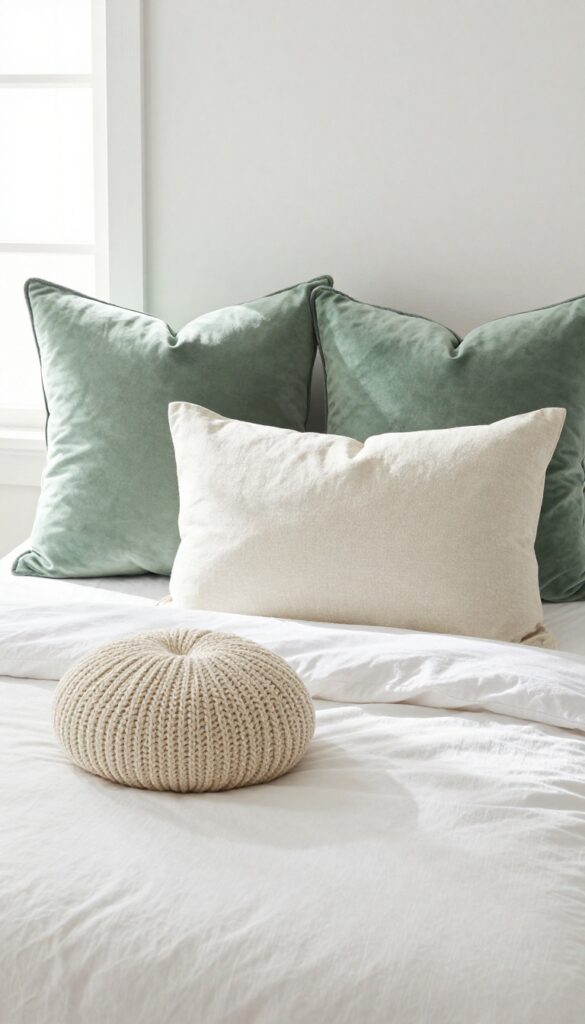
A bed piled with pillows in the same shade can still feel flat if every fabric is the same. Sage green is forgiving that way—it pairs beautifully with velvet, linen, and chunky knits without clashing. By mixing textures, you add visual weight and softness that makes the bed look intentionally styled, not overdone.
Why It Works
Layering different fabrics in the same color family creates depth and interest without introducing pattern or contrast that might compete with the calm vibe. The varied textures catch light differently, giving the bed a rich, tactile quality that feels both cozy and polished.
Best For
This idea works well in bedrooms that already have neutral bedding or a white duvet, where the sage pillows become the focal point. It's also great for renters who can't paint walls but want to bring in the color through accessories.
Styling Tip
Start with two velvet square pillows in back, then add two linen rectangles in front, and finish with a small knit lumbar pillow. Keep the color consistent—aim for pillows within two shades of each other so the texture does the work.
5. Incorporate a Sage Green Area Rug Under the Bed
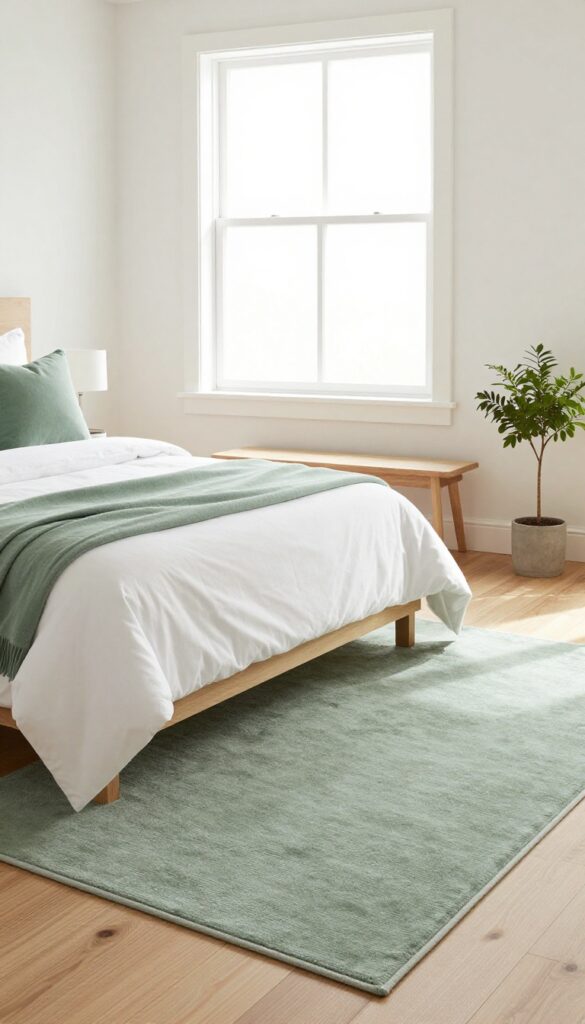
A soft sage green rug placed under the bed does more than just define the sleeping zone—it brings a sense of calm and warmth to the entire room. The gentle color grounds the space while adding a plush layer that feels inviting for bare feet first thing in the morning. Whether you prefer a low-pile design for easy upkeep or a shaggy texture for extra coziness, this simple addition makes the bedroom feel more layered and lived-in.
Why It Works
Sage green is a neutral with a soft, natural quality that pairs well with wood tones, white bedding, and other muted hues. A rug in this shade anchors the bed visually, creating a focal point without overwhelming the room. The texture underfoot also adds a tactile element that enhances the cozy, layered look you're aiming for.
Best For
This idea works especially well in bedrooms with hardwood or laminate floors, where a rug can soften the space and reduce noise. It's also great for rooms that need a subtle pop of color without committing to painted walls or bold furniture.
Styling Tip
Choose a rug that extends at least 18 inches beyond the sides and foot of the bed to keep the proportions balanced. For a cohesive look, layer a smaller sage green rug over a larger neutral one, or pair it with matching throw pillows and a bench at the foot of the bed.
6. Hang Sage Green Curtains for a Soft Frame
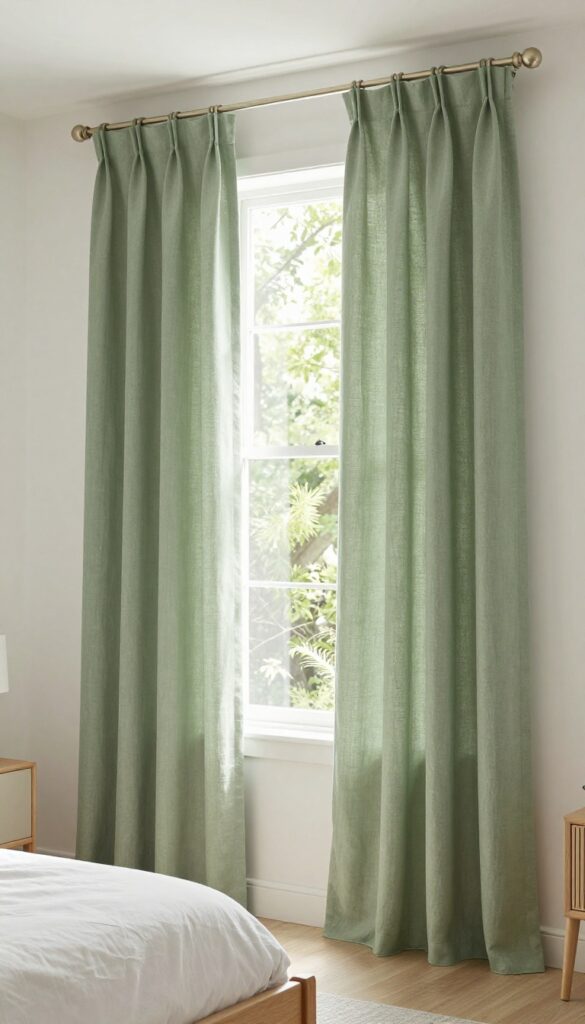
Windows are the eyes of a bedroom, and dressing them in sage green instantly sets a calm, grounded tone. Floor-length curtains in this muted hue do more than just block light—they frame the view and wrap the room in a gentle, organic embrace. Whether you go with a breezy linen blend for an airy feel or a rich velvet for a touch of drama, sage green curtains become a focal point that ties the whole space together.
Why It Works
Sage green is inherently soothing, and curtains in this color soften the hard edges of windows while filtering natural light into a warm, diffused glow. The vertical lines of floor-length panels also draw the eye upward, making ceilings feel higher and the room more spacious. It’s an easy way to introduce color without overwhelming the senses.
Best For
This idea works beautifully in bedrooms that get plenty of natural light, as the sage green will shift in tone throughout the day. It’s also ideal for rooms with neutral walls—white, cream, or warm gray—where the curtains can act as a subtle anchor. If you have a small bedroom, lightweight linen curtains keep the look airy and uncluttered.
Styling Tip
Hang the curtain rod as close to the ceiling as possible and let the panels just kiss the floor for a polished, tailored look. Pair them with sheer white curtains underneath for privacy without sacrificing light. For a cohesive feel, choose curtain hardware in matte black or brushed brass to echo other metal accents in the room.
7. Style a Sage Green Accent Chair in the Corner
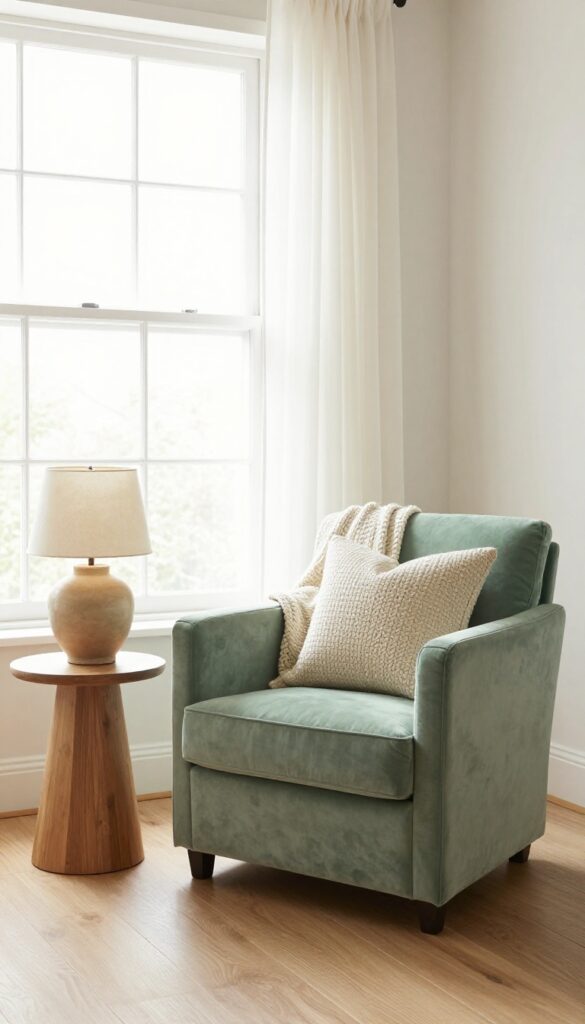
That empty corner by the window or beside the bed is just begging for a cozy spot to land. A sage green accent chair instantly adds a soft pop of color while creating a dedicated nook for reading, journaling, or simply sipping morning coffee. The rounded silhouette of a classic armchair or a plush wingback keeps the look inviting, while the muted green tone blends seamlessly with neutral bedding and warm wood tones.
It’s a small addition that makes the whole room feel more intentional and lived-in.
Why It Works
A single accent chair in sage green draws the eye without overwhelming the space. The color is calming and pairs beautifully with whites, beiges, and natural textures, so it ties into the bedroom’s serene vibe. Plus, it transforms an unused corner into a functional area that encourages relaxation.
Best For
Bedrooms with an awkward empty corner, especially near a window or next to a dresser. It’s also perfect for larger bedrooms that need a second seating option without adding bulk.
Styling Tip
Choose a chair with a soft fabric like velvet or linen for extra coziness. Pair it with a small round side table in wood or rattan, and top with a warm-toned table lamp. Add a chunky knit throw or a textured cushion in cream or oatmeal to layer in comfort.
8. Paint the Ceiling a Pale Sage for a Surprise Element
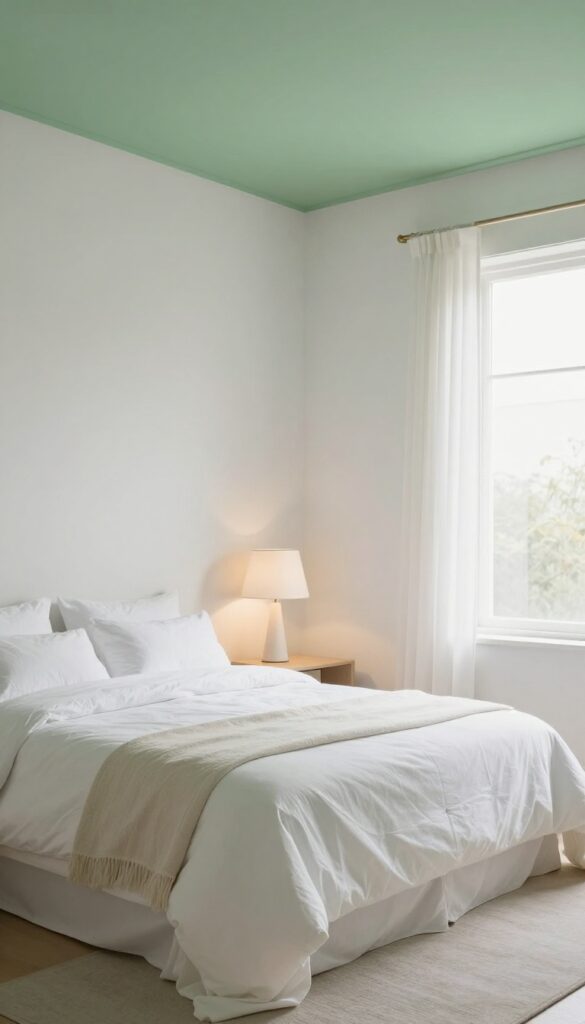
Most bedrooms keep the ceiling a crisp white, but swapping it for a pale sage green adds an unexpected layer of calm. It’s a subtle shift that makes the room feel taller and more intentional, like a soft canopy overhead. Pair it with white or cream walls so the ceiling gets to shine without competing for attention.
Why It Works
A colored ceiling draws the eye upward, creating a sense of height and openness. Pale sage is light enough to keep the space airy but adds just enough color to feel special. It also ties the room together visually, especially when you echo the shade in pillows or a throw.
Best For
This trick works beautifully in bedrooms with low ceilings or standard eight-foot heights, where it adds vertical interest. It’s also great for rooms that feel a bit flat or lack architectural detail, giving them a designer touch without major renovation.
Styling Tip
Use a flat or matte finish paint to minimize glare and keep the look soft. For extra coziness, add a white or cream lampshade that casts a warm glow upward, highlighting the sage color gently at night.
9. Display Sage Green Ceramics on Open Shelves
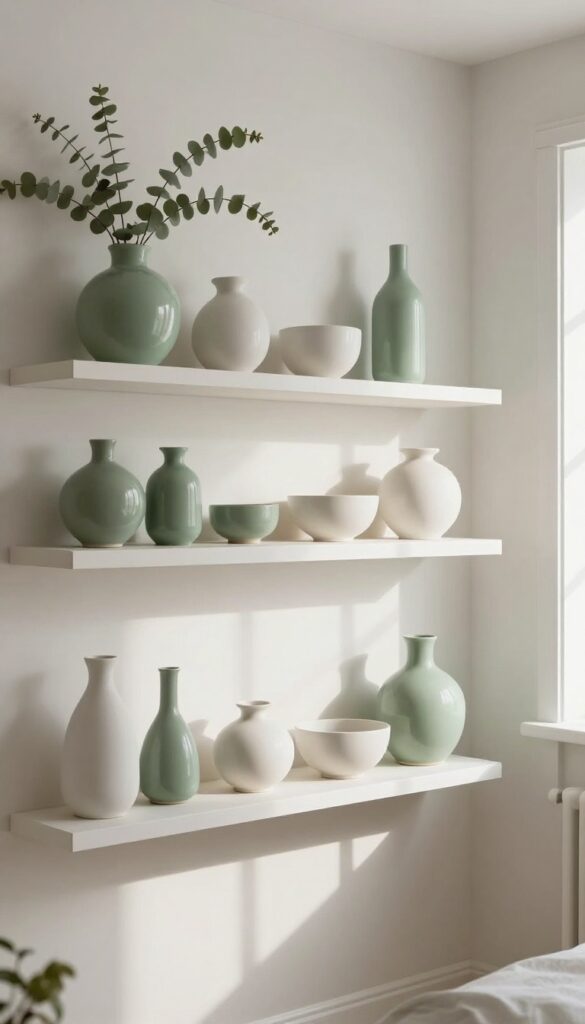
Open shelving offers a prime spot to layer in sage green without committing to a big furniture piece. A cluster of ceramic vases, pots, and bowls in soft sage tones creates a calm focal point that feels curated, not cluttered. Mixing in white ceramics and dried eucalyptus keeps the vignette airy and grounded in nature.
Why It Works
Sage green ceramics add subtle color and organic texture to a neutral shelf setup. The matte finish of stoneware or glazed pottery catches light softly, making the display feel warm and collected over time. It’s an easy way to echo the bedroom’s palette without overwhelming the space.
Best For
Bedrooms with floating shelves, wall-mounted ledges, or built-in nooks where you want to add personality without bulky decor. Works especially well above a dresser or beside a window where natural light can highlight the ceramics.
Styling Tip
Vary the heights and shapes of your ceramics—tall vases next to low bowls, round pots beside angular ones. Tuck in a few sprigs of dried eucalyptus or pampas grass to soften the edges and tie the group together.
10. Layer Sage Green and Blush Pink Accents
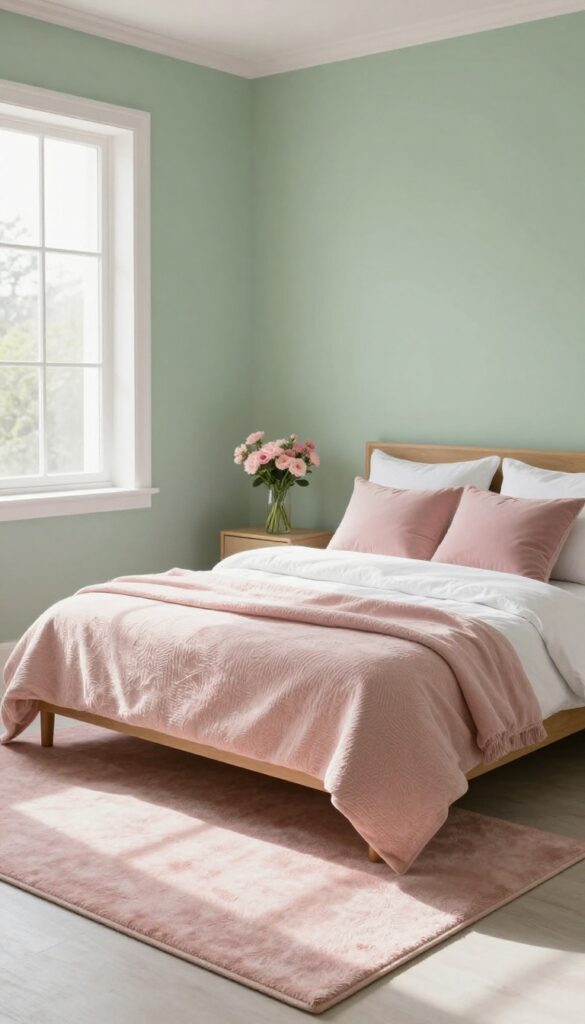
Blush pink and sage green are a match made in decor heaven. The softness of pink balances the earthy calm of green, creating a palette that feels both romantic and grounded. In a bedroom, this duo brings warmth without overwhelming the senses—think dusty rose pillows against sage walls or a blush rug peeking out from under a green bed frame.
It’s a look that whispers rather than shouts, perfect for winding down at the end of the day.
Why It Works
The contrast between cool sage and warm blush creates visual interest without high contrast, so the room stays serene. Pink adds a gentle pop of color that prevents sage from feeling too flat or monochromatic, while sage keeps pink from veering too sweet. Together, they read as sophisticated and intentional.
Best For
This pairing is ideal for bedrooms that lean feminine or romantic but still want a grounded, nature-inspired feel. It also works well in rooms with lots of natural light, where the pink can glow softly against the green.
Styling Tip
Start with sage green as your main color—on walls, bedding, or a large area rug—then layer blush pink in smaller doses. A couple of throw pillows, a textured blanket, or a piece of wall art with pink florals is enough. Stick to muted, dusty pinks rather than bright or coral tones to keep the look cohesive.
11. Add a Sage Green Bench at the Foot of the Bed
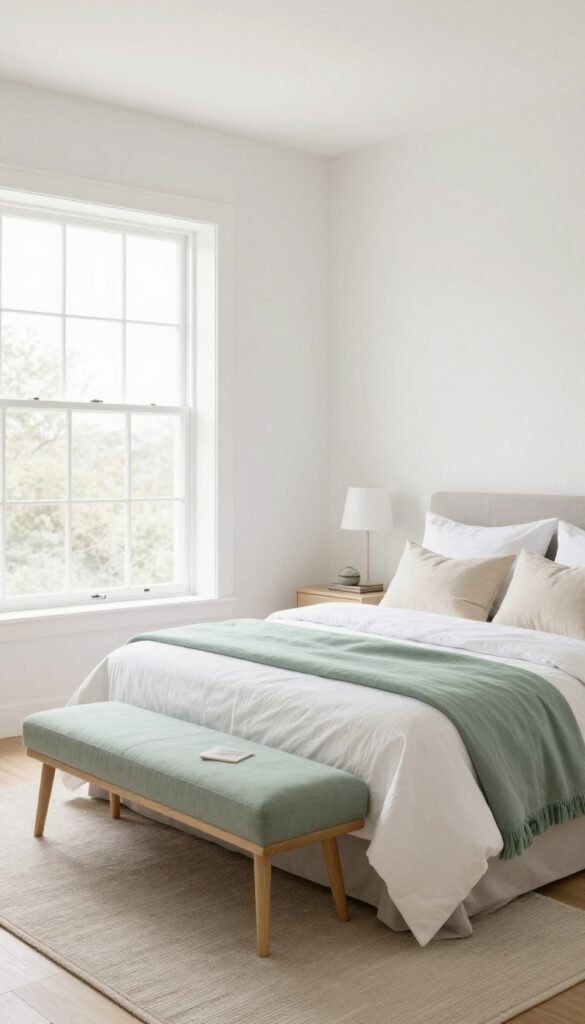
A bedroom can feel incomplete without something anchoring the end of the bed. A sage green bench fills that gap beautifully, adding both function and a soft visual pause. It’s the kind of piece that makes the room feel intentionally layered, not just thrown together.
Whether you use it for sitting, stacking pillows, or tossing a folded throw, it brings a grounded, cozy vibe that matches the calm energy of sage.
Why It Works
A bench at the foot of the bed creates a natural finishing line for your bedding layers. The sage color ties into your palette without competing with the bed itself, while the upholstered texture adds softness against harder flooring or a rug. It also gives you a spot to sit while putting on shoes, making the room feel more lived-in and practical.
Best For
This idea works well in master bedrooms or guest rooms where you have enough floor space at the foot of the bed. It’s especially effective in rooms with tall ceilings or large beds that need a visual weight at the bottom. If you have a small room, choose a slim bench so it doesn’t block the flow.
Styling Tip
Pick a bench with a simple frame—wood legs keep it light, while a fully upholstered one feels more plush. Layer a neutral throw or a couple of pillows on top to tie the bench into your bedding. If your room has a rug, let the bench sit partially on it to connect the zones.
12. Use Sage Green in Your Bedding Pattern
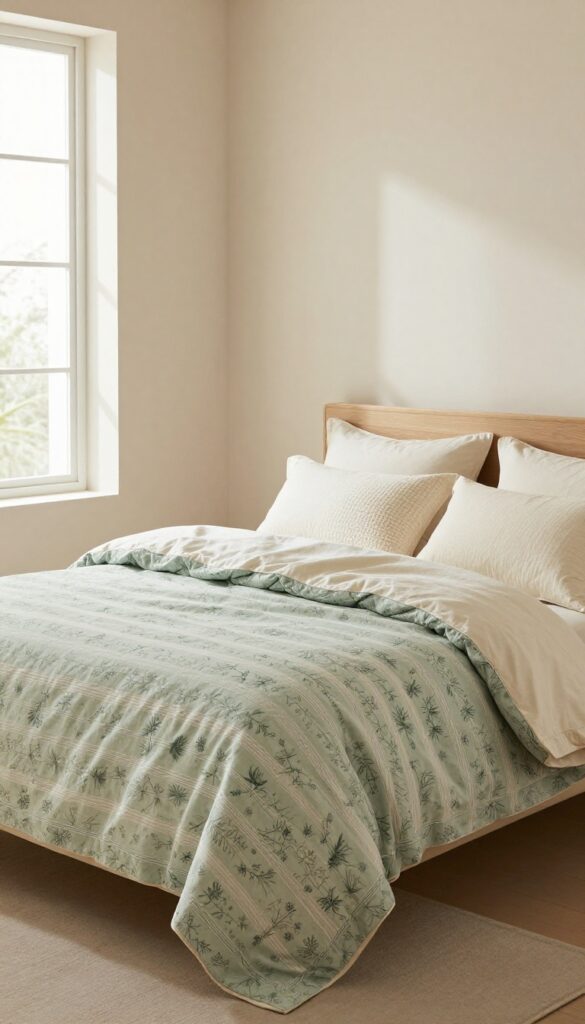
Bedding is one of the easiest places to introduce a pattern without overwhelming the room. A duvet or quilt with a subtle sage green motif—like thin stripes, delicate floral trails, or abstract botanical shapes—brings a gentle focal point to the bed. The pattern adds visual texture and depth, while the soft green keeps everything calm and cohesive.
It’s a simple swap that can transform the whole feel of your bedroom.
Why It Works
A patterned duvet in sage green ties together the color scheme without requiring solid blocks of the shade. The pattern breaks up large surfaces, making the bed feel layered and inviting. Because the green is muted, the pattern reads as soft and organic rather than loud or busy.
Best For
This idea works well in bedrooms that already have neutral walls and furniture, where the bedding can serve as the main color statement. It’s also great for rooms that need a little visual interest without going bold or dramatic.
Styling Tip
Pair the patterned duvet with solid sage or cream pillowcases and a textured throw blanket. Keep the sheets and shams in a neutral tone like ivory or light beige so the pattern stays the hero. A chunky knit blanket at the foot of the bed adds cozy contrast.
13. Incorporate Sage Green Through Artwork
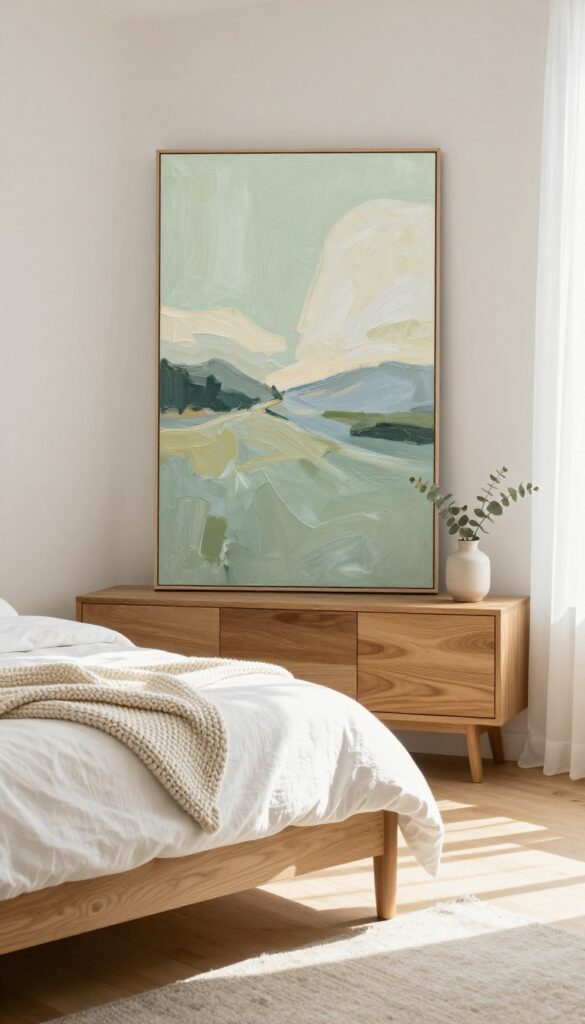
Artwork is one of the easiest ways to introduce sage green without committing to a full wall color or big furniture piece. A large canvas or a set of framed prints can anchor the whole room and set the mood. Abstract landscapes with soft green washes or botanical illustrations with sage leaves feel natural and calming, especially when paired with neutral bedding and warm wood tones.
The key is choosing pieces that have enough sage in them to tie the color scheme together, without going overboard.
Why It Works
Artwork adds visual interest and personality while pulling the sage green thread through the room in a subtle, layered way. It’s also easy to swap out if you want to refresh the look later, making it a low-commitment way to test the color.
Best For
This idea works well in bedrooms where you want a calm, collected feel but don’t want to paint or buy new furniture. It’s also great for renters who can’t make permanent changes but still want a cohesive palette.
Styling Tip
Hang a single large piece above the bed or a dresser for a focal point. If you prefer a gallery wall, mix sage green prints with black-and-white sketches and natural fiber frames to keep it layered but not busy.
14. Add Greenery That Complements Sage Green
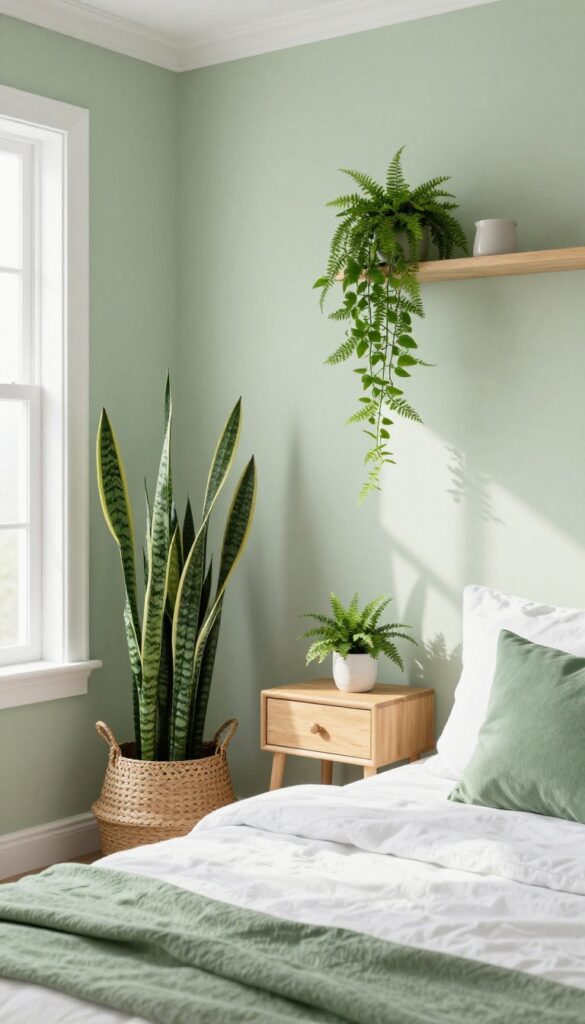
Plants are a natural extension of the sage green palette, bringing life and texture into the room. Real or faux, leafy greens like eucalyptus, ferns, or snake plants echo the calming tones while adding a fresh, organic feel. They soften the edges of furniture and create a layered, cozy atmosphere that feels both intentional and effortless.
Why It Works
Greenery reinforces the serene, nature-inspired vibe of sage green without competing with it. The varied shades of green in plants add depth and visual interest, making the space feel more dynamic yet still peaceful. Plus, plants improve air quality, which enhances the overall sense of well-being.
Best For
This idea works well in any bedroom, but it's especially effective in rooms with neutral or white walls where the plants can pop. It's also great for renters who can't paint, as greenery brings color without commitment.
Styling Tip
Cluster plants at different heights—place a tall snake plant in a woven basket on the floor, a trailing pothos on a shelf, and a small fern on the nightstand. Use simple pots in terra-cotta, cream, or matte black to keep the focus on the foliage.
15. Paint an Accent Wall in Deep Sage for Drama
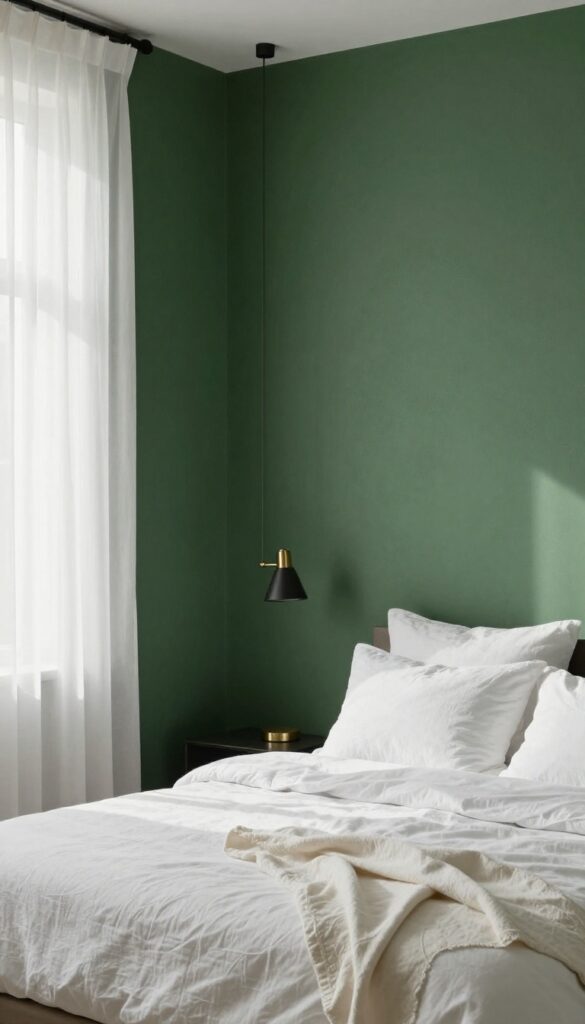
A deep sage accent wall behind the bed instantly becomes the room's focal point without overwhelming the space. The rich, earthy tone adds depth and a touch of drama while keeping the serene vibe intact. Pair it with crisp white or soft cream on the other walls to let the accent shine without darkening the room.
Why It Works
A darker accent wall anchors the bed and creates visual weight, making the room feel grounded and cozy. The contrast with lighter walls keeps the space airy and prevents it from feeling cave-like.
Best For
This works especially well in bedrooms with good natural light, where the deep sage can glow without making the room feel smaller. It's also a great choice for larger bedrooms that need a little intimacy.
Styling Tip
Balance the dark wall with light bedding and sheer curtains. Add a few matte black or brass accents—like a picture light or bedside lamp—to elevate the look without competing with the wall.
FAQ
What colors go best with sage green in a bedroom?
Sage green pairs beautifully with neutrals like cream, beige, and warm gray, as well as soft blush, dusty rose, and natural wood tones. For a bolder look, try navy or mustard.
Is sage green a good color for a small bedroom?
Yes, sage green works well in small bedrooms because it’s light enough to keep the space feeling open but adds enough color to avoid a sterile look. Pair it with white or cream for maximum brightness.
How can I make a sage green bedroom feel cozy?
Layer textures like velvet, linen, knit throws, and a plush rug. Warm lighting from table lamps or string lights also adds to the cozy factor.
Should I use sage green on all walls or just an accent wall?
Both work. For a calm, enveloping feel, paint all walls sage. For a lighter look, use it on one accent wall behind the bed and keep the rest neutral.
What type of lighting works best with sage green walls?
Warm white lighting (2700K-3000K) complements sage green best. Avoid cool white bulbs, which can make the green look dull or grayish.
Conclusion
Sage green is one of those rare colors that feels both grounding and refreshing. By layering textures, mixing in natural materials, and keeping the overall look intentional, you can create a bedroom that truly feels like a peaceful retreat. Start with one or two ideas that resonate most, and build from there.
The beauty of sage green is that it’s forgiving and flexible—so don’t be afraid to experiment. Whether you go all in with painted walls or just add a few accents, your bedroom will thank you.