13 Small Kids Bedroom Ideas With Play Zones and Sleep Space
Balancing sleep and play in a small kids' bedroom can feel like a puzzle, but it's totally doable with the right approach. You don't need a massive room or a big budget to create a space that's both restful and fun.
These 13 ideas are designed for a weekend refresh—simple swaps, clever layouts, and stylish touches that make a big impact without a major renovation.
Whether you're working with a compact square footage or just want to maximize every inch, these practical solutions will help you carve out cozy sleep zones and lively play areas that your child will love.
1. Loft Bed With Built-In Play Nook
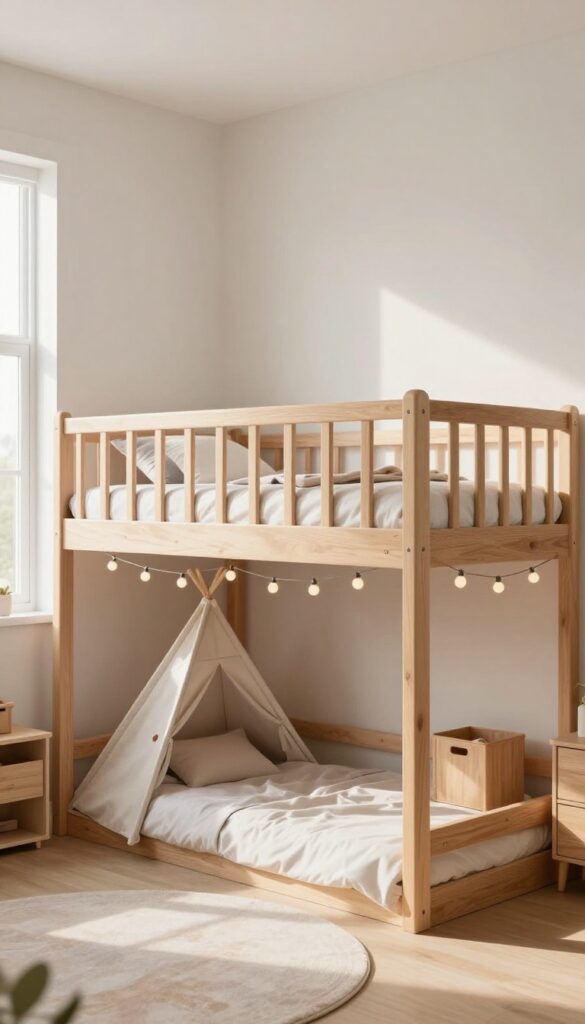
Raising the bed opens up the floor like magic. Underneath, you can create a mini playroom that feels like its own little world. It’s a smart way to separate sleep and play without losing an inch of space.
Why It Works
Loft beds double your usable square footage by stacking functions vertically. The area below becomes a defined zone for toys, reading, or pretend play, which helps keep the rest of the room tidy and sleep-focused.
Best For
This setup shines in rooms with higher ceilings (at least 8 feet) and for kids who are old enough to climb safely—usually ages 5 and up. It’s especially great for siblings sharing a room, since each child gets their own distinct territory.
Styling Tip
Keep the nook cozy with a soft rug, a small teepee or canopy, and low toy bins that are easy for little hands to reach. Add string lights overhead for a warm glow that makes the space feel like a secret hideout.
2. Wall-Mounted Desk and Art Station
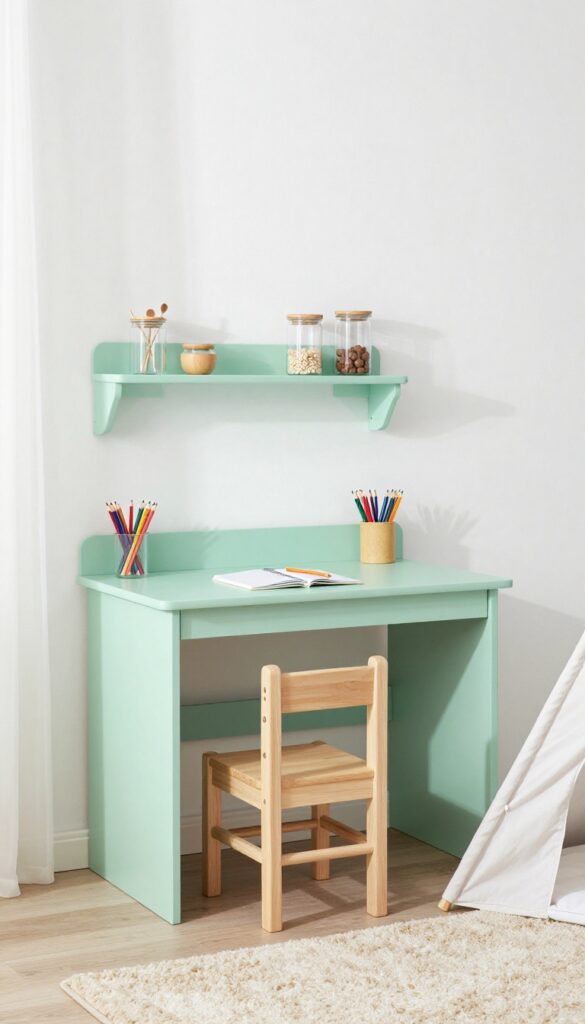
Not every small bedroom has room for a bulky desk, but that doesn't mean homework and art projects have to take over the floor. A fold-down wall desk or a slim shelf desk tucks away when not in use, leaving precious square footage for play. The trick is to keep supplies within arm's reach but off the work surface—wall-mounted jars or a simple caddy do the job without cluttering the desk.
It's a setup that feels intentional, not makeshift, and gives kids a dedicated spot to create without sacrificing their play zone.
Why It Works
By using vertical space, this idea frees up floor area for a rug, tent, or toy storage. The desk disappears when folded, so the room can transform from craft corner to play space in seconds. It's especially smart in rooms where every inch counts.
Best For
School-age kids who need a quiet spot for homework or art, but whose bedroom doubles as a playroom. Also great for shared rooms where two kids need separate workstations without taking up double the floor space.
Styling Tip
Paint the desktop in a cheerful color like soft mint or pale coral, and use matching jars for brushes and pencils. Add a small task light with a flexible arm so they can see clearly without a big lamp taking over. Keep the chair simple and easy to slide under the desk when not in use.
3. Under-Bed Storage for Toys and Books
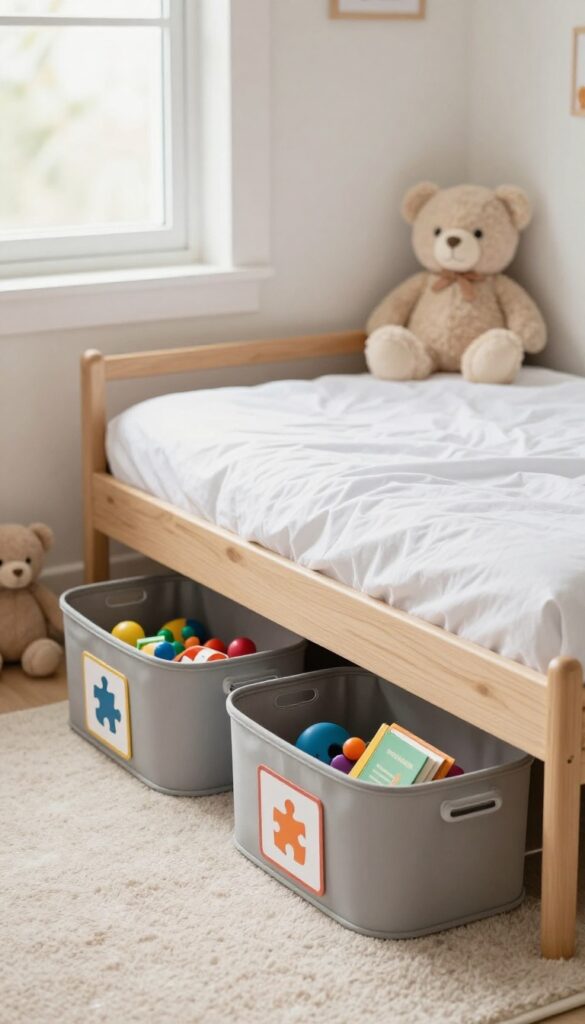
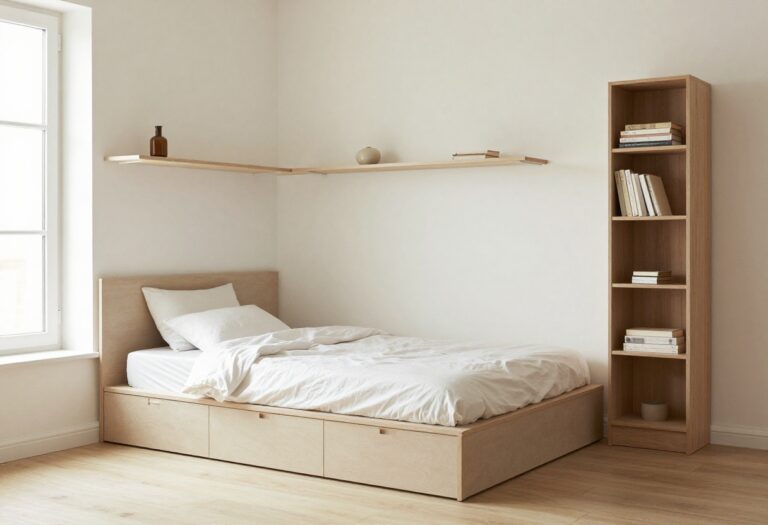
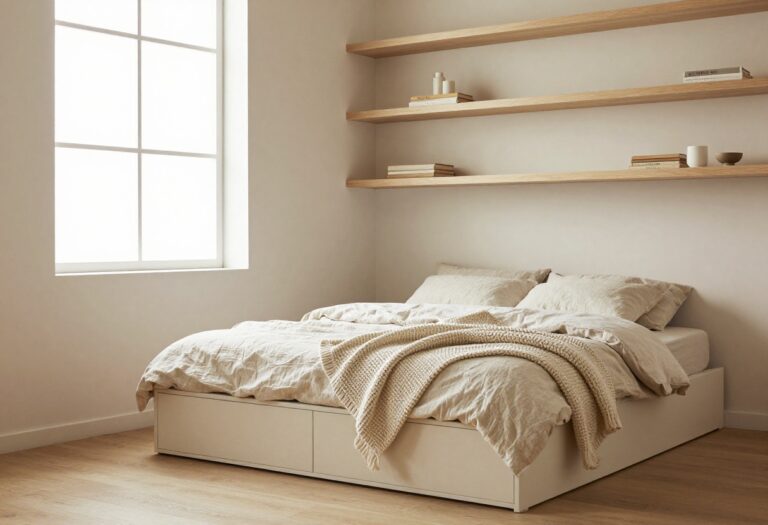
That space under the bed is prime real estate, especially when square footage is tight. Instead of letting it collect dust bunnies, slide in low, rolling bins or shallow drawers that kids can reach themselves. Label each bin with a simple picture—like a puzzle piece or a book icon—so even the littlest ones know where everything goes.
It turns cleanup into a matching game and keeps the floor clear for play.
Why It Works
It uses dead space without adding bulky furniture, so the room feels more open. Rolling bins make it easy for kids to grab what they need and put it away, building independence. Plus, having a designated home for toys and books reduces clutter and visual noise.
Best For
This works well for toddlers and preschoolers who have lots of small toys and board books. It's also great for shared rooms where each child can have their own under-bed bin system to keep their things separate.
Styling Tip
Choose bins in a neutral color like white or soft gray, then add a pop of color with the label cards. For a cohesive look, match the bin color to the bed frame or the room's main accent shade. If the bed is low, go for flat, wide drawers instead of tall bins.
4. Vertical Play Wall With Magnetic Board
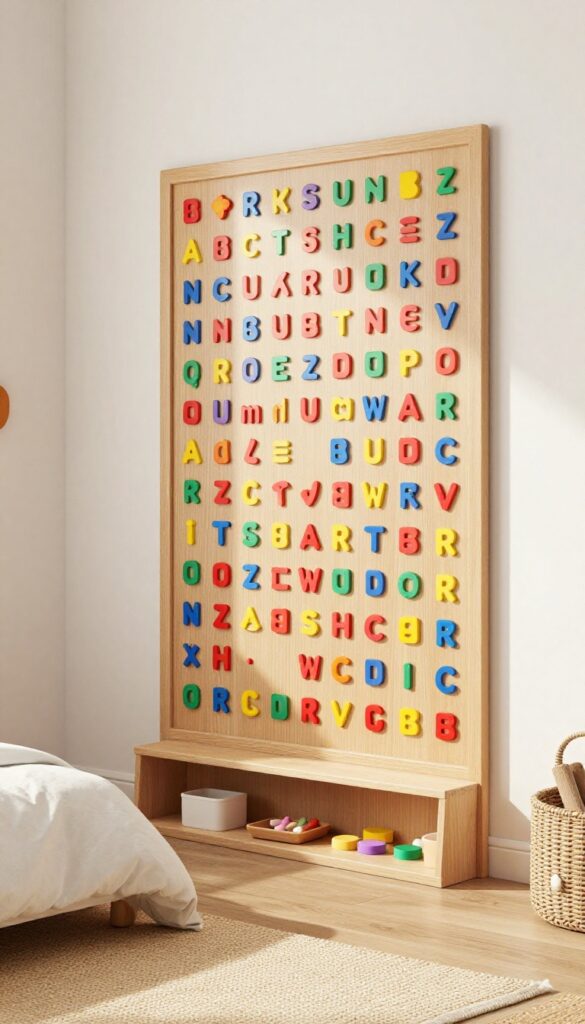
A vertical play wall turns unused wall space into an interactive zone without eating into floor area. By mounting a large magnetic board or chalkboard, you give kids a spot for magnetic tiles, letters, or art—all within easy reach. The best part?
It looks clean and intentional, not like a toy explosion.
Why It Works
Kids love creating and rearranging, and a magnetic board encourages that without loose pieces scattering everywhere. It’s a contained, mess-free activity that also doubles as a display for their latest masterpieces. Plus, it’s easy to swap out activities as they grow.
Best For
This works great in small rooms where floor space is precious—think narrow walls, above a dresser, or beside a bed. It’s also a lifesaver for siblings sharing a room, giving each child their own vertical play zone.
Styling Tip
Choose a board with a wooden frame to keep it warm and homey, or go frameless for a modern look. Add a small shelf below to hold magnetic accessories and a tray of chalk if you go the chalkboard route. Keep the color palette neutral so it blends with the room.
5. Corner Tent or Canopy for Quiet Play
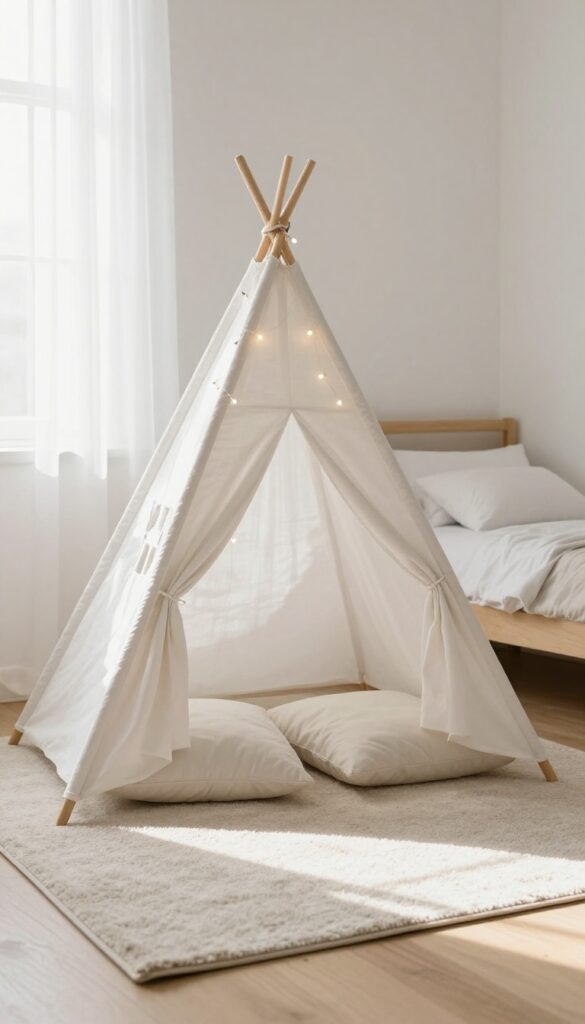
A small tent or canopy tucked into a corner instantly creates a cozy hideaway for reading or imaginative play. The soft fabric walls define a separate zone without taking up floor space, and the enclosed feel helps little ones wind down. Weekend-refresh friendly because you can drape a store-bought canopy over a tension rod or repurpose a teepee you already own.
Why It Works
Kids naturally gravitate to small, enclosed spaces—they feel safe and in control. A tent or canopy gives them a dedicated spot for quiet activities, which balances the energy of the main play area. It also visually breaks up the room, making the corner feel intentional rather than leftover.
Best For
Children ages 2 to 7 who still love pretend play and need a calm retreat. Works especially well in shared rooms where one child wants a private nook without closing off the whole space.
Styling Tip
Layer a soft rug inside the tent, add two or three floor cushions, and hang a battery-operated fairy light strand from the top. Stick to neutral or muted fabric (like cotton canvas) so the tent blends into the room instead of shouting for attention.
6. Bunk Beds With Slide or Climbing Wall
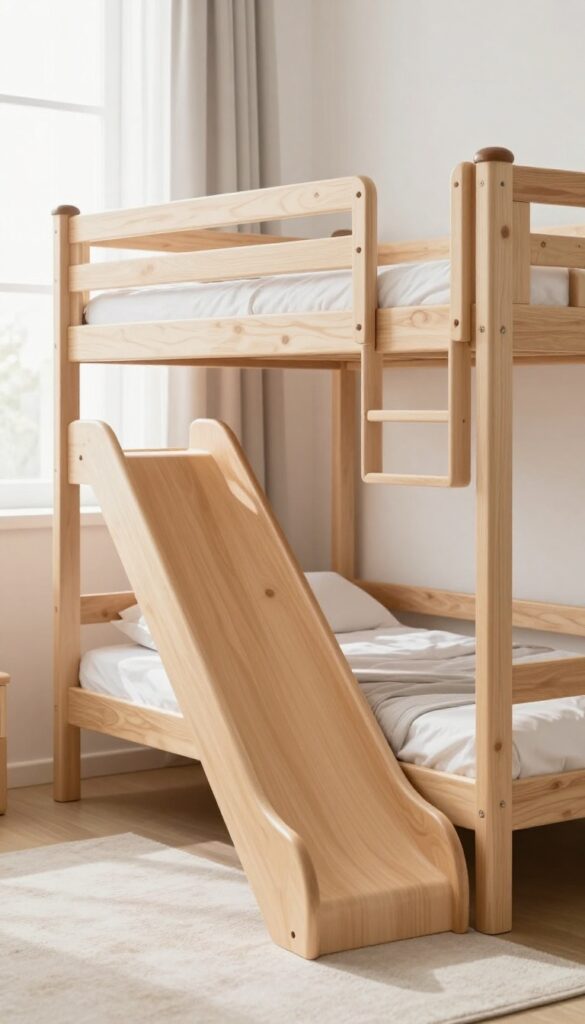
For kids who treat every piece of furniture like playground equipment, a bunk bed with a built-in slide or climbing wall is pure magic. It turns the everyday routine of going to sleep into a mini adventure, and in a small room, it eliminates the need for separate play structures. The key is choosing a design that looks intentional—not like a carnival booth—so the room still feels cohesive and grown-up enough to grow with them.
Why It Works
This setup packs serious play value into the vertical footprint of a bunk bed, freeing up floor space for other activities. The slide or climbing wall becomes a daily highlight, encouraging active play even on rainy days. With safety features like high guardrails and soft landing mats, you get the thrill without the worry.
Best For
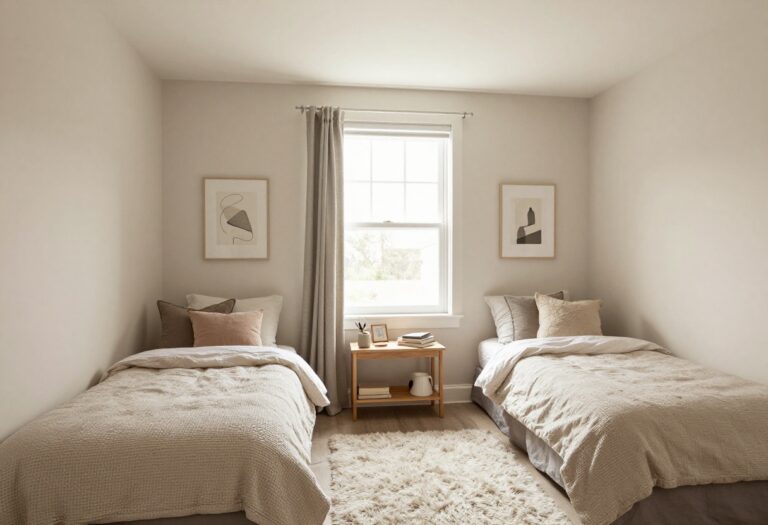
Active kids ages 3 to 8 who have tons of energy and love physical play. It's also a smart choice for families with two kids sharing a room, because the fun factor can ease the transition into shared sleeping quarters.
Styling Tip
Keep the rest of the room calm and neutral so the bed remains the focal point. Use a muted rug, simple bedding, and low-profile storage to balance the visual energy. If the climbing wall feels too bold, try a slide-only version with a streamlined, modern silhouette.
7. Multi-Functional Furniture Like Storage Ottomans
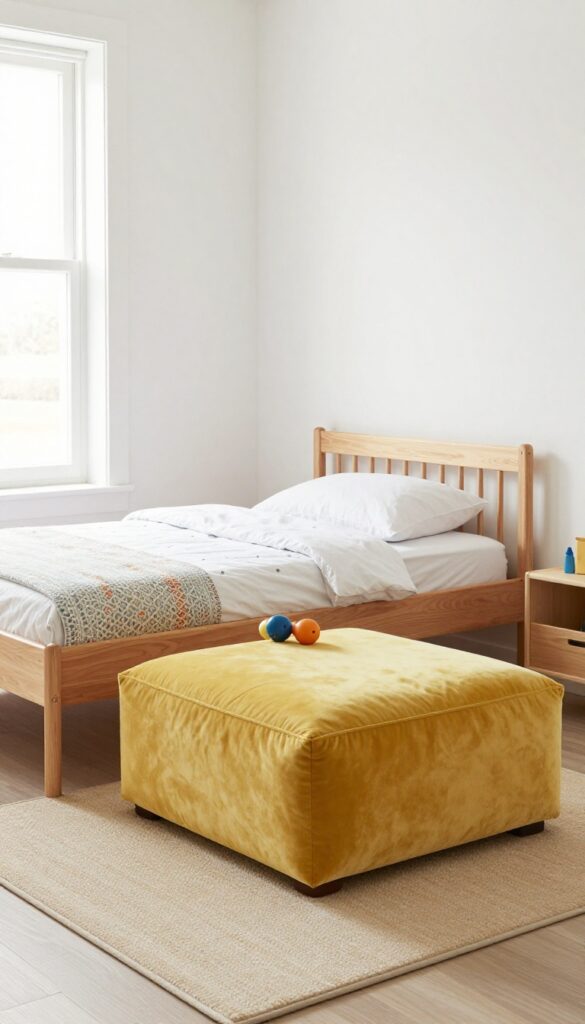
A storage ottoman might not sound exciting, but in a small kids' bedroom, it's a game-changer. It hides clutter, provides extra seating, and doubles as a footrest or even a small table. The best part?
You can find them in fun colors and fabrics that add personality without taking up extra floor space. Tuck one at the foot of the bed or beside a play mat, and watch how quickly it becomes the most-used piece in the room.
Why It Works
Storage ottomans keep toys, books, and blankets out of sight but within easy reach. Kids can toss items inside without fuss, and you don't need to buy separate storage bins that clash with your decor. The soft top is safe for climbing and comfortable for sitting, making it a practical choice for active little ones.
Best For
This idea shines in rooms where floor space is tight and you need furniture that pulls double duty. It's perfect for toddlers who have lots of small toys and for parents who want a quick tidy-up solution at the end of the day.
Styling Tip
Choose a storage ottoman in a durable, stain-resistant fabric like performance velvet or cotton canvas. For a playful touch, pick a bold color like mustard yellow or navy blue, or go with a neutral like gray and add a patterned cushion on top for contrast.
8. Wall-Mounted Toy Shelves With Bins
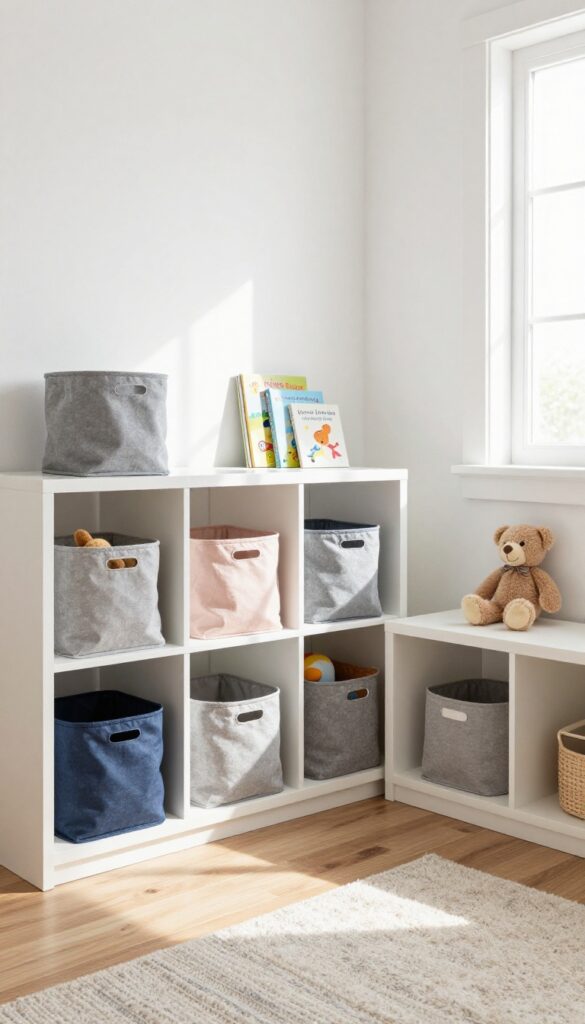
When floor space is tight, going vertical is the smartest move you can make. Low wall-mounted shelves with fabric bins give your child easy access to toys while keeping the room tidy. The bins hide clutter in seconds and add a pop of color or texture that feels intentional, not chaotic.
It’s a weekend-friendly project that instantly makes the room feel more organized and grown-up.
Why It Works
By lifting toys off the floor, you free up precious square footage for play and sleep. The bins make cleanup a simple toss-in task, even for toddlers. Plus, the shelves themselves become a display area for books or favorite stuffed animals, adding visual interest without overwhelming the room.
Best For
This setup is ideal for small shared bedrooms or any room where floor space is at a premium. It works especially well for toddlers and preschoolers who need easy access to toys but aren’t ready for complicated storage systems.
Styling Tip
Choose bins in a neutral or muted color that complements the room’s palette—think soft gray, blush, or navy. Mix in a few open baskets for larger items to break up the look. Mount the shelves at a height your child can reach, usually 12 to 18 inches above the floor.
9. Daybed With Trundle for Sleepovers
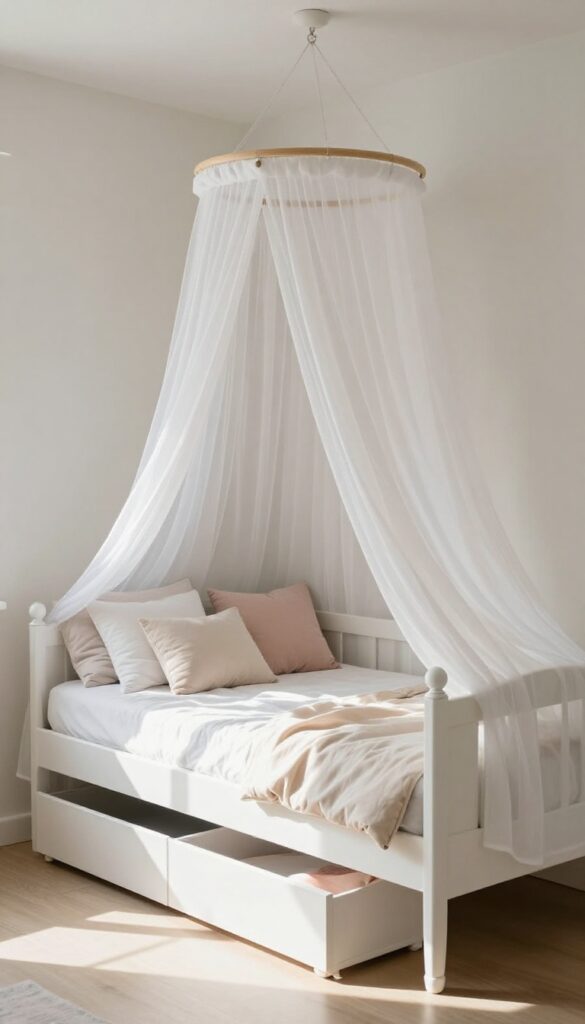
Sleepovers are a big deal for kids, but not every bedroom has the square footage to accommodate an extra guest bed. A daybed with a trundle solves that neatly—it looks like a cozy sofa by day, then pulls out into a second bed at night. To make it feel special, add a lightweight canopy overhead; it turns the whole setup into a little fort-like retreat without overwhelming the room.
Why It Works
A trundle bed tucks away completely when not in use, so you're not sacrificing floor space for a rarely-used guest bed. During the day, the daybed functions as a reading nook or lounging spot, making the room feel larger and more versatile. It's a smart way to host a friend overnight without rearranging the entire room.
Best For
This setup is ideal for kids who love having friends over but share a small bedroom. It also works well for siblings who want separate sleeping surfaces without taking up two full bed footprints. If your child is old enough for a twin bed but still wants a playful element, a daybed with trundle hits that sweet spot.
Styling Tip
Keep the canopy simple—drape a sheer fabric or a lightweight cotton panel from a ceiling hook or a wooden hoop. Choose a neutral or pastel tone that complements the room's color scheme so it doesn't visually clutter the space. Add a few throw pillows and a soft blanket to make the daybed inviting for both sitting and sleeping.
10. Play Mat That Doubles as a Rug
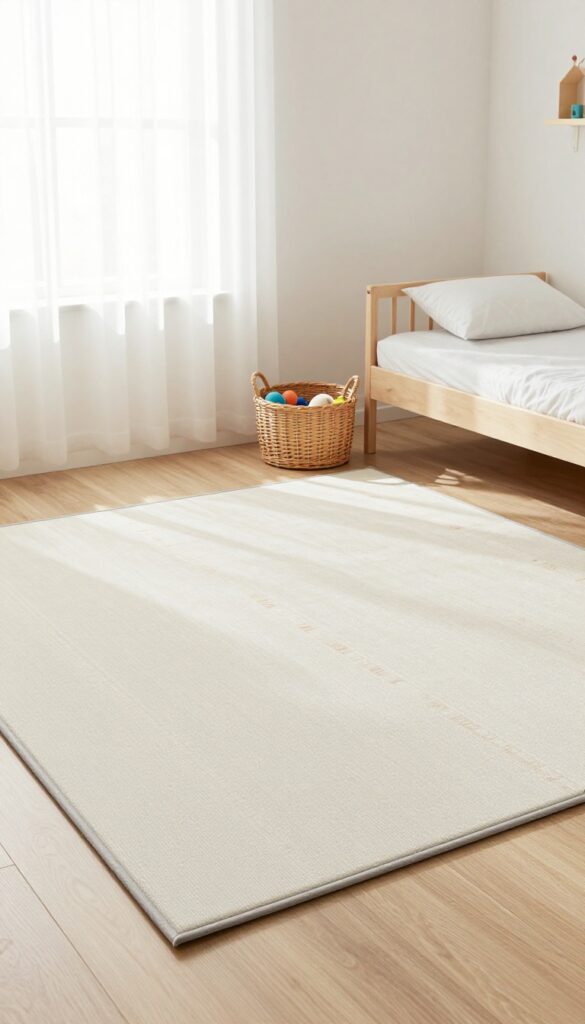
A soft, cushioned play mat can be the anchor of your kid's play zone without screaming "toy aisle." When you choose one with a subtle pattern or neutral colors, it blends right into the room's decor. The best part? It pulls double duty as a rug, so you don't have to sacrifice style for function.
On a weekend refresh, swapping out a plain rug for a playful mat instantly gives the floor purpose.
Why It Works
It defines the play area clearly without needing walls or furniture. The mat's padding makes floor time comfy for building blocks or reading, and its rug-like appearance keeps the room looking pulled together.
Best For
Families who want a dedicated play zone in a small room but don't want it to feel like a daycare. Also great for renters who can't paint or add permanent fixtures.
Styling Tip
Look for mats with low-contrast patterns like soft geometrics or muted animal prints. Pair it with a small basket of toys nearby to keep the zone intentional, not cluttered.
11. Hanging Swing or Hammock Chair
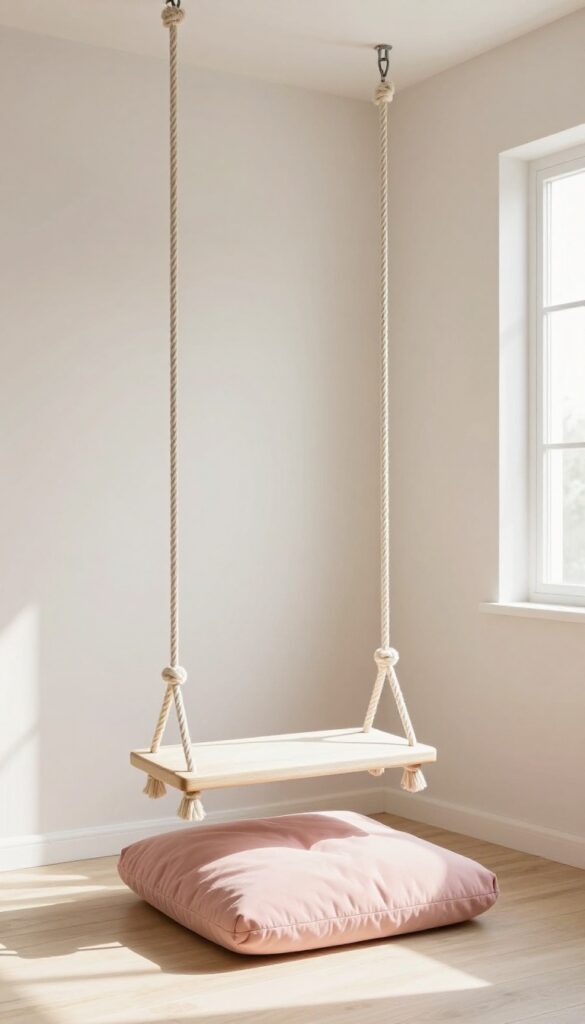
A hanging swing or hammock chair instantly turns an empty corner into the coziest spot in the room. Kids love the gentle motion, and it gives them a special place to read, daydream, or just hang out. Best of all, it doesn’t take up any floor space, which is huge when you’re working with a small room.
Why It Works
It adds a playful, whimsical element without cluttering the floor. The swing becomes a destination—a mini retreat that feels like an adventure every time they sit down. And because it’s mounted to the ceiling, you free up precious square footage for other essentials.
Best For
This idea shines in rooms with a sturdy ceiling joist or beam, ideally in a corner that’s not used for much else. It’s perfect for kids ages 3 to 10 who still love a little motion, but older kids will enjoy it too as a chill-out zone.
Styling Tip
Choose a soft cotton rope swing or a woven hammock chair in a neutral tone like cream or light gray to keep the look calm. Add a small floor cushion underneath for extra comfort and a pop of color—think mustard yellow or blush pink. Make sure the hardware is rated for the weight and installed securely.
12. Over-the-Door Shoe Organizer for Small Toys
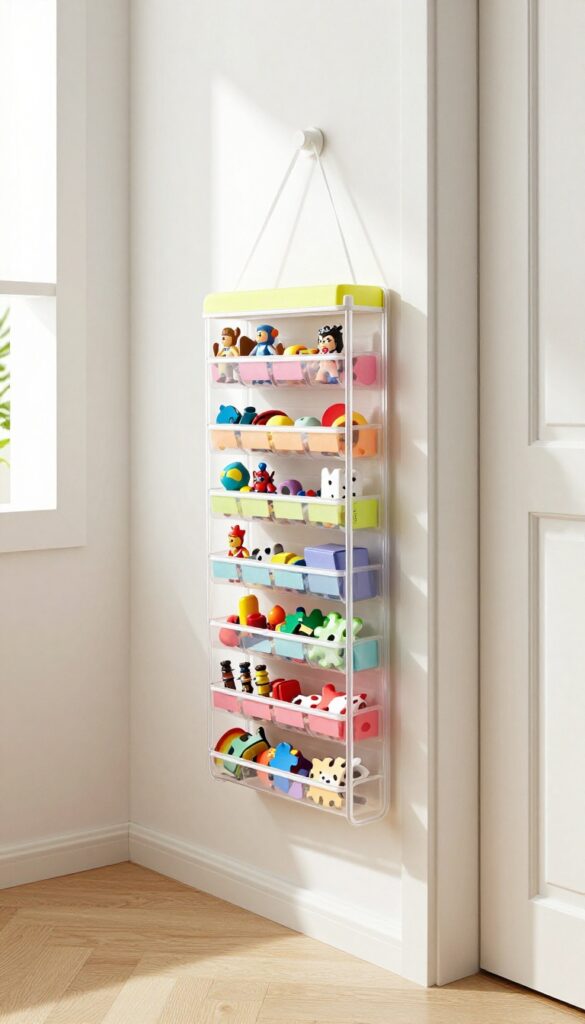
That over-the-door shoe organizer sitting in your closet? It’s about to become your kid’s favorite toy bin. Hang one on the back of their bedroom door or inside a closet, and suddenly you have dozens of clear pockets ready for action figures, art supplies, or puzzle pieces.
The transparent pockets make it easy for little ones to spot exactly what they want without dumping everything on the floor. It’s a weekend-refresh win that takes five minutes to set up and instantly clears clutter from shelves and floors.
Why It Works
Shoe organizers are designed to hold weight and withstand daily use, so they’re surprisingly durable for toys. The vertical design uses wasted door space, keeping small items off surfaces and visible. Plus, kids can reach lower pockets easily, teaching them to put things back without help.
Best For
This works best for small toys that tend to get lost—think Hot Wheels, LEGO minifigures, craft pom-poms, or doll accessories. It’s also great for art supplies like markers, crayons, and glue sticks that need to stay accessible but organized.
Styling Tip
Choose a clear or neutral-toned organizer to keep the look tidy from across the room. If the door is visible from the bed, stick to a soft white or beige fabric pocket version that blends in. Label a few pockets with washi tape for extra sorting fun.
13. Color-Coded Zones With Rugs and Paint
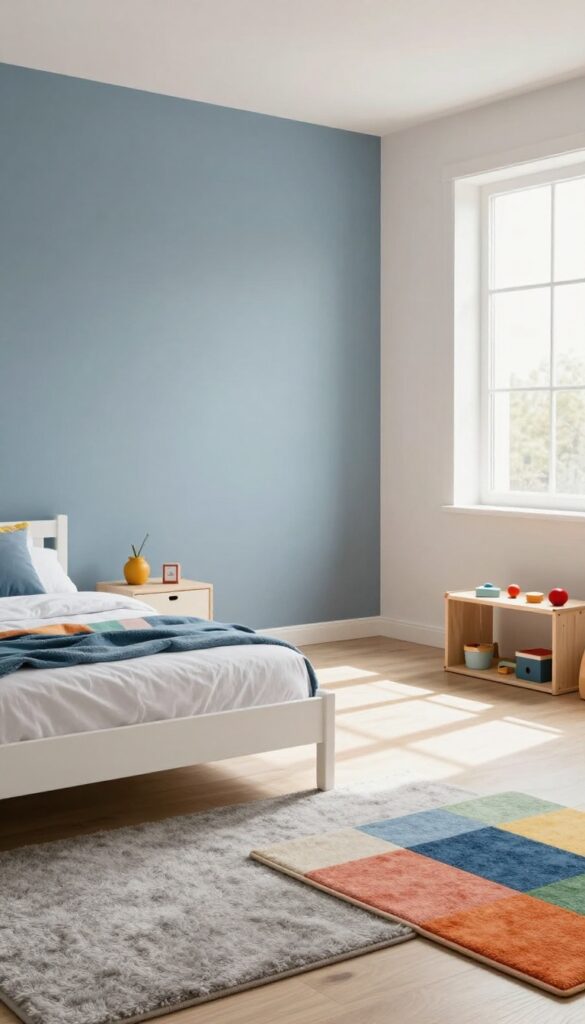
You don't need walls to carve out separate areas in a small kids' bedroom—just a clever use of color. By choosing a distinct rug for the play zone and a different one near the bed, you create a visual boundary that feels intentional. A painted accent wall behind the bed or in the play corner reinforces the divide, making the room feel organized and calm without losing its playful spirit.
It's a weekend-friendly project that instantly upgrades the layout.
Why It Works
This trick works because our eyes naturally follow color blocks, so a bold rug or painted wall signals a change in function. It helps kids understand where to sleep versus where to play, reducing clutter and confusion. Plus, it's budget-friendly—you can swap rugs or repaint a wall without major renovation.
Best For
Perfect for small shared bedrooms or single-child rooms where you need to maximize every square foot. It's especially great for families who want a quick, low-commitment makeover that still feels fresh and intentional.
Styling Tip
Choose a low-pile rug for the play area (easier to clean) and a plush one near the bed for comfort. Match the accent wall color to a shade in the play rug to tie the zones together. Add a small shelf or basket at the boundary line to reinforce the separation.
FAQ
How can I maximize a very small kids' bedroom for both sleep and play?
Use vertical space with loft beds or wall-mounted shelves. Choose multi-functional furniture like storage ottomans or daybeds with trundles. Keep the floor clear by storing toys in bins under the bed or in wall organizers.
What are some budget-friendly ways to create a play zone in a small room?
Repurpose items like an over-the-door shoe organizer for toy storage, use a large play mat as a rug, or hang a simple canopy in a corner. DIY projects like a magnetic board or a fold-down desk are also affordable.
How do I keep the room organized when toys and sleep share the same space?
Involve your child in cleanup with labeled bins and easy-to-reach shelves. Rotate toys regularly to keep clutter down. Use furniture with hidden storage, like ottomans or beds with drawers.
Is it safe to have a loft bed or bunk bed in a small kids' room?
Yes, but ensure the bed meets safety standards with guardrails and a sturdy ladder. Use soft flooring underneath, like a rug or foam mats, and teach your child safe climbing habits.
Can I create a play zone without sacrificing sleep space?
Absolutely. Use vertical play walls, corner tents, or hanging swings that don't take up floor area. Define zones with rugs or paint colors to keep the sleep area calm and separate.
Conclusion
With a little creativity and some weekend-friendly updates, you can turn even the smallest kids' bedroom into a space that works hard for both sleep and play. The key is to think vertically, choose multi-purpose pieces, and involve your child in the process.
Start with one or two ideas from this list, and watch the room transform into a functional, stylish haven your little one will adore.