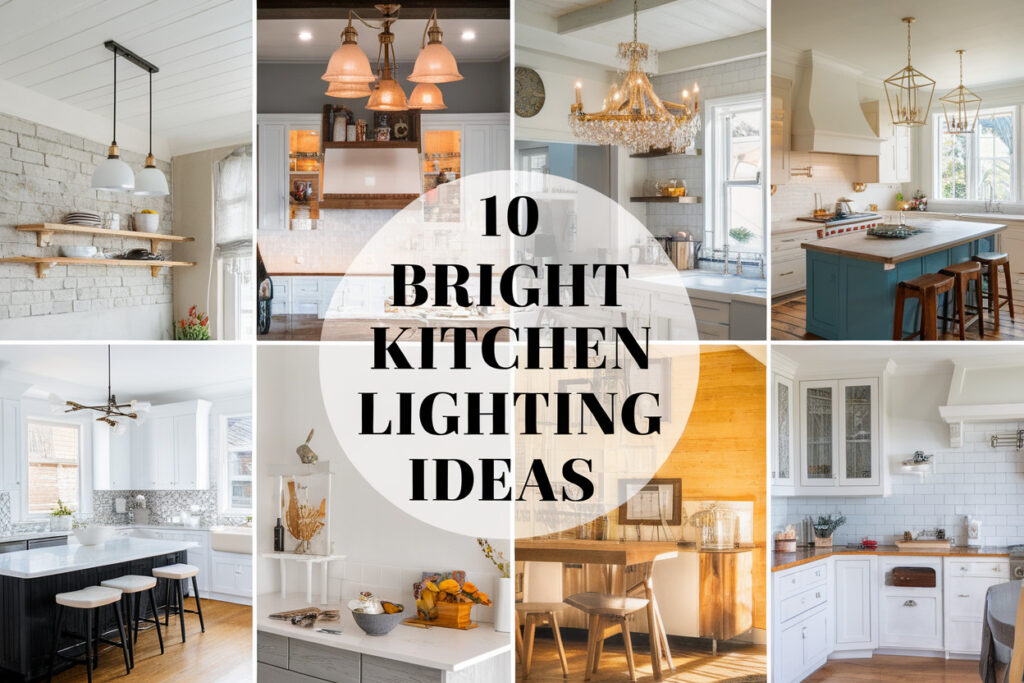
10 Kitchen Lighting Ideas for Bright Stylish Spaces
You know that moment when you walk into a kitchen and everything just feels right, even before the coffee kicks in? Lighting does that.
I learned this the hard way after cooking for years under one sad ceiling bulb that made my pasta look suspicious.
If your kitchen feels dull, cramped, or just blah, lighting probably causes that vibe, and fixing it feels way easier than a full remodel.
Why Kitchen Lighting Matters More Than You Think
Lighting sets the mood, boosts functionality, and honestly saves you from chopping onions like a villain in a horror movie. I always tell friends that good kitchen lighting works like good music at a party because nobody notices it when it’s right, but everyone complains when it’s wrong.
Ever wondered why some kitchens look amazing on Pinterest but feel off in real life? Lighting usually plays the silent culprit.
Great lighting helps you prep food safely, highlights design details, and makes the space feel bigger. Bad lighting hides messes temporarily, but it also hides joy, and nobody wants a joyless kitchen, right?
1. Layered Lighting Is the Secret Sauce
What Layered Lighting Actually Means
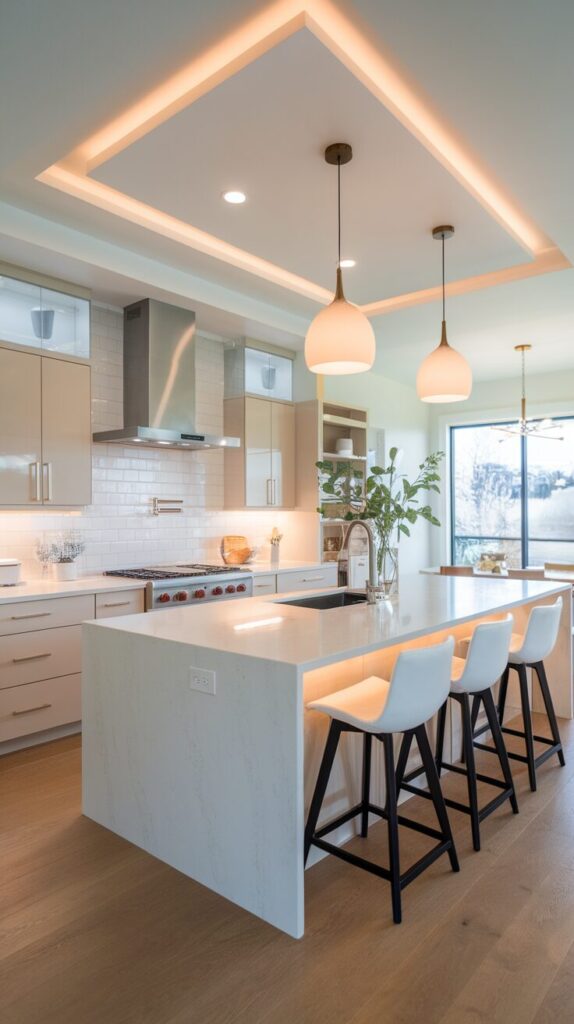
Layered lighting combines multiple light sources that serve different purposes, and IMO, this approach beats relying on one giant ceiling fixture.
I like to think of it as teamwork, where each light does its own job without stealing the spotlight. Ever tried cooking with only ambient light? Yeah, not fun.
Layered lighting typically includes ambient, task, and accent lighting. Each layer adds depth, improves visibility, and keeps your kitchen from feeling flat or boring.
How to Layer Kitchen Lighting Properly
You can start simple and build up over time, which helps if your budget prefers baby steps. I started with under-cabinet lights and added pendants later, and the upgrade felt dramatic without draining my wallet.
Key elements to include:
- Ambient lighting for overall brightness
- Task lighting for work areas like counters and sinks
- Accent lighting to highlight design features
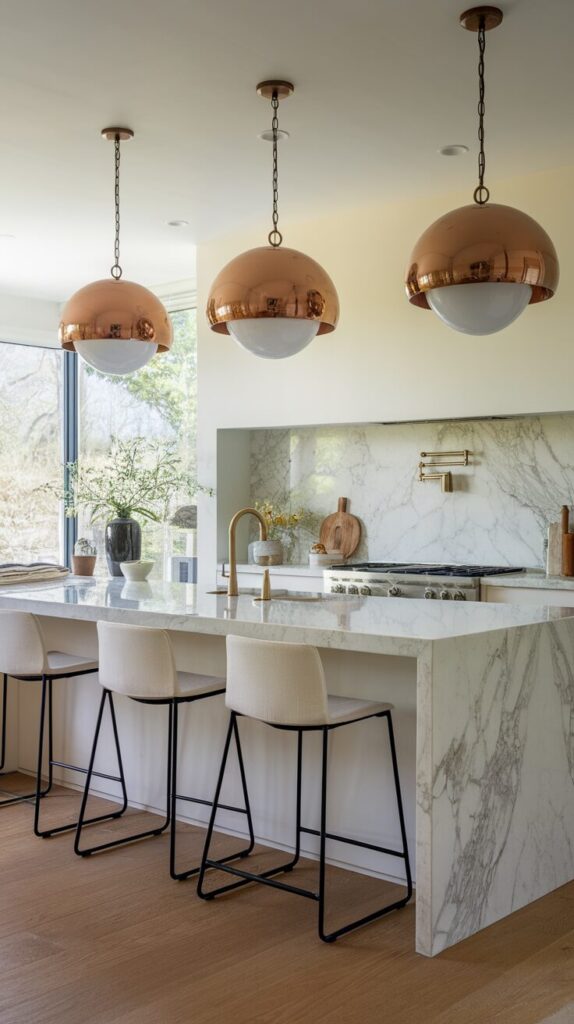
2. Statement Pendant Lights Over the Island
Why Pendant Lights Steal the Show
Pendant lights over a kitchen island instantly add personality, and yes, they can make you feel fancy even while reheating leftovers. I installed three simple pendants, and suddenly my island looked intentional instead of accidental. Ever noticed how islands without pendants feel unfinished?
Pendant lights create visual balance and focus attention on the island as a central gathering spot. They also provide targeted light exactly where you need it.
Choosing the Right Pendant Style
You don’t need designer fixtures to look stylish, but you do need the right scale and placement. I learned that pendants hanging too high feel awkward, while pendants hanging too low invite head injuries, so measure carefully.
Popular pendant styles include:
- Glass pendants for a clean, airy look
- Metal shades for modern or industrial kitchens
- Woven or fabric pendants for warmth and texture
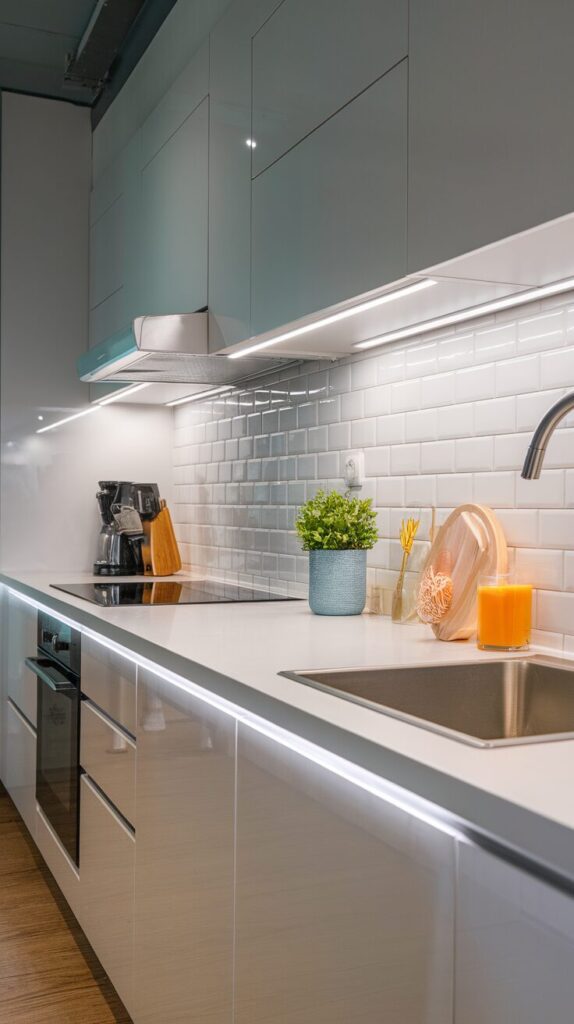
3. Under-Cabinet Lighting for Practical Brilliance
Why Under-Cabinet Lights Matter
Under-cabinet lighting changed my cooking life more than any fancy appliance. These lights eliminate shadows on countertops and make food prep safer and easier. Ever tried reading a recipe while your head blocks the light? Under-cabinet lights fix that instantly.
They also add a soft glow that makes the kitchen feel inviting during evenings. This lighting style works hard without demanding attention.
Best Types of Under-Cabinet Lighting
LED strips dominate this category, and for good reason. They stay energy-efficient, easy to install, and customizable.
Common options include:
- LED strip lights for continuous illumination
- Puck lights for focused spots
- Motion-sensor lights for late-night snack missions
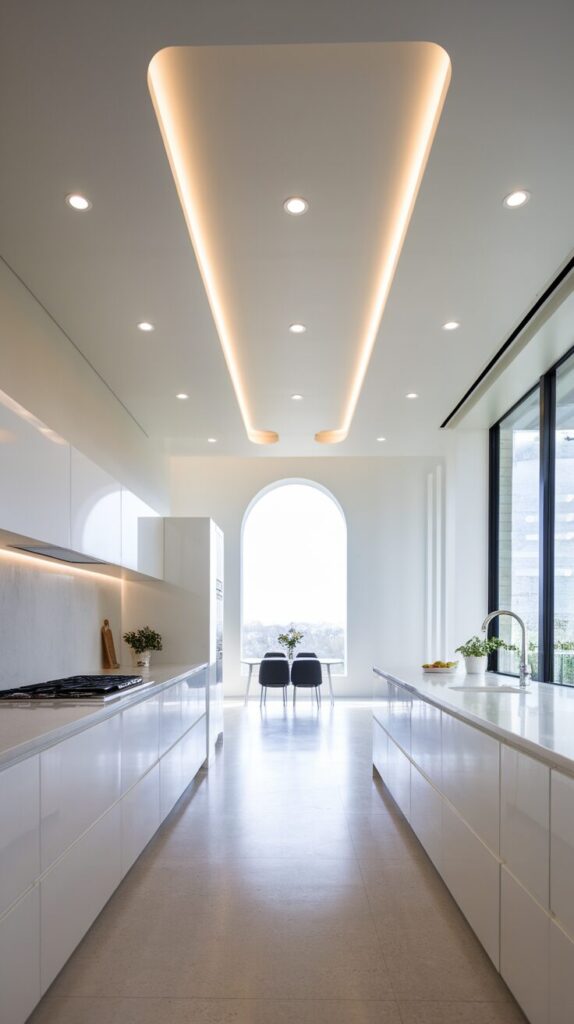
4. Recessed Lighting for Clean, Even Coverage
Why Recessed Lights Never Go Out of Style
Recessed lights deliver even illumination without cluttering the ceiling, which suits minimalist kitchens perfectly. I appreciate how they disappear visually while doing all the heavy lifting. Ever walked into a kitchen that felt bright but calm? Recessed lights likely played a role.
These lights work best when spaced evenly and paired with other lighting layers. They shouldn’t act alone like a lone wolf.
Smart Placement Tips
Placing recessed lights randomly creates dark spots, and nobody enjoys playing shadow roulette while cooking. Plan placements based on work zones rather than guessing.
Helpful guidelines:
- Space lights evenly across the ceiling
- Position lights over counters, not behind you
- Use dimmers to control brightness levels
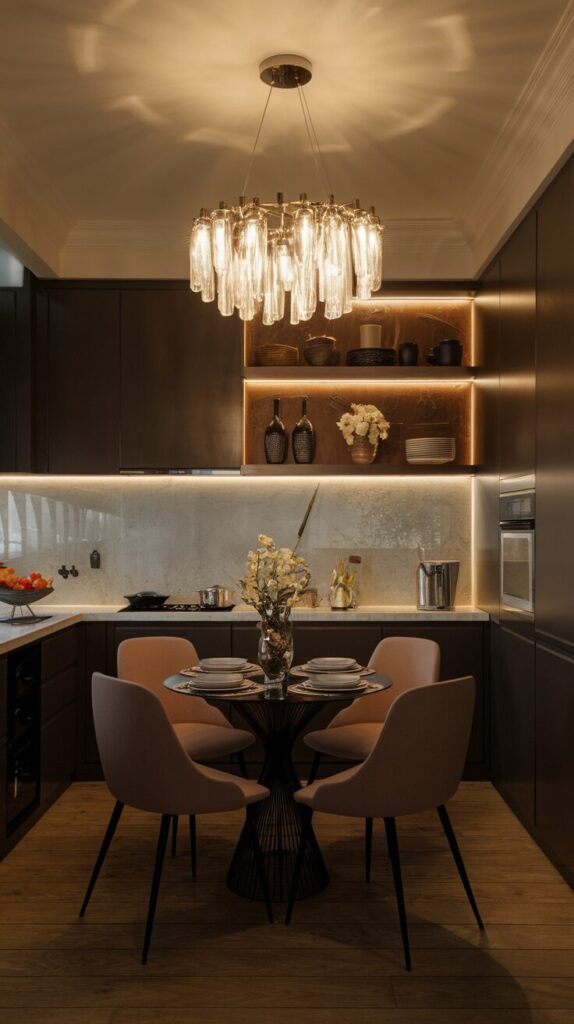
5. Chandeliers in the Kitchen? Yes, Really
Breaking the Old Rules
Chandeliers in kitchens once felt strange, but now they feel bold and stylish when done right. I added a small chandelier above my dining nook, and guests always comment on it. Ever wondered why kitchens can’t feel glamorous too?
A chandelier adds elegance and creates a focal point without overpowering the space. Size and style matter more than tradition here.
Picking the Right Chandelier Style
Choose a chandelier that complements your kitchen design instead of competing with it. I recommend simpler designs with clean lines for busy kitchens.
Great options include:
- Linear chandeliers for islands or dining tables
- Minimal crystal fixtures for subtle sparkle
- Rustic wood or metal chandeliers for farmhouse vibes
6. Toe-Kick Lighting for Subtle Drama
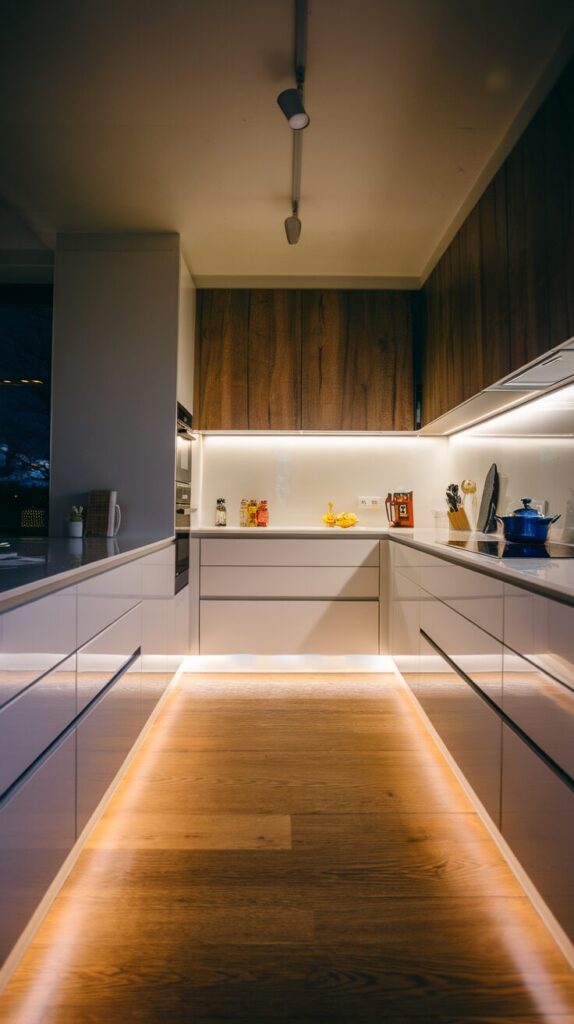
What Is Toe-Kick Lighting?
Toe-kick lighting sits at the base of cabinets and creates a soft glow along the floor. This lighting feels subtle but adds serious ambiance, especially at night. Ever walked into a kitchen at midnight and felt blinded? Toe-kick lights prevent that unpleasant surprise.
This lighting works as both accent and safety lighting. It helps you navigate without flipping on harsh overhead lights.
Why It Works So Well
Toe-kick lighting adds depth and makes cabinets appear to float. It also elevates the kitchen from standard to thoughtfully designed.
Benefits include:
- Soft nighttime illumination
- Enhanced cabinet appearance
- Improved safety during low-light hours
7. Natural Light as a Design Feature
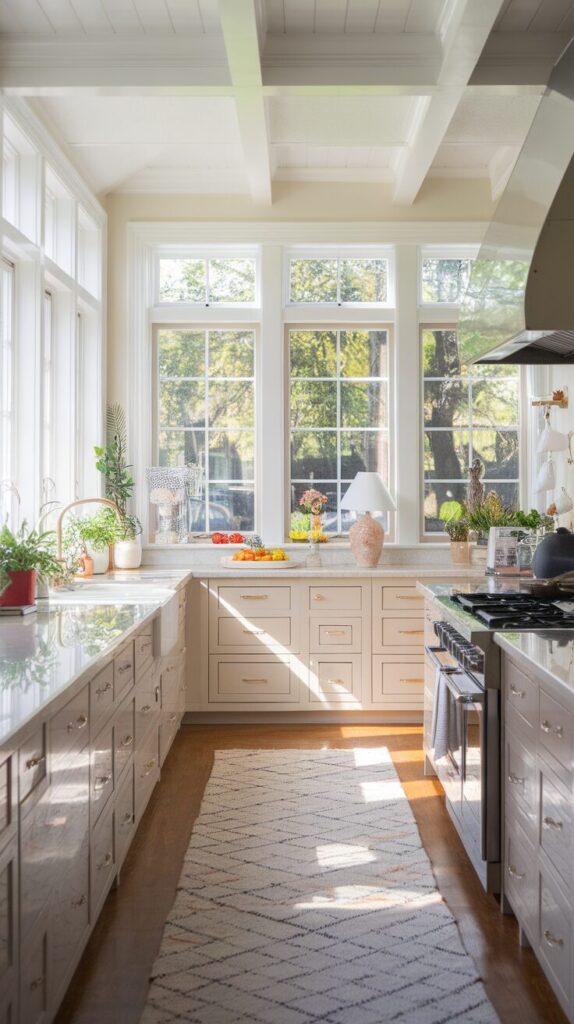
Maximizing Daylight in the Kitchen
Natural light beats any artificial light when possible, and kitchens benefit hugely from it. I rearranged my kitchen layout to avoid blocking windows, and the space instantly felt bigger. Ever noticed how sunlight makes even messy counters look better?
Large windows, skylights, and glass doors flood kitchens with warmth and energy. Treat natural light as a design element, not an afterthought.
Enhancing Natural Light with Fixtures
You can amplify daylight with reflective surfaces and lighter finishes. Pairing natural light with soft artificial lighting maintains balance throughout the day.
Helpful tips:
- Use light-colored backsplashes
- Choose reflective countertops
- Install sheer window treatments
8. Smart Lighting for Modern Kitchens
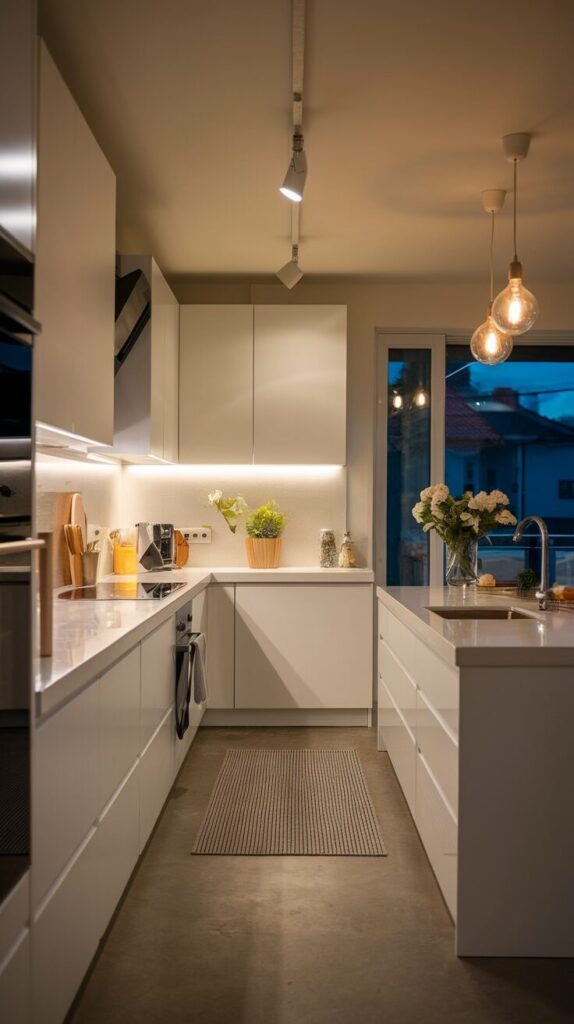
Why Smart Lighting Feels Like Magic
Smart lighting lets you control brightness, color temperature, and timing with your phone or voice. I resisted smart bulbs at first, but now I won’t go back. Ever wanted softer lighting during dinner without touching a switch? Smart lighting delivers that convenience.
Smart lighting adapts to different moods and tasks effortlessly. It adds flexibility without complexity.
Best Smart Lighting Uses in Kitchens
Smart lighting shines brightest when used strategically rather than everywhere. Focus on areas where control matters most.
Popular uses include:
- Dimmable overhead lights
- Color-temperature adjustable under-cabinet lights
- Automated schedules for morning and evening
9. Mixing Warm and Cool Light Temperatures
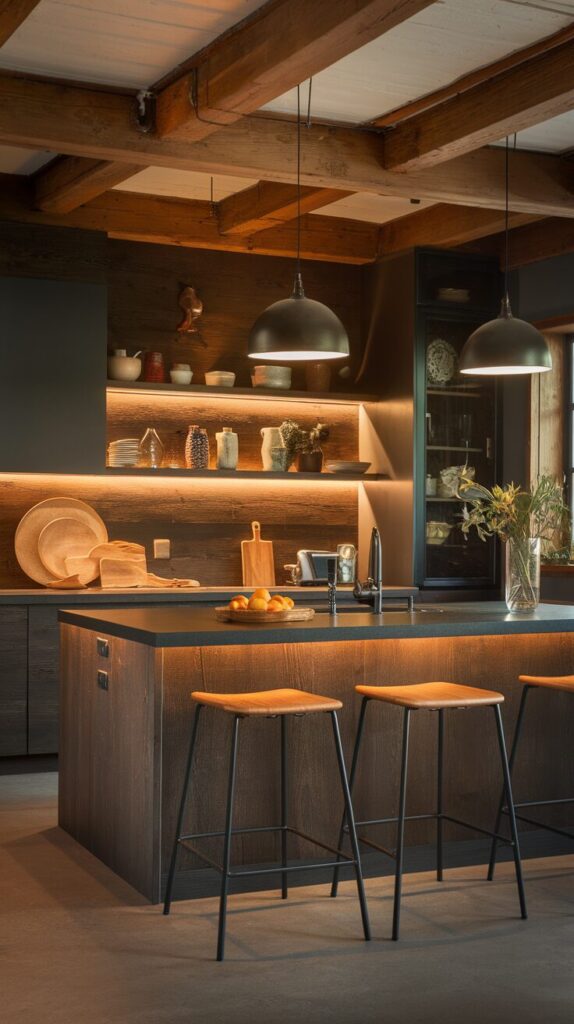
Understanding Light Temperature
Light temperature affects how colors appear and how the space feels. Cool light works best for task areas, while warm light creates comfort. I learned this after my kitchen felt like a hospital under cool bulbs everywhere.
Balancing warm and cool lighting creates harmony. Ever felt relaxed in a bright kitchen without knowing why? Balanced temperatures do that.
How to Mix Without Clashing
Stick to cooler lights for prep areas and warmer lights for dining or accent zones. This approach keeps functionality high and ambiance cozy.
Quick guidelines:
- Cool white (4000K) for task lighting
- Warm white (2700K to 3000K) for ambient lighting
- Consistent temperatures within each zone
10. Open Shelving Lighting for Style Points
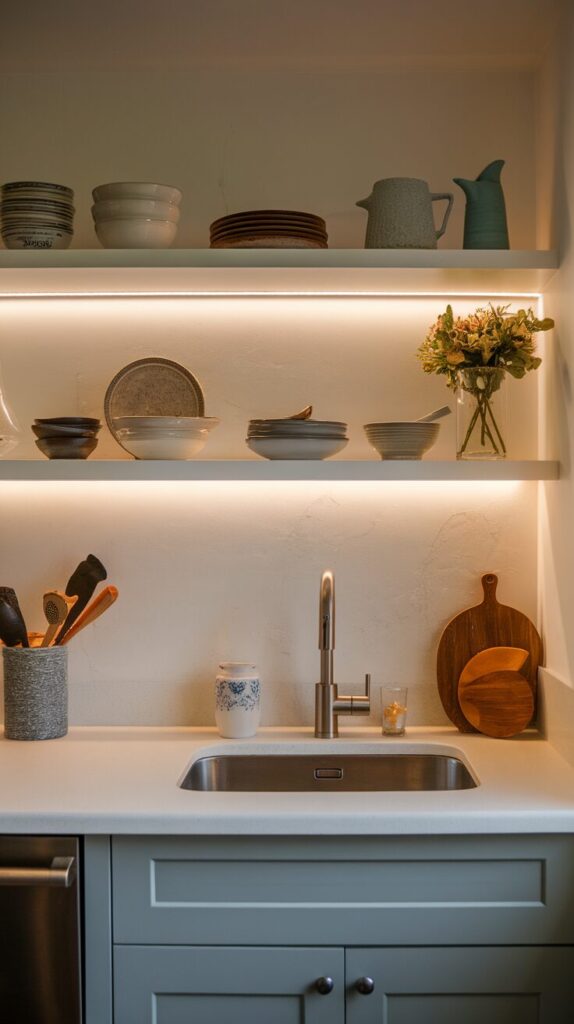
Why Shelves Need Their Own Lights
Open shelving looks beautiful, but without proper lighting, it fades into the background. I added small LED strips under shelves, and suddenly my dishes looked curated instead of cluttered. Ever noticed how lit shelves feel intentional?
Shelf lighting highlights decor and adds visual interest. It also improves visibility for everyday items.
Best Lighting Options for Shelves
Slim LED strips work best because they stay discreet. You can install them easily without drilling massive holes.
Top options include:
- LED strip lights hidden beneath shelves
- Mini spotlights for specific displays
- Warm lighting to enhance textures
Dimmers Change Everything
Why Dimmers Feel Underrated
Dimmers offer instant control over mood and functionality. I installed dimmers everywhere, and now my kitchen adapts to everything from meal prep to wine nights. Ever felt annoyed by lights that feel too bright or too dark? Dimmers fix that problem instantly.
Dimmers also extend bulb life and save energy. They work quietly in the background while improving comfort.
Where to Install Dimmers
Not every light needs a dimmer, but many benefit from one. Focus on lights that serve multiple purposes.
Ideal locations include:
- Overhead ambient lighting
- Pendant lights
- Dining area fixtures
Kitchen Lighting Strategy: How to Plan Before You Install Anything
Before you buy a single pendant or LED strip, you need a clear lighting strategy. A well-lit kitchen doesn’t happen by accident, and random fixture choices usually lead to uneven brightness, awkward shadows, and wasted money. If you want your kitchen lighting ideas to actually work long term, start with a plan.
Start With Function First, Style Second
Most people choose fixtures because they look pretty, then realize they don’t actually light the space properly. Always identify your primary work zones first, including countertops, sink, stove, and island. Once you secure proper task lighting, you can layer in decorative fixtures that enhance the aesthetic.
Ask yourself:
- Where do I chop, cook, and prep most often?
- Where do shadows fall during the day?
- Which areas feel dim or flat at night?
Answering these questions prevents expensive lighting regrets.
Map Out Lighting Zones
Divide your kitchen into lighting zones instead of thinking about it as one big space. Each zone should have a purpose and appropriate brightness level.
Key zones to define:
- Task zones such as countertops and cooking areas
- Ambient zones for overall brightness
- Accent zones like shelves, toe kicks, or display cabinets
- Dining zones if your kitchen includes seating
When you design lighting by zones, your kitchen feels intentional instead of random.
Think About Energy Efficiency From Day One
Energy-efficient lighting matters for both your utility bills and long-term maintenance. Modern LED lighting solutions last significantly longer and use less electricity than traditional bulbs. Choosing quality fixtures upfront reduces replacement costs and improves overall performance.
If you plan smart, you won’t need to redo your lighting in two years.
Lighting Layout Guidelines for Balanced Brightness
Even beautiful fixtures fail when placed incorrectly. Lighting placement affects how your kitchen looks more than fixture style.
Proper Spacing for Recessed Lights
Spacing recessed lights too far apart creates dark spots, while clustering them makes the ceiling look busy. As a general rule, place recessed lights about 4 to 6 feet apart, depending on ceiling height.
Also position them directly over work areas rather than behind where you stand. This reduces shadows and improves functionality immediately.
Pendant Height and Alignment
Pendant lights over an island should hang approximately 30 to 36 inches above the countertop. Hanging them too high weakens their impact, while hanging them too low disrupts sightlines and comfort.
For multiple pendants, maintain even spacing and visual symmetry. Consistency creates a polished, high-end look.
Choosing the Right Brightness Level
Brightness gets measured in lumens, not watts. For kitchens, aim for:
- 3,000 to 4,000 total lumens for ambient lighting in medium-sized kitchens
- 400 to 800 lumens per task light for work surfaces
- Adjustable brightness via dimmers for flexibility
Balanced brightness keeps your kitchen functional without feeling harsh.
Common Mistakes to Avoid
Even well-intentioned upgrades can backfire if you overlook key details. Avoid these common kitchen lighting mistakes to protect both your investment and your design.
Relying on a Single Light Source
One ceiling fixture cannot properly illuminate an entire kitchen. This approach creates shadows, reduces depth, and makes the space feel dated. Always combine ambient, task, and accent lighting.
Ignoring Light Temperature Consistency
Mixing random bulb temperatures creates visual chaos. Stick to a consistent range within each lighting zone to maintain harmony and comfort.
Overlooking Dimmers
Skipping dimmers limits flexibility and comfort. Install dimmers wherever possible to adjust brightness for cooking, entertaining, or relaxing.
Choosing Style Over Function
Decorative fixtures should enhance usability, not replace it. Always ensure your lighting supports real kitchen tasks before prioritizing appearance.
Poor Installation Placement
Improper placement ruins even the best lighting ideas. Measure carefully and align fixtures with cabinets, islands, and architectural features.
Budget Planning for Kitchen Lighting Upgrades
You don’t need a massive renovation budget to improve your kitchen lighting. Strategic upgrades often deliver the biggest impact.
High-Impact, Low-Cost Upgrades
If you want noticeable results without major expenses, prioritize:
- Under-cabinet LED strips
- Dimmable switches
- Replacing outdated bulbs with modern LEDs
These upgrades immediately improve brightness and ambiance.
When to Invest More
Spend more on fixtures that serve as focal points, such as island pendants or chandeliers. Quality materials and proper installation improve durability and overall appearance.
Balance your spending by investing in visible areas while keeping hidden elements practical and efficient.
Kitchen Lighting Safety Considerations
Lighting affects safety more than most homeowners realize. Proper illumination prevents accidents and improves overall visibility.
Avoiding Glare and Harsh Shadows
Glare from overly bright bulbs or shiny surfaces can strain eyes and create discomfort. Use diffused lighting and balanced brightness levels to reduce visual fatigue.
Electrical Planning and Professional Installation
Complex installations, including recessed lights or smart lighting systems, often require professional electrical work. Hiring a qualified electrician ensures safe wiring and long-term reliability.
Safety should always guide your lighting decisions.
Frequently Asked Questions
What is the best lighting for a kitchen?
The best kitchen lighting combines ambient, task, and accent lighting. Layered lighting provides brightness for cooking while maintaining warmth and style.
How many recessed lights do I need in my kitchen?
The number depends on kitchen size and ceiling height. Most medium kitchens require evenly spaced recessed lights every 4 to 6 feet for balanced coverage.
Should kitchen lighting be warm or cool?
Use cool white lighting for task areas and warm white lighting for ambient zones. Mixing strategically creates balance without clashing.
Are LED lights good for kitchens?
Yes, LED lights offer energy efficiency, long lifespan, and consistent brightness. They work especially well for under-cabinet, recessed, and accent lighting.
Do pendant lights provide enough light on their own?
Pendant lights add focused task lighting and style, but they should not replace ambient lighting. Always pair pendants with overhead or recessed lights.
Is smart lighting worth it in a kitchen?
Smart lighting adds convenience and flexibility through dimming and scheduling features. It works best when integrated into a layered lighting plan.
Final Thoughts
Kitchen lighting shapes how your space looks, feels, and functions more than most people realize. From layered lighting and pendants to toe-kick accents and smart controls, each idea adds its own magic when used thoughtfully.
I always say your kitchen deserves lighting that works as hard as you do, so mix styles, trust your instincts, and don’t settle for boring bulbs that kill the vibe.