13 Smart Beige Kitchen Modern Ideas for a Fresh, Pulled-Together Look
Beige kitchens are having a quiet comeback, and it's easy to see why. This warm neutral feels grounded and inviting, yet it pairs beautifully with modern finishes like matte black, brass, or natural wood. The key is to keep things fresh and intentional, not dated or dull.
Whether you're planning a full renovation or just a weekend refresh, these 13 ideas will help you create a beige kitchen that feels current and pulled together. Think layered textures, smart storage, and subtle contrasts that make the space feel both cozy and clean.
Ready to give your kitchen a subtle glow-up? Let's dive into ideas that are stylish, practical, and totally doable over a weekend.
1. Warm Up with Wood Accents
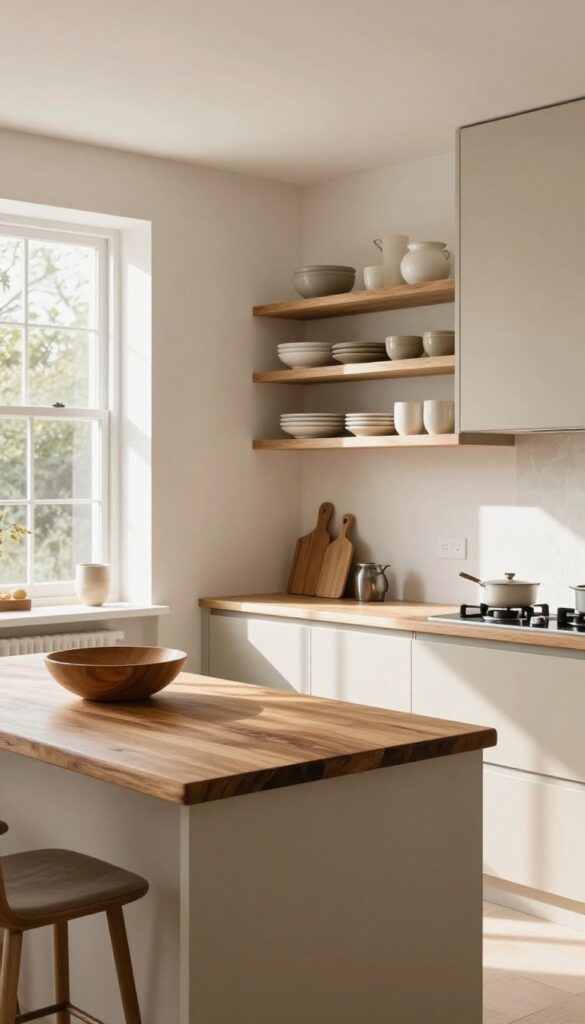
Beige kitchens can sometimes feel a little one-note if the finishes are all too smooth and uniform. That’s where wood comes in. Whether you add open shelving in a warm oak tone or swap in a butcher block countertop, the natural grain instantly brings texture and life.
It softens the crispness of painted cabinetry and makes the whole space feel more grounded. The contrast is subtle but noticeable—like a deep breath after a long day.
Why It Works
Wood introduces organic warmth that beige alone can’t achieve. The varied grain patterns break up large expanses of solid color, adding visual interest without clutter. It also creates a natural bridge between your cabinets and other materials like stone or metal, making the kitchen feel cohesive rather than pieced together.
Best For
This idea works beautifully in kitchens with lots of natural light, where the wood grain can catch the sun and cast soft shadows. It’s also great for rental kitchens or first-time homeowners who want to add character without a full renovation—swapping out shelves or a countertop is a manageable weekend project.
Styling Tip
Stick to one wood species throughout the kitchen to keep things intentional. If you choose oak open shelving, echo that tone in your cutting boards, bar stools, or even a wooden fruit bowl. Too many different woods can look chaotic; repetition makes the warmth feel purposeful.
2. Go for Matte Black Hardware
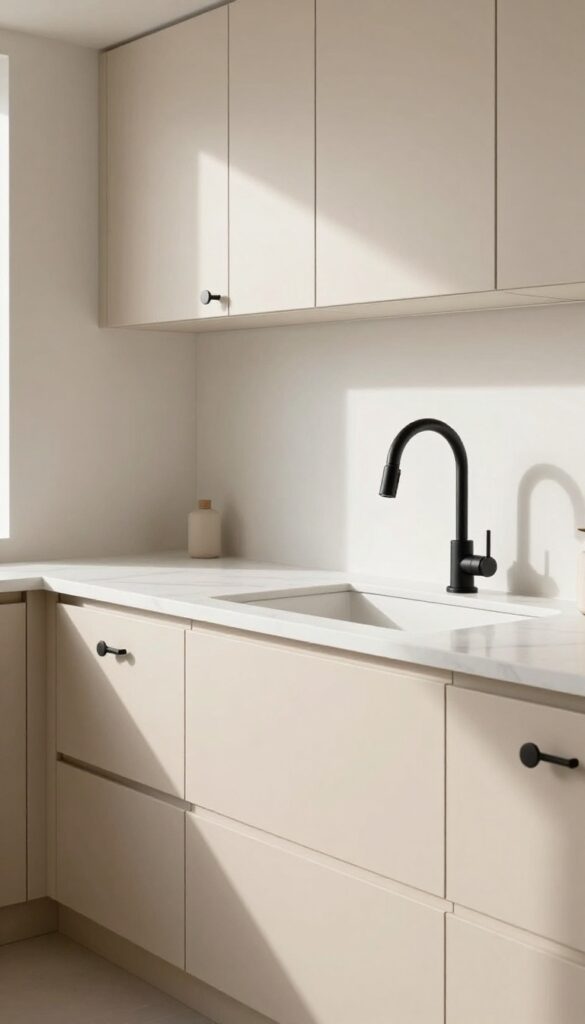
There’s something quietly transformative about swapping out standard knobs and pulls. Matte black hardware against beige cabinetry creates a crisp, deliberate contrast that feels both grounded and fresh. It’s the kind of update that doesn’t scream for attention but instantly makes the whole kitchen look more intentional—like every detail was carefully chosen.
Best of all, it’s a weekend swap that costs little but delivers a surprising amount of polish.
Why It Works
The matte finish absorbs light rather than reflecting it, which keeps the look soft and modern rather than shiny or cold. Against warm beige, black hardware adds just enough edge to break up monotony without overwhelming the space. It’s a subtle tension that feels balanced, not harsh.
Best For
This idea works beautifully in kitchens with medium to light beige cabinets, especially if you want to add a contemporary touch without committing to a full renovation. It’s also great for renters who can swap hardware back when they move out.
Styling Tip
Stick to consistent finishes—match your faucet and light fixtures to the same matte black for a cohesive look. For cabinet pulls, go with slim bar pulls or simple T-bars to keep the silhouette clean and unfussy.
3. Add a Textured Backsplash
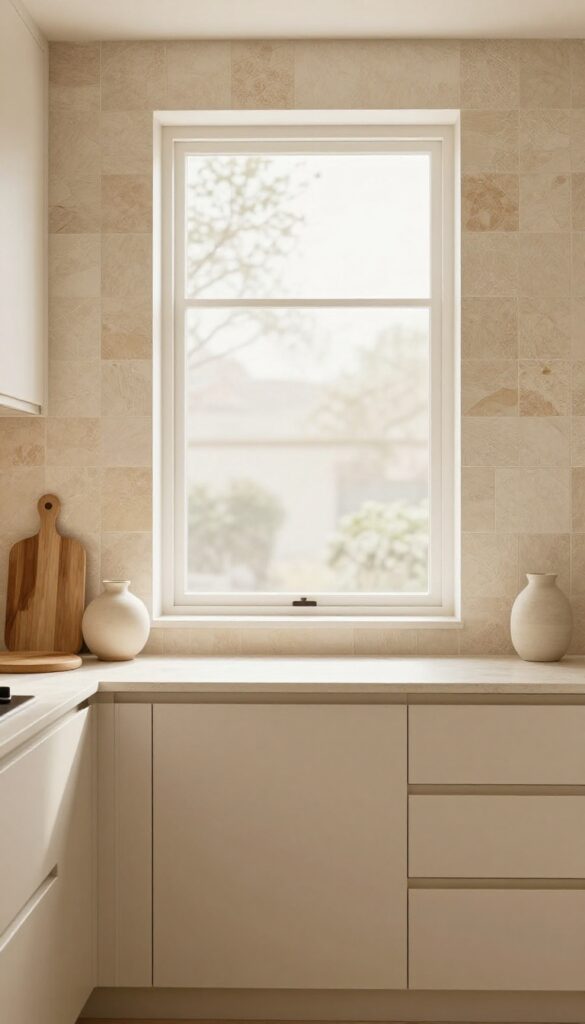
A beige kitchen runs the risk of feeling flat if every surface is smooth and uniform. That’s where a textured backsplash comes in—it adds depth, movement, and a tactile quality that makes the whole space feel more layered. Think of it as a subtle accent that catches the light throughout the day, shifting from soft morning glow to warm evening shimmer.
Zellige tiles or ribbed ceramic options work especially well because they bring an artisanal feel without overwhelming your neutral palette.
Why It Works
Texture creates visual interest without adding color, so it keeps your beige kitchen calm but not boring. The slight variations in handmade tiles or the vertical lines of ribbed surfaces break up large expanses of cabinetry and countertops, giving your eye a place to rest. It’s an easy swap that instantly upgrades the room from builder-basic to thoughtfully designed.
Best For
This idea shines in kitchens with lots of natural light, because the texture catches shadows and highlights beautifully. It also works well in smaller kitchens where you want impact without taking up floor space—the backsplash becomes the focal point without needing a big renovation.
Styling Tip
Pair your textured backsplash with simple, flat-front cabinets and minimal hardware so the tile remains the star. Keep countertops clear except for a few natural elements like a wooden cutting board or a ceramic vase to echo the earthy feel.
4. Layer in Natural Stone
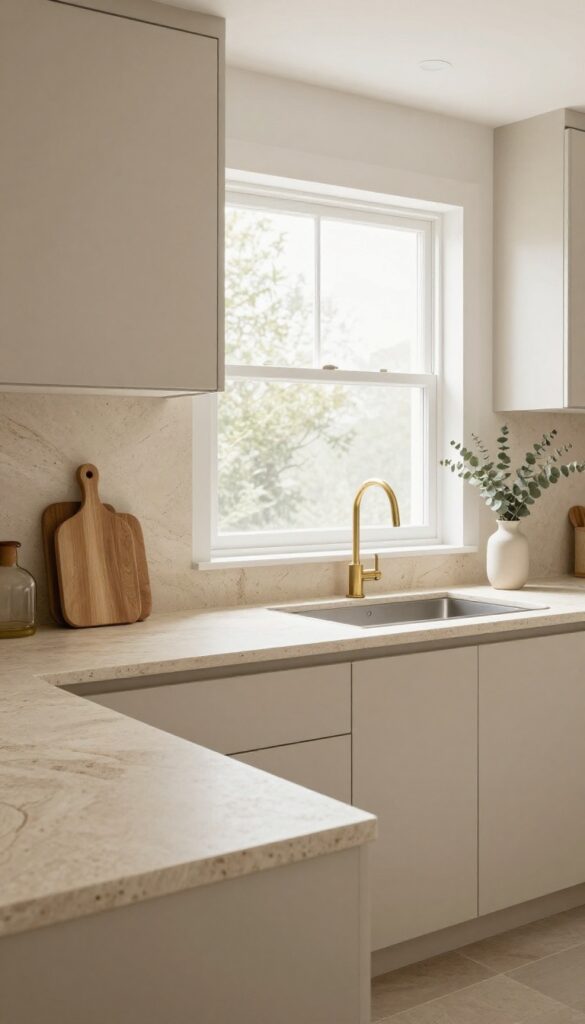
Beige marble or limestone countertops bring a quiet elegance that feels both timeless and fresh. The subtle veining adds just enough visual interest without overwhelming the space, making it a perfect anchor for a beige kitchen. This natural material pairs effortlessly with beige cabinetry, keeping the overall look organic and grounded—exactly what you want in a weekend refresh.
Why It Works
Natural stone introduces texture and depth that painted surfaces alone can't achieve. The soft beige tones unify the palette, while the veining creates a gentle focal point that draws the eye without competing with other elements.
Best For
This idea shines in kitchens with plenty of natural light, where the stone's subtle patterns can catch the sun and shift throughout the day. It's also ideal for open-concept spaces where you want the kitchen to feel connected to adjacent living areas.
Styling Tip
Keep countertops relatively clear to let the stone take center stage. Add a single wooden cutting board or a small vase of dried eucalyptus for contrast, and choose matte brass or brushed nickel fixtures to complement the earthy feel.
5. Introduce Warm Metals
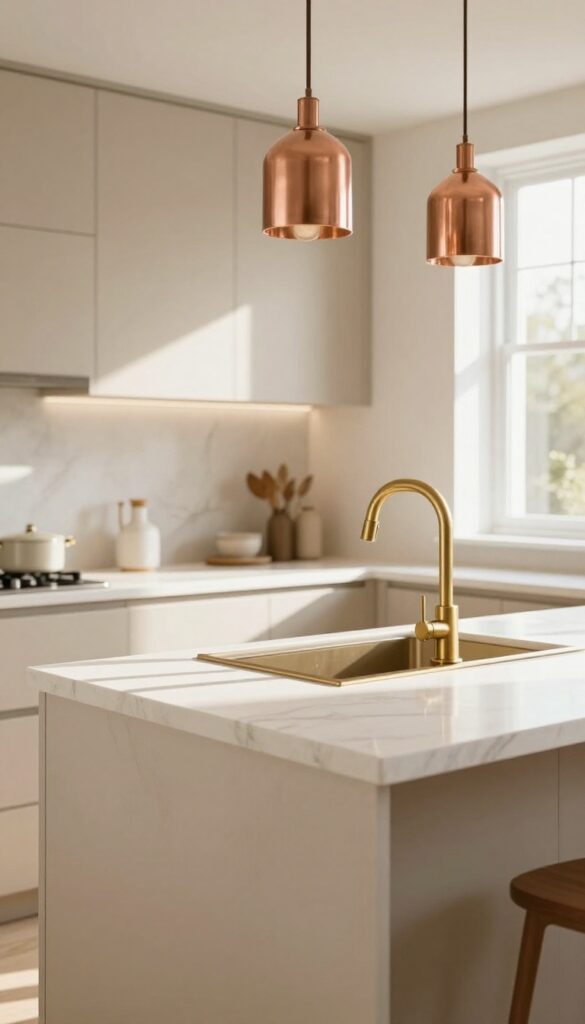
Beige kitchens can sometimes feel a little flat if every surface stays in the same neutral lane. That’s where warm metals come in—brass, copper, or even aged gold add a subtle richness that wakes up the whole space. Think of them as jewelry for your kitchen: small touches that catch the light and make everything feel more intentional.
A brushed brass faucet or a pair of copper pendant lights doesn’t scream for attention; instead, they create a soft glow that feels both inviting and polished. It’s an easy weekend swap that instantly upgrades the room without a full renovation.
Why It Works
Warm metals contrast beautifully with beige because they share an earthy undertone but bring a hint of luster. The result is a layered look that feels curated, not flat. Because these finishes reflect light, they also help brighten the space and make it feel more dynamic throughout the day.
Best For
This idea works well in kitchens with lots of natural light, where the metal can catch sunlight and create gentle highlights. It’s especially effective in open-plan layouts where the kitchen flows into a living area—the warm glow helps tie the two zones together.
Styling Tip
Stick to one or two metal finishes to keep the look cohesive. If you choose brass for your faucet, carry that same finish into your cabinet pulls or a pendant light. Avoid mixing too many metal tones; consistency makes the warmth feel deliberate rather than accidental.
6. Use Open Shelving for Display
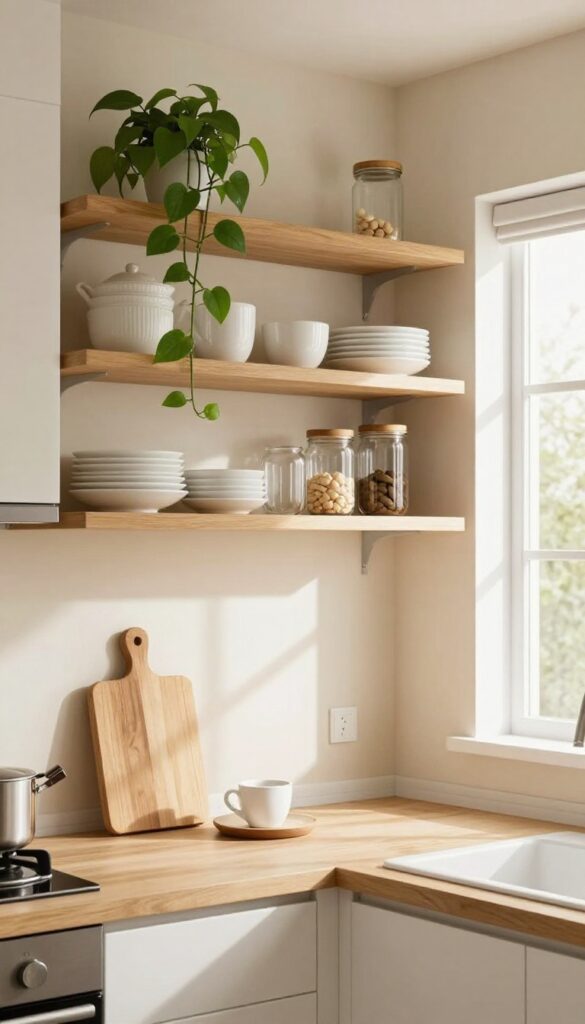
Swapping bulky upper cabinets for open shelving instantly lightens up a beige kitchen. The warm wood tones of the shelves add natural texture without competing with the neutral palette. This setup turns everyday dishware into decor, making the space feel curated rather than cluttered.
Why It Works
Open shelves keep the kitchen visually open and airy, which is especially valuable in smaller or darker spaces. The light wood tone complements beige without adding visual weight, and displaying white dishes creates a clean, cohesive look that feels intentional.
Best For
This idea works well in kitchens where you have a consistent set of matching dishes and glassware to display. It's also great for renters who can't replace cabinetry but can install floating shelves as a temporary upgrade.
Styling Tip
Stick to a simple palette of white ceramics, clear glass jars, and a few trailing plants like pothos or ivy. Keep frequently used items within easy reach on lower shelves and reserve top shelves for decorative pieces to maintain balance.
7. Paint the Island a Deeper Shade
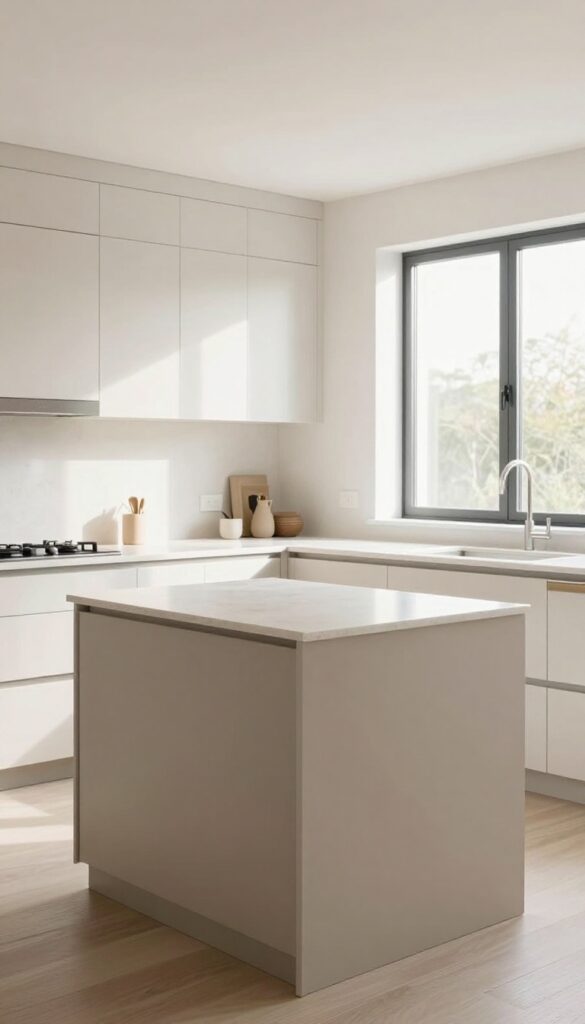
Islands often get stuck in the same neutral as the rest of the cabinetry, but giving yours a deeper hue changes the whole energy of the kitchen. A warm taupe or rich beige on the island adds weight and anchors the space without clashing with your existing palette. It feels intentional, not like you're introducing a whole new color family—just dialing up the one you already have.
Why It Works
Painting the island a deeper shade creates a natural focal point in an open-plan layout. The contrast adds visual depth and makes the island feel like a piece of furniture rather than just another cabinet. Since it's still within the beige family, the look stays cohesive and calm.
Best For
This idea works well in kitchens with light perimeter cabinets and neutral countertops. It's especially effective in L-shaped or galley kitchens where the island stands alone and can really command attention.
Styling Tip
Carry that deeper tone into your bar stools or pendant lights to tie everything together. A matte finish on the island reduces glare and gives a soft, modern feel—perfect for a weekend refresh that doesn't require repainting everything.
8. Bring in Greenery
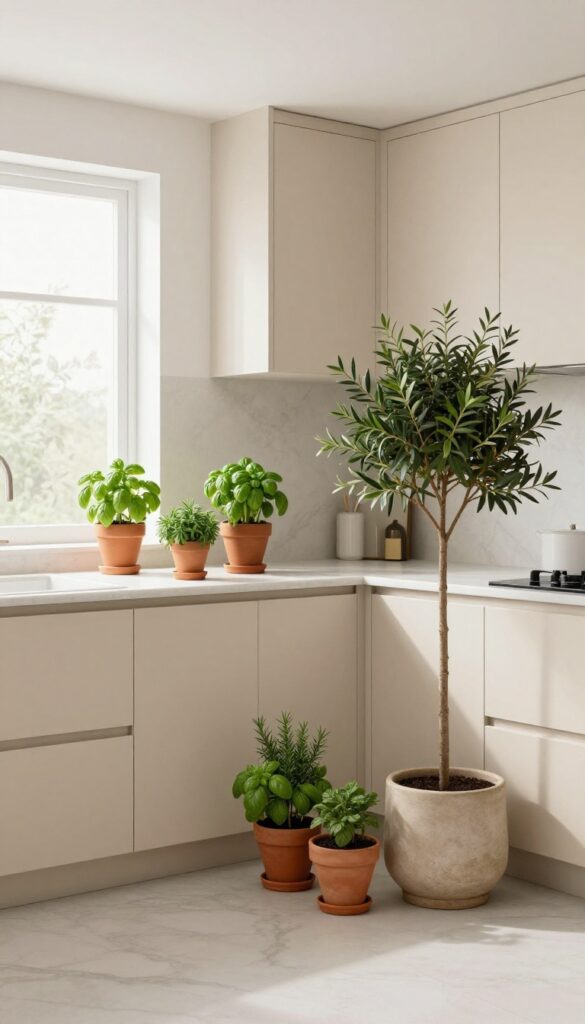
A kitchen filled with beige can feel warm and inviting, but sometimes it needs a little life. That's where plants come in. Adding a few pots of herbs or a small olive tree instantly wakes up the space, creating a fresh contrast against all those neutral tones.
It's an easy, weekend-friendly way to make your kitchen feel more vibrant and connected to nature.
Why It Works
Green is the perfect complement to beige—it adds a natural pop of color without clashing. Plants also improve air quality and bring a sense of calm, making your kitchen feel both lively and serene.
Best For
This idea works well in any kitchen, but it's especially effective in spaces with lots of natural light. If you have a sunny windowsill or a bright corner near the sink, that's your spot.
Styling Tip
Use simple terracotta pots or neutral ceramic planters to keep the look cohesive. Group a few different heights together for visual interest, and choose low-maintenance plants like rosemary, basil, or a small fiddle-leaf fig if you don't have a green thumb.
9. Swap in a Patterned Runner
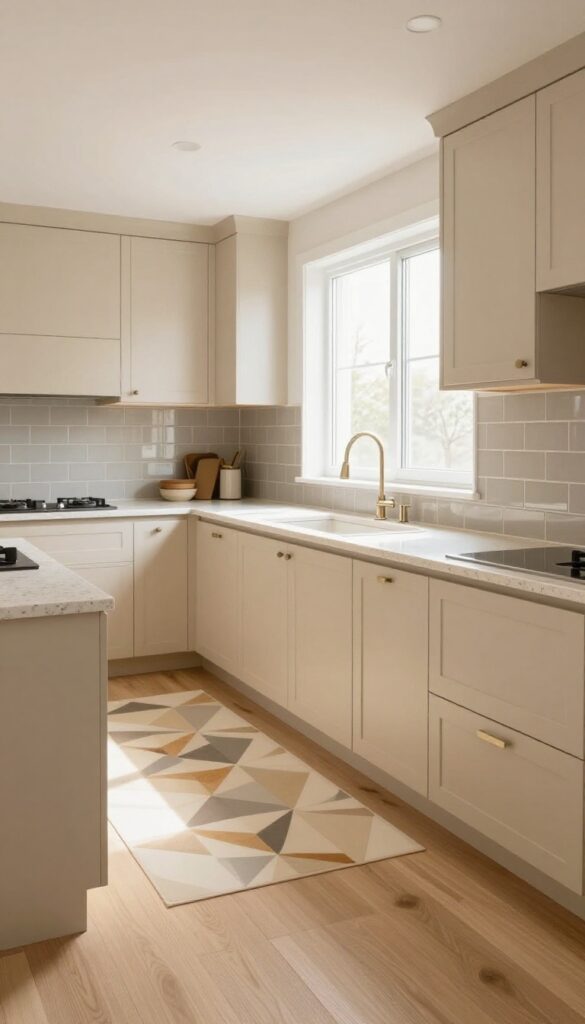
A kitchen runner does more than protect your floors—it anchors the whole space with color and movement. Choose a low-pile design in geometric or abstract motifs that echo the soft beige, cream, and gray tones already in your palette. The pattern adds visual interest without overwhelming the room, making the kitchen feel intentional and layered.
Why It Works
Patterned runners hide crumbs and spills better than solid rugs, so they stay looking fresh between cleanings. The low pile is easy to sweep or vacuum, and the pattern distracts from everyday wear. Plus, a well-chosen runner ties together cabinets, countertops, and backsplash for a pulled-together finish.
Best For
This idea shines in galley kitchens or long, narrow layouts where a runner can visually elongate the floor space. It also works well in open-plan kitchens to define the cooking zone without blocking traffic flow.
Styling Tip
Look for runners with at least three of your kitchen’s existing neutrals—beige, cream, warm gray—so it blends seamlessly. Place it in front of the sink or stove where you stand most; just make sure it’s at least 24 inches from the counter edge to avoid tripping.
10. Install Under-Cabinet Lighting
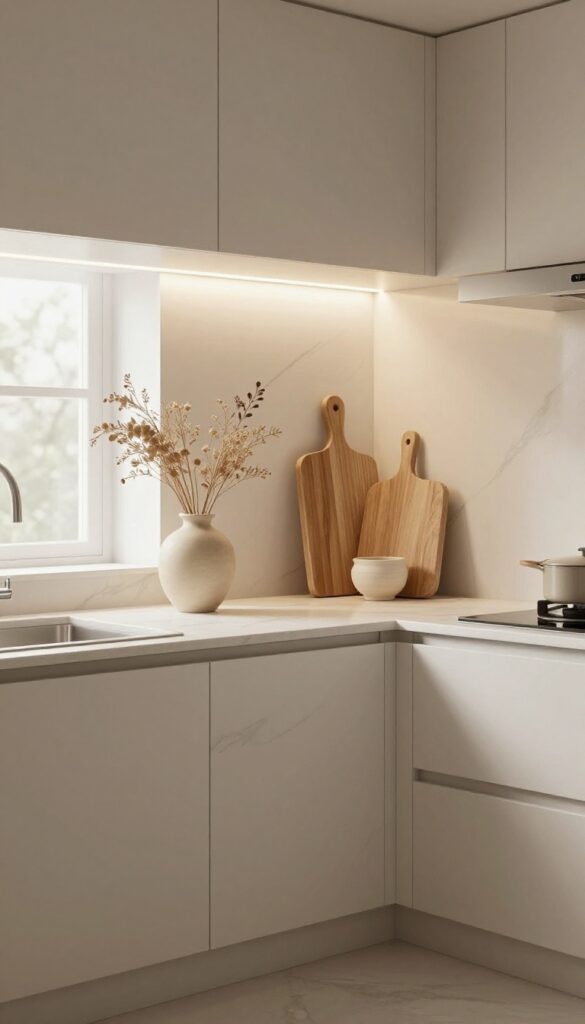
A kitchen can feel complete during the day but fall flat at night. That’s where under-cabinet lighting comes in—it’s a simple upgrade that changes everything. Warm LED strips tucked beneath your upper cabinets bathe the countertops in a soft glow, making your beige palette look richer and more inviting.
It’s one of those weekend projects that instantly makes the space feel larger and more functional, without requiring a full renovation.
Why It Works
Beige kitchens rely on subtle warmth and depth, and good lighting is what brings those tones to life. Under-cabinet lights eliminate shadows on your work surfaces, so you can actually see what you’re chopping or reading. Plus, the gentle illumination draws the eye across the room, creating a cohesive, pulled-together look that feels both modern and cozy.
Best For
This idea is perfect for anyone who cooks frequently or uses their kitchen as a gathering spot. It’s especially helpful in galley kitchens or spaces with limited overhead lighting, where countertops can feel dark and cramped. If you want a quick, budget-friendly update that boosts both style and practicality, this is it.
Styling Tip
Choose warm white LEDs (around 2700K to 3000K) to complement beige cabinets and avoid a sterile feel. Install them slightly set back from the cabinet edge so the light spreads evenly across the countertop rather than creating harsh hot spots. Dimmable strips give you flexibility—bright for meal prep, softer for evening entertaining.
11. Choose a Sleek Range Hood
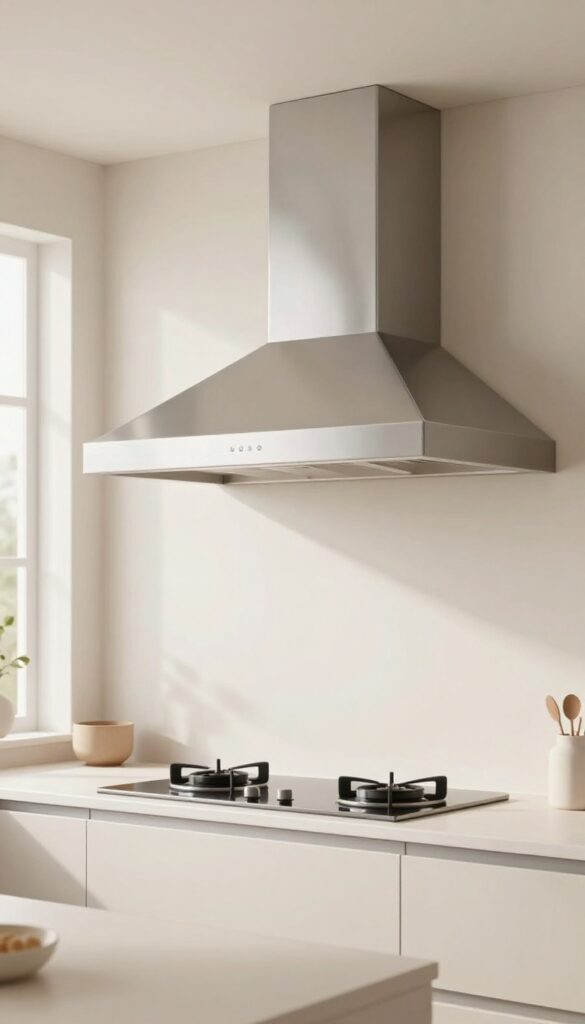
A range hood does more than just clear the air—it sets the tone for your entire kitchen. In a beige kitchen, a streamlined stainless steel or matte black hood becomes a quiet focal point that breaks up the warmth without feeling heavy. The clean lines keep things looking crisp and intentional, exactly what you want when you're aiming for a pulled-together weekend refresh.
Why It Works
Beige cabinetry can read as soft or even a little flat if there's nothing to anchor it. A sleek range hood adds contrast and structure, drawing the eye upward and making the space feel taller and more polished. The metallic or dark finish catches light differently, adding subtle depth without competing with your counters or backsplash.
Best For
This idea works especially well in open-concept kitchens where the hood is visible from other rooms. It also suits anyone who wants a modern update without gutting their existing cabinets—just swap out an old bulky hood for something sleeker over a weekend.
Styling Tip
Keep the area around the hood clutter-free. Let it stand alone against the backsplash, and consider matching the finish to your faucet or cabinet hardware for a coordinated look. If you go matte black, add black pendants or bar stools to tie it all together.
12. Add Woven Textures
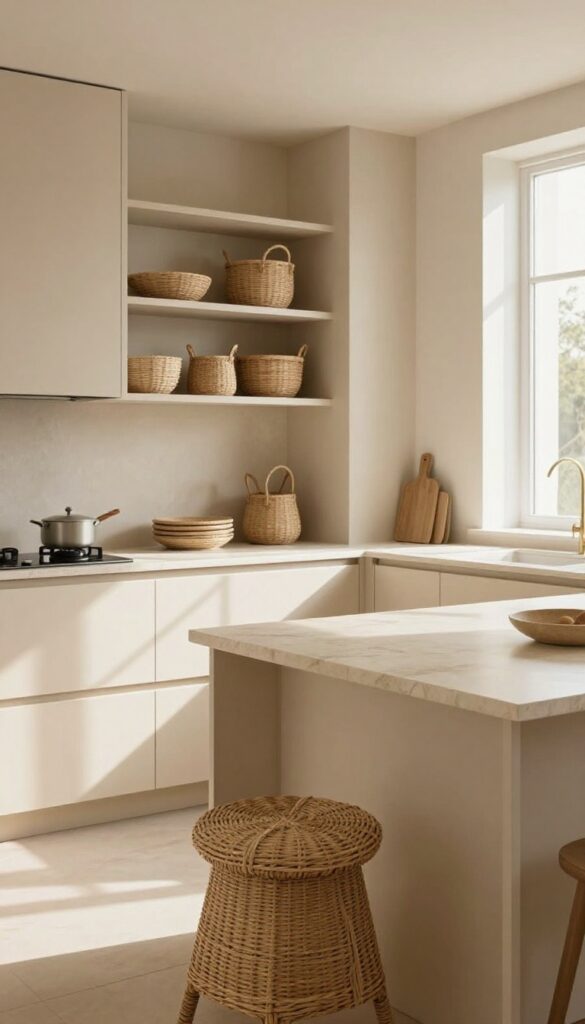
Beige kitchens can sometimes feel a little flat if everything is too smooth and uniform. That’s where woven textures come in—they add instant warmth and a natural, handcrafted feel that makes the space more inviting. Think of a seagrass stool pulled up to the island or a collection of woven baskets on open shelving.
These pieces break up all the hard surfaces and bring in a layer of softness that feels organic and lived-in.
Why It Works
Woven materials like seagrass, rattan, and jute have a warm, earthy tone that pairs beautifully with beige cabinetry or walls. They add visual texture without adding clutter, creating depth that makes the kitchen feel richer and more layered. Plus, natural fibers soften the overall look, balancing out sleek countertops and modern appliances.
Best For
This idea works especially well in kitchens with open shelving or an island where you can perch a stool. It's also great for rental kitchens where you can't change the cabinets—woven accessories are an easy, non-permanent way to introduce character.
Styling Tip
Stick to one or two woven accents so the look stays curated rather than chaotic. A large basket on top of the fridge for storing linens or bread, plus a small stool near the prep zone, is plenty. If your kitchen leans cool-toned beige, choose warmer rattan tones; for warm beige, go with lighter seagrass.
13. Keep Countertops Clutter-Free
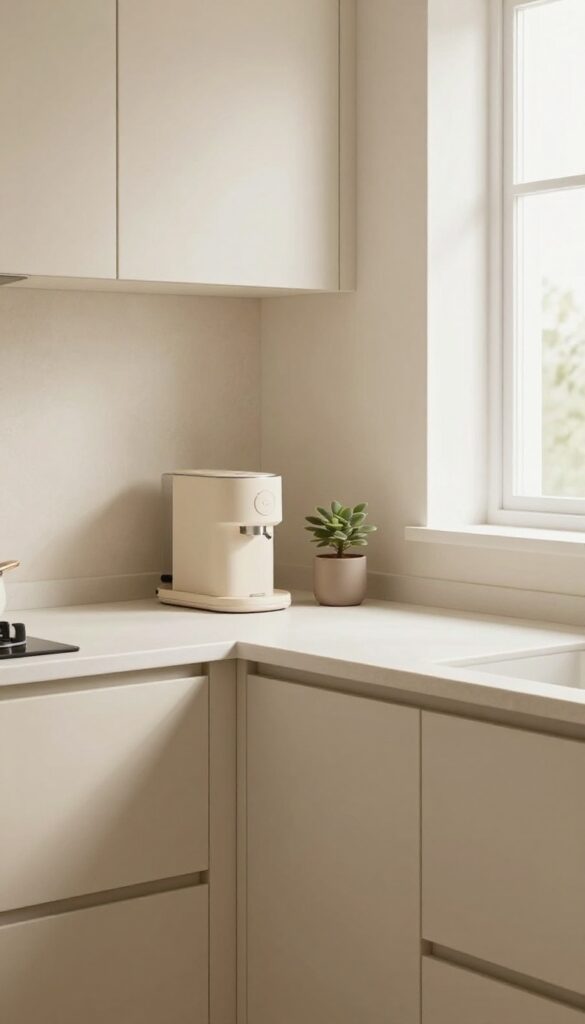
A beige kitchen really comes to life when the countertops are kept clean and minimal. When every surface is packed with appliances, mail, and random odds and ends, the warm neutral tones get lost in the visual noise. Editing down to just a few intentional pieces—a coffee station, a simple utensil crock, and one small plant—lets the cabinetry and backsplash textures take center stage.
This approach instantly makes the whole room feel more pulled together without a major renovation.
Why It Works
Beige can read as busy or muddy if there's too much going on. By clearing the counters, you create breathing room that allows the soft beige tones to feel calm and sophisticated rather than cluttered. A minimalist countertop also makes cleaning faster and keeps the kitchen looking fresh all week long.
Best For
This idea is perfect for anyone who wants a quick weekend refresh without buying anything new. It works especially well in smaller kitchens where counter space is limited, but it's equally effective in larger kitchens that need a more curated, intentional feel.
Styling Tip
Choose one small plant with a matte ceramic pot in a complementary neutral like taupe or cream. Keep your coffee station contained on a small tray to define the zone, and pick a utensil crock that matches your cabinet hardware finish for a cohesive look.
FAQ
Is beige going out of style in kitchens?
Not at all—beige is making a modern comeback when paired with updated finishes like matte black, brass, and natural textures. It's a timeless neutral that feels warm and inviting.
What colors go best with beige kitchen cabinets?
White, cream, warm wood, matte black, and soft greens all pair beautifully with beige. For a modern look, stick to earthy tones and avoid overly cool colors.
How can I make my beige kitchen look modern?
Add contrast with dark hardware or fixtures, incorporate texture through tile or natural stone, and keep surfaces clutter-free. Modern lighting also helps update the look.
What type of countertop works with beige cabinets?
White quartz, warm marble, butcher block, or concrete all work well. Choose a countertop with subtle veining or texture to add interest without competing.
Can I use beige in a small kitchen?
Yes—beige can make a small kitchen feel cozy and bright. Use light beige on cabinets, add reflective surfaces like glass or metal, and keep the layout open to maximize space.
Conclusion
A beige kitchen doesn't have to feel boring or dated. With the right mix of textures, metals, and thoughtful details, it can become one of the most inviting rooms in your home.
These 13 ideas are designed to be achievable over a weekend, so pick one or two that speak to you and start small. A few smart swaps can make all the difference in creating a fresh, pulled-together look you'll love coming home to.