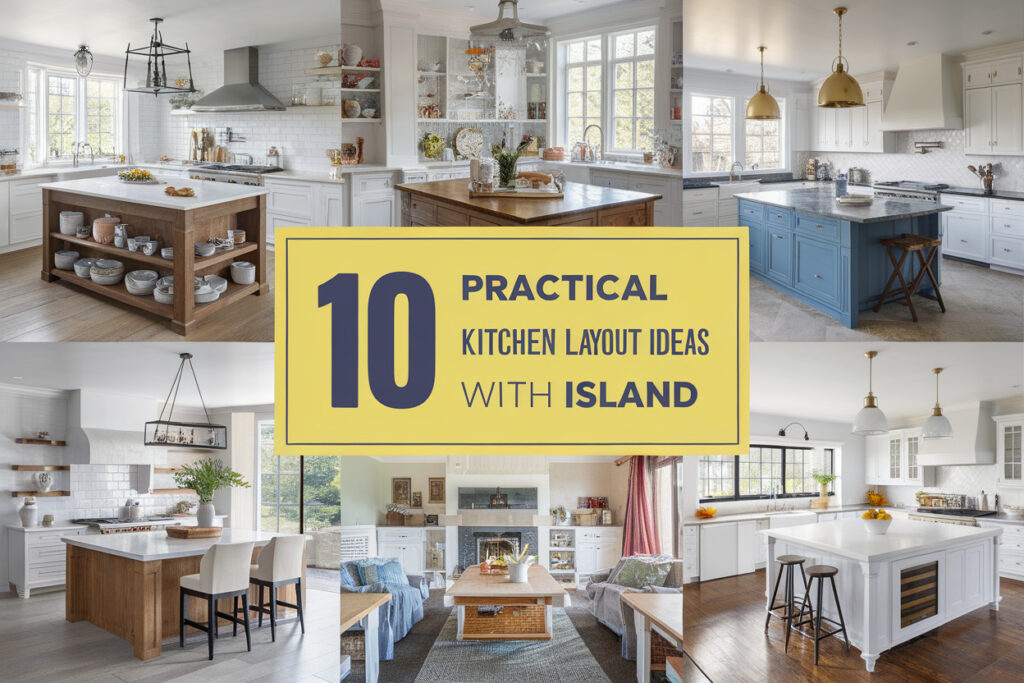
10 Kitchen Layout Ideas with Islands for Function & Style
Ever walked into a kitchen and instantly thought, wow, this just works? That feeling usually comes from a layout that balances flow, storage, and style without trying too hard.
I have obsessed over kitchen layouts for years, partly because I cook a lot and partly because I love spaces that feel alive.
If you want a kitchen island that actually helps you cook, hang out, and maybe even show off a little, you are in the right place.
Why Kitchen Islands Change Everything
A kitchen island does more than sit there looking pretty. It acts like the social hub, the prep station, and sometimes the unofficial homework desk. I learned this the hard way after living with a kitchen that had zero counter space, and trust me, juggling chopping boards on the sink edge gets old fast.
A well planned island improves flow, adds storage, and creates a natural gathering point. Ever noticed how everyone drifts toward the kitchen during parties? The island becomes the magnet, and honestly, I love that energy.
1. Classic L Shaped Kitchen with a Central Island
Why This Layout Always Wins
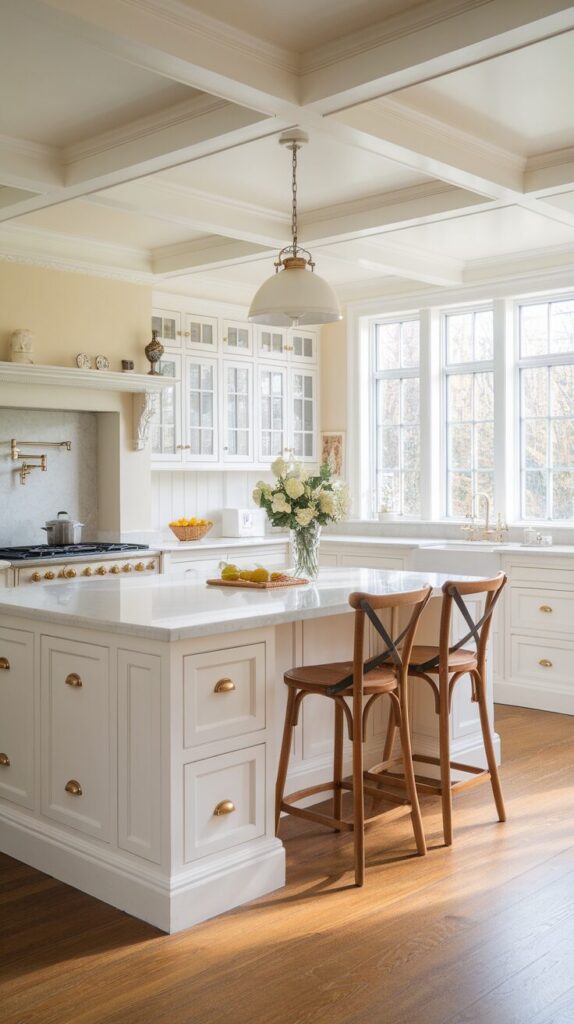
The L shaped kitchen with a central island feels like the reliable best friend of kitchen designs. It gives you two solid walls of cabinets and appliances while keeping the center open and functional. I recommend this layout to almost everyone because it adapts easily to different kitchen sizes.
You get excellent workflow between sink, stove, and fridge, which makes cooking smoother and less chaotic. The island fits naturally in the center, so nothing feels forced or cramped.
How to Style the Island
A central island in an L shaped kitchen shines when you keep it balanced and uncluttered. I usually suggest seating on one side and storage on the other because it keeps the island practical.
- Add base cabinets or deep drawers for pots and pans
- Include bar seating for two or three people
- Use pendant lights to define the island zone visually
IMO, this layout feels timeless, which means you will not hate it five years from now.
2. U Shaped Kitchen with an Island for Maximum Efficiency
When Space Is Not an Issue
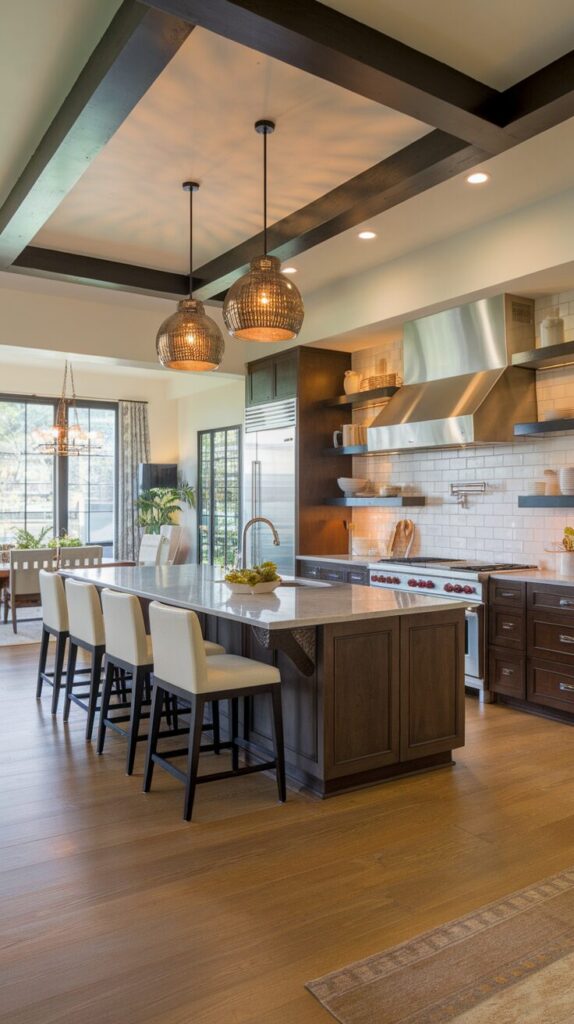
A U shaped kitchen with an island works best in larger spaces, but wow, does it deliver. You surround yourself with counters and storage, which feels amazing if you cook often. I once cooked in a U shaped kitchen during a holiday rental, and I did not want to leave.
This layout creates a clear work triangle and keeps everything within arm’s reach. The island becomes a bonus zone rather than a necessity, which feels luxurious.
Making the Island Work
The trick involves keeping enough clearance around the island so the space does not feel crowded. I usually aim for at least 42 inches of walkway space on all sides.
- Use the island for prep or baking
- Add a sink or cooktop only if space allows
- Choose slim seating to maintain flow
Ever wondered why professional kitchens feel so efficient? This layout borrows that logic and adapts it for real life.
3. Galley Kitchen with a Slim Island
Yes, Galley Kitchens Can Have Islands
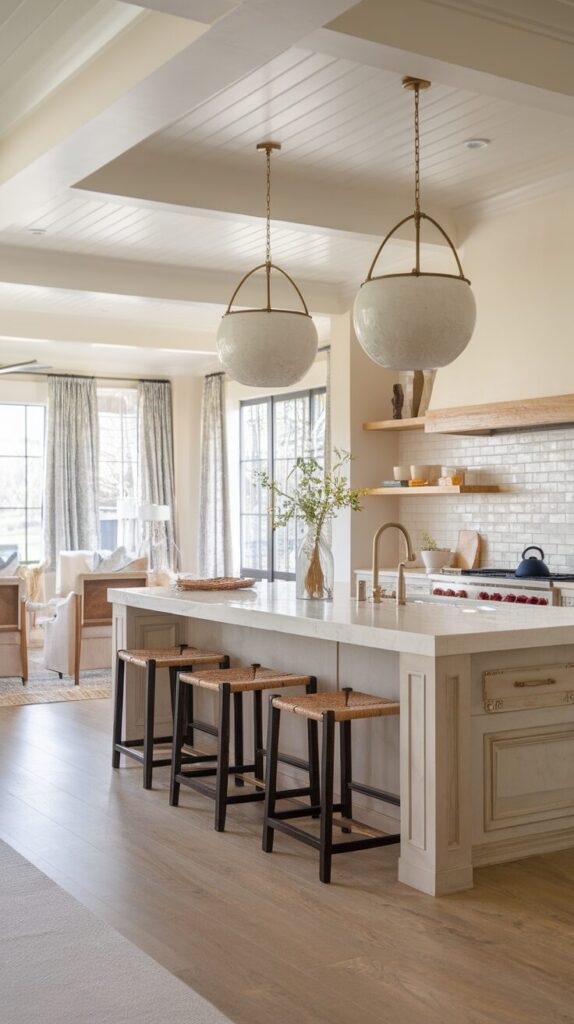
People often assume galley kitchens and islands do not mix, but they absolutely can if you plan smartly. I have seen narrow islands transform tight kitchens into functional, stylish spaces.
A slim island adds prep space without blocking movement. It also breaks up the tunnel feeling that galley kitchens sometimes suffer from.
Design Tips That Actually Help
The island should stay narrow and purposeful. I usually recommend mobile or custom built islands in galley kitchens.
- Keep island width between 24 and 30 inches
- Use open shelving underneath to avoid bulk
- Skip heavy seating to preserve walking space
FYI, even a small island can change how a kitchen feels day to day.
4. Open Concept Kitchen with a Multi Functional Island
Where Cooking Meets Living
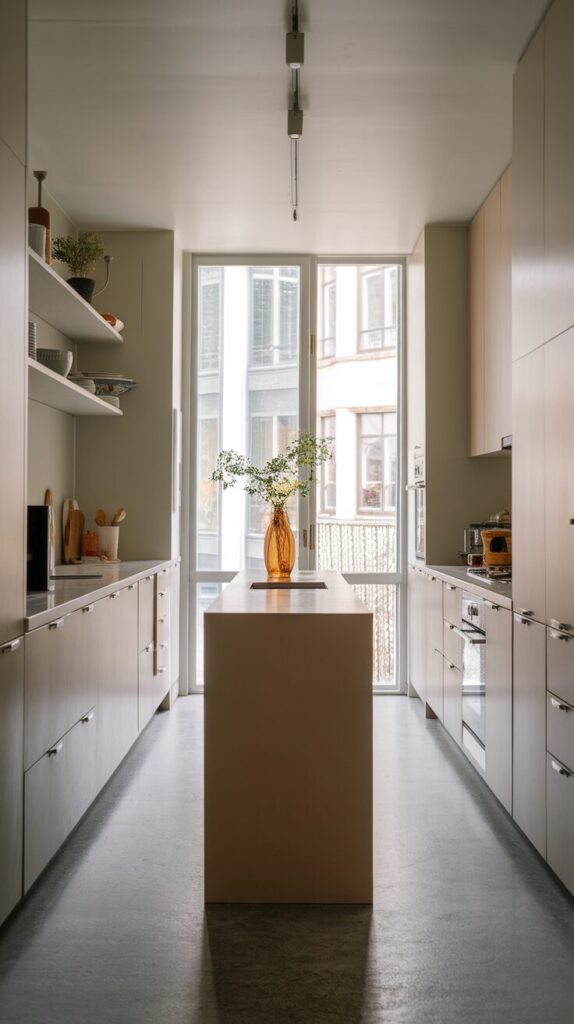
Open concept kitchens almost demand an island. Without one, the kitchen can feel undefined and floaty. The island anchors the space and creates a visual boundary between cooking and living areas.
I love this layout because it encourages interaction. You can cook while chatting, supervising kids, or pretending you are on a cooking show.
Designing for Multiple Uses
A multi functional island works best when you intentionally design zones. I always plan at least two functions for the island.
- Prep area with durable countertops
- Seating side for casual meals
- Built in storage or wine racks
Ever noticed how islands become the unofficial meeting spot? That happens because they invite people in.
5. One Wall Kitchen with an Island
Small Footprint, Big Impact
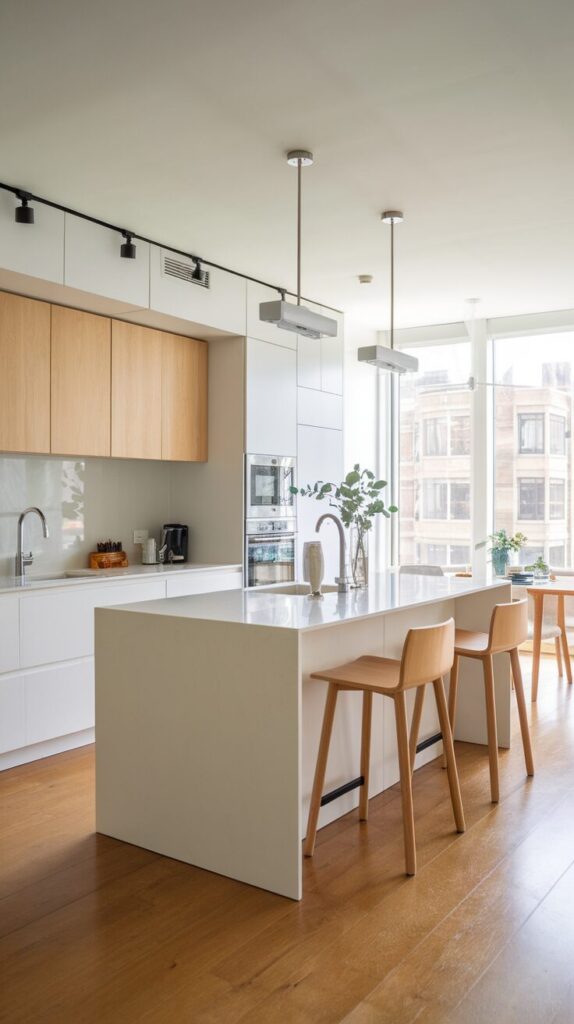
One wall kitchens feel simple, but they can feel limited without an island. Adding an island gives you extra storage, counter space, and a sense of balance. I have seen tiny apartments completely transform with this setup.
The island acts as the second wall, creating a pseudo galley effect without closing off the space.
What to Prioritize
You need to prioritize clearance and scale. Oversized islands overwhelm one wall kitchens fast.
- Choose compact island dimensions
- Use light colors to keep the space open
- Add wheels if flexibility matters
This layout proves you do not need a massive kitchen to enjoy an island.
6. Peninsula Style Island for Awkward Spaces
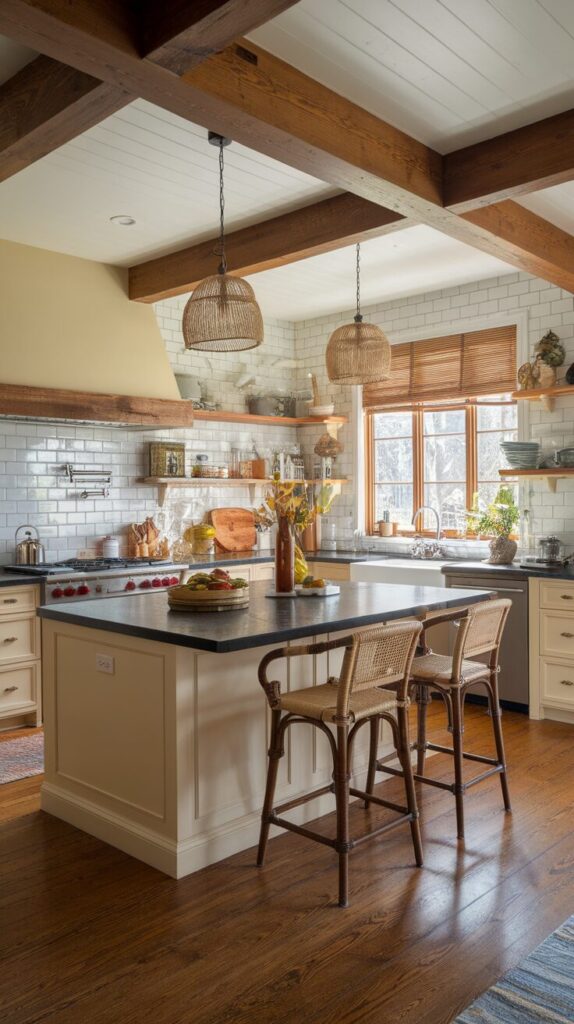
When a Full Island Feels Impossible
Some kitchens have odd shapes or limited access points, and that is where peninsula islands shine. They connect to existing counters, forming a partial island that still delivers function.
I love peninsulas because they solve problems without demanding major renovations. They also feel cozy and inclusive.
Best Uses for a Peninsula Island
Peninsula islands work beautifully in medium sized kitchens that need extra seating or prep space.
- Great for breakfast bars
- Ideal for defining zones in open layouts
- Easier to fit than standalone islands
Ever tried squeezing a full island into a tight space? A peninsula saves you from that headache.
7. Double Island Kitchen Layout
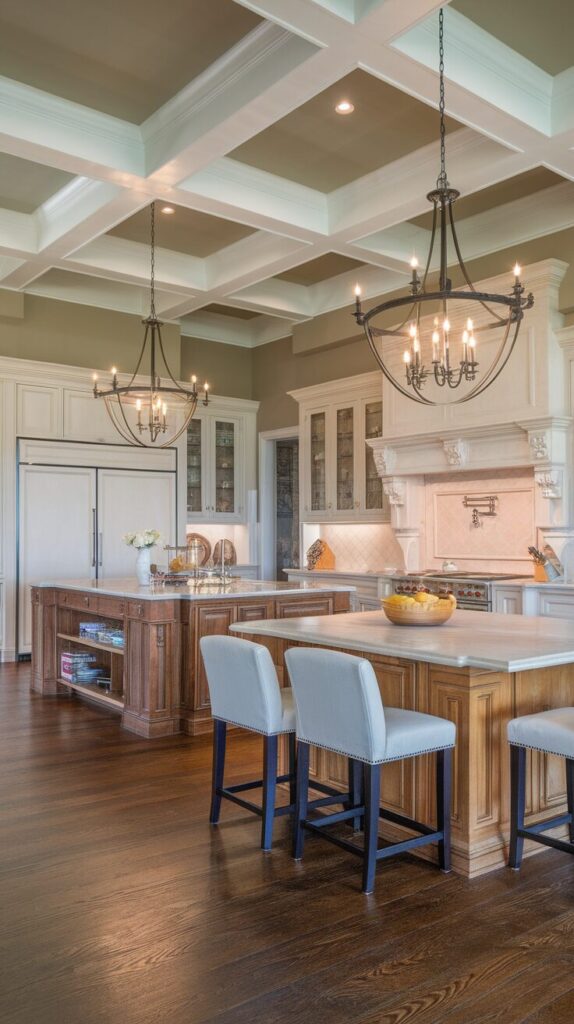
Yes, Two Islands Can Make Sense
Double island kitchens sound extra, but they make sense in large households or serious cooking spaces. I first thought this idea was overkill until I cooked in one, and then it clicked.
One island handles prep while the other focuses on seating or serving. This separation keeps traffic out of your cooking zone.
How to Avoid Overdoing It
Balance matters more than symmetry here. I usually recommend different functions and slightly different sizes.
- Prep island with sink and storage
- Social island with seating
- Clear pathways between zones
This layout feels indulgent but incredibly practical if space allows.
8. Kitchen Island with Integrated Appliances
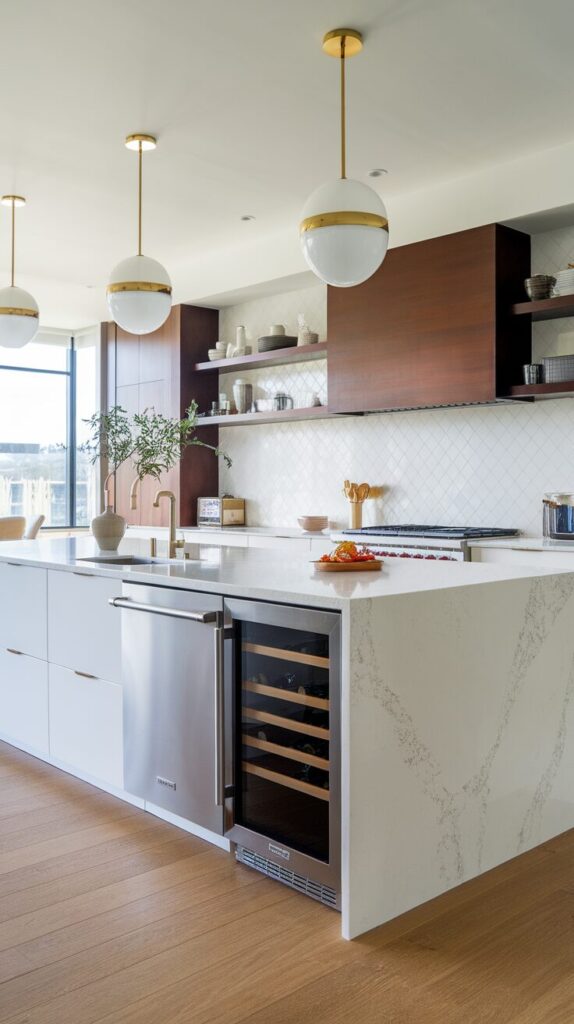
When the Island Does More Work
Integrating appliances into your island frees up wall space and improves workflow. I personally love islands with dishwashers or beverage fridges because they keep clutter away from main prep areas.
This layout works best in open kitchens where wall space feels precious.
Appliances That Work Best in Islands
Not every appliance belongs in an island, but some shine there.
- Dishwashers for easy cleanup
- Wine or beverage coolers
- Microwaves with drawer designs
Ever wondered why your kitchen feels crowded? Moving appliances into the island can fix that.
9. Rustic Kitchen Layout with a Statement Island
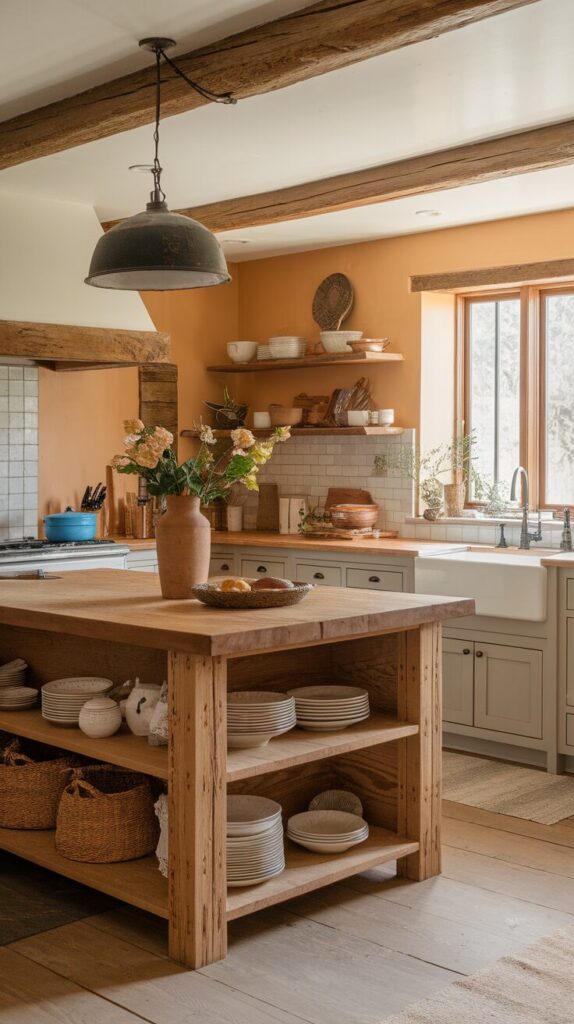
Style Meets Function
Rustic kitchens thrive on character, and the island often becomes the star. I adore chunky wood islands with visible grain because they ground the space emotionally and visually.
This layout often pairs well with farmhouse or cottage styles, but it can adapt to modern rustic looks too.
Designing the Statement
The island should feel intentional and bold without overpowering the room.
- Use reclaimed wood or butcher block tops
- Add open shelving or baskets
- Choose warm lighting for ambiance
A rustic island invites people to lean, chat, and linger, which feels like the whole point of a kitchen.
10. Modern Minimalist Kitchen with a Sleek Island
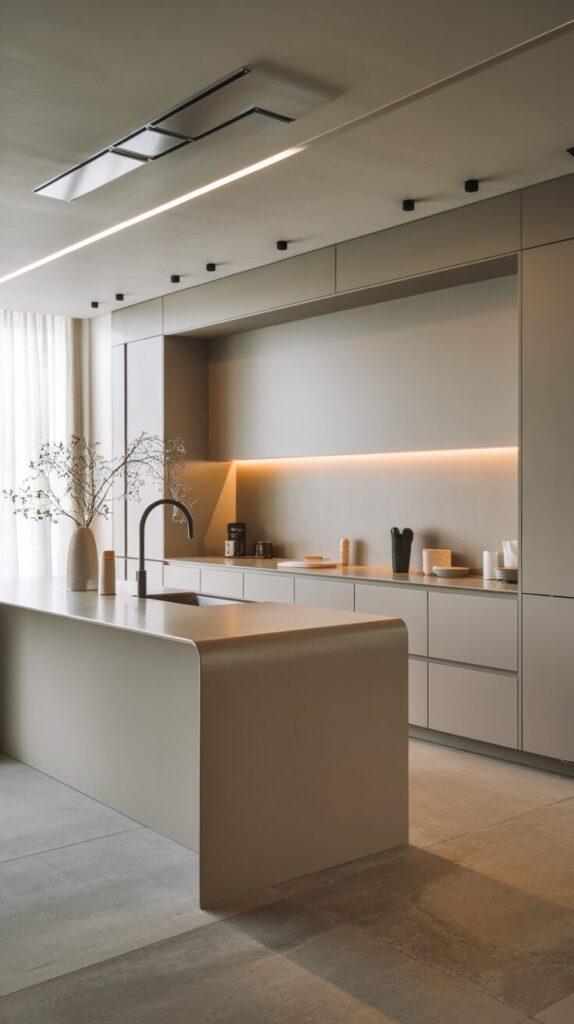
Clean Lines, Smart Choices
Minimalist kitchens rely on islands to add function without visual noise. I appreciate how a sleek island can hide storage while looking effortless.
This layout suits people who love clean surfaces and hate clutter. The island becomes a quiet hero rather than a loud centerpiece.
Key Design Elements
Minimalism still needs warmth and practicality. I usually focus on materials and proportions.
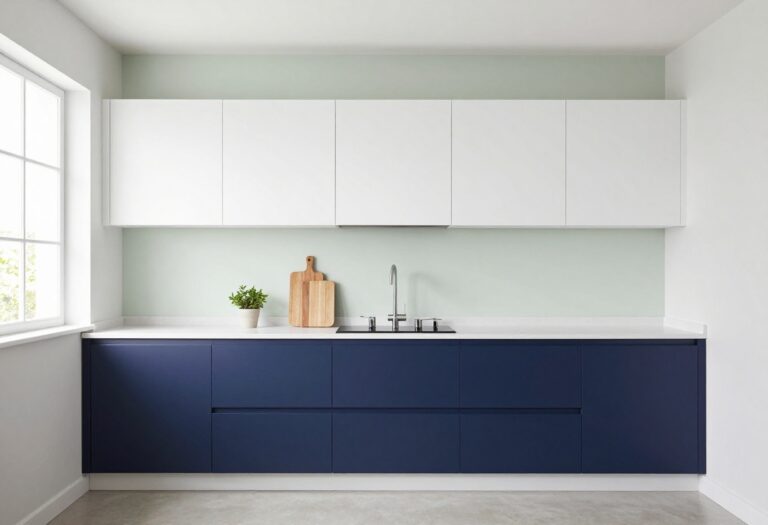
- Flat panel cabinetry
- Integrated handles or push to open drawers
- Neutral or monochrome color palettes
This layout proves that simple does not mean boring, right?
Choosing the Right Island Size and Placement
Island size and placement can make or break your kitchen. I always start by measuring clearance because comfort matters more than aesthetics. You want to move, cook, and open appliances without playing kitchen Tetris.
- Minimum 36 inches of clearance
- 42 inches for high traffic kitchens
- At least 12 inches overhang for seating
Ever cooked in a cramped kitchen? You know exactly why these numbers matter.
Materials That Work Best for Kitchen Islands
Material choice affects durability and vibe. I have spilled, scratched, and tested enough surfaces to have opinions here.
- Quartz for low maintenance
- Granite for natural beauty
- Butcher block for warmth and prep friendly use
Choosing the right material saves you future frustration, trust me.
Lighting Your Kitchen Island Properly
Lighting sets the mood and improves function. I always prioritize task lighting over the island because shadows ruin prep work fast.
- Pendant lights for focus
- LED strips for subtle glow
- Dimmers for flexibility
Good lighting turns a good kitchen into a great one.
Storage Ideas That Maximize Island Potential
Storage often becomes the hidden superpower of kitchen islands. I love deep drawers because they keep everything visible and accessible.
- Pull out trash and recycling
- Drawer organizers for utensils
- Hidden shelves for appliances
Why waste valuable island space with empty cabinets?
Seating Options That Actually Feel Comfortable
Seating can look great but feel awful if you choose wrong. I always test stool height and legroom because comfort keeps people lingering.
- Counter height stools for casual use
- Backrests for longer seating
- Footrests for comfort
Ever sat on a stool that felt like punishment? Yeah, avoid that.
Frequently Asked Questions
How large should a kitchen island be?
Most kitchen islands range from 4 to 7 feet long, depending on room size. I recommend leaving at least 36 inches of clearance on all sides for comfort and safety.
Can a small kitchen really handle an island?
Yes, if you plan carefully. Slim or mobile islands work well in compact kitchens and provide extra prep space without overcrowding the room.
Should I put a sink or cooktop in my island?
It depends on workflow. I prefer adding a sink for prep efficiency, but only if plumbing and spacing allow proper clearance.
What is the best countertop material for an island?
Quartz remains a top choice because it offers durability and low maintenance. Granite works well too, while butcher block suits warm, rustic kitchens.
How many seats should I add to my island?
That depends on island length and overhang depth. Most islands comfortably support two to four seats without crowding.
Do kitchen islands increase home value?
In many cases, yes. Buyers often look for functional kitchens with islands, especially in open concept layouts that support entertaining and everyday living.
Final Thoughts
Kitchen islands change how you cook, gather, and live in your space, and the right layout makes all the difference. I have seen islands turn chaotic kitchens into calm, functional hubs, and I still get excited about that transformation.
Think about how you actually use your kitchen, choose a layout that supports your habits, and let the island work for you instead of against you. If you ask me, the best kitchen island feels less like furniture and more like the heart of the home.