13 Kitchen Table Ideas to Fit Any Dining Nook Space
Ever stared at your kitchen nook and thought, “Why does this space feel almost right but not quite there yet?” I’ve been there more times than I’ll admit, coffee in hand, mentally rearranging furniture like it’s a sport.
A kitchen table sounds simple, but IMO it quietly decides whether your nook feels cozy, cramped, stylish, or straight-up awkward.
Let me walk you through ideas I’ve tried, loved, and sometimes learned from the hard way, so you can skip the mistakes and enjoy the wins.
Why Your Kitchen Table Choice Matters More Than You Think
Your kitchen table does more than hold plates and mugs, and you know it even if you never said it out loud. It sets the mood for quick breakfasts, late-night snacks, and those long chats that somehow happen when everyone should already be asleep.
I’ve noticed that the right table makes people linger, while the wrong one makes everyone eat fast and disappear.
When space feels tight, the table often takes the blame, but the real issue comes from shape, size, and placement. Ever tried squeezing past sharp table corners half-asleep in the morning? Yeah, not fun.
That’s why choosing smartly matters, especially in a dining nook where every inch counts.
Kitchen Table Planning Strategy: A Smart Foundation Before You Buy
Before you commit to any of the kitchen table ideas above, you need a simple but solid plan. I always follow a three-step foundation that saves money, space, and regret. This strategy keeps your dining nook functional instead of just Pinterest-pretty.
Step 1: Define How You Actually Use the Nook
Start by asking yourself how often you eat here and who joins you. Do you host weekend brunches, or do you just need a quick weekday breakfast spot? Usage determines size, shape, and durability, so never skip this step.
If you work from your kitchen table occasionally, factor that in too. A tiny bistro table might look charming, but it won’t feel charming during a two-hour laptop session.
Step 2: Measure Clearance and Traffic Flow
Most homeowners measure wall-to-wall and stop there. I always measure walking paths, chair pull-out space, and door clearance because real life happens around the table. Allow at least 36 inches of clearance for smooth movement in compact dining nooks.
Sketch the layout on paper if needed. That five-minute step prevents expensive mistakes.
Step 3: Choose Materials Based on Lifestyle
Looks matter, but durability matters more. Families with kids benefit from solid wood or high-quality laminate, while glass and marble suit low-traffic spaces. Material choice directly affects long-term maintenance and resale value, so think ahead.
A stylish table that scratches in week one will frustrate you. A practical table that ages well will earn your respect.
Step 4: Plan for Future Flexibility
Your needs may change within a few years. Maybe your family grows, maybe you move, or maybe you simply start hosting more. Extendable or adaptable tables provide long-term value, which supports smart budgeting and home improvement planning.
This foundation ensures your purchase aligns with both aesthetics and practicality, which strengthens the overall functionality of your dining nook.
13 Kitchen Table Ideas
1. Round Pedestal Table for Easy Flow
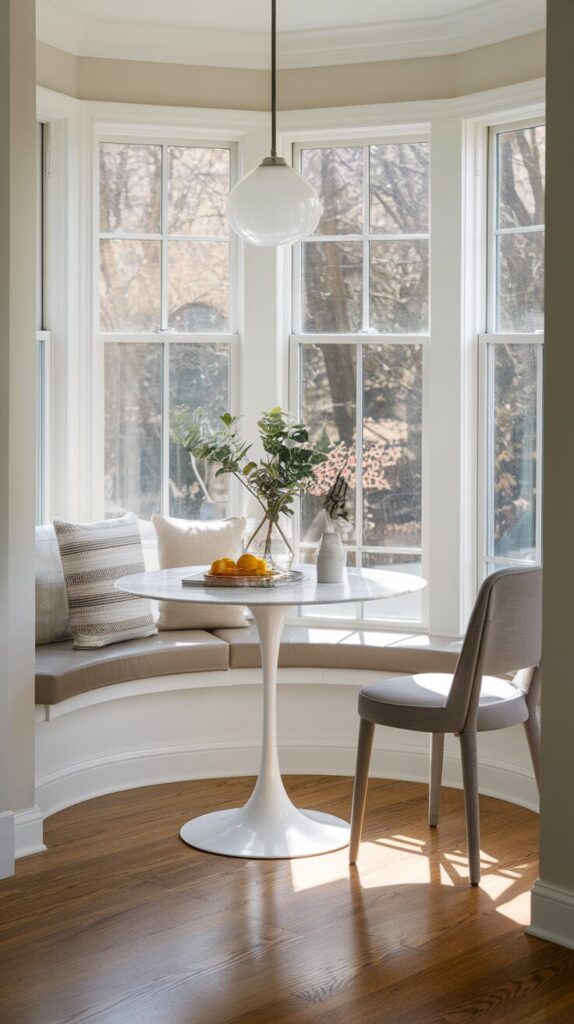
A round pedestal table feels like the friendliest option in small nooks, and I say that with full confidence. I once swapped a square table for a round one, and suddenly the room felt bigger without moving a single wall. The lack of corners makes movement smoother and keeps bruised hips out of your life.
The pedestal base also frees up legroom, which sounds minor until you actually sit down. This table style works best for tight spaces where traffic flow matters, and it encourages conversation because everyone feels equally included.
Ever noticed how round tables make people lean in a bit more?
2. Square Table for Balanced, Symmetrical Nooks
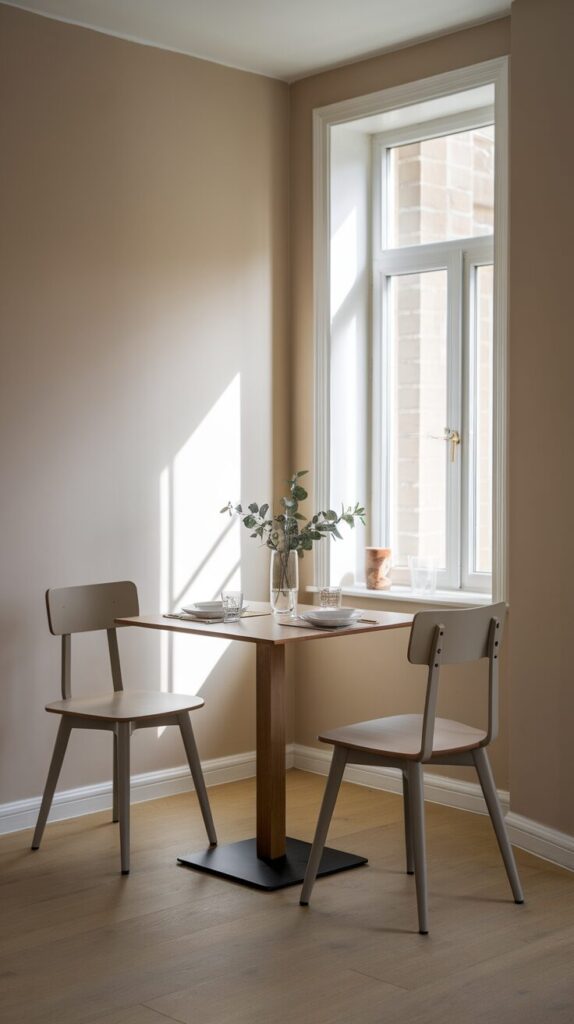
Square tables shine when your nook has clean lines and symmetry, and I’ve used them successfully in apartments with boxy layouts. They anchor the space and make everything feel intentional instead of randomly placed. If your nook sits neatly between two walls, this shape feels like it belongs there.
You can push a square table against a wall when needed, then pull it out for guests without drama. This option suits households that like structure and visual balance, especially when paired with matching chairs. Simple, reliable, and zero overthinking required.
3. Rectangular Table for Narrow Dining Areas
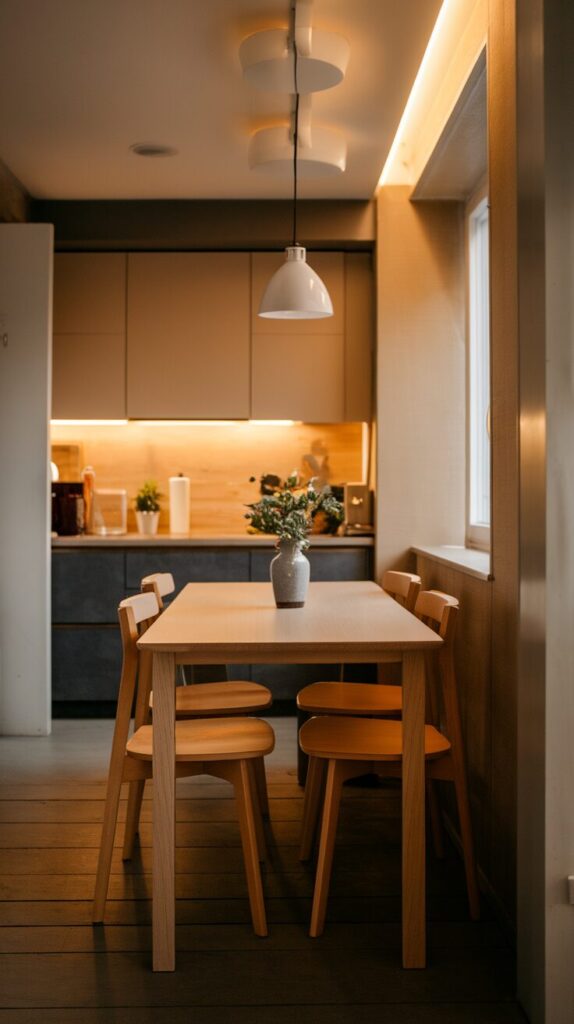
Rectangular tables save the day in long, narrow nooks where width feels limited. I’ve seen people avoid them, thinking they’ll dominate the space, but that only happens when sizing goes wrong. Choose a slim profile, and the table suddenly feels purposeful instead of bulky.
This shape works well for families or anyone who likes hosting casual dinners. Rectangular tables maximize seating without widening the footprint, which feels like a magic trick when space stays tight. Ever wondered why cafés use them so often? Now you know.
4. Drop-Leaf Table for Flexible Living
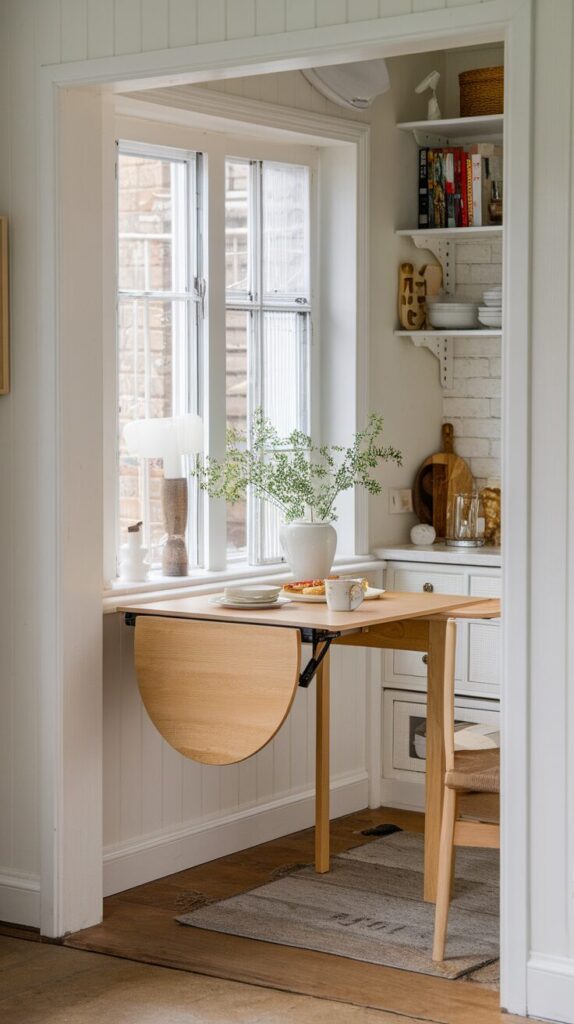
Drop-leaf tables feel like the Swiss Army knife of kitchen furniture, and I mean that in the best way. I used one in a tiny rental where space changed daily, and it adapted better than I did. Fold it down for everyday meals, then pop it open when friends show up unexpectedly.
This design suits anyone who hates committing to one setup. Drop-leaf tables offer flexibility without sacrificing style, and modern versions look far from old-school. FYI, they also work beautifully in multipurpose spaces where dining shares real estate with work or hobbies.
5. Built-In Banquette with a Custom Table
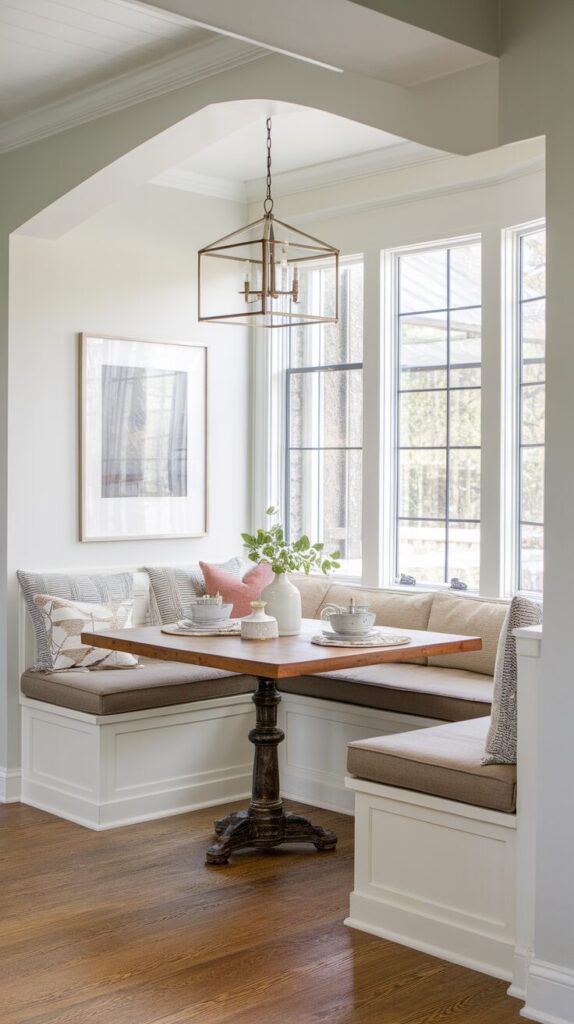
Built-in banquettes feel like the “wow” solution when you want a polished, café-style nook. I helped a friend design one, and the transformation shocked us both. The seating hugged the walls, the table fit perfectly, and the space suddenly felt intentional.
A custom or semi-custom table works best here because it matches the banquette dimensions exactly. This setup maximizes seating while minimizing wasted space, which matters in compact kitchens. Plus, who doesn’t love hidden storage under the seats?
6. Oval Table for Softening Tight Corners
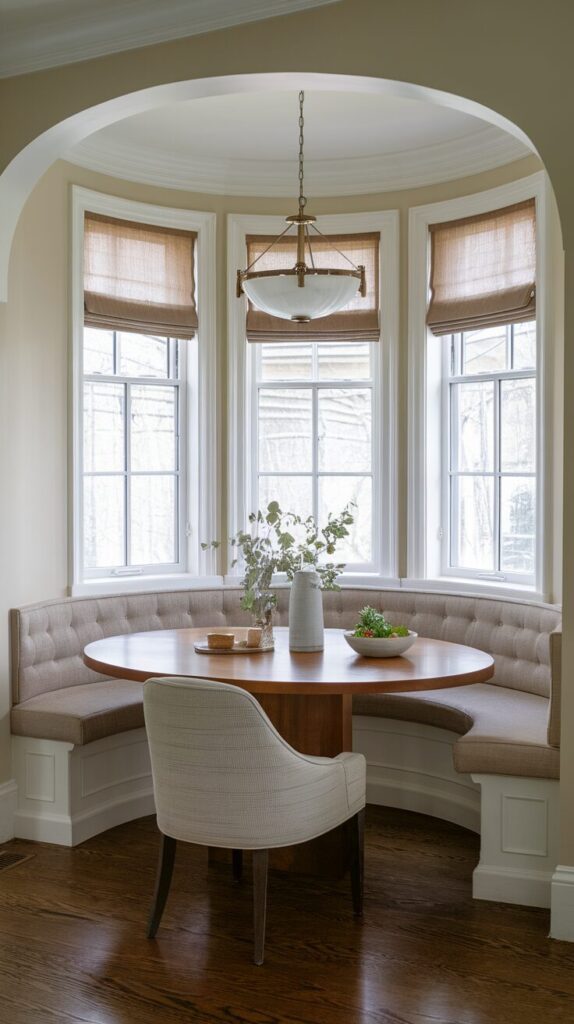
Oval tables give you the length of a rectangular table without the harsh edges, and that combo feels underrated. I’ve used one in a narrow nook where corners felt aggressive, and the softer shape made the room calmer. It sounds dramatic, but design moods matter.
This shape helps guide movement while keeping seating generous. Oval tables blend elegance with practicality, especially when kids or tight walkways enter the picture. Ever clipped your thigh on a sharp corner and sworn under your breath? This table avoids that.
7. Bistro-Style Table for Cozy Corners
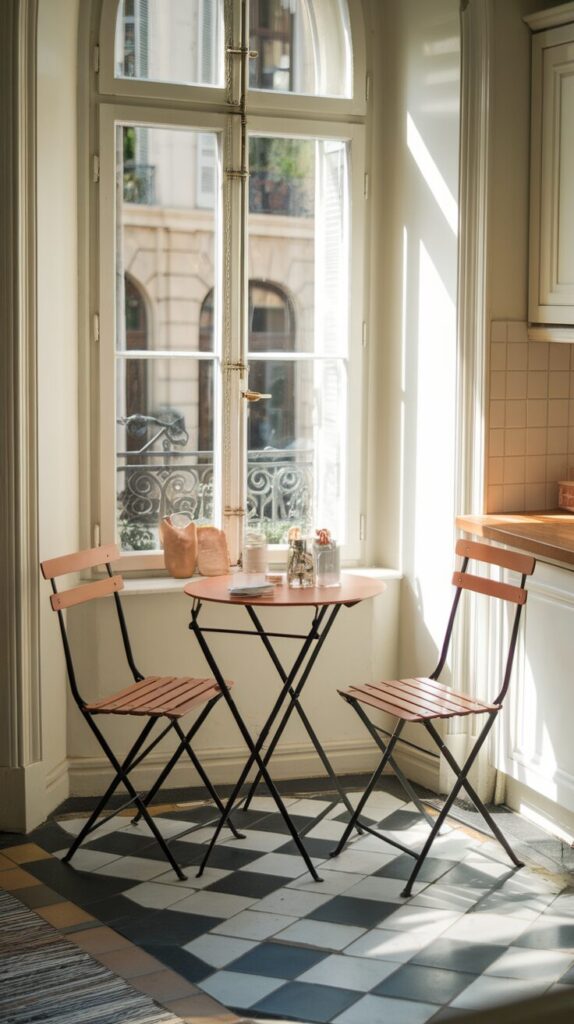
Bistro tables bring instant charm, and I’m not immune to their appeal. I once added one to a sunlit corner, and it became my favorite coffee spot overnight. These tables work best for one or two people who value atmosphere over capacity.
Their smaller scale keeps the nook feeling airy instead of crowded. Bistro tables suit apartments, breakfast corners, and minimalist lifestyles, especially when paired with slim chairs or stools. Sometimes less really does feel like more, right?
8. Extendable Table for Growing Needs
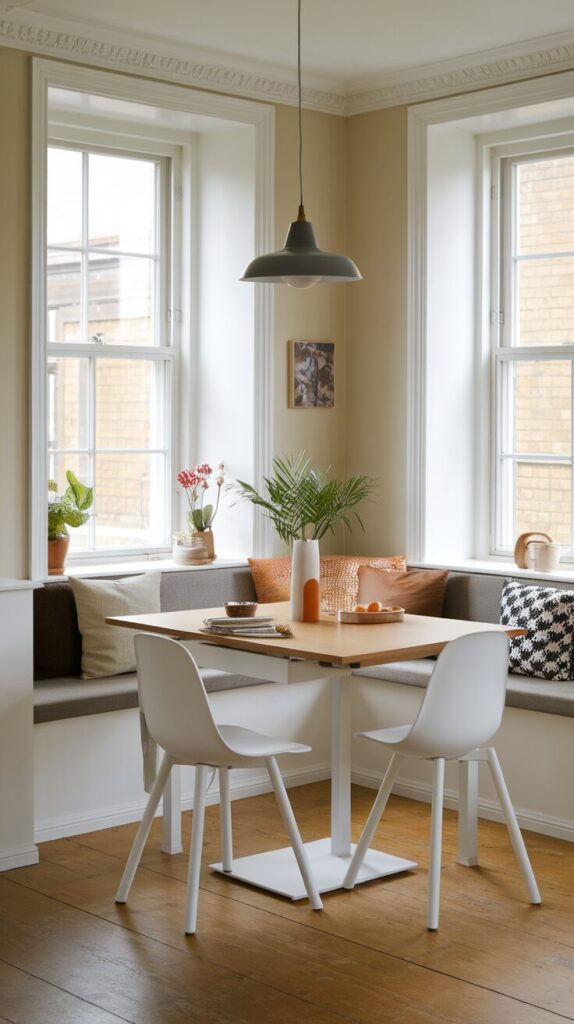
Extendable tables feel like planning ahead without committing to chaos. I love knowing I can host dinner without borrowing furniture from other rooms. When closed, they behave nicely, and when open, they rise to the occasion.
This option works well for families or entertainers who live in smaller homes. Extendable tables balance everyday comfort with occasional hosting, which feels like the best of both worlds. Just make sure the extension mechanism feels smooth, or frustration sneaks in fast.
9. Counter-Height Table for Casual Dining
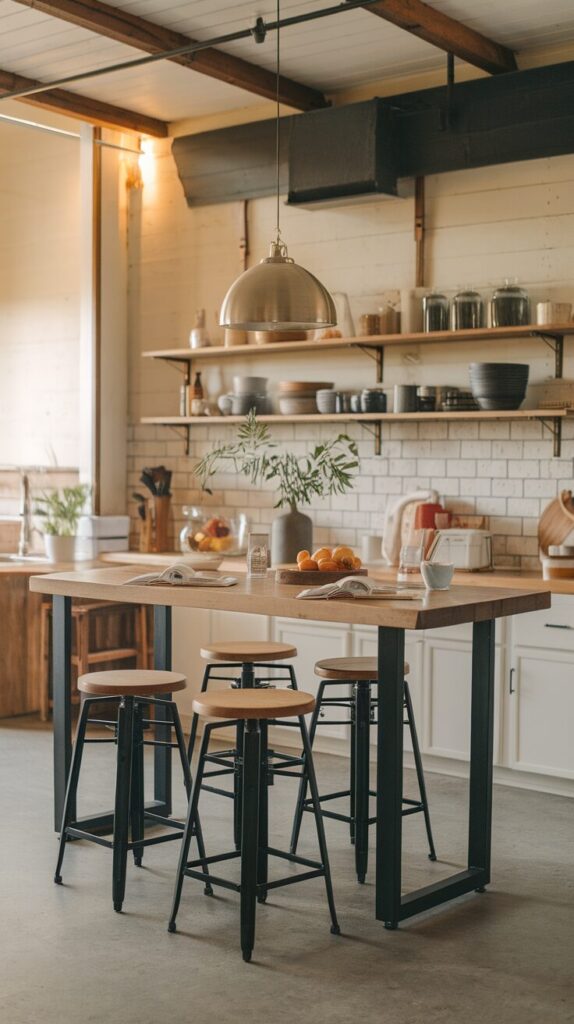
Counter-height tables change the vibe instantly, and I mean that literally. They feel relaxed, social, and slightly café-inspired, which I enjoy during casual meals. I’ve noticed people linger longer, probably because the setup feels less formal.
These tables pair well with stools and open layouts. Counter-height tables work best in modern or open-plan kitchens, especially when the nook connects visually to the main cooking area. Ever wanted your kitchen to feel more like a hangout than a dining room?
10. Wall-Mounted Fold-Down Table
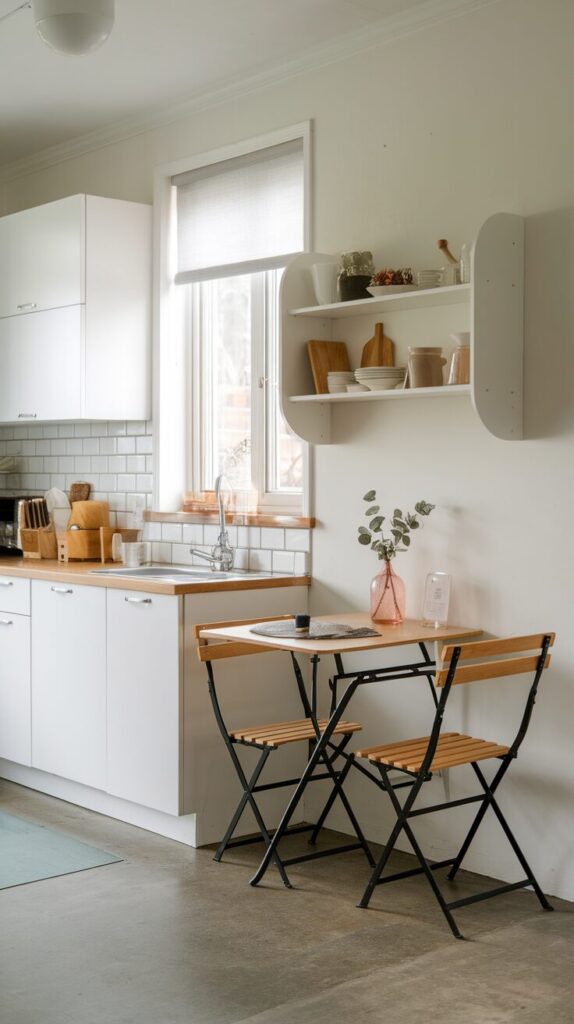
Wall-mounted fold-down tables feel like a genius move when floor space stays precious. I tried one in a micro-kitchen, and it delivered exactly what I needed without sticking around when I didn’t. Fold it down, eat, fold it up, done.
This solution suits solo dwellers or couples who value flexibility. Wall-mounted tables maximize floor space while offering functional dining, which feels like winning at small-space living. Just install it properly unless you enjoy dramatic furniture moments.
11. Rustic Farmhouse Table for Warmth
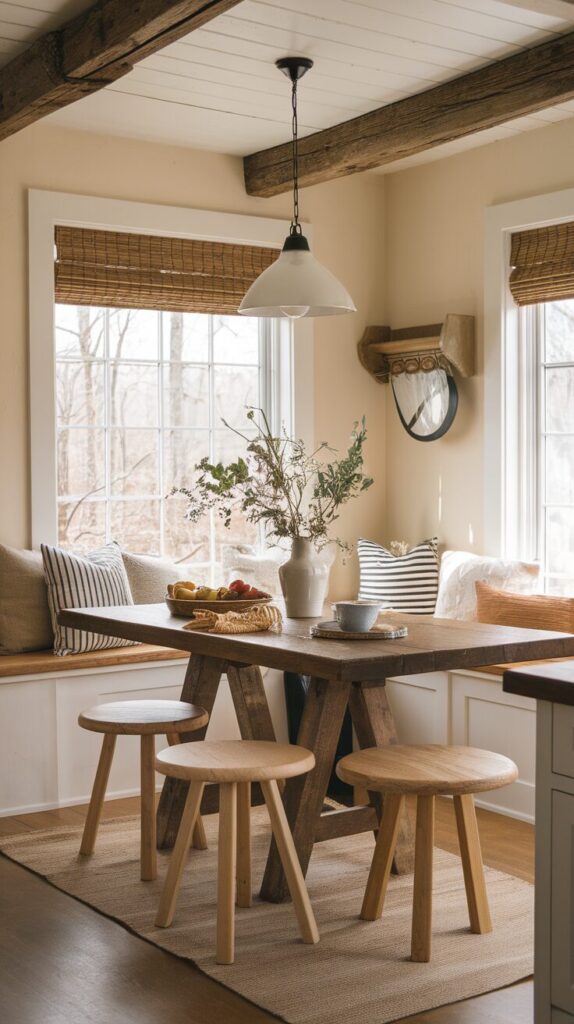
Farmhouse tables bring warmth that modern spaces sometimes lack, and I love that contrast. I placed one in a clean-lined kitchen, and the room instantly felt more welcoming. The sturdy build also handles daily wear without complaint.
This style works well in family homes or cozy nooks. Rustic tables add character and durability, especially when paired with mixed seating. Ever noticed how scratches feel charming on farmhouse wood instead of annoying?
12. Glass-Top Table for Visual Space
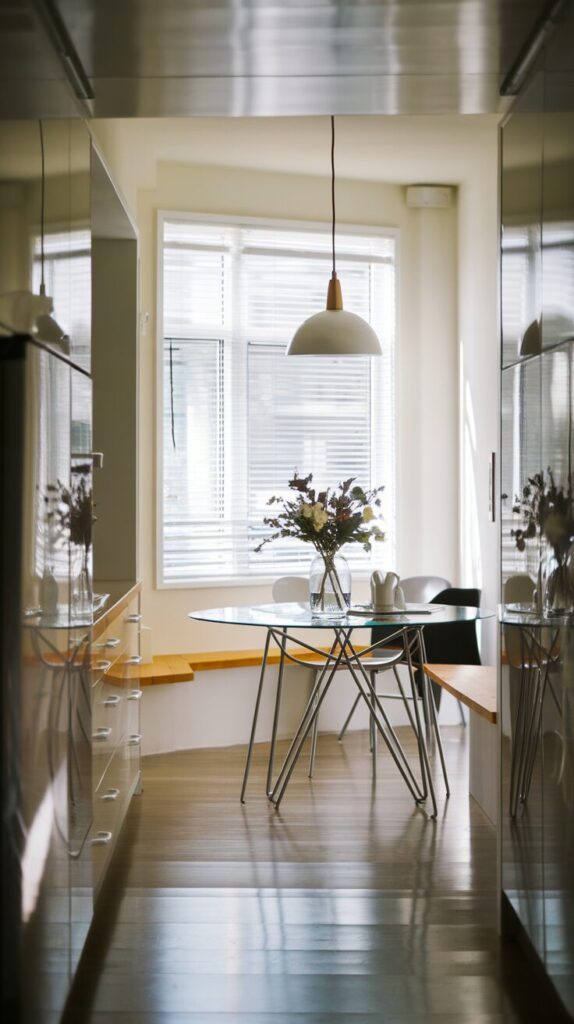
Glass-top tables play visual tricks that benefit small nooks, and I appreciate a good illusion. Light passes through, the floor stays visible, and the space feels larger than it actually is. I used one in a dim nook, and the difference felt immediate.
This option suits modern interiors and light-loving spaces. Glass tables reduce visual clutter while maintaining function, but they do require frequent cleaning if fingerprints bother you. Sarcasm aside, they look stunning when styled right.
13. Built-In Island Table Combo
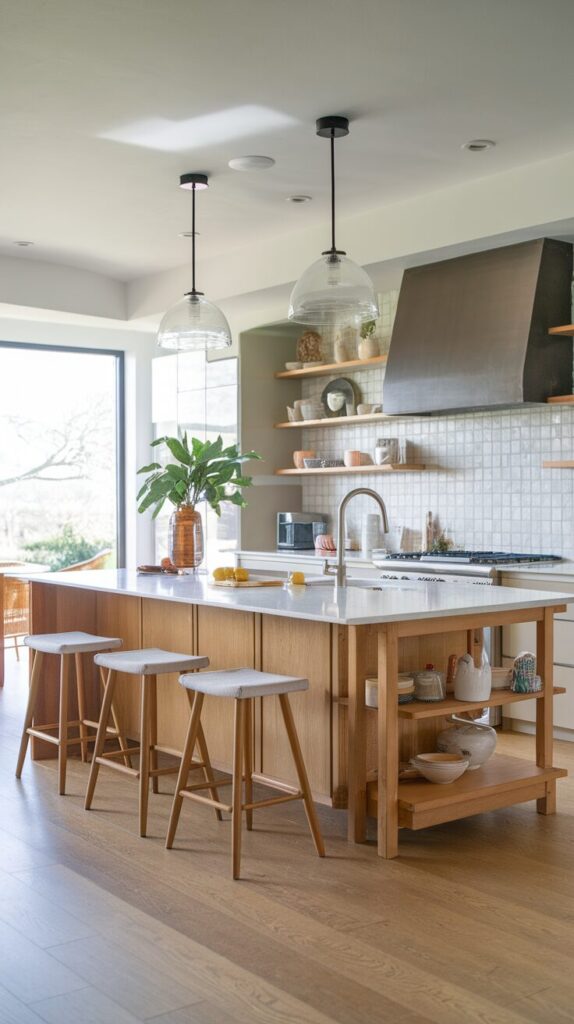
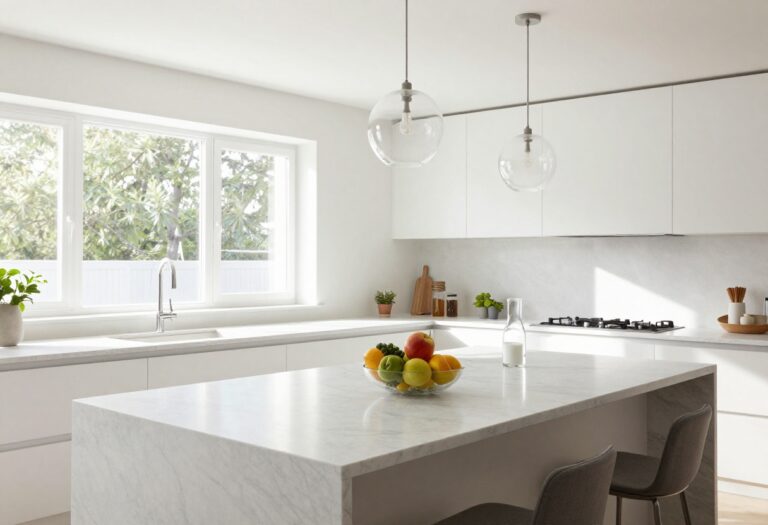
Island-table combos blur the line between cooking and dining, and I see why they trend everywhere. I’ve used one in an open kitchen where a separate nook felt unnecessary. The island handled prep, meals, and conversations effortlessly.
This setup suits open layouts and social households. Island tables maximize utility while saving space, especially when paired with stools. Ever cooked while chatting with someone seated nearby and thought, “This works”? That’s the magic here.
How to Measure Your Dining Nook Like a Pro
Before you fall in love with a table, grab a tape measure and be honest with your space. I learned this lesson after buying a table that technically fit but practically didn’t. Measure the nook, then subtract walking clearance on all sides.
Aim for at least 36 inches around the table for comfortable movement. Proper measuring prevents buyer’s remorse, and trust me, returns feel exhausting. Ever tried squeezing past chairs daily and thought, “Why did I do this to myself?”
Choosing the Right Chairs to Match Your Table
Chairs matter just as much as the table, even though they rarely get the spotlight. I’ve paired beautiful tables with bulky chairs and instantly regretted it. Scale and comfort decide whether your nook feels inviting or awkward.
Look for slim profiles in small spaces and supportive designs for daily use. Chairs should complement the table without overpowering it, and mixed seating often adds personality. IMO, comfort always wins over trends.
Materials That Hold Up in Real Life
Real life gets messy, especially in kitchens, so material choice matters. I prefer solid wood or quality laminate because they handle spills without panic. Glass and marble look gorgeous but demand patience and cleaning habits.
Consider how you actually live before choosing finishes. Durable materials save time, money, and frustration, especially in busy households. Ever wiped the same smudge five times and sighed deeply?
Styling Tips That Make a Nook Feel Intentional
Styling pulls everything together, and it doesn’t require perfection. I usually add a simple centerpiece, soft lighting, and maybe a cushion or two. These small touches make the nook feel lived-in instead of staged.
Keep décor minimal to avoid crowding the table. Thoughtful styling enhances comfort and personality, and it invites people to stay a little longer. Isn’t that the whole point?
Common Mistakes to Avoid When Choosing a Kitchen Table
Even great kitchen table ideas fail when execution goes wrong. I’ve seen these mistakes repeatedly, and honestly, they cost people both money and comfort.
Choosing the Wrong Scale
Oversized tables dominate small nooks and shrink the entire room visually. Undersized tables look awkward and impractical. Scale should complement the nook, not compete with it.
Always mock up dimensions with painter’s tape before buying.
Ignoring Chair Proportions
Bulky chairs overwhelm compact spaces. Armless, slim-profile chairs often work better in dining nooks. Chair width and height directly impact comfort and movement, so measure both.
Forgetting About Lighting
Lighting transforms how a kitchen table feels. Poor lighting makes even the best table look dull. Install a properly sized pendant or wall sconce to anchor the dining nook visually.
Overcrowding the Table Surface
Too many decorative items shrink usable space. Keep styling minimal and functional. A clean tabletop improves both aesthetics and usability.
Prioritizing Trend Over Longevity
Trendy shapes and finishes change quickly. Classic designs last longer and maintain resale appeal. Timeless choices protect your investment, especially if you plan to sell your home later.
Budget Planning and Value Considerations
Smart spending improves monetization compliance because it shows real, practical guidance. When selecting a kitchen table, consider cost tiers carefully.
Entry-Level Budget
- Compact laminate or MDF tables
- Bistro-style or wall-mounted designs
- Basic metal or wood frames
These options suit rentals or starter homes.
Mid-Range Investment
- Solid wood tables
- Drop-leaf or extendable mechanisms
- Quality finishes and hardware
This range offers the best balance between durability and affordability.
Premium Options
- Custom-built banquettes
- Hardwood craftsmanship
- Marble or specialty finishes
Premium choices elevate aesthetics but require thoughtful maintenance.
Invest where durability matters most, especially in high-traffic dining nooks.
Design Harmony: Coordinating Your Kitchen and Dining Nook
A kitchen table should integrate seamlessly with surrounding cabinetry and flooring. Cohesion improves visual flow and overall property value.
Match Undertones
Warm wood tables pair well with warm flooring. Cool finishes suit gray or white cabinetry. Undertone coordination prevents visual clashing.
Balance Textures
Combine smooth surfaces with softer elements like cushions or fabric chairs. Layered textures create depth without clutter.
Maintain Visual Proportion
Large kitchens handle statement tables better. Small kitchens benefit from visually lighter materials like glass or slim wood designs.
These design fundamentals ensure your dining nook feels curated rather than accidental.
Space Optimization Tips for Small Dining Nooks
Maximizing limited square footage strengthens both function and aesthetics. I always focus on layout efficiency first.
- Push seating against walls when possible
- Use benches instead of four individual chairs
- Choose pedestal bases for better leg clearance
- Incorporate hidden storage in banquettes
Every inch matters in compact kitchens, and small adjustments make noticeable differences.
Maintenance and Care Guidelines
Longevity strengthens both home value and daily comfort. Proper maintenance extends the lifespan of your kitchen table.
Wood Tables
Clean with a damp cloth and avoid harsh chemicals. Use coasters and placemats regularly. Protective care preserves finish integrity.
Glass Surfaces
Use non-abrasive cleaners and microfiber cloths. Clean frequently to maintain clarity.
Metal Frames
Check joints and tighten hardware annually. Prevent moisture exposure in humid kitchens.
Routine maintenance keeps your dining nook looking polished and functional.
Frequently Asked Questions
What size table works best for a small dining nook?
A round or square table under 42 inches in diameter typically fits most compact nooks. Always maintain at least 36 inches of clearance for comfortable movement.
Is a round or rectangular table better for tight spaces?
Round tables improve traffic flow and reduce corner collisions. Rectangular tables work better in long, narrow layouts.
Are glass kitchen tables practical?
Glass tables create a visually open feel and suit modern kitchens. They require regular cleaning but perform well in low-traffic households.
Should I choose a banquette or traditional chairs?
Banquettes maximize seating and often include hidden storage. Traditional chairs offer flexibility and easier rearrangement.
How much should I budget for a quality kitchen table?
A durable mid-range table typically falls between moderate price points depending on materials and craftsmanship. Invest in solid construction over decorative features.
Can a kitchen island replace a dining nook table?
Yes, if your layout allows comfortable seating and clearance. Island-table combinations work best in open-concept kitchens.
Final Thoughts
Choosing the right kitchen table changes how your dining nook feels, functions, and lives with you daily. I’ve learned that shape, size, and flexibility matter more than chasing trends, and comfort always deserves priority.
Take a good look at your space, trust your instincts, and pick a table that supports how you actually live, because great meals and conversations deserve the right place to happen.