9 Shower Cubicle Ideas That Feel Fresh and Stylish
A shower cubicle tends to become the most overlooked part of the bathroom once the basics are in place. People focus on tiles and fixtures, then leave the actual layout feeling cramped, cluttered, or just… forgettable.
That usually shows up in small annoyances—water splashing everywhere, bottles stacking up awkwardly, or the space just looking a bit tired. I’ve messed up a couple of setups myself before figuring out what actually makes a shower cubicle feel clean, modern, and easy to use.
The good news is you don’t need a full renovation to fix it. A few smart layout tweaks and design choices can completely change how your shower looks and feels.
1. Frameless Glass Cubicle for a Clean Look
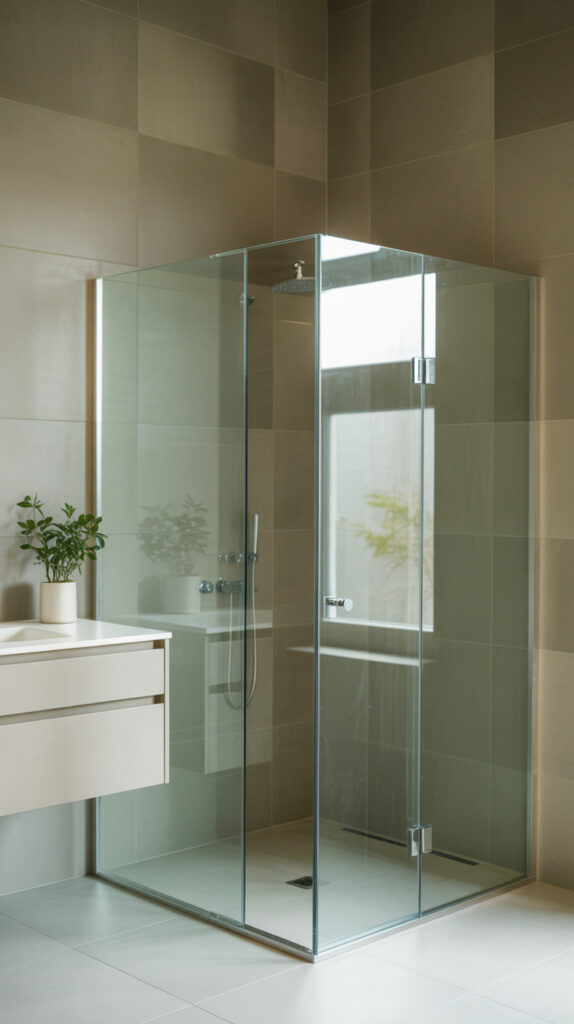
Tight bathrooms often feel even smaller when bulky shower frames break up the space visually. I’ve seen this happen a lot—perfectly decent bathrooms that just feel boxed in because of heavy metal frames.
Switching to a frameless glass cubicle instantly opens everything up. It creates that seamless look where your eye moves across the room without interruption, which makes the entire bathroom feel bigger and more polished.
I tried this in a small guest bathroom once, and it honestly looked like I knocked down a wall without actually touching anything structural.
Why This Works
Frameless glass removes visual barriers, which tricks the eye into seeing more space. It also reflects light better, making the area feel brighter and less cramped.
You also get a more modern, high-end finish without needing expensive materials elsewhere.
How to Do It
- Remove bulky framed enclosures if possible
- Install thick tempered glass panels for durability
- Use minimal metal hardware in matte or chrome finishes
- Ensure proper sealing at edges to prevent leaks
Style & Design Tips
Stick to clear glass instead of frosted if your goal is openness. Frosted glass looks nice but reduces that spacious effect.
Avoid over-accessorizing nearby areas, because clutter will be fully visible through the glass.
Pro Tip or Budget Hack
If full replacement isn’t an option, just upgrading the door panel to frameless can already improve the look without blowing your budget.
2. Half Wall Shower Cubicle for Privacy and Openness
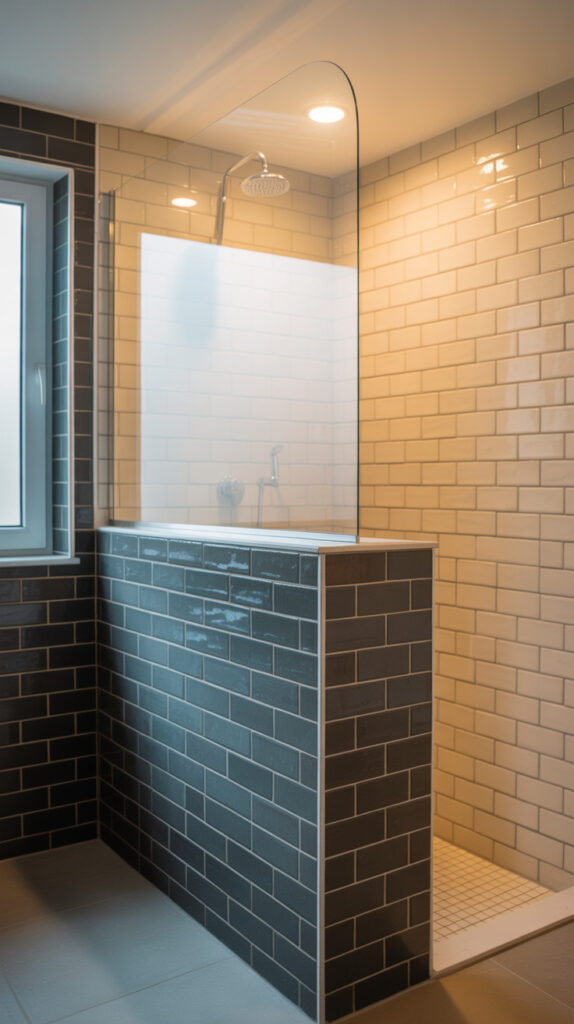
Some people love the open feel of glass, but not everyone wants full visibility in the shower. That’s where a half wall setup comes in—it gives you privacy without closing off the space.
I’ve noticed this works especially well in shared bathrooms where function matters just as much as style. It keeps things practical while still feeling airy.
It also adds a subtle architectural detail that makes the shower look more intentional.
Why This Works
The half wall creates a visual divide without blocking light or airflow. It keeps the space feeling open while still defining the shower area clearly.
It also gives you a built-in surface for storage or décor.
How to Do It
- Build a waist-height tiled wall
- Add a glass panel above for openness
- Waterproof thoroughly before tiling
- Match tiles with the rest of the bathroom for cohesion
Style & Design Tips
Use contrasting tiles on the half wall to make it stand out as a feature.
Avoid making the wall too thick, or it starts to feel bulky instead of sleek.
Pro Tip or Budget Hack
You can turn the top of the half wall into a mini shelf for plants or toiletries, saving space elsewhere.
3. Floor-to-Ceiling Tile Statement Cubicle
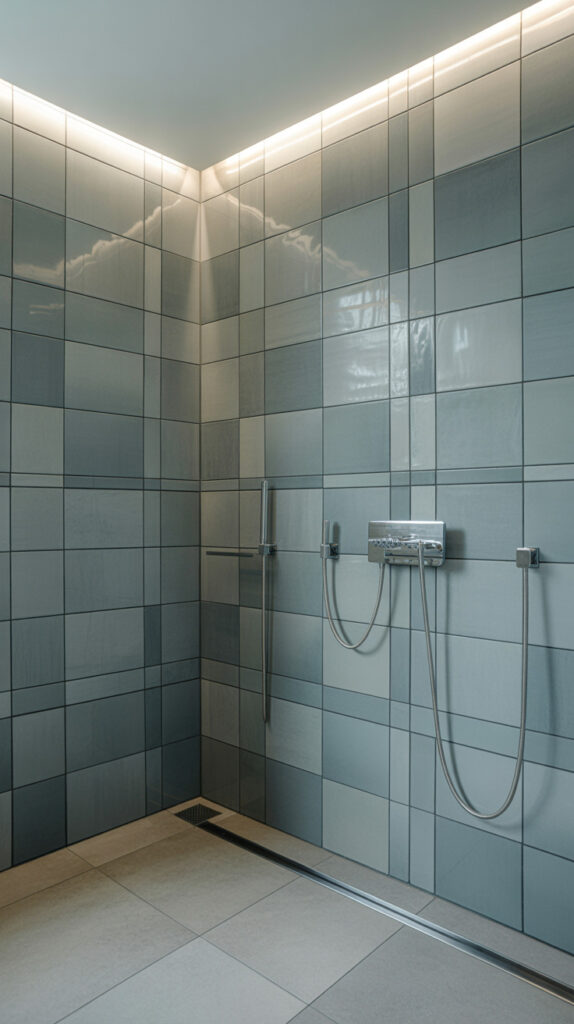
A lot of showers stop tile halfway or mix too many finishes, which ends up looking unfinished. Going floor-to-ceiling with a single tile style creates a much stronger visual impact.
I tried this with large-format tiles once, and it instantly made the shower feel more like a spa instead of just a functional corner.
It also reduces visual clutter, which is always a win.
Why This Works
Continuous tiling creates a unified look that feels intentional and clean. It eliminates awkward breaks that can make a space feel choppy.
It also improves durability and water resistance across the entire cubicle.
How to Do It
- Choose one primary tile style
- Install tiles from floor to ceiling
- Use minimal grout lines for a seamless effect
- Seal everything properly to prevent moisture issues
Style & Design Tips
Go for large tiles or vertical layouts to make the space feel taller.
Avoid mixing too many patterns, or you lose the clean effect.
Pro Tip or Budget Hack
Use premium tiles only on visible walls and more affordable ones on hidden areas to cut costs.
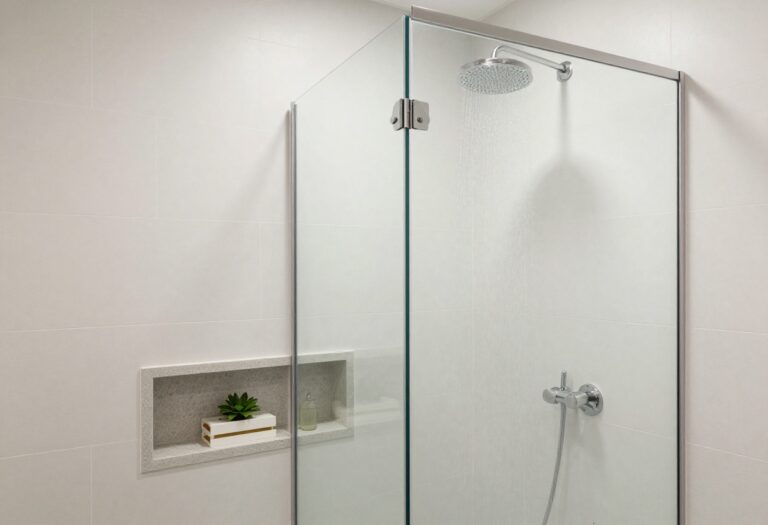
4. Built-In Niche Shelving for a Clutter-Free Shower
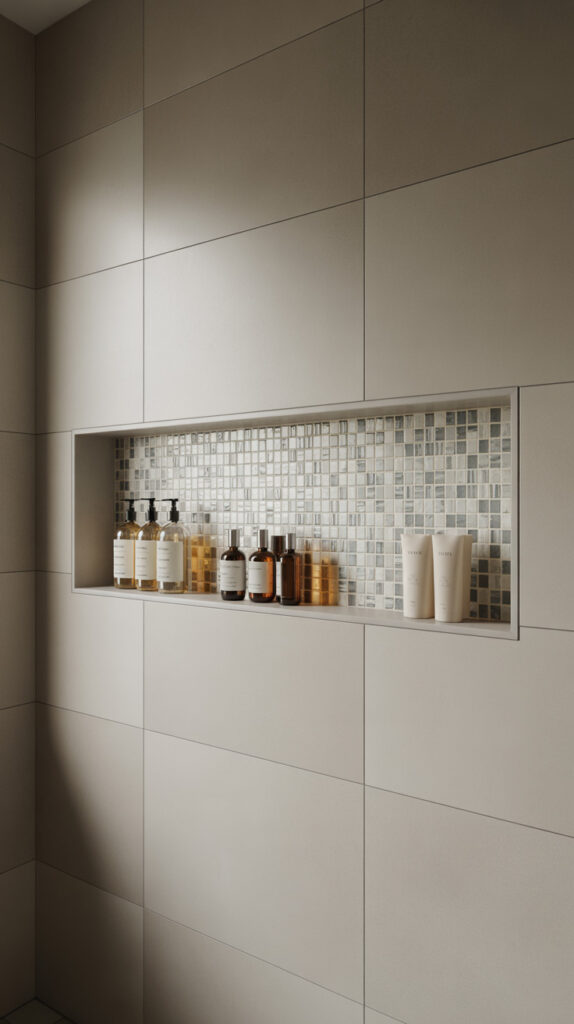
Shower corners filled with plastic racks are probably one of the quickest ways to ruin the look of a bathroom. I’ve been guilty of that too, and it always ends up looking messy no matter how clean everything is.
Built-in niches fix that instantly by giving everything a proper place. It keeps your essentials organized without adding visual clutter.
Plus, it just looks way more intentional.
Why This Works
Recessed storage keeps items within reach without taking up space. It also blends into the wall, maintaining a clean and streamlined look.
You avoid overcrowding the shower floor or corners.
How to Do It
- Plan niche placement during wall construction
- Cut out recessed space between studs
- Waterproof thoroughly
- Tile inside the niche to match or contrast
Style & Design Tips
Use accent tiles inside the niche for a subtle design feature.
Avoid placing the niche too low or too high—it should be easily reachable.
Pro Tip or Budget Hack
A single long horizontal niche can hold more items than multiple small ones and looks more modern.
5. Matte Black Fixtures for a Bold Upgrade
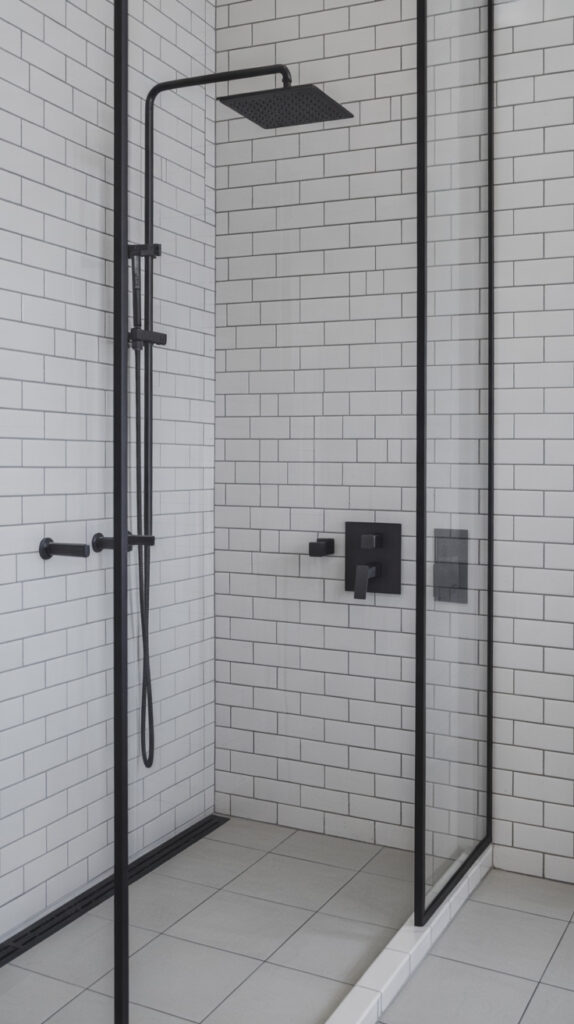
Standard chrome fixtures get the job done, but they don’t exactly stand out. Matte black hardware adds contrast and instantly gives the shower a more stylish, modern feel.
I was skeptical at first, but once I switched, the difference was obvious—it just feels more put together.
It works especially well in neutral or light-colored bathrooms.
Why This Works
Black fixtures create contrast, which adds depth and visual interest. They also pair well with almost any tile color.
They tend to hide water spots better than shiny finishes too.
How to Do It
- Replace showerheads, handles, and frames with matte black
- Keep finishes consistent across all fixtures
- Choose quality materials to prevent chipping
Style & Design Tips
Pair with white or light tiles for maximum contrast.
Avoid mixing too many metal finishes, or it starts to look uncoordinated.
Pro Tip or Budget Hack
Start small by replacing just the showerhead and handles before committing to a full upgrade.
6. Sliding Glass Doors for Space Efficiency
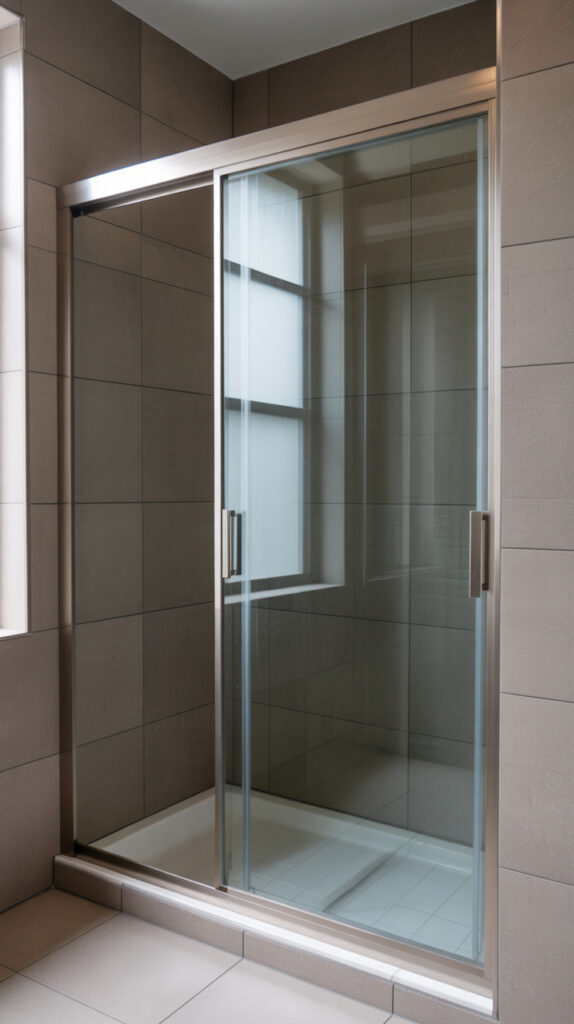
Swing doors can be a pain in smaller bathrooms, especially when they hit vanities or toilets. Sliding doors solve that problem while still looking sleek.
I’ve used this in tighter layouts, and it makes daily use way easier without sacrificing style.
It’s one of those changes you appreciate every single day.
Why This Works
Sliding doors don’t require extra clearance, making them perfect for compact spaces. They also create a smooth, modern look.
You get functionality without cluttering the layout.
How to Do It
- Install a track system at the top
- Use tempered glass panels
- Ensure smooth sliding hardware
- Seal edges properly to prevent leaks
Style & Design Tips
Choose minimal hardware designs for a cleaner look.
Avoid bulky tracks that draw too much attention.
Pro Tip or Budget Hack
If full installation is expensive, retrofit kits are available for existing setups.
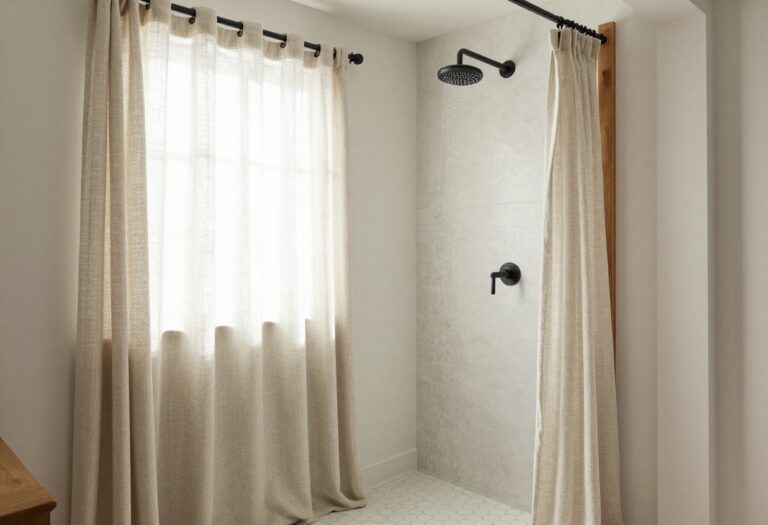
7. Walk-In Shower Cubicle with Open Entry
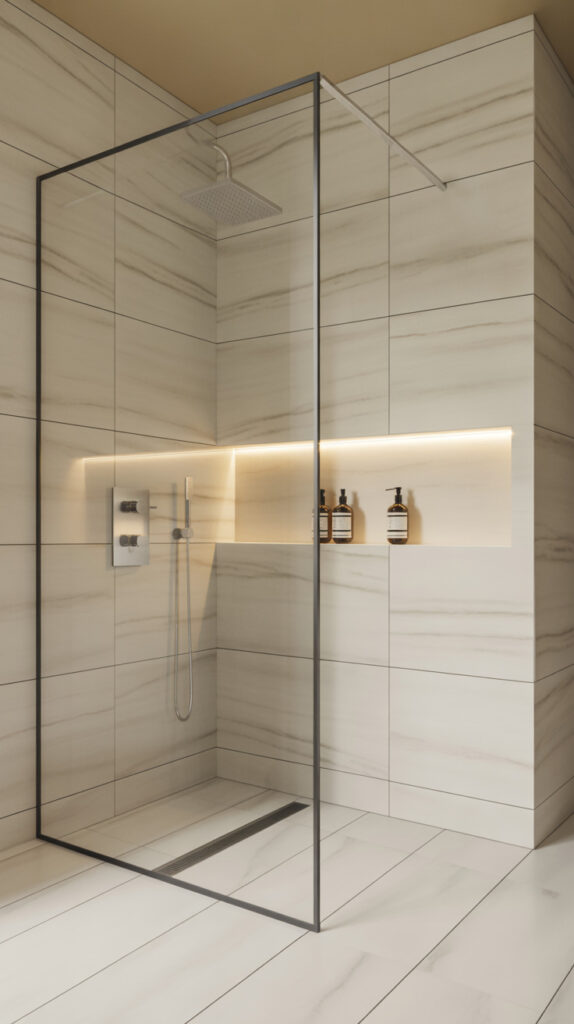
Doors aren’t always necessary, especially if you design the layout right. A walk-in shower cubicle feels open, modern, and honestly a bit luxurious.
I didn’t expect to like this as much as I do, but it quickly became my favorite setup.
It just feels effortless.
Why This Works
Open entry eliminates barriers, making the space feel larger and more accessible. It also improves airflow, reducing moisture buildup.
You get a spa-like feel without complex installations.
How to Do It
- Design a slightly angled or extended wall
- Ensure proper drainage slope
- Use a fixed glass panel for splash protection
- Install non-slip flooring
Style & Design Tips
Keep the layout simple and uncluttered to maintain the open feel.
Avoid placing it too close to other fixtures to prevent water splashes.
Pro Tip or Budget Hack
You can achieve this look with just one glass panel instead of a full enclosure.
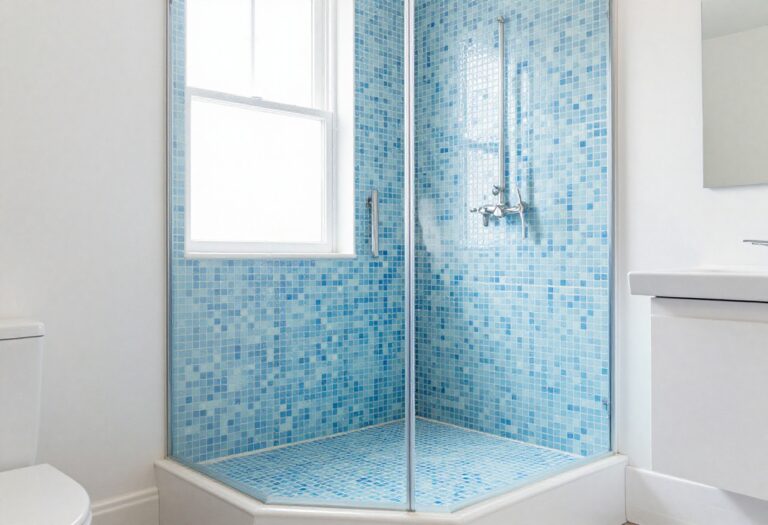
8. Textured or Patterned Tile Feature Wall
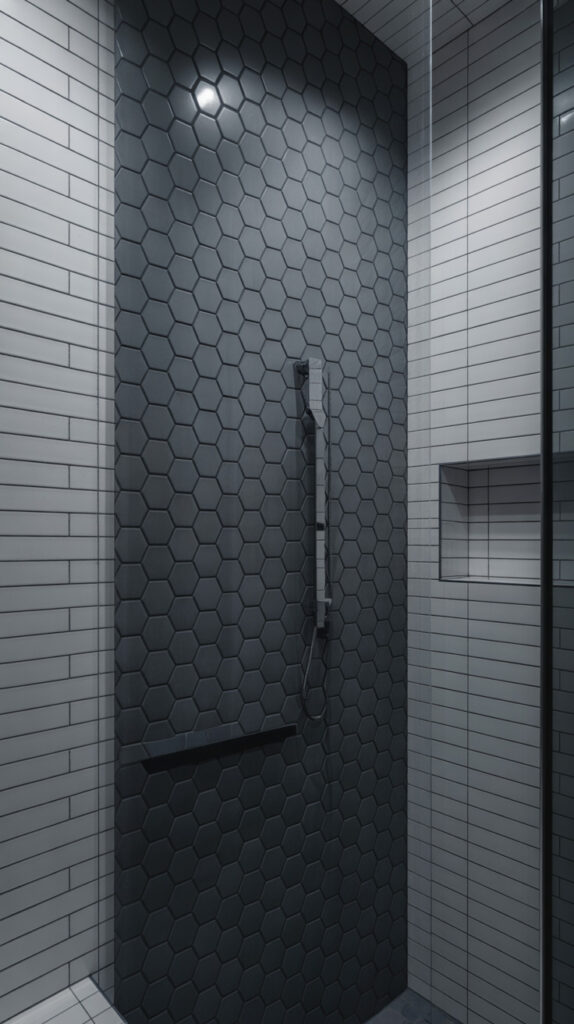
Plain tiles can feel a bit flat, especially in smaller showers. Adding a textured or patterned wall gives the cubicle some personality without overwhelming the space.
I’ve seen this completely transform otherwise basic bathrooms.
It’s one of those small upgrades that looks expensive but isn’t.
Why This Works
A feature wall draws attention and adds depth. It breaks monotony while keeping the rest of the design simple.
It also creates a focal point inside the cubicle.
How to Do It
- Choose one wall for the feature
- Install textured or patterned tiles
- Keep surrounding walls neutral
- Align patterns carefully for a clean finish
Style & Design Tips
Go for subtle patterns instead of loud prints for long-term appeal.
Avoid using feature tiles on every wall—it gets overwhelming fast.
Pro Tip or Budget Hack
Peel-and-stick waterproof tiles can work as a temporary upgrade if done carefully.
9. Warm Lighting Inside the Shower Cubicle
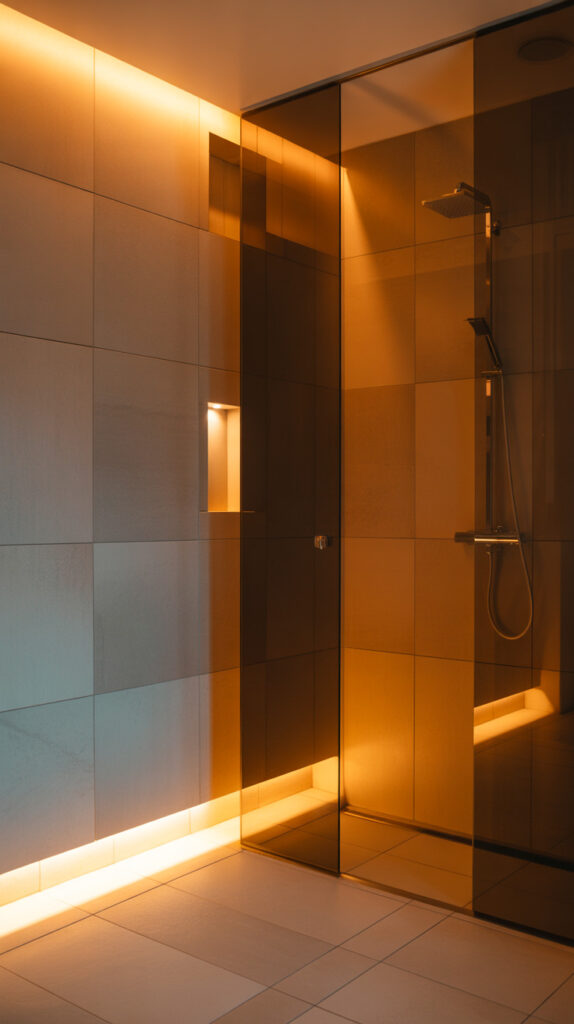
Most bathrooms rely on overhead lighting, which can make the shower feel dull. Adding warm lighting inside the cubicle creates a softer, more inviting vibe.
I didn’t think lighting would matter this much, but it genuinely changes how the space feels.
It turns a basic shower into something you actually enjoy using.
Why This Works
Proper lighting enhances both function and atmosphere. Warm tones create a relaxing environment, especially for evening showers.
It also highlights tiles and textures beautifully.
How to Do It
- Install waterproof LED lights
- Place lights above or along edges
- Use warm white bulbs for softness
- Ensure safe electrical installation
Style & Design Tips
Use hidden or recessed lighting for a clean look.
Avoid overly bright lights that feel harsh.
Pro Tip or Budget Hack
LED strip lights can provide a similar effect at a much lower cost.
Smart Shower Cubicle Design Foundation
A good-looking shower cubicle means nothing if it doesn’t work smoothly in daily use. I’ve seen setups that look amazing in photos but feel annoying the moment you actually step inside.
The real foundation comes down to layout, drainage, materials, and usability working together. Once you get these right, even a simple shower starts feeling high-end.
Layout Comes First
Most people focus on tiles before thinking about how they’ll move inside the shower. That’s backward, because comfort and flow should guide everything else.
Make sure there’s enough space to turn, reach products easily, and avoid bumping into fixtures. Even a small cubicle can feel comfortable when the layout is planned properly.
Drainage and Water Flow
Poor drainage ruins even the best designs. Water pooling in corners or leaking outside the cubicle is one of the fastest ways to regret your setup.
A slight floor slope toward the drain makes a huge difference. It keeps water moving naturally and prevents long-term damage.
Material Selection Matters
Not all tiles and fixtures perform the same in wet environments. Some look great initially but become slippery or hard to maintain over time.
Choose materials that are water-resistant, easy to clean, and durable. It saves you effort later and keeps the space looking fresh longer.
Storage Should Be Planned Early
Random shelves or hanging racks often become an afterthought. That’s when clutter starts building up and ruining the look.
Plan built-in storage like niches or ledges during the design phase. It keeps everything organized without adding visual noise.
Lighting and Ventilation
Lighting often gets ignored, but it changes how the entire cubicle feels. Good lighting highlights textures and makes the space more comfortable to use.
Ventilation is just as important, because it prevents mold and keeps the area dry. A well-ventilated shower always looks cleaner over time.
Common Mistakes to Avoid
Small design mistakes can quietly ruin the experience of a shower cubicle. Most of these don’t seem like a big deal at first, but they show up later in daily use.
Avoiding these early saves you time, money, and frustration.
Ignoring Drainage Planning
A flat or poorly sloped floor leads to standing water. That quickly turns into stains, odors, and long-term maintenance issues.
Always prioritize proper drainage before thinking about aesthetics.
Overcrowding the Space
Trying to fit too many features into a small cubicle makes it feel cramped. Extra shelves, bulky fixtures, or oversized doors can limit movement.
Keep things simple and functional instead of overloading the design.
Choosing Slippery Tiles
Glossy tiles might look great, but they can become dangerous when wet. I’ve personally slipped once, and that was enough to rethink my choices.
Go for textured or anti-slip finishes, especially for the floor.
Poor Placement of Fixtures
Showerheads, controls, and niches placed awkwardly can make daily use frustrating. Reaching too high or bending too much gets annoying fast.
Think about natural hand movement and comfort when placing these elements.
Mixing Too Many Styles
Combining too many colors, textures, or finishes can make the cubicle feel chaotic. It loses that clean, modern vibe you’re trying to achieve.
Stick to a consistent design theme for a more polished result.
Budget-Friendly Shower Cubicle Upgrades
Not every improvement requires a full renovation. Some of the best upgrades I’ve tried were simple and surprisingly affordable.
These small changes can make your shower feel noticeably better without a big investment.
Swap Out Fixtures
Replacing old showerheads or handles can instantly refresh the look. It’s one of the quickest upgrades with a visible impact.
Even a small change like a new finish can make everything feel more coordinated.
Upgrade Lighting
Adding warm LED lighting or better placement can completely change the mood. It makes the shower feel more relaxing and intentional.
Lighting is often underestimated, but it delivers a big visual payoff.
Add Storage Solutions
If built-in niches aren’t possible, sleek wall-mounted shelves can still help. Just avoid bulky plastic options that look temporary.
Choose minimal designs that blend with the overall style.
Refresh Grout and Sealant
Old grout can make the entire shower look worn out. Cleaning or replacing it instantly makes the space feel newer.
It’s a simple fix that many people overlook.
Maintenance Tips to Keep It Looking Fresh
A stylish shower cubicle only stays that way with regular care. I’ve learned that even the best design can lose its charm if maintenance is ignored.
Simple habits can keep everything looking clean and new for longer.
Clean Regularly, Not Occasionally
Waiting too long between cleanings allows buildup to form. That makes the job harder and affects the overall look.
A quick weekly clean is much easier than a deep scrub later.
Keep Glass Spot-Free
Glass panels look amazing until water spots start showing. Wiping them down after use keeps them clear and polished.
It takes a minute but makes a big difference.
Check Seals and Edges
Over time, seals can wear out or loosen. That can lead to leaks or moisture issues if ignored.
Inspect them occasionally and fix small problems early.
Prevent Mold and Moisture
Good ventilation helps reduce humidity inside the cubicle. Leaving the door slightly open after use also improves airflow.
These small habits keep the space fresh and hygienic.
Frequently Asked Questions
How big should a shower cubicle be?
A comfortable shower cubicle should be at least 3×3 feet, but slightly larger is always better if space allows. More room makes movement easier and improves overall comfort.
Are frameless glass showers hard to maintain?
They require regular wiping to prevent water spots, but they’re not difficult to maintain. In fact, they often look cleaner than framed options when cared for properly.
What is the best tile for shower floors?
Textured or anti-slip tiles work best for safety. They provide grip while still looking stylish.
Can I install a walk-in shower in a small bathroom?
Yes, but it requires careful planning for drainage and splash control. A well-designed layout can make it work even in tight spaces.
How do I prevent water from leaking outside the shower?
Proper sealing, correct floor slope, and good door or panel placement all help. These elements work together to keep water contained.
Is it worth adding built-in niches?
Yes, because they improve organization and reduce clutter. They also enhance the overall look by keeping everything neatly integrated.
Final Thoughts
A shower cubicle doesn’t need a massive budget to look fresh and stylish. Most of the time, it just needs smarter design choices and a bit of intention.
I’ve learned that small upgrades often make the biggest difference, especially in tight spaces. Try one or two of these ideas first, and you’ll probably end up wanting to redo the whole thing—in a good way.