10 Small Walk-in Shower Ideas for a Bathroom You’ll Actually Love
A small walk-in shower can either make a bathroom feel sharp and pulled together or make it feel like a cramped little box that annoys you every morning. Most of the difference comes down to layout choices, not square footage.
That is why I always say tiny bathrooms are less about having less space and more about making fewer bad decisions. One bulky feature, one awkward tile choice, or one badly placed shelf can throw the whole room off.
Small walk-in showers actually have a lot going for them when they are done right. They look cleaner, feel easier to use, and usually make the bathroom feel more current without forcing you into a giant renovation that wrecks your budget and your patience.
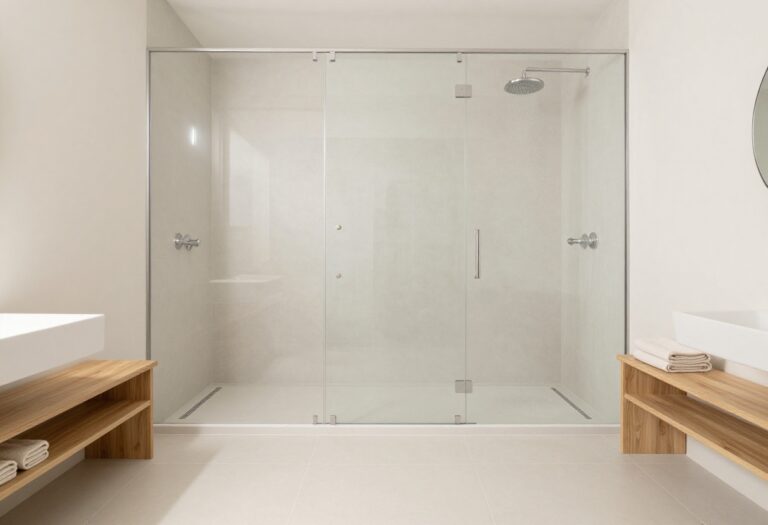
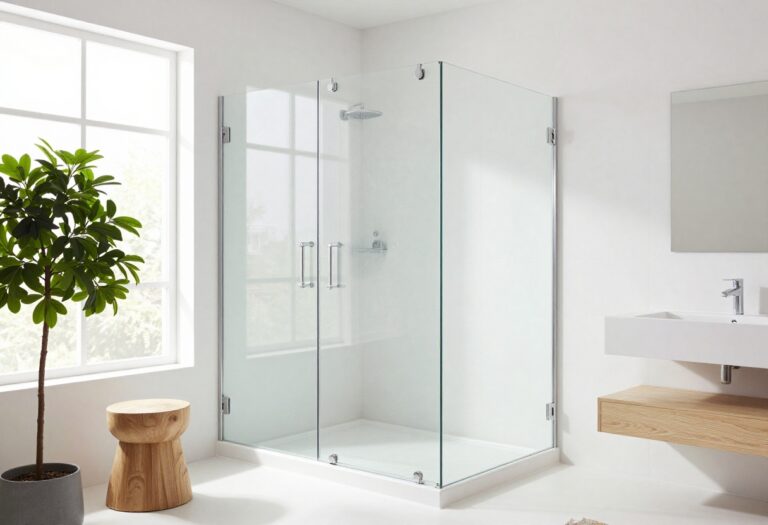
1. Go Frameless With Clear Glass
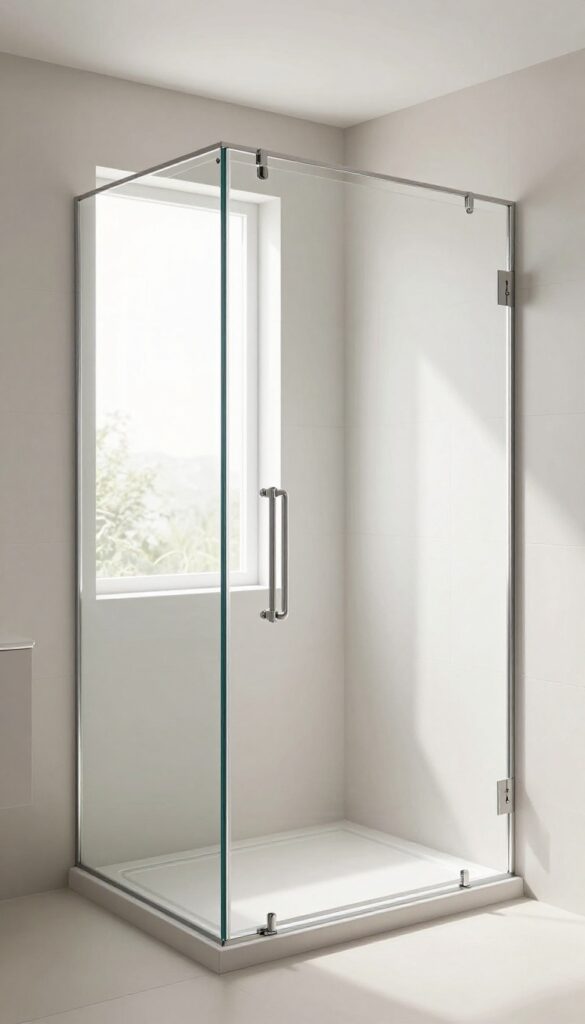
Small bathrooms get crowded fast when the shower starts looking like its own separate room. A heavy frame, frosted glass, or thick visual borders can chop the space up and make everything feel tighter than it really is.
A frameless clear glass shower fixes that without needing more square footage. I have seen tiny bathrooms look almost twice as open just from removing the clunky metal framing and letting the eye move straight through the room.
Why This Works
Clear glass keeps the room visually connected, which makes the floor area feel larger and less interrupted. Frameless panels also look cleaner and more modern, so even a basic bathroom starts feeling a little more custom and a lot less builder-grade.
How to Do It
- Measure carefully and keep the glass panel as simple as possible, because extra angles and cuts usually mean extra cost and more visual clutter.
- Choose clear tempered glass instead of frosted or patterned glass, since the whole point is to keep the room open and uninterrupted.
- Use minimal hardware in a finish that matches your faucet and showerhead, because mismatched metal details make small bathrooms look messy fast.
Style & Design Tips
Stick with slim hardware and avoid oversized handles that steal attention for no good reason. The glass should feel almost invisible, and if it becomes the main character, something has gone wrong.
Tile matters a lot here too because the shower becomes more visible when the glass disappears. If your tile is dated, clear glass will not magically save it, and that is just the rude truth.
Pro Tip or Budget Hack
If a fully frameless custom enclosure is too expensive, try a fixed glass panel instead of a full door setup. It often costs less, still gives you that open look, and works especially well in narrow bathrooms where a swinging door feels like a personal attack.
2. Use Large-Format Tile to Reduce Visual Clutter
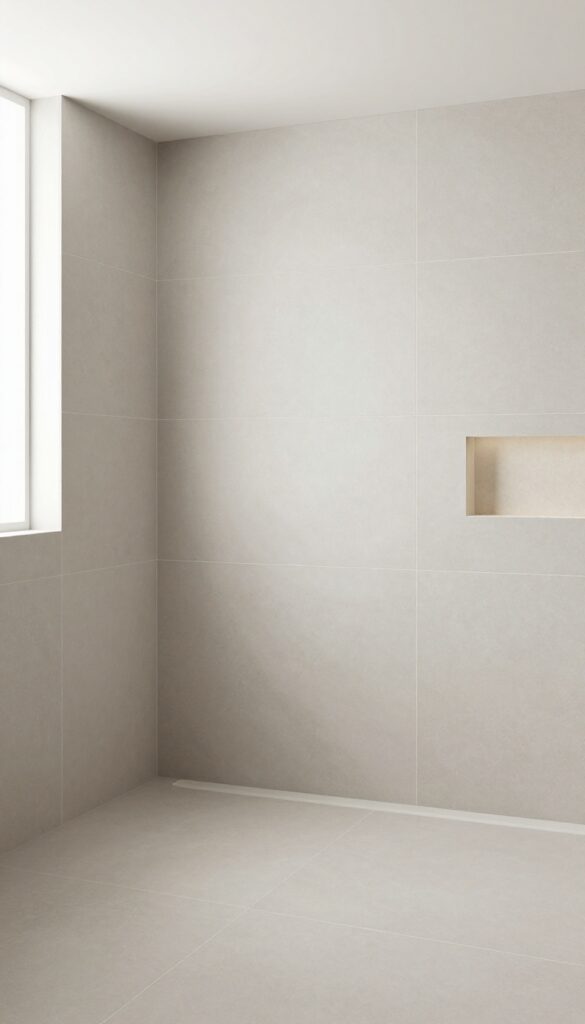
Small tile sounds like it belongs in a small shower, but it often does the opposite of what people want. Too many grout lines can make the walls feel busy, choppy, and a little chaotic, even when the tile itself is pretty.
Large-format tile keeps the shower looking calmer and more spacious. I am a big fan of this in tight bathrooms because it creates a smoother surface visually, and that simple shift makes the whole shower feel less cramped.
Why This Works
Fewer grout lines mean fewer visual breaks, which helps the walls read as bigger, cleaner planes. It also cuts down on cleaning drama, which honestly deserves more respect in bathroom design than it usually gets.
How to Do It
- Pick tiles in larger sizes like 12×24 or 24×24, because they create a more seamless look than tiny mosaics across the whole shower.
- Choose a grout color that blends with the tile, since high-contrast grout can make even nice tile look too grid-heavy in a small space.
- Keep the layout simple and consistent, because weird pattern changes in a small shower usually make the room feel fussier instead of fancier.
Style & Design Tips
Soft stone looks, warm white, light greige, and muted beige all work beautifully here because they keep the shower relaxed and open. Avoid overly busy patterns on every wall, unless you enjoy visual noise before coffee.
You can still bring in personality, just do it with restraint. A small niche with accent tile or a single feature wall usually looks smarter than covering the whole shower in something loud.
Pro Tip or Budget Hack
If large-format tile is over budget, use it only on the shower walls and save the floor for a simpler, more affordable option. That way you get the spacious visual effect where it matters most without turning your tile invoice into a horror story.
3. Add a Built-In Shower Niche Instead of Bulky Caddies
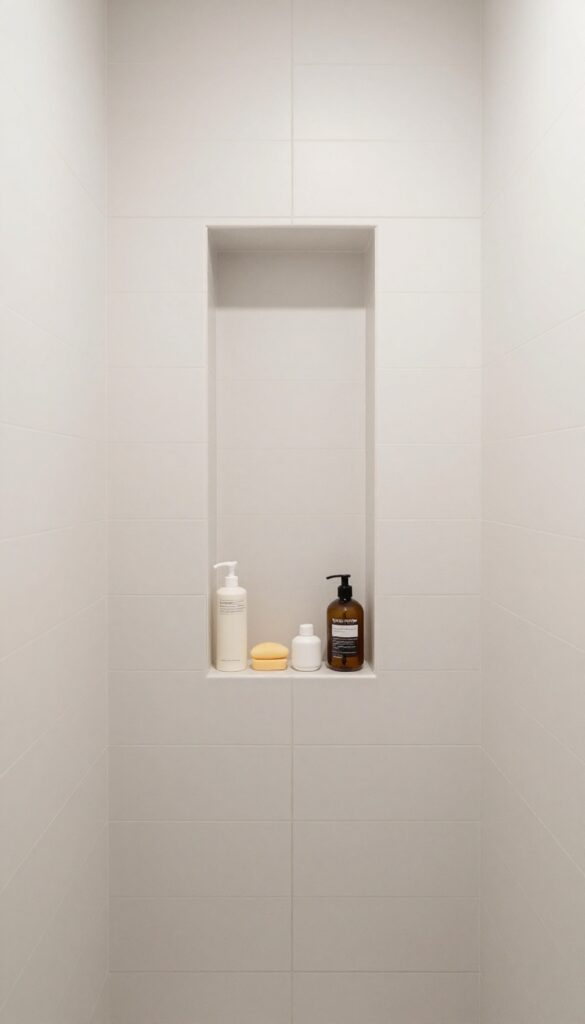
Nothing ruins a nice walk-in shower faster than bottles balanced on the floor or one of those hanging caddies that always look a little temporary. In a small bathroom, that extra clutter feels even more obvious because there is nowhere for it to hide.
A built-in shower niche gives you storage without sticking out into the space. It looks cleaner, feels more intentional, and makes the whole shower seem more finished, even if the rest of the bathroom is pretty simple.
Why This Works
A recessed niche uses wall depth instead of floor space, which is exactly the kind of move small bathrooms need. It also keeps the shower more organized, and when everyday stuff has a proper home, the room automatically feels less cramped.
How to Do It
- Place the niche at a comfortable reach height, because if you have to awkwardly bend or stretch every day, the design is not helping anyone.
- Make it wide enough for your actual products, not just the fantasy version where everyone owns one tiny shampoo bottle.
- Tile the inside neatly and slope the bottom slightly so water drains instead of pooling in the corners.
Style & Design Tips
A niche can either blend in or stand out, and both approaches work if you commit to one. Matching tile feels sleek and subtle, while an accent tile inside the niche adds personality without taking over the whole shower.
Keep the proportions balanced and do not go too tiny. A niche that looks cute but cannot hold normal-sized bottles is just decorative disappointment dressed up as function.
Pro Tip or Budget Hack
If you are renovating on a tight budget, do one well-sized niche instead of adding extra shelves or built-ins all over the bathroom. It gives you the clean, custom look people notice first, and it saves you from buying organizers that never quite look right.
4. Try a Curbless Entry for a Cleaner Look
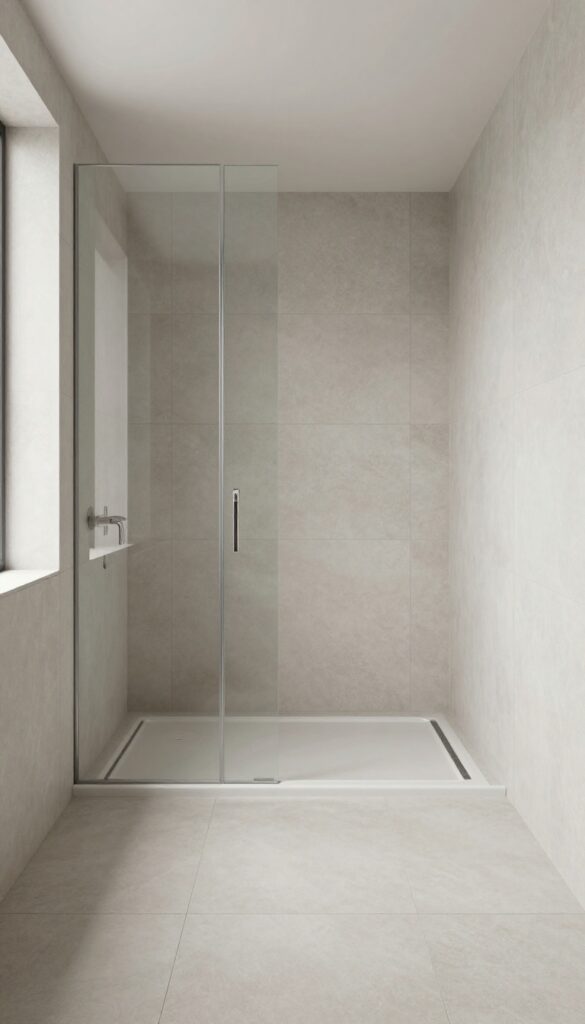
Raised shower curbs can make a small bathroom feel broken into sections. They also create an extra line across the floor, and in tiny spaces, even small interruptions can make the room feel more boxed in.
A curbless walk-in shower gives the floor a smoother flow from one end of the bathroom to the other. I really like this look in modern bathrooms because it feels open, clean, and a lot more high-end than it actually needs to be.
Why This Works
When the floor continues straight into the shower area, the bathroom looks bigger because your eye reads it as one uninterrupted surface. It is also easier to step into, which is great now and even better later if accessibility ever becomes more important.
How to Do It
- Work with a contractor who understands proper shower slope and waterproofing, because this is not the place for guesswork and optimistic confidence.
- Use the same flooring inside and outside the shower when possible, since that seamless look is a huge part of why curbless showers feel bigger.
- Install good drainage in the right spot so water stays where it belongs and does not start exploring the rest of your bathroom.
Style & Design Tips
This idea looks best when you keep the overall design calm and uncluttered. Simple lines, fewer material changes, and consistent finishes help the shower feel intentional instead of unfinished.
Do not overload the space with too many trendy details all at once. A curbless shower already makes a strong statement, so you do not need five other design stunts competing with it.
Pro Tip or Budget Hack
If a full curbless conversion is not realistic, go for a very low threshold instead of a standard tall curb. You still get a softer, more open look, and it often costs less than reworking the entire floor structure.
5. Use Light, Warm Neutrals Instead of Stark White
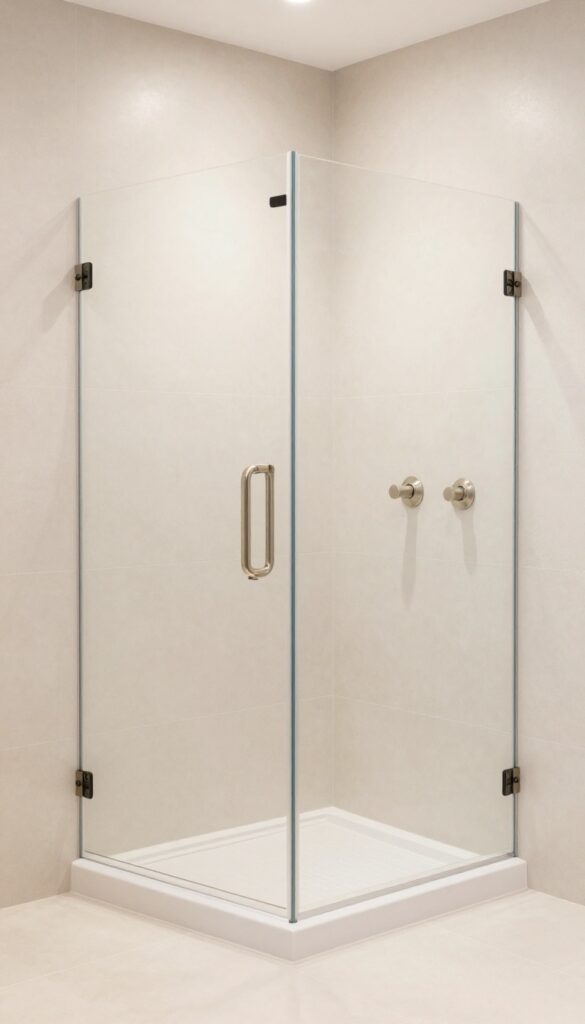
A lot of people assume white automatically makes a bathroom feel bigger. Sometimes it does, but sometimes it makes the room feel cold, flat, and weirdly clinical, like the shower belongs in a place where nobody is having a good time.
Light warm neutrals soften a small walk-in shower without making it feel dark or heavy. Think creamy white, warm beige, pale taupe, or soft greige instead of bright white that feels like it is judging your life choices.
Why This Works
Warm neutrals reflect light while still adding a little depth, which makes the bathroom feel open and comfortable at the same time. They also age better visually, because super stark white can swing out of style or start looking harsh once the room gets real-life use.
How to Do It
- Choose one main neutral tone and build around it, because too many slightly different whites and beiges can start fighting each other in a very annoying way.
- Test tile and paint samples in your actual bathroom, since lighting changes everything and stores love to lie to you with perfect display setups.
- Pair warm wall tones with matching grout and simple finishes so the shower feels cohesive instead of pieced together.
Style & Design Tips
Warm neutrals look especially good with brushed nickel, matte black, brass, or soft wood accents. The goal is softness, not blandness, so bring in contrast through texture rather than random color overload.
Avoid combining cool gray tile with warm beige tones unless you really know what you are doing. That mix can work, but in small bathrooms it often just looks accidental.
Pro Tip or Budget Hack
If replacing tile is not in the budget, paint the non-shower walls in a warmer neutral and update the accessories around the space. You would be surprised how much better a cold bathroom looks when the surrounding tones stop fighting the shower.
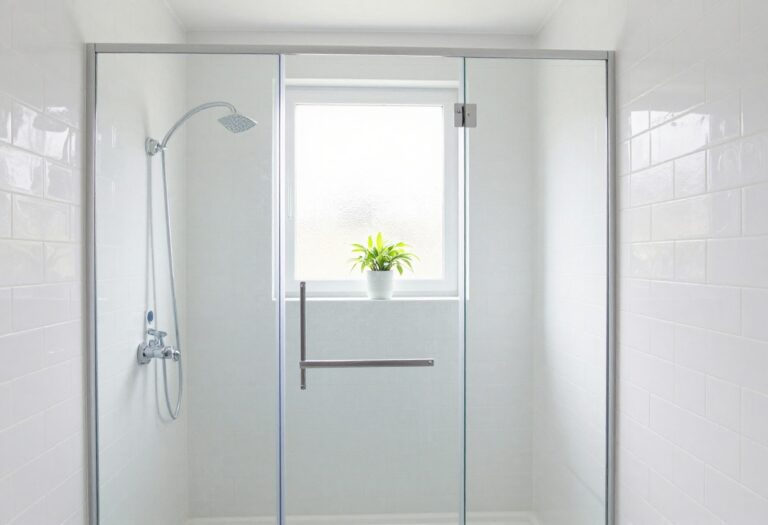
6. Extend Tile to the Ceiling
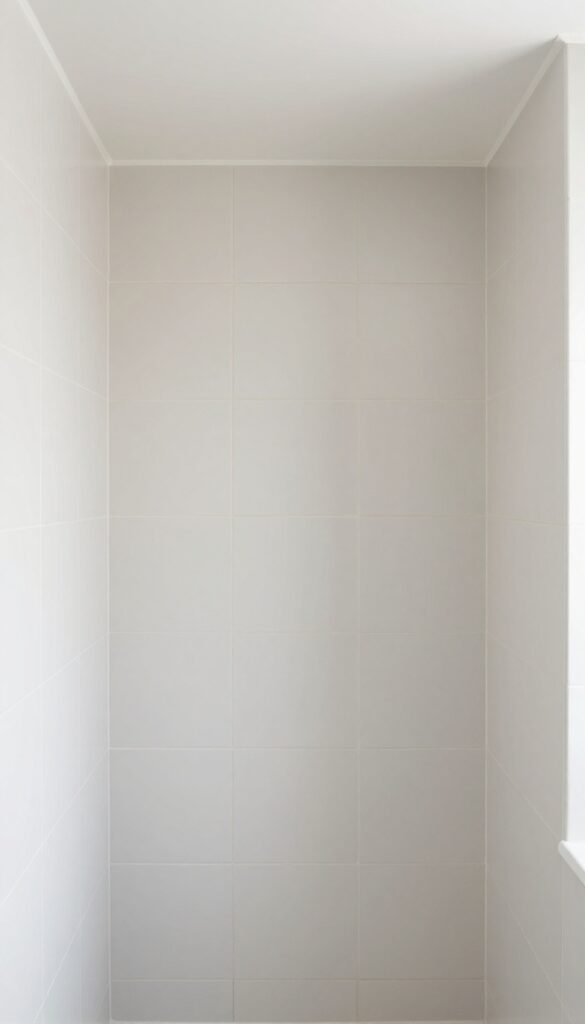
Stopping tile halfway or even a little above the showerhead can make a small shower feel unfinished. It creates an awkward break on the wall, and that line tends to make the ceiling feel lower instead of higher.
Running tile all the way to the ceiling gives the shower a taller, cleaner look. I always think this trick makes a bathroom feel more polished, even when the tile itself is simple and not trying too hard.
Why This Works
Full-height tile draws the eye upward, which helps a small shower feel taller and more substantial. It also protects more of the wall from moisture, so this is one of those rare design choices that looks better and behaves better.
How to Do It
- Plan your tile layout before installation so the cuts at the top look balanced instead of random and frustrating.
- Use the same tile all the way up, because stopping to add a border or trim piece can interrupt the clean vertical effect.
- Finish the edge neatly at the ceiling line so the shower feels crisp and intentional rather than like the project simply ran out of steam.
Style & Design Tips
This works especially well with vertical tile layouts, stacked patterns, or anything that subtly emphasizes height. Keep the ceiling simple so the tile can do its job without competing with extra paint colors or weird decorative flourishes.
If you want contrast, use it in texture rather than a dramatic color shift. A small shower does not need to prove how creative it is on every surface.
Pro Tip or Budget Hack
Use a more affordable field tile for most of the shower and skip expensive trim-heavy details. Extending a basic tile to the ceiling often looks more upscale than using a pricier tile in a shorter, more chopped-up installation.
7. Choose a Sliding Glass Door for Tight Layouts
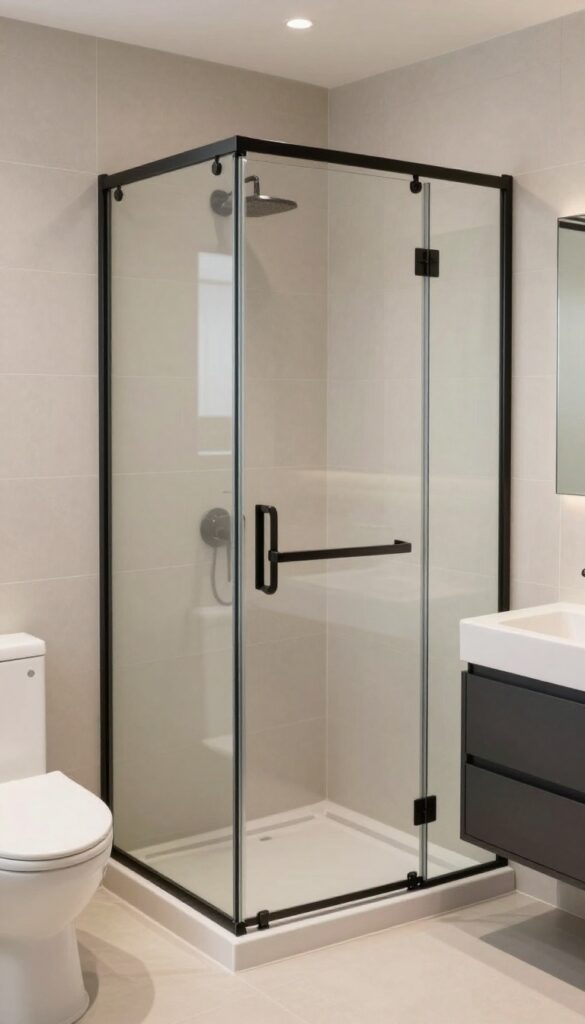
Some bathrooms are just too tight for a swinging shower door to make sense. If the toilet, vanity, or bathroom door already steals part of the floor plan, a regular shower door can turn basic movement into a daily obstacle course.
A sliding glass door keeps the shower functional without needing extra clearance space. It is one of the smartest choices for narrow bathrooms, especially when every inch needs to earn its keep.
Why This Works
Sliding doors stay within the shower footprint, so they do not interfere with other fixtures or walking paths. They also give you that glassy, open feel without forcing the room to accommodate a door swing it cannot comfortably handle.
How to Do It
- Measure the full opening and nearby fixture clearance before choosing a door style, because assumptions are how people end up with hardware regrets.
- Pick a smooth-glide track system that feels solid, since cheap sliding doors can rattle, stick, and generally act like they resent being installed.
- Keep the glass clear and the frame minimal so the shower still feels light and open instead of bulky.
Style & Design Tips
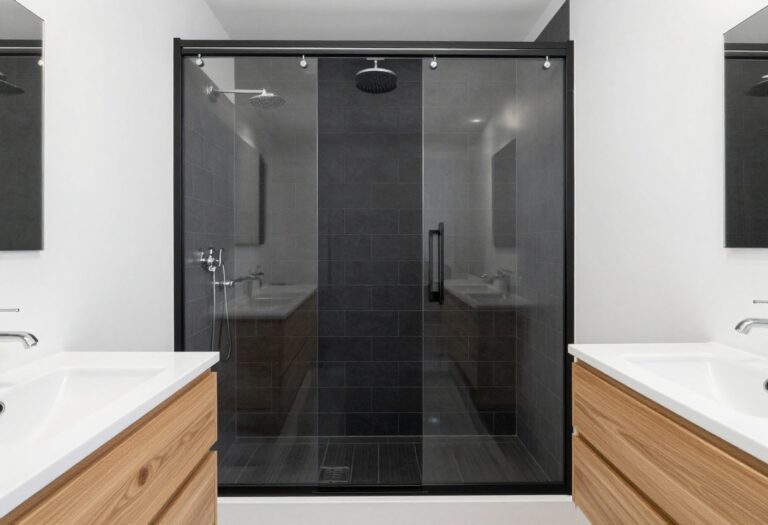
Matte black tracks can look amazing in the right bathroom, but they also stand out more. If you want the room to feel bigger, lighter metal finishes or slimmer profiles usually keep the visual weight lower.
Make sure the track style matches the rest of the bathroom. A super industrial door in a soft spa-like space can feel like two different design plans lost a fight.
Pro Tip or Budget Hack
Look for semi-frameless sliding door kits in standard sizes before going custom. They often cost far less, and if your shower opening is fairly typical, you can get a polished look without paying the custom-glass tax.
8. Add a Small Bench or Corner Seat
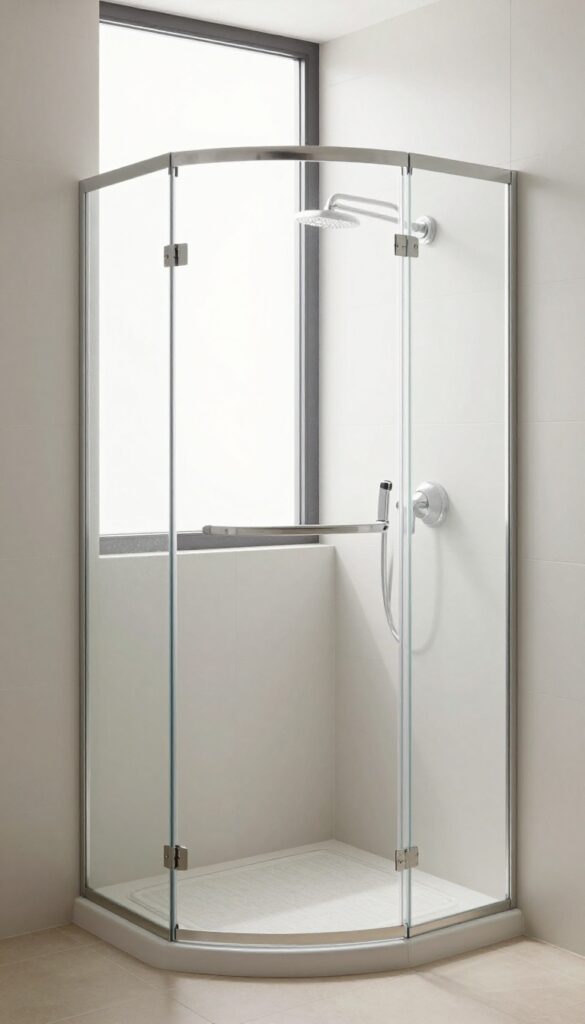
People hear “bench” and immediately assume the bathroom needs to be huge. That is not true, because even a compact walk-in shower can sometimes handle a small corner seat or narrow ledge if the layout is planned properly.
A little seat adds comfort, function, and that subtle spa vibe everyone wants without saying it out loud. It also gives you a spot for shaving, setting products, or just making the shower feel less bare and purely utilitarian.
Why This Works
A built-in seat makes the shower feel more custom, and custom details usually make small spaces feel more thoughtful instead of less spacious. When integrated well, it adds use without looking like an extra piece of furniture got shoved in there as an afterthought.
How to Do It
- Use a corner bench or floating seat in tighter showers, because those shapes take up less room than a full-width built-in bench.
- Match the seat finish to the surrounding tile or use a simple slab top so it feels intentional and easy to clean.
- Keep the proportions compact and practical, since oversized seating in a tiny shower just turns into dead space with ambitions.
Style & Design Tips
A small seat works best when the rest of the shower stays visually clean. Do not crowd it with extra shelves, giant bottles, or too many accessories, or the space will lose that streamlined look fast.
This is also a great place to bring in texture. A stone slab, teak insert, or contrasting tile top can add richness without overwhelming the shower.
Pro Tip or Budget Hack
If a built-in bench is too expensive, install a simple teak corner stool made for wet areas. It gives you similar function, adds warmth, and can be removed later if you decide you want the floor space back.
9. Use Vertical Tile or Wall Panels to Emphasize Height
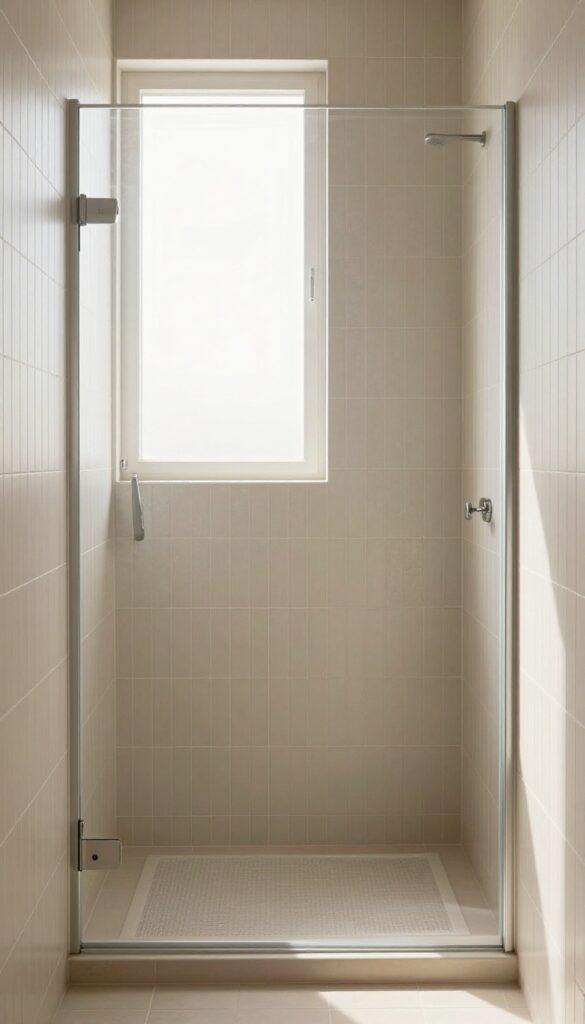
Small showers often feel short before they feel narrow. That is why height tricks can be more effective than people expect, especially when the bathroom already has enough width to function but still feels a little closed in.
Vertical tile layouts or slim wall panels pull the eye upward and make the shower feel taller. I love this move because it is subtle, easy to understand, and does not rely on some weird design gimmick pretending to be clever.
Why This Works
Vertical lines naturally guide the eye upward, which makes the walls seem taller than they are. That added sense of height helps a compact shower feel less boxed in and gives the whole bathroom a more refined shape.
How to Do It
- Choose rectangular tile and stack it vertically, or use wall panels with long vertical grooves for a similar effect.
- Keep spacing and alignment clean, because crooked vertical lines are very obvious and not in a charming, handmade way.
- Pair the vertical pattern with a simple floor so the walls stay the focus and the room does not feel overly busy.
Style & Design Tips
This idea works beautifully with zellige-look tile, narrow ceramic tile, or subtle fluted wall panels. The key is rhythm without chaos, so avoid combining strong vertical walls with loud patterned floors unless you want the shower to feel jumpy.
Use color carefully here too. Soft, medium, or warm tones keep the vertical effect elegant, while super dark colors can shrink the shower unless the bathroom has excellent lighting.
Pro Tip or Budget Hack
If full tile work is outside your budget, some waterproof shower wall panel systems mimic this tall, linear look for less. They also install faster, which means fewer labor costs and less renovation fatigue eating away at your soul.
10. Keep Hardware and Fixtures Minimal but Intentional
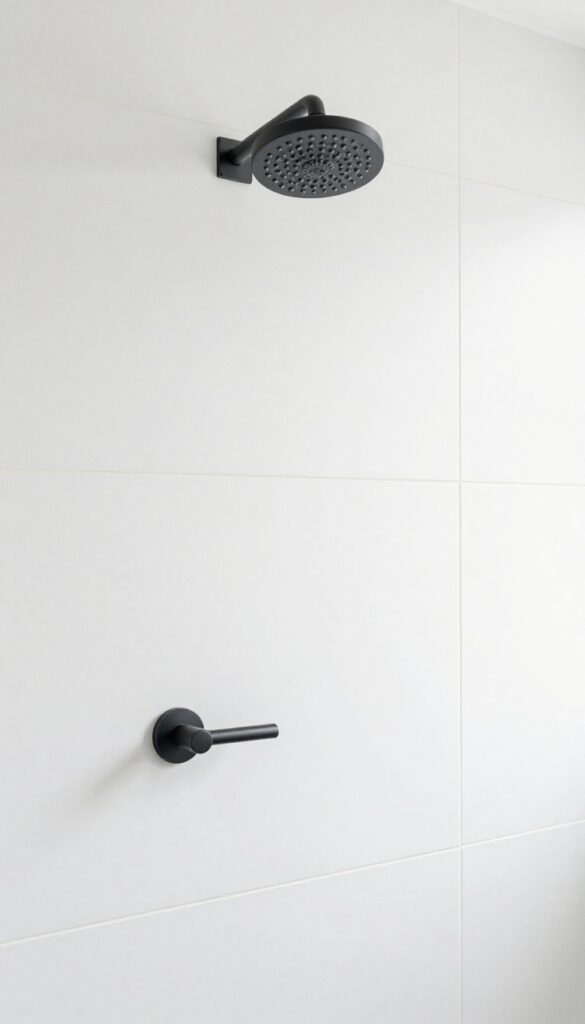
Small bathrooms do not have room for random design choices. When every fixture is visually loud or styled differently, the shower starts looking cluttered even if the room is technically clean.
Minimal hardware keeps the walk-in shower looking calm and controlled. That does not mean boring, though, because a few well-chosen fixtures can still add style without making the space feel overloaded.
Why This Works
Simple fixtures reduce visual noise, which matters a lot in tight spaces where every detail gets noticed. When the shapes and finishes stay consistent, the bathroom feels more cohesive, and cohesive spaces almost always feel more expensive.
How to Do It
- Choose one finish for the showerhead, handle, drain, and door hardware so the design feels pulled together from the start.
- Stick with streamlined shapes instead of oversized trendy pieces that dominate the shower for no real reason.
- Leave enough negative space around the fixtures so each one feels intentional rather than stuffed into the layout.
Style & Design Tips
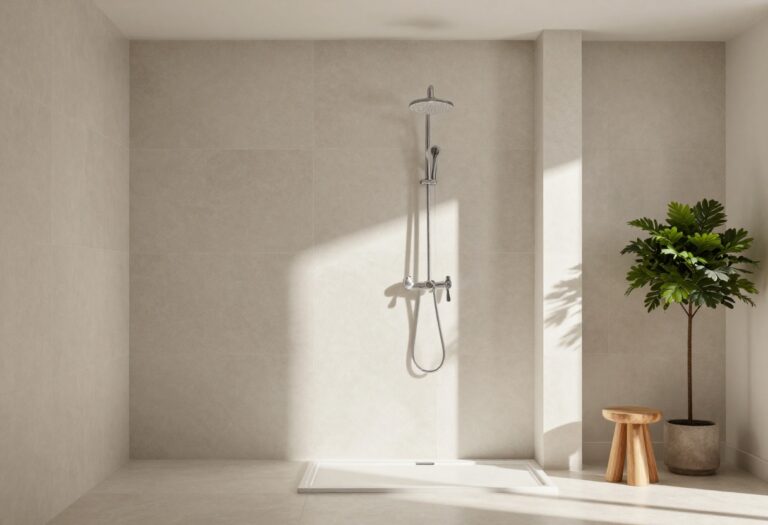
Wall-mounted controls, slim showerheads, and simple handles usually work best in small walk-in showers. Clean lines beat complicated shapes almost every time, especially when the room is already working hard to feel open.
Be careful with trend overload here. One bold finish can look great, but pairing it with five different styles of hardware usually makes the bathroom feel confused instead of curated.
Pro Tip or Budget Hack
Spend a little more on the main shower fixtures and save money elsewhere on accessories. Good hardware gets touched every day, and even in a small bathroom, those are the details that quietly make the whole space feel better.
Frequently Asked Questions
1. What is the best size for a small walk-in shower?
A comfortable small walk-in shower usually starts around 32×32 inches, but 36×36 inches feels noticeably better if you can manage it. Anything smaller tends to feel restrictive, especially once you add glass panels or fixtures.
2. Does a walk-in shower make a bathroom look bigger?
Yes, especially when you use clear glass, consistent flooring, and minimal visual breaks. The open layout helps the eye move freely, which tricks the space into feeling larger than it actually is.
3. Are curbless showers practical for small bathrooms?
They can work really well if done correctly with proper drainage and slope. The biggest benefit is the seamless floor, which removes visual barriers and makes the space feel more open.
4. What tile size is best for a small walk-in shower?
Large-format tiles are usually the better choice because they reduce grout lines and visual clutter. Smaller tiles can still work on the floor for grip, but using them everywhere often makes the shower feel busy.
5. Is a shower niche better than shelves or caddies?
A built-in niche is almost always the cleaner option because it does not take up extra space. It also looks more intentional and keeps everyday items organized without making the shower feel crowded.
6. Should I use light or dark colors in a small shower?
Light and warm tones generally work better because they reflect light and keep the space feeling open. Dark colors can look amazing too, but they need good lighting and careful balance to avoid making the shower feel smaller.
7. What type of shower door is best for tight spaces?
Sliding glass doors are usually the safest choice in small bathrooms because they do not require extra clearance. They keep the layout functional while still giving you that clean, modern look.
Final Thoughts
A small walk-in shower does not need a massive footprint to look good and work hard. It just needs smarter choices, cleaner lines, and a little restraint, which is not always the fun answer but is usually the right one.
If I had to pick the biggest game-changer, I would start with clear glass, better tile scale, and built-in storage. Those three moves fix a lot of the stuff that makes small bathrooms feel annoying in the first place.
The best part is you do not need to use every idea on this list. Pick the ones that fit your bathroom, your budget, and your tolerance for renovation chaos, then build from there.