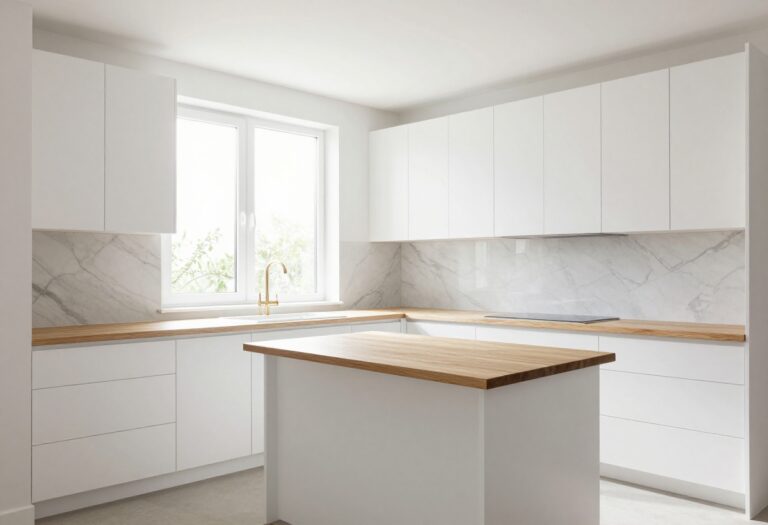
12 Inviting Neutral Kitchen Ideas That Feel Practical and Pretty
Neutral kitchens have a quiet charm that never goes out of style. They feel calm, open, and easy to live with—exactly what a busy kitchen needs. But keeping a neutral palette from feeling flat takes a little thought.
The good news is you don't need a full renovation to make your kitchen feel fresh and inviting. Small swaps, texture plays, and clever styling can turn a basic neutral kitchen into a space that's both practical and pretty.
These ideas are designed for a weekend refresh, so they're achievable without a major overhaul. Whether you're drawn to warm beiges, soft grays, or creamy whites, the key is layering in personality without losing that serene, cohesive feel.
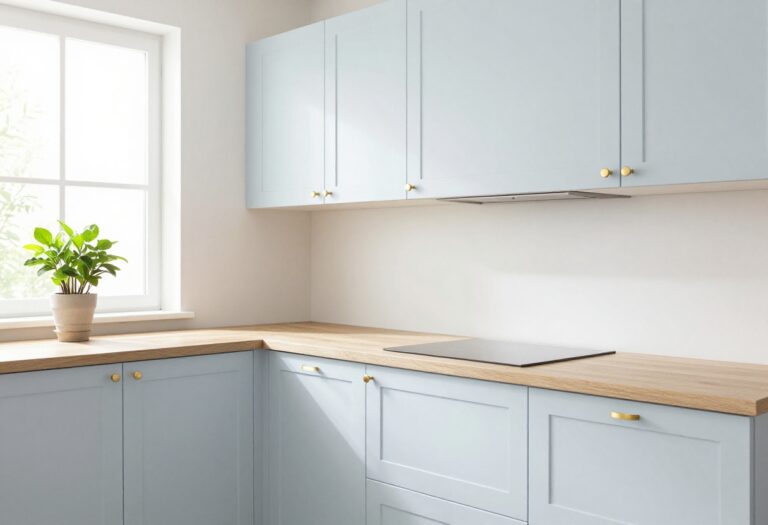
1. Swap Out Hardware for Warm Brass or Black
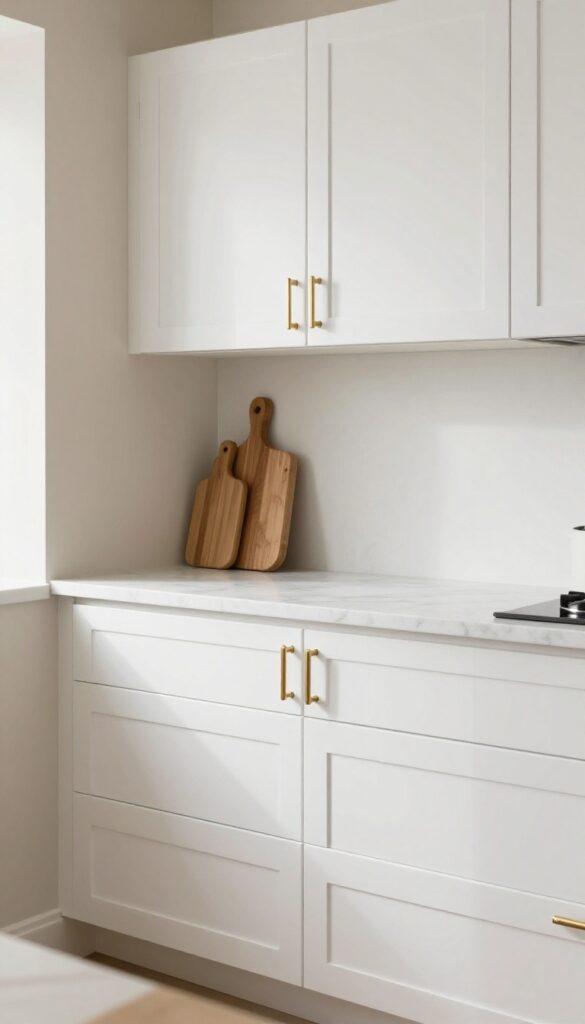
Sometimes the smallest change makes the biggest difference. Replacing standard silver knobs and pulls with warm brass or matte black hardware instantly gives your neutral kitchen a more intentional, polished look. It’s a weekend project that costs little but delivers a surprising amount of style—no painting, no demolition, just a screwdriver and a fresh perspective.
Why It Works
Hardware is like jewelry for your cabinets. Warm brass brings a subtle glow that softens white or beige kitchens, while matte black adds crisp contrast against cream or gray tones. Both finishes catch the light and draw the eye, making ordinary cabinets feel custom without breaking the bank.
Best For
This trick works in any neutral kitchen—from all-white rentals to beige-and-wood family spaces. It’s especially effective in kitchens where the existing hardware feels dated or builder-grade, because swapping it out changes the whole personality of the room.
Styling Tip
Stick to one finish throughout for a cohesive look—don’t mix brass and black in the same space unless you’re going for an eclectic vibe. For extra impact, choose slightly oversized pulls on drawers and simple knobs on doors; the variation adds visual interest without clutter.
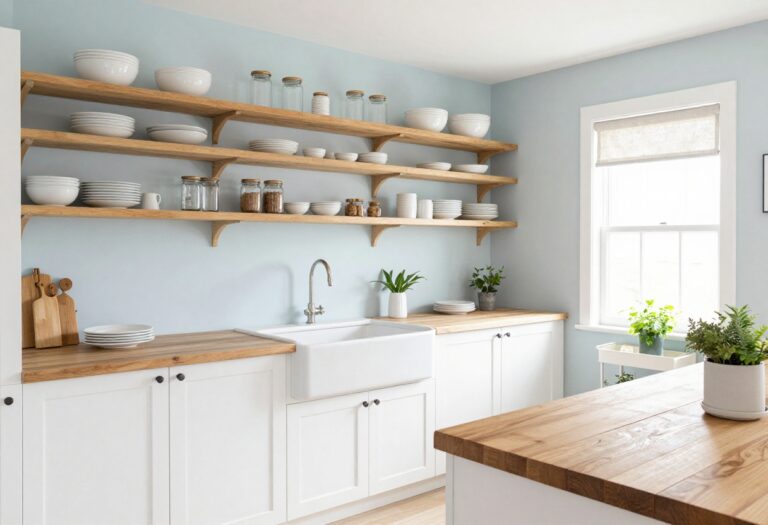
2. Add Open Shelving in a Natural Wood Tone
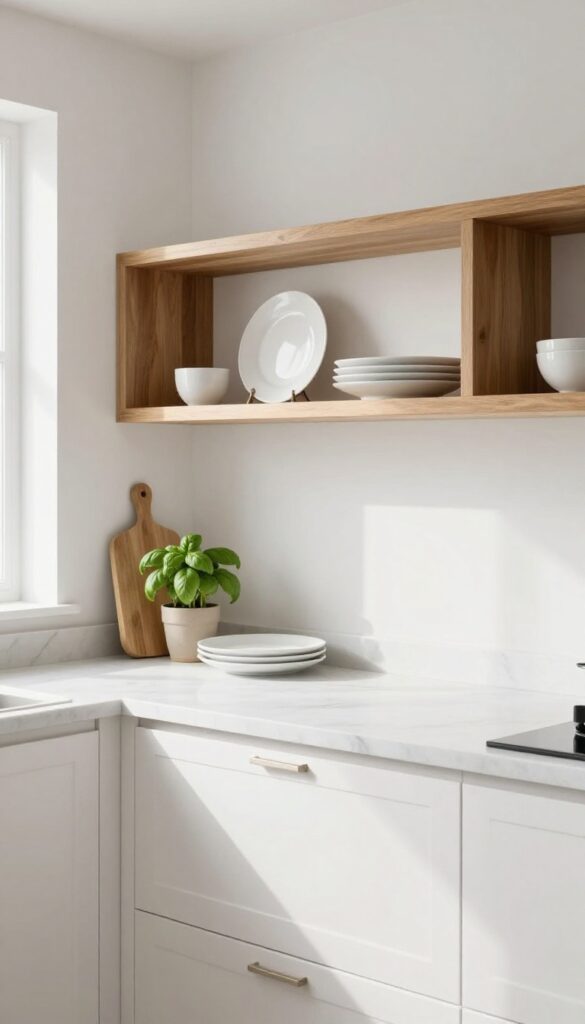
If your kitchen feels a little closed in or heavy on painted surfaces, swapping a few upper cabinets for open shelving can change the whole vibe. In a natural wood tone like oak or walnut, those shelves bring warmth and texture that balances out sleek countertops and painted cabinetry. It’s an easy weekend project that instantly makes the space feel more relaxed and lived-in.
Why It Works
Open shelving breaks up long runs of cabinetry, which keeps the eye moving and makes the kitchen feel bigger. The wood grain adds organic warmth, so the room doesn’t look too sterile or matchy-matchy. Plus, having everyday dishes within arm’s reach makes cooking and cleaning up feel less fussy.
Best For
This idea works especially well in galley kitchens or L-shaped layouts where upper cabinets can feel boxy. It’s also great for rental kitchens where you can’t paint or replace cabinets—just remove the doors from one section and add brackets for an instant update.
Styling Tip
Stick with a simple palette: white or cream dinnerware, a few wooden cutting boards, and one or two small potted herbs or trailing plants. Avoid overcrowding—leave about 30 percent of each shelf empty so it feels curated, not cluttered.
3. Layer in Textured Baskets for Storage
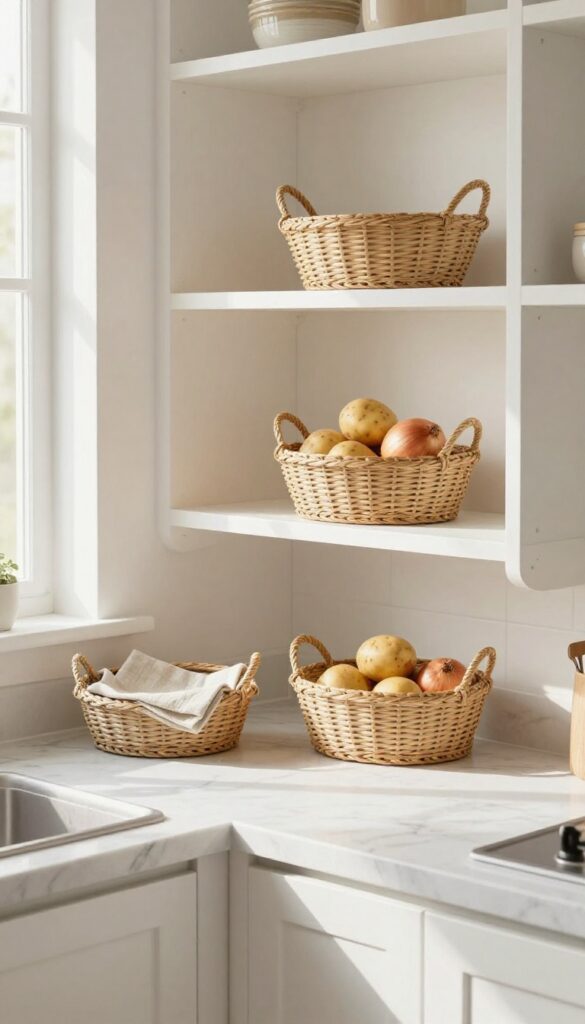
Open shelving and bare countertops can feel a little too tidy. That’s where woven baskets come in—they add warmth and a relaxed, collected look that makes a kitchen feel lived-in. Whether you place them on top of cabinets or tuck them onto open shelves, baskets introduce organic texture that softens all those hard surfaces.
They’re also incredibly practical for stashing everyday items out of sight while keeping them within easy reach.
Why It Works
Baskets break up the monotony of straight lines and flat surfaces in a kitchen. Their natural fibers add visual softness and depth, which is especially welcome in neutral kitchens that might otherwise feel flat. Plus, they provide hidden storage for linens, produce, or pantry overflow without adding visual clutter.
Best For
This idea works well in kitchens with open shelving or extra space above cabinets that tends to collect dust. It’s also great for renters who can’t install permanent storage solutions but want to add character and function.
Styling Tip
Stick to one or two basket materials—like seagrass and rattan—to keep the look cohesive. Use larger baskets for bulkier items like potatoes or bread, and smaller ones for tea towels or napkins. Group them in odd numbers on shelves for a more natural arrangement.
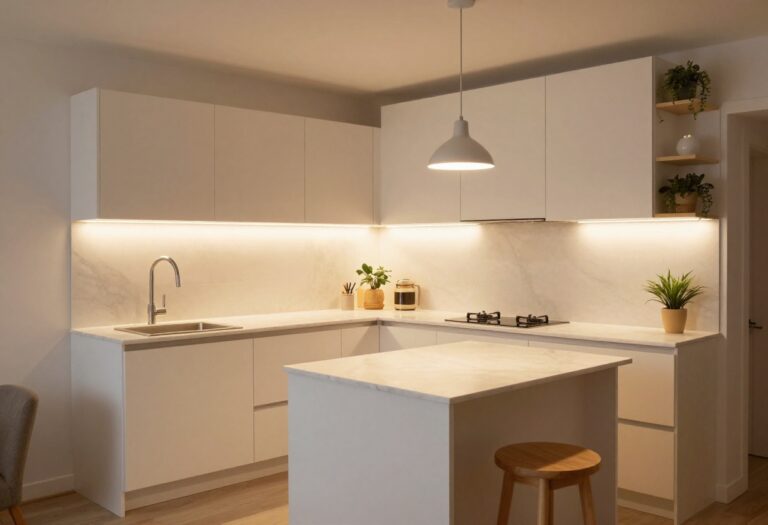
4. Install a Subtle Backsplash with Movement
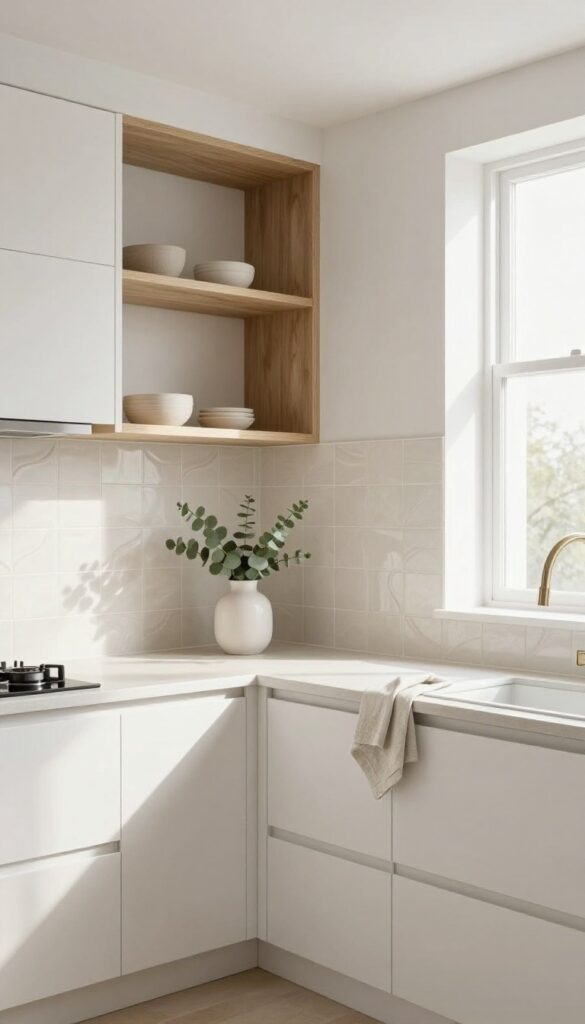
A backsplash can quietly define your kitchen's personality without shouting. Instead of bold patterns or stark white tiles, consider materials that have natural variation—zellige tile with its handcrafted ripples, handmade subway tiles with slight color shifts, or marble-look porcelain with soft veining. These options add depth and keep the eye moving across the wall, making the space feel custom and collected over time.
Why It Works
Subtle movement in the backsplash adds visual texture without overwhelming the room. It creates a layered, lived-in look that feels intentional but not fussy—perfect for a kitchen that needs to feel both practical and pretty.
Best For
Neutral kitchens where you want a touch of character without committing to a loud pattern. It also works well in open-concept spaces where the backsplash needs to complement adjoining rooms.
Styling Tip
Extend the backsplash from countertop to just below upper cabinets or all the way to the ceiling for a more dramatic effect. Pair with simple white or light wood cabinetry to let the tile shine.
5. Bring in Warmth with Wooden Cutting Boards
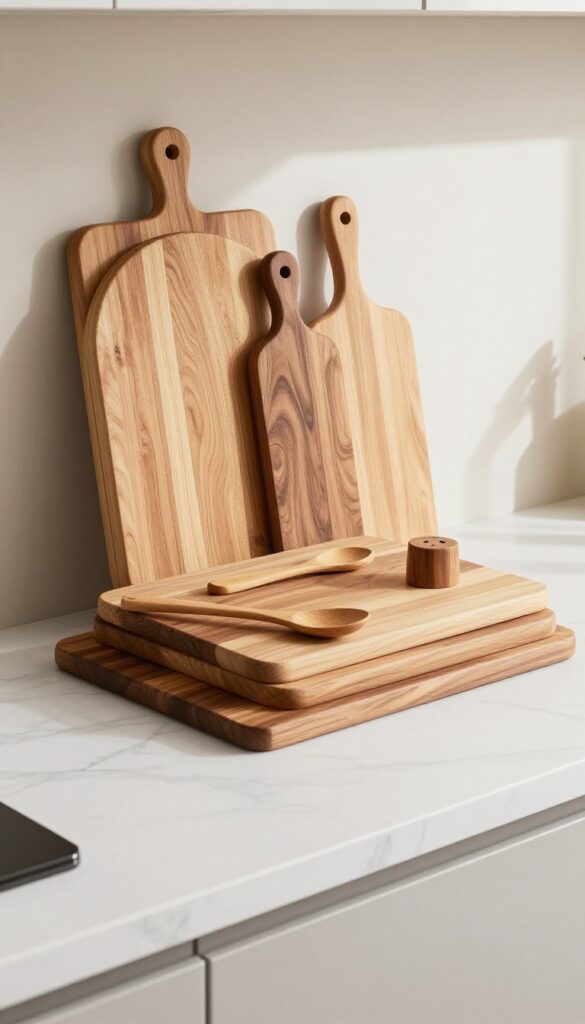
Wooden cutting boards do more than just hold up under your knife—they bring a layer of natural warmth that makes a kitchen feel instantly more inviting. Stacked against the backsplash or leaning on the counter, they add texture and an earthy tone that softens all the hard surfaces around them. Since you’ll reach for them daily, they pull double duty as both decor and essential tools.
Why It Works
Wood tones break up the monotony of stone, tile, and stainless steel, adding visual warmth without any renovation. The varied sizes and finishes create a collected, lived-in look that feels personal rather than staged.
Best For
This idea shines in kitchens with neutral palettes—white, beige, light gray—where the wood becomes a focal point. It’s also great for renters who can’t change cabinets or countertops but want an instant cozy upgrade.
Styling Tip
Mix round and rectangular boards in oak, walnut, and acacia. Prop the largest one against the backsplash, layer smaller ones in front, and leave one flat on the counter with a wooden spoon or salt cellar on top for a functional vignette.
6. Use Soft Roman Shades Instead of Blinds
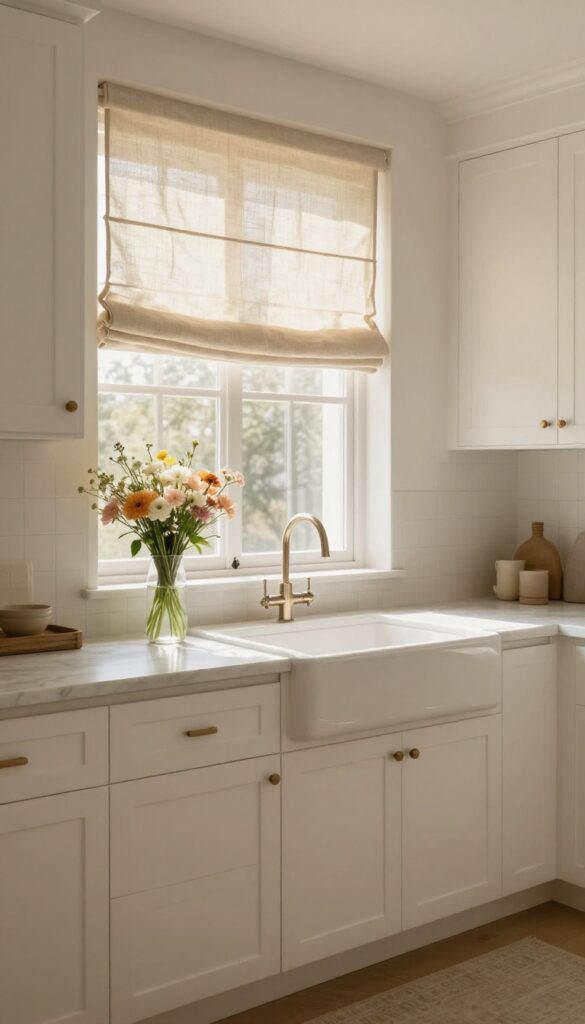
Hard blinds can make a kitchen feel a bit too utilitarian. Swapping them for fabric roman shades in linen or cotton blend instantly softens the whole space. The gentle folds add texture and warmth, turning a functional window into a cozy focal point.
Plus, they filter light beautifully, creating that soft, diffused glow you want in a room where you start your mornings.
Why It Works
Roman shades introduce fabric and softness to a room full of hard surfaces like countertops, cabinets, and tile. The natural material helps absorb sound and reduces that echoey feel. They also offer privacy without blocking all the light, keeping the kitchen bright but not glaring.
Best For
Kitchens with windows above the sink or in a breakfast nook where you want a softer look. They're especially great in neutral kitchens where you want to layer textures without adding pattern or color that might clash.
Styling Tip
Choose a shade that's just a few shades lighter or darker than your wall color for a seamless look. If your kitchen gets direct sun, go with a lined shade to prevent fading on your countertops and floors.
7. Add a Large Rug Under the Dining Table
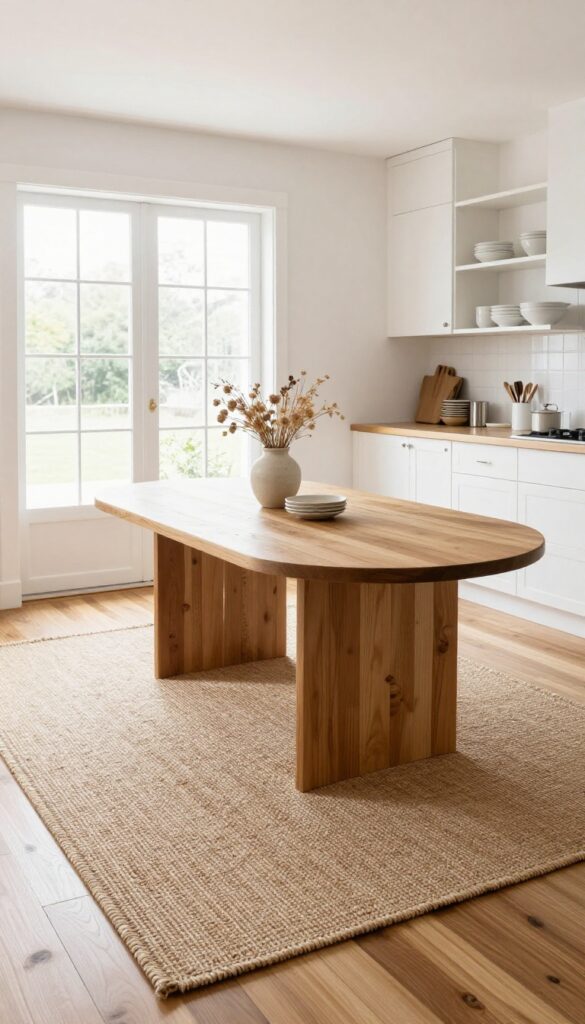
A large natural fiber rug under your dining table does more than protect the floor—it instantly defines the eating area and brings in texture that balances all those hard surfaces. Jute or sisal rugs feel grounded and organic, which is exactly what a neutral kitchen needs. And since they're typically flatweave or indoor-outdoor, they handle spills and crumbs way better than you'd expect.
Why It Works
The rug anchors the dining zone visually, making it feel like its own intentional space even in an open-plan kitchen. The natural fibers add warmth and softness underfoot, which contrasts nicely with tile or hardwood floors. Plus, the neutral color palette keeps things cohesive without competing with your decor.
Best For
This works especially well in kitchens with a dedicated dining nook or a table near the cooking area. It's also great for open-concept homes where you want to subtly separate the dining zone from the rest of the kitchen without building walls.
Styling Tip
Go for a rug that extends at least 24 inches beyond the table on all sides so chairs stay on the rug when pulled out. Stick to low-pile or flatweave jute in a warm beige or gray tone—it hides dirt and cleans up fast with a quick vacuum or spot clean.
8. Style Countertops with Ceramic and Stone Accessories
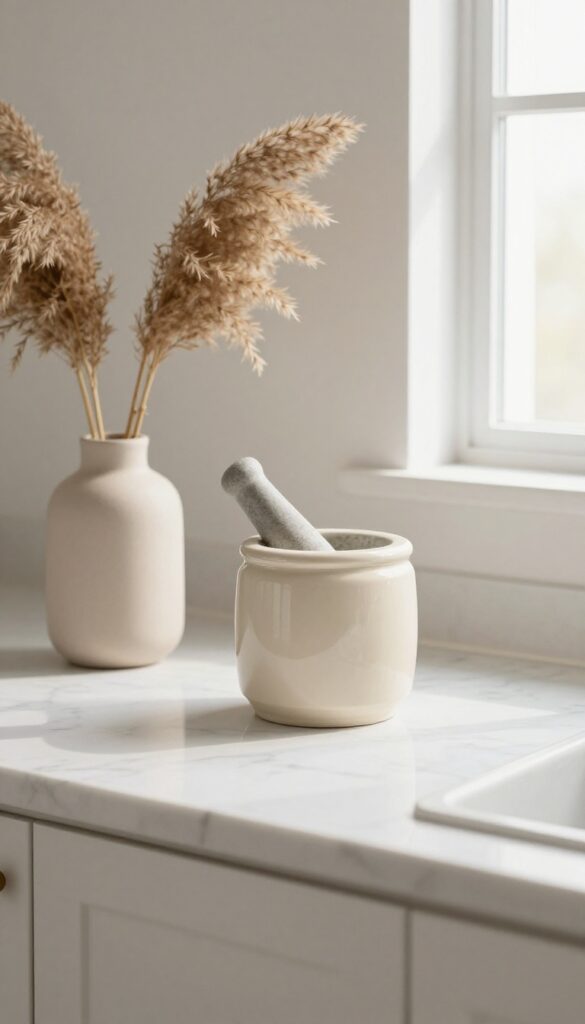
Countertops can easily start feeling cluttered when you pile on too many things. The trick is to choose a few intentional pieces in natural materials that quietly reinforce the neutral palette. Think ceramic canisters, a stone mortar and pestle, or a simple vase—each item brings texture without shouting for attention.
Group them in small clusters so the counter still feels airy and functional.
Why It Works
Ceramic and stone accessories add subtle visual weight and organic texture, which keeps a neutral kitchen from feeling flat or one-dimensional. Because these materials are inherently earthy, they tie together warm and cool neutrals effortlessly. Plus, the limited number of pieces makes the arrangement look curated rather than random.
Best For
This idea is perfect for kitchens with ample counter space where you want to avoid a bare, sterile look without going overboard. It also works well in open-concept layouts where the countertop is visible from living areas—those few accessories become part of the overall decor story.
Styling Tip
Stick to two or three items per grouping, varying heights and shapes for visual interest. Place them near the backsplash or against a wall so they don't interfere with food prep zones. A small tray can corral loose items like salt and pepper grinders while keeping the look tidy.
9. Paint the Island a Slightly Deeper Neutral
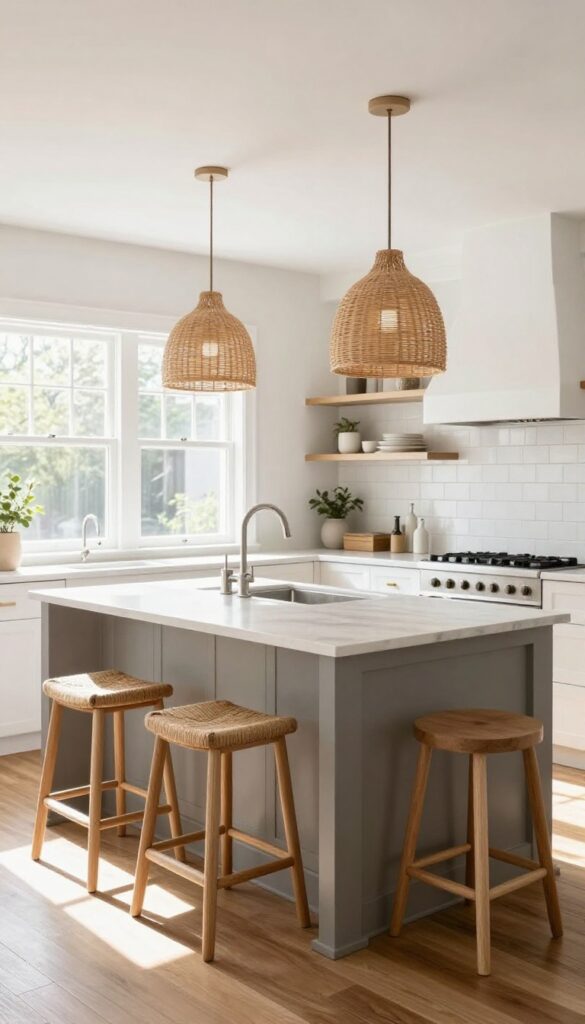
Kitchen islands often become the heart of the room, so giving yours a little extra attention pays off. A coat of paint in a deeper neutral—like greige, charcoal, or sage—adds just enough contrast to make the island stand out without screaming for attention. It's a subtle shift that feels intentional and grounded, especially when the surrounding cabinets stay lighter.
This trick works beautifully whether you're planning a weekend project or just want to refresh your kitchen's look without a full renovation.
Why It Works
A slightly deeper hue on the island creates visual weight and anchors the space. It draws the eye naturally without competing with other elements, making the kitchen feel more layered and designed. Plus, neutral tones are forgiving and easy to pair with existing countertops, backsplashes, and hardware.
Best For
This idea is ideal for kitchens with light or white perimeter cabinets that need a touch of depth. It's also great for open-concept homes where the island doubles as a visual divider between cooking and living areas.
Styling Tip
Choose a paint finish with a bit of sheen, like satin or eggshell, to add subtle dimension. Pair it with natural wood bar stools or woven pendants to keep the look warm and approachable.
10. Hang a Statement Pendant Light in Natural Materials
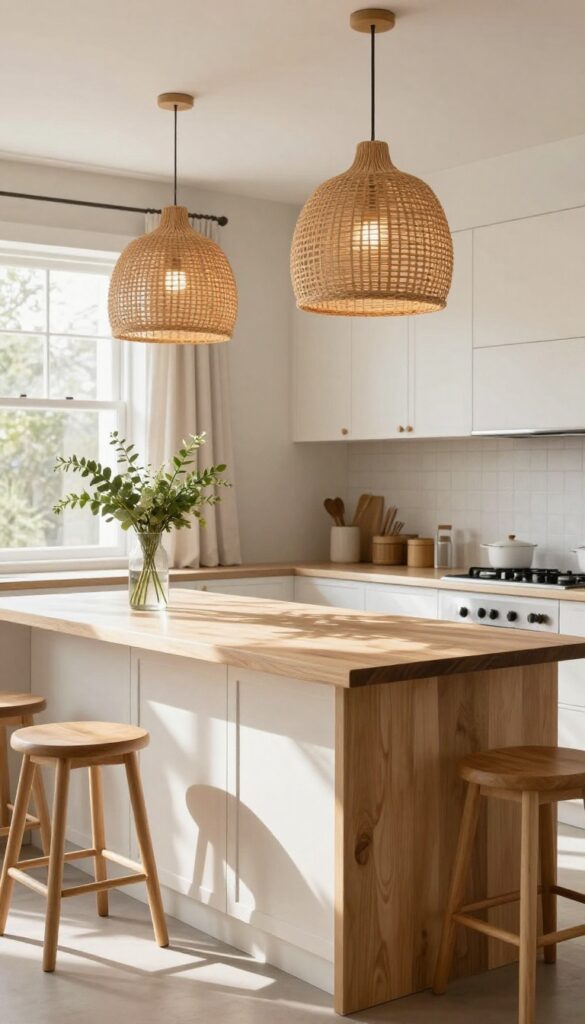
Lighting is one of those elements that can completely transform a kitchen without requiring a single renovation. A pendant light made from rattan, bamboo, or woven rope brings natural texture overhead and casts warm, beautiful shadows across the room. It’s an easy swap that instantly makes the space feel more inviting and layered—perfect for a weekend refresh.
Why It Works
Natural materials soften the hard surfaces common in kitchens—think countertops, cabinets, and tile. The woven texture adds visual warmth and a touch of organic charm, making the room feel less sterile and more lived-in. Plus, the diffused light creates a cozy ambiance that flatters both the space and anyone standing in it.
Best For
This idea works especially well in kitchens with neutral palettes—white, beige, or light gray cabinets—where the pendant becomes a subtle focal point. It’s also great for open-concept layouts where the kitchen flows into a dining or living area, because the natural material ties the zones together.
Styling Tip
Choose a pendant with an open weave or slatted design so light filters through in interesting patterns. Hang it about 30 to 36 inches above an island or dining table for optimal visual impact. Pair it with other natural textures like wood bar stools or linen curtains to reinforce the cohesive look.
11. Display Greenery in Neutral Planters
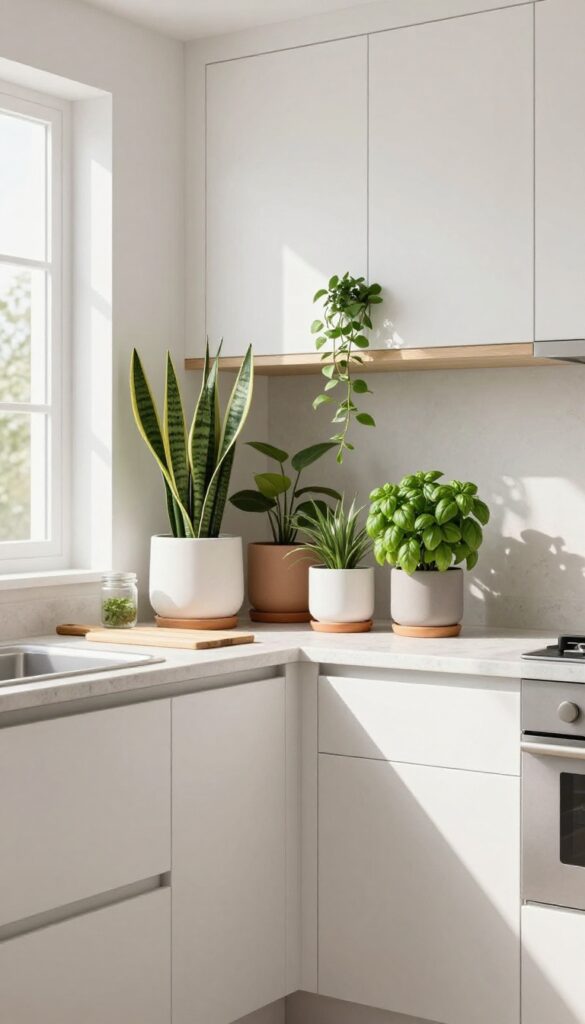
Plants are the easiest way to breathe life into a neutral kitchen without cluttering the space. A few well-placed pots of fresh herbs or low-maintenance houseplants instantly soften hard surfaces and add a pop of organic green. The trick is to keep the planters within your neutral palette—think terracotta, stone, or matte ceramic—so the greenery stands out without competing with the rest of the room.
Why It Works
Greenery introduces a natural, living element that balances the clean lines of a neutral kitchen. It adds warmth and softness, making the space feel more inviting and less sterile. Plus, plants improve air quality and can be swapped out seasonally for a quick refresh.
Best For
This idea works in any kitchen, from compact galley layouts to open-concept spaces. It's especially great for kitchens that lack natural decor elements like wood or stone, as plants bring that organic touch effortlessly.
Styling Tip
Group two or three planters of varying heights on an open shelf or windowsill for visual interest. Stick to easy-care options like snake plants, pothos, or trailing ivy if you're not blessed with a green thumb. For a weekend refresh, simply swap out herbs like basil or mint from the grocery store—they'll look pretty and be useful for cooking.
12. Upgrade Your Faucet to a Bridge or Gooseneck Style
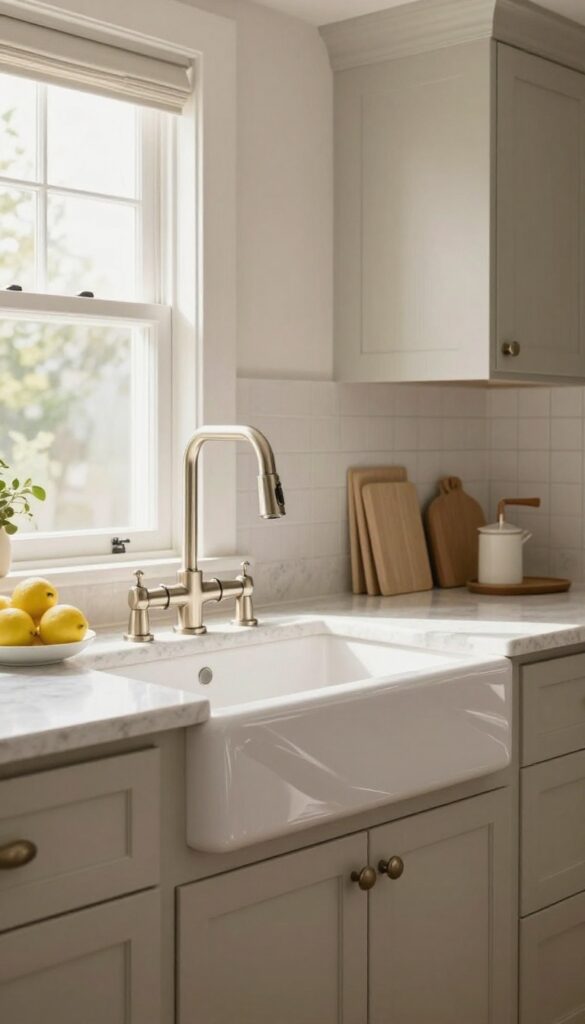
A kitchen faucet gets used dozens of times a day, so why not make it something you actually enjoy looking at? Swapping out a standard builder-grade model for a bridge or gooseneck style instantly elevates the sink area without requiring a full renovation. The clean lines and slight vintage nod feel both fresh and familiar, fitting right into a neutral kitchen that values function over fuss.
Why It Works
Bridge faucets connect hot and cold water through a visible crossbar, adding architectural interest, while gooseneck designs offer high clearance for filling large pots. Both styles come in finishes like brushed nickel, chrome, or matte black that blend seamlessly with neutral palettes. They’re not trendy gimmicks—these are classic shapes that have been around for decades, so they won’t feel dated in a few years.
Best For
This upgrade works especially well in kitchens with an apron-front sink or quartz countertops, where the faucet becomes a focal point. It’s also ideal for anyone who cooks often and needs the extra height and reach of a gooseneck. If your current faucet feels flimsy or boring, this swap delivers immediate satisfaction.
Styling Tip
Pair your new faucet with matching cabinet pulls and a coordinating soap dispenser for a cohesive look. Keep the area around the sink clutter-free—let the faucet be the star. A simple white ceramic dish with a few lemons or a small plant adds just enough personality without competing.
FAQ
What are the best neutral colors for a kitchen?
Popular neutral kitchen colors include warm white, beige, greige, soft gray, and light taupe. These shades create a calm backdrop and pair well with natural materials like wood and stone.
How can I make my neutral kitchen feel warm?
Incorporate warm wood tones, textured fabrics like linen or jute, and warm metal finishes like brass or copper. Layering different textures prevents the space from feeling flat.
Can I add color to a neutral kitchen?
Absolutely. Use small accents like colorful dish towels, a fruit bowl, or artwork. Plants also add a pop of green that complements neutrals beautifully.
What type of countertop works best in a neutral kitchen?
Quartz, marble, butcher block, and soapstone are all great choices. Lighter stones keep the space airy, while wood adds warmth. Choose one that fits your style and maintenance preference.
How do I style open shelves in a neutral kitchen?
Group items in odd numbers and vary heights. Use a mix of everyday dishes, glassware, small plants, and wooden bowls. Keep it balanced—not too sparse, not too crowded.
Conclusion
A neutral kitchen doesn't have to be boring or sterile. With the right mix of textures, materials, and thoughtful details, it can feel warm, inviting, and completely personal. These twelve ideas are meant to inspire small changes that add up to a big difference.
Pick one or two that resonate with your space and start there. Even a single weekend project can refresh your kitchen's look and make it a place you love spending time in again.