10 Backyard Fire Pit Ideas for Cozy Outdoor Gatherings
You know that moment when the sun dips, the air cools, and suddenly your backyard feels way more interesting. I always think that’s the exact second when a fire pit earns its keep.
A good fire pit turns casual hanging out into something that actually feels special.
I’ve spent more evenings than I can count sitting outside, wrapped in a hoodie, talking about life while poking at a fire. You probably want that same cozy, effortless vibe without overthinking the setup.
That’s exactly what we’re going to talk about here.
1. Classic Stone Fire Pit That Never Goes Out of Style
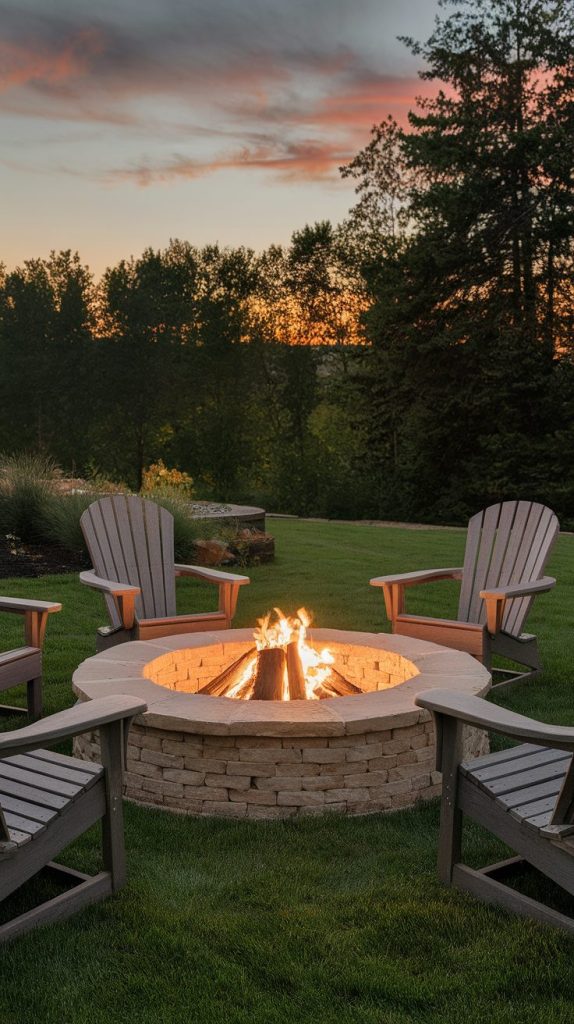
I always say you can’t go wrong with a classic stone fire pit because it fits almost any backyard without trying too hard. Natural stone brings that sturdy, grounded feel that makes people want to pull up a chair and stay awhile. If you like things that age well and still look good years later, this idea checks every box.
I’ve noticed stone fire pits work especially well if your yard already has some greenery or uneven terrain. The texture of the stone blends in and feels intentional instead of dropped in as an afterthought. You get that cozy campfire look without actually camping.
You can go round, square, or somewhere in between depending on your space and seating plan. I personally lean toward circular designs because they encourage conversation and eye contact. Everyone faces the fire and each other, which feels way more social.
Stone also handles heat like a champ, which means less stress about wear and tear. You can build it low for lounging or higher for a more dramatic focal point. Either way, a stone fire pit sets a solid foundation for cozy outdoor gatherings.
2. Sunken Fire Pit for a Conversation-Ready Setup
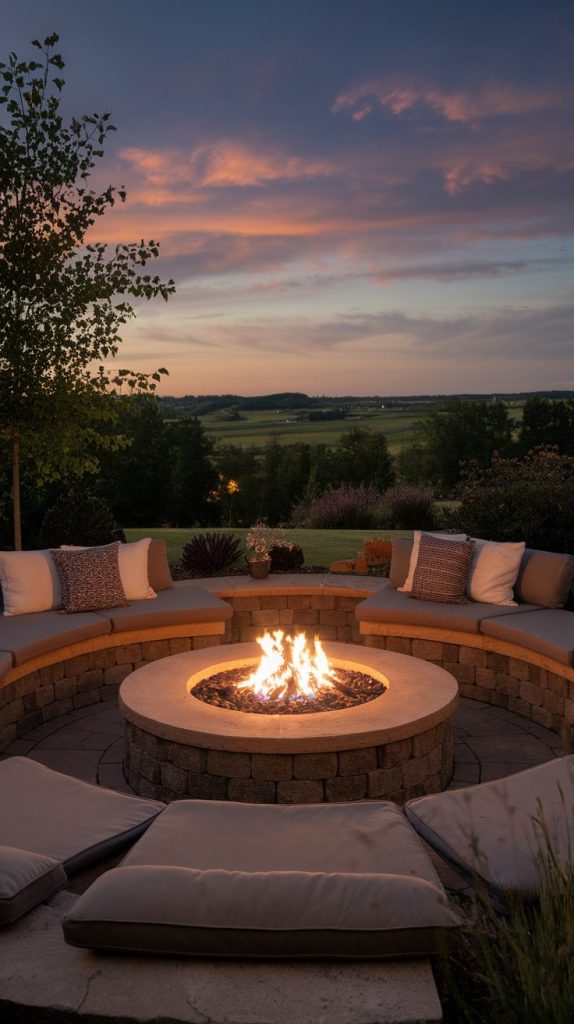
A sunken fire pit feels like a secret lounge hiding in your backyard. You step down into the space, and suddenly the outside world fades a bit. That sense of enclosure instantly makes conversations feel more relaxed and focused.
I love how sunken designs naturally block wind and hold warmth. When the fire sits lower, the heat stays where people actually sit. You won’t need to hover awkwardly just to feel warm.
Built-in seating works beautifully here, especially with cushions or throw blankets. You can design the pit to fit your friend group instead of forcing everyone to drag chairs around. It feels intentional, almost like an outdoor living room.
If you enjoy hosting late-night talks or low-key gatherings, this setup delivers. People tend to linger longer when they feel comfortable and slightly tucked away. That’s the magic of a sunken fire pit.
3. Portable Fire Pit for Flexible Backyard Fun
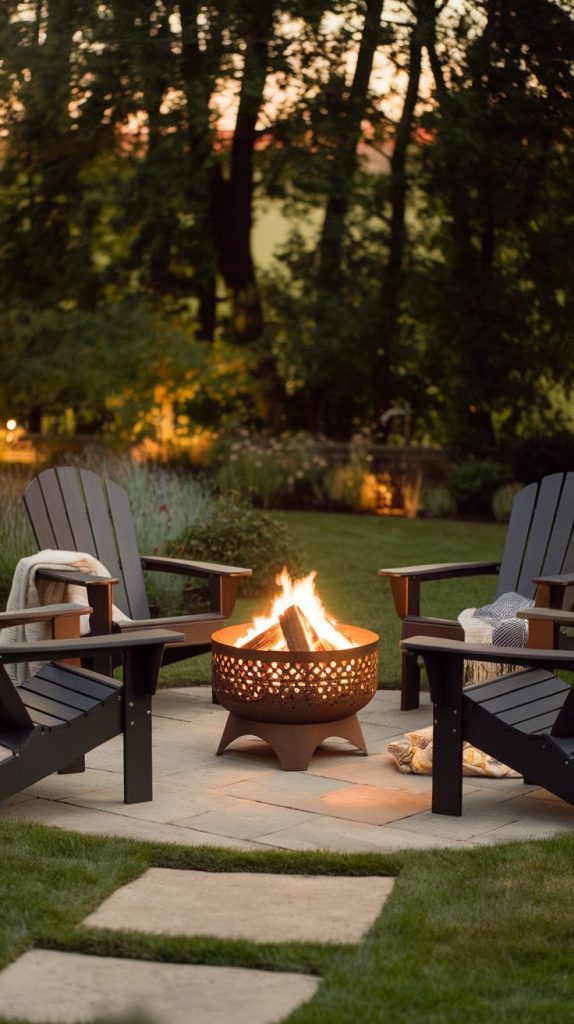
Sometimes you don’t want to commit to one fixed spot, and that’s where a portable fire pit shines. You can move it depending on the season, the crowd, or even your mood. I like that kind of freedom, especially in smaller backyards.
Portable fire pits come in all shapes and styles now, so you don’t have to sacrifice looks. You can find sleek metal bowls, rustic designs, or even modern concrete styles. The right one can still feel stylish and intentional.
I often suggest this option if you rent or plan to change your outdoor layout later. You get the cozy fire experience without permanent construction. That flexibility makes life easier, especially if you like switching things up.
Despite the mobility, these pits still deliver solid warmth and ambiance. Pair one with comfy chairs and a few lanterns, and you’re set. IMO, portability often beats permanence for casual hosts.
4. Modern Concrete Fire Pit for a Clean Look
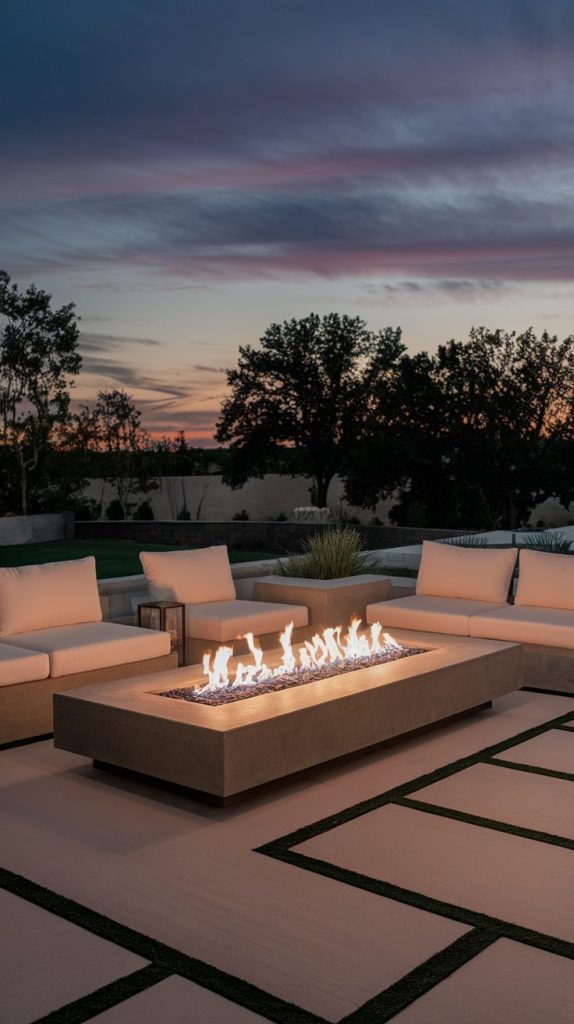
Concrete fire pits bring that clean, modern vibe that feels effortlessly cool. The smooth lines and neutral tones work great in contemporary backyards. If you like minimal design without sacrificing comfort, this idea fits perfectly.
I’ve seen concrete pits become the visual anchor of outdoor spaces. They draw attention without shouting for it. You can dress them up with modern seating or keep things simple and let the fire do the talking.
Concrete also offers flexibility in shape and size, which opens up design options. Rectangular pits look amazing alongside sectional seating. Square or round versions work well for more traditional layouts.
The material holds heat nicely and feels solid underfoot. With proper sealing, maintenance stays manageable. A concrete fire pit balances style and function in a way that feels very now.
5. Rustic Metal Fire Pit for Laid-Back Evenings
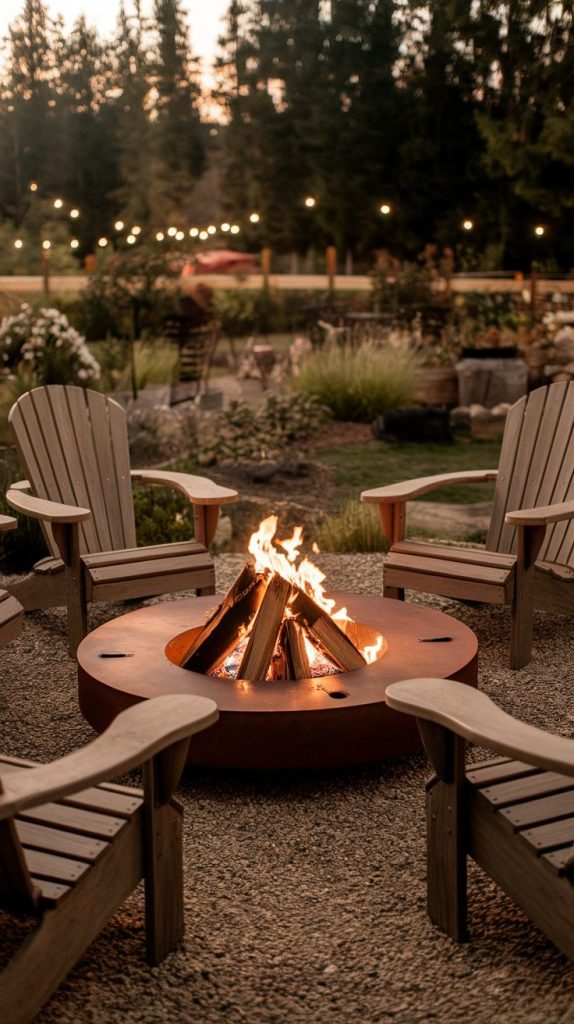
A rustic metal fire pit adds instant character to a backyard. The worn textures and darker finishes create that cozy, lived-in feel. I always associate metal pits with relaxed nights and zero pressure.
Metal heats up quickly, which means you feel warmth faster. That matters on chilly evenings when nobody wants to wait around. The crackling fire paired with the metal glow feels incredibly inviting.
You can find designs with cut-out patterns that throw interesting shadows. Those little details make gatherings feel more atmospheric without extra effort. Guests usually notice and comment on it.
Metal pits work great if you like a casual, unfussy vibe. You can toss on some Adirondack chairs and call it a night. This setup focuses on comfort over perfection.
6. Fire Pit with Built-In Seating for Easy Hosting
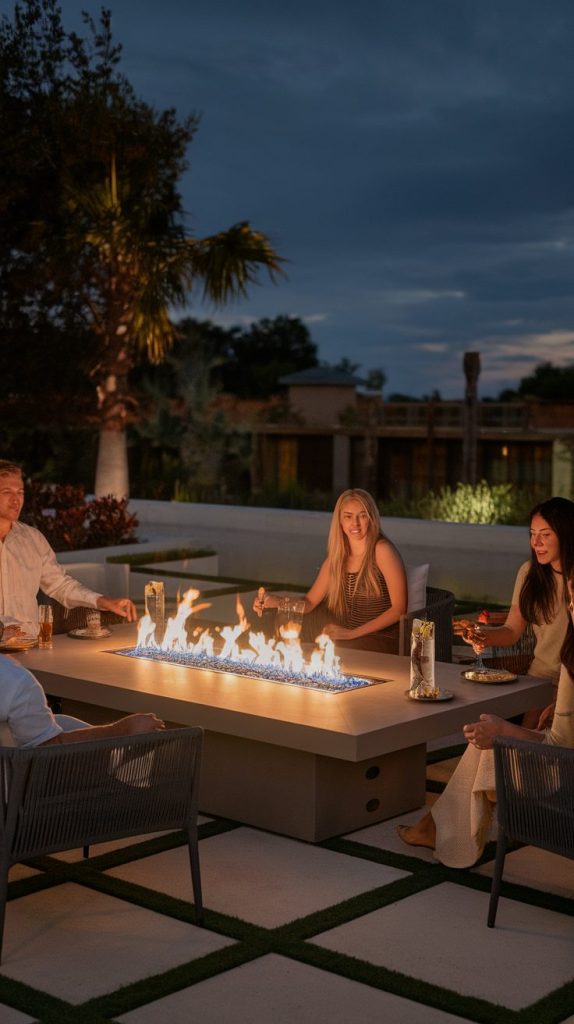
Built-in seating takes the guesswork out of hosting. Everyone knows where to sit, and the space always feels organized. I appreciate how this setup eliminates the chair shuffle.
You can match the seating material to the fire pit for a cohesive look. Stone benches, concrete ledges, or wooden surrounds all work well. Add cushions to boost comfort and style instantly.
This design encourages longer stays because people feel settled. Nobody perches awkwardly or drifts away too soon. The setup invites conversation and shared warmth.
If you host often, built-in seating saves time and effort. You won’t need to drag furniture out every time. That convenience alone makes this fire pit idea worth considering.
7. Fire Pit Table for Dining and Warmth Combined
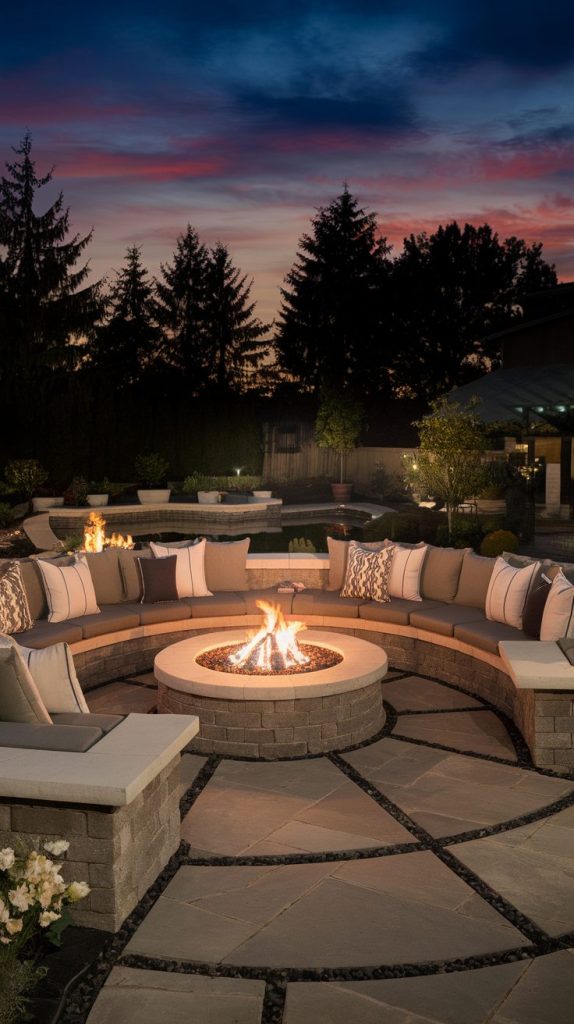
A fire pit table multitasks better than almost anything else outdoors. It gives you warmth, light, and a place to set drinks or snacks. I love designs that let people eat and chat without juggling plates.
These tables work beautifully for smaller gatherings or casual dinners. You can sit comfortably and still enjoy the fire without leaning in. That balance keeps things relaxed and social.
Gas-powered options keep flames controlled and low-profile. You won’t worry about sparks near food or hands. That peace of mind helps everyone unwind.
If you enjoy mixing dinner with conversation, this setup feels natural. The fire becomes part of the meal instead of a separate event. That seamless blend adds charm to any evening.
8. Fire Pit Surrounded by String Lights for Extra Ambiance
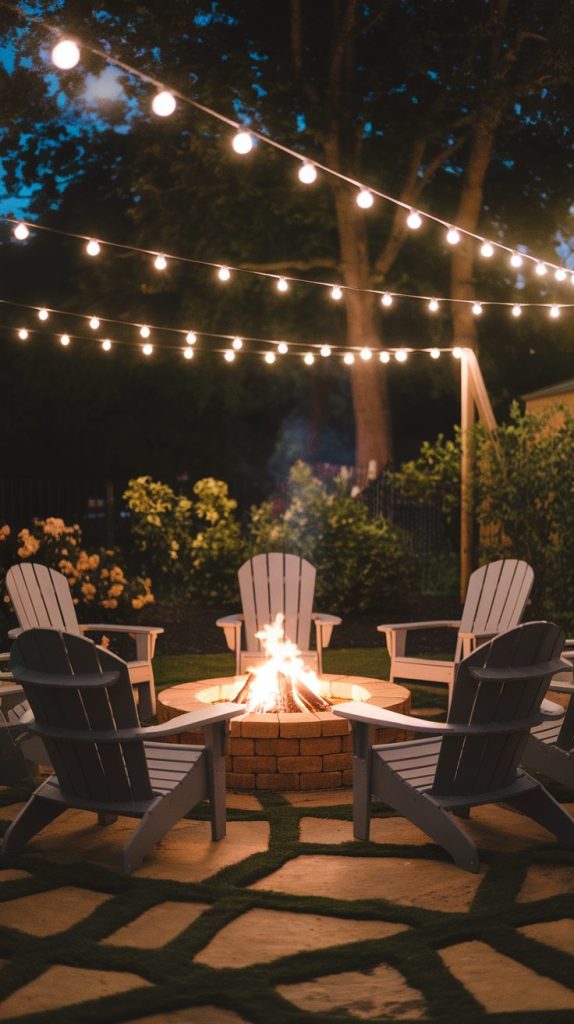
String lights plus a fire pit create instant magic. The soft overhead glow pairs perfectly with flickering flames. I always notice how this combo changes the mood immediately.
You don’t need a huge budget to pull this off. A few well-placed lights add depth and warmth to the space. They frame the fire pit and make everything feel intentional.
This setup works especially well for romantic or intimate gatherings. The lighting softens faces and encourages quieter conversation. People tend to relax more under gentle light.
I like how easy it feels to update or adjust. You can switch bulb styles or patterns anytime. String lights give you flexibility without losing that cozy fire pit charm.
9. Fire Pit with Natural Wood Seating for a Cabin Feel
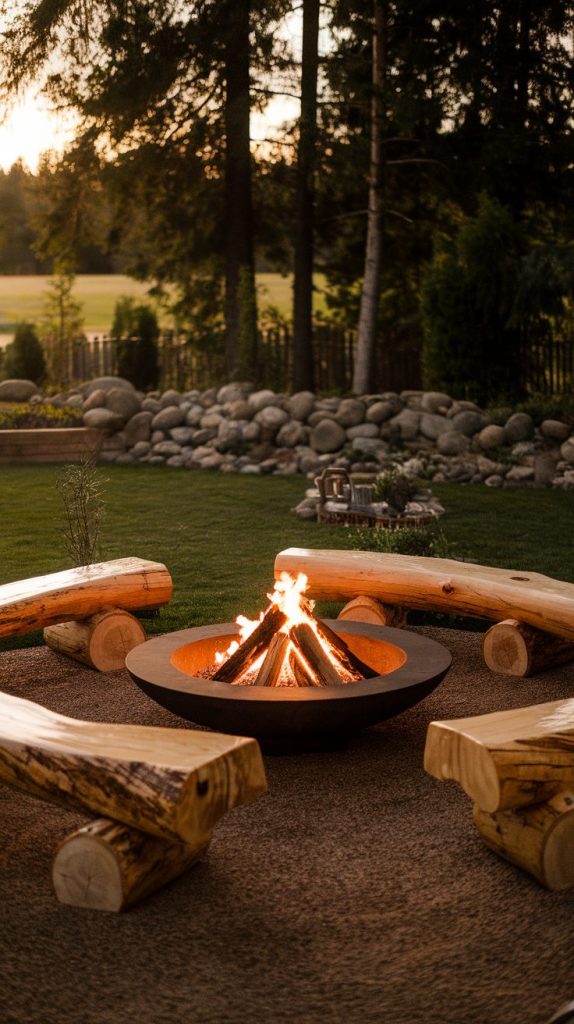
Natural wood seating brings that cabin-in-the-woods energy to your backyard. Paired with a fire pit, it feels earthy and grounded. I always find this style comforting and familiar.
Logs, benches, or reclaimed wood chairs all work here. The imperfections add character instead of taking away from it. Each piece feels unique and intentional.
Wood seating also stays cooler than metal, which matters around a fire. You can sit comfortably without shifting around. Add cushions if you want extra softness.
This setup suits relaxed gatherings with close friends. It feels less polished and more personal. That authenticity often makes nights around the fire more memorable.
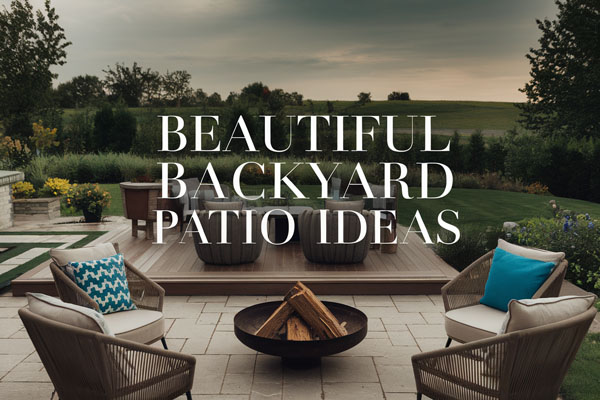
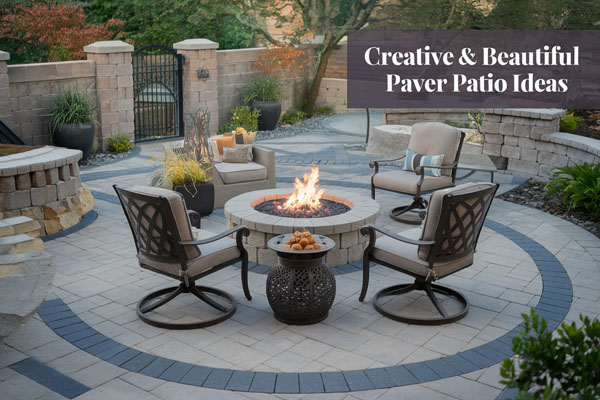
10. Fire Pit Integrated into a Patio Design
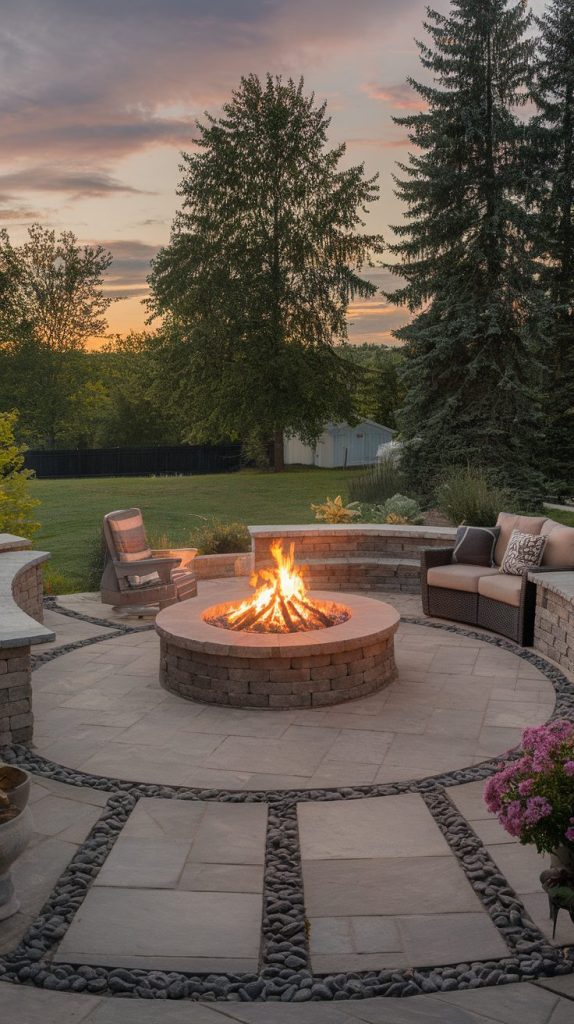
Integrating a fire pit into your patio creates a seamless outdoor living area. Everything flows together instead of feeling scattered. I love how this approach feels purposeful and complete.
You can align the fire pit with pavers, tiles, or concrete slabs. The design feels cohesive and well thought out. Guests immediately understand where to gather.
This setup works great for larger gatherings or family nights. You get plenty of space to move around while keeping the fire central. The layout supports both conversation and activity.
An integrated fire pit elevates your entire backyard experience. It turns the patio into a true extension of your home. That sense of continuity makes outdoor time feel effortless.
Fire Pit Planning Strategy: How to Design for Long-Term Comfort and Safety
Before you build or buy anything, you need a clear plan for how you want to use your backyard fire pit. I always tell people to decide whether they want quiet family nights, bigger social gatherings, or something in between. That decision shapes everything from size and fuel type to seating layout.
Start by measuring your space carefully and mapping out clearance zones. Most local building codes require specific distances between fire pits and structures, fences, or trees. You should always check your city or municipality guidelines before installing a permanent setup.
Next, think about fuel type because it affects both maintenance and experience. You generally choose between wood-burning, propane, or natural gas options. Each one offers different levels of heat control, cleanup effort, and long-term cost.
You should also consider airflow and wind direction in your yard. I learned this the hard way after smoke followed my guests all evening. Place your fire pit where natural wind patterns won’t constantly push smoke toward seating areas.
Finally, plan for storage and safety tools. Keep a fire extinguisher, water source, or sand nearby at all times. Smart planning protects your investment and keeps every gathering stress-free.
Safety & Legal Considerations Every Homeowner Should Know
You cannot treat a backyard fire pit like a casual décor piece because it involves open flames. Local regulations often restrict open burning during dry seasons or high-wind conditions. Always check fire advisories before lighting anything.
Homeowners associations sometimes have their own rules regarding fire features. I’ve seen people install beautiful pits only to remove them later due to HOA restrictions. A quick review of guidelines saves time, money, and frustration.
You should also verify your homeowner’s insurance coverage. Some policies require specific safety measures or restrict certain fuel types. Call your provider and confirm coverage before final installation.
Install your fire pit on a non-flammable surface like gravel, stone, pavers, or concrete. Avoid placing it directly on grass or wooden decking unless you use a heat shield rated for high temperatures. That one step dramatically reduces fire risk.
Always supervise children and pets around active flames. Set clear boundaries and communicate rules before the fire starts. Responsible use ensures cozy outdoor gatherings stay safe and enjoyable.
Budget Planning: What It Really Costs to Build or Buy a Fire Pit
People often underestimate the full cost of a backyard fire pit project. The price includes more than the pit itself because you also pay for seating, materials, and sometimes labor. A realistic budget prevents mid-project stress.
Here’s a general breakdown you can expect:
- Portable metal fire pit: $100–$500
- Basic stone DIY kit: $300–$1,200
- Custom-built masonry pit: $1,500–$5,000+
- Gas line installation: $300–$1,000 depending on layout
You should also budget for accessories like covers, spark screens, and quality seating. Cushions and outdoor-rated furniture add comfort but increase total investment. Plan for those items from the start instead of treating them as extras.
If you want to save money, consider phased upgrades. Start with a simple setup and improve seating or lighting later. That approach spreads out costs without sacrificing the core experience.
Remember that maintenance also carries small ongoing expenses. Wood costs money, and propane tanks need refills. Factoring those details into your plan keeps everything realistic.
Common Mistakes to Avoid
Many homeowners place their fire pit too close to structures. That mistake creates safety risks and limits airflow. Always maintain proper clearance around the entire area.
Some people ignore seating comfort and focus only on the fire feature. Guests won’t stay long if chairs feel stiff or awkward. Prioritize comfort as much as design.
Others underestimate smoke direction and ventilation. I’ve watched gatherings turn chaotic when smoke constantly shifts toward guests. Test wind patterns before locking in placement.
A lot of DIY builders skip proper base preparation. Uneven ground leads to structural shifting over time. Always level and stabilize the foundation before construction.
Finally, some hosts overload the fire with too much wood. Oversized flames create unnecessary risk and reduce control. Build manageable fires that support conversation instead of overpowering it.
Maintenance & Seasonal Care for Long-Lasting Performance
A well-maintained fire pit lasts for years without major repairs. Clean out ash after each use once the fire fully cools. Leaving ash buildup can trap moisture and damage materials.
For gas fire pits, inspect burner ports regularly. Clear debris and check connections for leaks. Annual inspections keep everything functioning safely.
Cover your fire pit when you don’t use it. Weather exposure accelerates rust and surface wear. A simple weather-resistant cover protects your investment.
During winter months, you may need to winterize gas lines in colder climates. Shut off supply valves and follow manufacturer instructions. Proper seasonal care extends lifespan and preserves appearance.
Regularly check surrounding seating and surfaces for heat damage. Replace worn cushions or cracked stones promptly. Small fixes prevent larger repairs later.
Frequently Asked Questions (FAQ)
1. What is the safest type of backyard fire pit?
Gas-powered fire pits offer more control and produce less smoke than wood-burning options. They reduce spark risk and allow instant shutoff. However, you still need proper installation and clearance.
2. How far should a fire pit sit from my house?
Most safety guidelines recommend placing a fire pit at least 10–20 feet away from structures. Always confirm local building codes before installation. Greater distance improves safety and airflow.
3. Do I need a permit to install a fire pit?
Some cities require permits for permanent or gas-connected fire pits. Regulations vary widely by location. Contact your local building department to confirm requirements.
4. What base works best under a fire pit?
Gravel, concrete, stone pavers, or fire-rated patio surfaces work best. These materials resist heat and reduce fire spread risk. Avoid placing pits directly on grass or wood.
5. How do I reduce smoke from a wood-burning fire pit?
Use seasoned hardwood and avoid green or damp wood. Stack logs to allow airflow through the center of the fire. Proper airflow minimizes excessive smoke.
6. Can I use a fire pit on a wooden deck?
You can use certain portable fire pits on decks if you install a heat-resistant pad underneath. Always verify manufacturer recommendations first. Extra protection prevents structural damage.
Final Thoughts
You can think of a fire pit as more than just a heat source. It acts as a social magnet that pulls people together naturally. That simple truth explains why fire pits never lose popularity.
The right fire pit idea depends on how you like to relax and host. Some people love flexibility, while others want structure and permanence. Either way, you can shape your backyard into a place that invites connection.
If you ask me, the best fire pit feels like it belongs to your life. It supports conversations, laughter, and quiet moments without demanding attention. Build that space, and you’ll use it more than you expect.