15 Bedroom Maintenance Tips for a Cozy Home
Comfort drops fast when a bedroom collects dust, stale air, and clutter. Most people blame stress or bad sleep habits first, but the room itself usually causes more trouble than they expect.
A bedroom needs maintenance, not random cleaning bursts, because fabrics, surfaces, and air quality all change every week. Small routines protect comfort, stretch the life of expensive items, and keep that “cozy” feeling from turning into “why does this room smell weird?”
I treat bedroom upkeep like basic home care, not some fancy lifestyle thing, because a mattress, rug, curtains, and vents cost real money to replace. A few practical habits save cash, reduce allergens, and make the room feel better every single night.
This guide covers the parts people skip, the mistakes that quietly ruin comfort, and the simple habits that keep a bedroom clean, calm, and usable year-round.
Cozy comes from maintenance more than décor, and honestly, that truth saves a lot of frustration.
Why Bedroom Maintenance Matters More Than You Think
Sleep quality depends on more than a good mattress and blackout curtains. Dust, humidity, airflow, fabric buildup, and hidden grime change how a room feels long before anything looks obviously dirty.
Dust and allergens build up in places people ignore, like under the bed, behind nightstands, inside vents, and along baseboards. That buildup triggers sneezing, itchy eyes, and that annoying stuffy feeling in the morning that makes people think they are getting sick.
Mattresses, pillows, rugs, and curtains absorb body oils, sweat, pet dander, and airborne particles every day. When nobody rotates, vacuums, or refreshes those items, they wear out faster and start holding odors that make the room feel stale no matter how often someone sprays air freshener.
Moisture creates another problem because bedrooms trap humidity from weather, AC changes, and everyday living. Too much moisture invites mold risk, musty smells, and warped wood, while air that gets too dry irritates skin, throat, and sinuses.
Bedroom maintenance also protects furniture joints, paint, fabric fibers, and window seals that quietly weaken over time. A simple routine keeps comfort high, prevents early replacements, and makes the room feel restful instead of messy, dusty, and slightly off.
1. Rotate and Air Out Your Mattress Regularly
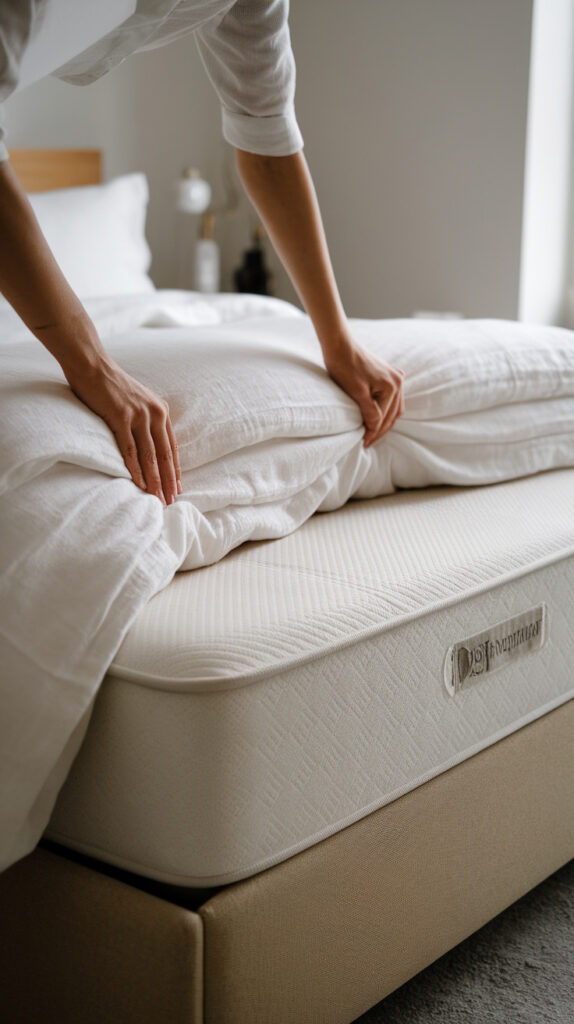
Mattresses wear unevenly because most people sleep in the same spot every night and never move them. That habit creates dips, trapped odors, and sagging that makes a decent mattress feel old way too soon.
I always tell people this one matters more than buying another throw blanket, because a fresh mattress surface changes sleep quality fast. A lumpy mattress makes the whole room feel less cozy, even if everything else looks perfect.
Air helps too, because mattresses hold moisture from body heat and sweat. Letting it breathe reduces odor buildup and keeps that heavy, stale smell from hanging around in the room.
Most people remember to change sheets and completely forget the mattress underneath. That skip costs money later because sagging and odor damage stack up slowly.
Why It Works
Rotation spreads out pressure and prevents the same springs or foam zones from taking all the weight every night. Airing the mattress lowers trapped moisture, which helps with odor control and overall freshness.
Vacuuming the surface removes dust, skin flakes, and debris that settle through sheets over time. That small step helps allergies and keeps the sleep surface cleaner without any complicated routine.
How to Do It
- Strip the bed fully and remove all bedding so the mattress surface can breathe.
- Vacuum the top and sides with an upholstery attachment to remove dust and debris.
- Rotate the mattress 180 degrees if the manufacturer allows it.
- Let it air out for 1–3 hours before remaking the bed.
- Check the care tag or brand instructions so you do not flip a one-sided mattress by mistake.
Tips & Variations
Tip: Set a calendar reminder every 2–3 months, because nobody remembers this task naturally. Variation: Sprinkle a light layer of baking soda on the mattress for 20 minutes before vacuuming if the room holds odors.
2. Wash Bedding Weekly to Prevent Allergens
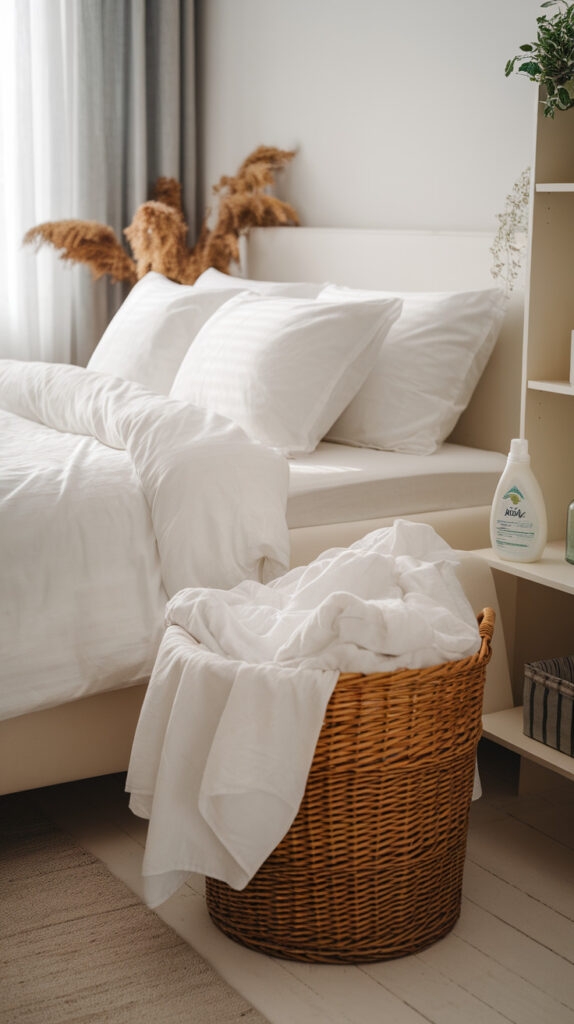
Sheets collect sweat, body oils, skin cells, and dust way faster than people think. A bed can look clean and still feel uncomfortable because the fabric holds buildup that affects smell and skin.
Weekly washing makes a huge difference in comfort, especially if someone sleeps hot, has allergies, or lets pets on the bed. I notice better sleep almost immediately after fresh sheets, and that is not placebo, that is basic hygiene doing its job.
Pillowcases deserve extra attention because they touch skin and hair all night. Dirty pillowcases can make the room feel less fresh and can also irritate skin, which nobody enjoys.
Skipping this routine for two or three weeks creates that “off” bedroom feeling people struggle to describe. The fix stays simple, cheap, and very doable.
Why It Works
Regular washing removes allergens and oils before they sink deeper into fabric fibers. Clean bedding also reduces odor and helps regulate comfort because fresh fabric breathes better than fabric loaded with buildup.
This habit protects the lifespan of sheets and pillowcases too, because gentle, regular care works better than heavy-duty washing after weeks of neglect. Consistency beats rescue mode every time.
How to Do It
- Wash sheets and pillowcases once a week in warm water unless the label says otherwise.
- Wash duvet covers every 2–4 weeks depending on use and pets.
- Dry bedding fully before putting it back to prevent musty smells.
- Rotate sheet sets so one set rests while the other stays in use.
- Use a mild detergent to protect fabric and avoid heavy fragrance buildup.
Tips & Variations
Tip: Wash pillowcases twice a week if hair products or oily skin create buildup fast. Variation: Add a lightweight quilt in warm months so heavy comforters need less frequent washing.
3. Vacuum Under the Bed Monthly
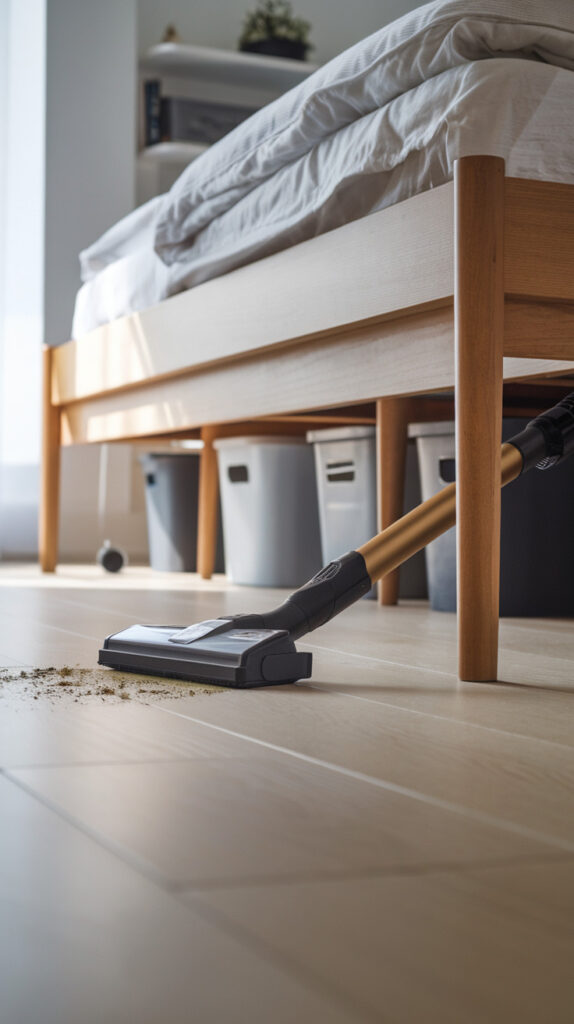
Under-bed space turns into a dust warehouse if nobody checks it. Dust bunnies, lint, pet hair, and random clutter collect there and quietly ruin air quality in the whole room.
People skip this spot because it feels annoying, and yeah, it kind of is, but the payoff is real. The room smells cleaner, allergies calm down, and the floor feels less gritty after a proper under-bed vacuum session.
Stored bins make the problem worse when they block airflow and trap dust around them. A quick monthly pass keeps that hidden mess from becoming a six-month horror show.
This task also helps people find leaks, lost items, or signs of pests early. Catching problems early saves money and stress.
Why It Works
Vacuuming under the bed removes a major source of airborne dust that kicks up every time someone moves around. Less dust on the floor means less dust on furniture, bedding, and vents later.
This habit also improves airflow in the room, especially in small bedrooms where blocked spaces hold stale air. Clean floor zones support a fresher overall environment.
How to Do It
- Move lightweight storage bins out from under the bed first.
- Use a vacuum hose or low-profile head to reach deep corners.
- Vacuum the bed frame edges and nearby baseboards while you are there.
- Wipe storage bins before placing them back.
- Keep under-bed storage simple so cleaning stays easy next month.
Tips & Variations
Tip: Use flat, sealed storage containers instead of open baskets to reduce dust buildup. Variation: If vacuum access feels tight, use a microfiber dust wand first and vacuum the loosened dust after.
4. Clean and Dust Light Fixtures
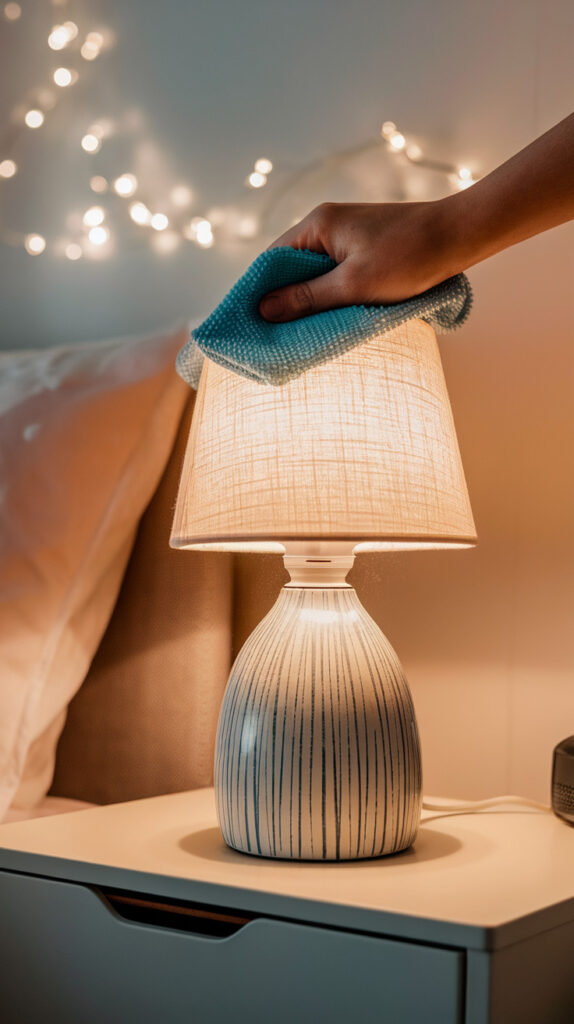
Bedroom lighting gets dusty fast, and dusty fixtures dim the room more than people realize. That weird “why does this room feel dull?” problem often starts with lampshades, bulbs, and ceiling fixtures.
Dust on bulbs and shades also gives off a stale smell when lights warm up. I have seen people buy new lamps before cleaning the old one, which feels very unnecessary but happens all the time.
This task matters for comfort because lighting shapes mood, function, and that cozy feel at night. Clean fixtures make warm light actually look warm instead of muddy.
Light fixture care also helps safety by reducing dust near hot bulbs. A few minutes of upkeep keeps everything brighter and cleaner.
Why It Works
Dust blocks light output and makes rooms feel dim even when the bulbs work fine. Clean shades and fixtures improve brightness and help maintain the tone of the room without changing any décor.
Regular cleaning also protects lamp finishes, fabric shades, and switch mechanisms from grime buildup. Less grime means less wear and fewer replacements.
How to Do It
- Turn off lights and let bulbs cool fully before cleaning.
- Dust lampshades with a microfiber cloth or soft brush attachment.
- Wipe lamp bases, pull chains, and switches with a dry or slightly damp cloth.
- Clean ceiling fixtures carefully with a stable step stool.
- Replace burned or mismatched bulbs so the room keeps consistent lighting.
Tips & Variations
Tip: Keep all bedroom bulbs in the same warm color temperature so the room feels calm, not patchy. Variation: Swap one harsh overhead bulb for a softer lamp setup if the room feels too bright at night.
5. Check Window Seals for Drafts
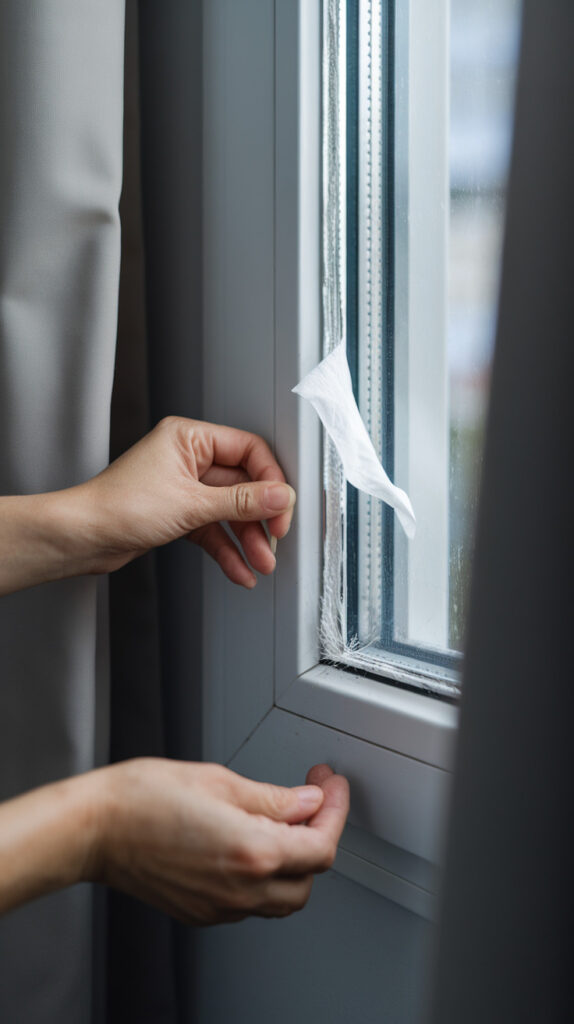
A cozy bedroom loses comfort fast when cold air sneaks in through bad window seals. Drafts make the room feel uneven, and then people overuse heating or cooling to compensate.
Most draft problems start small, so people ignore them until energy bills climb or curtains move for no reason. A quick seal check takes minutes and helps prevent a lot of discomfort.
I always check windows when the room feels colder near the bed than near the door, because that usually points to leaks. Bedrooms need stable temperature more than most rooms since comfort matters for sleep.
Window seal maintenance also protects against moisture and mold around frames. Loose seals invite condensation and long-term damage.
Why It Works
Sealed windows hold indoor temperature better and reduce strain on heating and cooling systems. Better sealing also blocks moisture, dust, and outdoor pollutants from entering the room.
A tighter window frame improves comfort at night because the temperature stays more consistent. Stable temperature helps sleep quality in a very practical way.
How to Do It
- Run your hand around the window frame to feel for moving air.
- Inspect caulk, weatherstripping, and frame edges for cracks or gaps.
- Replace worn weatherstripping with the correct type for your window.
- Re-caulk small gaps if the frame surface is clean and dry.
- Check again after repairs to confirm the draft stopped.
Tips & Variations
Tip: Test drafts with a thin tissue near the frame on a windy day for easier detection. Variation: Add insulated curtains after sealing to improve comfort and reduce heat loss even more.
6. Declutter Nightstands Regularly
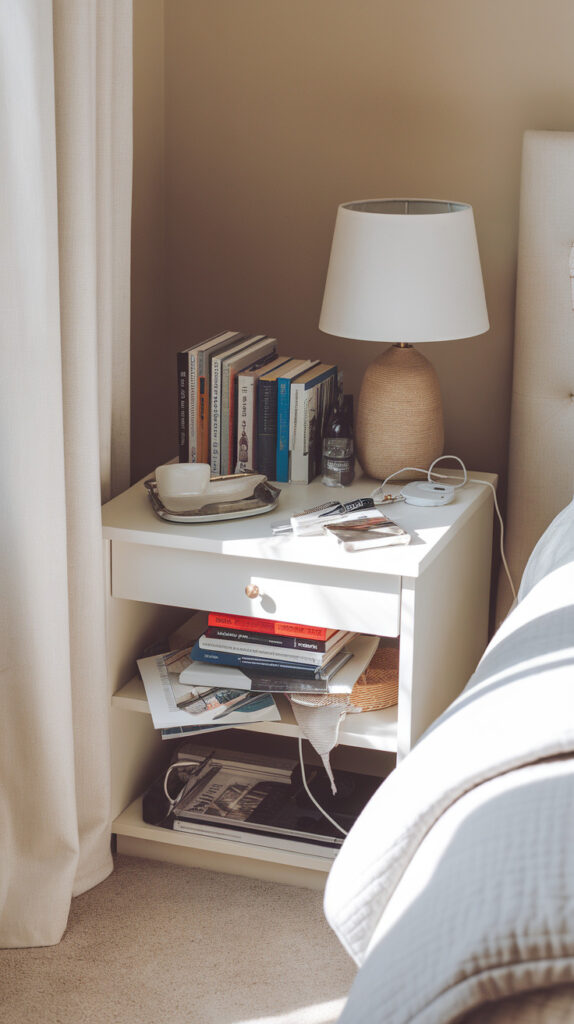
Nightstands collect clutter faster than almost any bedroom surface. Receipts, chargers, bottles, random hair ties, and half-read books pile up and make the room feel messy even when the bed looks neat.
A crowded nightstand also creates stress because important items disappear under useless stuff. I like a nightstand that works, not one that looks like a mini junk drawer with a lamp on top.
This maintenance habit protects surfaces too, because spills and dust build up around clutter and stain wood or paint. Less stuff means easier cleaning and better daily function.
Nightstand decluttering improves bedtime routines in a sneaky but real way. A clean, simple surface helps the room feel calmer.
Why It Works
Decluttering reduces visual noise and makes the bedroom feel more organized without major effort. It also makes daily cleaning faster because someone can wipe the surface in seconds instead of moving ten objects around.
Clear surfaces lower the chance of spills, scratches, and dust rings from cups or bottles. That helps preserve furniture finish and appearance over time.
How to Do It
- Remove everything from the nightstand and wipe the surface fully.
- Sort items into keep, move, or toss piles.
- Keep only daily essentials like a lamp, charger, and one or two personal items.
- Use the drawer for small items instead of stacking them on top.
- Repeat weekly so clutter never rebuilds too much.
Tips & Variations
Tip: Keep a small tray on top to contain tiny items and stop visual clutter. Variation: Use a drawer organizer insert if cords, lip balm, and meds keep mixing together.
7. Inspect Furniture Joints and Screws
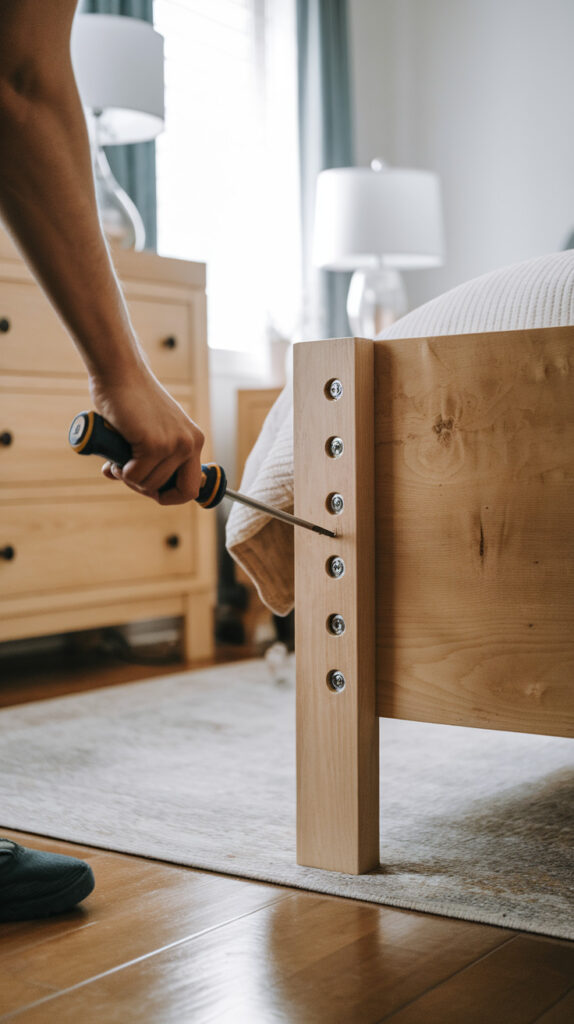
Bedroom furniture loosens slowly, and most people notice only after something wobbles hard. Bed frames, nightstands, dressers, and chairs all shift with daily use, especially on uneven floors.
Loose screws create noise, instability, and extra wear because movement stresses the joints more each week. A squeaky bed frame can ruin sleep and patience at the same time, which feels like a bad combo.
I check furniture hardware a few times a year because tightening one screw now beats replacing damaged wood later. This task sounds boring, but it protects expensive pieces.
Furniture maintenance also improves safety, especially with tall dressers or shelves. Stable furniture keeps the bedroom comfortable and secure.
Why It Works
Tight joints reduce movement, noise, and friction that wear down wood or metal parts. Stable furniture lasts longer and performs better because the structure stays aligned.
Regular checks also help catch cracks, stripped screws, or weak connections before they become major repairs. Early fixes cost less and take less effort.
How to Do It
- Check bed frame bolts, headboard mounts, and support slats first.
- Tighten visible screws on nightstands, dressers, and chairs.
- Look for wobble after tightening to spot deeper issues.
- Replace stripped screws or damaged hardware when needed.
- Recheck furniture after moving or rearranging the room.
Tips & Variations
Tip: Keep a basic screwdriver and hex key set in a closet so this task stays easy. Variation: Add felt pads under furniture legs to reduce shifting and protect floors.
8. Refresh Curtains and Blinds
Curtains and blinds trap dust, odors, and pollen even when they look fine. That buildup affects air quality and makes the room feel stale, especially near windows where airflow moves particles around.
Most people forget window coverings for months, then wonder why dust returns so fast after cleaning. Curtains and blinds quietly spread dust back into the room every time someone opens or closes them.
I treat this like fabric maintenance, not just cleaning, because fresh curtains instantly make a bedroom feel lighter. Window coverings shape both comfort and style, so they deserve regular care.
This step also helps control allergens and smells from outside. Cleaner fabrics support a healthier sleep space.
Why It Works
Clean curtains and blinds reduce airborne dust and improve room freshness. They also help light filter better because dirt and film stop dulling the material.
Regular care protects fabric color, blind mechanisms, and finish quality over time. That means better function and fewer early replacements.
How to Do It
- Vacuum curtains with a brush attachment or shake them out outside if possible.
- Wash machine-safe curtains based on the care label.
- Dust blinds slat by slat with a microfiber cloth or blind duster.
- Wipe vinyl or faux wood blinds with a damp cloth and dry them after.
- Check curtain rods and blind hardware while cleaning.
Tips & Variations
Tip: Clean window coverings every season if allergies hit hard in your home. Variation: Switch to washable curtain panels if current ones feel high-maintenance.
9. Keep Humidity Levels Balanced
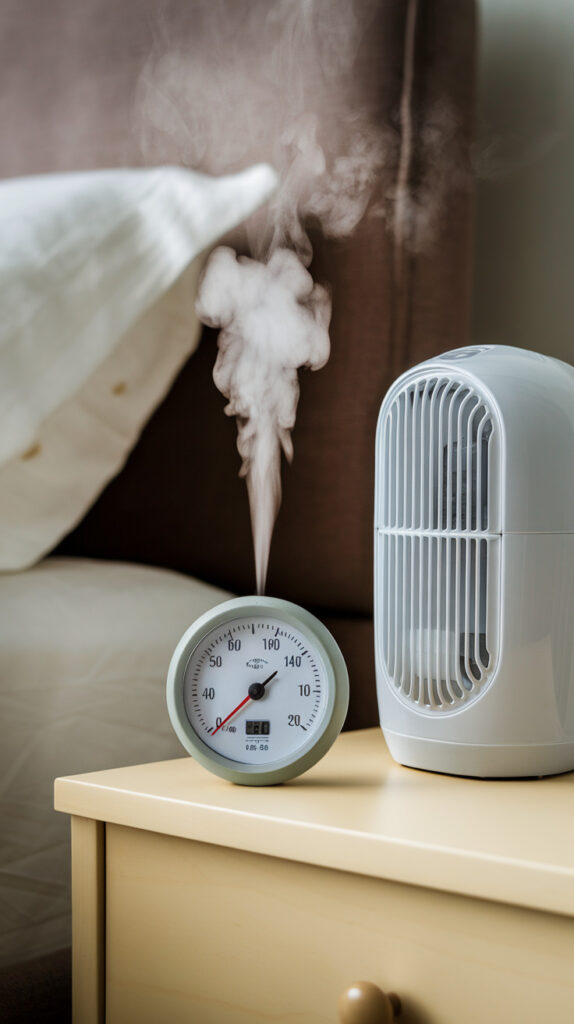
Humidity controls comfort more than people expect in a bedroom. Air that feels too damp makes everything smell heavy, and air that feels too dry leaves skin, throat, and sinuses irritated.
The room can look perfect and still feel uncomfortable if humidity swings too much. I learned that the hard way during one monsoon season when the bedroom felt musty no matter how often I cleaned.
Balanced humidity protects wood furniture, bedding, paint, and indoor air quality at the same time. It also reduces mold risk and helps the room feel more stable day to day.
This tip matters year-round because weather and AC use keep changing indoor moisture. A little monitoring prevents a lot of guesswork.
Why It Works
Balanced humidity improves comfort, sleep, and air quality while protecting materials from damage. It reduces mold growth in damp conditions and limits static, dryness, and irritation in dry conditions.
Consistent moisture levels also help fabrics and wood last longer. Bedrooms stay cozier when the air feels right, plain and simple.
How to Do It
- Use a small hygrometer to track bedroom humidity.
- Aim for roughly 40–50% humidity for comfort and health.
- Run a dehumidifier if the room feels damp or smells musty.
- Use a humidifier if air feels very dry, especially in winter.
- Clean humidity devices regularly so they do not spread grime.
Tips & Variations
Tip: Keep humidifiers away from walls and wood furniture to avoid moisture spots. Variation: Add moisture-loving plants only if humidity stays low and the room gets enough light.
10. Flip or Rotate Area Rugs
Bedroom rugs take constant foot traffic in the same lanes, especially near the bed and closet. That repeated wear flattens fibers, traps dust, and creates visible paths that make the room look older.
A rug can still have plenty of life left if someone rotates it before wear patterns lock in. I rotate bedroom rugs because replacing a good rug early feels like paying extra for no reason.
Rugs also trap dust and pet hair deep in the fibers, which affects air quality and comfort. Rotation plus regular cleaning keeps the rug softer and the room cleaner.
This habit works especially well for larger rugs that anchor the room. Simple maintenance preserves both comfort and appearance.
Why It Works
Rotation spreads foot traffic and sunlight exposure across different sections of the rug. That reduces uneven fading, flattening, and wear so the rug lasts longer.
Flipping small reversible rugs adds even more life by using both sides. Clean, well-maintained rugs also hold less dust and support better indoor air quality.
How to Do It
- Vacuum the rug thoroughly before moving it.
- Rotate the rug 180 degrees every few months.
- Flip it if the rug design and backing allow safe use on both sides.
- Check the rug pad underneath and clean or replace it if needed.
- Smooth the rug flat to prevent curled edges or tripping.
Tips & Variations
Tip: Rotate rugs more often if sunlight hits one side of the room all day. Variation: Use a washable bedside rug in high-traffic rooms for easier upkeep.
11. Wipe Down Baseboards and Corners
Baseboards and corners collect dust, cobwebs, and grime that people stop noticing after a while. That buildup makes the room feel less clean even if the visible surfaces look good.
Corners also show early signs of moisture issues, mold spots, or insect activity, so regular checks help for more than appearance. I like this task because it gives fast results and makes the whole room look sharper.
Dust on baseboards travels upward whenever someone vacuums or moves around. Cleaning them helps reduce overall dust in the bedroom.
This step also protects paint and trim finish from grime staining over time. Small details matter in a room used every day.
Why It Works
Clean baseboards reduce dust circulation and improve the finished look of the room. They also help people spot problems early instead of discovering damage months later.
Regular wiping prevents grime from hardening onto painted trim. That keeps cleaning easy and avoids harsh scrubbing that can damage surfaces.
How to Do It
- Dry dust baseboards and corners with a microfiber cloth first.
- Use a slightly damp cloth to wipe stuck-on grime.
- Clean behind doors, around furniture legs, and tight corners.
- Dry the trim after wiping to protect paint and wood.
- Check for cracks, stains, or moisture while cleaning.
Tips & Variations
Tip: Attach a microfiber cloth to a flat mop for faster baseboard cleaning in bigger rooms. Variation: Use a gentle wood-safe cleaner on stained trim if plain water does not lift grime.
12. Test Smoke Detectors in Bedrooms

Bedroom comfort means nothing if safety gets ignored. Smoke detectors protect sleep hours when people stay least aware, so this task belongs in every bedroom maintenance routine.
People usually remember detectors only when they start beeping at 2 a.m., which feels like a personal attack. A quick monthly test prevents that chaos and keeps the device ready when it actually matters.
This task takes less than a minute but carries huge value. Safety gear needs regular checks, not good intentions.
Detector care also includes battery checks and dust removal. Dust can interfere with performance over time.
Why It Works
A working smoke detector gives early warning during fire emergencies, especially at night. Regular testing confirms the unit still responds and reduces the chance of battery failure surprises.
Dusting the device helps maintain sensor function and reliability. Small maintenance steps keep a critical safety tool dependable.
How to Do It
- Press the test button on each bedroom smoke detector once a month.
- Replace batteries right away if the signal sounds weak or absent.
- Gently dust the detector exterior with a dry cloth or soft brush.
- Check the manufacturing date and replace old units per safety guidelines.
- Keep the area around the detector clear for proper airflow.
Tips & Variations
Tip: Test detectors on the same day each month so the habit sticks. Variation: Install interconnected detectors if your home setup supports them for better whole-home alerts.
13. Maintain Closet Organization

A messy closet spills stress into the whole bedroom even when the door stays closed. Crowded shelves, floor piles, and jammed hangers make daily routines harder and create dust traps.
Closet maintenance does more than improve looks because it protects clothes, shoes, and linens from wrinkles, mildew, and damage. I keep closets organized mainly for function, and the calmer room feel comes as a bonus.
Overstuffed closets also block airflow and trap stale smells. A little space between items helps fabrics stay fresher.
This tip saves time every morning, which counts as comfort too. Nobody needs a mini scavenger hunt before coffee.
Why It Works
Organized closets reduce clutter spread in the bedroom and make cleaning easier. Better spacing also protects clothing and fabric storage from moisture buildup and wear.
A maintained closet supports cleaner air because fewer piles collect dust. It also helps people use what they own instead of overbuying duplicates.
How to Do It
- Remove everything that does not belong in the closet.
- Group clothing by type and season for easier access.
- Use matching hangers to save space and improve visibility.
- Store off-season items in bins and label them clearly.
- Vacuum the closet floor and wipe shelves before restocking.
Tips & Variations
Tip: Do a 10-minute closet reset every week instead of waiting for a major mess. Variation: Add cedar blocks or unscented moisture absorbers if the closet smells stale.
14. Replace Worn Pillow Inserts

Pillow covers can look fine while the inserts inside turn flat, lumpy, and dusty. Old pillows lose support and can mess with sleep quality, neck comfort, and overall bedroom freshness.
People keep pillows way too long because they look “okay” from the outside. I replace inserts sooner than most because fresh pillows make a bedroom feel instantly cleaner and more comfortable.
Worn inserts also hold allergens and odors even after washing pillowcases. That hidden buildup affects sleep and air quality more than people realize.
This tip gives strong comfort payoff for a relatively low cost. A cozy bed starts with supportive pillows.
Why It Works
Fresh pillow inserts improve head and neck support, which helps sleep quality and comfort. They also reduce trapped allergens and odor compared to old, compacted pillows.
Replacing inserts protects pillow covers too because old lumps and uneven fill stress the seams. New inserts keep the bed looking and feeling better.
How to Do It
- Check pillows for lumps, flattening, or lingering odor.
- Replace bed pillows every 1–2 years depending on quality and use.
- Wash washable pillows based on care labels between replacements.
- Use pillow protectors to reduce sweat and dust buildup.
- Fluff pillows regularly to maintain shape and airflow.
Tips & Variations
Tip: Keep an extra pair of pillow inserts so swaps stay easy during wash days. Variation: Use different firmness levels for sleeping and reading pillows instead of forcing one type to do both jobs.
15. Clean and Maintain Air Vents
Bedroom vents collect dust and then spread it back into the room every time air runs. That cycle keeps surfaces dusty and can make the room feel stuffy, even after cleaning.
Dirty vents also reduce airflow, which hurts temperature control and comfort. I clean bedroom vents regularly because nothing ruins a cozy room faster than weak airflow and dusty air.
This task matters in both AC and heating seasons. Clean vents help the system work better and keep the room more stable.
Vent maintenance also helps spot moisture stains or buildup early. Catching issues early beats expensive repairs later.
Why It Works
Clean vents improve airflow and reduce dust circulation in the bedroom. Better airflow supports steady temperature, better sleep, and a fresher feeling room.
Regular vent cleaning also reduces strain on the HVAC system by keeping air pathways clearer. Efficient airflow helps comfort and can reduce energy waste.
How to Do It
- Turn off the HVAC system before cleaning vents.
- Remove vent covers if possible and vacuum inside the opening.
- Wash vent covers with mild soap, then dry fully.
- Reinstall covers and check that nothing blocks airflow.
- Inspect for visible mold, heavy debris, or damage and address issues early.
Tips & Variations
Tip: Clean vents at the start of each season for a simple routine. Variation: Add a room air purifier if dust returns quickly despite regular vent cleaning.
Seasonal Bedroom Maintenance Checklist
Bedroom comfort shifts with weather, and the same routine does not work all year. Seasonal maintenance keeps the room comfortable without constant trial and error.
Spring works best for deeper cleaning because fabrics and hidden dust need a reset after cooler months. I use spring to deep-clean the mattress, wash curtains, vacuum under furniture, and clear out closet clutter before warm weather starts.
Summer maintenance focuses on airflow and humidity because damp air can make bedrooms feel heavy and musty. Clean AC vents, monitor humidity, wash lighter bedding often, and keep window coverings clean so air moves better and smells stay fresh.
Fall should prepare the room for cooler nights and temperature swings. Check window seals for drafts, rotate rugs and mattress, and swap to warmer bedding before cold weather arrives so the room stays comfortable without extra hassle.
Winter maintenance needs balance because heating dries the air fast. Monitor humidity, inspect heating vents, wash bedding regularly, and keep clutter low so the room still feels cozy instead of dry, dusty, and cramped.
Low-Cost Ways to Keep Your Bedroom Cozy Year-Round
A cozy bedroom does not require expensive furniture or a full makeover. Smart maintenance plus a few low-cost upgrades usually beats random shopping every time.
Layout changes can improve comfort fast, especially if furniture blocks airflow or makes the room feel tight. Moving the bed away from a drafty window or clearing pathways can make the room feel calmer and more functional for free.
Lighting changes also create a big difference without much cost. I usually swap harsh bulbs for warm ones and add one soft bedside lamp because good light makes a clean room feel genuinely cozy, not just tidy.
Layered textiles help the room adapt through different seasons without buying a whole new setup. Add a washable throw, rotate pillow covers, and use breathable layers in summer with warmer layers in winter so comfort stays flexible.
Window treatment tweaks and subtle scent use also help when done carefully. Clean curtains, seal drafts, and use light, clean scents sparingly because overpowering fragrance can make a bedroom feel fake instead of fresh.
Common Bedroom Maintenance Mistakes to Avoid
People usually ruin bedroom comfort through neglect, not bad taste. The biggest mistake starts with surface cleaning only, because hidden dust under beds, behind furniture, and inside vents keeps the room feeling dirty.
Overcrowding furniture causes another common problem because it blocks airflow and makes cleaning harder. A room can have beautiful pieces and still feel cramped if nobody leaves enough space to move, clean, and breathe.
Skipping mattress care shortens mattress life and quietly hurts sleep quality. Many people change sheets often but never vacuum, rotate, or air out the mattress, which creates odor and wear issues that build over time.
Harsh cleaners also damage bedroom furniture, especially wood, painted surfaces, and fabric finishes. Strong chemicals can strip surfaces, leave residue, and create smells that linger where people sleep.
Another mistake comes from ignoring humidity and drafts until comfort drops badly. Bedrooms need consistent temperature, airflow, and moisture balance, so small checks on windows, vents, and humidity levels prevent bigger problems later.
Frequently Asked Questions
How often should you deep clean a bedroom?
A good bedroom needs light maintenance weekly and deeper cleaning every 1–3 months. Weekly tasks should cover bedding, quick decluttering, and surface dusting, while deep cleaning should include the mattress, under-bed area, vents, curtains, baseboards, and closet floor.
I like a monthly deep clean for busy homes, pet owners, or anyone with allergies because dust builds fast. A seasonal deep clean also works if you stay consistent with weekly habits, but waiting too long usually turns a simple job into an annoying one.
How long should a mattress last?
Most mattresses last around 7–10 years, but care habits change that number a lot. Rotation, mattress protectors, regular vacuuming, and proper bed frame support can help a mattress stay comfortable longer.
A mattress usually needs replacement sooner if it sags, smells bad, or causes morning aches that disappear after getting up. Good maintenance extends life, but it cannot save a mattress that already lost support.
What causes musty smells in bedrooms?
Musty bedroom smells usually come from trapped moisture, dirty fabrics, poor airflow, or hidden dust buildup. Mattresses, curtains, rugs, and closets often hold the smell because they absorb humidity and odors over time.
Check humidity levels first, then clean soft surfaces and vents before spraying anything. Air fresheners only cover the smell, and honestly, they can make the room smell worse when dampness still sits underneath.
How do you reduce dust naturally in a bedroom?
Dust drops when you remove the sources and clean them on a routine, not when you clean only visible surfaces. Weekly sheet washing, monthly under-bed vacuuming, vent cleaning, curtain care, and baseboard wiping cut dust a lot.
Keeping clutter low also helps because piles collect and hold dust. A vacuum with a good filter, washable bedding, and simple storage habits usually makes the biggest difference without any fancy products.
What humidity level is best for bedrooms?
Most bedrooms feel best around 40–50% humidity because that range supports comfort, better breathing, and fewer moisture problems. Higher levels can encourage musty smells and mold, while lower levels can dry out skin and sinuses.
Use a small hygrometer so you stop guessing and start checking. A humidifier or dehumidifier can fix the issue quickly, but regular cleaning of those devices matters just as much as using them.
Is weekly sheet washing really necessary?
Yes, weekly sheet washing makes a real difference in comfort and cleanliness. Sheets collect sweat, skin cells, oils, and dust all week, and that buildup affects smell, allergies, and sleep quality even if the bed looks neat.
People who sleep hot, have pets, or deal with allergies may need even more frequent pillowcase washing. This habit stays simple, costs very little, and gives one of the fastest comfort upgrades in the whole bedroom.
Final Thoughts
Bedroom comfort comes from upkeep, not just decorating. A clean lamp, a rotated mattress, clear airflow, and fresh bedding do more for sleep than most people expect.
Small routines protect expensive items and prevent that slow decline that makes a room feel dusty, stale, or uncomfortable. Cozy starts with maintenance, and once that habit clicks, the whole bedroom feels better without much drama.