How to Clean Stains on a Mattress in 10 Easy No-Spreading Steps
You finally spot that mysterious stain on your mattress and grab a cloth to scrub it out—only to watch it spread like a bad rumor. The instinct to rub hard is strong, but it's the fastest way to turn a small spot into a big mess.
The secret to clean stains without spreading them is knowing which moves to make and which to avoid.
From fresh spills to set-in marks, these ten methods keep the damage contained while lifting the stain right out.
1. Blot, Don't Rub: The Golden Rule for Fresh Stains
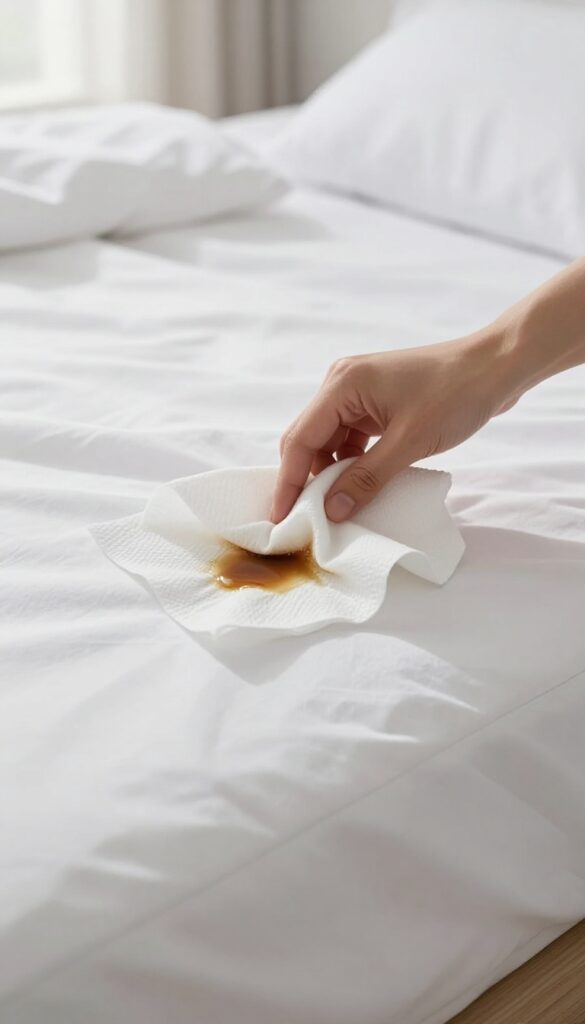
When you see a fresh stain, your first instinct might be to scrub it out. But rubbing is the enemy—it grinds the liquid deeper into the mattress fibers and spreads the stain outward. A gentle blotting motion lifts the stain without pushing it around.
Grab a clean, white cloth or paper towel. Press down firmly on the stain to absorb as much liquid as possible. Repeat with fresh sections of the cloth until no more moisture transfers.
This simple step keeps the stain contained and sets you up for success with the next cleaning steps.
Why Rubbing Backfires
Rubbing creates friction that forces stain particles into the mattress padding. It also breaks the stain into smaller bits that spread across a wider area. Blotting, on the other hand, uses capillary action to pull the liquid upward into the cloth.
The Right Blotting Technique
Always work from the outside of the stain inward to prevent spreading. Use a light dabbing motion, not a wipe. Change to a clean area of the cloth frequently so you're not redepositing the stain.
2. Cold Water for Blood Stains: Why Heat Sets Them
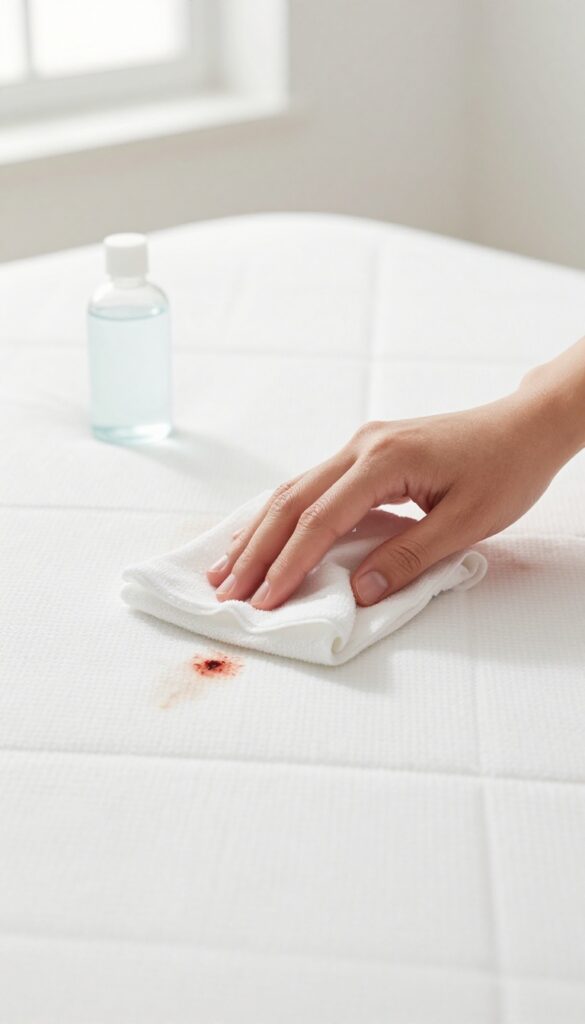
Blood stains are tricky because heat makes them permanent. Hot water causes the proteins in blood to bind tightly to fabric fibers, turning a washable spot into a stubborn mark. The solution is simple: cold water and a gentle oxidizing agent like hydrogen peroxide lift the stain without setting it.
When you discover a blood stain on your mattress, resist the urge to use warm or hot water. Heat coagulates the proteins, locking the stain into the fabric. Instead, blot the area with a clean cloth soaked in cold water to remove as much blood as possible.
Then apply a small amount of hydrogen peroxide directly to the stain—it will fizz as it breaks down the organic matter. Let it sit for a few minutes, then blot with a cold, damp cloth. Repeat until the stain fades, then blot with a dry towel to remove excess moisture.
Why Heat Makes Blood Stains Worse
Blood contains proteins that behave like egg whites when heated—they coagulate and bond with fabric fibers. Hot water or a hot iron will set the stain permanently. Always use cold water for initial rinsing and treatment.
The Hydrogen Peroxide Trick
Hydrogen peroxide is a mild bleach that breaks down blood proteins. Pour a small amount (3% solution) directly on the stain and watch it bubble. Blot gently with a cold cloth—don't rub.
For older stains, let the peroxide sit for up to 10 minutes before blotting.
Step-by-step Cold Water Blotting
Start by dabbing the stain with a cold, damp cloth to lift fresh blood. Work from the outside in to avoid spreading. Switch to a dry section of cloth as you go.
After peroxide treatment, rinse the area with cold water on a clean cloth to remove residue.
3. Enzymatic Cleaners for Organic Stains: Urine, Vomit, and Sweat
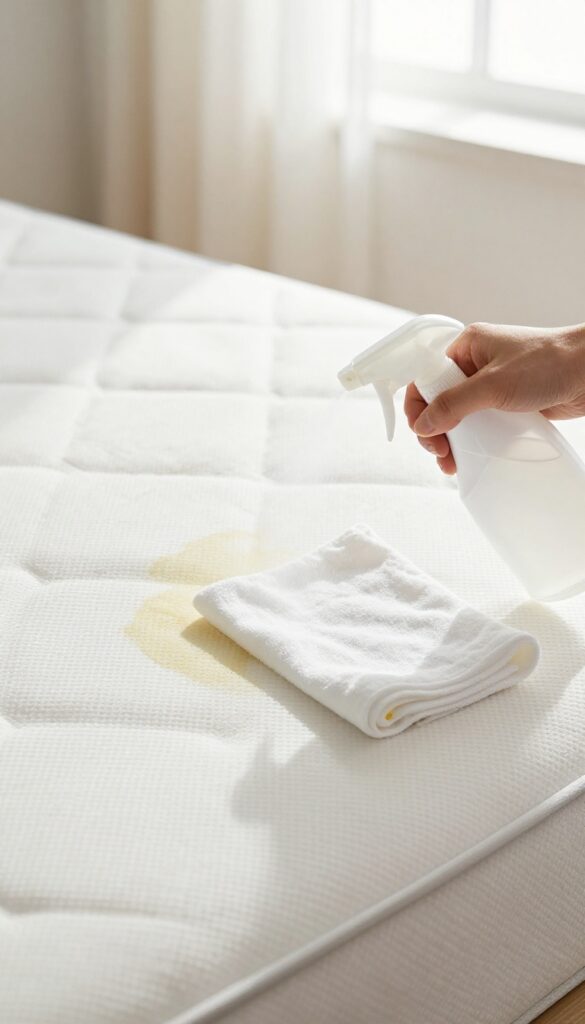
Organic stains like urine, vomit, and sweat come with a double problem: the stain itself and the lingering odor. Regular cleaners might mask the smell, but they don't break down the proteins that cause it. That's where enzymatic cleaners shine.
They use natural enzymes to digest the organic matter, lifting both the stain and the odor from deep within the mattress fibers. The key is to apply, let it work, and blot—never scrub—to keep the stain contained.
Enzymatic cleaners are a game-changer for biological stains. They contain specific enzymes that target proteins, starches, and fats, breaking them down into smaller molecules that can be easily lifted away. This makes them highly effective on urine, vomit, sweat, and even blood.
Unlike harsh chemicals, enzymes are gentle on mattress fabrics and safe for most materials. They also neutralize odors at the source rather than just covering them up. For best results, choose a cleaner labeled for pet stains or biological stains, as these are formulated for the job.
How Enzymatic Cleaners Work
Enzymes are biological catalysts that speed up chemical reactions. In cleaners, they specifically target the proteins and other organic compounds in stains. When you spray an enzymatic cleaner on a fresh or dried stain, the enzymes get to work breaking down the molecules into water and carbon dioxide.
This process not only removes the visible stain but also eliminates the odor-causing bacteria. It's a bit like having tiny cleanup crews that eat the mess away.
Application Tips For Best Results
First, blot up as much of the fresh stain as possible with a dry cloth. Then, spray the enzymatic cleaner generously onto the stain, making sure to saturate it without soaking through to the mattress base. Let it sit for at least 10-15 minutes—longer for dried or set-in stains.
The enzymes need time to work. After that, blot the area with a clean, damp cloth to lift the residue. Repeat if necessary, but never scrub, as that will push the stain deeper and spread it.
Common Mistakes To Avoid
One big mistake is using hot water or heat before the enzymatic cleaner has done its job. Heat can set proteins in stains like blood or sweat, making them permanent. Another is using too much liquid, which can soak into the mattress and cause mold.
Always blot, don't pour. Also, avoid mixing enzymatic cleaners with bleach or other chemicals, as this can neutralize the enzymes and create harmful fumes.
4. Baking Soda and Vinegar: The Dynamic Duo for Odor and Light Stains
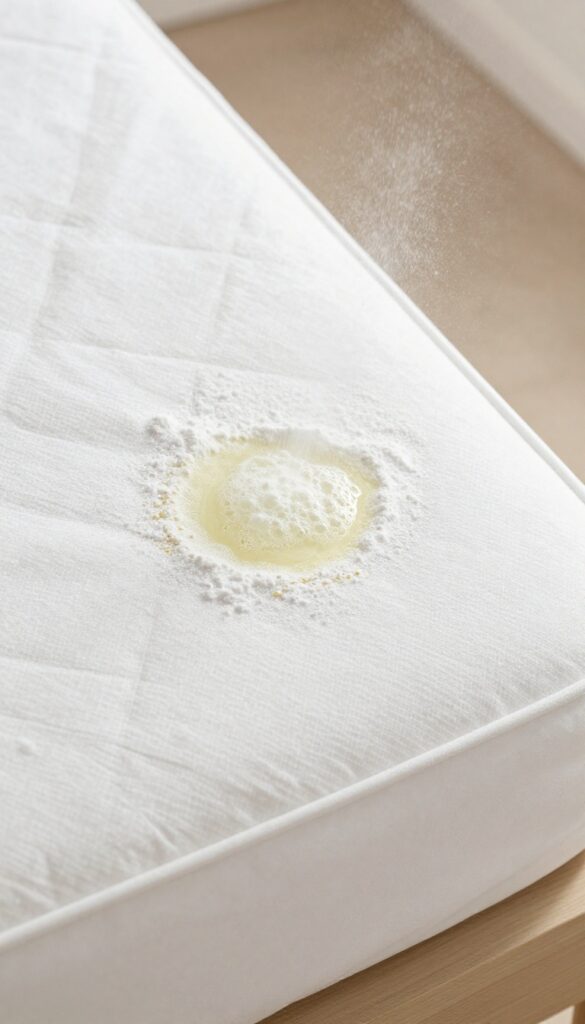
Baking soda and vinegar are the classic one-two punch for household cleaning, and they work wonders on mattress stains too. This combo is especially good for light stains and lingering odors, because the fizzing action helps lift dirt without you having to scrub aggressively. The key is to let the reaction do the work, not your elbow grease.
Sprinkle a generous layer of baking soda over the stained area. Fill a spray bottle with white vinegar and mist it lightly over the baking soda. You'll see it fizz—that's the reaction lifting the stain and neutralizing odors.
Let it sit for about 15 minutes, then blot with a clean cloth. Avoid rubbing; just press to absorb the liquid. Repeat if needed, then vacuum up any residue once dry.
Why This Combo Works Without Spreading
The fizzing action is gentle but effective. It loosens dirt and breaks down stain molecules without requiring you to scrub, which is what typically spreads stains. Plus, the baking soda absorbs excess moisture, keeping the stain contained.
Best Stains And Odors For This Method
This duo is ideal for sweat stains, light urine marks, and general yellowing. It's also fantastic for neutralizing musty smells or pet odors. For tougher stains like blood or wine, you'll need a different approach.
Pro Tips For Best Results
Use white vinegar, not apple cider or balsamic. Don't soak the mattress—just a light mist. Let the paste dry completely before vacuuming.
If the stain persists, repeat the process once more.
5. Hydrogen Peroxide and Dish Soap: A Gentle Bleach Alternative
Hydrogen peroxide is a mild bleaching agent that works wonders on sweat stains and yellowing without the harshness of chlorine bleach. When paired with a drop of dish soap, it becomes a gentle but effective stain lifter. The key is to use it sparingly and let it work, not scrub it in.
This method is especially good for set-in stains that have turned yellow over time. The hydrogen peroxide oxidizes the stain, breaking down the organic compounds, while the dish soap helps lift it from the fibers. It's a safe alternative for colored mattresses too, as long as you test a hidden spot first.
Mixing The Solution
Combine 3% hydrogen peroxide with a single drop of dish soap in a small bowl. You don't need much—just enough to dampen the stain. Stir gently to avoid creating too many suds.
Applying And Waiting
Use a clean spray bottle or a cloth to apply the mixture directly to the stain. Let it sit for 5 to 10 minutes. You'll see it start to bubble and foam, which means it's working.
Don't disturb it during this time.
Blotting Away The Residue
After the wait, blot the area with a dry cloth. The stain should transfer onto the cloth. Repeat if needed, but avoid oversaturating the mattress.
Let it air dry completely before putting sheets back on.
6. Club Soda for Fresh Spills: The Bubbles Lift the Stain
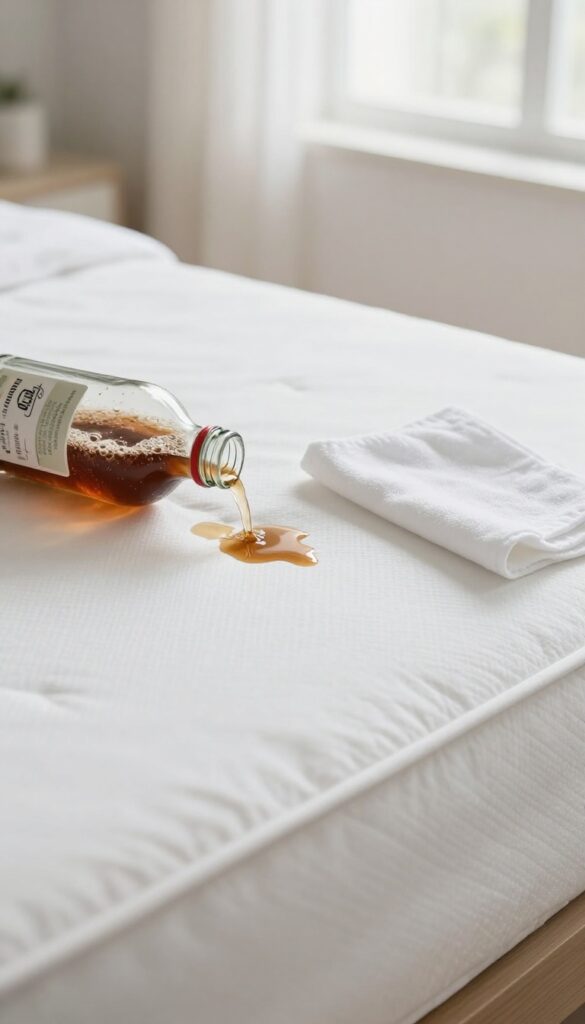
Club soda isn't just for mixing drinks—it's a surprisingly effective stain fighter. The carbonation creates tiny bubbles that help lift fresh spills to the surface, making it easier to blot away without rubbing. This works best on liquid stains like coffee, juice, or wine that haven't had time to set.
The key is to act fast. As soon as you notice a spill, grab a bottle of club soda and pour it directly onto the stain. Let it fizz for a few seconds, then blot gently with a clean, dry cloth.
The bubbles will push the liquid upward, and the blotting will absorb it. Repeat until the stain is gone, then let the area air dry completely.
Why Club Soda Works
The carbon dioxide in club soda creates effervescence that physically lifts stain particles from the fabric. The mild acidity also helps break down some compounds, while the lack of added sugars or dyes means no new stains are introduced.
Blotting Technique Matters
Always blot from the outside of the stain inward to prevent spreading. Use a light pressing motion rather than scrubbing. If the cloth becomes saturated, switch to a dry section or a new cloth to avoid redepositing the stain.
When To Avoid Club Soda
Club soda is best for fresh, water-based spills. Avoid using it on set-in stains or oil-based spills, as the carbonation won't be effective and may spread the stain further. For those, stick with enzymatic cleaners or hydrogen peroxide.
7. Salt for Red Wine or Juice: Absorb Before It Sets
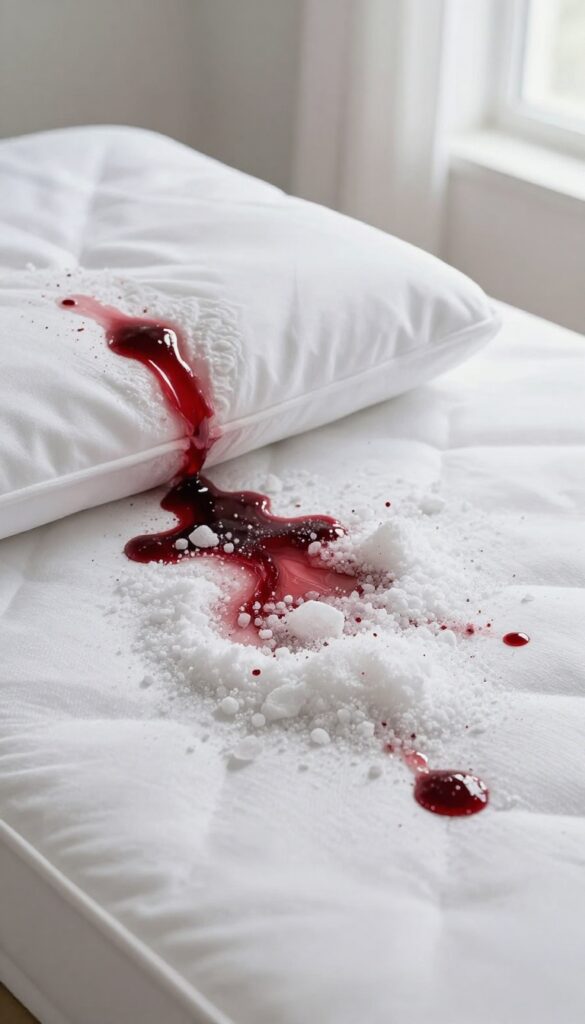
Red wine and juice spills on a mattress feel like a disaster, but they don't have to be permanent. The key is to act fast and use an absorbent that pulls the liquid out instead of pushing it deeper. Salt is your best friend here—it soaks up the moisture and traps the pigment before it has a chance to bond with the fabric.
When a red wine or juice spill happens, grab the salt shaker immediately. Pour a thick, even layer over the entire spill, making sure to cover it completely. The salt will start absorbing the liquid right away, drawing it out of the mattress fibers.
Let it sit for at least 15–20 minutes, or longer if the spill is large. Once the salt has turned pink or damp, vacuum it up using the upholstery attachment. You should see a much lighter or even gone stain.
If any residue remains, repeat the process or follow up with a mild detergent solution.
Why Salt Works So Well
Salt is hygroscopic, meaning it naturally attracts and holds moisture. When you pile it on a fresh spill, it creates a concentration gradient that pulls the liquid out of the mattress. This prevents the stain from wicking into deeper layers and spreading outward.
Plus, salt is gentle on fabrics and won't set the stain like heat or scrubbing would.
Step-by-step: How To Apply Salt
First, blot any excess liquid with a clean, dry cloth—don't rub, just press. Then, pour a generous mound of table salt or kosher salt directly onto the wet area. Make sure the layer is thick enough to cover the stain entirely.
Let it sit undisturbed for 15–30 minutes. When the salt looks damp or discolored, vacuum it up. For stubborn spots, you can gently scrape off the salt with a spoon before vacuuming.
What To Do If The Stain Is Already Set
If the spill has already dried, salt alone won't work as well. First, re-wet the area with a little cold water to rehydrate the stain. Then apply salt as described.
Let it sit longer—up to an hour—before vacuuming. You can also mix salt with a small amount of water to form a paste, apply it to the stain, let it dry, then vacuum. This helps lift dried pigments.
8. Cornstarch for Greasy Stains: Draw Out the Oil
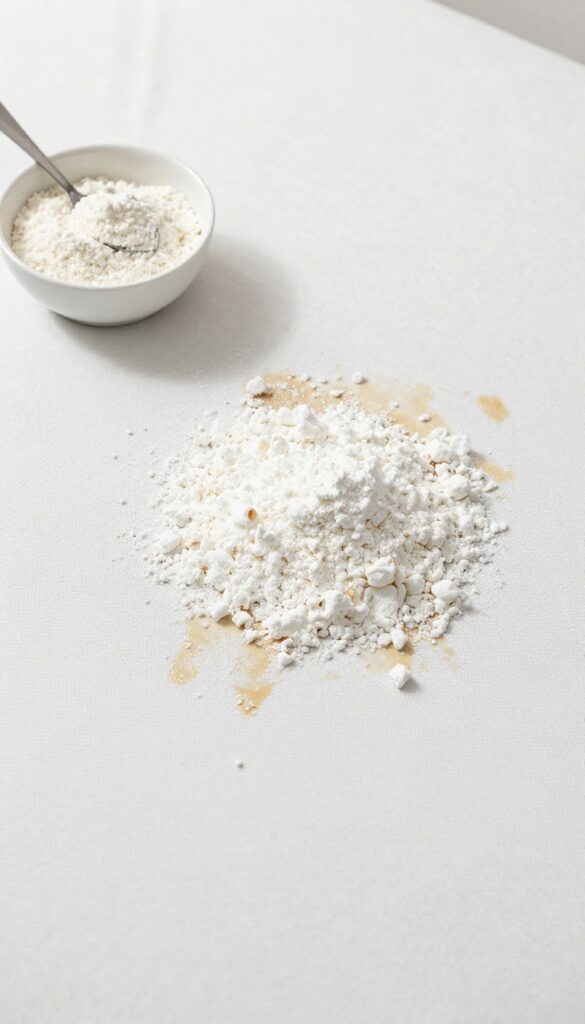
Grease stains on a mattress are stubborn because oil doesn't dissolve in water. Rubbing them only pushes the grease deeper into the fibers. Cornstarch acts like a magnet for oil, pulling it out without spreading.
This method is gentle, cheap, and works on everything from body oils to spilled lotion.
Start by blotting any excess grease with a paper towel. Don't rub—just press lightly to soak up what you can. Sprinkle a generous layer of cornstarch over the stain, making sure it's completely covered.
Let it sit for at least 15 minutes, or longer for heavy stains. The powder will absorb the oil, turning into a paste. Scrape off the dried cornstarch with a spoon or a dull knife.
If any residue remains, mix a few drops of mild dish soap with water, dip a clean cloth in the solution, and blot the area. Finish by blotting with a dry cloth to remove moisture. Let the mattress air dry completely.
Why Cornstarch Works
Cornstarch is a fine powder with a high surface area. It acts like a sponge for oils, drawing them out of the fabric through capillary action. Unlike water-based cleaners, which can spread grease, cornstarch absorbs it without pushing it around.
Step-by-step Application
Blot the stain first to remove surface grease. Cover the stain with a thick layer of cornstarch. Let it sit for 15-30 minutes.
Scrape off the powder. If a stain remains, dab with a mild soap solution and blot dry.
Tips For Stubborn Stains
For set-in grease marks, repeat the process. You can also mix cornstarch with a little baking soda to boost absorption. Avoid using hot water, as heat can set the grease deeper.
Always test on an inconspicuous area first.
9. Steam Cleaning for Deep-Set Stains: Heat and Suction Without Rubbing
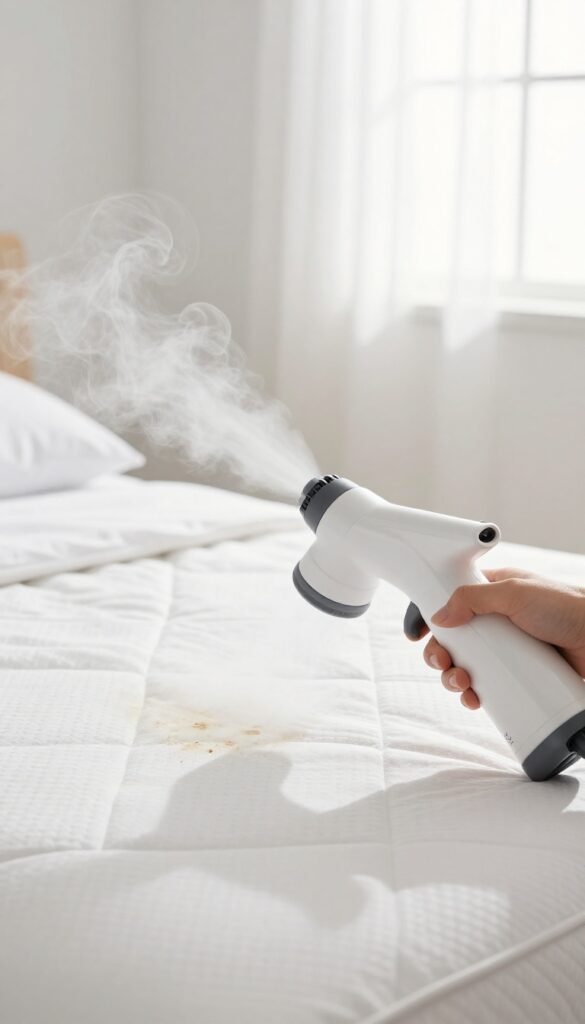
When a stain has settled deep into the mattress fibers, surface cleaning often falls short. That's where steam cleaning shines. A handheld steamer delivers heat that loosens dirt and kills bacteria, while the suction attachment pulls moisture away—no rubbing needed.
Steam cleaning is a game-changer for stubborn, set-in stains. The heat breaks down oils and grime, making them easier to extract without spreading. Plus, the high temperature sanitizes the area, which is especially helpful for sweat or urine stains.
Always test a small hidden spot first to ensure your mattress can handle the heat.
Why Rubbing Makes It Worse
Rubbing pushes the stain deeper into the foam or padding. With steam, you avoid that entirely. The combination of heat and suction lifts the stain from the top down, so it never gets a chance to spread.
Step-by-step Steam Cleaning
First, vacuum the mattress to remove loose debris. Then, fill your steamer with water and let it heat up. Hold the steamer an inch above the stain and move slowly, letting the steam penetrate.
Immediately follow with the suction attachment to extract the loosened dirt and moisture.
Drying Is Crucial
After steam cleaning, the mattress will be damp. Open windows or use a fan to speed up drying. Never put sheets back on until it's completely dry to prevent mold growth.
A few hours of air circulation usually does the trick.
10. Professional Spot Cleaning for Stubborn Stains: When DIY Fails
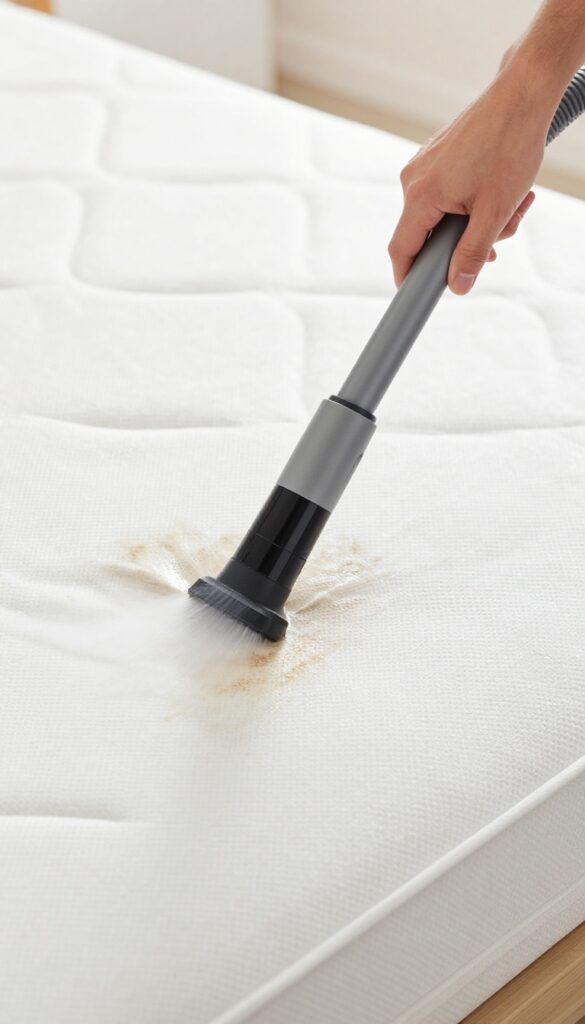
Sometimes no matter how careful you are, that stain just won't budge. You've tried every home remedy, but the mark keeps spreading or setting deeper. That's when it's time to call in the pros.
Professional spot cleaning uses industrial-grade equipment and solvents that can lift even the toughest stains without damaging your mattress.
Professional cleaners have access to hot water extraction machines, enzymatic cleaners, and ultrasonic wands that penetrate deep into mattress fibers. They can also identify the exact type of stain—whether it's biological, oil-based, or dye—and apply the right treatment. This precision prevents spreading and avoids the risk of using harsh chemicals that could ruin your mattress.
When To Call A Professional
If you've tried multiple DIY methods and the stain is still visible or has grown larger, it's time to call a pro. Also, if the stain is from unknown origin or has been sitting for months, professional equipment can often salvage what home methods can't.
What Professional Cleaning Involves
A typical service includes pre-treatment with a spot-specific solvent, agitation with a brush or ultrasonic tool, extraction with a powerful vacuum, and sometimes a rinse and deodorizing step. The process is thorough but gentle on mattress materials.
Cost Vs. Replacement
Professional spot cleaning usually costs between $50 and $150, depending on stain severity and mattress size. That's far cheaper than buying a new mattress, especially for a high-quality one. Plus, it extends your mattress's life and keeps it hygienic.
FAQ
Can I use bleach on mattress stains?
Bleach can damage mattress fibers and cause yellowing. Stick to hydrogen peroxide or enzymatic cleaners for safe stain removal.
How do I prevent stains from setting?
Act quickly. Blot fresh stains immediately with a clean cloth and avoid rubbing. Use a mattress protector to prevent future stains.
Is it safe to use vinegar on a mattress?
Yes, white vinegar is safe and effective for many stains. Always dilute it with water and blot thoroughly to avoid lingering smell.
How often should I clean my mattress?
Spot clean stains as they happen. Deep clean your mattress every 6 months with baking soda and vacuuming to keep it fresh.
What if the stain is old and dried?
Old stains need a longer soak. Apply your chosen cleaner, let it sit for 30 minutes, then blot. Repeat if necessary.
Conclusion
Stubborn mattress stains don't stand a chance when you use the right technique and a little patience. By blotting instead of rubbing and working from the outside in, you'll keep stains from spreading and save yourself a bigger cleanup later.
Pick the method that matches your stain type and give it a try. A clean mattress means better sleep and a longer life for your bed.