How to Clean a Stained Mattress in 13 Fresh Sleep Reset Steps
Waking up to a stained mattress can ruin your whole day. Whether it's sweat, blood, or an accidental spill, those marks don't just look bad—they can trap odors and bacteria. The good news is you don't need expensive cleaners or a professional service to fix it.
With common household items like baking soda, vinegar, and hydrogen peroxide, you can tackle almost any stain effectively. This list covers 13 practical methods tailored to specific stains, so you can target the problem directly. From sweat to red wine, each technique is simple and safe for most mattresses.
Ready to restore your bed to a fresh, clean sleep surface? Let's dive into the solutions.
1. Baking Soda and Vinegar for Sweat Stains
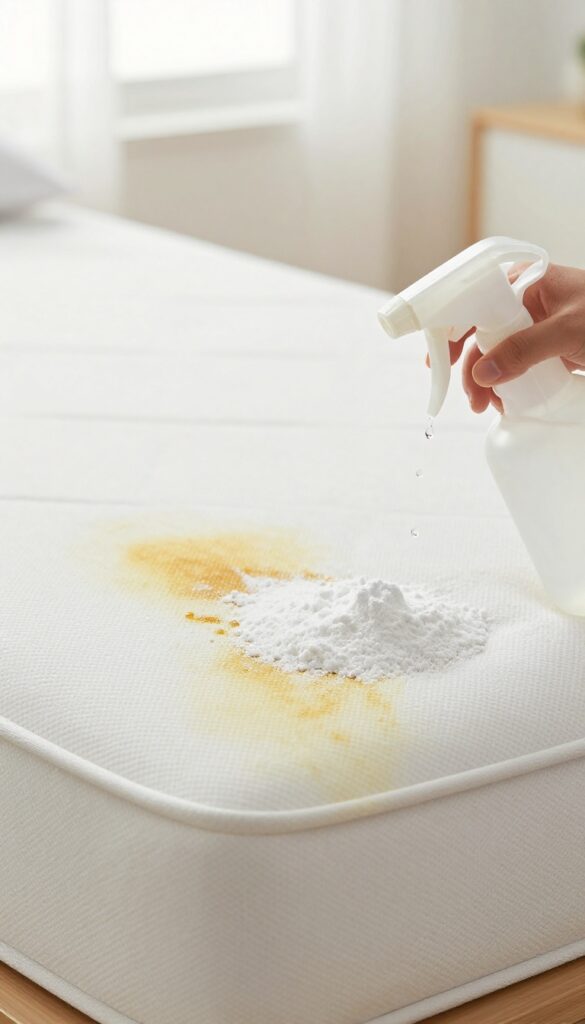
Sweat stains are one of the most common mattress problems, especially during hot summer nights. They leave behind yellowish marks and a lingering odor that can make your bed feel less inviting. Luckily, a simple combination of baking soda and white vinegar can break down the proteins in sweat and neutralize smells without harsh chemicals.
Start by blotting up any excess moisture from the stain with a clean cloth. Sprinkle a generous layer of baking soda directly over the affected area, covering it completely. Then, fill a spray bottle with white vinegar and spritz it onto the baking soda until it starts to fizz.
The chemical reaction lifts the sweat residue and deodorizes the mattress. Let the mixture sit for several hours—ideally overnight—until it's completely dry. Finally, vacuum up the dried baking soda, and you'll see the stain has faded significantly.
For stubborn stains, repeat the process or gently scrub with a soft brush before letting it dry.
Why This Combo Works So Well
Baking soda is a natural alkaline that absorbs odors and breaks down acidic sweat compounds. White vinegar, being acidic, reacts with baking soda to create carbon dioxide bubbles that help lift stains from fabric fibers. Together, they form a gentle yet effective cleaning duo that's safe for most mattress materials.
Tips For Best Results
Always test a small hidden area first to ensure the fabric doesn't discolor. Use white vinegar only—other vinegars can stain. Make sure the mattress is fully dry before putting sheets back on to prevent mold.
For extra freshness, add a few drops of essential oil to the vinegar spray.
When To Avoid This Method
If your mattress has a waterproof cover or is made of memory foam, check the manufacturer's instructions. Excessive moisture can damage foam mattresses. In that case, use less vinegar or switch to a dry cleaning method like baking soda alone.
2. Hydrogen Peroxide and Dish Soap for Blood Stains
Blood stains on a mattress can be alarming, but they don't have to be permanent. The key is acting quickly and using the right ingredients. Hydrogen peroxide mixed with a drop of dish soap creates a powerful yet gentle solution that breaks down blood proteins without damaging your mattress fibers.
This method works best on fresh stains, but it can also lighten older ones with repeated applications. The hydrogen peroxide bubbles up as it reacts with the blood, lifting the stain to the surface for easy blotting. Dish soap helps break down any remaining residue, leaving your mattress clean and fresh.
What You'll Need
Gather 3% hydrogen peroxide (the standard brown bottle), a mild dish soap without bleach or dyes, a clean white cloth or paper towels, and a spray bottle (optional). Avoid using colored cloths, as dyes can transfer to your mattress.
Step-by-step Application
Mix one part hydrogen peroxide with a drop of dish soap. If using a spray bottle, combine 2 tablespoons hydrogen peroxide with 1 teaspoon dish soap and 2 tablespoons water. Spray or dab the mixture directly onto the stain, letting it sit for 5–10 minutes.
You'll see it start to bubble. Blot with a clean cloth—don't rub, as that can spread the stain. Repeat if needed, then let the area air dry completely.
Tips For Best Results
Always test on a hidden spot first, as hydrogen peroxide can bleach some fabrics. For dried stains, scrape off any crust before applying. If the stain persists, try a paste of hydrogen peroxide and baking soda, letting it sit for 30 minutes before blotting.
Never mix hydrogen peroxide with vinegar or bleach, as this creates harmful fumes.
3. Enzyme Cleaner for Urine Stains
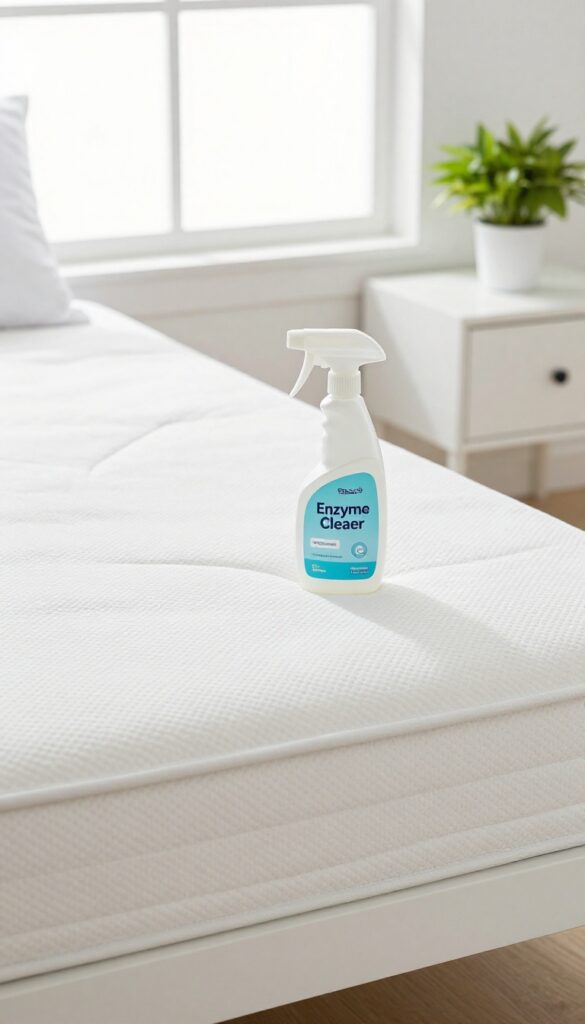
Urine stains on a mattress are more than just a cosmetic issue—they can leave behind stubborn odors and attract bacteria. Standard cleaners often fail because they don't break down the proteins and uric acid crystals found in urine. That's where enzymatic cleaners shine.
These products use natural enzymes to digest the organic matter, eliminating both the stain and the smell at the source.
Enzymatic cleaners are a game-changer for urine stains, whether from pets, children, or accidents. They work by breaking down the uric acid and proteins that cause lingering odors, unlike bleach or vinegar which may only mask the smell. For best results, choose a cleaner labeled for pet or human urine and follow the instructions carefully.
Why Enzymes Work Best
Urine contains uric acid crystals that standard cleaners can't dissolve. Enzymatic cleaners contain specific proteins that target these crystals, breaking them down into smaller, odorless compounds. This biological approach ensures the stain is truly removed, not just covered up.
Step-by-step Application
Start by blotting up as much fresh urine as possible with paper towels. Then spray the enzymatic cleaner generously over the stained area, saturating it completely. Allow it to sit for 10–15 minutes—this dwell time is crucial for the enzymes to work.
Finally, blot the area dry with a clean cloth. Avoid rubbing, as that can push the stain deeper.
Tips For Old Or Set-in Stains
For dried urine stains, pre-wet the area with a little water to rehydrate the crystals before applying the enzyme cleaner. You may need to repeat the process a few times for stubborn stains. After treatment, sprinkle baking soda over the area to absorb any remaining moisture and odor, then vacuum it up after a few hours.
4. Salt and Lemon Juice for Rust Stains
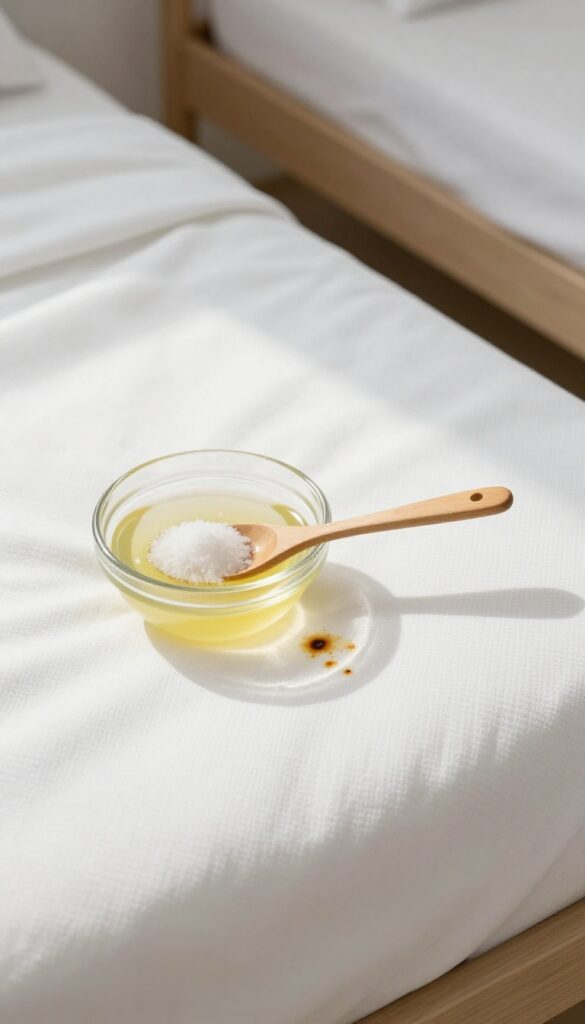
Rust stains on a mattress often come from metal bed frames or springs that have gotten wet. They can be stubborn, but a simple combination of salt and lemon juice works surprisingly well. The citric acid helps break down the rust while the salt acts as a gentle abrasive.
To remove rust stains, start by mixing equal parts salt and lemon juice to form a paste. Apply the paste directly to the rust spot, making sure it's fully covered. Let it sit for about an hour so the acid can work on the stain.
After that, gently scrape off the dried paste with a dull knife or spoon. Blot the area with a clean cloth dampened with water to remove any residue. Repeat if necessary, but be careful not to oversaturate the mattress.
Why This Combo Works
Lemon juice contains citric acid, which reacts with rust to dissolve it. Salt adds a mild scrubbing power that helps lift the stain without damaging the fabric. Together, they create a non-toxic cleaner that's safe for most mattresses.
Drying After Treatment
After blotting, press a dry towel over the area to absorb excess moisture. Then let the mattress air-dry completely before making the bed. If possible, place it in sunlight, as UV rays can help fade any remaining discoloration.
5. Rubbing Alcohol for Ink Stains
Ink stains on a mattress can feel impossible to remove, but rubbing alcohol makes it surprisingly easy. The alcohol breaks down the ink's oils and pigments, allowing them to lift away from the fabric. This method works on ballpoint pen ink and most marker stains without damaging the mattress fibers.
What You'll Need
Grab a bottle of isopropyl rubbing alcohol (70% or higher), some cotton balls or a soft cloth, and a dry towel. That's it—no fancy supplies required. Make sure the area is well-ventilated since alcohol has a strong smell.
Step-by-step Process
Start by dabbing a cotton ball in rubbing alcohol—don't soak it, just dampen it. Gently press the cotton ball onto the ink stain, letting the alcohol soak in for a few seconds. Then blot with a dry cloth; you'll see the ink transfer to the cloth.
Repeat with fresh cotton balls until no more ink comes up. Avoid rubbing, which can spread the stain.
Aftercare And Drying
Once the stain is gone, blot the area with a clean, damp cloth to remove any leftover alcohol. Let the mattress air-dry completely before making the bed. If a faint shadow remains, repeat the process.
Rubbing alcohol evaporates quickly, so drying won't take long.
6. Cornstarch for Grease or Oil Stains
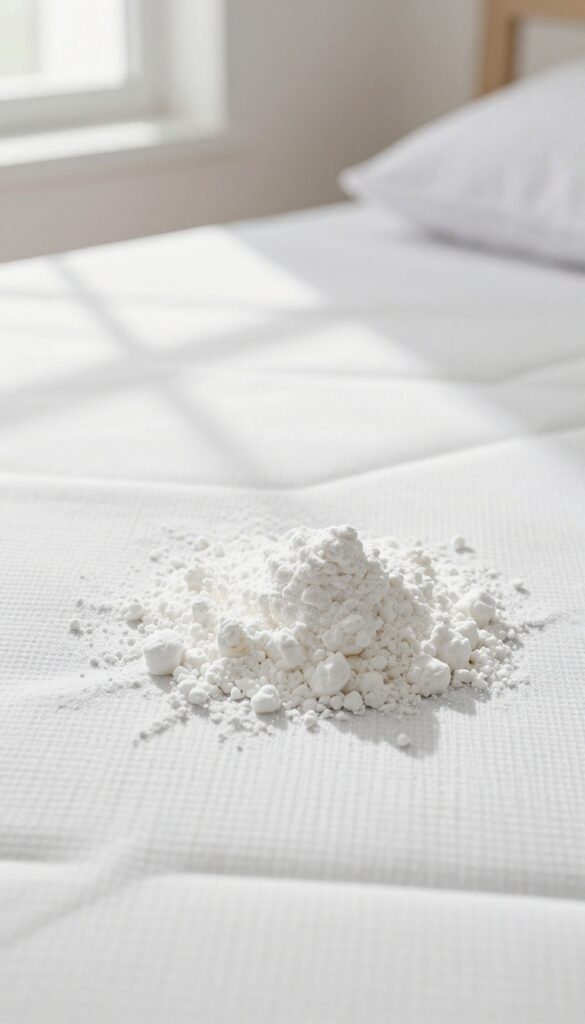
Grease and oil stains from lotions, hair products, or late-night snacks can be tricky. Unlike water-based spills, oil doesn't dissolve easily in water. But cornstarch, a pantry staple, is a natural absorbent that lifts the grease right out of the mattress fibers.
This method is gentle, chemical-free, and works on fresh or set-in stains.
Start by blotting any excess oil with a paper towel—don't rub, or you'll push it deeper. Sprinkle a generous layer of cornstarch directly over the stain, covering it completely. Let it sit for at least 15 minutes to draw out the oil.
For older or heavier stains, leave it for 30 minutes or even an hour. Then vacuum up the powder thoroughly. If the stain remains, repeat the process.
This method is safe for all mattress types and won't leave any residue.
Why Cornstarch Works
Cornstarch is a fine powder with a high surface area, making it excellent at absorbing oils. It pulls the grease out of the fabric without the need for harsh chemicals. Plus, it's non-toxic and safe for use around kids and pets.
Step-by-step Application
Blot the stain with a dry cloth to remove surface oil. Sprinkle cornstarch generously over the stain, pressing it gently into the fibers. Wait 15 to 30 minutes.
Vacuum using an upholstery attachment, lifting the powder completely. Check the area—if the stain is still visible, apply more cornstarch and repeat.
When To Repeat Or Combine Methods
For stubborn grease stains, you might need two or three applications. After the final vacuum, if a faint shadow remains, treat with a small amount of dish soap diluted in water. Dab gently, then blot dry.
Always let the mattress air-dry completely before remaking the bed.
7. Dish Soap and Warm Water for General Dirt
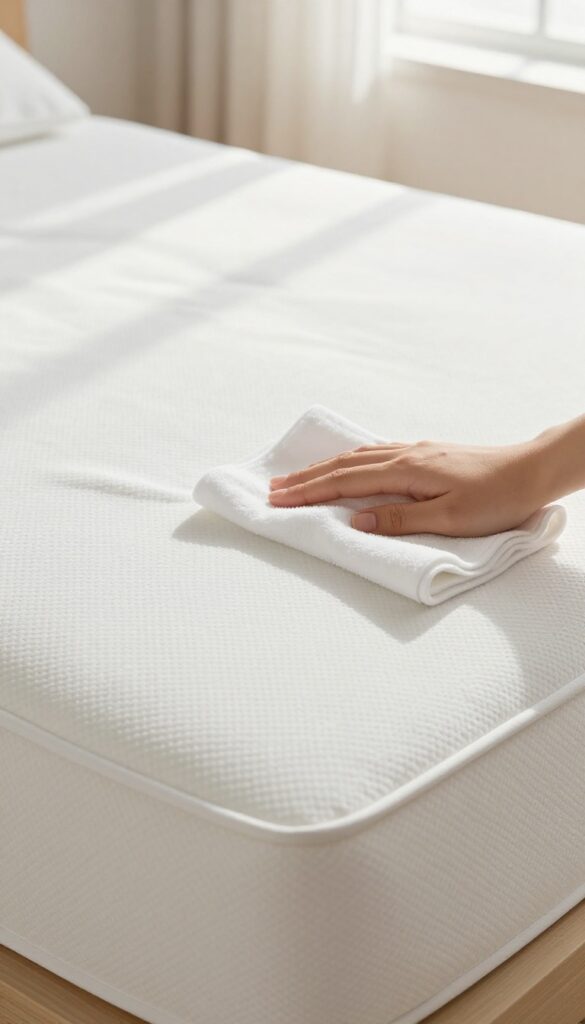
Every mattress picks up general dirt and grime over time—from dust, body oils, or just everyday use. This isn't a dramatic stain, but it can make your bed look tired and feel less fresh. Dish soap and warm water is the gentlest, most reliable way to clean that surface-level buildup without harsh chemicals.
This method is perfect for light soiling or when you just want to freshen up the whole mattress. It's safe for most fabrics and won't damage the mattress materials.
Why Dish Soap Works
Dish soap is designed to cut through grease and lift dirt without being too harsh. A few drops mixed with warm water create a gentle cleaning solution that breaks down the oils and grime that accumulate on your mattress surface.
Step-by-step Cleaning
Mix a few drops of mild dish soap with warm water in a bowl. Dip a clean white cloth into the solution, wring it out so it's damp but not soaking, then gently scrub the stained area in a circular motion. Rinse the cloth with plain water and blot the area to remove soap residue.
Finally, blot dry with a towel and let the mattress air out.
Drying Tips
After cleaning, speed up drying by opening windows or using a fan. If you can, sprinkle a thin layer of baking soda over the damp area to absorb moisture and any lingering odors. Let it sit for a few hours, then vacuum it up.
8. White Vinegar and Water for Yellowing
Yellow stains on a mattress are usually the result of sweat, body oils, or age. They can make an otherwise clean bed look dingy. White vinegar is a natural acid that breaks down these residues without harsh chemicals, making it a go-to for brightening yellowed areas.
Mix And Apply
Combine equal parts white vinegar and water in a spray bottle. Mist the yellowed spots lightly—don't soak the mattress. Let the solution sit for about 10 minutes to penetrate the stain.
Blot, Don't Rub
After the wait, blot the area with a clean, dry towel. Press firmly to lift the moisture and dissolved stain. Repeat if needed, using a fresh part of the towel each time.
Sun-dry For Extra Whitening
Sunlight is a natural bleach. If possible, move your mattress outside on a sunny day after treating the stain. The UV rays help whiten the fabric and kill any remaining bacteria.
If you can't take it outside, place it near a bright window.
9. Borax for Tough Odors and Stains
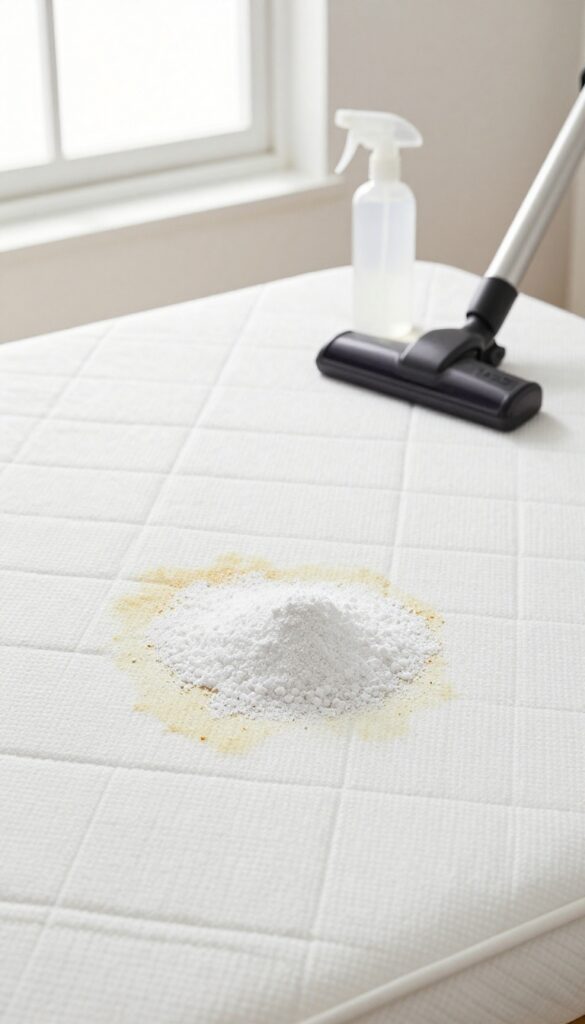
When baking soda isn't strong enough, Borax steps in. This natural mineral powder is a powerhouse for breaking down stubborn stains and neutralizing deep-set odors. It's especially effective on old sweat stains or musty smells that have settled into the mattress fibers.
Best of all, it's cheap and easy to find at any grocery store.
Borax works by raising the pH of the stain, which helps break down acidic residues like sweat and urine. It also has mild bleaching properties that can lighten discoloration without damaging fabrics. For best results, use it on stains that have already been pre-treated or on general odor issues.
How To Apply Borax
Start by sprinkling a generous layer of Borax directly over the stain. Make sure the powder covers the entire affected area. Then, fill a spray bottle with water and lightly mist the Borax until it's damp but not soaking wet.
The moisture activates the cleaning power. Let it sit for 30 minutes to allow the Borax to penetrate and lift the stain. Finally, vacuum up the dried powder thoroughly.
You may need to go over it a few times to remove all residue.
When To Use This Method
This technique is ideal for set-in sweat stains, urine odors, and general mustiness. It's also great for stains that have already been treated with other methods but still leave a lingering smell. However, avoid using Borax on wool or silk mattresses, as it can be too harsh.
Always test on a small hidden area first.
Safety Tips
Borax is safe for most mattresses, but it's a mild irritant. Wear gloves when handling it, and keep pets and children away during the treatment. After vacuuming, let the mattress air out for a few hours before making the bed.
If you have sensitive skin, consider placing a mattress protector over the treated area.
10. Steam Cleaning for Deep Set-In Stains
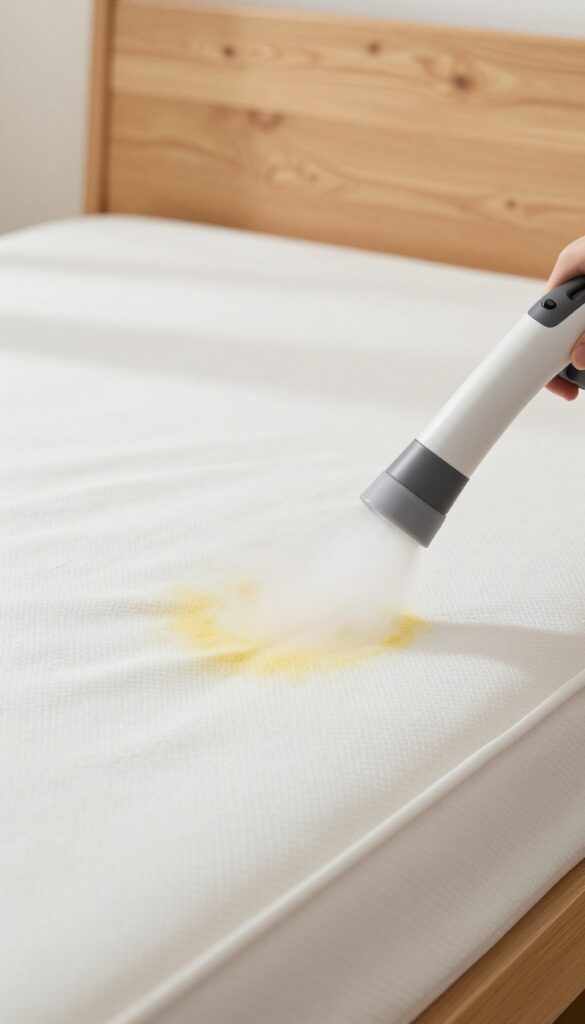
Sometimes stains have had weeks or months to settle deep into the mattress fibers. Surface scrubbing alone won't cut it. That's where steam cleaning comes in—it uses heat and moisture to loosen stubborn grime and kill bacteria at the same time.
A handheld steam cleaner is your best friend for this job. The high-temperature steam penetrates deep, breaking down dried stains and sanitizing the area. It's especially effective for sweat, urine, and general body oil buildup that regular spot cleaning leaves behind.
Why Steam Works Better Than Scrubbing
Scrubbing can push stains deeper into the mattress. Steam, on the other hand, lifts them to the surface. The heat also kills dust mites and bacteria, giving your mattress a deeper clean than any spray or powder can achieve.
How To Steam Clean Your Mattress Safely
Start by vacuuming the mattress to remove loose debris. Fill your handheld steamer with distilled water to avoid mineral deposits. Move the steamer slowly over the stained area, keeping the nozzle a few inches away.
Don't soak the mattress—steam should be applied in short bursts. After steaming, blot the area with a clean, dry cloth to absorb moisture. Let the mattress air out completely before making the bed.
When To Avoid Steam Cleaning
Steam cleaning isn't suitable for all mattresses. Avoid it on memory foam or latex mattresses, as excessive heat and moisture can damage the foam structure. Check your mattress care tag first.
If it's safe, always test a small hidden area before going all in.
11. Shaving Cream for Makeup Stains
Makeup stains on your mattress can be stubborn, but shaving cream is a surprisingly effective solution. The foam helps break down oils and pigments without harsh chemicals. It's gentle enough for most mattress fabrics and works fast.
Shaving cream is designed to dissolve oils and lift stains, making it perfect for foundation, concealer, or lipstick marks. The foam penetrates the stain, loosening it from the fibers. After letting it sit, blotting lifts the residue away without scrubbing, which could spread the stain.
Why Shaving Cream Works
Shaving cream contains surfactants and emulsifiers that break down oil-based makeup. The foam texture helps it cling to vertical mattress surfaces, too. It's also pH-balanced, so it won't damage most mattress materials.
Step-by-step Application
Squirt a dollop of shaving cream directly onto the stain. Use a clean white cloth to gently spread it in a thin layer. Let it sit for 15 minutes—don't rush this step.
Then, blot with a damp cloth, pressing firmly to absorb the dissolved stain. Repeat if needed.
Tips For Best Results
Always test on an inconspicuous spot first. Use plain white shaving cream—avoid gels or those with added colors or scents. Blot, don't rub, to prevent pushing the stain deeper.
After cleaning, let the area air dry completely before remaking the bed.
12. Club Soda for Red Wine or Juice Stains
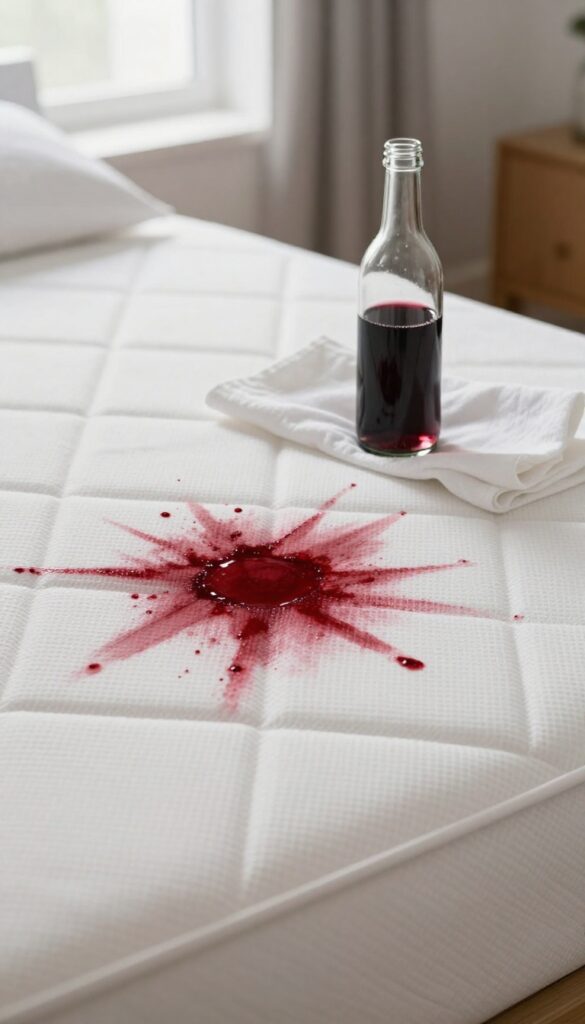
Red wine and juice spills are among the trickiest stains to remove from a mattress because they set quickly and leave a vivid mark. But before you panic, reach for a bottle of club soda—it's a classic trick that actually works. The carbonation helps lift the stain from the fibers, while the salt in the soda helps break down the pigments.
Why Club Soda Works
Club soda contains carbon dioxide and sodium bicarbonate, which create a fizzy reaction that loosens stain particles. The bubbles help push the liquid stain up and out of the fabric, making it easier to blot away. Unlike plain water, club soda's mild acidity also helps neutralize the stain without damaging the mattress.
Step-by-step Application
Start by blotting up as much of the spill as possible with a dry paper towel. Then, pour club soda directly onto the stain—enough to saturate it. Let it fizz for about a minute, then blot with a clean paper towel.
Repeat the process, pouring and blotting, until the stain fades. Avoid rubbing, which can push the stain deeper.
Drying And Finishing Up
Once the stain is gone, use a dry towel to absorb excess moisture. Sprinkle a thin layer of baking soda over the area to absorb any remaining liquid and neutralize odors. Let it sit for a few hours, then vacuum it up.
Your mattress should be fresh and stain-free.
13. Sunlight and Fresh Air for Overall Refresh
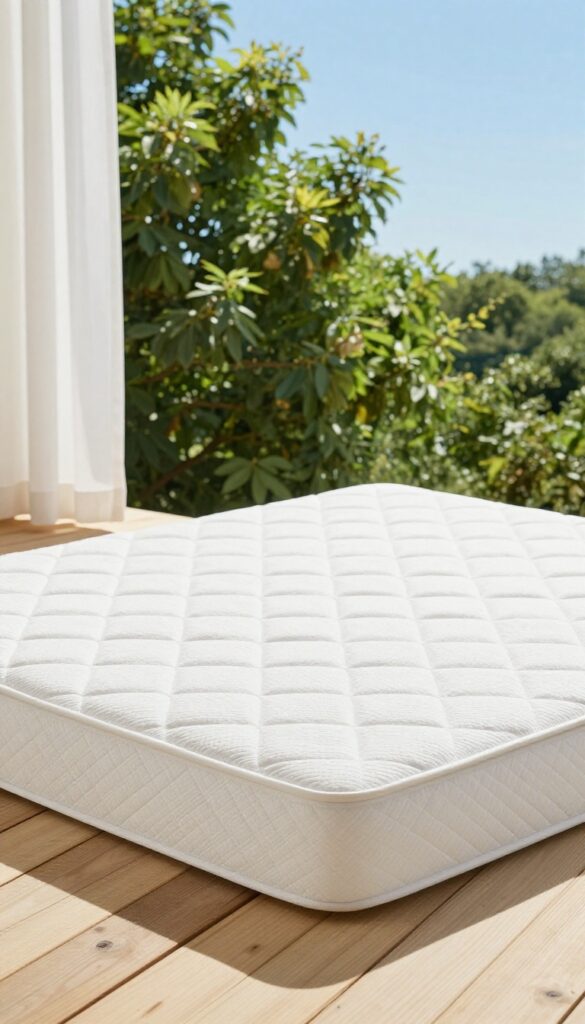
Once you've tackled specific stains, give your mattress a deep refresh with nature's own cleaners: sunlight and fresh air. UV rays are a natural disinfectant that kills bacteria, dust mites, and mold spores, while the breeze helps dry out any lingering moisture. This step not only freshens the mattress but also helps fade remaining stains for a brighter look.
After spot cleaning, move your mattress outside on a dry, sunny day. Place it in direct sunlight for at least 3-4 hours, flipping it halfway through if possible. The UV light will work its magic on bacteria and odors, and the air circulation will speed up drying.
If you can't take it outside, open all windows and place the mattress near a sunny spot indoors, but direct sunlight is far more effective.
Why Sunlight Works
Sunlight contains ultraviolet (UV) rays that break down the DNA of microorganisms, effectively killing them. This natural process is especially useful for mattresses that can't be washed or soaked. Plus, the heat from the sun helps evaporate any trapped moisture, preventing mold growth.
How To Maximize The Benefits
For best results, ensure the mattress is completely dry before placing it in sunlight. If there are any remaining damp spots from cleaning, they can trap heat and cause damage. Use a clean tarp or sheet underneath to protect the mattress from dirt.
Rotate the mattress every hour so both sides get equal exposure.
What To Do If You Can't Move It Outside
If your mattress is too heavy or you live in an apartment, you can still use fresh air. Open all windows, place the mattress near a sunny window, and use a fan to circulate air. While UV rays through glass are less intense, some benefit remains.
Alternatively, use a UV-C sanitizing wand designed for home use, but follow safety instructions carefully.
FAQ
How often should I clean my mattress?
Aim for a deep clean every 6 months, but spot clean stains as soon as they happen to prevent setting.
Can I use bleach on my mattress?
Avoid bleach—it can damage mattress fibers and cause yellowing. Stick to gentler cleaners like vinegar or hydrogen peroxide.
Will these methods remove old, set-in stains?
They can lighten old stains, but complete removal isn't guaranteed. Repeated treatments or professional cleaning may help.
Is it safe to use hydrogen peroxide on a memory foam mattress?
Yes, but use it sparingly and blot thoroughly to avoid moisture damage. Memory foam is sensitive to excess liquid.
How do I dry my mattress after cleaning?
Blot as much moisture as possible, then let it air dry with fans or in sunlight. Avoid using heat directly.
Conclusion
A fresh mattress doesn't happen by accident—it takes a little effort and the right technique. By working through these 13 methods, you've got a solution for every type of stain, from sweat to wine to mystery marks. Pick the approach that matches your stain and give it a try.
Your mattress will look better, smell cleaner, and help you sleep more soundly. Make it a habit every few months, and you'll extend your mattress's life while enjoying a truly fresh sleep reset.