15 Cleaning Gas Stove Grates Tips for Heavy Buildup
Gas stove grates take a beating. Burnt-on food, grease, and stubborn residue can make them look beyond saving.
But you don't need harsh chemicals or expensive cleaners to get them sparkling again. These 15 tips tackle heavy buildup using everyday household items and a little patience.
From overnight ammonia soaks to dishwasher pod tricks, each method targets tough grime without damaging the metal. Whether your grates are cast iron, enamel, or stainless steel, there's a solution here that fits your schedule and budget.
1. Ammonia Bag Method for Overnight Breakdown
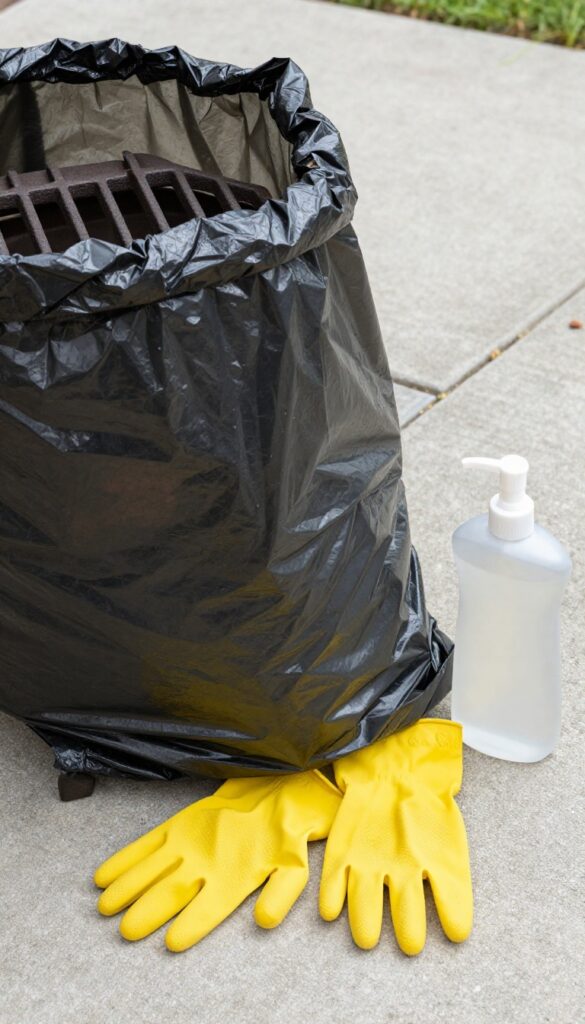
If you've ever scrubbed a grate for what feels like hours with minimal results, this method is about to change your life. The ammonia bag trick uses fumes to loosen carbon and grease while you sleep—no elbow grease required. It's ideal for the heaviest buildup that seems fused to the metal.
Place your grates inside a heavy-duty trash bag, pour in about a cup of household ammonia, then seal the bag tightly. Set it outside or in a well-ventilated area (the smell is strong) and let it sit overnight. The ammonia vapors work through the grime, softening it so you can rinse it off the next morning.
Always wear gloves when handling the grates after the soak, and rinse thoroughly with water before washing with dish soap.
Safety First: Ventilation And Gloves
Ammonia fumes are potent, so never do this indoors or in an enclosed space. A garage with the door open or a patio works well. Wear rubber gloves when handling the bag or the grates afterward to protect your skin.
Keep pets and kids away from the area until you've aired everything out.
Rinsing And Final Wash
After the overnight soak, take the grates out of the bag and rinse them with a strong stream of water. Most of the gunk should slide right off. For any remaining bits, a soft brush or sponge with dish soap will finish the job.
Dry thoroughly before putting them back on the stove.
Best Grate Types For This Method
This technique works beautifully on cast iron, enamel, and stainless steel grates. Avoid using it on aluminum or non-stick coated grates, as the ammonia can damage the finish. When in doubt, test a small hidden area first.
2. Baking Soda and Vinegar Paste Soak
This dynamic duo isn't just for volcanoes. A thick paste of baking soda and vinegar cuts through baked-on grease without harsh scrubbing. The chemical reaction helps lift carbonized bits, making the rest of the job much easier.
It's a go-to for anyone who wants a natural, effective deep clean.
Start by mixing baking soda with just enough white vinegar to form a spreadable paste—think toothpaste consistency. Coat every surface of the grates generously, especially the crusty areas. Let the paste sit for 30 minutes; you'll see it start to bubble and loosen the grime.
After the soak, scrub with a stiff nylon brush (avoid steel wool on enamel). Rinse thoroughly with hot water. For extra stubborn spots, reapply the paste and let it sit another 15 minutes before scrubbing again.
Why This Works So Well
Baking soda is mildly abrasive, so it physically scrapes off residue without scratching. Vinegar's acidity dissolves grease and mineral deposits. Together, they create carbon dioxide bubbles that help pry away burnt-on food from the metal surface.
It's a gentle but powerful combination.
Best For Enamel And Stainless Steel
This paste is safe for most grate materials, but it shines on enamel and stainless steel. Cast iron grates can also use this method, but dry them immediately and apply a light oil coat afterward to prevent rust. Avoid letting the paste dry completely on the grates—rinse before it hardens.
Pro Tips For Maximum Effect
For extra heavy buildup, place the coated grates in a plastic garbage bag and seal it. The trapped moisture keeps the paste active longer. You can also add a few drops of dish soap to the paste for extra degreasing power.
Always rinse with warm water to remove all residue before drying.
3. Dishwasher Pod Dissolving Trick
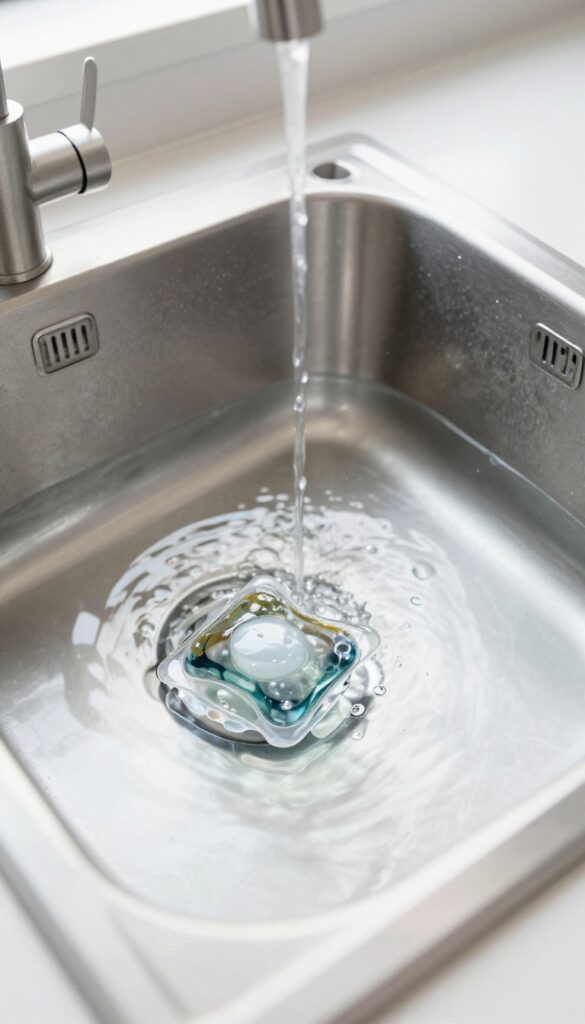
Dishwasher pods are designed to tackle baked-on food and grease in your machine, so why not let them do the same for your stove grates? This method uses the powerful enzymes and surfactants in a single pod to break down heavy buildup without scrubbing for hours. It's especially effective for grates with layers of greasy residue that have hardened over time.
This trick is as simple as it sounds: drop one dishwasher pod into a sink or large basin filled with hot water, then submerge your grates completely. Let them soak for about an hour—the enzymes go to work dissolving grease and loosening carbonized food. After the soak, a light scrub with a soft brush or sponge is usually enough to wipe away the grime.
Rinse thoroughly and dry immediately to prevent rust.
Why Dishwasher Pods Work So Well
Dishwasher pods contain a concentrated blend of enzymes, surfactants, and oxygen bleach. Enzymes break down proteins and fats, while surfactants lift grease away from surfaces. The hot water activates these ingredients, creating a powerful soaking solution that penetrates stubborn buildup without harsh scrubbing.
Best Practices For Best Results
Use the hottest tap water you can—near boiling is ideal. Make sure grates are fully submerged; weigh them down with a heavy plate if needed. For extra-stubborn spots, let them soak for up to two hours.
Avoid using this method on aluminum grates, as the chemicals can cause discoloration. Cast iron and enamel-coated grates are safe, but dry them immediately after rinsing.
When To Skip This Method
If your grates have loose or chipped enamel, the soaking could cause water to seep underneath and worsen the damage. Also, avoid this trick for grates with non-stick coatings, as the abrasive action of the pod might scratch them. Stick to gentler methods for those cases.
4. Boiling Water and Dish Soap Simmer
Sometimes the simplest methods are the most effective. If you have a large pot and a few minutes, this technique can save you serious elbow grease. The combination of heat and soap works together to break down the toughest baked-on layers without any harsh scrubbing.
This method is ideal for enamel or stainless steel grates. Cast iron can also work, but be careful not to let it sit in water too long to avoid rust. Start by filling a pot big enough to hold your grates with water.
Add a generous squirt of dish soap—about a tablespoon. Bring the water to a rolling boil, then carefully lower the grates in. Reduce the heat to a simmer and let them soak for 15 minutes.
The heat loosens the food particles, and the soap helps lift grease. After simmering, turn off the heat and let the water cool completely. Remove the grates and scrub with a non-abrasive sponge or brush.
Most of the buildup should come off easily. Rinse thoroughly and dry immediately to prevent water spots or rust.
Why This Works So Well
Heat is a powerful cleaner. Boiling water softens burnt-on food, while dish soap breaks down grease. Together, they create a gentle but effective cleaning solution that doesn't require harsh chemicals.
The simmering action keeps the water moving, which helps dislodge particles from the grate's surface.
Tips For Best Results
Use a pot large enough that the grates are fully submerged. If they stick out, the exposed parts won't get cleaned. For extra stubborn spots, add a quarter cup of baking soda to the water.
Let the grates cool completely before handling to avoid burns. After scrubbing, dry them immediately with a towel to prevent rust, especially on cast iron.
What Not To Do
Don't boil cast iron grates for too long—15 minutes is the max. Prolonged exposure to water can damage the seasoning and cause rust. Also, avoid using abrasive scrubbers on enamel finishes; stick to soft sponges or nylon brushes.
Never add bleach or ammonia to the boiling water, as it can create toxic fumes.
5. Dryer Sheet Soak for Burnt-On Gunk
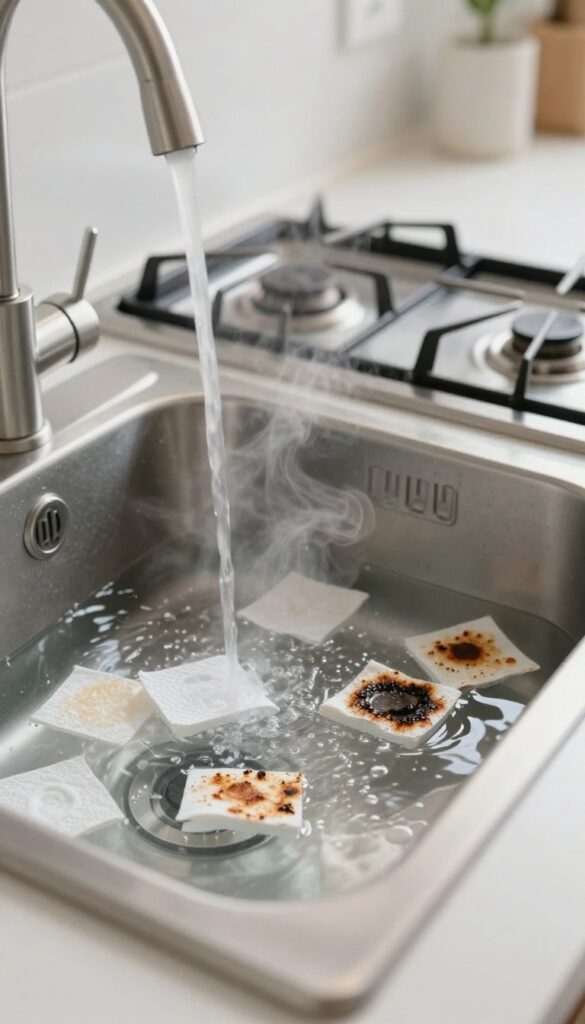
Fabric softener sheets aren't just for laundry. The softening agents in used dryer sheets work surprisingly well on burnt-on grime. This soak is gentle enough for enamel and stainless steel grates but tough on caked-on residue.
Fill your sink or a large tub with hottest tap water. Toss in a few used dryer sheets—three or four should do. Submerge the grates completely and let them soak for at least an hour.
The heat and fabric softener loosen burnt food without harsh scrubbing. After the soak, rinse under running water and wipe with a sponge. Stubborn spots may need a gentle rub, but most gunk slides right off.
Why It Works
Dryer sheets contain surfactants and softening agents that break down grease and baked-on residue. The hot water activates these compounds, helping them penetrate burnt layers. This method is especially useful for grates with heavy carbon buildup that would otherwise require harsh chemicals.
Best Practices
Use only used dryer sheets to avoid wasting new ones. For extra tough spots, add a squirt of dish soap to the water. Avoid this method on cast iron grates—the moisture and chemicals can damage the seasoning.
Stick to enamel, porcelain, or stainless steel.
6. Bar Keepers Friend Cream Cleanser
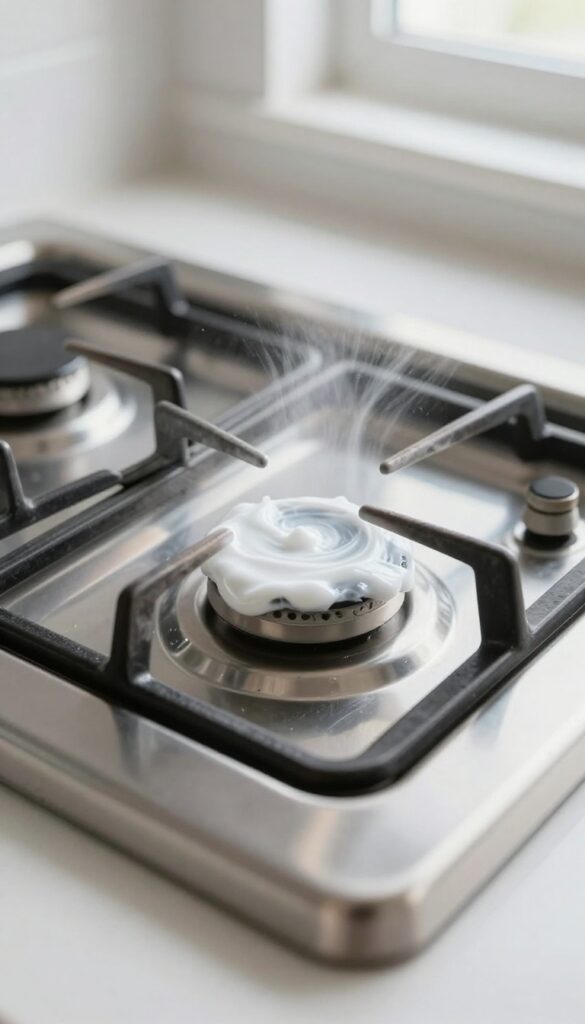
When heavy buildup laughs at your regular dish soap, it's time to bring out the big guns. Bar Keepers Friend is a classic cleaning staple that uses mild oxalic acid to cut through baked-on grime without scratching most surfaces. It's especially effective on stainless steel and porcelain enamel grates, restoring their original shine with minimal elbow grease.
This method works best when you let the cleaner do the heavy lifting. The cream formula clings to vertical surfaces and stays put, so it can penetrate stubborn layers of carbonized food and grease. Just a short wait and a gentle scrub are often all it takes to reveal a like-new surface.
How To Apply For Best Results
Start by wetting your grates with warm water. Squeeze a generous amount of Bar Keepers Friend Cream Cleanser onto a soft sponge or non-abrasive pad. Spread it evenly over the grates, focusing on the worst spots.
Let it sit for 5 minutes—don't let it dry out, so keep the grates damp if needed. Then scrub gently in a circular motion. Rinse thoroughly with water and dry immediately to prevent water spots.
Why It Works So Well On Heavy Buildup
The oxalic acid in Bar Keepers Friend is a mild chelating agent that breaks down mineral deposits and oxidizes food residue. Unlike harsh bleach or ammonia, it's safe for most metals when used correctly. It also contains fine abrasives that help lift grime without scratching, making it a go-to for enamel and stainless steel grates that need a deep clean without damage.
Tips For Cast Iron Grates
If your grates are bare cast iron (not enameled), use Bar Keepers Friend sparingly and rinse very thoroughly. Acidic cleaners can strip seasoning, so this method is best for a one-time deep clean before re-seasoning. After cleaning, dry the grates in a warm oven and apply a thin layer of cooking oil to protect the surface.
7. Oven Cleaner Spray and Bag Method
If your grates have layers of baked-on gunk that won't budge, it's time to bring out the heavy artillery. Oven cleaner is formulated to dissolve the toughest carbonized grease, and when combined with a sealed bag, it creates a fume chamber that works like magic. This method requires minimal scrubbing and delivers maximum results.
Spray your grates liberally with oven cleaner, making sure to coat every crevice. Place them inside a heavy-duty trash bag, tie it shut, and let them sit for at least 4 hours or overnight. The caustic foam breaks down the carbon bonds, turning crusty residue into a soft sludge that rinses away easily.
Always wear rubber gloves and work in a well-ventilated area. After soaking, rinse the grates thoroughly with hot water and dry them immediately to prevent rust.
Why The Bag Trick Works
Sealing the grates in a bag traps the fumes and keeps the cleaner from drying out. This creates a concentrated environment where the chemicals can work continuously without evaporating. The result is a deep, even clean with far less effort than scrubbing.
Safety First
Oven cleaner is caustic and can irritate skin and lungs. Always wear gloves and eye protection, and open the bag outdoors or near an open window. Keep children and pets away during the process.
Rinsing And Drying
After the soak, rinse the grates with a strong stream of hot water. Use a brush to remove any remaining residue. Dry thoroughly with a towel or let them air dry completely before putting them back on the stove to avoid rust spots.
8. Hydrogen Peroxide and Baking Soda Scrub
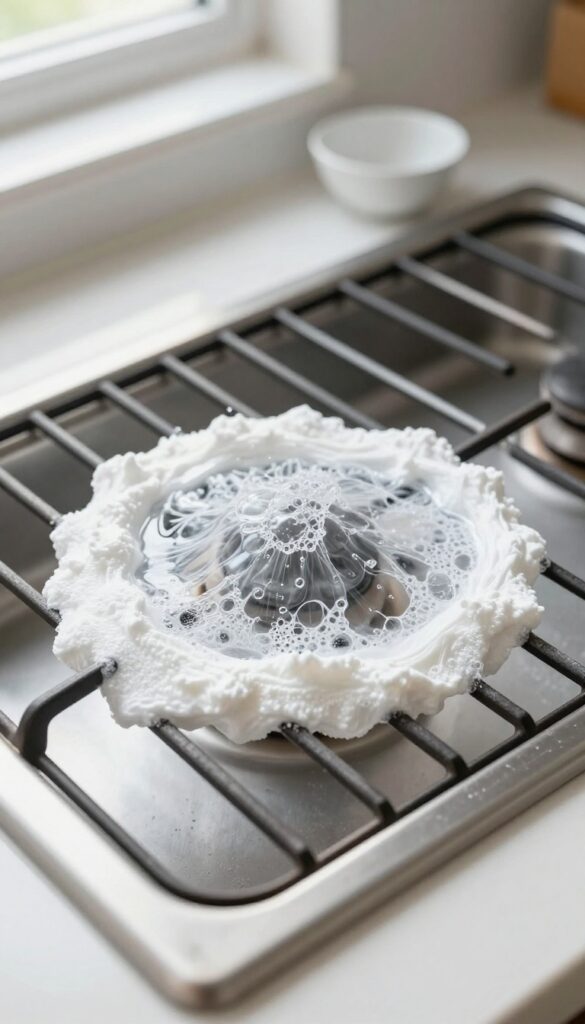
Hydrogen peroxide is a gentle oxidizer that breaks down organic stains without the harsh smell of bleach. When mixed with baking soda, it creates a fizzing paste that lifts burnt-on food and grease. This method works especially well for enamel-coated grates, but it's safe for most metals as long as you rinse thoroughly.
This two-ingredient scrub is surprisingly effective on heavy buildup. The peroxide penetrates baked-on residue while the baking soda provides gentle abrasion. It's a great option if you want to avoid ammonia or oven cleaner fumes.
How To Make The Paste
In a small bowl, combine ½ cup baking soda with enough hydrogen peroxide (3% solution) to form a thick paste. Start with 2 tablespoons of peroxide and add more as needed. The mixture should be spreadable but not runny.
For extra cleaning power, add a squirt of dish soap.
Application And Wait Time
Remove grates from the stove and place them on a protected surface. Spread the paste evenly over the grates, focusing on areas with heavy buildup. Let it sit for 20 minutes.
You'll see some fizzing as the peroxide works. For stubborn spots, let it sit up to 30 minutes.
Scrubbing And Rinsing
Use a non-scratch scrub brush or an old toothbrush to work the paste into the grime. Rinse thoroughly with warm water. If any residue remains, repeat the process or follow up with a mild dish soap wash.
Dry completely before returning to the stove.
9. Lemon Juice and Salt Abrasive Rub
Sometimes the best cleaning tools are already in your kitchen. Lemon juice and salt make a powerful duo for cutting through grease without harsh chemicals. The acid in the lemon breaks down grime while the salt acts as a gentle abrasive to scrub away stubborn buildup.
This method works especially well for enamel or stainless steel grates. Avoid using it on bare cast iron, as the acid can strip seasoning. For best results, heat the grates slightly first to loosen the gunk.
How To Do It
Cut a lemon in half and sprinkle a generous amount of salt on the cut side. Rub the lemon directly onto the grate, applying pressure on tough spots. Let the juice sit for 5–10 minutes, then rinse with warm water and dry thoroughly.
Why It Works
Lemon juice contains citric acid, which dissolves grease and neutralizes odors. Salt provides friction to lift burnt-on food without scratching the surface. Together, they create a natural paste that tackles heavy buildup.
Pro Tips
Use coarse sea salt or kosher salt for better abrasion. If the grates are very greasy, add a squirt of dish soap to the lemon half. Rinse immediately after scrubbing to prevent salt residue from drying on the metal.
10. Steam Cleaning with a Handheld Steamer
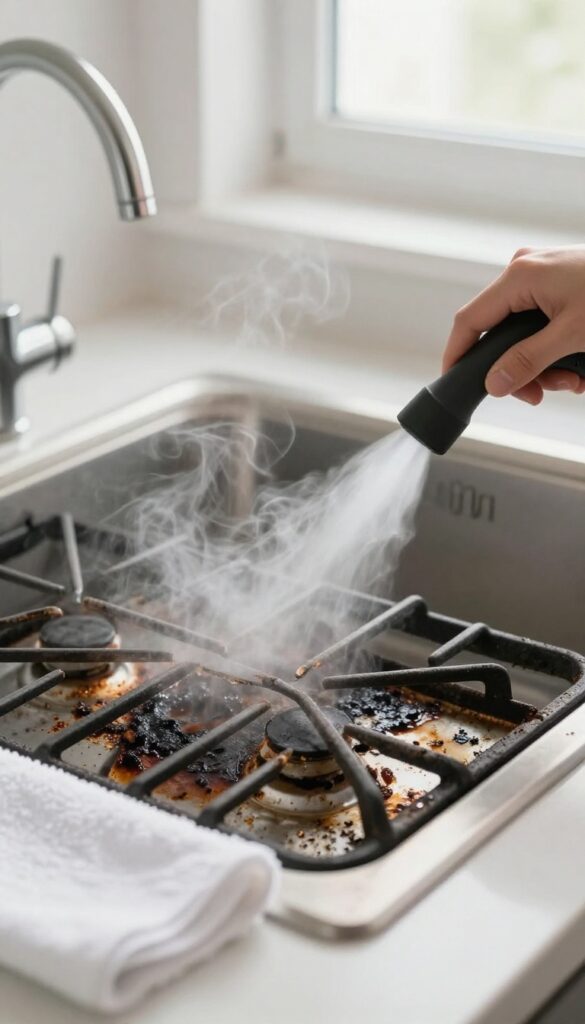
A handheld steam cleaner is a powerful tool for heavy buildup. The high-temperature steam penetrates and loosens carbonized grease in seconds. It's especially effective for touch-ups between deep cleans.
Steam cleaning is fast and chemical-free. The heat breaks down tough residue without scrubbing. Just direct the steam at the grates and wipe away the softened gunk.
Why Steam Works So Well
The steam temperature reaches over 200°F, which melts hardened grease and carbon. It also sanitizes the surface. No need for harsh chemicals or long soaks.
How To Steam Clean Your Grates
Place the grates on a towel or in a sink. Use the steamer's nozzle to blast each section. Let the steam sit for a few seconds, then wipe with a microfiber cloth.
Repeat for stubborn spots.
Best Practices For Best Results
Work in a well-ventilated area. Wear gloves to avoid burns. For extra stubborn buildup, pre-treat with a degreaser before steaming.
Always dry grates thoroughly to prevent rust.
11. Coca-Cola Soak for Rust and Grime
You might have heard about using cola to clean a toilet, but it works just as well on stove grates. The phosphoric acid in Coca-Cola is great at breaking down rust and carbon buildup. It's a surprisingly effective method that costs almost nothing.
Submerge your grates in a container large enough to hold them completely. Pour in enough Coca-Cola to cover the grates. Let them soak for a few hours—overnight is even better if the buildup is really stubborn.
The acid will work on dissolving rust and loosening burnt-on food. After soaking, scrub lightly with a non-abrasive sponge or brush. Rinse thoroughly with water and dry completely before putting them back on the stove.
This method is especially good for cast iron or enamel grates, but avoid using it on aluminum as the acid can cause damage.
Why It Works
Coca-Cola contains phosphoric acid, which reacts with iron oxide (rust) and carbon deposits. The carbonation also helps lift grime. It's a gentle chemical reaction that doesn't require harsh scrubbing.
Best Practices
Use a plastic tub or a large zip-top bag to minimize mess. For extra stubborn spots, you can pour a little fresh cola directly on them and scrub with a paste of baking soda afterward. Always rinse well to remove any sugary residue.
12. Self-Cleaning Oven Cycle (Cast Iron Only)
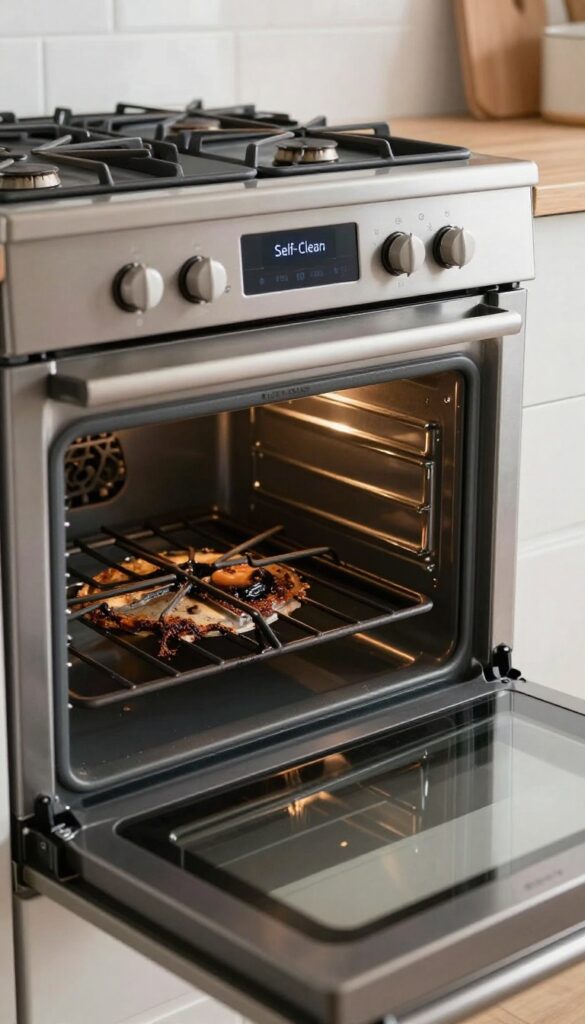
Your oven's self-cleaning cycle isn't just for the oven interior. If your grates are solid cast iron (no enamel coating), you can use that intense heat to burn off years of grime. It's a set-it-and-forget-it method that turns stubborn buildup into fine ash.
Cast iron grates can handle the extreme temperatures of a self-cleaning cycle, typically reaching 800°F or higher. The heat incinerates grease and food residue, leaving a powdery ash that wipes away easily. This method is perfect for heavily encrusted grates that have resisted other cleaning attempts.
Prep And Safety
Remove the grates from the stove and place them directly on the oven racks. Make sure no enamel coating is present—enamel can crack or discolor. Also, remove any plastic or rubber handles.
Open a window for ventilation, as the cycle can produce smoke and odors.
Run The Cycle
Close the oven door and start the self-cleaning cycle. It will run for 2–4 hours, depending on your oven model. The grates will become extremely hot, so do not open the door until the cycle is complete and the oven has cooled down completely.
Clean Up The Ash
Once the oven is cool, open the door and vacuum or brush off the ash. Use a soft brush or a dry cloth to remove all residue. Avoid water at this stage—ash can turn into a paste if wet.
After brushing, you can wipe with a damp cloth and dry thoroughly.
13. Dishwasher with Heavy-Duty Cycle
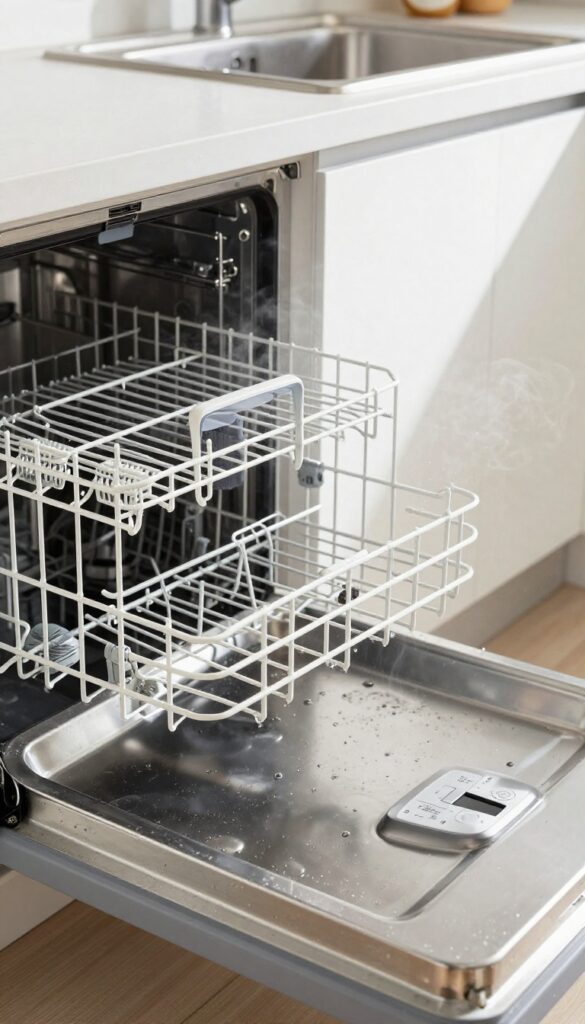
Your dishwasher can be a secret weapon for cleaning stove grates, especially when you're dealing with heavy buildup. The combination of hot water, strong detergent, and sustained washing action loosens and washes away baked-on grease and food particles. Just make sure your grates are dishwasher-safe—check the manufacturer's instructions first.
Place the grates in the dishwasher, arranging them so they don't block the spray arms. Add extra detergent to the main compartment and a bit more to the pre-wash cup. Select the heavy-duty or pots-and-pans cycle, and if your dishwasher has a heated dry option, turn it on.
The high heat helps dissolve stubborn grime. Once the cycle finishes, remove the grates carefully—they'll be hot. Inspect for any remaining residue; if needed, give them a quick scrub with a soft brush.
This method works best for porcelain-coated or stainless steel grates. Avoid using it on aluminum or painted grates, as the heat and detergent can damage the finish.
When To Use This Method
This technique is ideal for grates with moderate to heavy grease and burnt-on food. It's a low-effort approach that leverages your dishwasher's cleaning power. However, if your grates have thick, caked-on carbon deposits, you may need to pre-soak or manually scrub them first.
The dishwasher method is also great for routine deep cleaning every few months.
What Not To Do
Never put cast iron grates in the dishwasher—the harsh detergents and moisture will strip the seasoning and cause rust. Also, avoid washing aluminum or painted grates, as they can discolor or peel. If your grates have rubber feet or plastic parts, remove them beforehand or check if they're dishwasher-safe.
Always let the grates cool completely before handling after the cycle.
14. Pumice Stone for Stubborn Carbon Spots
Some carbon spots just won't budge, no matter how long you soak or scrub. That's where a pumice stone comes in handy. It's a natural volcanic rock that's abrasive enough to scrape off tough buildup but soft enough to avoid scratching metal surfaces.
You just need to wet it first and work gently on the problem areas.
A pumice stone is a great last-resort tool for those stubborn black spots that remain after other methods. It's cheap, reusable, and doesn't require any chemicals. Just remember to keep it wet while you work—dry pumice can scratch.
Use it only on tough spots, not the entire grate.
How To Use A Pumice Stone
Soak the pumice stone in water for a few minutes until it's fully saturated. While the grate is still damp, gently rub the stone over the carbon deposits using circular motions. Apply light pressure—let the stone do the work.
Rinse the stone and grate frequently to check progress and remove loosened debris.
Where To Use It (and Where Not To)
Pumice stones work best on flat, smooth metal surfaces like stainless steel or enameled cast iron. Avoid using them on non-stick coatings, painted surfaces, or delicate finishes. They're perfect for the top of the grates but not the underside or any crevices where the stone might get stuck.
Pro Tips For Best Results
Always test the pumice stone on a small, hidden area first to make sure it doesn't scratch. Keep the stone and the grate wet throughout the process to minimize friction. After scrubbing, wash the grate with dish soap and water to remove any stone residue.
Dry thoroughly to prevent rust.
15. Regular Maintenance with a Degreaser Wipe
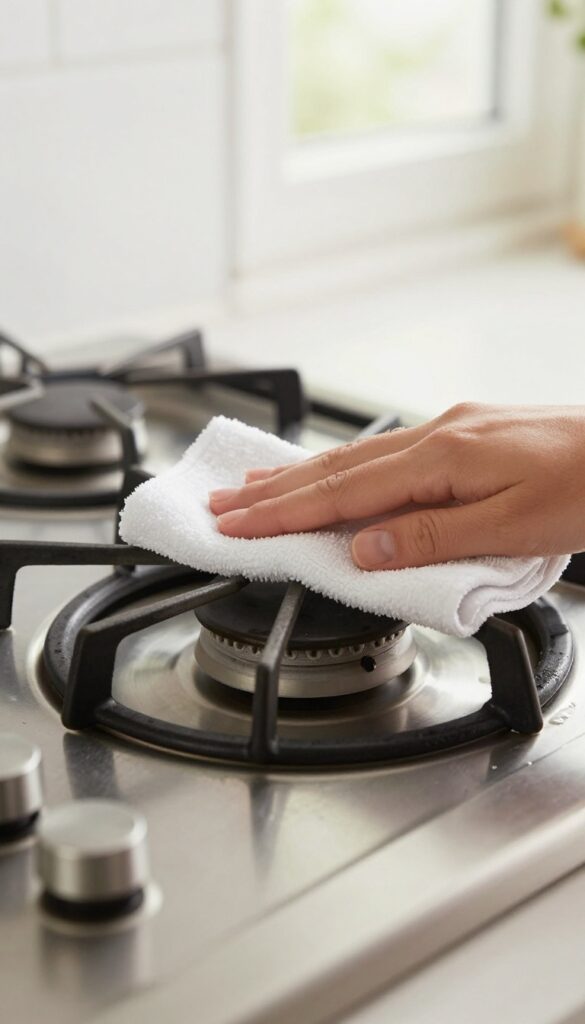
The best way to deal with heavy buildup is to stop it from forming in the first place. A simple habit of wiping down your grates after each heavy cooking session can save you hours of scrubbing later. You don't need a deep clean every time—just a quick degreasing wipe keeps the grime soft and manageable.
After a big meal, let the grates cool slightly, then spray them with a degreasing cleaner or rub them down with rubbing alcohol. Focus on the areas where grease splatters and food bits accumulate. This takes less than a minute but prevents the crusty, rock-hard buildup that makes deep cleaning a nightmare.
Make it part of your post-cooking routine, and your grates will stay looking better with far less effort.
Why Degreaser Wipes Work
Degreasers break down oil and grease on contact, so they don't have time to polymerize into stubborn carbon. Rubbing alcohol evaporates quickly and cuts through fresh residue without leaving streaks. Both are gentle on enamel and stainless steel, making them safe for regular use.
How To Build The Habit
Keep a spray bottle of degreaser or a bottle of rubbing alcohol near your stove. After cooking, give the grates a quick spritz and wipe with a paper towel or microfiber cloth. If you do this every time you cook something greasy, you'll notice a dramatic difference in how often you need to do a deep soak.
What To Avoid
Don't use abrasive scrubbers or harsh chemicals during these quick wipes—they can damage the finish over time. Stick to soft cloths and gentle degreasers. Also, make sure the grates are cool enough to handle safely, but still warm enough to loosen fresh grease.
FAQ
Can I use bleach to clean gas stove grates?
Bleach is not recommended for gas stove grates. It can damage the finish and cause discoloration, especially on enamel or painted surfaces. Stick to gentler cleaners like baking soda or dish soap.
How often should I deep clean my gas stove grates?
For heavy buildup, deep clean every 1-3 months depending on usage. If you cook frequently with oily foods, monthly cleaning prevents carbon from hardening.
What is the safest method for porcelain-coated grates?
Porcelain-coated grates are delicate. Use non-abrasive methods like the baking soda paste soak or dishwasher cycle. Avoid metal scrubbers and harsh chemicals like oven cleaner.
Can I put gas stove grates in the oven to clean them?
Only if the grates are cast iron and your oven has a self-cleaning cycle. Check the manufacturer's instructions first. Other materials may warp or discolor in high heat.
Why does my gas stove grate have rust spots?
Rust spots usually come from moisture or chipped enamel. Dry grates thoroughly after cleaning and store them in a dry place. For minor rust, use a lemon and salt rub or a rust remover.
Conclusion
Getting your gas stove grates sparkling clean doesn't have to be a weekend project. With these tips, you can tackle even the toughest buildup without harsh chemicals or endless scrubbing. Pick the method that fits your schedule and supplies, and you'll see results fast.
Remember, regular maintenance makes deep cleans easier next time. A quick wipe after each use or a weekly soak can prevent that stubborn grime from building up again. Your stove will thank you, and so will your future self.