10 Common Home Maintenance Mistakes to Avoid
Small maintenance mistakes turn into expensive repairs faster than most people expect. Many costly home repairs start with a small oversight, and the annoying part is that the early warning signs usually look harmless.
I’ve seen people ignore a drip, skip one gutter cleaning, or put off a quick sealant touch-up, and then suddenly they’re dealing with water damage, mold, or a repair bill that ruins the month.
This guide works for homeowners, renters, and first-time buyers who want practical ways to prevent damage instead of paying for it later.
You’ll find the most common maintenance mistakes, why they cause real problems, and what to do instead.
I also added a safety section, a simple checklist, and a budget reality check because good maintenance saves money, stress, and time.
Why Preventive Maintenance Matters More Than Repairs
Repairs cost more because damage spreads while you wait. A tiny issue almost never stays tiny once water, heat, pressure, or time gets involved.
Preventive maintenance protects your safety as much as your wallet. A clogged vent, overloaded outlet, or hidden leak can create fire risks, mold exposure, and structural trouble long before you notice anything serious.
Routine upkeep also helps your home keep its value. Buyers notice stained ceilings, cracked caulk, peeling paint, and neglected systems right away, and they usually assume the hidden parts of the house look worse.
Insurance claims can get messy when a problem clearly came from neglect. Carriers usually cover sudden damage more easily than damage caused by months of skipped maintenance, so your habits matter more than people think.
You do not need a fancy system to stay ahead of this stuff. A simple monthly check and a few seasonal tasks will prevent most of the big headaches that make home ownership feel way harder than it needs to be.
1. Ignoring Small Leaks
Why It’s a Problem
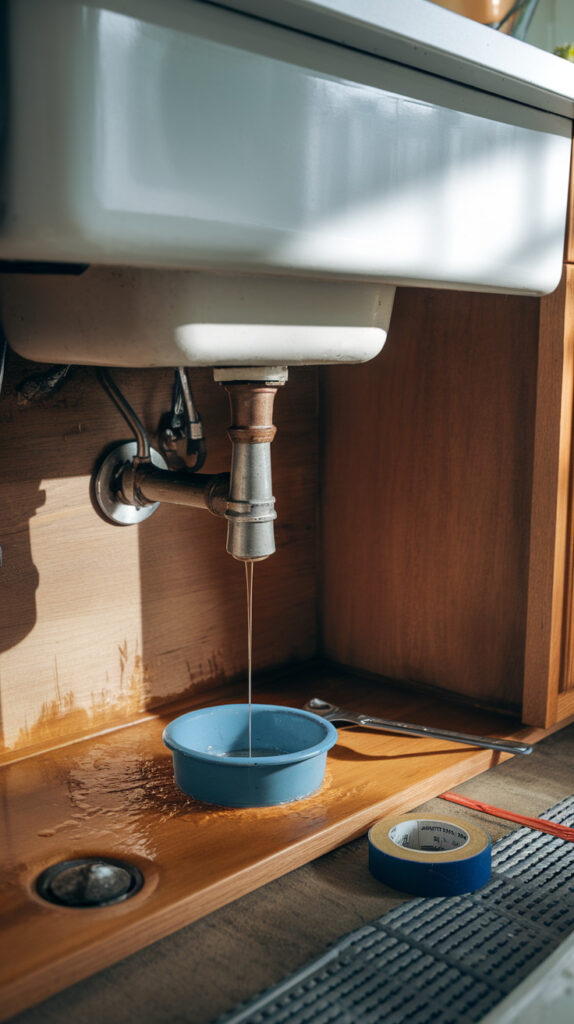
Leaks rarely stay in one place, and that’s what makes them expensive. Water travels behind walls, under floors, and into cabinets where you cannot see it until the damage already spreads.
Even a slow drip can feed mold and soften wood over time. I always treat leaks like a priority because water wins every argument in a house.
What Can Happen If You Ignore It
You can end up with stained drywall, warped flooring, swollen baseboards, and a musty smell that never really leaves. Hidden leaks also attract pests because damp areas make perfect little hangouts for insects.
If the leak sits near wiring or outlets, the risk gets worse. Now you have water damage and a safety issue in the same spot, which is a brutal combo.
How to Avoid It
- Check under sinks, behind toilets, and around appliances once a month.
- Watch your water bill for unexpected jumps.
- Fix dripping faucets and running toilets quickly.
- Use a flashlight to inspect dark cabinet corners for dampness.
- Dry any wet area fully after you find the source.
When to Call a Professional
Call a plumber if you can’t find the source, if water keeps returning, or if a leak sits inside a wall or ceiling. Call fast if you see bubbling paint, soft drywall, or mold spots, because that means the damage already moved past the surface.
2. Skipping Gutter Cleaning
Why It’s a Problem
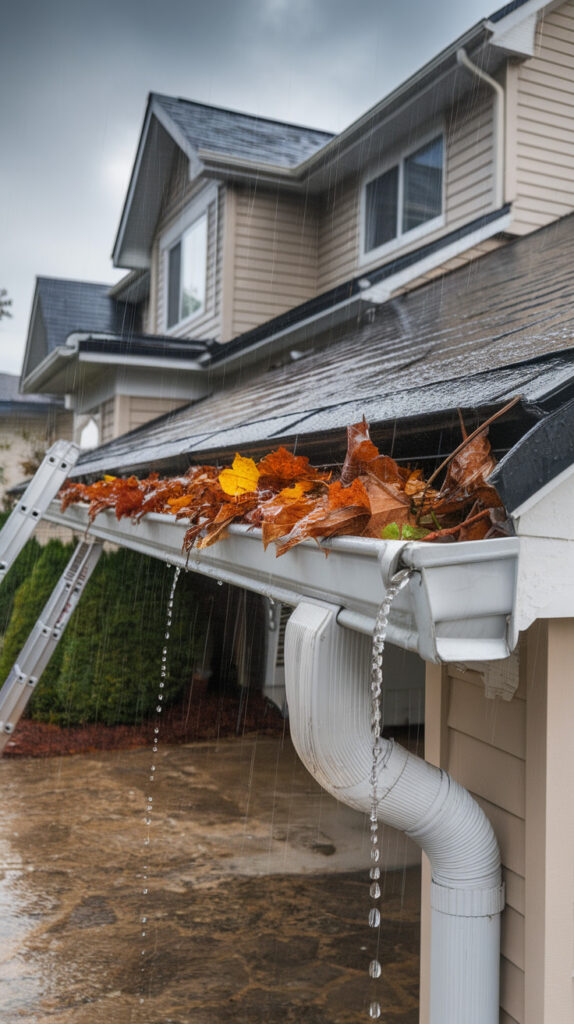
Gutters move water away from your roof and foundation, so clogged gutters fail at one of the most important jobs on your house. Leaves and debris block flow, then water spills over the edges and lands exactly where you do not want it.
A lot of people skip gutter cleaning because it feels boring and easy to postpone. I get it, but this one causes a ridiculous amount of preventable damage.
What Can Happen If You Ignore It
Overflowing gutters can rot fascia boards, stain siding, and dump water near your foundation. In colder places, trapped water can also freeze and create ice problems that stress the roofline.
You may also get roof leaks if water backs up under shingles. Once that starts, the repair bill jumps fast because roofing and interior damage often show up together.
How to Avoid It
- Clean gutters at least twice a year, usually spring and fall.
- Remove leaves, twigs, and roof grit by hand or with a scoop.
- Flush gutters and downspouts with a hose to confirm good flow.
- Check that downspouts push water away from the house.
- Install guards if trees keep dropping heavy debris.
When to Call a Professional
Call a pro if your house has a steep roof, high stories, or hard-to-reach sections. Hire help if you notice sagging gutters, loose brackets, or water pooling near the foundation after rain.
3. Neglecting HVAC Filter Changes
Why It’s a Problem
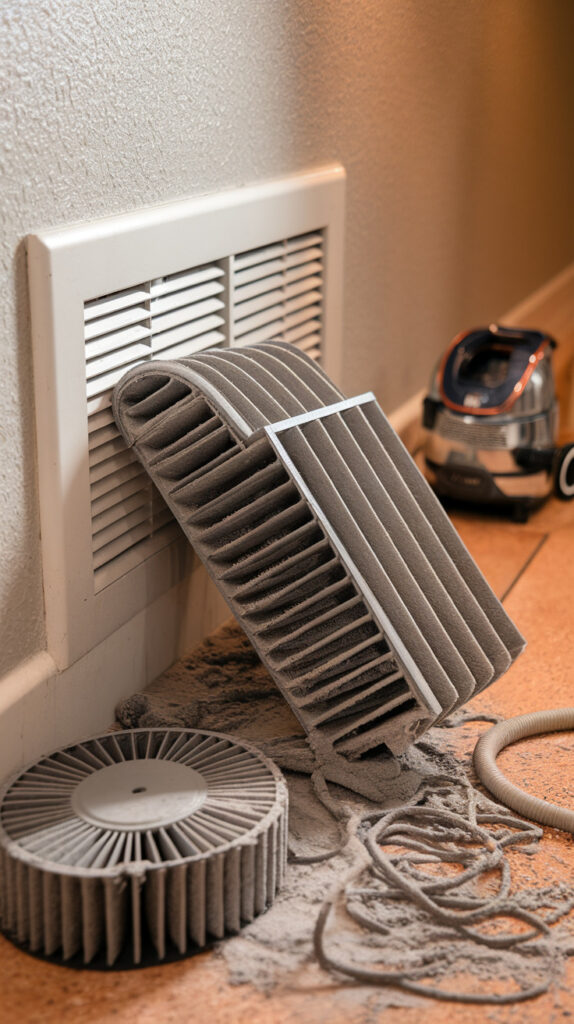
A dirty HVAC filter chokes airflow and forces your system to work harder than it should. That extra strain raises energy use, reduces comfort, and wears down parts that cost real money to replace.
People forget this task because the system still runs, so it feels fine. Then the house gets dusty, airflow drops, and the unit starts acting moody for no obvious reason.
What Can Happen If You Ignore It
You can shorten the life of your furnace or AC by making it run under constant stress. Dirty filters also allow more dust and allergens to circulate, which makes the house feel less clean even when you just cleaned it.
In some cases, restricted airflow can lead to frozen coils or overheating issues. That’s when a cheap filter turns into a service call and a frustrating afternoon.
How to Avoid It
- Check filters every month, especially in heavy-use seasons.
- Replace standard filters every 1–3 months based on dust and pets.
- Write the replacement date on the filter frame.
- Keep the right filter size on hand so you never delay it.
- Vacuum vents and returns when you change the filter.
When to Call a Professional
Call an HVAC technician if rooms stay unevenly heated or cooled after a filter change. Bring in a pro if the unit makes new noises, short cycles, or stops moving air properly.
4. Overloading Electrical Outlets
Why It’s a Problem
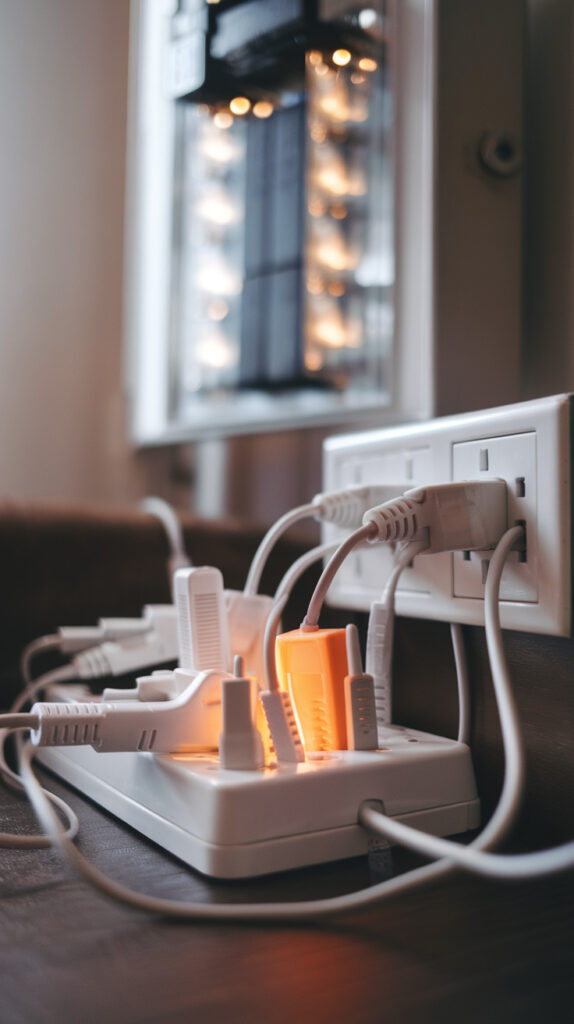
One outlet cannot safely power half the room just because a power strip has extra slots. Too many devices on one circuit create heat, and heat creates fire risk faster than people think.
This mistake shows up in older homes all the time. I always get suspicious when I see adapters stacked on adapters because that setup usually means the circuit already struggles.
What Can Happen If You Ignore It
Overloaded outlets can scorch plugs, trip breakers, or damage electronics. In the worst case, the wiring overheats and starts a fire behind the wall where you won’t spot it right away.
Loose outlets can also spark, which adds another hazard. If an outlet feels warm, that’s not a “maybe later” issue.
How to Avoid It
- Spread high-power devices across different outlets and circuits.
- Avoid plugging heaters, microwaves, or AC units into cheap strips.
- Use surge protectors for electronics, not for heavy appliances.
- Replace damaged cords immediately.
- Test outlets for warmth after heavy use.
When to Call a Professional
Call an electrician if breakers trip often, outlets buzz, or you smell something burning. Call right away if you see discoloration, sparks, or a plug that no longer fits securely.
5. Sealing Windows Improperly
Why It’s a Problem
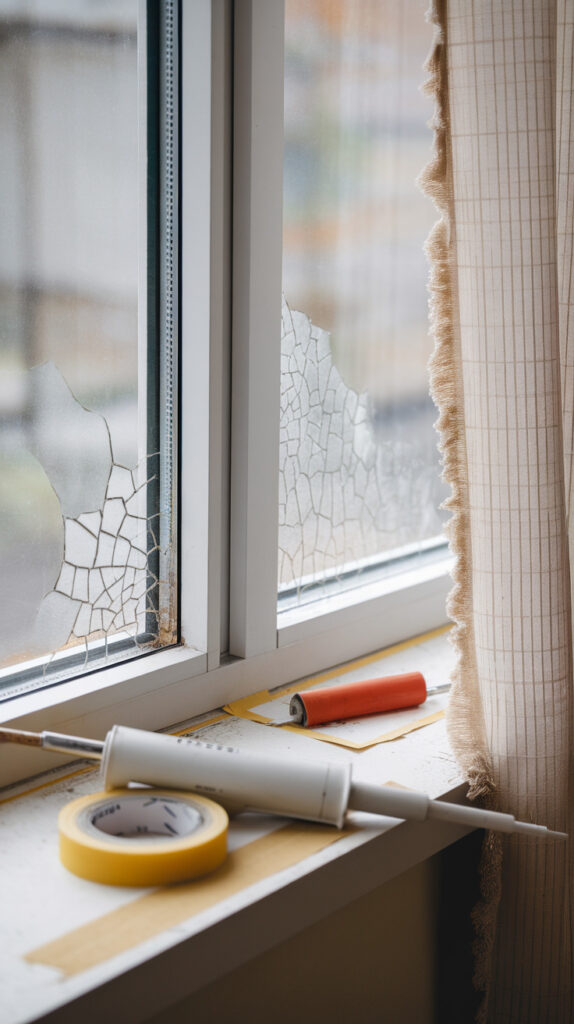
Bad window sealing lets air and moisture sneak into the house, and both cause trouble. People often slap on the wrong product, skip prep work, or apply sealant over old cracked material, which never holds well.
A rough seal job looks finished from a distance, but it fails quickly. I’d rather spend an extra 20 minutes cleaning and sealing it properly than redo the whole thing next month.
What Can Happen If You Ignore It
Drafts make heating and cooling less efficient, so energy bills creep up without a clear reason. Moisture intrusion can also damage trim, drywall, and paint around the window frame.
Condensation problems may get worse if gaps allow humid air to collect in hidden spots. Then you start seeing mildew stains and peeling paint around the sill.
How to Avoid It
- Remove loose or cracked old caulk before resealing.
- Clean and dry the surface fully before applying new caulk.
- Use exterior-grade caulk for outside gaps and paintable caulk inside.
- Seal small gaps evenly instead of overfilling them.
- Check seals again before extreme summer or winter weather.
When to Call a Professional
Call a window pro if frames feel soft, warped, or visibly separated from the wall. Bring in help if condensation appears between panes, because that points to a failed window unit, not just bad caulk.
6. Using the Wrong Cleaning Products
Why It’s a Problem
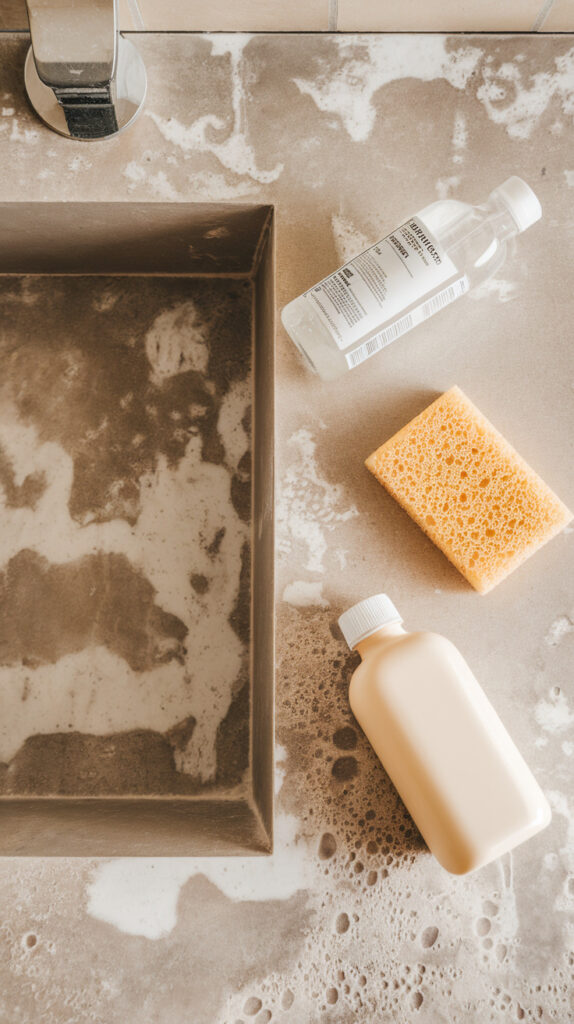
The wrong cleaner can damage surfaces faster than dirt ever could. Strong chemicals, abrasive pads, and random internet hacks ruin finishes on stone, wood, stainless steel, and fixtures all the time.
This mistake happens because labels look similar and everyone wants a quick fix. I’ve seen “deep cleaning” turn into “now the countertop looks cloudy forever,” which is a brutal trade.
What Can Happen If You Ignore It
You can strip sealants, scratch finishes, fade paint, and corrode metal parts. Damaged surfaces also collect dirt faster, so cleaning gets harder after the product itself causes the problem.
Some product combinations create harmful fumes too. Mixing bleach with other cleaners is one of those mistakes that can go from bad idea to emergency real quick.
How to Avoid It
- Read labels before using a product on any surface.
- Test new cleaners on a small hidden spot first.
- Use pH-safe cleaners for stone and specialty finishes.
- Keep separate cloths for glass, kitchen, and bathroom surfaces.
- Never mix cleaners unless the manufacturer says it is safe.
When to Call a Professional
Call a restoration or cleaning specialist if you stain natural stone, etch surfaces, or damage wood finishes. Contact a pro cleaner if mold staining spreads or chemical odor lingers after ventilation.
7. Forgetting to Check Caulking in Bathrooms
Why It’s a Problem
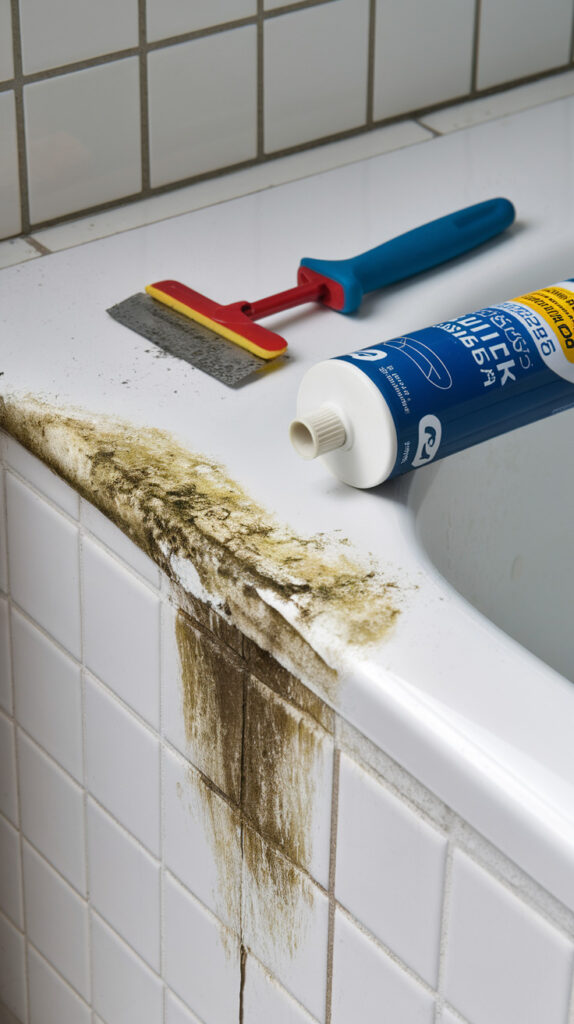
Bathroom caulk takes a beating from steam, water splash, and daily use. Once it cracks or pulls away, water slips behind tubs, sinks, and showers where it slowly damages walls and subfloors.
People notice ugly caulk but ignore it because it seems cosmetic. It is not cosmetic when water starts soaking the structure behind the tile.
What Can Happen If You Ignore It
You can get mold growth, loose tiles, swollen trim, and soft flooring around tubs or showers. Hidden moisture also creates that damp smell that no candle can fix, and yeah, I said it.
Bathroom repairs get expensive fast because the damage hides behind finished surfaces. By the time you see bubbling paint or loose tile, the problem usually spread farther than expected.
How to Avoid It
- Inspect bathroom caulk lines every month for cracks or gaps.
- Remove moldy or peeling caulk completely before reapplying.
- Dry surfaces fully before applying fresh silicone caulk.
- Use bathroom-grade mold-resistant caulk.
- Let caulk cure fully before using the shower or tub.
When to Call a Professional
Call a pro if tiles move, grout cracks repeatedly, or the wall feels soft near the shower. Get help if mold keeps returning after recaulking because moisture may already sit behind the surface.
8. Blocking Air Vents with Furniture
Why It’s a Problem
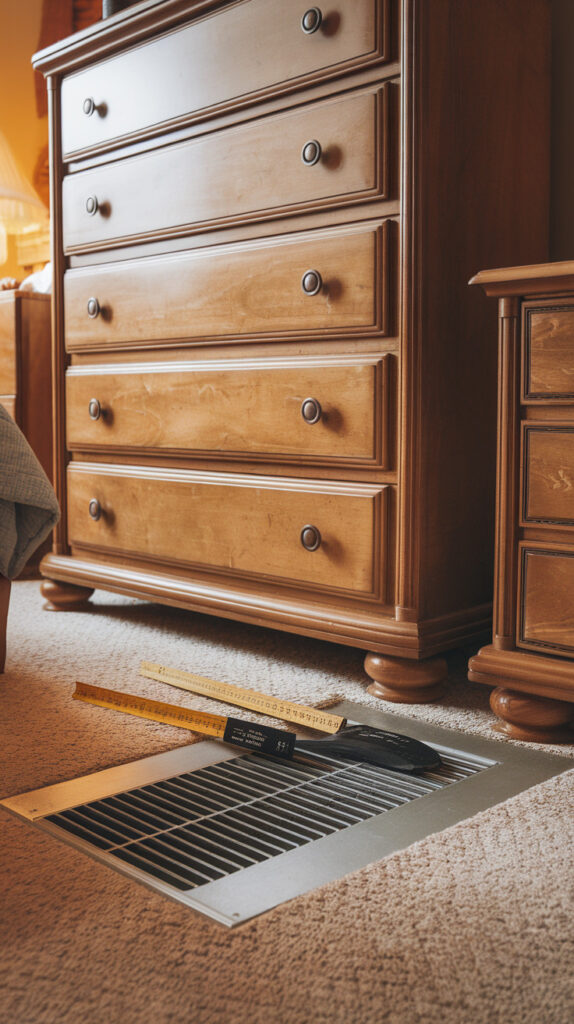
Blocked vents mess up airflow and make your HVAC system work harder than necessary. A couch, bed, or cabinet placed over a vent turns one simple layout choice into a comfort and efficiency problem.
This happens in small rooms a lot because furniture placement feels limited. I still move things around to protect vents because bad airflow makes the whole house feel off.
What Can Happen If You Ignore It
Rooms become unevenly heated or cooled, and some areas stay stuffy no matter what setting you use. The system runs longer to compensate, which pushes up energy costs and adds wear.
In some cases, blocked return vents can create pressure issues that hurt system performance. Dust also builds up more easily when air cannot circulate the way it should.
How to Avoid It
- Keep supply and return vents clear by several inches.
- Check furniture placement after every room rearrangement.
- Use vent deflectors if placement options feel limited.
- Vacuum vent covers regularly to reduce dust buildup.
- Make sure rugs do not cover floor vents.
When to Call a Professional
Call an HVAC pro if airflow stays weak even after you clear vents and change filters. Ask for a system check if certain rooms never feel comfortable, because duct issues may be part of the problem.
9. Ignoring Roof Inspections
Why It’s a Problem
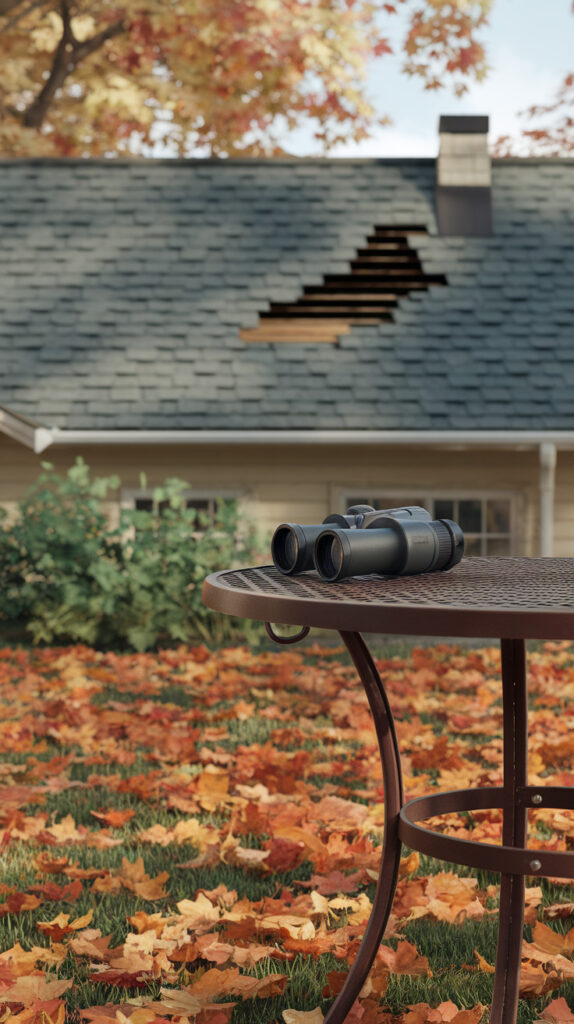
Roofs hide problems well until water enters the house, and by then you already lost the easy fix. Missing shingles, cracked flashing, and small penetrations often look minor from the ground but cause major damage over time.
A roof inspection feels easy to skip when nothing leaks inside. That logic works right up until the first ceiling stain shows up after a storm.
What Can Happen If You Ignore It
Small roof damage can lead to attic moisture, insulation problems, and interior ceiling damage. Water can also rot roof decking and framing, which pushes the repair far beyond a basic patch.
Storm damage gets worse when loose materials shift over time. A tiny issue after one season can turn into a full section repair by the next.
How to Avoid It
- Inspect the roof visually from the ground after major storms.
- Check for missing shingles, sagging spots, or damaged flashing.
- Look in the attic for moisture stains or damp insulation.
- Schedule a professional roof inspection once a year.
- Trim branches that scrape or drop debris on the roof.
When to Call a Professional
Call a roofer if you see missing shingles, flashing gaps, or any interior water stains. Call immediately after severe weather if debris hit the roof or if leaks appear suddenly.
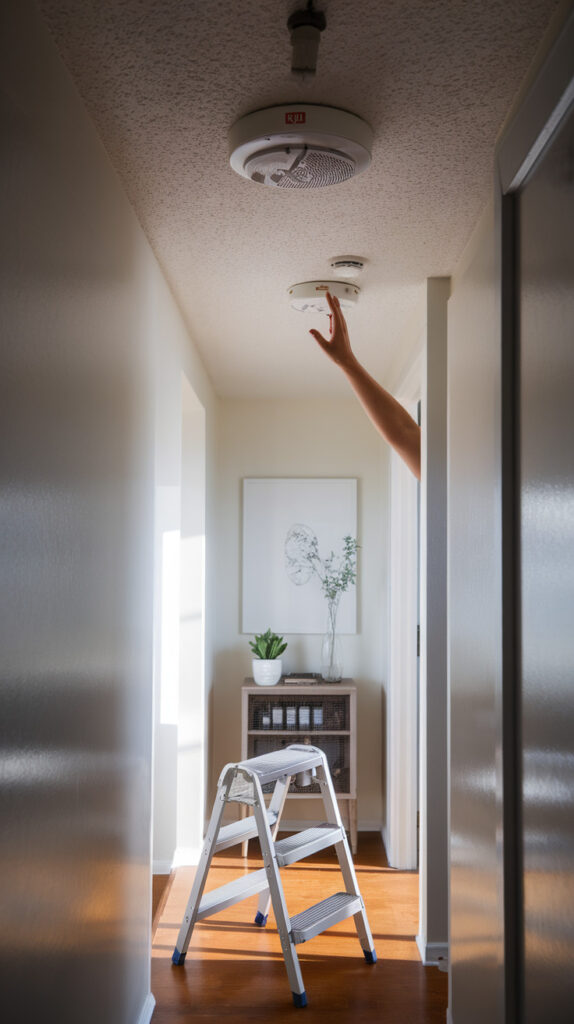
10. Not Testing Smoke and Carbon Monoxide Detectors
Why It’s a Problem
Safety devices only protect you when they work, and batteries die quietly. Too many people install detectors once and assume they stay ready forever, which creates a dangerous false sense of security.
This task takes minutes and protects lives, so it should never slip for months. I put it on a recurring reminder because memory alone is unreliable for stuff this important.
What Can Happen If You Ignore It
A dead detector may fail during a fire or carbon monoxide leak, and that delay can cost lives. Carbon monoxide causes symptoms people mistake for fatigue or illness, so alarms matter even more than most people realize.
Old units also fail even with fresh batteries. If the sensor ages out, the alarm may chirp less or respond poorly when you need it most.
How to Avoid It
- Test smoke and CO detectors monthly using the test button.
- Replace batteries at least once a year or as needed.
- Replace the entire unit based on manufacturer age limits.
- Install detectors near bedrooms and on each floor.
- Keep detector vents free from dust buildup.
When to Call a Professional
Call an electrician if hardwired alarms fail, chirp without cause, or do not interconnect properly. Call emergency services and leave the home if a carbon monoxide alarm sounds and you suspect a real leak.
11. Letting Exterior Paint Deteriorate
Why It’s a Problem
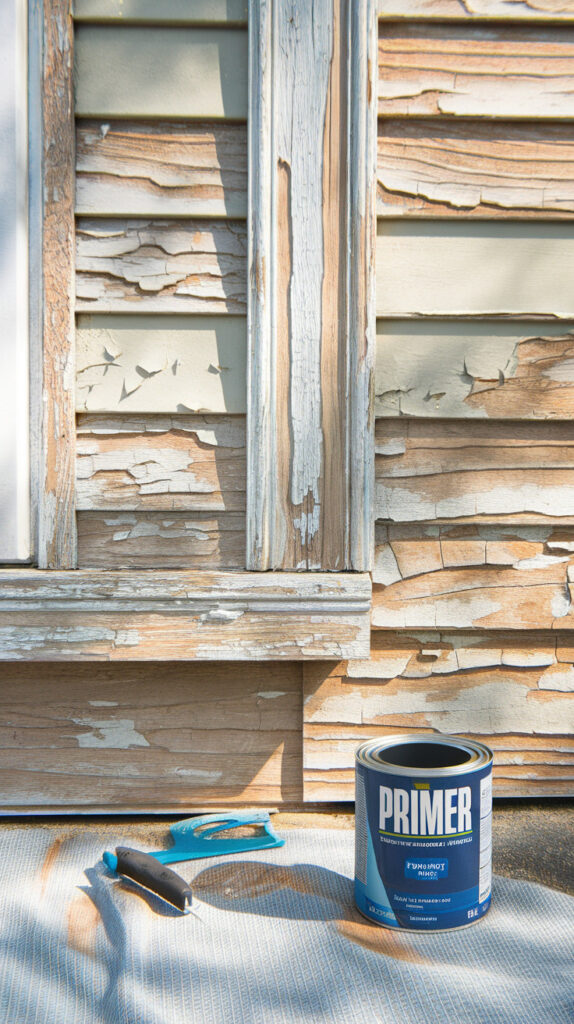
Exterior paint does more than make the house look nice. It protects siding and trim from moisture, sun exposure, and seasonal wear that slowly breaks materials down.
Once paint peels or cracks, water reaches the surface underneath much more easily. I treat paint failure as protection failure, not just a cosmetic issue.
What Can Happen If You Ignore It
Wood trim can rot, siding can warp, and moisture can seep into joints and seams. Sun damage also accelerates when protective coatings thin out, which makes future repainting more expensive.
Neglected exterior surfaces can hurt curb appeal and resale value too. Buyers notice peeling paint fast, and they usually expect hidden maintenance problems behind it.
How to Avoid It
- Inspect painted exterior surfaces every season for peeling or cracks.
- Scrape and repaint small damaged areas before they spread.
- Wash siding and trim gently to remove dirt and mildew.
- Use exterior-grade primer and paint for touch-ups.
- Check sun-facing and rain-facing walls more often.
When to Call a Professional
Call a painter or siding pro if paint failure covers large areas or wood feels soft underneath. Bring in help if you suspect rot, water intrusion, or older hazardous coatings that need special handling.
12. Overwatering Landscaping Near Foundation
Why It’s a Problem
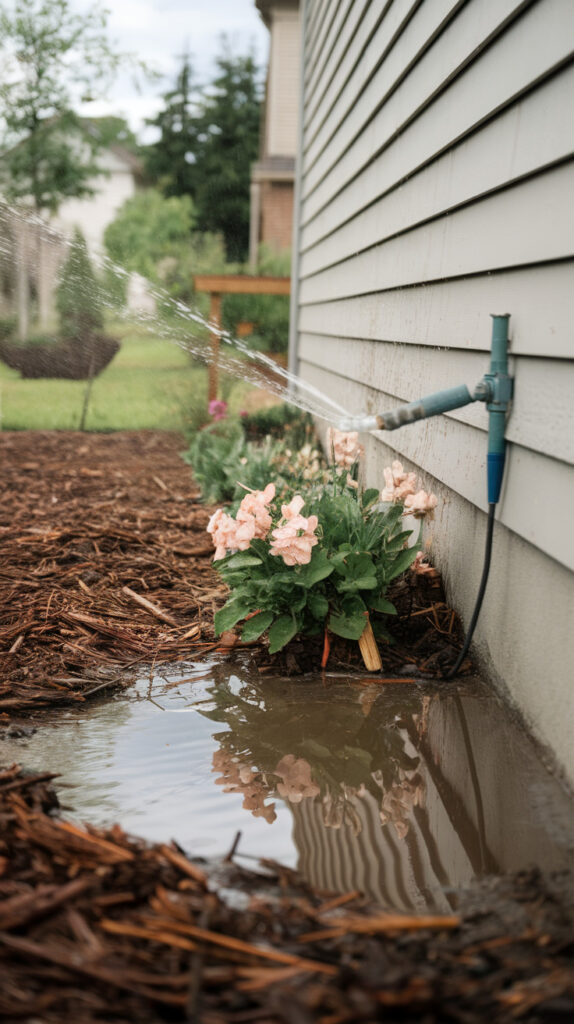
Too much water near the foundation creates drainage problems that many homeowners never connect to landscaping. Sprinklers, flower beds, and heavy watering can saturate soil and push moisture toward the house.
A green yard looks good, but the foundation should not stay wet all the time. I’ve seen people baby their plants and accidentally punish their home.
What Can Happen If You Ignore It
Excess moisture can contribute to foundation movement, basement dampness, and moldy odors. Water also attracts pests and can damage exterior walls or lower trim over time.
Poor grading makes the issue worse because water collects instead of draining away. Then you start seeing puddles, cracks, or moisture stains inside lower walls.
How to Avoid It
- Water plants deeply but less often instead of daily overspraying.
- Keep sprinklers aimed away from the foundation and siding.
- Maintain a slope that directs water away from the house.
- Use mulch carefully without piling it against walls.
- Watch for pooling water after rain or irrigation cycles.
When to Call a Professional
Call a landscaper or drainage specialist if water pools near the house after watering or rain. Call a foundation pro if you notice new cracks, sticking doors, or persistent basement dampness.
13. Delaying Minor Plumbing Repairs
Why It’s a Problem
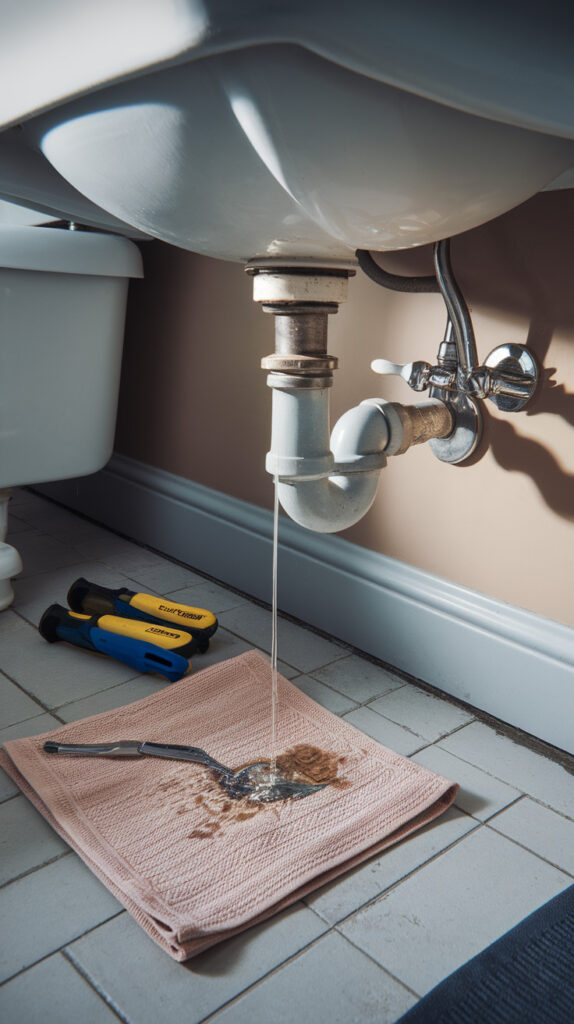
Minor plumbing issues rarely fix themselves, and they usually get worse under pressure. A slow drain, loose supply line, or small toilet wobble can turn into a bigger repair if you keep postponing it.
People delay plumbing repairs because the system still “mostly works.” That phrase usually means you’re borrowing time and paying interest later.
What Can Happen If You Ignore It
Small plumbing faults can cause hidden leaks, water waste, and fixture damage. A loose toilet, for example, can break the wax seal and let water damage the floor underneath.
Slow drains can also become full blockages that back up at the worst possible time. Nobody wants to deal with that during a busy week.
How to Avoid It
- Fix drips, running toilets, and loose fittings quickly.
- Avoid chemical drain cleaners that damage pipes over time.
- Use sink strainers to reduce hair and debris clogs.
- Watch for slow drains and address them early.
- Check exposed plumbing connections for corrosion or moisture.
When to Call a Professional
Call a plumber if drains back up repeatedly, water pressure drops suddenly, or you smell sewer gas. Bring in a pro for any leak inside walls, under floors, or around major fixtures.
14. Using DIY Fixes for Major Issues
Why It’s a Problem
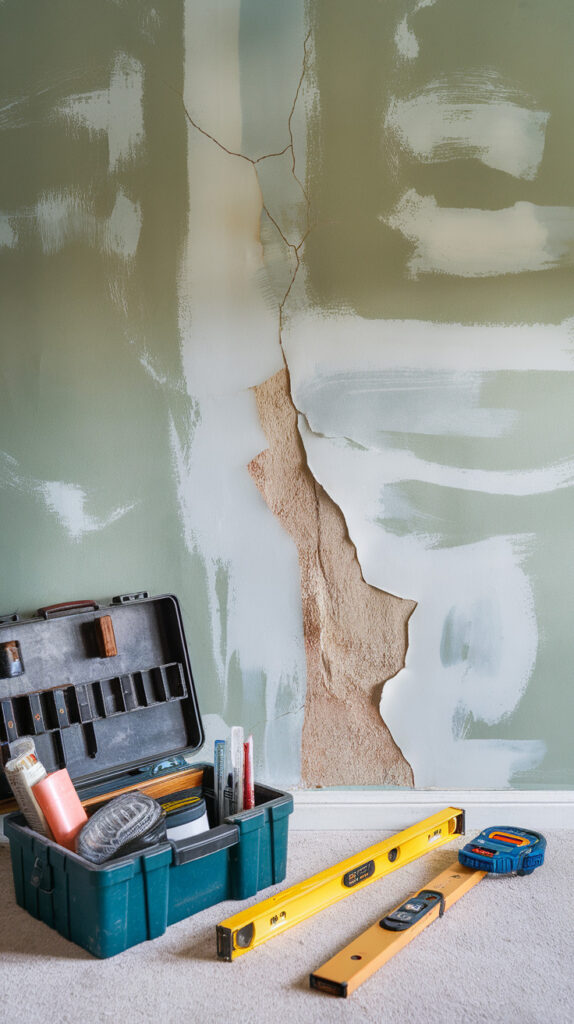
DIY works great for many maintenance tasks, but major repairs need skill, tools, and judgment. People get in trouble when they treat structural, electrical, or advanced plumbing work like a weekend experiment.
I love a good DIY win, but some projects need a pro from the start. The repair often costs more after a failed DIY attempt because the professional has to fix the original issue and the extra damage.
What Can Happen If You Ignore It
You can create code violations, safety hazards, and hidden damage that causes bigger problems later. Bad electrical work can spark fires, and sloppy plumbing can leak behind walls for months.
A poor structural fix can also make the house unsafe. Cosmetic patches hide symptoms, but they do not solve load, moisture, or wiring problems.
How to Avoid It
- Use DIY for basic maintenance, not high-risk system repairs.
- Know your limits before opening walls or touching wiring.
- Get permits when local rules require them.
- Watch for warning signs like mold, sagging, or repeated failures.
- Budget for professional work on critical systems.
When to Call a Professional
Call a licensed pro for electrical panel work, major plumbing lines, roof replacement, or structural issues. Call sooner if a problem affects safety, code compliance, or anything hidden inside walls.
15. Ignoring Seasonal Maintenance Tasks
Why It’s a Problem
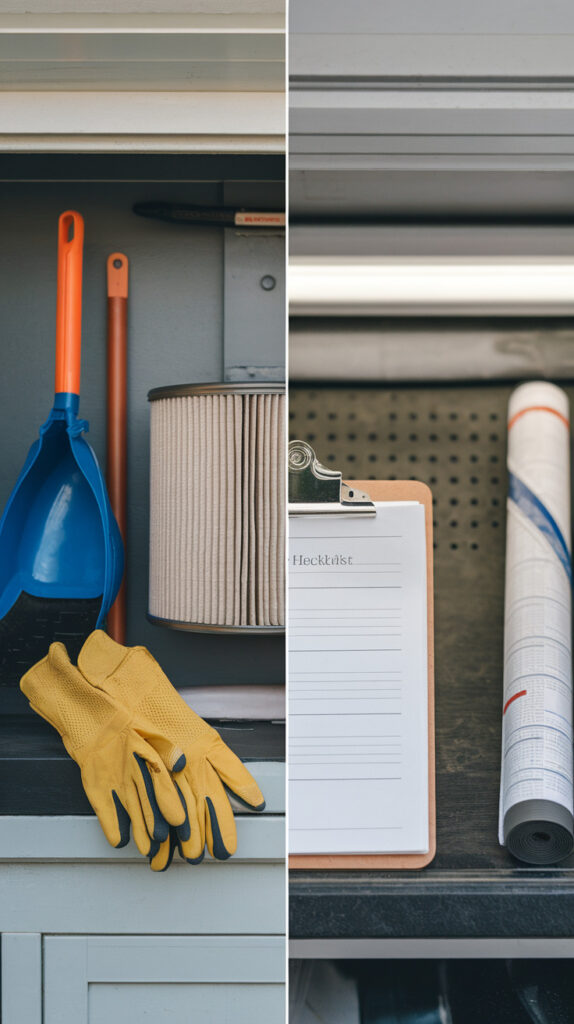
Homes need different care in different seasons, and skipping those tasks leaves systems exposed. Weather changes stress roofs, HVAC equipment, pipes, seals, and drainage, so timing matters as much as the task itself.
People often handle problems only after weather causes damage. A simple seasonal routine prevents that scramble and keeps the house running smoother all year.
What Can Happen If You Ignore It
You can get frozen pipes, clogged gutters, HVAC breakdowns, roof leaks, and drafty rooms depending on the season. Seasonal neglect also shortens the life of systems because they enter peak weather already stressed.
Small tasks stack up when you skip them for months. Then one weekend turns into a giant maintenance catch-up session that nobody enjoys.
How to Avoid It
- Create a seasonal checklist and set calendar reminders.
- Prep HVAC systems before summer and winter peaks.
- Clean gutters before heavy rain and leaf season.
- Inspect caulk, weatherstripping, and exterior paint changes.
- Check outdoor faucets, hoses, and drainage before freezes.
When to Call a Professional
Call a pro when seasonal inspections reveal roof damage, HVAC issues, or foundation drainage problems. Schedule service before peak seasons if your system already shows signs of stress.
Maintenance Mistakes That Can Become Safety Hazards
Some maintenance mistakes hurt your budget, but others can put people in danger. Electrical overloads, failing detectors, hidden leaks, and mold growth all start small and then turn serious if you ignore them.
Moisture problems create more than ugly stains. Mold exposure can irritate breathing, trigger allergies, and spread through hidden spaces while the visible spot still looks small.
Electrical issues deserve zero delay because heat and sparks escalate quickly. Warm outlets, tripped breakers, or buzzing sounds mean something already went wrong, and you should treat that like a safety alert, not a minor inconvenience.
Structural damage also creates hidden risk over time. Roof leaks, foundation moisture, and wood rot weaken the home slowly, so people adjust to the signs and forget the danger keeps growing.
Carbon monoxide risks need special attention because you can’t see or smell the problem in most cases. Working detectors, regular equipment checks, and quick action on alarm warnings protect your home in a way no cosmetic repair ever can.
Simple Monthly and Seasonal Maintenance Checklist
A checklist beats good intentions every time because it turns vague plans into repeatable habits. You do not need a huge system here, just a short routine you can actually follow without rolling your eyes.
Monthly Checklist
- Check under sinks, toilets, and appliances for leaks.
- Test smoke and carbon monoxide detectors.
- Inspect HVAC filters and replace if dirty.
- Walk through rooms and clear blocked vents.
- Look for cracked caulk in bathrooms and kitchens.
- Check outlets and cords for heat, damage, or looseness.
Seasonal Checklist
- Clean gutters and flush downspouts.
- Inspect roof condition from the ground and check attic for moisture.
- Recheck window and door seals before weather shifts.
- Inspect exterior paint, siding, and trim for wear.
- Adjust irrigation and check drainage around the foundation.
- Service HVAC before peak cooling or heating season.
I keep this kind of list simple on purpose because complicated routines die fast. If you stay consistent with these basics, you’ll prevent a big chunk of the repairs that drain money and patience.
How These Mistakes Can Cost You Thousands
Home maintenance feels cheap when the problem looks small, and that’s exactly why people delay it. The cost spike happens when one issue damages other parts of the house, which turns a simple fix into a chain reaction.
A small leak might only need a fitting or seal at first, but delayed water damage can lead to drywall repair, flooring replacement, cabinet work, and mold cleanup. Roof issues follow the same pattern because a missing shingle can eventually damage insulation, ceilings, and framing.
HVAC neglect creates another expensive path. Skipping filters and service can wear out components early, and replacing a major system costs far more than routine upkeep ever will.
Foundation moisture and drainage problems can also get ugly fast. Landscaping mistakes, poor gutter flow, or pooled water can lead to cracking, damp interiors, and repair work that no one wants to budget for.
Even cosmetic neglect costs money when it weakens protection. Peeling exterior paint, failed caulk, and damaged seals all invite moisture inside, and moisture always finds a way to make the final bill bigger than expected.
Frequently Asked Questions
What is the most common home maintenance mistake?
The most common mistake is ignoring small leaks and minor issues because they seem harmless at first. People usually wait until they see visible damage, but the real problem often starts weeks or months earlier behind walls, under sinks, or around fixtures.
How often should basic home maintenance be done?
You should handle basic maintenance monthly, then add seasonal tasks before weather changes. A short monthly routine catches leaks, filter issues, and alarm problems early, while seasonal checks protect your roof, drainage, HVAC, and exterior surfaces when conditions shift.
Are DIY repairs safe for beginners?
DIY repairs work well for simple maintenance like changing filters, recaulking, cleaning gutters safely, and checking for leaks. Beginners should avoid high-risk work involving electrical systems, structural components, gas lines, or hidden plumbing because a bad fix can create safety hazards and bigger repair costs.
What maintenance tasks require a professional?
You should call a professional for electrical panel work, roof repairs, foundation concerns, major plumbing leaks, and anything involving mold spread or structural damage. Licensed pros also help when a problem repeats after a basic fix, because repeated failure usually means a deeper issue sits behind the surface.
Can neglecting maintenance affect home value?
Neglected maintenance absolutely affects home value because buyers notice signs of poor upkeep right away. Peeling paint, water stains, bad caulk, and outdated detectors make buyers assume the house has hidden issues, and that assumption usually leads to lower offers or repair demands.
What should renters focus on if they do not own the home?
Renters should still watch for leaks, detector problems, clogged vents, and bathroom caulk issues because those affect comfort and safety right now. You may not handle major repairs yourself, but reporting problems early protects your space and helps avoid bigger damage that can become a landlord dispute later.
Final Thoughts
Home maintenance gets easier when you treat it like a routine instead of a rescue mission. Most expensive repairs start as small, boring problems, and that’s actually good news because boring problems usually come with easy fixes.
Stay consistent, handle the little stuff early, and call a pro when a task moves past basic maintenance. That approach saves money, protects your home, and keeps you out of the “how did this get so bad” phase.