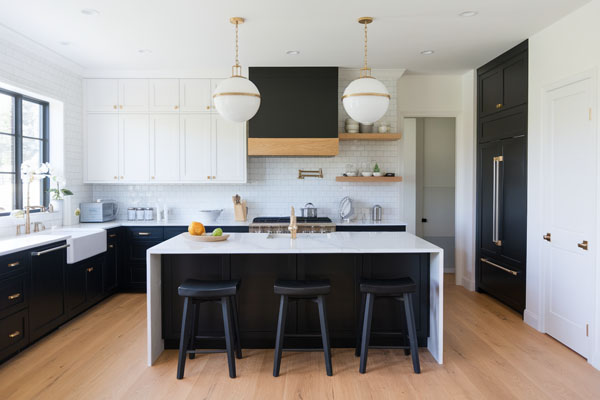
10 Kitchen Island Ideas for Small Kitchens
Square footage limits options faster than most people expect. A small kitchen forces every decision to justify its existence, especially when you start talking about adding an island.
The trick isn’t cramming in more furniture. It’s choosing kitchen island ideas for small kitchens that earn their space and quietly solve two or three problems at once.
A good island in a tight layout should add storage, improve workflow, and look intentional instead of accidental. Let’s break down ten ideas that actually work in real homes, not just perfectly staged photos.
1. Slim Rolling Cart Island
Most small kitchens lack flexible prep space, not permanent furniture. A slim rolling cart solves that without locking you into a bulky island that blocks movement.
I’ve used a rolling cart in a narrow kitchen before, and it felt like cheating the system. When I needed extra counter space for chopping, it rolled into the center, and when I didn’t, it tucked against the wall like it belonged there.
The beauty of this idea is mobility and scale. You’re not forcing a full-sized island into a room that can’t breathe; you’re adding a lightweight, functional piece that adapts to your routine.
Why This Works
Small kitchens need circulation space more than they need statement pieces. A narrow cart keeps walkways clear while still giving you extra surface and storage.
It also improves workflow because you can position it exactly where you’re working. That kind of flexibility matters in tight layouts.
How to Do It
- Measure your walkway first and maintain at least 30–36 inches of clearance.
- Choose a cart no deeper than 18–20 inches for tight kitchens.
- Look for locking wheels so it stays stable while you prep.
- Add baskets or bins underneath to maximize storage.
Each step prevents the cart from turning into clutter on wheels. Stability and proportion are everything here.
Style & Design Tips
Go with a finish that contrasts your cabinets slightly for visual interest. If your kitchen is all white, try natural wood or matte black for warmth and depth.
Avoid bulky hardware or oversized handles. Clean lines make the cart look intentional rather than temporary.
Pro Tip or Budget Hack
Check restaurant supply stores for stainless steel prep carts. They’re sturdy, affordable, and built to handle serious use.
If you want it to feel custom, swap out the top for a butcher block slab and seal it properly. It’ll look ten times more expensive.
2. Butcher Block Peninsula Extension
Sometimes a full island just won’t fit, and that’s fine. Extending one side of your existing counter into a small peninsula gives you island vibes without floating furniture in the middle.
I love this option because it feels integrated. Instead of adding something new, you’re expanding what’s already working.
In one small kitchen I helped redesign, we extended the countertop by just 12 inches and suddenly had room for prep and two stools. That’s a small change with a big payoff.
Why This Works
A peninsula uses wall-connected support, so it doesn’t need legs on all sides. That makes it visually lighter and structurally simpler.
It also defines zones. You get a clear prep or seating area without breaking the kitchen’s flow.
How to Do It
- Confirm there’s enough room to extend without blocking appliances.
- Use sturdy brackets or cabinet bases for proper support.
- Match the countertop material for a seamless look.
- Add two compact stools that slide fully underneath.
Every step ensures the extension feels built-in, not improvised.
Style & Design Tips
If you want contrast, choose a butcher block top against painted cabinets. That mix adds warmth and makes the extension feel like a feature.
Keep stools simple and backless to maintain openness. Avoid bulky bar chairs that overwhelm the space.
Pro Tip or Budget Hack
Instead of replacing your entire countertop, extend only one section with butcher block. It’s cheaper than stone and easy to install.
Seal it well so it handles spills without drama.
3. Storage-Heavy Mini Island
Small kitchens often suffer from hidden chaos more than lack of space. A compact island packed with drawers and cabinets can quietly fix that.
This isn’t about size; it’s about density. If you’re going to give up floor space, that island better store everything from mixing bowls to random gadgets you swore you needed.
I’ve seen tiny kitchens transform just by adding a 36-inch-wide island with deep drawers. Suddenly countertops looked twice as big because clutter had somewhere to go.
Why This Works
Vertical storage reduces visual mess. When everything has a drawer, your counters stay clear.
Deep drawers also improve accessibility. You’re not digging into back cabinets anymore.
How to Do It
- Choose an island base with multiple drawers instead of open shelves.
- Prioritize soft-close hardware for durability.
- Add drawer organizers to prevent chaos.
- Keep the width under 40 inches for small kitchens.
These details make the island efficient instead of overwhelming.
Style & Design Tips
Paint the island a slightly darker shade than your cabinets for contrast. Think navy, sage, or charcoal if your perimeter cabinets are light.
Avoid glass doors in small kitchens. Closed storage hides mess better and keeps things visually calm.
Pro Tip or Budget Hack
Repurpose a small dresser and reinforce it with a solid top. Add a sealed wood surface and you’ve got a custom-looking island for less.
Just make sure it’s sturdy enough for kitchen use.
4. Fold-Down Island Table
Permanent furniture doesn’t always make sense in tight spaces. A fold-down island table gives you extra surface only when you need it.
This idea works beautifully in apartments where every inch counts. I’ve seen wall-mounted drop-leaf tables double as prep space and disappear completely after dinner.
You’re basically creating a temporary island without the commitment.
Why This Works
It respects space limitations. When folded, it takes up almost no room.
It also adapts to your routine, which is huge in small kitchens.
How to Do It
- Install a sturdy wall-mounted drop-leaf bracket.
- Choose a solid wood top for durability.
- Mount it at standard counter height.
- Ensure wall studs can support the weight.
Skipping structural support here is a mistake. Secure installation matters.
Style & Design Tips
Paint it the same color as the wall if you want it to blend in. Or use a contrasting wood finish to make it feel intentional.
Keep hardware minimal and streamlined.
Pro Tip or Budget Hack
Buy a pre-made tabletop and install folding brackets yourself. It’s cheaper than custom cabinetry.
Just measure twice so it doesn’t interfere with cabinet doors.
5. Open Shelf Island for Airiness
Heavy cabinets can make small kitchens feel boxed in. An open-shelf island keeps things visually lighter.
This option works well if you’re disciplined about styling. I won’t lie, open shelving demands a little effort.
But when done right, it feels airy and modern without sacrificing function.
Why This Works
Open shelves reduce visual bulk. You can see through them, which keeps the room feeling spacious.
They also encourage organization. You’re less likely to hide junk when it’s visible.
How to Do It
- Choose a narrow frame with sturdy shelving.
- Use matching baskets for small items.
- Keep frequently used dishes on lower shelves.
- Avoid overcrowding.
Intentional styling keeps it from looking messy.
Style & Design Tips
Stick to a cohesive color palette. White dishes, woven baskets, and wood tones create balance.
Avoid mixing too many textures in a small space. Simplicity wins here.
Pro Tip or Budget Hack
Use cube storage units as a base and add a butcher block top. It’s affordable and customizable.
Just secure it properly for safety.
6. Two-Tier Island for Separation
In small kitchens, visual clutter builds fast. A two-tier island separates prep space from casual seating without needing extra square footage.
I like this idea because it hides mess. If dishes pile up during cooking, the raised bar shields the chaos from view.
That little height difference changes how the space feels.
Why This Works
It creates defined zones. Prep stays functional while the top tier feels social.
The elevation also adds dimension, which makes a small kitchen more dynamic.
How to Do It
- Choose an island with a 6–8 inch height difference.
- Keep the lower level standard counter height.
- Ensure seating clearance under the raised section.
- Use durable materials for the prep surface.
Proper height alignment prevents awkward ergonomics.
Style & Design Tips
Contrast materials between tiers. Try stone below and wood above for warmth.
Keep bar stools slim and understated.
Pro Tip or Budget Hack
Add a raised wooden bar to an existing island instead of replacing it. A carpenter can modify it easily.
It costs less than buying a brand-new piece.
7. Island with Built-In Appliances
Sometimes the best way to free counter space is to relocate appliances. A small island can house a microwave drawer or compact dishwasher.
This approach works if your layout allows plumbing or electrical adjustments. It’s more involved, but the payoff is cleaner counters.
I’ve seen tiny kitchens feel upscale just by tucking the microwave into the island.
Why This Works
It removes bulky appliances from eye level. That instantly declutters walls and counters.
It also centralizes workflow. Everything stays within arm’s reach.
How to Do It
- Confirm access to plumbing or electrical lines.
- Choose compact appliance models.
- Work with a professional for installation.
- Maintain proper ventilation and clearance.
Skipping professional help here is risky.
Style & Design Tips
Keep cabinet fronts seamless. Hidden panels maintain a streamlined look.
Avoid overly ornate hardware that competes with appliances.
Pro Tip or Budget Hack
If full installation isn’t possible, use the island to house a compact appliance garage instead. That hides countertop machines without major renovation.
It’s less dramatic but still effective.
8. Glass or Acrylic Base Island
Visual weight matters more than actual weight in small kitchens. A glass or acrylic base creates the illusion of space.
I’ve seen clear acrylic legs under a narrow island completely change the room. The floor remains visible, which tricks the eye into thinking there’s more room.
It’s subtle but powerful.
Why This Works
Transparency reduces visual obstruction. Your brain reads the room as larger.
It also pairs well with modern designs.
How to Do It
- Choose a slim tabletop in wood or stone.
- Add acrylic or glass legs rated for support.
- Secure connections tightly.
- Avoid overloading the surface.
Strength and safety come first.
Style & Design Tips
Keep surrounding décor minimal. Let the island feel sleek and understated.
Pair with light cabinetry for maximum effect.
Pro Tip or Budget Hack
Use clear bar stools instead of a fully transparent island. You’ll achieve a similar visual lightness for less money.
Sometimes small swaps make a big difference.
9. Narrow Island with Seating on One Side
Many small kitchens fail because seating blocks traffic. A narrow island with seating only on one side solves that.
This layout keeps one side flush for prep while the other hosts two slim stools. It’s practical and balanced.
I’ve recommended this setup more than once, and it rarely disappoints.
Why This Works
It maintains clear pathways. You’re not forcing people to squeeze around chairs.
It also preserves counter function.
How to Do It
- Keep total depth under 24 inches.
- Add seating overhang of 10–12 inches.
- Use slim stools that tuck in fully.
- Maintain 36 inches clearance around it.
Proper spacing prevents daily frustration.
Style & Design Tips
Choose stools in a contrasting color for interest. Just avoid anything bulky or overly decorative.
Keep the island base simple and clean-lined.
Pro Tip or Budget Hack
Use stackable stools that store elsewhere when not needed. That flexibility keeps the kitchen feeling open.
They’re also great for entertaining overflow.
10. Multi-Functional Island with Hidden Storage
Small kitchens demand double duty from everything. A multi-functional island that combines storage, seating, and prep space earns its footprint.
Think lift-up tops, hidden drawers, or slide-out cutting boards. These features make the island work harder without growing bigger.
I like pieces that surprise you a little. Hidden functionality feels smart rather than flashy.
Why This Works
It maximizes efficiency. One piece handles multiple roles.
It also keeps clutter contained, which is half the battle in compact kitchens.
How to Do It
- Look for lift-top or expandable designs.
- Choose durable hinges and hardware.
- Test stability before buying.
- Keep proportions modest.
Function always comes before aesthetics.
Style & Design Tips
Stick with timeless finishes like natural oak or soft gray paint. Trendy colors age fast in small spaces.
Keep décor minimal so the features shine.
Pro Tip or Budget Hack
Search for convertible furniture marketed for small apartments. Many pieces double as desks or dining tables.
With minor tweaks, they can function as a smart kitchen island.
Small Kitchen Island Planning Framework
Adding an island to a small kitchen works best when you treat it like a layout decision, not a décor decision. Before choosing a style, measure clearance, appliance door swings, and your main cooking path between the sink, stove, and fridge.
I always recommend mapping your “kitchen triangle” with painter’s tape on the floor. If the island interrupts that triangle, it’s the wrong size or shape.
Think in layers: function first, storage second, seating third. In tight kitchens, seating is optional, but workflow never is.
Step 1: Measure for Clearance
Maintain at least 36 inches of walking space around all sides of the island. If you have multiple cooks in the kitchen, 42 inches feels much more comfortable.
Open every cabinet and appliance door during this test. You don’t want your dishwasher colliding with a stool.
Step 2: Define the Island’s Primary Purpose
Decide whether the island will serve as prep space, storage, seating, or appliance housing. Trying to force all four into a tiny footprint usually backfires.
Be honest about your habits. If you rarely eat at the island, skip the overhang and gain more usable counter depth instead.
Step 3: Evaluate Storage Gaps
Look at what currently clutters your counters. If blenders, cutting boards, or mixing bowls lack a home, prioritize drawers and enclosed cabinets.
Smart kitchen island ideas for small kitchens focus on solving visible problems, not just adding visual interest.
Step 4: Choose the Right Proportions
A small kitchen island should feel scaled to the room. Overly chunky bases or thick countertops visually shrink the space.
Slim profiles, lighter finishes, and clean lines keep everything balanced.
Common Mistakes to Avoid
Choosing an Island That’s Too Large
Bigger does not mean better in compact kitchens. An oversized island makes the entire space feel cramped and awkward.
If people have to turn sideways to pass through, the island is stealing more value than it provides.
Ignoring Traffic Flow
Many homeowners focus on looks and forget movement patterns. Kitchens function best when you can move from sink to stove without zigzagging around furniture.
Always test your daily routine before committing to a fixed island.
Adding Seating Without Measuring Legroom
Insufficient overhang creates uncomfortable seating. You need 10–12 inches minimum for knees to fit comfortably.
Without proper clearance, stools become decorative objects instead of usable seating.
Overloading the Island with Décor
Small kitchens don’t benefit from excessive styling. Large vases, bulky trays, and tall décor items eat up valuable prep space.
Keep styling minimal and practical. Function always wins in a compact layout.
Skipping Electrical Planning
If you plan to use small appliances on the island, include outlet access. Extension cords running across the floor look messy and create hazards.
Consult a professional when adding built-in power to ensure safety and code compliance.
Budget Planning and Cost Expectations
A kitchen island can cost anywhere from a few hundred dollars to several thousand, depending on materials and customization. Mobile carts and DIY builds sit on the lower end, while built-in islands with plumbing and electrical upgrades cost significantly more.
Set a realistic budget before falling in love with high-end finishes. It’s easier to upgrade hardware later than to redo structural work.
If you’re working toward Ezoic-level content standards and long-term blog authority, detailed cost transparency builds trust with readers. People appreciate knowing what’s realistic before starting a project.
Storage Optimization Strategies for Small Kitchens
Small kitchen island ideas should maximize vertical and hidden storage. Deep drawers outperform traditional cabinet doors because they reduce wasted space.
Drawer dividers, pull-out trays, and vertical pan storage keep everything organized. When items are easy to access, daily cooking feels smoother and less stressful.
Consider toe-kick drawers at the bottom of the island for rarely used items. That underutilized space can quietly add valuable storage without increasing the island’s footprint.
Material Selection Guide
The right material choice impacts durability and maintenance. Butcher block offers warmth and affordability but requires sealing and upkeep.
Quartz and solid surface countertops resist stains and require less maintenance. In small kitchens, durability matters because prep space is limited and heavily used.
For island bases, painted wood or plywood construction offers flexibility and cost efficiency. Avoid low-quality particle board in high-moisture environments.
Lighting Considerations for Small Kitchen Islands
Lighting changes how an island functions. Even a compact island benefits from focused task lighting.
Choose slim pendant lights or recessed lighting to avoid visual clutter. Oversized fixtures overwhelm small kitchens quickly.
If ceiling height is limited, flush-mount lighting keeps the space feeling open. Proper lighting enhances usability and makes the island feel intentional rather than squeezed in.
Frequently Asked Questions
How big should a kitchen island be in a small kitchen?
Most small kitchens work best with islands between 24 and 40 inches wide. Always maintain at least 36 inches of clearance around it.
Can I put an island in a 10×10 kitchen?
Yes, but scale matters. A narrow rolling cart or slim island works better than a large fixed structure in that layout.
Is seating necessary on a small kitchen island?
Not always. If seating compromises storage or workflow, skip it and prioritize function.
What is the minimum clearance around a kitchen island?
Aim for 36 inches minimum, with 42 inches ideal for comfortable movement.
Are portable islands a good option?
Portable islands are excellent for small kitchens because they provide flexibility. You can move them when you need more floor space.
Does adding a kitchen island increase home value?
In many cases, yes, especially if it improves storage and workflow. However, poor layout decisions can hurt usability, so proper planning matters.
Final Thoughts
Small kitchens reward smart decisions more than bold ones. The right island doesn’t dominate the room; it quietly improves how you cook, store, and move.
Pick the idea that solves your biggest daily frustration first. When function leads and style follows, even the smallest kitchen can feel surprisingly capable.