11 Small Apartment Kitchen Ideas That Maximize Space
Small kitchens rarely suffer from a lack of potential; they usually suffer from inefficient layout decisions. Cabinets stop short, vertical space gets ignored, and suddenly a perfectly usable kitchen feels cramped.
Most apartment kitchens simply need smarter use of the space that already exists. Once you shift the focus from square footage to functionality, things start to open up in ways that actually make cooking easier.
A few thoughtful tweaks can completely change how a kitchen works day to day. And honestly, some of these ideas are so simple you’ll wonder why builders don’t do them by default.
1. Ceiling-Height Cabinets
Standard kitchen cabinets waste a surprising amount of vertical space. Most apartment kitchens leave a frustrating gap between the top of the cabinets and the ceiling, and that empty strip quietly collects dust while valuable storage goes unused.
Extending cabinets all the way up solves two problems at once. You gain extra storage for rarely used items while visually stretching the height of the kitchen.
I’ve seen small kitchens instantly feel bigger once the cabinets reached the ceiling. That vertical line pulls the eye upward, which subtly makes the room feel taller.
Why This Works
Tall cabinetry removes visual breaks that normally chop up the wall. When cabinets stop halfway, the eye registers clutter faster.
Ceiling-height cabinets create one clean vertical surface. That simple design trick helps a small kitchen feel more intentional and organized.
How to Do It
- Measure the distance from cabinet top to ceiling carefully before planning extensions
- Install custom upper cabinets or cabinet topper boxes above existing units
- Match the cabinet color to the existing finish for a seamless appearance
- Store seasonal cookware, holiday dishes, or bulk items in the top section
- Use step stools instead of sacrificing useful storage
Style & Design Tips
Choose simple cabinet doors for upper extensions so the kitchen doesn’t feel visually heavy. Too many panels near the ceiling can make a small space feel crowded.
Avoid leaving a small awkward gap at the top. Either reach the ceiling completely or use crown molding to finish the edge cleanly.
Pro Tip or Budget Hack
If replacing cabinets isn’t realistic, add open storage baskets above existing cabinets. Large matching baskets look intentional while hiding clutter that would otherwise sit exposed.
2. Magnetic Knife and Tool Wall
Drawer space disappears quickly in small kitchens. Knives, scissors, peelers, and metal utensils pile up in cramped drawers that become chaotic after a week.
A magnetic wall strip instantly frees up drawer space while keeping tools visible and easy to grab. It’s one of those upgrades that feels minor but changes daily cooking convenience.
I switched to a magnetic strip years ago, and honestly I’ll never go back to knife blocks again.
Why This Works
Wall storage uses vertical space that most kitchens completely ignore. Instead of fighting for drawer room, tools become part of the wall layout.
Magnetic strips also reduce clutter on countertops. Fewer objects sitting out instantly makes a kitchen feel more open.
How to Do It
- Choose a strong magnetic knife strip designed for kitchen use
- Mount the strip on a clear wall section near your prep area
- Keep the strip high enough to stay safe but accessible
- Place frequently used knives and tools toward the center
- Leave small spacing between items to avoid crowding
Style & Design Tips
Wooden magnetic strips look warmer than stainless steel versions. They blend into kitchen decor better and feel less commercial.
Try grouping knives on one side and smaller tools on the other. That small organization trick keeps the wall from looking messy.
Pro Tip or Budget Hack
Magnetic strips also hold metal spice tins. If you place small magnetic spice containers on the wall, you free up an entire cabinet shelf.
3. Slim Rolling Pantry Cart
Most apartment kitchens contain awkward narrow gaps beside refrigerators or cabinets. These skinny spaces rarely get used, but they’re perfect for a rolling pantry cart.
A slim pull-out cart can store oils, canned goods, spices, and condiments without taking up permanent floor space. When you need it, you slide it out. When you’re done, it disappears.
I once squeezed a 6-inch cart beside a fridge and gained what felt like an entire pantry shelf.
Why This Works
Rolling carts turn dead zones into storage. Instead of leaving small gaps unused, they become flexible storage compartments.
Mobility also makes small kitchens feel less crowded. You can move the cart temporarily if you need extra prep space.
How to Do It
- Measure the gap between appliances or cabinets carefully
- Choose a cart that is slightly narrower than the opening
- Use tiered shelves to store taller and shorter items efficiently
- Keep heavier pantry goods on the lower shelves for stability
- Add small bins or containers to prevent items from tipping
Style & Design Tips
White or neutral carts blend best in small kitchens. Bold colors can visually interrupt the space and make it feel busier.
Look for thin metal frames with open shelving. They keep the cart lightweight and visually minimal.
Pro Tip or Budget Hack
DIY this idea with a rolling utility shelf from a hardware store. Many inexpensive versions work perfectly as narrow pantry storage.
4. Under-Cabinet Lighting
Small kitchens often feel cramped because lighting comes from only one source. When countertops sit in shadow, the space automatically feels tighter.
Under-cabinet lighting brightens the work surface and visually opens the room. The improvement feels subtle at first but quickly becomes something you rely on every day.
I honestly think this is one of the most underrated upgrades in apartment kitchens.
Why This Works
Lighting changes perception. When countertops glow evenly, the kitchen feels larger and more functional.
Better lighting also improves food prep safety. Cutting vegetables in a well-lit space simply works better.
How to Do It
- Choose LED light strips designed for under-cabinet installation
- Clean the underside of cabinets before attaching adhesive strips
- Run lights along the entire cabinet length for even coverage
- Hide cords behind cabinets or along the wall edge
- Use a dimmer switch if possible for adjustable brightness
Style & Design Tips
Warm white lighting feels more inviting than harsh cool lighting. Kitchens look softer and more natural under warmer tones.
Avoid placing lights only in short sections. Continuous lighting looks cleaner and more professional.
Pro Tip or Budget Hack
Battery-powered LED strips work surprisingly well for renters. They install with adhesive and remove easily when moving out.
5. Fold-Down Wall Table
Apartment kitchens often lack a proper dining surface. A fold-down wall table solves that issue without permanently occupying space.
When folded up, the table disappears against the wall. When opened, it becomes a prep surface, breakfast spot, or laptop desk.
I’ve seen tiny kitchens suddenly feel twice as functional once a folding table entered the picture.
Why This Works
Flexibility matters in small homes. Furniture that appears only when needed keeps the room feeling open.
A wall table also doubles as additional prep space during cooking. That extra surface becomes incredibly useful.
How to Do It
- Choose a sturdy fold-down wall table bracket system
- Mount the brackets securely into wall studs
- Attach a wood tabletop that fits the available wall space
- Ensure the table folds flat against the wall when closed
- Pair it with folding chairs or stools
Style & Design Tips
Match the tabletop color to your cabinets or countertops. That small detail makes the table feel integrated instead of temporary.
Avoid oversized tables. A compact surface works better in tight kitchens.
Pro Tip or Budget Hack
A simple wall-mounted shelf with folding brackets can double as a dining surface for a fraction of the cost.
6. Open Shelving for Everyday Items
Heavy upper cabinets can overwhelm a small kitchen visually. Replacing a few cabinet sections with open shelves can instantly lighten the space.
Open shelving works best when it holds items you actually use daily. Plates, mugs, and bowls become both storage and display.
I resisted open shelving for years, but once I tried it, the kitchen felt noticeably less cramped.
Why This Works
Open shelves remove bulky visual barriers. The eye travels further across the wall, making the kitchen feel larger.
They also encourage better organization because everything stays visible.
How to Do It
- Remove one upper cabinet section carefully
- Install sturdy floating shelves anchored into studs
- Keep heavier items on the lower shelf
- Arrange dishes and glasses with consistent spacing
- Avoid overcrowding the shelves
Style & Design Tips
Stick with neutral dishware colors so shelves feel calm instead of chaotic.
Too many decorative objects defeat the purpose. Open shelving works best when it remains simple and functional.
Pro Tip or Budget Hack
Use inexpensive wooden boards with metal brackets instead of pricey floating shelf systems.
7. Pegboard Kitchen Storage Wall
Pegboards aren’t just for garages anymore. In small kitchens, they create customizable wall storage that adapts as your needs change.
You can hang pots, utensils, measuring cups, and small baskets all in one vertical area. And the layout can shift anytime.
Honestly, pegboards bring a slightly creative DIY vibe that many apartment kitchens lack.
Why This Works
Pegboards maximize vertical storage without permanent cabinet installation. Hooks and shelves move around easily.
That flexibility keeps the kitchen adaptable as cooking habits change.
How to Do It
- Install a large pegboard panel on an empty kitchen wall
- Anchor the board securely into studs
- Add metal hooks for pots and utensils
- Use small pegboard shelves for spices or jars
- Rearrange the layout as needed
Style & Design Tips
Paint the pegboard the same color as the wall for a seamless look.
Too many hanging items can create clutter. Leave some negative space between tools.
Pro Tip or Budget Hack
Hardware stores sell large pegboard sheets cheaply. A single sheet can cover an entire storage wall.
8. Over-Sink Cutting Board
The sink area often sits unused while cooking. A custom cutting board that rests over the sink instantly creates additional prep space.
This trick works especially well in narrow kitchens where counter space disappears quickly.
Once you try prepping vegetables over the sink, the convenience becomes obvious.
Why This Works
The sink area becomes functional workspace instead of empty space. That extra prep surface helps manage tight cooking layouts.
It also allows food scraps to fall directly into the sink.
How to Do It
- Measure the width of the sink carefully
- Buy or build a cutting board designed to span the sink
- Choose thick hardwood for durability
- Add small rubber feet to prevent slipping
- Store the board vertically when not in use
Style & Design Tips
Natural wood cutting boards warm up the kitchen visually. Plastic boards tend to feel cheaper and less attractive.
Avoid oversized boards that block the faucet completely.
Pro Tip or Budget Hack
Many butcher block boards can be trimmed to custom size with basic tools.
9. Vertical Pan Storage
Stacking pans inside cabinets creates the classic kitchen frustration. You pull one pan out and suddenly five more fall over.
Vertical pan storage fixes that chaos instantly. Each pan slides into its own slot instead of stacking.
I honestly wish every kitchen cabinet came with this setup from the start.
Why This Works
Vertical storage makes items accessible without disturbing others. That simple change saves time and prevents cabinet clutter.
It also protects cookware surfaces from scratches.
How to Do It
- Install adjustable pan dividers inside a lower cabinet
- Position larger pans toward the back
- Store lids in a separate rack if possible
- Leave enough space between dividers for easy removal
- Group similar pan sizes together
Style & Design Tips
Choose metal or bamboo dividers depending on your cabinet style.
Avoid placing dividers too tightly. Tight spacing makes pans harder to remove.
Pro Tip or Budget Hack
Simple wire file organizers from office stores work surprisingly well as pan dividers.
10. Hanging Pot Rack
Cabinets often run out of room quickly in apartment kitchens. Hanging pot racks move bulky cookware into unused vertical space.
Pots suspended above an island or along a wall become both storage and decoration.
It also makes cooking faster since the pots stay within reach.
Why This Works
Hanging storage removes bulky items from cabinets. That frees up shelves for smaller kitchen essentials.
It also adds a slightly professional kitchen vibe.
How to Do It
- Install a sturdy ceiling-mounted or wall-mounted rack
- Secure the rack directly into ceiling joists
- Use strong hooks for heavy cookware
- Keep frequently used pots within easy reach
- Leave some spacing so items don’t collide
Style & Design Tips
Black metal racks look modern and clean. Copper racks create a warmer traditional feel.
Avoid overcrowding the rack. Too many hanging pots can look messy.
Pro Tip or Budget Hack
A simple wall-mounted rail with hooks can replace expensive pot racks.
11. Cabinet Door Storage Racks
Cabinet doors hide valuable storage space that most kitchens ignore completely. Adding racks inside the doors creates extra storage without using additional cabinets.
This trick works great for spices, cutting boards, cleaning supplies, or foil boxes.
It’s one of those small upgrades that quietly improves kitchen organization.
Why This Works
Door storage uses space that normally sits empty. That extra area helps reduce clutter inside main cabinets.
It also keeps frequently used items easy to access.
How to Do It
- Install slim racks designed for cabinet doors
- Check door clearance before installation
- Use lightweight items to avoid strain on hinges
- Mount racks securely with small screws
- Organize items by category
Style & Design Tips
Choose thin metal racks so doors close properly.
Avoid storing tall items that could collide with shelves inside the cabinet.
Pro Tip or Budget Hack
Adhesive-mounted racks work well for renters and remove easily without damaging cabinets.
Small Apartment Kitchen Design Strategy
Small kitchens rarely fail because of size alone. They usually fail because storage, workflow, and layout weren’t planned with real daily cooking in mind.
Before adding shelves, racks, or carts, it helps to step back and think about how the kitchen actually gets used. A good strategy focuses on movement, storage zones, and vertical space rather than squeezing in more furniture.
The first priority should always be workflow efficiency. When your sink, prep area, and stove are easy to move between, even a tiny kitchen starts to feel more functional.
Another important principle is vertical storage expansion. Walls, cabinet doors, and upper spaces often remain unused, even though they offer the biggest opportunity for extra storage.
You should also separate items by frequency of use. Everyday tools belong in easy-reach areas, while seasonal cookware or rarely used appliances can move to higher cabinets.
When these basic principles guide your design decisions, even a small apartment kitchen can feel surprisingly organized and efficient.
Smart Layout Zones for Small Kitchens
Professional kitchen designers often talk about zones, but this idea works just as well in small apartments.
Instead of randomly placing items wherever they fit, grouping items by activity makes the kitchen flow much better.
A prep zone should hold knives, cutting boards, mixing bowls, and spices near the counter where food gets prepared.
A cooking zone should keep pots, pans, and cooking utensils close to the stove so you don’t need to search for them while cooking.
A cleaning zone around the sink should hold dish soap, towels, and trash bins to simplify cleanup.
Even in a very small kitchen, these zones create a smoother routine and reduce unnecessary movement.
Choosing Colors That Make Small Kitchens Feel Bigger
Color choices can change how large or cramped a kitchen feels.
Lighter cabinet colors reflect more light and visually open up the room. White, soft gray, and light wood tones work especially well in apartments where natural light may be limited.
Backsplashes should stay simple when space is tight. Busy patterns can overwhelm a small kitchen and make surfaces feel cluttered.
Another helpful trick is using consistent color palettes between cabinets, walls, and shelves. Too many contrasting colors create visual noise that makes the kitchen appear smaller.
Even subtle choices like matching shelf brackets with cabinet hardware can help create a more cohesive space.
Common Mistakes to Avoid
Many apartment kitchens feel cramped not because of size, but because of small design mistakes that slowly add clutter.
One common mistake is overloading open shelves. While open shelving looks great in photos, filling every inch with dishes and decor quickly makes a kitchen feel chaotic.
Another mistake is ignoring vertical storage. Walls, cabinet doors, and tall cabinet spaces often remain empty even though they could hold valuable storage.
People also underestimate how quickly small appliances consume counter space. Leaving too many appliances out can shrink the working area dramatically.
Poor lighting is another issue. Dim kitchens feel smaller and less inviting, especially when counters fall into shadow.
Finally, many people buy storage solutions before measuring properly. Even a few extra centimeters can determine whether a cart or shelf actually fits the space.
Budget Upgrades That Transform Small Kitchens
Improving a kitchen doesn’t always require a full renovation.
Simple upgrades like under-cabinet lighting, cabinet organizers, and wall-mounted storage often provide the biggest improvements.
Peel-and-stick backsplash tiles can also refresh a small kitchen without expensive construction. Many renters use them to update outdated spaces.
Replacing cabinet handles is another affordable upgrade that instantly modernizes a kitchen.
Even switching to matching storage containers inside cabinets can make the entire kitchen feel more organized.
Small improvements add up quickly when the goal is efficiency rather than decoration.
Frequently Asked Questions
How can I make a small apartment kitchen look bigger?
Use light cabinet colors, minimize countertop clutter, and maximize vertical storage. Open shelves, good lighting, and ceiling-height cabinets can also visually expand the space.
What is the best storage solution for tiny kitchens?
Vertical storage usually works best. Wall racks, magnetic strips, pegboards, and tall cabinets use unused space without occupying valuable floor area.
Are open shelves practical in small kitchens?
Yes, but only when used for frequently used items. If shelves become overcrowded with decorative items, they quickly create visual clutter.
How do I add counter space in a small kitchen?
Fold-down wall tables, over-sink cutting boards, and rolling carts are excellent ways to create temporary workspace without permanent changes.
What colors work best for small kitchens?
White, light gray, soft beige, and natural wood tones make kitchens feel larger. Dark colors can work too, but they usually require excellent lighting.
Is it better to hang pots or store them in cabinets?
Hanging pots works well when cabinet space is limited. It keeps cookware accessible while freeing cabinet shelves for smaller kitchen items.
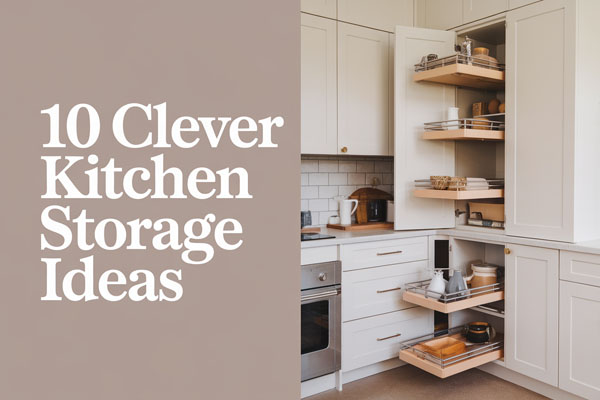
How do I organize cabinets in a small apartment kitchen?
Use vertical dividers, stackable shelves, and door-mounted racks. Group similar items together so everything has a clear place inside the cabinet.
Final Thoughts
Small kitchens don’t really need more space. They just need smarter use of the space already there.
Once cabinets reach higher, walls hold tools, and hidden corners become storage, the entire kitchen starts functioning differently.
A few thoughtful upgrades can transform a cramped apartment kitchen into something that actually feels enjoyable to cook in. And honestly, that’s when a kitchen finally starts working the way it should.