13 Small Open Kitchen Living Room Ideas for Apartments
Open layouts only feel spacious when every zone has a clear purpose. Without structure, a small open kitchen living room quickly turns into one big clutter magnet. That’s usually where the frustration starts.
Most apartments don’t give you extra square footage to play with.
So instead of wishing for more space, it makes more sense to design smarter inside what you already have.
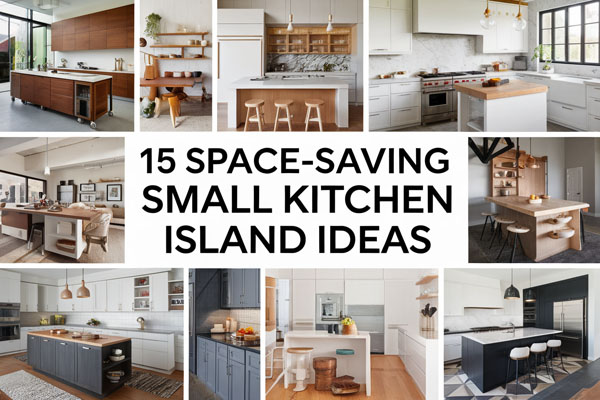
1. Use a Slim Kitchen Island as a Soft Divider
When the kitchen bleeds straight into the living area, everything feels exposed. You see dishes from the couch, and the couch from the sink. A slim kitchen island acts as a quiet boundary without building a wall.
I’ve tried bulky islands before, and honestly, they swallow small apartments whole. A narrow, rectangular island with open space underneath keeps things light while still giving you prep space and seating. It separates zones without blocking conversation or light.
Why This Works
Open layouts need visual breaks, not physical barriers. A slim island creates a psychological division between cooking and lounging areas while keeping the space breathable.
It also improves workflow. You get extra counter space, a casual dining spot, and a buffer between your sofa and your stove.
How to Do It
- Measure your walkway first and keep at least 36 inches of clearance around the island so it doesn’t choke the room.
- Choose a narrow design, ideally under 24 inches deep.
- Pick stools that tuck completely underneath to keep the walkway open.
- If possible, use an island with open shelving for baskets or cookbooks.
Style & Design Tips
Stick with light wood, white, or soft gray finishes to avoid heaviness. A waterfall edge looks sleek but can feel bulky in small apartments.
Avoid chunky legs or thick bases. Slim metal frames or clean-lined wood supports look more modern and airy.
Pro Tip or Budget Hack
You don’t need a built-in island. A sturdy console table or repurposed workbench can do the job for half the cost and still look intentional.
2. Define Zones with Area Rugs
Open kitchen living rooms often feel like one undefined box. Without visual anchors, furniture floats awkwardly and nothing feels grounded. Rugs quietly solve that.
I learned this the hard way after living with bare floors for months. The space felt unfinished no matter how much I decorated. The moment I added a rug under the sofa, everything clicked into place.
Why This Works
Rugs visually outline the living area, separating it from the kitchen without any construction. They anchor furniture and create a clear lounging zone.
Texture also softens the transition between hard kitchen floors and the living space. It adds warmth instantly.
How to Do It
- Choose a rug large enough so at least the front legs of your sofa sit on it.
- Keep the rug out of the main kitchen traffic path to avoid spills.
- Use a non-slip pad to prevent shifting.
- Coordinate rug colors with kitchen accents for cohesion.
Style & Design Tips
Go for low-pile or flatweave rugs that are easy to clean. In small apartments, busy patterns can overwhelm, so lean toward subtle textures or soft geometric prints.
Avoid rugs that are too small. Tiny rugs make rooms look disconnected and awkward.
Pro Tip or Budget Hack
Indoor-outdoor rugs are durable and affordable. They handle spills better and still look stylish inside.
3. Install Open Shelving Instead of Upper Cabinets
Upper cabinets can make a small open kitchen feel boxed in. They cut off sightlines and add visual weight right at eye level. Swapping some of them for open shelves changes the entire vibe.
I was skeptical at first because open shelves demand organization. But once I styled them intentionally, they actually made the kitchen feel bigger and brighter.
Why This Works
Open shelves reduce visual bulk. When you can see the wall behind them, the space feels deeper and less cramped.
They also help the kitchen blend into the living room since they look more like furniture than cabinetry.
How to Do It
- Remove one section of upper cabinets, not all of them.
- Install sturdy floating shelves anchored into studs.
- Keep everyday dishes neatly stacked.
- Limit decor to a few plants or ceramic pieces.
Style & Design Tips
Stick to a tight color palette. White dishes, clear glassware, and natural wood shelves look clean and cohesive.
Avoid overloading shelves with random items. Clutter defeats the purpose completely.
Pro Tip or Budget Hack
Paint the wall behind shelves a soft neutral tone. It adds depth without costing much.
4. Use a Compact L-Shaped Sofa
Large sectionals might look cozy in showrooms, but in small apartments, they dominate everything. A compact L-shaped sofa offers comfort without overwhelming the layout.
I once squeezed in a huge couch because I thought more seating meant better hosting. It just blocked movement and made the room feel cramped.
Why This Works
An L-shaped sofa naturally defines the living zone. It creates a corner without needing extra furniture.
It also maximizes seating in a tighter footprint compared to separate chairs and loveseats.
How to Do It
- Measure carefully before buying.
- Choose a model with slim arms and raised legs.
- Keep the longer side against a wall if possible.
- Leave walking space between sofa and kitchen counters.
Style & Design Tips
Pick neutral upholstery to avoid visual heaviness. Raised legs make the floor visible underneath, which helps the room feel larger.
Avoid oversized cushions that bulge outward. Clean lines work better in compact layouts.
Pro Tip or Budget Hack
Look for apartment-sized sectionals instead of standard ones. Many brands now make scaled-down versions specifically for small spaces.
5. Add a Statement Light Over the Dining Area
Small open layouts sometimes feel flat because everything sits at the same visual level. A statement light fixture instantly adds focus.
I swapped a basic ceiling light for a sculptural pendant once, and it changed the whole energy of the room. It gave the dining area its own identity.
Why This Works
Lighting creates vertical separation. A bold fixture above the dining table draws the eye upward and anchors that zone.
It also balances the kitchen lighting, preventing the space from feeling too utilitarian.
How to Do It
- Center the fixture over the dining table.
- Hang it about 30–36 inches above the table surface.
- Use warm bulbs for a cozy feel.
- Install a dimmer switch for flexibility.
Style & Design Tips
Choose something bold but not massive. Open-frame or glass pendants feel lighter than solid drum shades.
Avoid fixtures that are too small. If it looks timid, it won’t define the space effectively.
Pro Tip or Budget Hack
Spray-paint an outdated fixture in matte black or brushed gold for a quick refresh instead of buying new.
6. Keep a Consistent Color Palette
Color chaos makes small open layouts feel chaotic. When the kitchen cabinets clash with the sofa and the dining chairs, the space feels fragmented.
I once experimented with too many accent colors in a small apartment. It looked fun for a week, then it felt exhausting.
Why This Works
Consistency creates flow. When the same tones appear across zones, the eye moves smoothly around the room.
It also makes the apartment feel larger because nothing visually stops your gaze.
How to Do It
- Choose 2–3 main colors.
- Repeat those tones in textiles, cabinets, and decor.
- Use one accent color sparingly.
- Keep walls neutral for flexibility.
Style & Design Tips
Soft neutrals like warm white, beige, or light gray work beautifully in small spaces. Add depth with texture instead of extra colors.
Avoid harsh contrasts unless you want strong drama.
Pro Tip or Budget Hack
Swap throw pillows and small accessories instead of repainting if you want seasonal changes.
7. Use a Fold-Down Dining Table
Not every apartment has space for a permanent dining setup. A fold-down table solves that without sacrificing function.
I’ve used wall-mounted drop-leaf tables before, and they’re surprisingly sturdy when installed properly.
Why This Works
It keeps the room flexible. You gain open floor space when the table isn’t in use.
It’s perfect for apartments where the living room doubles as everything.
How to Do It
- Mount the table securely into studs.
- Add folding chairs that hang on hooks nearby.
- Keep decor minimal around the wall area.
- Use it as a desk when needed.
Style & Design Tips
Choose a finish that matches your kitchen cabinets. Floating wood designs look cleaner than bulky metal frames.
Avoid placing it in high-traffic walkways.
Pro Tip or Budget Hack
Repurpose a sturdy wood panel and heavy-duty brackets instead of buying a branded version.
8. Install Floor-to-Ceiling Curtains
Short curtains visually cut walls in half. Floor-to-ceiling panels elongate everything.
When I switched to longer curtains in a tiny apartment, the ceiling suddenly felt taller without any renovation.
Why This Works
Vertical lines draw the eye upward. That trick alone makes compact spaces feel grander.
Curtains also soften the transition between kitchen and living areas.
How to Do It
- Mount curtain rods close to the ceiling.
- Let curtains lightly touch the floor.
- Choose lightweight fabric.
- Keep panels wide enough for fullness.
Style & Design Tips
Stick to light, airy fabrics like linen or cotton blends. Heavy drapes can feel overwhelming.
Avoid dark colors unless your apartment gets tons of natural light.
Pro Tip or Budget Hack
Buy extra-long ready-made panels instead of custom ones to save money.
9. Use Multifunctional Storage Ottomans
Storage disappears quickly in open layouts. Ottomans with hidden compartments solve that without adding bulky cabinets.
I love these because they hide random clutter like blankets or game controllers instantly.
Why This Works
It combines seating, storage, and style in one piece. That’s essential in smaller apartments.
It keeps surfaces clear, which helps the room feel calmer.
How to Do It
- Choose an ottoman that matches your sofa scale.
- Use it as a coffee table with a tray on top.
- Store items you use weekly inside.
- Keep contents organized with small bins.
Style & Design Tips
Go for neutral fabric or leather for versatility. Avoid oversized pieces that block movement.
A square shape works well for tight layouts.
Pro Tip or Budget Hack
Check clearance sections for storage benches. Many look high-end but cost much less.
10. Add a Slim Console Behind the Sofa
Open layouts sometimes leave the back of the sofa awkwardly exposed. A slim console table fixes that instantly.
It creates a defined boundary without closing off the room.
Why This Works
It adds surface space for lamps or decor. It also subtly separates the living area from the kitchen behind it.
The extra layer makes the layout feel intentional.
How to Do It
- Choose a narrow depth under 12 inches.
- Place it flush against the sofa.
- Add a table lamp for soft lighting.
- Use baskets underneath for storage.
Style & Design Tips
Stick with thin legs and clean lines. Heavy farmhouse styles can feel bulky in tight apartments.
Keep decor minimal to avoid clutter.
Pro Tip or Budget Hack
Use a floating shelf mounted behind the sofa if space is extremely tight.
11. Keep Countertops Clear
Visual clutter spreads fast in open kitchens. When counters overflow, the entire living area feels messy too.
I started limiting what stays on my counter, and it changed how calm the whole space felt.
Why This Works
Clear surfaces create visual breathing room. That makes both the kitchen and living space feel larger.
It also simplifies cleaning and daily maintenance.
How to Do It
- Store small appliances in cabinets.
- Use drawer organizers for utensils.
- Limit decor to one or two pieces.
- Wipe surfaces daily.
Style & Design Tips
Use matching containers for oils or spices if they stay out. Consistency looks cleaner than random bottles.
Avoid overcrowding with decorative trays.
Pro Tip or Budget Hack
Install adhesive hooks inside cabinets to hang measuring spoons and free up drawer space.
12. Incorporate Wall-Mounted Lighting
Table lamps eat up precious surfaces in small apartments. Wall-mounted sconces free up space instantly.
I swapped bulky lamps for plug-in sconces once, and the room felt lighter overnight.
Why This Works
It clears surfaces while still providing layered lighting. That balance keeps the space functional and cozy.
It also adds visual interest without floor clutter.
How to Do It
- Choose plug-in sconces for easy installation.
- Mount them near the sofa or dining area.
- Use warm bulbs for comfort.
- Hide cords neatly along walls.
Style & Design Tips
Go for simple metal or matte finishes. Oversized shades can overpower small walls.
Symmetry often looks cleaner in tight layouts.
Pro Tip or Budget Hack
Battery-operated wall lights work if you can’t drill into walls.
13. Create a Mini Bar Cart Corner
Open kitchen living rooms benefit from small personality zones. A mini bar cart adds charm without taking over.
I like this idea because it feels intentional and a little grown-up without requiring much space.
Why This Works
It creates a dedicated function in a compact footprint. The cart is mobile, so you can move it when needed.
It also bridges the kitchen and living area seamlessly.
How to Do It
- Choose a slim, two-tier cart.
- Style it with glassware and one decorative item.
- Keep it near the dining or sofa area.
- Avoid overcrowding shelves.
Style & Design Tips
Metal frames with glass or wood shelves feel lighter. Keep color coordination consistent with your main palette.
Skip cluttered displays that feel busy.
Pro Tip or Budget Hack
Use a small rolling utility cart from a hardware store and style it thoughtfully. It costs less and works just as well.
Small Open Layout Design Strategy: The Foundation That Makes Everything Work
A small open kitchen living room only looks polished when there’s a clear layout strategy underneath it. Random decorating never fixes a space that lacks flow. Before adding furniture or decor, you need a basic plan for how movement, storage, and visual weight will work together.
Start by identifying your “anchor zones.” The sofa usually defines the living area, while the kitchen island or dining table anchors the cooking zone. Once those two are placed intentionally, everything else should support them instead of competing for attention.
Think in terms of pathways first, not decor. If you can walk comfortably from the entrance to the kitchen, from the kitchen to the sofa, and from the sofa to the dining area without squeezing sideways, your layout is already winning. Good flow feels invisible, and that’s exactly what you want.
Prioritize Function Before Aesthetics
It’s tempting to buy what looks pretty on Pinterest, but small apartments punish bad decisions quickly. Oversized coffee tables, bulky recliners, and wide dining chairs eat up square footage fast. Always measure twice and imagine daily routines before committing.
I always recommend sketching a rough floor plan, even if it’s messy. Seeing furniture placement on paper forces you to confront scale and spacing realistically. It prevents those “why did I think this would fit?” moments.
Think in Layers, Not Clutter
Layering doesn’t mean adding more stuff. It means building depth through texture, lighting, and subtle contrast instead of crowding surfaces.
For example, combine a neutral sofa with a textured rug, a slim floor lamp, and one structured throw pillow. That layering gives visual interest without filling every inch of space.
Build Storage Into the Plan
Open layouts expose everything. If you don’t plan storage early, clutter spreads across the entire apartment.
Use hidden compartments, vertical shelving, and dual-purpose furniture from the start. When storage is built into the design instead of added later, the space feels calm and intentional.
Common Mistakes to Avoid in Small Open Kitchen Living Rooms
Small open layouts amplify design mistakes. What might go unnoticed in a larger home becomes obvious in an apartment.
Here are the issues I see most often.
1. Oversizing Everything
People assume bigger furniture equals comfort. In small apartments, oversized pieces suffocate the room and shrink walkways.
Stick to apartment-scale furniture with slim profiles. Comfort comes from smart proportions, not bulk.
2. Mixing Too Many Styles
Combining farmhouse kitchen cabinets with ultra-modern living room furniture rarely looks cohesive in tight spaces. The contrast feels chaotic instead of eclectic.
Choose one primary style direction and allow subtle variation within it. Consistency creates calm.
3. Ignoring Vertical Space
When floor space runs out, the only direction left is up. Many apartments waste wall height by leaving it empty.
Install floating shelves, tall curtains, or vertical storage units to stretch the room visually.
4. Blocking Natural Pathways
Placing a coffee table too close to the sofa or pushing a dining table into a main walkway creates daily frustration. You end up bumping into furniture constantly.
Always test walking routes before finalizing placement. If you have to twist sideways, adjust.
5. Letting Kitchen Clutter Spill Into the Living Area
In open layouts, messy counters affect the entire apartment. A pile of dishes doesn’t just stay in the kitchen visually.
Set a rule for yourself: clear counters nightly. That single habit protects the whole space.
Space Planning for Renters: Smart Solutions Without Renovation
Most apartment dwellers can’t knock down walls or install permanent built-ins. That doesn’t mean you’re stuck with a bland layout.
Temporary solutions can be just as effective when chosen wisely.
Use Freestanding Dividers
Bookshelves with open backs create separation without feeling heavy. They add storage and act as subtle room boundaries.
Because they aren’t attached to walls, they’re renter-friendly and easy to reposition.
Choose Plug-In Lighting
Hardwiring fixtures isn’t always allowed in rentals. Plug-in sconces and pendant lights offer the same layered lighting without electrical work.
Cord covers and clever placement keep everything neat and intentional.
Lean Into Peel-and-Stick Upgrades
Removable backsplash tiles and cabinet hardware swaps instantly upgrade a small kitchen. These changes make the open layout feel more customized without violating lease agreements.
Just keep original hardware stored safely for move-out day.
Lighting Layers That Make Small Open Spaces Feel Bigger
Lighting does more than illuminate. It shapes how spacious a room feels.
Relying on a single ceiling fixture flattens the entire apartment. Layered lighting adds depth and warmth.
Combine Three Types of Lighting
Aim for ambient, task, and accent lighting. Ambient lighting brightens the whole space, task lighting focuses on work areas, and accent lighting highlights design features.
Together, they prevent shadows and harsh glare.
Keep Bulb Temperatures Consistent
Mixing cool white kitchen lights with warm living room bulbs creates a jarring contrast. The room feels disconnected instantly.
Choose one temperature range, ideally warm white, for a cohesive look throughout.
Use Light to Define Zones
A pendant over the dining table and sconces near the sofa subtly mark boundaries. You don’t need walls when lighting can suggest separation.
It’s a subtle trick, but it works beautifully.
FAQ: Small Open Kitchen Living Room Ideas
How do I make a small open kitchen living room look bigger?
Stick to a consistent color palette, use light tones, keep furniture scaled appropriately, and prioritize clear walkways. Visual simplicity creates the illusion of more space.
What size rug works best in an open apartment layout?
Choose a rug large enough for at least the front legs of your sofa to sit on it. A rug that’s too small makes the space feel disconnected and awkward.
Can I use dark colors in a small open layout?
Yes, but use them strategically. Accent walls, pillows, or decor work better than painting every surface dark.
How do I separate kitchen and living areas without walls?
Use rugs, lighting, slim furniture dividers, and strategic furniture placement. Visual boundaries are often more effective than physical ones.
Is an island necessary in a small open kitchen?
Not always. If space is tight, a narrow console, rolling cart, or fold-down table can provide function without crowding the layout.
What’s the biggest mistake in small open apartments?
Oversized furniture and cluttered surfaces. Scale and simplicity matter more than decorative trends in tight spaces.
Final Thoughts
Small open kitchen living rooms don’t need major renovations to feel intentional. A few smart layout tweaks and better furniture choices change everything without touching the walls.
I’ve made plenty of mistakes in small apartments, but once you focus on flow and function, the space starts working with you instead of against you. Keep it simple, stay consistent, and trust your eye.