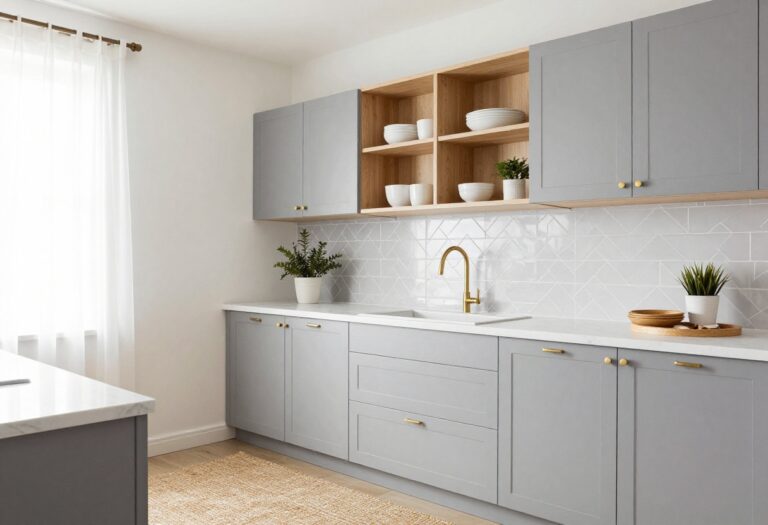
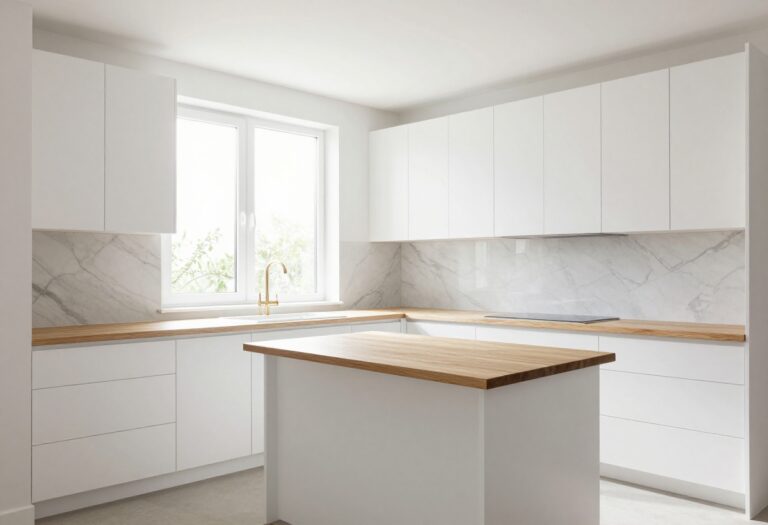
12 Small-Space Kitchen Hutch Ideas That Make Your Home Feel Effortlessly Organized
A kitchen hutch can be a game-changer in a small home. It adds storage, displays your favorite pieces, and brings a cozy, lived-in feel without taking up too much floor space. The trick is choosing a design that works with your layout, not against it.
Whether you have a tiny galley kitchen or a compact eat-in area, the right hutch can make everything feel more accessible and airy. Think slim profiles, open shelving, and multi-purpose pieces that pull double duty.
These 12 ideas focus on keeping things light, functional, and visually open. Each one is tailored for smaller spaces, so you can enjoy the charm of a hutch without the clutter.
1. A Slim Open Shelf Hutch That Hugs the Wall
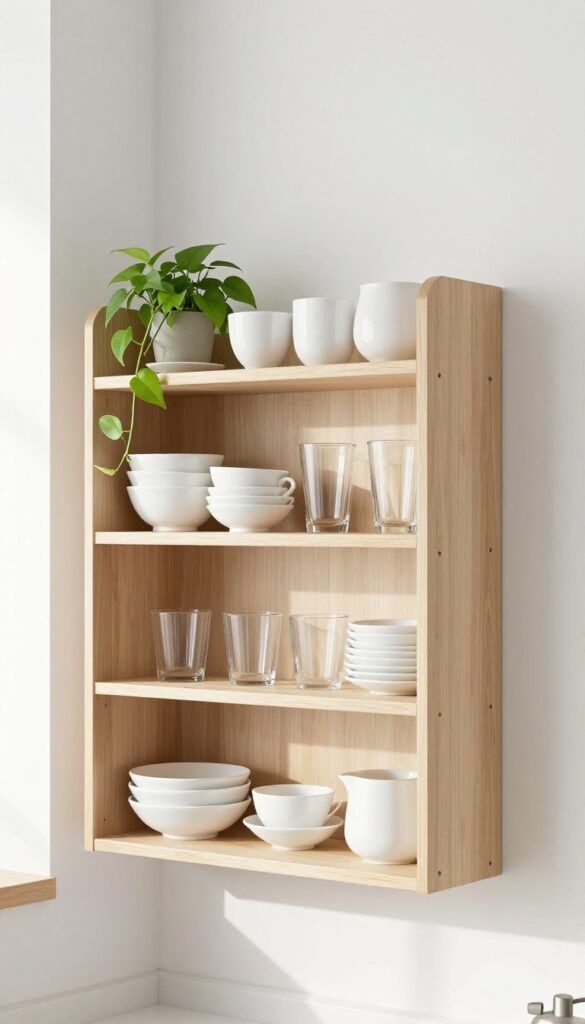
In a small kitchen, every inch of vertical space is an opportunity. A slim open shelf hutch mounted directly to the wall gives you that classic hutch silhouette without eating into your floor plan. The shallow depth keeps the room feeling open while offering a dedicated spot for everyday dishes and a few pretty accents.
White ceramics and a light wood finish keep the look airy and intentional.
Why It Works
Because it uses wall space instead of floor space, this hutch adds storage without making the kitchen feel cramped. The open shelves keep everything visible and easy to grab, which is especially helpful in a busy cooking zone. Plus, the slim profile means you can fit it into narrow gaps beside a fridge or between cabinets.
Best For
Tight kitchens where you need extra dish storage but can't spare floor area for a freestanding piece. It's also great for renters who want to add character without permanent fixtures—just use sturdy wall anchors and removable adhesive strips if needed.
Styling Tip
Stick to a monochromatic palette on the shelves: white plates, clear glassware, and maybe one or two pale ceramic vases. This keeps the display calm and cohesive. Add a small trailing plant like pothos on the top shelf for a soft organic touch that breaks up all the straight lines.
2. A Two-Tier Corner Hutch for Awkward Nooks
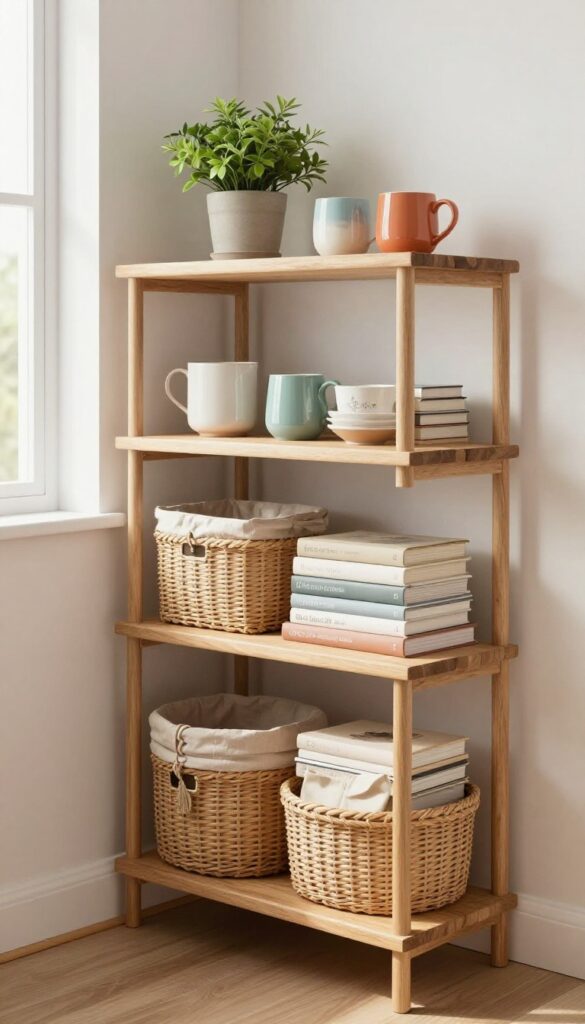
That empty corner in your kitchen—the one that seems too small for a cart or too narrow for a cabinet—finally has a purpose. A two-tier corner hutch slides right into those tight spots, turning wasted space into a functional display area. The lower shelf can hold cookbooks or woven baskets, while the top tier becomes a mini stage for small plants or colorful mugs.
It’s compact enough to fit almost anywhere but sturdy enough to make a visual impact.
Why It Works
Corners are notoriously tricky to furnish, but a two-tier hutch uses vertical space without taking up much floor area. It keeps everyday items within reach while adding architectural interest to an otherwise blank corner.
Best For
Small kitchens, galley layouts, or any room where every inch counts. Also great for renters who can’t install permanent shelving—just place the hutch and style it.
Styling Tip
Stick to a cohesive color palette on both tiers: stack neutral cookbooks on the bottom and group matching ceramic mugs on top. Add a small trailing plant like pothos to soften the edges.
3. A Floating Hutch with Glass Doors Above
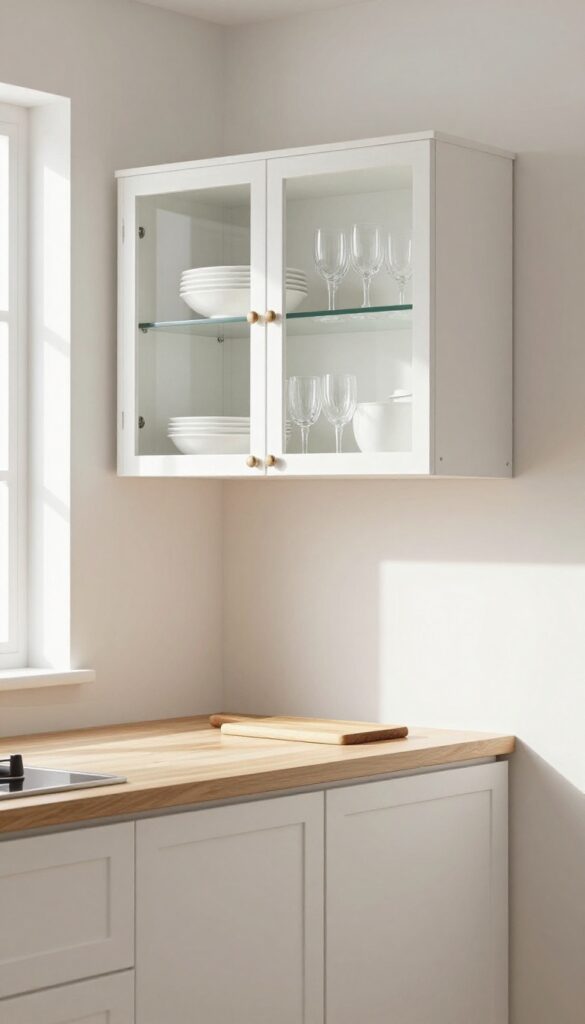
Imagine a piece of furniture that hangs right on the wall, giving you storage without stealing any floor space. That’s exactly what a floating hutch does. With glass doors on top, it shows off your prettiest dishes while keeping them dust-free.
The look is clean and airy, perfect for a kitchen that needs to feel open but still functional.
Why It Works
By mounting the cabinet on the wall, you free up valuable counter and floor area. The glass doors add visual lightness and let you display everyday items like plates or bowls in an organized way. It turns practical storage into a design feature.
Best For
Small kitchens or galley layouts where every inch counts. Also great for renters who can't install permanent built-ins but want a polished look.
Styling Tip
Stick to a neutral color palette inside—white dishes, wooden cutting boards, or clear glassware—so the display feels calm and curated. Add a small LED strip under the hutch to softly illuminate your counter below.
4. A Repurposed Bookshelf as a Kitchen Hutch
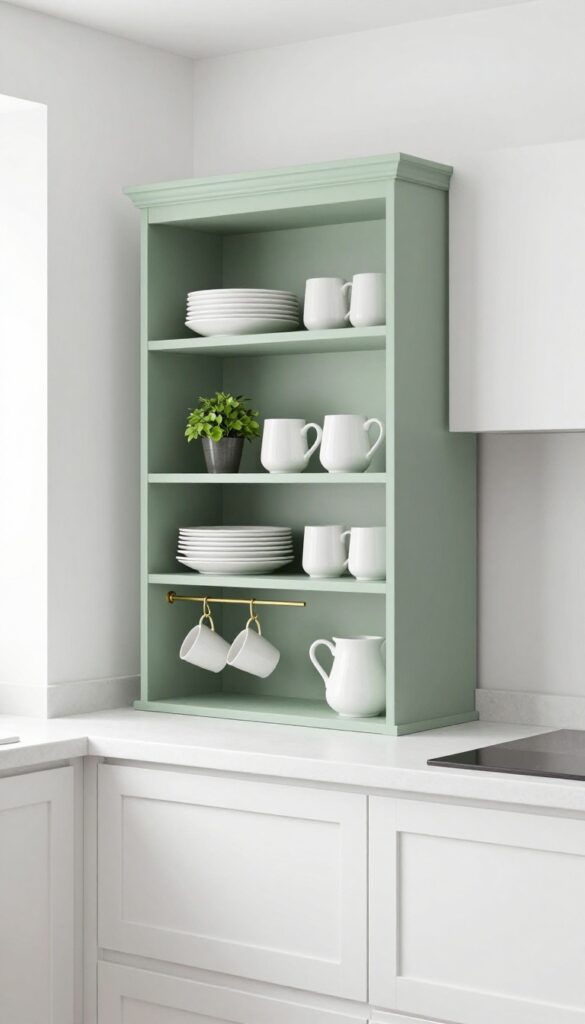
Not every kitchen has room for a bulky traditional hutch, but that doesn't mean you have to miss out on the charm. A slim bookshelf—the kind you might already have in a living room or hallway—can step into that role beautifully. By adding a few simple hooks and a fresh coat of paint, you get a custom-looking piece that feels intentional, not makeshift.
It's the kind of project that makes your kitchen feel more put-together without requiring a big budget or a contractor.
Why It Works
Bookshelves are naturally open and accessible, which is exactly what you want in a kitchen hutch. You can see your dishes at a glance, grab a mug without opening a door, and tuck away cookbooks or baskets on lower shelves. The hooks under the shelf turn dead space into functional storage for coffee cups or measuring spoons, making every inch count.
Best For
This idea is perfect for small kitchens, rental apartments where you can't install permanent cabinetry, or any home where you want to add storage without the weight of a massive piece of furniture. It also works well in dining nooks or breakfast areas that need extra serving ware storage.
Styling Tip
Paint the bookshelf in a soft pastel like sage green, dusty blue, or warm cream so it blends with your existing cabinets rather than competing. Style the shelves with a mix of everyday dishes and a few decorative pieces—like a small plant or ceramic pitcher—to keep it from looking too utilitarian. Use matching hooks (brass or matte black) for a polished finish.
5. A Rolling Cart Hutch That Moves with You
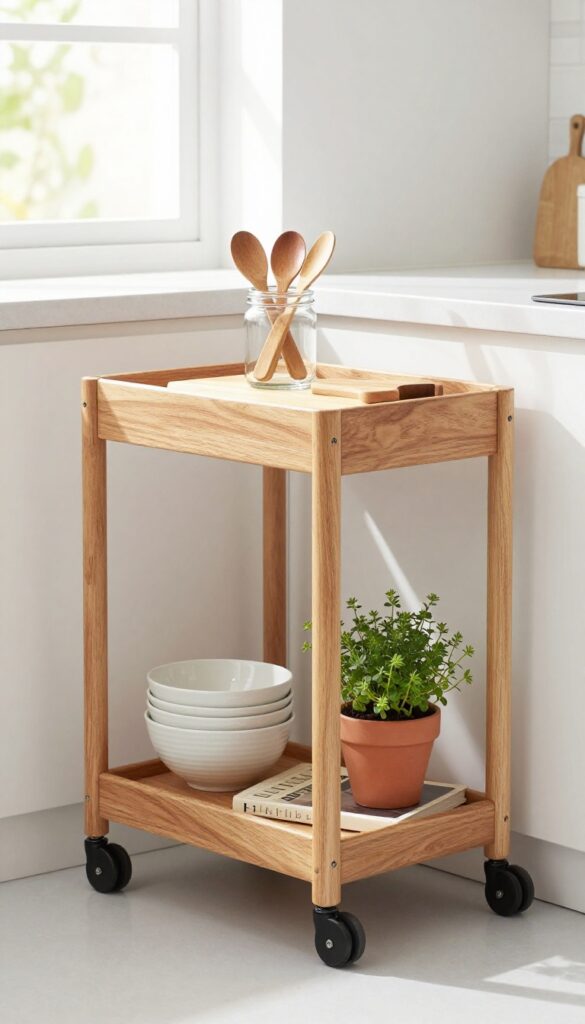
Imagine a hutch that doesn't demand a permanent spot. A narrow rolling cart with two or three tiers slides into tight gaps and rolls wherever you need it—next to the stove while cooking, then tucked beside the fridge when you're done. It's like having a portable pantry that adapts to your workflow, not the other way around.
Why It Works
Rolling carts make every inch of vertical storage usable without sacrificing floor space. You can keep everyday items—spices, oils, utensils—within arm's reach, then clear the area instantly. The mobility means you're never stuck with a layout that doesn't work.
Best For
Tiny kitchens, galley layouts, or any kitchen where counter space is precious. Also great for renters who can't install permanent shelving but still want a stylish, functional storage solution.
Styling Tip
Choose a cart in a warm wood tone or matte black to complement your existing finishes. Load the top tier with a small cutting board and a jar of wooden spoons; use lower shelves for stacked bowls or cookbooks. Add a few trailing herbs in tiny pots for life.
6. A Window-Frame Hutch That Doubles as a Shelf
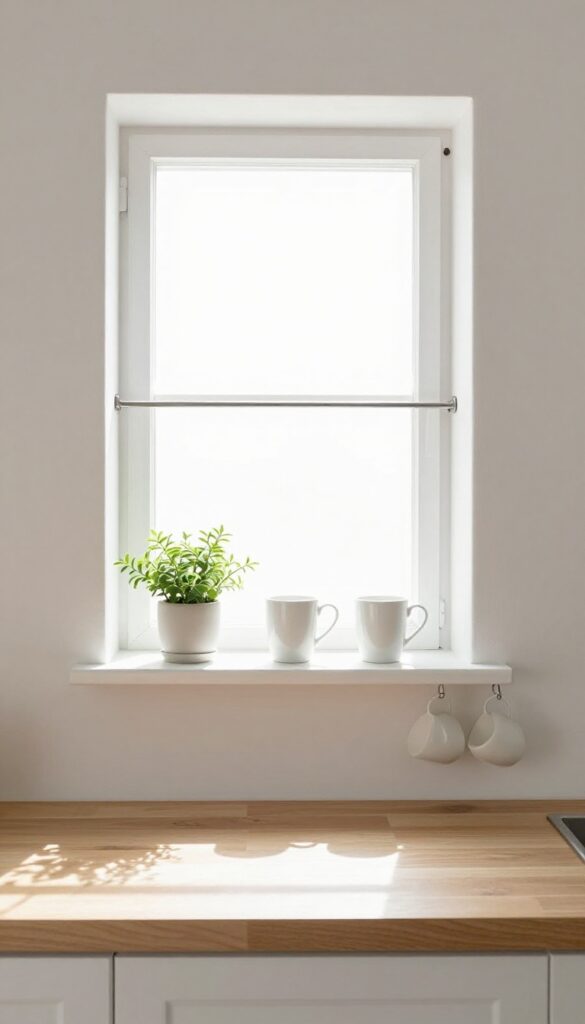
Kitchen windows often get overlooked as prime real estate for storage and display. By mounting a shallow shelf directly beneath the sill, you create an instant hutch that catches natural light and keeps everyday items within easy reach. A small rail underneath lets you hang cups by their handles, freeing up cabinet space while adding a charming café feel.
The key is to keep it sparse—just a few well-chosen pieces so the window remains the focal point.
Why It Works
This setup uses vertical space that would otherwise go unused, and the natural light makes even simple white mugs look intentional and curated. It also keeps the counter clear, which is a huge win in tight kitchens.
Best For
Small kitchens where every inch counts, especially those with a window above the sink or on an empty wall. It’s also perfect for renters who can’t install permanent cabinetry.
Styling Tip
Stick to a monochromatic palette—white or light wood shelves with matching cups and a single small plant or ceramic vase. Avoid overcrowding; three cups and one accent piece is plenty.
7. A Pegboard Hutch for Flexible Storage
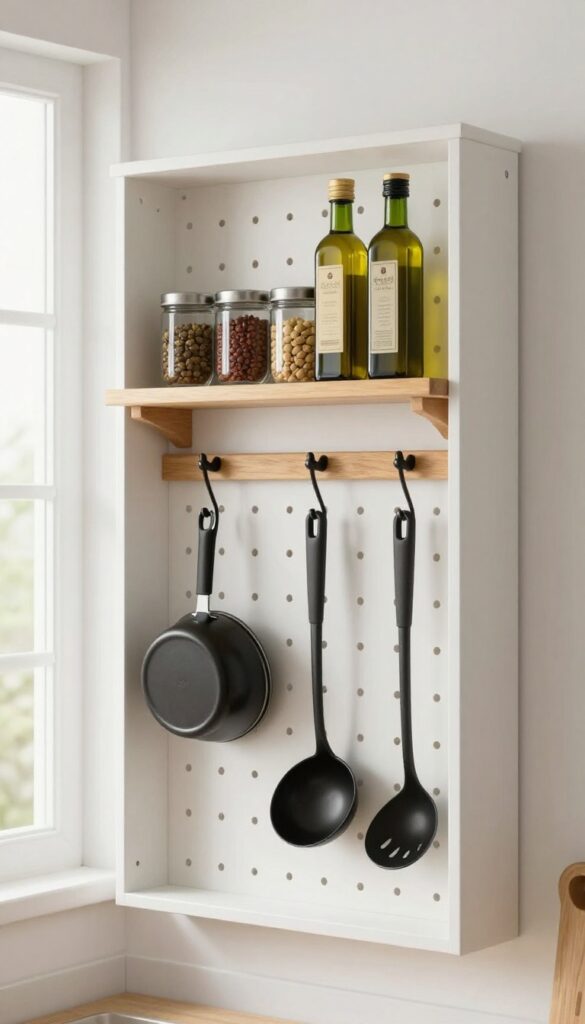
Imagine a hutch that changes with your needs. By swapping the solid back panel for a pegboard, you create a wall of adjustable storage. Hooks hold pots and ladles within easy reach, while small shelves cradle spice jars and olive oil bottles.
The result is a kitchen workhorse that feels airy and custom-made.
Why It Works
Pegboards maximize vertical space without adding bulk. You can rearrange hooks and shelves in minutes, so the setup evolves as your cookware collection grows. Everything stays visible, which means no more digging through deep cabinets for that one saucepan.
Best For
Small kitchens where every inch counts. This idea shines in galley layouts or eat-in kitchens where a traditional hutch would feel too heavy. It also suits renters because pegboards are easy to install and patch later.
Styling Tip
Paint the pegboard the same color as your walls to make it recede visually, or go bold with a deep green or navy for contrast. Use matching hooks and wooden shelves to keep the look cohesive. Group similar items—like all measuring cups together—for a tidy, curated feel.
8. A Bench-Style Hutch with Hidden Storage
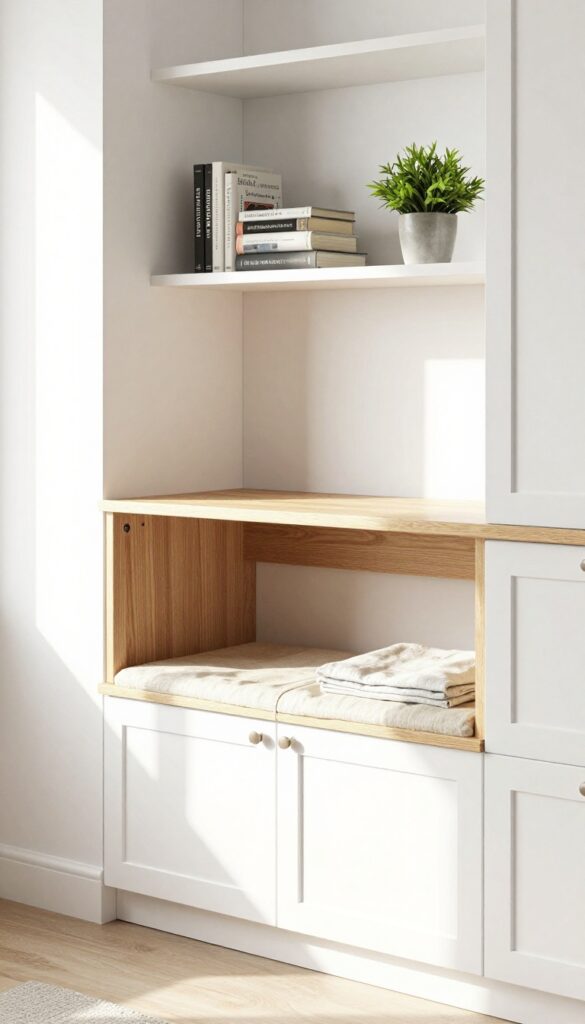
Imagine a low bench tucked against the wall, its hinged seat lifting to reveal a deep storage compartment for table linens or extra dishes. The back of the bench rises into a slim shelf, perfect for displaying a row of cookbooks or a small plant. This hybrid piece keeps everything within arm's reach while adding casual, welcoming seating to your kitchen.
Why It Works
In a small kitchen, every square inch counts. A bench-style hutch combines seating, display space, and hidden storage in one compact footprint. It replaces bulky upper cabinets with an open feel, while the concealed compartment keeps clutter out of sight.
Best For
This idea shines in eat-in kitchens or breakfast nooks where you need extra seating but lack room for a full table and chairs. It also works well in galley kitchens or open-plan layouts where you want to define a dining zone without blocking sightlines.
Styling Tip
Paint the bench in the same color as your lower cabinets to create a seamless look. Add a thin cushion in a durable fabric like linen or cotton canvas for comfort. On the top shelf, layer cookbooks horizontally and vertically, and tuck in a small vase or ceramic pitcher for softness.
9. A Mirrored Hutch to Visually Expand the Space
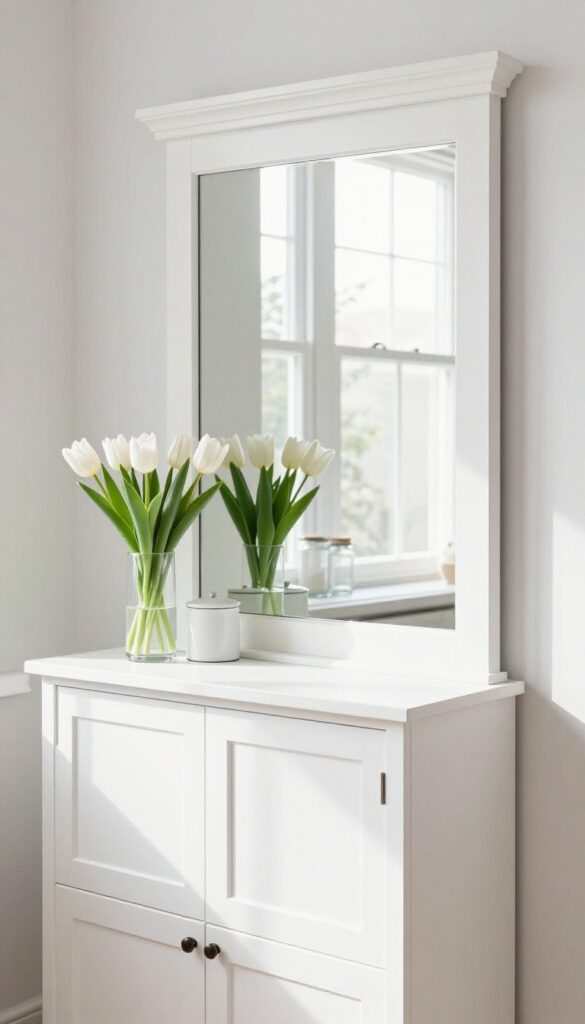
Mirrors work magic in tight spots, and a hutch is no exception. By swapping out the solid back panel for a mirrored one, you instantly trick the eye into seeing more depth—and bounce light around the room at the same time. It’s a subtle upgrade that makes even the smallest kitchen feel airier without sacrificing any storage.
Why It Works
Mirrored surfaces reflect both natural and artificial light, which helps brighten dark corners and makes the whole space feel larger. Because the hutch itself is still functional, you gain that open, expansive look without losing a single shelf.
Best For
This idea shines in small kitchens or dining areas where square footage is tight. It’s also great for rooms with limited windows, since the mirror helps amplify whatever light you have.
Styling Tip
Keep the shelves intentionally sparse—just one or two glass jars, a clear vase with a single stem, or a set of white ceramic canisters. Too many objects will clutter the reflection and ruin the illusion of depth.
10. A Ladder-Style Leaning Hutch
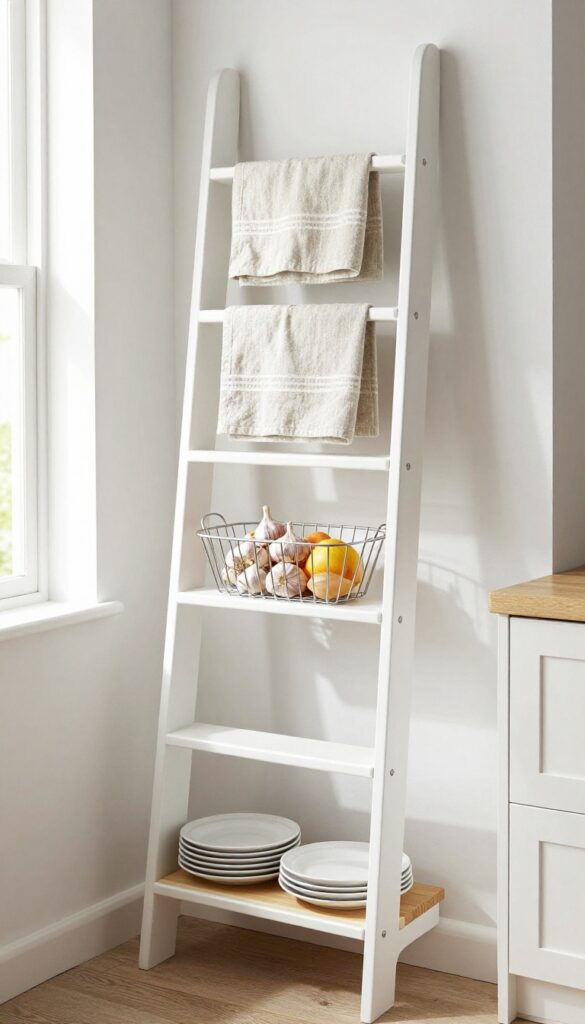
If your kitchen is short on floor space but you still want the charm of a hutch, a leaning ladder shelf is a clever workaround. It takes up hardly any room and leans against the wall like a piece of art. The open rungs keep things airy, so even a small kitchen won't feel cramped.
Why It Works
Because it uses vertical space without adding bulk, a ladder hutch gives you display and storage without the weight of a traditional cabinet. The lean keeps it casual, and the open design makes everything easy to grab.
Best For
Tiny kitchens, galley layouts, or any spot where you need extra storage but can't spare square footage. It's also great for renters since it doesn't require mounting.
Styling Tip
Drape a couple of linen dish towels over the top rungs and hang a small wire basket from a middle rung for fruit or garlic. On the wider steps, stack two or three dinner plates upright against a simple wood cutting board for a relaxed vignette.
11. A Cabinet Hutch with Sliding Barn Doors
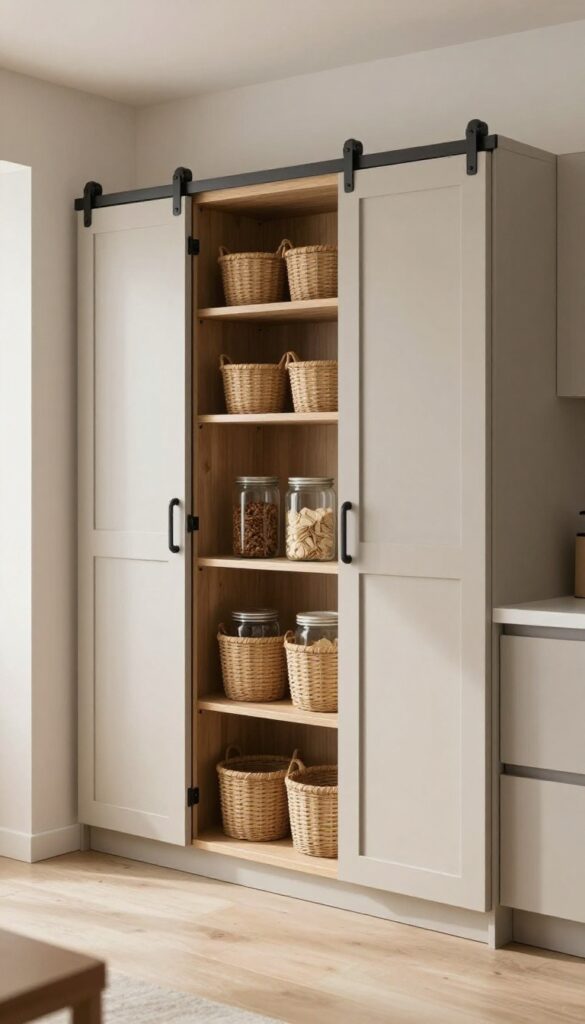
Sliding barn doors aren't just for farmhouse living rooms—they work wonders in a kitchen hutch, too. A slim cabinet fitted with a pair of sliding doors keeps your dishes and dry goods tucked away while adding a dose of rustic texture. The doors glide smoothly on a track, so you don't need extra clearance for swinging open, making this setup ideal for tight spaces.
Paint the doors the same color as your trim or cabinets for a built-in look that feels intentional, not kitschy.
Why It Works
Sliding barn doors save space because they don't swing out into the room, which is a game-changer in narrow kitchens or breakfast nooks. The rustic hardware and wood texture add warmth without overwhelming the space, and you can adjust the shelf heights inside to fit everything from cereal boxes to serving platters.
Best For
This idea shines in small kitchens where every inch counts, especially if you want to hide everyday clutter without sacrificing style. It's also great for renters who can install a freestanding cabinet with sliding doors instead of building permanent shelving.
Styling Tip
Keep the inside organized with matching baskets or glass jars so when the doors slide open, everything looks tidy. Choose a barn door finish that echoes other metal accents in your kitchen—like matte black pulls or brass faucets—to tie the room together.
12. A Multi-Purpose Hutch with a Fold-Down Table
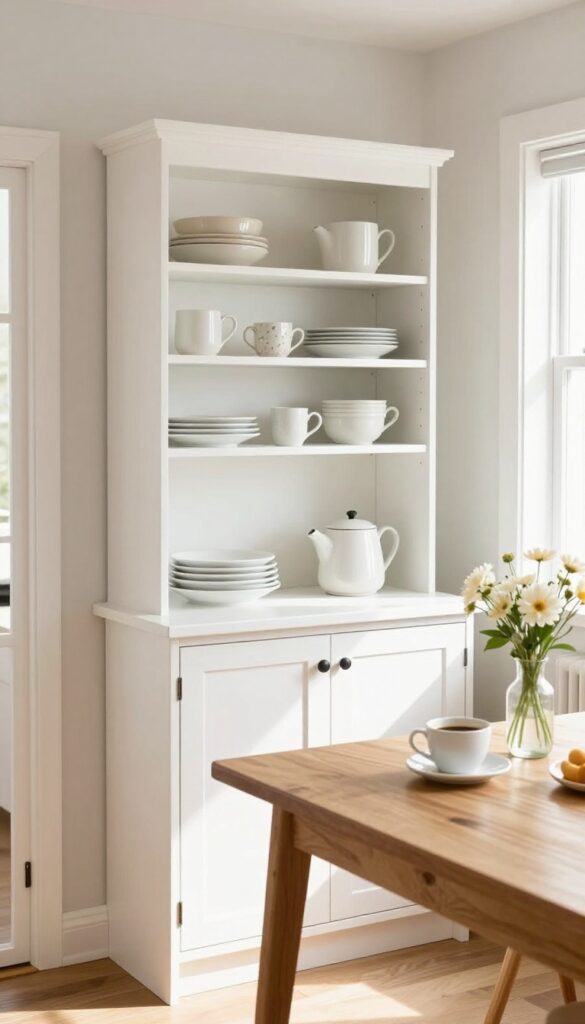
Picture a slim hutch that does double duty: it stores your everyday dishes and mugs up top, while a fold-down table below creates an instant dining spot. When not in use, the table tucks away flush against the cabinet, freeing up floor space. This clever design feels like a secret weapon for small kitchens—it’s both storage and seating in one compact piece.
Why It Works
It eliminates the need for a separate dining table and hutch, saving precious square footage. The fold-down surface is perfect for quick meals or coffee breaks, and when you’re done, it disappears into the furniture. This keeps your kitchen looking clean and uncluttered.
Best For
Tiny kitchens, breakfast nooks, studio apartments, or any space where every inch counts. It’s also great for multipurpose rooms where you want to switch between cooking and dining without sacrificing style.
Styling Tip
Choose a hutch with a light wood finish or painted white to keep the room airy. Hang a small pendant light above the table area to define the dining zone. Use baskets or ceramic canisters on the shelves for a cozy, lived-in look.
FAQ
What is the best size for a kitchen hutch in a small space?
Look for hutches that are no deeper than 12 to 15 inches to avoid overwhelming the room. Height can vary, but keeping it under 48 inches helps maintain an open sightline.
Can I use a hutch in a kitchen without much wall space?
Absolutely. Consider corner hutches, rolling carts, or wall-mounted options that don't require floor space. Even a narrow floating shelf can function as a mini hutch.
How do I style a small kitchen hutch without it looking cluttered?
Stick to a cohesive color palette and limit displayed items to three to five per shelf. Use baskets or bins for hidden storage, and leave some negative space for visual breathing room.
What materials work best for a small-space kitchen hutch?
Lightweight materials like pine, MDF, or metal keep the hutch from feeling bulky. Glass doors or open fronts also help maintain an airy feel. Avoid dark, heavy woods in very tight spaces.
Can I DIY a kitchen hutch for a small kitchen?
Yes. Repurposing an old bookshelf or cabinet is a popular DIY approach. Add new hardware, paint it a light color, and install hooks or shelves to customize it for your storage needs.
Conclusion
A well-chosen kitchen hutch can transform how you use your space, even in the smallest of homes. By focusing on slim profiles, multi-purpose designs, and smart storage, you get both function and charm without sacrificing square footage.
Remember, the goal is to make your kitchen feel easy to use and inviting. Pick one idea that fits your layout and style, and let it become the organizing anchor your home deserves.