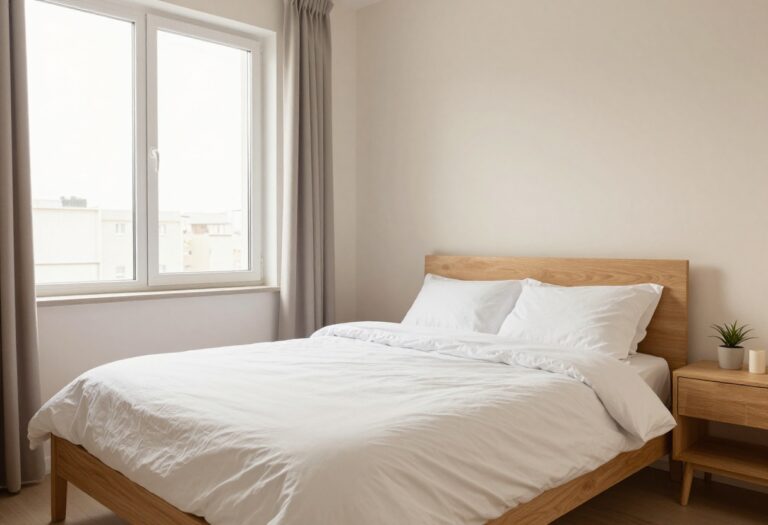
11 Ways to Make a Guest Room Feel Relaxed and Ready
You know that moment when a guest walks into their room, drops their bag, and lets out a small sigh of relief? That's the feeling you're aiming for.
A truly welcoming guest room doesn't need to be fancy—it just needs to feel considered and calm. The trick is anticipating what your visitors might need before they even ask, from a place to set their suitcase to a way to block out morning light.
These 11 simple ideas focus on comfort and practicality, so your spare room becomes a genuine retreat. No major renovations or designer budgets required—just thoughtful touches that make a big difference.
1. Start with a Fresh, Neutral Palette
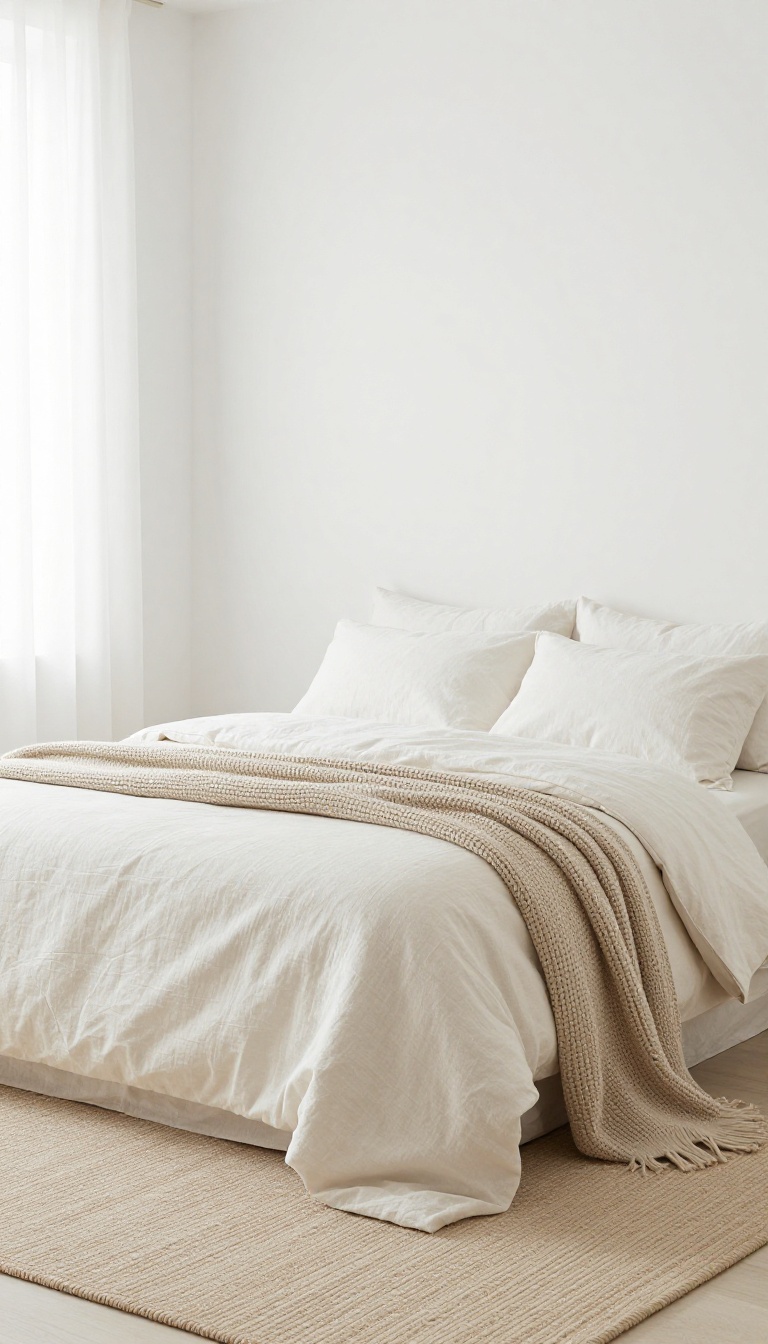
Color sets the mood the moment someone steps through the door. A guest room painted in loud or overly personal shades can feel jarring, especially if your visitor's taste differs from yours. Neutral tones—think soft whites, warm beiges, or gentle greiges—create a blank canvas that feels both clean and calming.
They also make the room look more spacious and allow other elements, like texture and natural light, to shine.
When you strip away bold color, the room itself starts to breathe. Neutrals don't have to be boring; they just need to be soothing. A fresh coat of paint in a warm off-white or a light greige instantly updates the space and makes it feel hotel-like.
The same goes for bedding—choose white or cream sheets and a duvet cover. Not only do they look crisp and inviting, but they also signal cleanliness, which is a top priority for any guest.
Pick The Right Shade
Not all neutrals are created equal. Some lean cool, others warm. For a guest room, aim for a warm neutral with a hint of yellow or pink to keep the space cozy.
Avoid stark white, which can feel cold and clinical. Instead, try shades like 'Swiss Coffee' or 'Accessible Beige'—they're popular for a reason. If you're unsure, paint a small swatch on the wall and observe how it changes with the light throughout the day.
Layer Textures For Depth
A monochromatic palette can risk feeling flat, but layering different textures solves that instantly. Mix a chunky knit throw, a smooth linen duvet, and a soft cotton sheet set. Add a wool or jute rug under the bed for warmth underfoot.
These tactile elements make the room feel rich and inviting without introducing a single bold color.
Keep The Walls Simple
Resist the urge to add busy wallpaper or a bright accent wall. Guests should feel like they're in a neutral sanctuary, not a museum of your personal style. If you want a little visual interest, consider a subtle textured wallpaper or a simple wainscoting in white.
This adds character while keeping the overall vibe serene.
2. Invest in Quality Bedding and Pillows
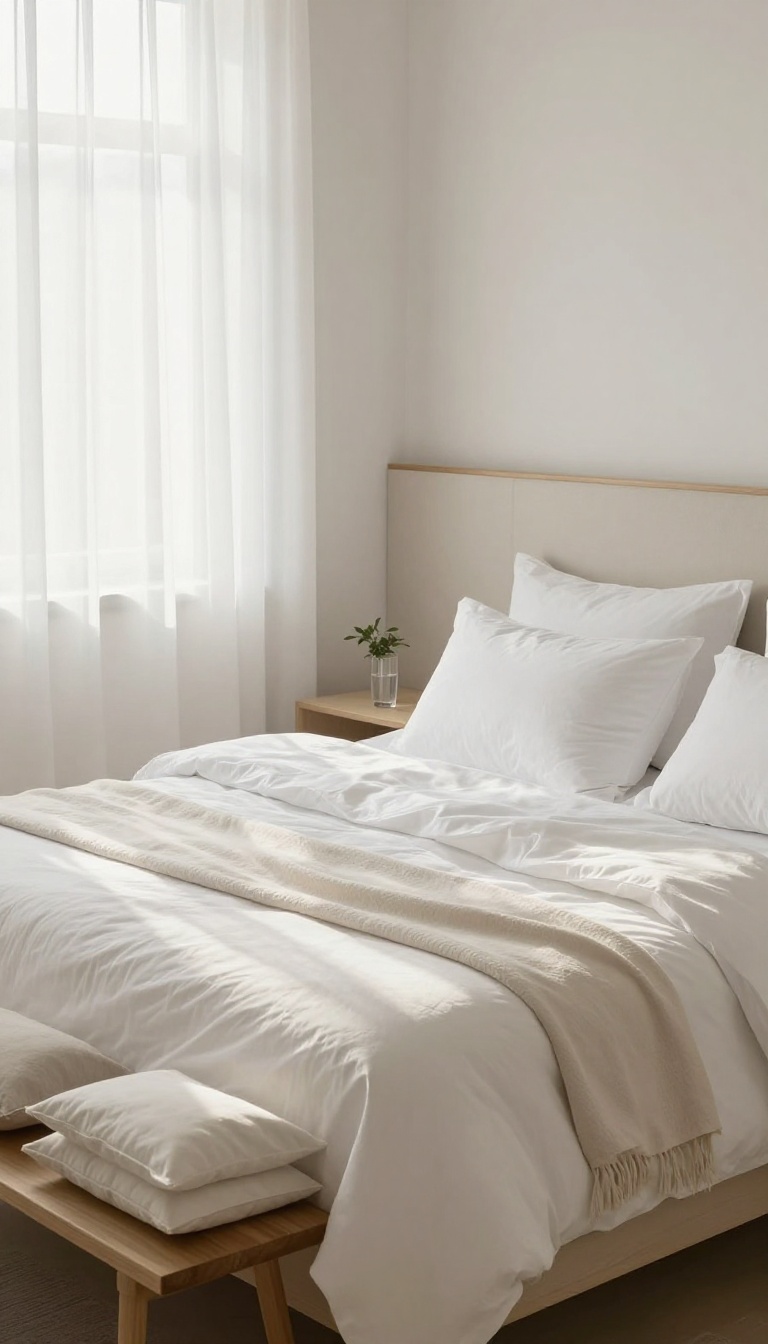
A great night's sleep can make or break a guest's stay. Even if the room is beautiful, scratchy sheets or a flat pillow will leave your visitor feeling tired and cranky. That's why the bed is the real centerpiece of any guest room.
Quality bedding doesn't have to cost a fortune. You just need to focus on comfort and durability. With a few smart choices, you can create a bed that feels like a five-star hotel—without the price tag.
Start with the essentials: sheets, pillows, and a mattress topper. These three items do the heavy lifting when it comes to sleep comfort. Once you have them in place, you can add layers and extras to make the bed even more inviting.
Think about what your guests might prefer. Some like a firm mattress, others like soft. A mattress topper can help strike a balance.
And when it comes to pillows, offering a variety lets your guest pick what feels right for them.
Choose The Right Sheets
Thread count gets a lot of attention, but it's not the only factor. Look for sheets made from natural fibers like cotton or bamboo. These materials breathe well and feel soft against the skin.
A thread count of 300 to 500 is usually a sweet spot for comfort and durability. Don't forget to wash your sheets before the first use. This softens them and removes any factory residue.
And keep an extra set on hand so you can swap them out quickly between guests.
Offer A Pillow Menu
Not everyone sleeps the same way. Some people need a flat pillow for their stomach, while others prefer a thick, supportive one for side sleeping. A simple way to handle this is to provide two or three different pillow types on the bed or in the closet.
Label them if you want to be extra helpful—like "soft" and "firm. " That way, your guest can easily pick what works for them without guessing.
Layer For Comfort
Layering isn't just for looks. A lightweight blanket, a quilt, and a duvet give your guest options to adjust their warmth. This is especially useful if you can't control the room temperature perfectly.
Start with a fitted sheet, then add a flat sheet, a light blanket, and a duvet or comforter. Fold the duvet down at the foot of the bed to make it easy to climb in. This also creates a welcoming, hotel-like look.
Add A Mattress Topper
If your mattress is a bit too firm or has seen better days, a mattress topper can work wonders. A memory foam or down alternative topper adds a layer of cushioning that helps your guest sleep soundly. Look for a topper that's at least two inches thick for noticeable comfort.
Make sure it fits snugly with a fitted sheet, and wash it regularly to keep it fresh.
3. Layer the Bed with Throws and Extra Blankets
Think about how you sleep at home—maybe you like a light sheet in summer or an extra quilt when it's chilly. Your guests are no different. A single comforter might feel too heavy or too thin, depending on the person and the season.
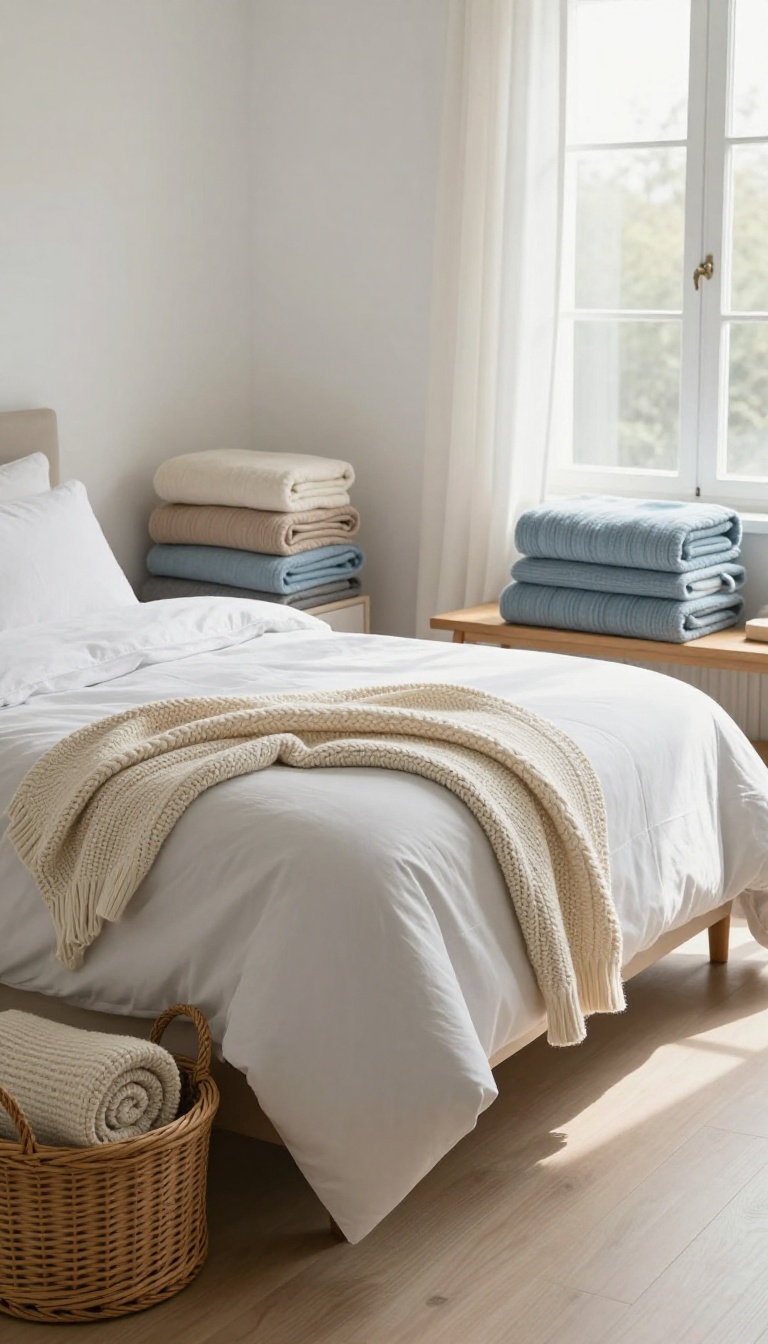
That's where layering comes in. By placing a folded throw at the foot of the bed and stacking a couple of extra blankets in the closet or on a shelf, you give guests control over their own comfort. It's a small gesture that says, "I thought about you, " without them having to ask.
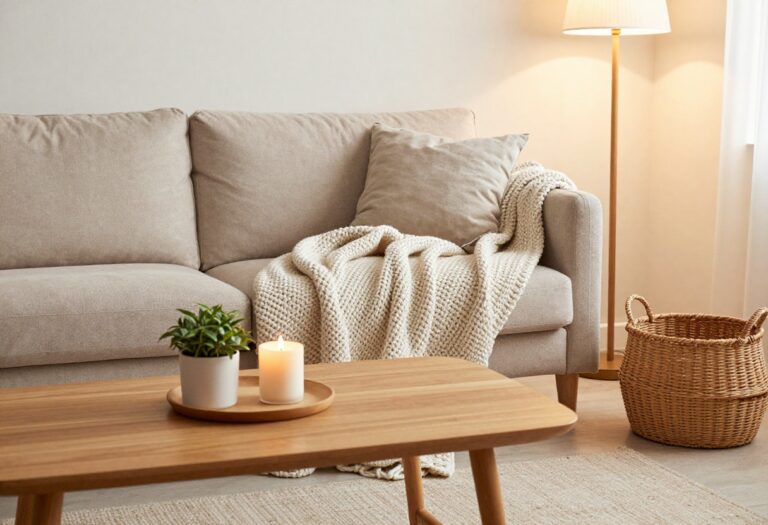
Layering isn't just about temperature—it's also about texture and visual warmth. A chunky knit throw adds a cozy, inviting look, while a smooth cotton blanket offers a lighter option. The key is to offer choices so guests can customize their sleep experience.
And don't forget to make the extras easy to find. A neatly folded stack on a bench or in an open basket is more welcoming than tucked away in a drawer.
Pick The Right Throws For The Season
In summer, a lightweight linen or cotton throw is breathable and won't make the bed feel stuffy. In winter, go for a plush fleece or wool blend that adds real warmth. If you want one option that works year-round, a medium-weight throw in a neutral tone is versatile.
You can also swap throws with the seasons to keep the room feeling fresh and appropriate.
Store Extras Where Guests Can See Them
Guests often hesitate to rummage through closets or drawers, so make extra blankets visible. A small ladder with folded blankets, a basket at the foot of the bed, or a shelf with neatly stacked options all work well. This way, guests can grab what they need without feeling like they're intruding.
Just make sure the storage spot is obvious and easy to access.
Match The Layers To Your Bedding
You don't need a perfectly matched set, but the layers should complement the existing bedding. If your duvet is patterned, choose a solid throw that picks up one of the colors. If everything is neutral, a textured throw adds interest without clashing.
The goal is a pulled-together look that still feels relaxed and inviting.
4. Clear the Clutter and Provide Empty Surfaces
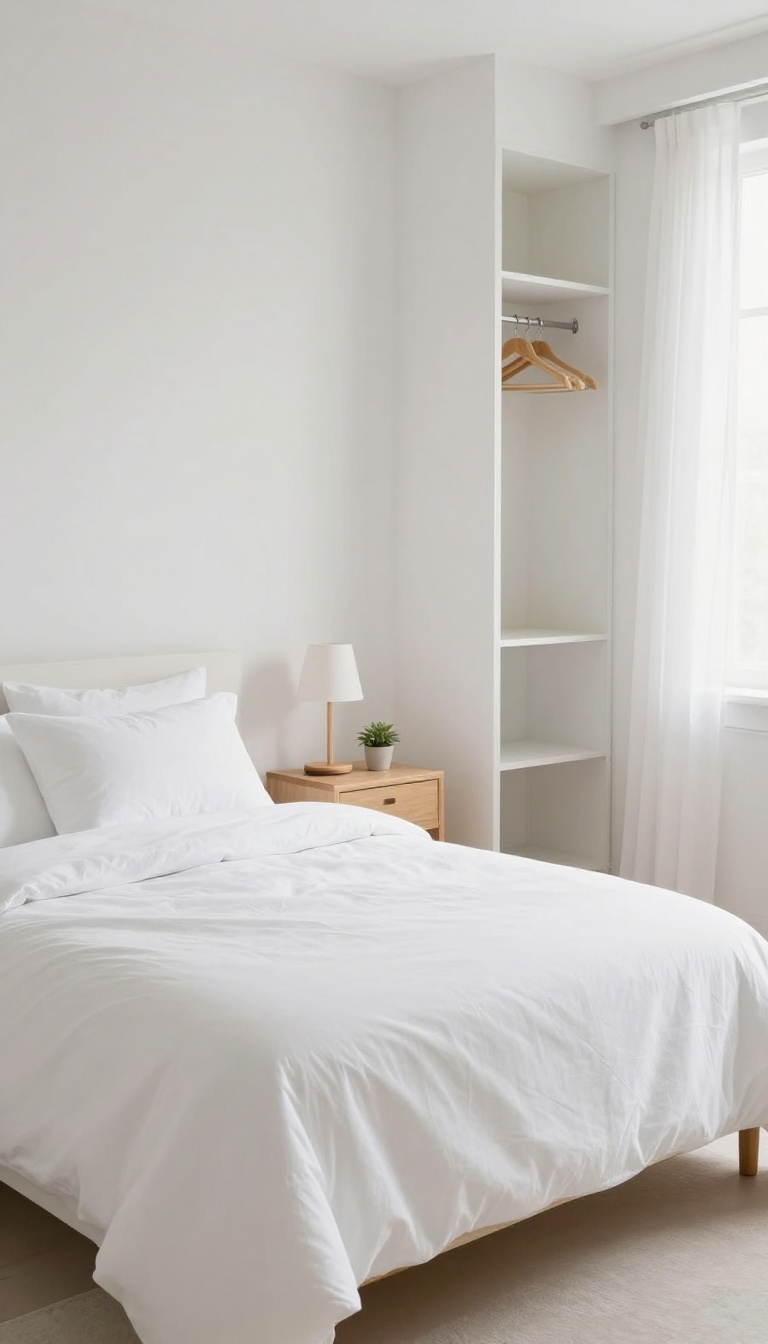
When guests arrive, the last thing they want is to feel like they're intruding on your personal space. A cluttered nightstand or a dresser covered with your belongings sends a subtle message that the room isn't really theirs. The fix is simple: clear the surfaces and offer empty storage.
Start by removing any personal items, mail, or decorative clutter from the nightstands, dresser, and desk. Leave just a lamp, a coaster, and maybe a small tissue box. Then, free up a few drawers and a section of the closet so your guests can unpack and settle in.
This small gesture makes a huge difference in how at home they feel.
Why Empty Surfaces Matter
Think about your own routine when you stay somewhere new. You need a place for your phone, glasses, book, or water glass. If every surface is covered, you end up stacking things on the floor or living out of your suitcase.
Clear surfaces give guests a sense of order and let them personalize the space without feeling like they're messing up your home.
Make Room In The Closet And Drawers
Emptying a couple of drawers and leaving a few hangers in the closet is a game-changer. Guests can hang up wrinkled clothes, tuck away their suitcase, and spread out their toiletries. This helps them feel organized and reduces the stress of living out of a bag.
Even if they only stay one night, the option to unpack is a welcome luxury.
Keep It Simple And Neutral
You don't need to stage the room like a hotel, but keeping surfaces minimal and neutral helps. A single decorative object, like a small plant or a stack of books, adds warmth without feeling crowded. The goal is to make the room feel open and ready, not sterile.
A little breathing room goes a long way.
5. Set the Mood with Adjustable Lighting
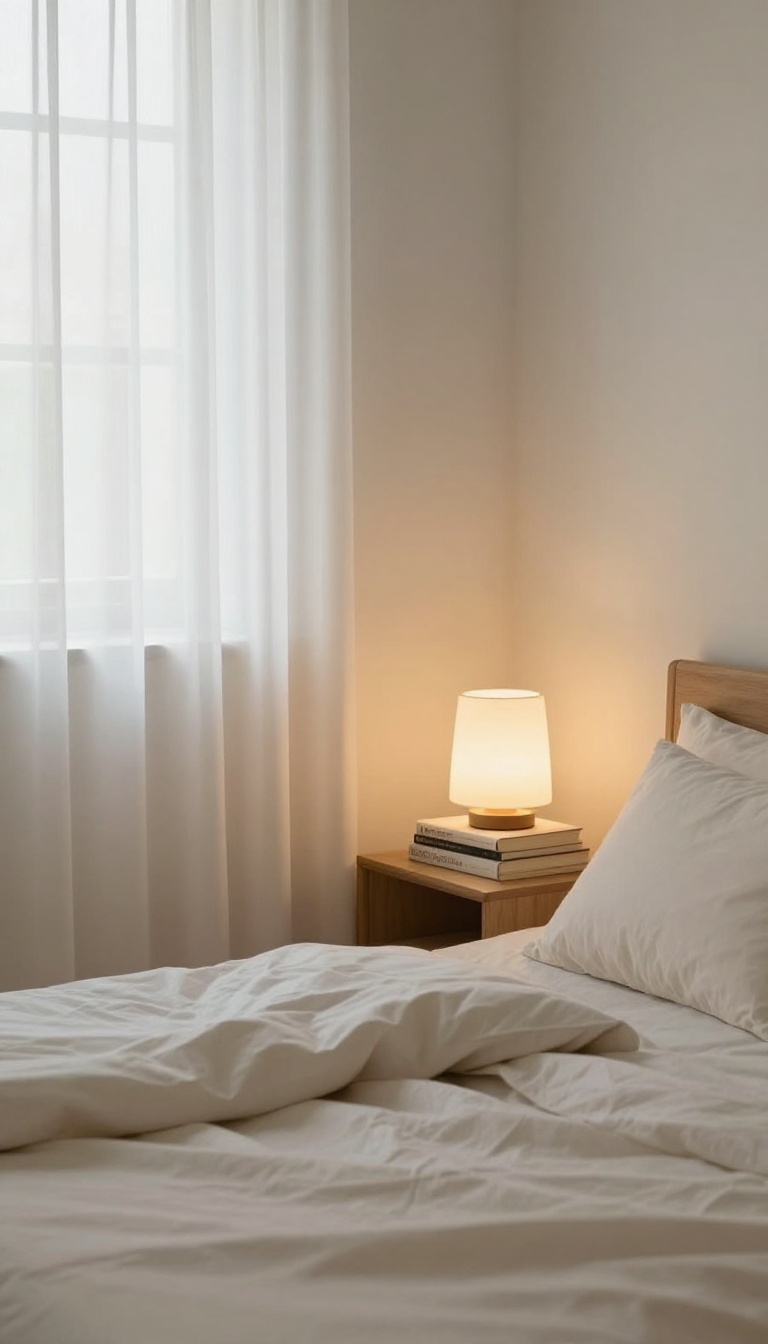
Lighting can make or break a room's vibe. Harsh overhead lights can feel like an interrogation, while dim corners might make guests squint. The goal is to offer flexibility so they can dial in the perfect brightness for reading, winding down, or getting ready.
Layer Your Light Sources
Don't rely on a single ceiling fixture. Combine overhead lighting with a bedside lamp and maybe a floor lamp in the corner. This lets guests choose between bright, even light for unpacking or a softer glow for relaxing.
Even better, add a dimmer switch to the overhead light for instant control.
Place Lamps Where They're Needed
Think about what guests do in the room. They'll need a lamp on the nightstand for reading in bed. A small desk lamp or a clip-on light near the luggage rack can help with packing.
Avoid leaving them in the dark when they're trying to find something in their bag.
Let Them Control The Mood
Give guests the power to adjust the lighting themselves. Simple touch lamps or lamps with pull chains are easy to figure out. If you have smart bulbs, set them up with a QR code that lets guests control them from their phone.
It's a small touch that makes the room feel more personal.
6. Add Blackout Curtains or Shades
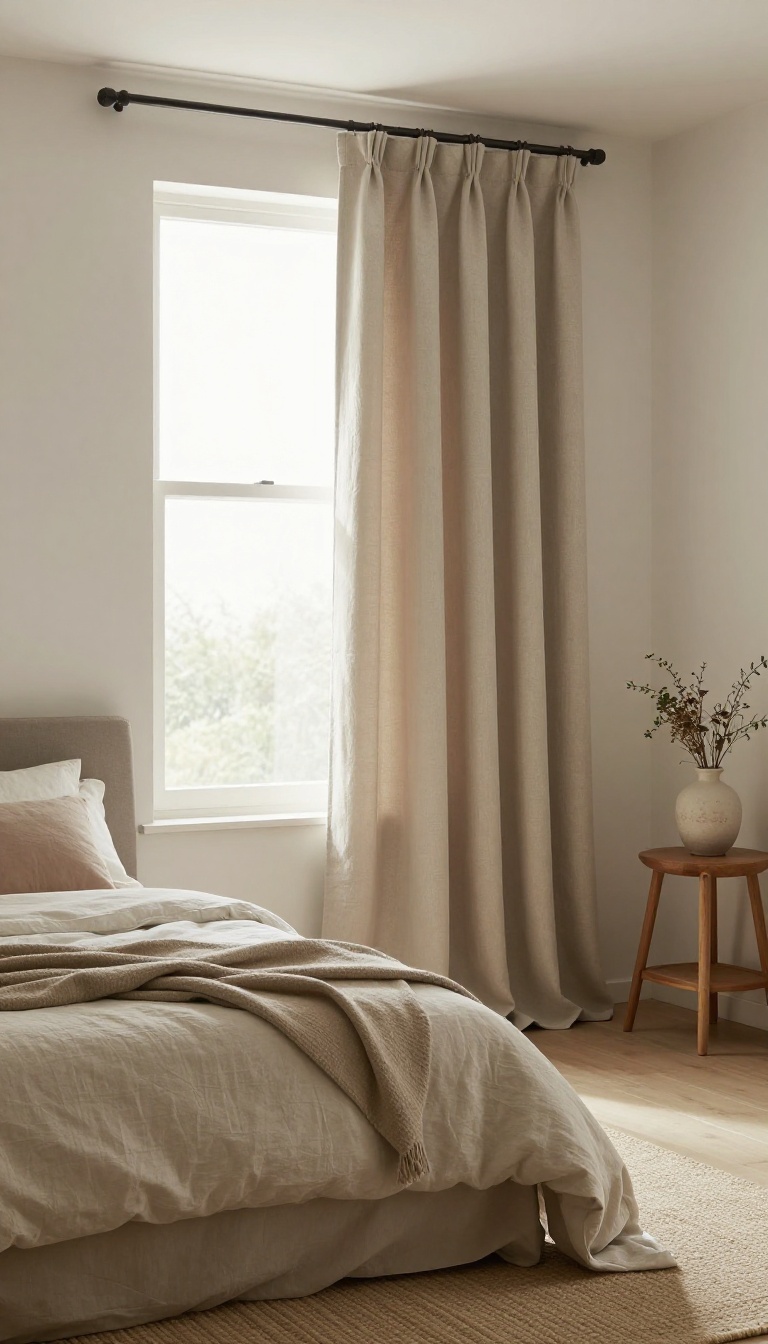
Nothing ruins a good night's sleep like a streetlight glaring through the window or the sun creeping in at 5: 30 AM. Blackout curtains are a simple fix that can make a huge difference in how rested your guests feel. They also help muffle outside noise, creating a quieter, more peaceful environment.
When you're choosing blackout curtains, look for ones with a thick, tightly woven fabric or a thermal lining. These do the best job at blocking light and adding a layer of insulation. You can find them in a range of colors and styles, so they don't have to look clinical or harsh.
For a more custom fit, consider blackout shades that mount inside the window frame—they leave less gap for light to sneak through. Installation is straightforward, but make sure the curtain rod extends a few inches beyond the window on each side. This prevents light from leaking around the edges.
If you want to go the extra mile, add a blackout liner behind your existing curtains instead of replacing them entirely—it's a budget-friendly option that still does the trick. Don't forget about the hardware. Choose a rod that's sturdy enough to hold the weight of heavy curtains, and use brackets that keep it securely in place.
If you're renting or just want a no-drill option, tension rods can work for lighter blackout curtains, though they may not be as effective at blocking all light.
Why Blackout Curtains Matter
Light is one of the biggest culprits behind poor sleep. Even a small amount of streetlight or early morning sun can disrupt your guest's circadian rhythm, making it harder to fall asleep and stay asleep. Blackout curtains create a dark, cave-like environment that signals to the brain it's time to rest.
Plus, the extra layer of fabric helps absorb sound, so your guests are less likely to be disturbed by traffic or neighborhood noise.
Choosing The Right Fabric And Style
Not all blackout curtains are created equal. Look for fabrics like velvet, suede, or heavy polyester blends that have a tight weave. Some curtains come with a special coating or a triple-weave design that blocks light without needing a separate liner.
As for style, you can pick from grommet, rod pocket, or tab top—each gives a different look, so choose one that complements your room's decor. Neutral colors like gray, beige, or navy are versatile and won't clash with your existing furnishings.
Installation Tips For Maximum Light Blocking
To get the best results, mount your curtain rod high above the window frame—about 4 to 6 inches above—and extend it 3 to 4 inches past the window on each side. This prevents light from seeping through the top and sides. Overlap the curtains in the middle by a few inches when they're closed.
If you're using shades, make sure they fit snugly inside the frame. For an extra layer, combine blackout curtains with cellular shades that have a light-blocking option.
7. Offer a Luggage Rack or Bench
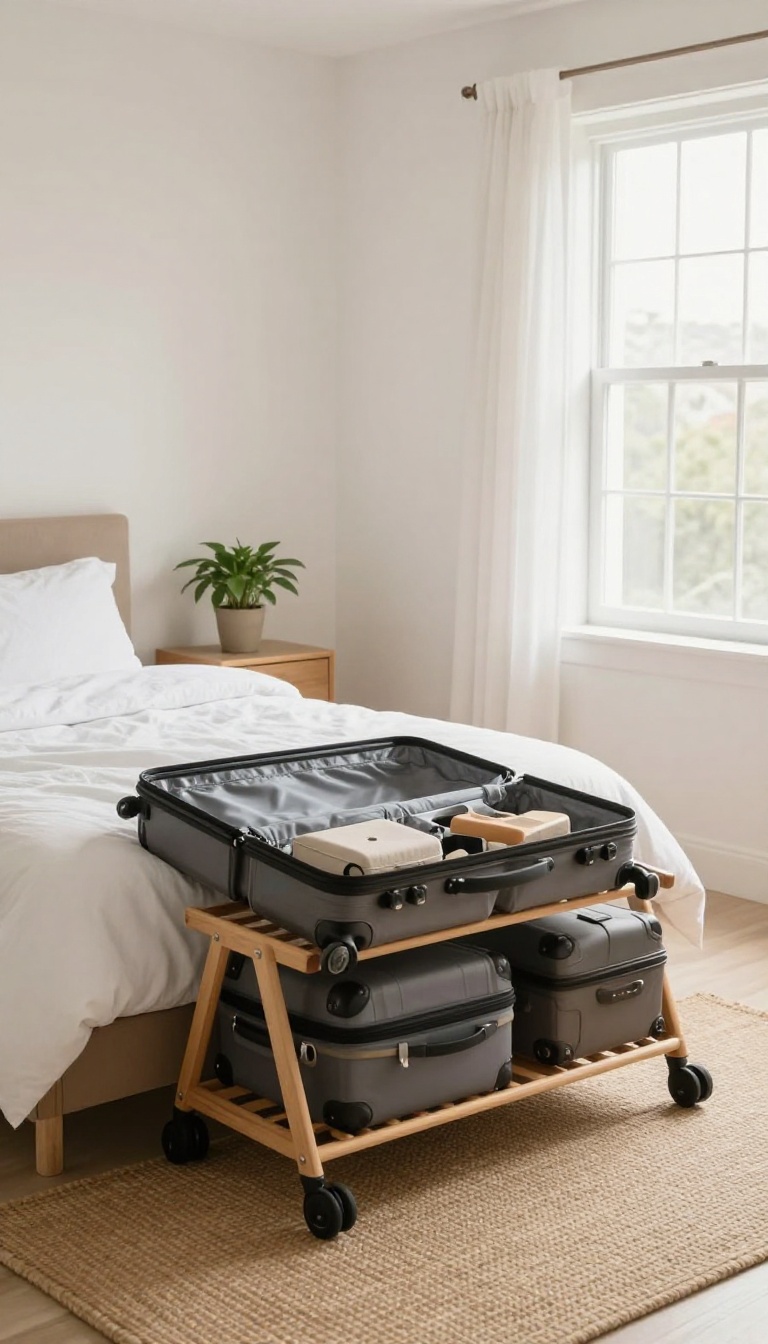
Few things feel more awkward than not knowing where to put a suitcase. Guests often end up balancing bags on chairs or leaving them on the floor, which can make the room feel cluttered and unwelcoming. A simple luggage rack or bench solves this instantly, giving visitors a clear, convenient spot to unpack and repack without bending over or tripping over straps.
A luggage rack isn't just about convenience—it also protects your furniture and adds a touch of hotel-like polish. When guests see a dedicated spot for their bag, they immediately feel more at ease, like the room was designed with them in mind. Plus, it keeps the bed clear for sitting or sleeping, and the floor free of clutter.
Why It Matters
Guests don't want to place their suitcase on the bed, where it might carry dirt or germs, or on the floor, where it's hard to access. A rack or bench provides a clean, elevated surface that makes packing and unpacking easier on the back. It also signals that you've thought about their comfort, which goes a long way in making them feel cared for.
Choosing The Right Option
Look for a sturdy, foldable luggage rack that can be stored away when not in use, or a stylish bench that doubles as extra seating. If space is tight, a wall-mounted fold-down rack is a smart choice. Whatever you pick, make sure it's stable and wide enough to hold most suitcase sizes.
A wooden or metal frame with a fabric or leather strap works well and adds a classic touch.
Placement And Styling
Position the rack or bench at the foot of the bed or near the closet, where it's easy to spot but doesn't block walking paths. You can add a small tray on top for keys or a folded blanket for extra comfort. Keep the area around it clear so guests can open their bags fully without obstacles.
A well-placed rack makes the room feel more organized and intentional.
8. Provide Essential Amenities and Toiletries
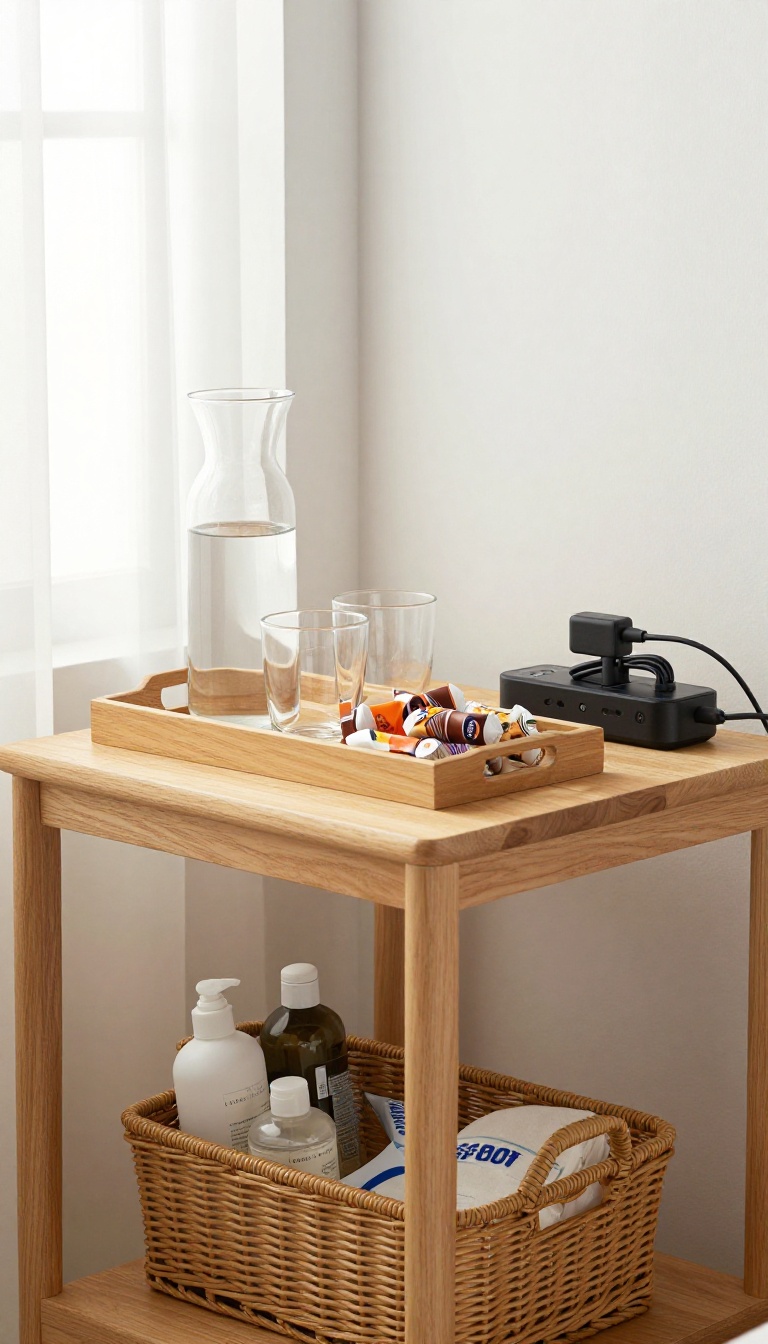
A guest room feels truly welcoming when it anticipates needs before they're voiced. Think about the small things you'd appreciate during an overnight stay: a glass of water, a phone charger, a forgotten toothbrush. These touches turn a simple room into a place where guests feel cared for.
Stocking a few essentials doesn't require a big budget or a lot of space. A small tray or basket with thoughtful items can make a huge difference. The goal is to make your guests feel like they've thought of everything—because you have.
A well-stocked guest room shows you've put thought into their comfort. Beyond the basics, these amenities can make a stay more enjoyable and stress-free.
Hydration And Snacks
Place a carafe of water and a couple of glasses on the nightstand or a small table. Add a few non-perishable snacks like granola bars, nuts, or trail mix in a sealed container. This is especially helpful if guests arrive late or don't want to wander into the kitchen.
A note saying 'help yourself' adds a warm touch.
Charging Station
Set up a charging station with a power strip and a few different cables (Lightning, USB-C, and micro-USB). Place it near the bed or desk so guests can charge their devices overnight. This simple addition prevents the frantic search for an adapter and keeps devices within reach.
Travel-sized Toiletries
Keep a small basket in the bathroom or on the dresser with travel-sized toiletries: shampoo, conditioner, body wash, toothpaste, a toothbrush, and maybe a razor. Add a few extras like cotton swabs, makeup remover wipes, and a small sewing kit. These items are inexpensive and often forgotten by guests, making them feel genuinely looked after.
9. Add a Personal Welcome Note or Basket
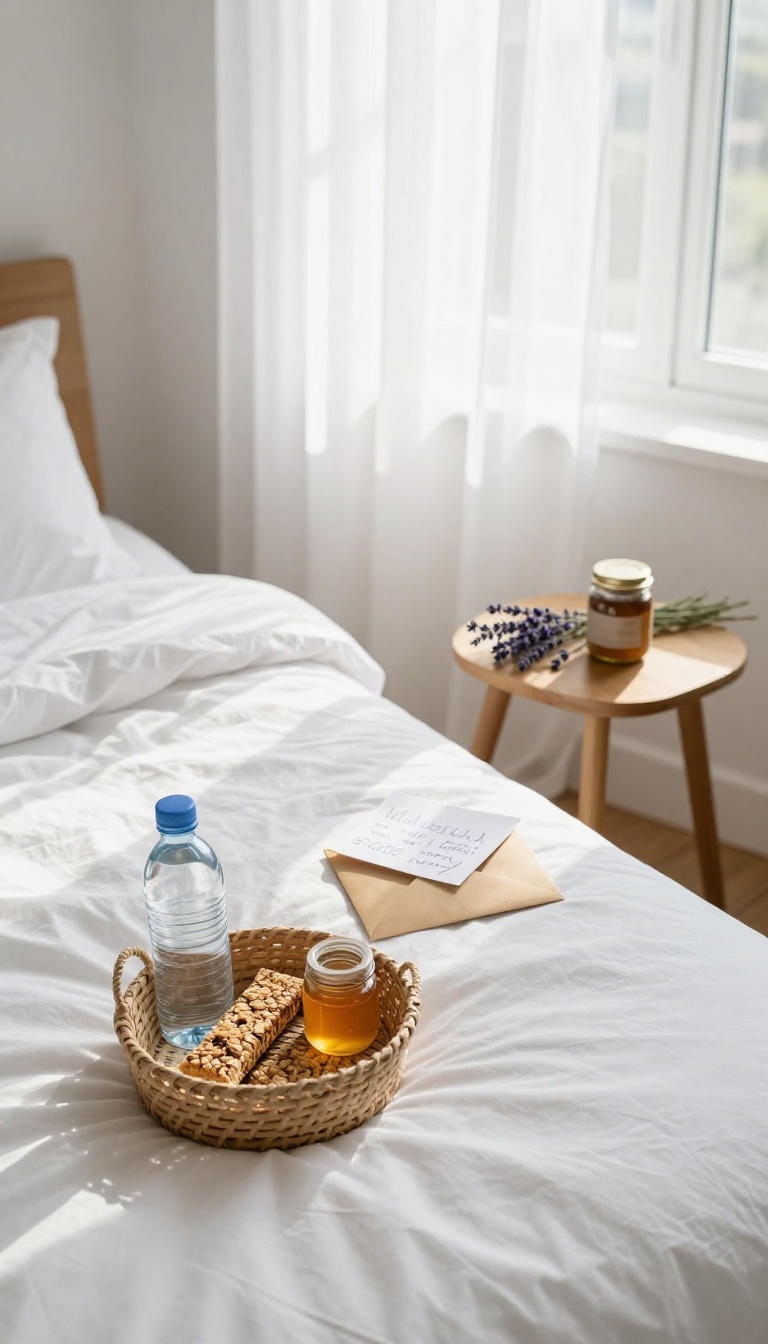
Little gestures can make a big impact when someone is settling into your home. A handwritten note or a small basket of goodies shows you've thought about their comfort before they even arrived. It's a simple way to turn a functional space into a genuinely personal one.
The goal is to make your guest feel seen and valued, not to create a five-star hotel experience. Start with a note that mentions something specific—like asking about their trip or suggesting a local coffee spot. Then, fill a basket with items that cater to their likely needs, from snacks to toiletries.
Keep it thoughtful, not over-the-top.
Write A Note That Feels Genuine
Your note doesn't need to be long or poetic. A few warm lines about how glad you are they're here, plus a practical tip about the Wi-Fi password or the best mug for tea, can go a long way. Avoid generic phrases like 'Enjoy your stay'—instead, mention something you know they'll appreciate, like a favorite snack you picked up or a quiet spot for morning coffee.
Curate A Basket That Anticipates Needs
Think about what you'd want after a long trip: a bottle of water, a granola bar, maybe a travel-sized toothbrush. Add a local treat like a small jar of honey or a bag of coffee beans for a personal touch. If you know your guest's preferences, tailor it—like including a caffeine-free tea if they avoid caffeine.
The basket should feel like a convenience, not a chore.
Keep It Simple And Useful
You don't need to spend a lot or fill a huge basket. A few well-chosen items are better than a cluttered collection. Stick to things that are actually useful: snacks that travel well, a phone charger, or a mini flashlight.
Avoid anything that might go to waste, like perishable food or items with strong scents. The goal is to make your guest feel looked after, not overwhelmed.
10. Ensure Privacy with Window Coverings and Locks
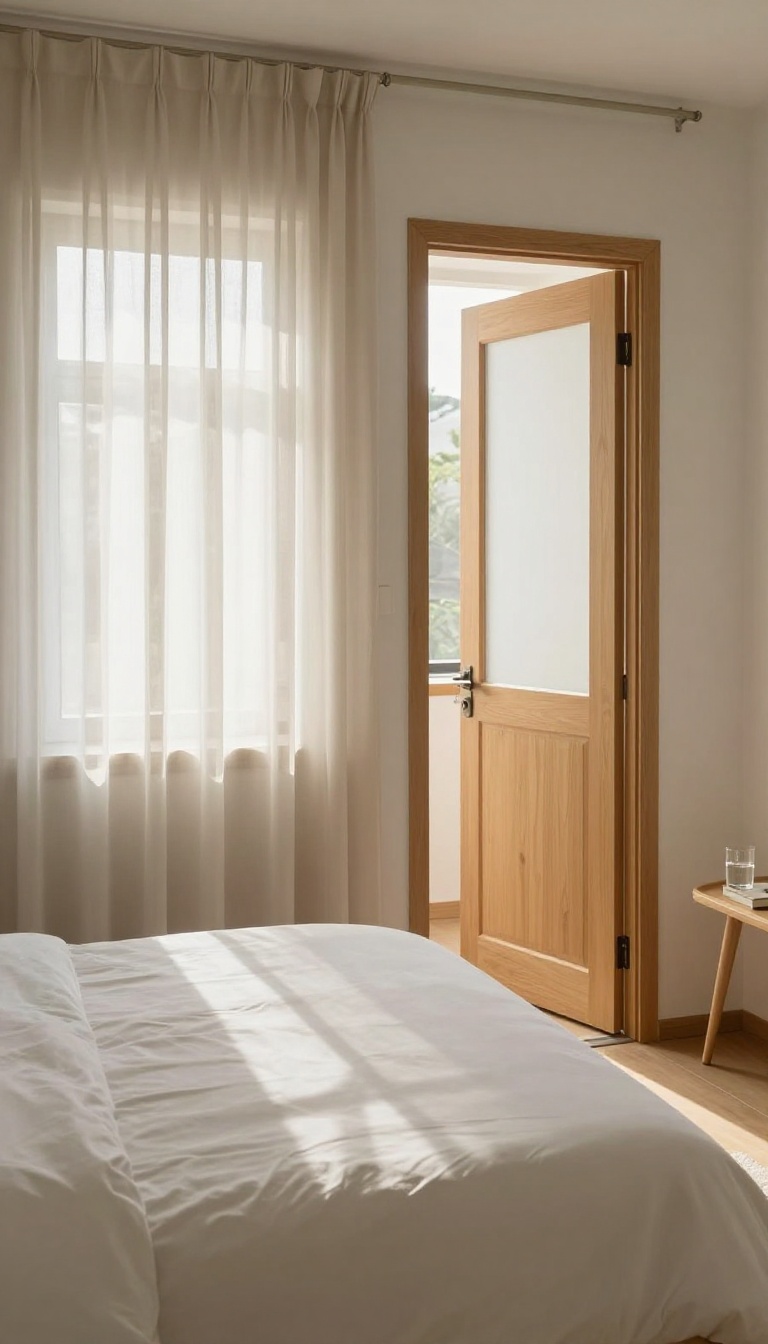
Privacy is one of those things guests rarely mention but always notice. If the window has no blinds or the door doesn't lock, your guest may feel exposed or hesitant to fully settle in. A few simple fixes can make the room feel like a true private retreat.
Start by checking the window coverings. Thin curtains that let light through at dawn won't cut it. Opt for blackout curtains or blinds that fully block light and prying eyes.
If you're on a budget, a tension rod with blackout panels works wonders. Also, make sure the curtains close smoothly and stay closed—no gaps at the edges. Next, address the door.
A lock that works from the inside gives guests control over their space. If the door doesn't have one, install a privacy lock or add a simple door stop for extra security. Let your guests know the lock works and where the spare key is, just in case.
Choose Window Coverings That Work
Blackout curtains are the gold standard for guest rooms. They block light, reduce noise, and offer total privacy. If you prefer a lighter look, use layered curtains: a sheer panel for daytime and a heavier one for night.
Make sure the rod extends beyond the window frame so there are no light leaks on the sides.
Add A Functional Lock
A simple privacy lock on the inside of the door is a small upgrade that makes a big difference. You can find them at any hardware store and install them in minutes. If you can't change the hardware, a portable door lock or a wedge under the door works as a stopgap.
Test it yourself to ensure it's easy to use.
Communicate The Privacy Features
When you show guests to their room, mention the curtains and the lock. Say something like, 'The curtains block out everything, and the door locks from the inside. ' This reassures them that their privacy is a priority. Also, consider adding a 'Do Not Disturb' sign or a small note with house rules about privacy.
11. Keep the Room Cool and Well-Ventilated
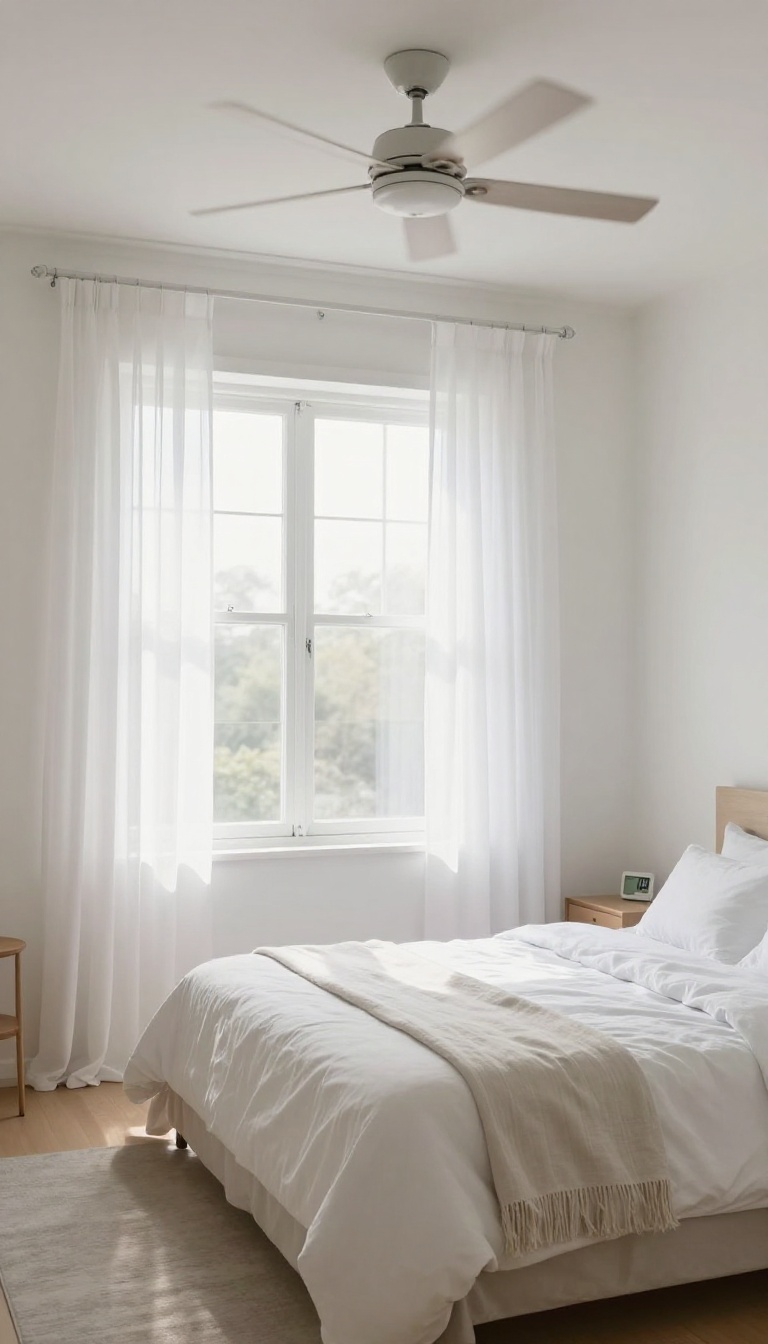
A stuffy room can make even the most comfortable bed feel unbearable. Temperature and air quality play a huge role in how relaxed your guest feels. A cool, fresh space invites deep sleep and easy breathing, so it's worth getting right.
Set The Right Temperature
Before your guests arrive, adjust the thermostat to a comfortable range—usually between 68 and 72°F (20-22°C). If you have a smart thermostat, you can even schedule it to cool down the room an hour before bedtime. If you don't have central air, consider a portable AC unit or a ceiling fan to keep the air moving.
Offer Fresh Air Options
Some guests prefer a breeze over air conditioning. Crack a window slightly to let in fresh air, but make sure screens are intact to keep bugs out. If noise or allergies are a concern, provide a small fan that can be positioned for personal airflow.
A fan also doubles as white noise, which many people find soothing.
Check The Bedding
Heavy comforters can trap heat, making the room feel stifling. Swap in lighter blankets and breathable sheets, like cotton or linen, that wick moisture. Keep an extra throw blanket at the foot of the bed so guests can adjust their own warmth without fussing.
FAQ
What is the most important thing to focus on in a guest room?
Comfortable bedding is key. A good mattress, quality sheets, and a selection of pillows can make or break a guest's stay.
How can I make my guest room feel more welcoming without spending a lot?
Small touches like fresh flowers, a welcome note, and a few snacks can go a long way. Also, decluttering and adding a cozy throw blanket can instantly warm up the space.
Should I provide a TV in the guest room?
It's not necessary, but if you have one, it's a nice extra. More importantly, ensure there's a good Wi-Fi connection and a charging station for devices.
How do I keep the guest room ready at all times?
Keep the room clean and tidy, with fresh linens on the bed and basic amenities stocked. Do a quick check before guests arrive to ensure everything is in order.
What are some common mistakes to avoid in a guest room?
Avoid clutter, uncomfortable bedding, poor lighting, and lack of privacy. Also, don't forget to provide clear instructions for Wi-Fi and any house rules.
Conclusion
Helping guests feel at ease doesn't require a full redesign—just a few thoughtful touches that show you care. Start with the idea that solves your biggest challenge, whether that's better lighting, softer bedding, or clearer storage. Even one small change can shift the entire mood of the room.
Pick a single upgrade this weekend and see how it feels. Then, let your guest's comfort guide the next step. A relaxed room is built one intentional detail at a time.