25 Carpet Cleaning Hacks for Stains Odor and Freshness
Carpet stains and odors don't stand a chance when you know the right tricks. From club soda to shaving cream, everyday items can tackle even the toughest messes without breaking the bank. These 25 hacks are tested, budget-friendly, and designed to keep your carpets looking fresh without professional help.
Whether it's a red wine spill or a lingering pet smell, each method targets a specific problem with simple ingredients you probably already have. No need for harsh chemicals or expensive sprays—just practical solutions that work fast.
You'll learn how to lift set-in stains, neutralize odors, and even revive flattened carpet fibers. Ready to transform your carpets from drab to spotless?
1. Blot, Don't Rub – The Golden Rule of Stain Removal
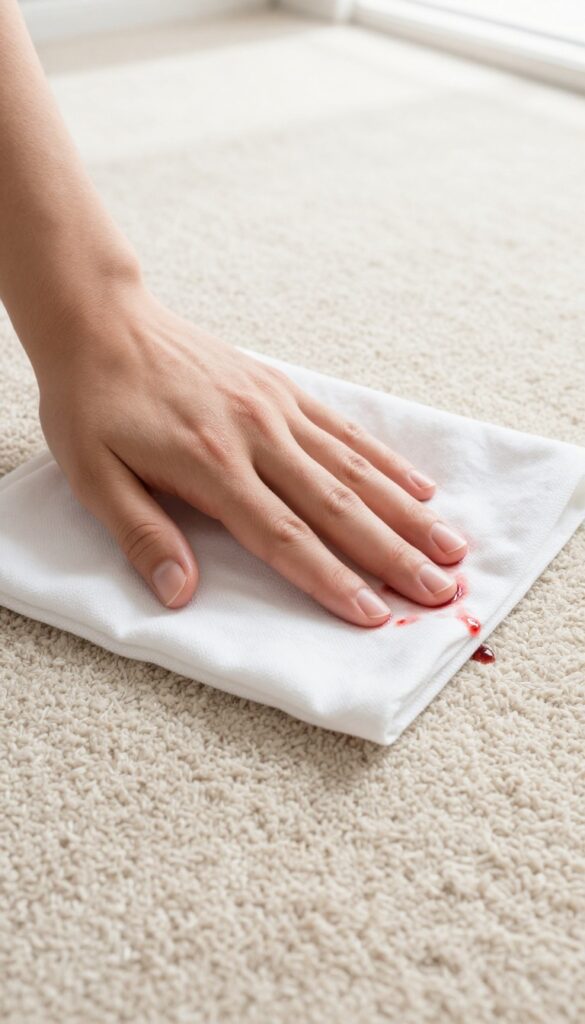
When a spill happens, your first instinct might be to scrub it away. But rubbing is actually the worst thing you can do. It pushes the stain deeper into the carpet fibers, making it harder to remove.
Instead, blotting lifts the liquid out without spreading it.
Blotting is the foundation of effective stain removal. Always have a clean, white cloth or paper towel handy. Press down firmly to absorb as much liquid as possible, working from the outside in to prevent the stain from spreading.
Repeat with fresh cloths until no more liquid transfers.
Why Blotting Works
Carpet fibers are like tiny tubes. Rubbing forces liquid down into the backing and padding, where it becomes trapped. Blotting uses capillary action to draw the liquid out onto the cloth.
It's gentler on the fibers and prevents the stain from setting.
The Right Tools For Blotting
Use white cloths or paper towels to avoid color transfer. Avoid colored rags, as dyes can bleed into the carpet. For larger spills, a wet/dry vacuum can be a lifesaver—just blot first to remove excess liquid, then vacuum up the rest.
When To Blot Vs. Scrub
Blot fresh spills immediately. For dried or sticky stains, you may need to gently loosen them with a soft brush after applying a cleaning solution. But even then, blot—don't rub—to lift the dissolved stain.
2. Club Soda for Fresh Spills
Club soda is a secret weapon for fresh spills. The carbonation helps lift stains from carpet fibers before they set in. It's cheap, non-toxic, and works on everything from coffee to juice.
Here's how to use it effectively.
When a spill happens, act fast. Pour a small amount of club soda directly onto the stain—just enough to cover it. Let it fizz for a few seconds, then blot with a clean white cloth.
Repeat until the stain lifts. Avoid rubbing, which pushes the stain deeper. For stubborn spots, add a pinch of salt to the club soda for extra abrasion.
Blot again, then rinse with cold water and blot dry. This method works best on fresh stains, so keep a bottle handy in the kitchen.
Why Club Soda Works
The carbonation creates bubbles that loosen dirt and dye from carpet fibers. The mild acidity (from carbonic acid) helps break down stains without damaging the carpet. Plus, it's colorless, so it won't leave a residue or discoloration like some cleaners.
Step-by-step Blotting Technique
- Blot the spill first with a dry cloth to remove excess liquid. 2.
Pour club soda on the stain. 3. Let it fizz for 10–15 seconds.
- Blot with a clean cloth, pressing firmly. 5.
Repeat until the stain is gone. 6. Rinse with a damp cloth and blot dry.
Always work from the outside in to prevent spreading.
Common Mistakes To Avoid
Don't use colored or flavored club soda—stick to plain. Avoid soaking the carpet; too much liquid can damage the backing. Never scrub vigorously; blotting is gentler and more effective.
If the stain is old or set, club soda may not work—try a different method.
3. White Vinegar and Water – Your Go-To Spot Cleaner
White vinegar is a powerhouse when it comes to carpet cleaning. It cuts through grime, neutralizes odors, and is safe for most synthetic and wool blends. The best part?
You probably already have a bottle under your sink. This simple solution works wonders on fresh stains and everyday dirt. It's gentle enough for regular use but tough on messes.
Plus, it's a fraction of the cost of commercial spot cleaners.
Mix equal parts white vinegar and water in a spray bottle. Spray the stain lightly—don't soak the carpet. Let it sit for 5 minutes to break down the residue.
Then blot with a clean cloth, working from the outside inward. Repeat if needed. The vinegar smell disappears as it dries, leaving your carpet fresh.
When To Use This Mix
This solution is ideal for food spills, pet accidents, and light mud tracks. It's also great for refreshing high-traffic areas. Avoid using it on natural fibers like sisal or jute, as moisture can cause damage.
How To Blot Correctly
Blotting is key—never scrub. Scrubbing pushes the stain deeper and can fray the fibers. Use a white cloth or paper towel to avoid color transfer.
Press firmly and lift, repeating until the cloth comes away clean.
Boosting The Power
For stubborn stains, add a teaspoon of dish soap to the vinegar-water mix. Test on an inconspicuous area first. This extra kick helps lift grease and dried-on spills without harsh chemicals.
4. Baking Soda for Odor Absorption
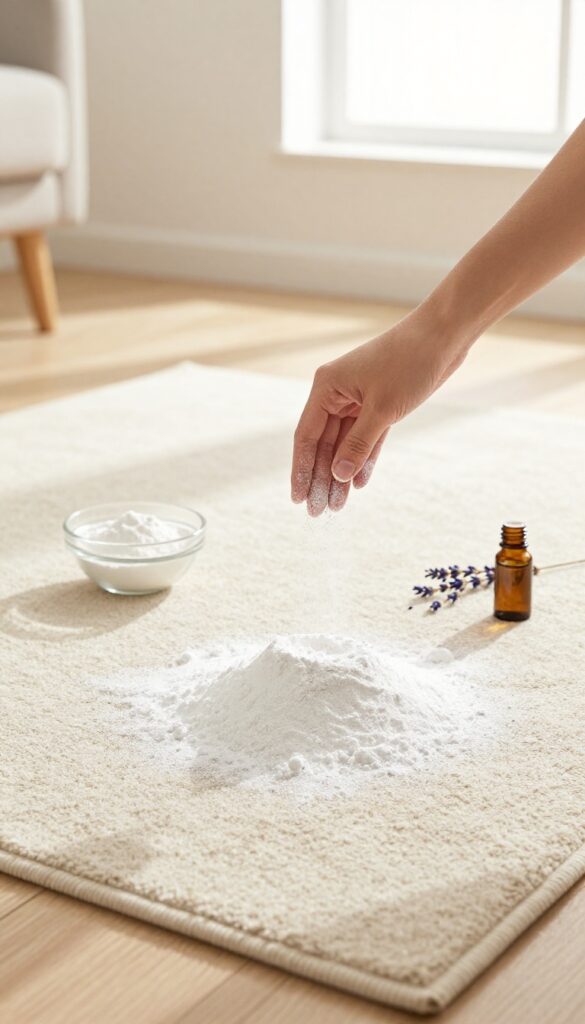
Carpets are like sponges for smells—pet accidents, spilled coffee, or just everyday living can leave them smelling less than fresh. Baking soda is the unsung hero of odor removal because it neutralizes smells instead of just covering them up. It's cheap, non-toxic, and works on all carpet types.
For a basic freshen-up, sprinkle a thin, even layer of baking soda over the entire carpet. Let it sit for at least 15 minutes—longer is better for stubborn odors. Overnight is ideal if you can keep kids and pets off the carpet.
Then vacuum thoroughly, going over each area multiple times to pick up all the powder.
Boosting The Power With Essential Oils
Add a few drops of your favorite essential oil (like lavender or lemon) to the baking soda before sprinkling. Mix well with a fork to break up clumps. This leaves a light, natural scent behind without the harsh chemicals of commercial deodorizers.
Targeting Tough Pet Odors
For urine or vomit stains, first blot up as much liquid as possible. Then sprinkle a thick layer of baking soda over the damp area and let it dry completely. Vacuum up the crusted powder—it will have absorbed both moisture and odor.
Preventive Maintenance
Make baking soda a regular part of your carpet care routine. Sprinkle it on high-traffic areas once a month before vacuuming. This prevents odors from building up and keeps your carpet smelling fresh between deep cleans.
5. Hydrogen Peroxide for Set-In Stains
Old stains that have been sitting for days or weeks can feel impossible to remove. But hydrogen peroxide, a common household antiseptic, can break down those stubborn marks without damaging your carpet fibers. The key is to use the right concentration and technique.
Hydrogen peroxide works by releasing oxygen bubbles that lift stain particles from deep within the carpet fibers. It's especially effective on organic stains like coffee, wine, and fruit juice that have had time to set. Always test in an inconspicuous spot first, as peroxide can lighten some carpets.
How To Apply Hydrogen Peroxide Safely
Start with a 3% hydrogen peroxide solution—the standard brown bottle from the pharmacy. Pour a small amount directly onto the stain, enough to saturate it without soaking through to the padding. Let it bubble and fizz for about 10-15 minutes.
Then blot with a clean white cloth, working from the outside in to prevent spreading. Repeat if necessary, then rinse with cold water and blot dry.
Best Stains For This Method
Hydrogen peroxide shines on set-in coffee and red wine stains. It also works well on dried fruit juice, tea, and some ink stains. Avoid using it on dark or brightly colored carpets, as it may cause fading.
For wool or silk carpets, skip peroxide entirely—it can damage natural fibers.
Pro Tips For Tougher Stains
For extra stubborn stains, mix hydrogen peroxide with a drop of dish soap. Apply the mixture, let it sit for 15 minutes, then blot. You can also cover the stain with a cloth soaked in peroxide and place a weight on top to keep it in contact longer.
Always do a patch test first, and never use peroxide on carpets treated with bleach or ammonia.
6. Dish Soap and Warm Water for Grease
Grease stains from cooking oil, butter, or salad dressing can be stubborn on carpets. The trick is to use a degreasing agent that breaks down the oil without damaging the fibers. Dish soap is designed to cut through grease on dishes, and it works just as well on carpets.
Mixed with warm water, it creates a gentle but effective cleaning solution that lifts grease stains without harsh scrubbing.
To remove a grease stain, start by blotting up as much excess oil as possible with a paper towel. Mix a few drops of liquid dish soap with warm water in a bowl. Dip a clean cloth into the solution and dab it onto the stain, working from the outside in to avoid spreading.
Let it sit for a few minutes, then blot with a dry cloth. Rinse the area with a damp cloth dipped in plain water to remove any soap residue. Finally, blot dry with a towel and let air dry completely.
For older stains, repeat the process or let the soap solution sit longer before blotting.
Why Dish Soap Works
Dish soap contains surfactants that break down oil and grease molecules, making them easier to lift from carpet fibers. Unlike harsh chemicals, it's gentle on most carpet materials and safe for use around pets and kids. The warm water helps activate the soap and loosen the stain.
Step-by-step Application
Blot excess grease with a paper towel. Mix 1 teaspoon of dish soap with 2 cups of warm water. Dip a white cloth into the solution and dab the stain gently.
Avoid rubbing, which can push the grease deeper. Let it sit for 5–10 minutes, then blot with a dry cloth. Rinse with a damp cloth and blot dry.
Tips For Stubborn Stains
For set-in grease stains, sprinkle baking soda on the stain before applying the soap solution. The baking soda absorbs excess oil and helps lift the stain. Alternatively, add a few drops of white vinegar to the soap mixture for extra degreasing power.
Always test on an inconspicuous area first.
7. Cornstarch to Absorb Fresh Grease
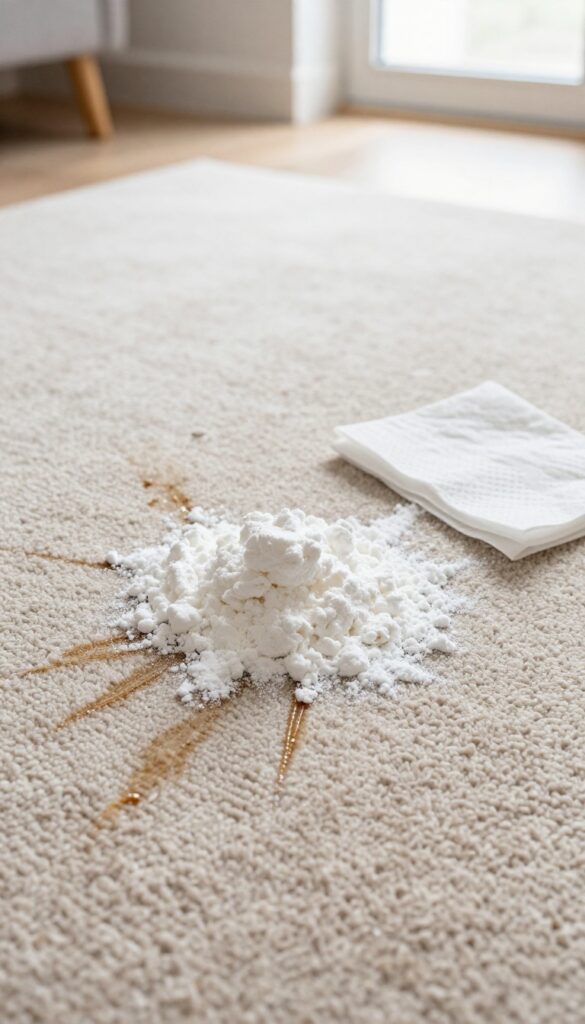
Grease spills from cooking oil, butter, or salad dressing can be a nightmare on carpets. The oil seeps deep into fibers and can leave a dark, stubborn stain if not handled quickly. Cornstarch is a simple kitchen staple that acts like a magnet for grease, pulling it out before it sets.
The key is to act fast while the grease is still fresh. Cornstarch works by absorbing the oil from the carpet fibers, making it easy to vacuum away. This method is gentle on carpets and avoids the need for harsh chemicals that might damage the fibers or leave a residue.
How To Apply Cornstarch
Blot up as much excess grease as possible with a paper towel. Then, generously sprinkle cornstarch over the entire spot, making sure it's completely covered. Let it sit for 15 minutes to give it time to absorb the oil.
After that, vacuum thoroughly. If any residue remains, you can treat it with a mild dish soap solution.
Why Cornstarch Works So Well
Cornstarch is a fine powder with a large surface area, which allows it to soak up liquids effectively. Unlike baking soda, which is better for odors, cornstarch excels at absorbing oils. It's also safe for all carpet types and won't leave a sticky mess behind.
Tips For Stubborn Grease Spots
For older or larger grease stains, you may need to repeat the process. After the first application, check if the stain has lightened. If not, sprinkle fresh cornstarch and let it sit longer—up to an hour.
You can also gently press the powder into the carpet with a spoon to help it reach deeper fibers.
8. Rubbing Alcohol for Ink Stains
Ink stains on carpet can feel like a disaster, especially if a pen explodes or a marker leaks. But rubbing alcohol is a surprisingly effective solvent that breaks down ink without damaging most carpet fibers. It works because alcohol dissolves the pigments in ink, allowing you to lift them away rather than grinding them deeper into the fibers.
To remove an ink stain, start by blotting up any excess ink with a clean cloth. Then dampen a cotton ball or white cloth with rubbing alcohol—don't soak the carpet, just moisten the stain. Gently blot the stain, working from the outside in to prevent spreading.
You'll see the ink transfer onto the cotton ball. Continue with fresh cotton balls until no more ink lifts. Finally, rinse the area with a little water and blot dry.
This method works best on fresh stains, but it can also lighten older ones with repeated applications.
Why Rubbing Alcohol Works
Ink is typically oil or pigment-based, and rubbing alcohol is a solvent that breaks down those compounds. It's gentle enough for most synthetic carpets but can affect some delicate fibers like wool, so always test in an inconspicuous spot first. The alcohol evaporates quickly, which means less risk of water damage or mold compared to using water alone.
Step-by-step Application
Blot the stain gently—never rub, as that pushes ink deeper. Apply rubbing alcohol to a clean cloth and dab the stain. Replace the cloth as it picks up ink.
Repeat until the stain fades. For stubborn spots, let the alcohol sit for a minute before blotting. Finish by rinsing with a damp cloth and blotting dry.
Safety And Testing Tips
Always test rubbing alcohol on a hidden area of your carpet to check for colorfastness. Work in a well-ventilated room, and keep alcohol away from open flames. Avoid using it on natural fibers like silk or wool without professional advice.
For large stains, consider calling a pro to avoid damaging the carpet backing.
9. Shaving Cream for Unexplained Spots
Some stains just show up out of nowhere—maybe a mystery mark from a dropped snack or a smudge that appeared overnight. Before you reach for a harsh cleaner, grab a can of shaving cream. Not the gel kind, but the classic white foam.
It's gentle enough for most carpets but tough on unknown spots.
Shaving cream works because it contains surfactants that lift dirt and stains without soaking the carpet fibers. It's especially effective on stains that aren't greasy or oily, like light food spills or unknown smudges. The foam also helps neutralize odors, leaving your carpet smelling fresh.
How To Apply It
Start by blotting the spot with a dry cloth to remove any excess. Then spray a small amount of shaving cream directly onto the stain—about the size of a golf ball. Gently rub it into the carpet with your fingers or a soft brush.
Let it sit for 10 minutes so the foam can break down the stain.
Blotting And Rinsing
After the wait, use a damp cloth to blot the area. Press down firmly to lift the shaving cream and the stain together. Repeat with a fresh part of the cloth until no more residue comes up.
Finally, blot with a dry towel to absorb excess moisture.
When To Use This Hack
This method works best on synthetic carpets like nylon or polyester. Avoid it on delicate natural fibers like wool or silk. It's also a great option for spots you can't identify—since shaving cream is mild, it won't damage the carpet while you figure out what the stain is.
10. Salt for Red Wine Spills
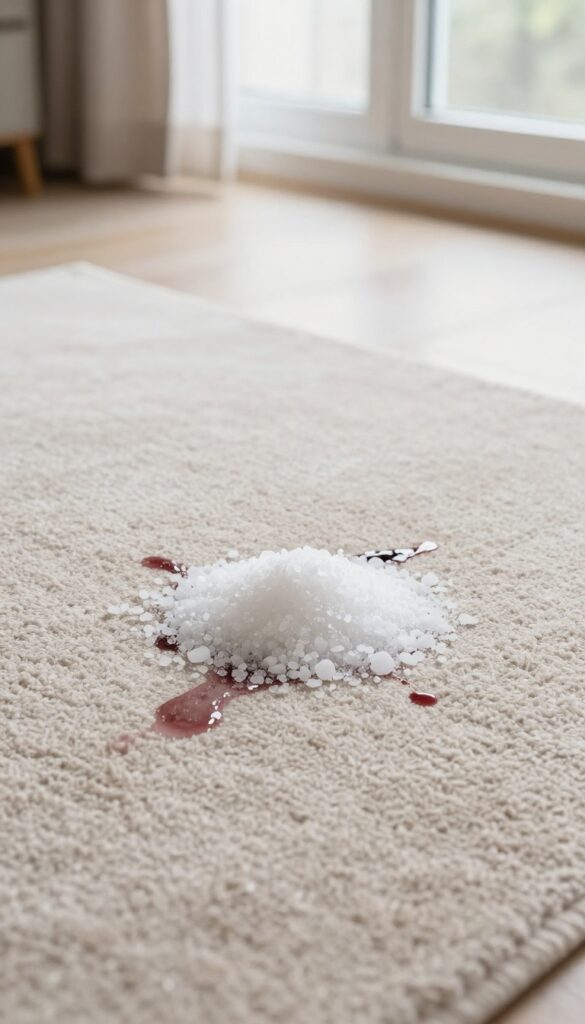
A red wine spill on a light carpet can feel like a disaster, but salt is your secret weapon. It works by absorbing the liquid before it sets, making the cleanup much easier. This hack is quick, uses a common kitchen ingredient, and saves you from panic.
When red wine hits the carpet, act fast. Grab a container of salt—table salt or kosher salt both work well—and pour a generous layer directly over the spill. The salt will start absorbing the wine immediately, turning pink or red as it soaks up the liquid.
Let it sit for 5 to 10 minutes, then vacuum up the salt. If any stain remains, treat it with a mixture of dish soap and hydrogen peroxide or a commercial carpet cleaner. This method works best on fresh spills, so don't wait.
Why Salt Works So Well
Salt is highly absorbent and pulls moisture out of the carpet fibers. It doesn't just sit on top—it draws the wine upward, preventing it from sinking deeper into the padding. This makes the stain much easier to remove compared to rubbing or blotting alone.
Step-by-step Rescue
First, blot the spill gently with a clean cloth to remove excess wine. Don't rub—that spreads the stain. Then, cover the area completely with a thick layer of salt.
Wait 5-10 minutes, then vacuum thoroughly. If a faint stain remains, mix 1 tablespoon of dish soap with 1/2 cup of hydrogen peroxide and apply it to the spot. Blot until the stain lifts, then rinse with water and blot dry.
What To Avoid
Never scrub a red wine spill—it pushes the stain deeper. Also, avoid using hot water, which can set the stain. Stick with cold water for any rinsing.
And don't skip the salt step; even if you think you've blotted enough, salt will catch hidden wine that could turn into a stubborn mark later.
11. Ice Cube Trick for Carpet Dents
Heavy furniture can leave unsightly dents in your carpet that make the whole room look worn out. Before you call a professional or break out the steam cleaner, try this surprisingly simple fix using just an ice cube. It works by slowly rehydrating the flattened fibers so they can bounce back to their original shape.
Place an ice cube directly on each dent and let it melt completely. Depending on the size of the dent, you may need one or two cubes. Once the water has soaked in, use a fork or your fingers to gently fluff the fibers upward.
Let the area air dry, then vacuum to restore the carpet's texture.
Why It Works
Carpet fibers are often made of nylon or polyester, which have a memory for their original shape. The moisture from the melting ice relaxes the fibers, allowing them to expand back. Fluffing while damp helps reset the weave without damaging the carpet.
Best For Light Dents
This trick works best on dents that aren't too deep or old. For heavy furniture that has been sitting for years, you might need to repeat the process a few times. If the fibers are crushed beyond repair, a carpet rake or steamer can offer more aggressive restoration.
Avoid Over-saturating
Use only enough ice to cover the dent. Too much water can lead to mold or mildew under the carpet, especially if the padding gets soaked. Blot any excess moisture with a towel after the ice melts to speed up drying.
12. Vacuum in Multiple Directions
Most people vacuum the same way every time—back and forth, back and forth. But that routine misses a lot of hidden dirt and leaves carpet fibers lying flat in one direction. Changing your vacuuming pattern is one of the easiest ways to get a deeper clean without any extra equipment.
Vacuuming from different angles lifts embedded dirt that gets missed when you only go one way. It also helps restore the carpet's natural texture by fluffing fibers upright. This simple switch can make your carpet look fresher and last longer.
Why Direction Matters
Dirt and debris get pushed deeper into the carpet pile when you always vacuum the same path. By alternating directions—north-south, east-west, and diagonally—you loosen particles from all sides. This is especially effective in high-traffic areas where grit gets ground in.
How To Do It Right
Start by vacuuming in one direction across the entire room. Then go perpendicular to that pass. Finish with diagonal sweeps for good measure.
Overlap each pass slightly to avoid streaks. For best results, use a slow, deliberate pace so the suction has time to pull up debris.
When To Use This Technique
Make multi-directional vacuuming part of your weekly routine, not just deep-cleaning days. It's especially helpful after heavy foot traffic or before spot-treating stains, since loose dirt can interfere with cleaning solutions. Also do it after fluffing carpet fibers with a rake or brush.
13. Essential Oils for a Fresh Scent
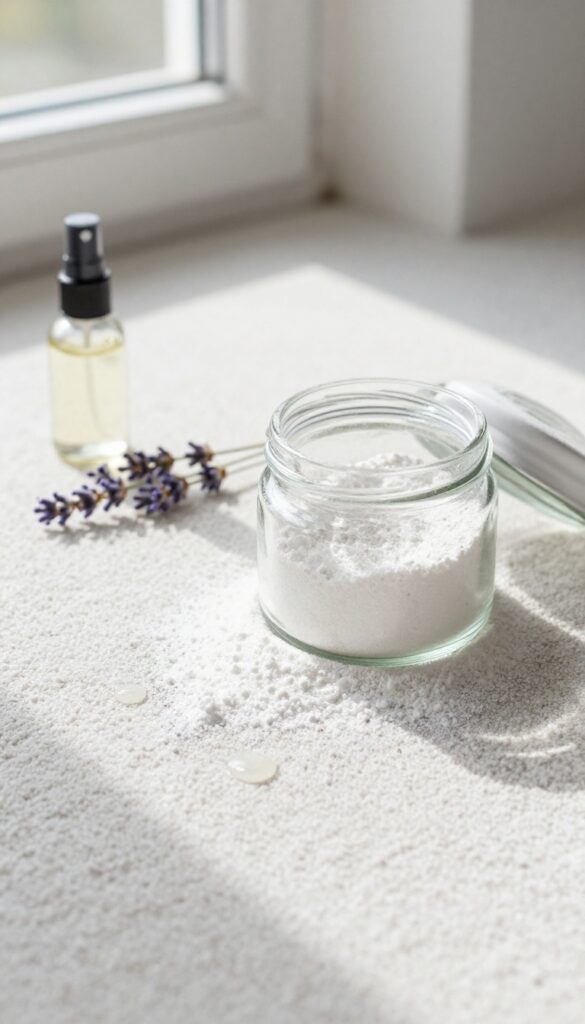
Baking soda is a carpet deodorizer classic, but it doesn't have to smell like a cardboard box. A few drops of essential oil transform it into a custom air freshener that leaves a light, natural fragrance behind. Lavender calms, lemon energizes—pick your mood and get sprinkling.
Mix 1 cup of baking soda with 10–15 drops of your favorite essential oil in a jar. Shake well, let it sit for an hour to absorb the scent, then sprinkle evenly over the carpet. Wait 15 minutes before vacuuming.
The oil doesn't just mask odors—it bonds with baking soda to neutralize smells while leaving a subtle, lasting aroma.
Best Oils For Carpets
Lavender is a top choice for bedrooms because it promotes calm. Lemon or orange works great in high-traffic areas—they smell clean and fresh. Tea tree oil adds antibacterial benefits, making it ideal for homes with pets or kids.
Avoid strong oils like cinnamon or clove, which can linger too long and irritate sensitive noses.
How To Apply Without Clumping
The key is even distribution. Use a fine-mesh sieve or an old spice shaker to sprinkle the mixture. Don't dump it in piles—thin, even layers work best.
Let it sit for at least 15 minutes, but longer (even overnight) is fine for tough odors. Vacuum slowly in multiple directions to pick up every bit.
Diy Carpet Freshener Spray
For a quick refresh between deep cleans, mix 1 cup of water, 1 tablespoon of rubbing alcohol, and 10 drops of essential oil in a spray bottle. Mist lightly over the carpet—don't soak it. The alcohol helps the scent spread and evaporates quickly.
Test on a hidden spot first to avoid discoloration.
14. Steam Clean with a Clothes Steamer
Your handheld clothes steamer isn't just for wrinkles—it's also a surprisingly effective carpet cleaner. The hot steam loosens embedded dirt and refreshes carpet fibers without soaking them. It's especially handy for spot-treating high-traffic areas or freshening up a room between deep cleans.
Steam cleaning with a clothes steamer is quick and gentle. Fill your steamer with water, let it heat up, then hover the nozzle a few inches above the carpet. Move it slowly over a small section, allowing the steam to penetrate the fibers.
Immediately blot the area with a clean microfiber cloth to lift the loosened dirt and moisture. Repeat until the cloth comes away clean. This method works best for light cleaning and deodorizing, not for heavy stains.
Why It Works
The heat from the steam helps break down dirt and grime that vacuuming alone can't remove. It also kills dust mites and neutralizes odors naturally. Unlike a carpet cleaner, a clothes steamer uses minimal water, so your carpet dries in minutes.
Best Uses
Use this hack for freshening up carpets in between deep cleans, removing light surface stains, and reviving flattened fibers in high-traffic areas. It's also great for refreshing carpet near pet beds or under furniture.
Tips For Best Results
Always test the steamer on an inconspicuous area first. Keep the steamer moving to avoid overheating the carpet. For stubborn spots, add a drop of mild detergent to the water tank.
Blot, don't rub, to prevent fiber damage.
15. Carpet Rake for Matted Fibers
High-traffic areas like hallways and living rooms often end up with flattened, matted carpet fibers that look worn out even when clean. A carpet rake is a simple tool that lifts those fibers back to life, making your carpet look fuller and more vibrant. It also pulls up hidden dirt and debris that your vacuum might miss, so you get a deeper clean with less effort.
Using a carpet rake is straightforward: just run it over the carpet in a raking motion, working against the grain to lift the fibers. You'll be surprised at the amount of dust and pet hair it brings to the surface, which you can then vacuum up easily. For best results, use the rake before vacuuming in high-traffic zones once a week.
It's especially effective on Berber, plush, and frieze carpets, but avoid using it on delicate looped carpets that might snag.
Why Carpet Fibers Get Matted
Foot traffic, furniture weight, and vacuuming patterns all contribute to matting. Over time, the fibers get pressed down and tangled, losing their bounce. A carpet rake gently separates and lifts these fibers, restoring the carpet's original texture and extending its lifespan.
How To Choose The Right Carpet Rake
Look for a rake with sturdy metal tines and an ergonomic handle. Some rakes have adjustable tine angles for different carpet heights. A wide rake covers more area quickly, while a narrower one is better for corners and stairs.
Avoid plastic rakes that can break or bend under pressure.
Step-by-step Raking Technique
Start at one end of the room and work in sections. Rake in one direction first, then go perpendicular to lift fibers from all angles. Focus on the most matted spots, but don't over-rake—gentle strokes are enough.
After raking, vacuum thoroughly to remove the loosened debris. Your carpet will look noticeably fluffier and cleaner.
16. DIY Carpet Freshener with Borax
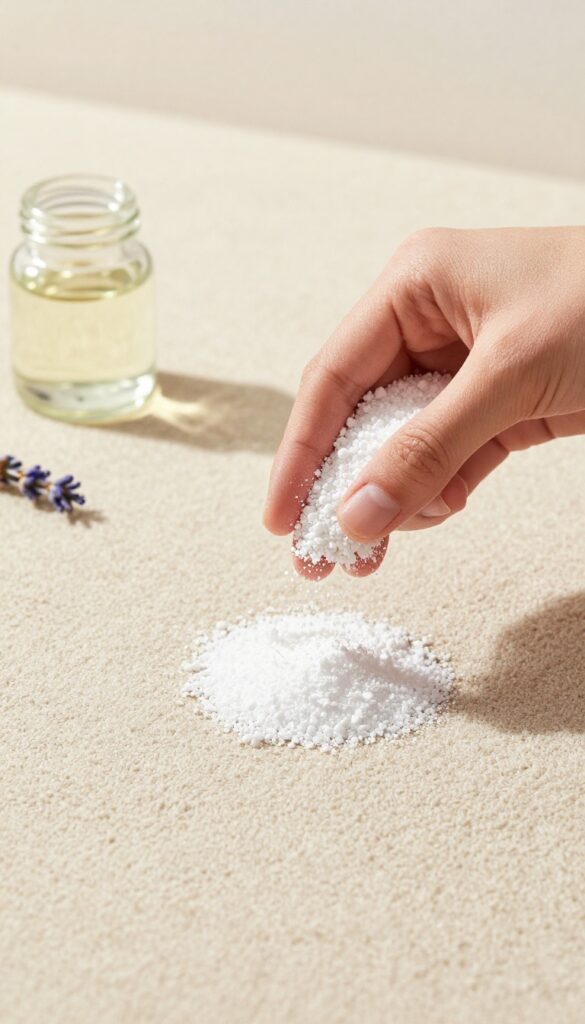
Borax isn't just for laundry—it's a powerhouse for deep-cleaning carpets. When mixed with a few drops of your favorite essential oil, it becomes a custom deodorizer that tackles odors without leaving a sticky residue. This two-ingredient hack is safe for most carpets and costs pennies per use.
Mix 1 cup of borax with 20 drops of essential oil (like lavender, lemon, or tea tree) in a jar. Shake well, then sprinkle the mixture evenly over your carpet. Let it sit for 30 minutes to absorb odors and lift dirt.
Vacuum thoroughly. The borax neutralizes smells while the oil leaves a light, natural scent. Avoid using on wool or silk carpets—test in an inconspicuous area first.
Why Borax Works
Borax has a high pH that breaks down acidic odors from pets, smoke, and spills. It also acts as a mild abrasive to loosen embedded dirt, making vacuuming more effective. Unlike baking soda, borax doesn't clump when exposed to humidity.
Best Essential Oil Combos
For a fresh, clean scent, use lemon or orange. To fight pet odors, try tea tree or eucalyptus. Lavender is great for bedrooms.
Avoid oils that stain, like cinnamon or clove. Stick to 20 drops per cup to prevent overpowering smells.
Pro Tips For Best Results
Vacuum first to remove surface debris, then apply the borax mix. Let it sit longer—up to an hour—for stubborn odors. Use a stiff brush to work the powder into the fibers.
Always vacuum slowly in multiple directions to pick up all the powder.
17. Glycerin for Dried-On Stains
Dried-on stains can feel impossible, but glycerin is a gentle yet effective softener that breaks down stubborn residue without damaging carpet fibers. Unlike harsh solvents, glycerin works slowly to rehydrate the stain, making it easy to lift away. This hack is perfect for old food spills, dried mud, or even set-in juice marks.
Why Glycerin Works
Glycerin is a humectant, meaning it attracts moisture. When applied to a dried stain, it penetrates and rehydrates the residue, loosening its grip on the carpet fibers. This makes the stain much easier to blot away without scrubbing, which can damage the carpet.
Step-by-step Application
Start by blotting any loose debris. Apply a few drops of glycerin directly onto the stain, just enough to cover it. Let it sit for 20 minutes—don't rush this step.
Then mix equal parts white vinegar and water, dip a clean cloth into the solution, and blot the stain gently. The glycerin and vinegar work together to lift the stain away.
Best Stains For This Hack
Glycerin is especially effective on organic stains like coffee, tea, fruit juice, and dried mud. It's also safe for most carpet types, including wool and synthetic blends. Avoid using it on stains that contain grease or oil, as glycerin is water-based and won't break down fats.
18. Paper Towels and a Heavy Book for Set-In Spills
Some spills sit for hours before you notice them. By then, the liquid has soaked deep into the carpet fibers and the stain has set. But don't give up—this simple trick uses items you already have to pull the moisture back out.
Paper towels and a heavy book work together to lift the spill, not push it deeper.
When a spill has had time to settle, blotting alone won't cut it. The liquid has traveled below the surface, and you need sustained pressure to draw it out. That's where paper towels and a heavy book come in.
Lay a thick stack of paper towels over the stain, place a heavy book on top, and leave it overnight. The weight presses the towels into the carpet, and the paper absorbs the moisture as it rises. In the morning, you'll see a noticeable difference.
Repeat if needed, then blot any remaining dampness with a clean cloth.
Why Weight Works
The key is consistent pressure. Without weight, paper towels just sit on the surface and only catch what's already there. A heavy book pushes the towels deep into the fibers, creating constant contact that wicks moisture upward.
This is especially effective for spills that have dried into a crust—the moisture underneath gets pulled out over several hours.
Best Spills For This Method
This hack works best on water-based spills like juice, soda, or coffee that have had time to dry. It's also great for pet accidents that have soaked in. Avoid using it on greasy stains, because oil won't wick into paper towels the same way.
For oily messes, use a different method like dish soap and water.
Tips For Success
Use plain white paper towels, not printed or textured ones—they can transfer dye or leave lint. Make sure the book is heavy enough to press firmly, like a thick hardcover or a textbook. If the stain is large, use multiple stacks of towels and a bigger book or a stack of books.
Check the towels after a few hours and replace them if they're soaked through.
19. Enzyme Cleaner for Pet Accidents
Pet accidents happen, but the smell doesn't have to linger. Enzyme cleaners are your best friend for breaking down the proteins in urine that cause stubborn odors. Unlike regular cleaners that just mask the smell, enzymes actually digest the source.
When your pet has an accident, act fast. Blot up as much liquid as possible with paper towels. Then apply an enzyme cleaner according to the label directions—usually letting it sit for 10–15 minutes.
Blot again and let the area air dry completely. The enzymes need time to work, so don't rush the process.
Why Enzymes Work
Enzymes are biological catalysts that break down organic matter like urine proteins into smaller, odorless molecules. This eliminates the smell at its source rather than covering it up.
How To Apply Correctly
Always test on a hidden area first. Saturate the stain thoroughly, but don't soak the carpet padding. Let it dwell as directed—usually 10–15 minutes—then blot dry.
Avoid heat or steam cleaning until the area is fully dry, as heat can set the stain.
When To Repeat
Old or set-in stains may need a second application. If the smell returns after drying, reapply and let it sit longer. Patience pays off with enzyme cleaners.
20. Fabric Softener and Water for Static
Static cling isn't just for clothes—your carpet can zap you every time you walk across it, especially in dry winter months. The fix is simpler than you think: a mix of fabric softener and water. This hack not only tames static but also leaves your carpet feeling softer and smelling fresh without a trip to the store.
Combine one capful of liquid fabric softener with water in a spray bottle. Shake gently to mix, then lightly mist your carpet—don't soak it. Focus on areas where static is worst, like near doorways or under furniture.
The softener's antistatic agents neutralize electrical charges, while the water helps distribute it evenly. Let it air dry, and you'll notice the difference immediately.
Why This Works
Fabric softener contains cationic surfactants that reduce static electricity by coating carpet fibers with a thin, conductive layer. This prevents charge buildup, so you stop getting shocked. Plus, the softener adds a subtle fragrance and makes fibers feel softer underfoot.
Best Areas To Treat
High-traffic spots and dry rooms benefit most. Focus on hallways, living room walkways, and areas near heating vents. Avoid over-spraying on delicate or berber carpets—test in a hidden corner first.
For large rooms, use a pump sprayer for even coverage.
Pro Tips For Best Results
Use a low-water setting on your spray bottle to avoid wetting the carpet pad. Mist from a distance of 12-18 inches for a fine, even coat. If static returns after a few days, reapply as needed.
For a natural alternative, swap fabric softener with white vinegar (same ratio)—it also reduces static and deodorizes.
21. Dryer Sheets for Quick Freshening
Dryer sheets aren't just for laundry—they double as a fast carpet freshener. Rubbing a sheet over your carpet picks up dust, pet hair, and leaves behind a light, pleasant scent. It's perfect for a quick refresh between vacuuming or before guests arrive.
When you need a fast pick-me-up for your carpet without pulling out the vacuum, a dryer sheet can do the trick. The anti-static properties help lift dust and hair from the fibers, while the fragrance lingers for hours. Just grab a fresh sheet and rub it gently over the carpet surface in a sweeping motion.
Focus on high-traffic areas or spots that feel a bit dull. This hack works best on low-pile carpets; for thicker carpets, use a bit more pressure. It's not a deep clean, but it's a great quick fix for a fresher room.
How Dryer Sheets Work On Carpet
Dryer sheets contain fabric softeners and anti-static agents that reduce static cling. When rubbed on carpet, they neutralize static electricity, which attracts dust and hair. The sheet's texture also acts like a mild abrasive to loosen surface dirt.
Plus, the fragrance oils transfer to the fibers, giving a fresh scent that lasts a day or two.
Best Practices For Using Dryer Sheets
Use a new sheet for each session to avoid transferring dirt back onto the carpet. Rub in one direction to prevent tangling fibers. Avoid over-wetting the sheet—it should be dry.
This method is safe for synthetic carpets but test on a small area first for delicate natural fibers. Don't use it as a substitute for vacuuming, but as a quick refresh between cleanings.
When To Skip This Hack
If your carpet has heavy stains or odors, dryer sheets won't solve the problem. They're not a cleaning agent—just a surface freshener. For pet accidents or deep-set dirt, stick to enzymatic cleaners or steam cleaning.
Also, avoid dryer sheets on wool or silk carpets, as the chemicals may cause discoloration.
22. Carpet Cleaning Machine with Vinegar Rinse
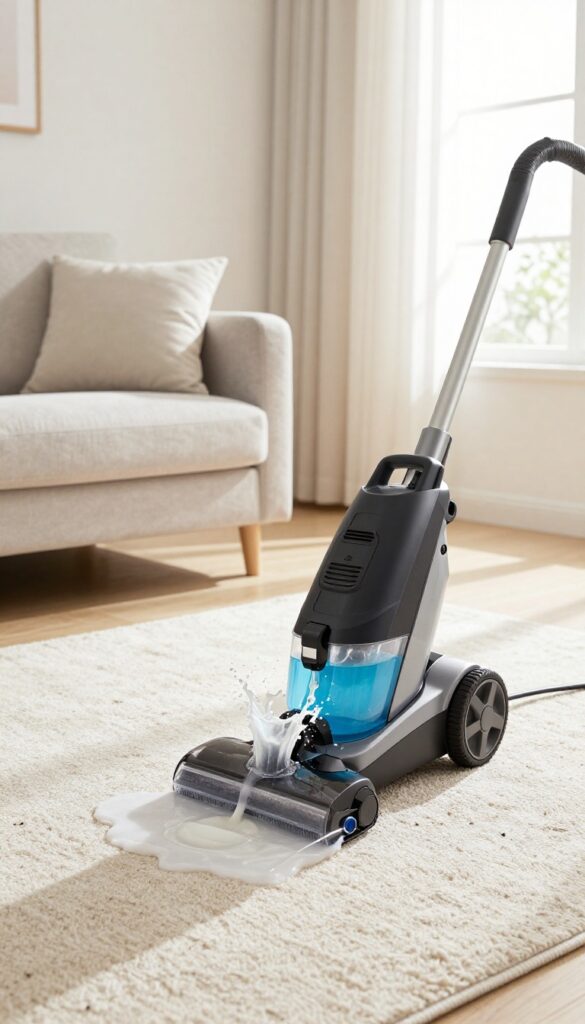
Renting a carpet cleaning machine is a great way to deep clean your carpets without buying expensive equipment. But many people skip the final rinse step or use too much detergent, leaving behind sticky residue that actually attracts dirt faster. Adding a cup of white vinegar to the rinse water solves this problem perfectly.
Vinegar is a natural acid that breaks down leftover detergent and helps brighten carpet fibers. It also neutralizes odors and leaves carpets feeling softer. This hack is especially useful if you have pets or kids, as it ensures no chemical residue remains.
Just fill the machine's rinse tank with water and add one cup of white vinegar, then run a final pass over the carpet. The slight vinegar smell disappears as it dries.
Why Vinegar Works
White vinegar is acidic enough to dissolve alkaline detergent residues that plain water can't remove. It also acts as a mild disinfectant and deodorizer. The acetic acid in vinegar helps restore the carpet's natural pH balance, making fibers look brighter and feel less stiff.
How To Use It
After cleaning your carpet with the machine's detergent solution, empty the dirty water tank and refill the clean water tank with fresh water. Add one cup of white vinegar. Run the machine over the carpet again, following the same pattern as your initial cleaning.
Let the carpet dry completely before walking on it. The vinegar smell will dissipate within a few hours.
Tips For Best Results
Use this vinegar rinse only with rental or home carpet cleaning machines that have a separate rinse tank. If your machine doesn't have one, you can mix vinegar into the detergent tank after the cleaning cycle, but be sure to rinse thoroughly. Avoid using vinegar on wool or silk carpets, as the acid can damage natural fibers.
Always test on an inconspicuous area first.
23. Preventative Mats at Entryways
You've probably heard that an ounce of prevention is worth a pound of cure, and that's especially true for carpets. The dirt, mud, and grime that get tracked in from outside are the number one cause of carpet wear and staining. By placing high-quality mats at every entry point, you can stop most of that mess before it ever touches your carpet fibers.
Think of entryway mats as your carpet's first line of defense. They trap dirt, moisture, and even bacteria from shoes, dramatically reducing how often you need to vacuum or shampoo. The key is to use both an outdoor scraper mat and an indoor absorbent mat.
The outdoor mat removes loose dirt and debris, while the indoor mat catches finer particles and absorbs any remaining moisture. This simple two-mat system can cut the amount of dirt tracked into your home by up to 80%, according to some studies. Not only does this keep your carpets cleaner, but it also extends their lifespan and reduces the frequency of deep cleaning.
Plus, it's a one-time investment that pays off in saved time and effort.
Choosing The Right Mat Materials
Not all mats are created equal. For outdoor use, look for a coarse, scraper-style mat made from rubber, coir (coconut fiber), or heavy-duty polypropylene. These materials are designed to scrape off mud and dirt.
For indoor mats, go with absorbent materials like microfiber, cotton, or nylon. These will soak up any leftover moisture and trap fine dust. Avoid rubber-backed indoor mats if your floors are sensitive to staining, as some rubber compounds can discolor certain carpet types.
Placement And Maintenance Tips
Place mats at every exterior door, including garage and patio entries. Make sure the outdoor mat is large enough for at least two full steps, so people naturally wipe their feet. Indoor mats should be placed just inside the door, ideally extending a few feet into the room.
Shake out or vacuum outdoor mats weekly, and wash indoor mats according to the manufacturer's instructions—usually every month or so. Replace mats when they become worn or less effective.
Bonus: Matting For High-traffic Areas
In addition to entryways, consider placing runners or mats in hallways, kitchen sinks, and pet feeding areas. These high-traffic zones accumulate dirt and spills quickly. Using washable runners in these spots can protect your carpet and make cleanup a breeze.
Just roll them up and toss them in the wash whenever they get dirty.
24. Shoes-Off Policy for Less Dirt
The simplest way to keep carpets clean is to stop dirt at the door. A shoes-off policy dramatically reduces the amount of grit, mud, and bacteria tracked onto your floors. It's an easy habit that pays off with less vacuuming and fewer deep cleans.
Shoes pick up all sorts of grime from outside—dirt, pollen, oil, even traces of fertilizer. When you walk on carpets, that debris gets ground into the fibers, causing wear and stubborn stains. By taking shoes off at the entrance, you prevent most of that mess from ever reaching your carpet.
Pair the rule with a sturdy doormat and a designated shoe rack to make the transition seamless. Family and guests will quickly adapt, especially if you provide indoor slippers or cozy socks.
Set Up A Drop Zone
Create a designated area near the door with a bench or chair for easy shoe removal. Place a large, absorbent mat to catch any lingering dirt. Add a basket or cubby for shoes so they're out of the way.
This makes the habit effortless and keeps your entryway tidy.
Communicate The Policy Clearly
A friendly sign or a verbal reminder when guests arrive helps enforce the rule without being rude. Explain that it keeps carpets cleaner and reduces allergens. Most people understand and appreciate the logic, especially if you offer them clean slippers or socks.
Maintain Clean Floors Underfoot
Even with shoes off, bare feet and socks can still transfer oils and dust. Regularly vacuum and spot-clean high-traffic areas. Consider using a carpet freshener or baking soda to absorb any residual odors.
A clean floor feels better underfoot and encourages compliance.
25. Regular Professional Cleaning Schedule
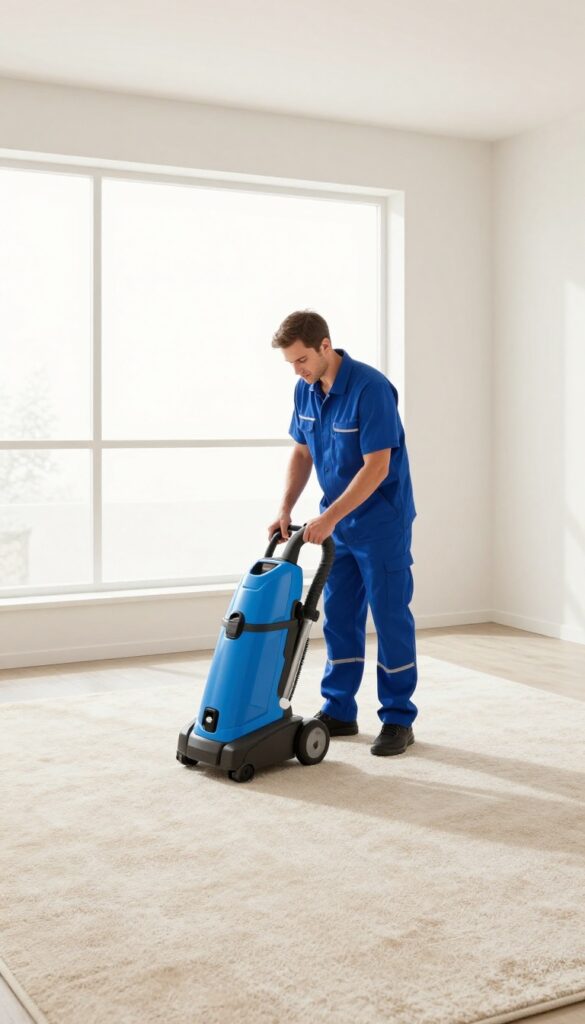
Even the best DIY hacks can't replace a thorough professional cleaning. Over time, dirt, allergens, and bacteria build up deep in carpet fibers where your vacuum and spot treatments can't reach. Scheduling a pro deep clean every 12 to 18 months not only removes that hidden grime but also helps your carpet last years longer.
Professional cleaners use hot water extraction (steam cleaning) to flush out embedded dirt and sanitize the fibers. This process also helps restore the carpet's texture and color, making it look almost new. Plus, it's a great way to reset your carpet's freshness before tackling everyday maintenance again.
Why Every 12–18 Months?
That timeline strikes the right balance between cost and necessity. In high-traffic homes or with pets and kids, aim for closer to 12 months. For lower-traffic areas, 18 months is fine.
Regular professional cleaning prevents dirt from grinding fibers down, which causes premature wear.
What To Expect During A Pro Cleaning
The technician will pre-treat stains, apply a cleaning solution, then use a powerful machine to extract dirt and water. The carpet dries in a few hours, but you'll want to avoid walking on it until fully dry. Some companies offer deodorizing or stain-protection treatments as add-ons.
How To Prep For The Appointment
Vacuum thoroughly first to remove loose debris. Move small furniture and breakables out of the way. Point out any stubborn stains or problem areas so the pro can give them extra attention.
Clear pathways so the technician can work efficiently.
FAQ
Can I use bleach on my carpet?
Avoid bleach on carpets. It can discolor fibers and damage the backing. Stick to gentler options like vinegar or hydrogen peroxide.
How often should I vacuum my carpet?
Vacuum high-traffic areas at least twice a week and the rest of the carpet once a week. More often if you have pets.
What's the best way to remove pet urine odor?
Use an enzyme cleaner specifically designed for pet stains. It breaks down the proteins that cause odor. Blot thoroughly and let it dry.
Can I mix vinegar and baking soda on carpet?
Yes, but do it carefully. Sprinkle baking soda, then spray vinegar. The fizz helps lift dirt, but blot afterward to avoid residue.
How do I get rid of carpet static?
Lightly mist the carpet with a mixture of water and a capful of fabric softener. You can also rub a dryer sheet over the surface.
Conclusion
Keeping your carpets fresh doesn't have to be a chore. With these 25 hacks, you can tackle stains, odors, and dullness without spending a fortune or calling in the pros. Pick a few that fit your lifestyle—maybe the baking soda trick for odors or the vinegar solution for tough stains—and make them part of your routine.
Your carpets will look better, smell cleaner, and last longer. Start with one tip today and see the difference a little effort makes.