9 Pretty Kitchen Painting Ideas for a Home That Feels Easy to Use
Painting your kitchen is one of the fastest ways to refresh the heart of your home. But when you're working with a compact layout, every color choice matters more.
The right paint can trick the eye, open up the room, and even make your morning coffee routine feel smoother. Whether you're renting or own, these nine ideas are designed for small kitchens that need to work hard and look good.
Let's dive into shades and techniques that bring personality without sacrificing function.
1. Soft White on Upper Cabinets, Deep Navy Below
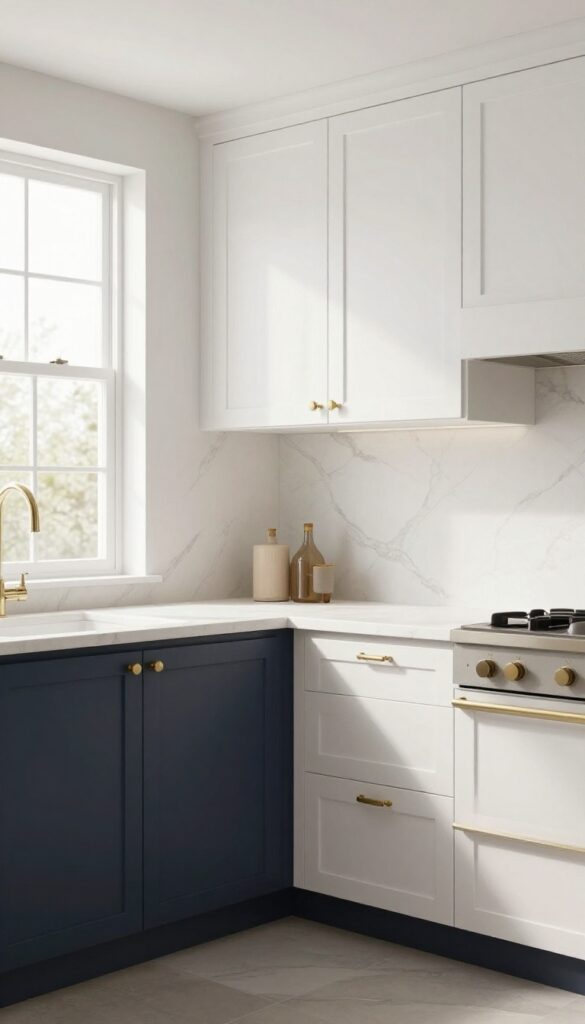
A two-tone cabinet look that keeps the upper half light and airy while grounding the space with a rich navy base. This contrast draws the eye upward, making the ceiling feel higher, and the darker lower cabinets hide everyday wear and tear. In a small kitchen, this trick visually expands the room without knocking down a single wall.
Why It Works
The light upper cabinets reflect natural and artificial light, preventing the space from feeling boxed in. Meanwhile, the deep navy base adds weight and sophistication, creating a balanced, intentional look that feels custom. It’s a smart way to introduce color without overwhelming a compact footprint.
Best For
Small to medium kitchens where you want a bold color but worry about making the room feel smaller. This approach works especially well in galley kitchens, L-shaped layouts, or any space with limited window light.
Styling Tip
Keep countertops and backsplash neutral—think white quartz or marble-look ceramic—to let the navy shine. Add warm brass or brushed gold hardware on the lower cabinets to tie the look together and bring a touch of elegance.
2. Pale Sage Green on Walls with Glossy White Trim
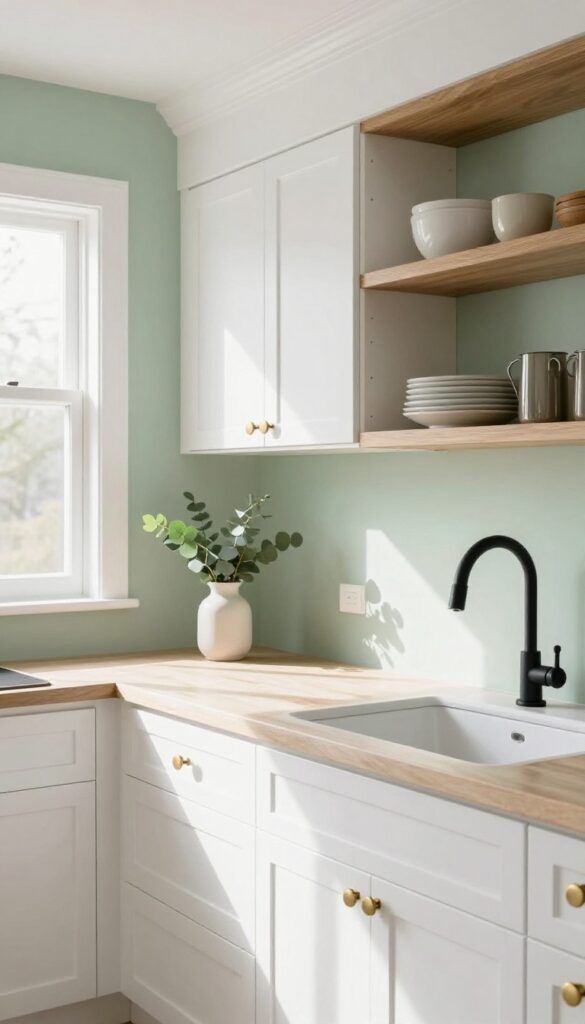
Sage green has become a go-to neutral for kitchens that want a whisper of color without shouting. On the walls, this soft, earthy shade wraps the room in a calm, organic feel—like a breath of fresh air. Pair it with glossy white trim and ceiling, and something shifts: the green stays grounded while the white pops, creating crisp lines that define the space and keep it from feeling flat.
The high-sheen finish on the trim catches light from windows and fixtures, adding a subtle lift that makes even a compact kitchen feel a little more open.
Why It Works
This color combo works because it balances warmth and brightness. The pale sage is gentle enough to recede visually, so walls don't close in on you, while the glossy white trim acts like a visual boundary that sharpens the room's architecture. The light reflection from the trim helps bounce natural light around, which is a quiet trick for making a small kitchen feel bigger and more airy.
Best For
Small kitchens with limited natural light, galley layouts, or kitchens that open into a living area where you want a seamless flow. It's also a great choice if you love green but worry about going too dark—this shade stays soft and livable.
Styling Tip
Stick with warm wood accents—like a butcher block countertop or open shelves in oak—to keep the space from feeling too cool. Add a few matte black or brass fixtures (faucet, cabinet pulls) for contrast that doesn't compete with the green. Keep countertops clutter-free to let the wall color and trim do the heavy lifting.
3. One Accent Wall in Warm Terracotta
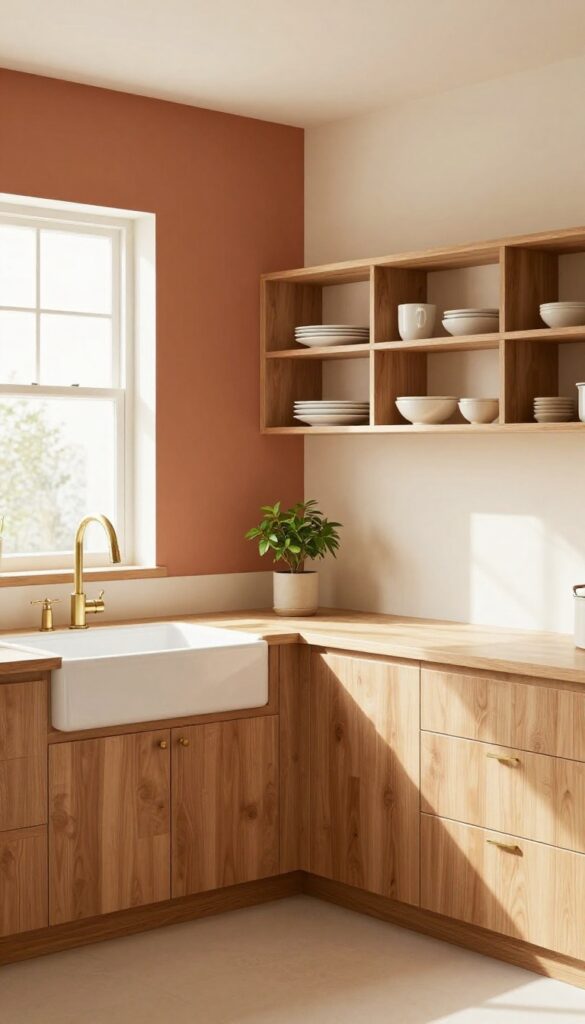
A single wall painted in warm terracotta can transform a small kitchen without overwhelming it. Choose the wall behind the stove or sink to create a natural focal point that draws the eye and adds depth. The earthy hue brings a cozy, grounded feel while the remaining neutral walls keep the space open and airy.
Why It Works
Terracotta adds warmth and personality without closing in the room, making it perfect for compact kitchens. By limiting the color to one wall, you avoid visual clutter and maintain a sense of spaciousness. The contrast between the accent wall and light neutrals creates visual interest that feels intentional and balanced.
Best For
Small kitchens where you want a pop of color but can't spare the visual weight of painting all four walls. It's also great for galley kitchens, L-shaped layouts, or any space where you want to highlight a specific area like the cooking zone or sink.
Styling Tip
Pair the terracotta wall with warm wood accents, brass fixtures, and creamy white cabinets. Add open shelving with a few ceramic dishes or a small plant to tie the color into the rest of the room. Keep countertops clutter-free to let the accent wall shine.
4. High-Gloss White on Ceiling and Upper Walls
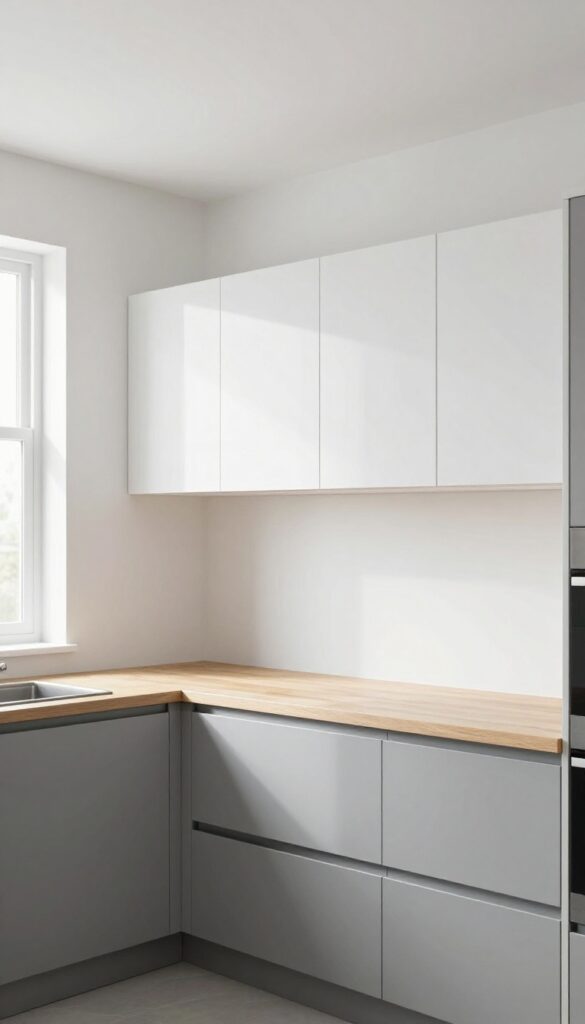
A glossy ceiling might sound like a bold move, but in a small kitchen, it's pure magic. The high-shine finish acts like a mirror, bouncing natural and artificial light around the room to make the space feel open and airy. Pairing it with matte lower cabinets adds just enough contrast to keep the look grounded.
Why It Works
The reflective surface tricks the eye into perceiving more depth and height, which is especially valuable in kitchens with limited square footage or low ceilings. It maximizes every ray of light, making the room feel brighter without adding extra fixtures.
Best For
Tiny kitchens, galley layouts, and any space that lacks abundant natural light. It's also a great choice for rental kitchens where you can't change the footprint but can still create an illusion of size.
Styling Tip
Keep the lower cabinets in a matte finish—try a soft gray or warm wood tone—to create a subtle contrast that prevents the room from feeling too sterile. Use the same high-gloss white on the upper cabinets for a seamless, continuous look.
5. Chalkboard Paint on a Narrow Backsplash Strip
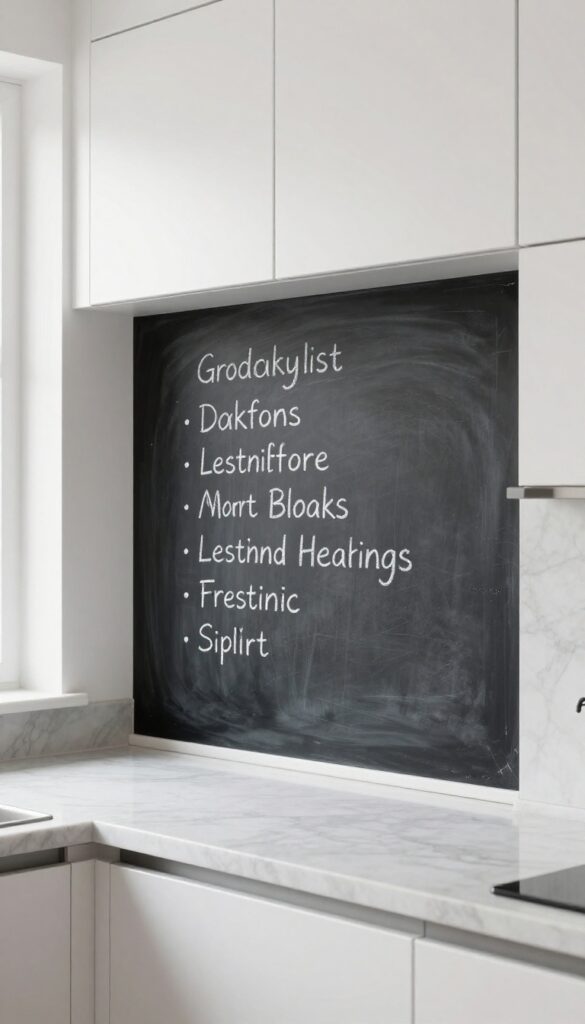
That slim strip of wall between your counter and upper cabinets often feels like wasted space. Turn it into a chalkboard surface instead. The dark matte finish adds a modern contrast against lighter cabinets or countertops, and the functionality is hard to beat—jot down grocery lists, meal plans, or a quick reminder.
Just make sure to seal it properly so it holds up against kitchen moisture and cleaning.
Why It Works
Chalkboard paint transforms an underused vertical sliver into a practical tool. It's especially smart in small kitchens where wall space is precious. The matte black or dark gray finish also creates a visual break, adding depth without taking up any floor or counter space.
Best For
This idea is perfect for galley kitchens or any layout with a narrow backsplash area. It works well in rental kitchens too, since you can paint a removable board or apply it directly to the wall and repaint when you move out.
Styling Tip
Keep the chalkboard strip clean and intentional by framing it with thin trim or painting it within a defined rectangular section. Use liquid chalk markers for a crisp, smudge-free look, and wipe it down regularly to prevent ghosting.
6. Butter Yellow on Open Shelving Backsplash
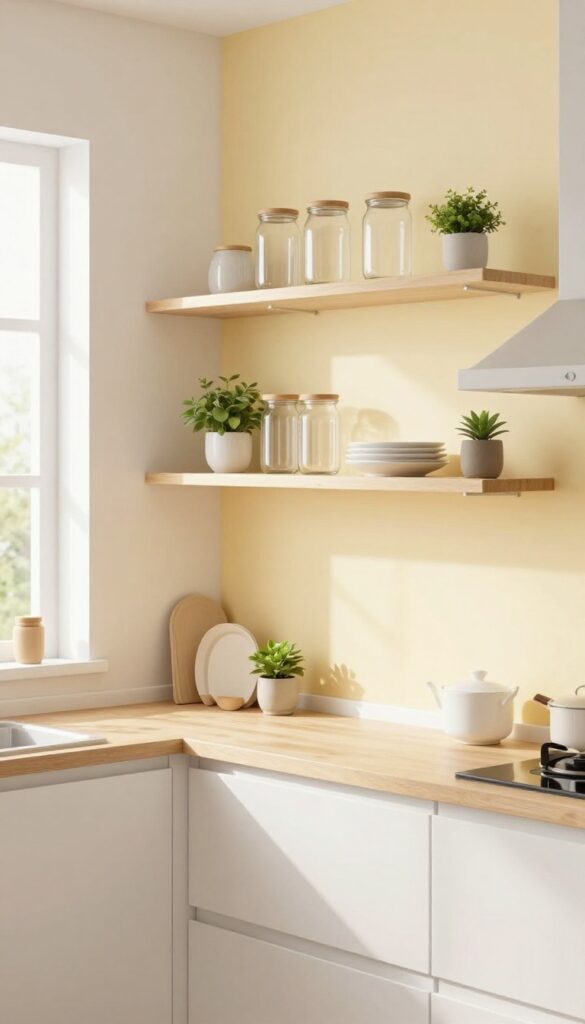
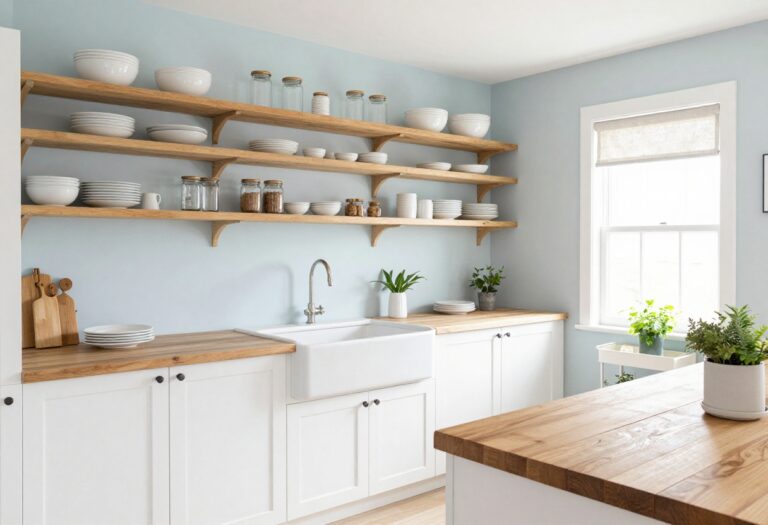
If you have open shelving in a small kitchen, the wall behind it is prime real estate for a little color. Painting just that narrow strip a soft butter yellow creates a warm glow that makes dishes and glassware stand out beautifully. It's an unexpected pop of sunshine that feels cheerful without overwhelming the room, and because it's a small area, you can easily repaint if your taste changes.
Why It Works
Butter yellow is a low-saturation color that reads as neutral but adds warmth. It bounces light around the shelves, making the space feel bigger and more open. The contrast against white or light wood shelves keeps the look airy, while the yellow adds personality that plain white walls can't match.
Best For
Small kitchens with limited natural light, where a sunny accent can brighten the whole room. It also works well in galley kitchens or breakfast nooks where you want a cozy, inviting feel without committing to a full wall of color.
Styling Tip
Keep the shelves fairly minimal so the yellow backsplash stays the focal point. Mix clear glass jars, white ceramic dishes, and a few green plants to complement the yellow without clashing. For a cohesive look, choose a butter yellow that has a hint of creaminess rather than a bright lemon tone.
7. Two-Tone Wainscoting with Soft Gray and White
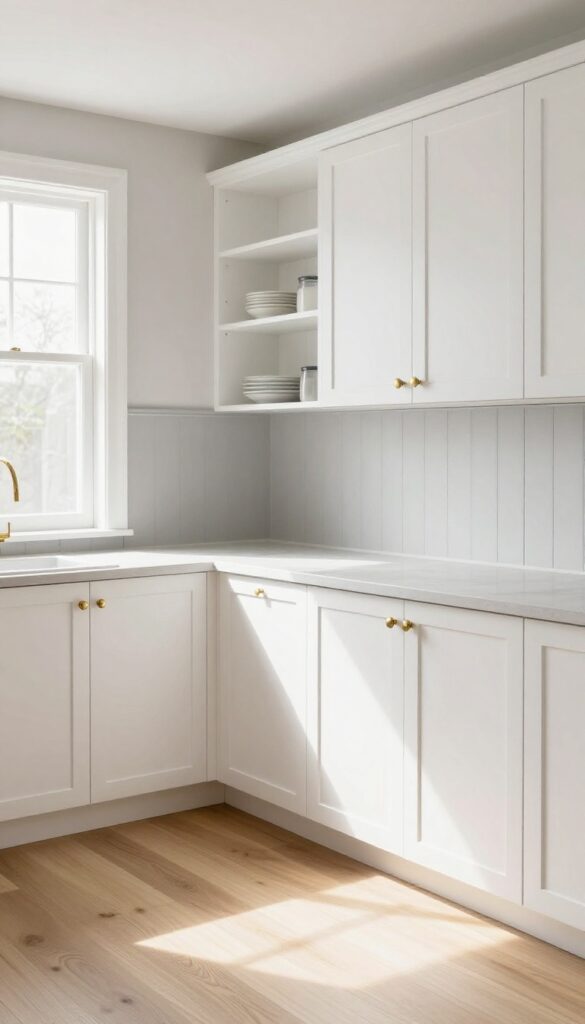
A narrow kitchen can feel cramped, but a simple two-tone wainscoting trick opens it up visually. Install beadboard or flat-panel wainscoting on the lower half of the walls in a soft gray—think warm dove or pale slate. Keep the upper walls crisp white to reflect light and draw the eye upward, making the room feel taller and wider.
This classic treatment adds instant architectural interest without overwhelming a small space, and it pairs beautifully with both modern and traditional cabinetry.
Why It Works
The contrast between the gray wainscoting and white upper wall creates a horizontal line that visually widens the room. Soft gray grounds the space without darkening it, while white above keeps things airy. It's a budget-friendly way to add character and depth, especially in galley or L-shaped kitchens where wall space is limited.
Best For
This idea shines in narrow kitchens, galley layouts, or any small space that needs a dose of charm without sacrificing openness. It's also great for kitchens with limited natural light, since the white upper half helps bounce light around. Works well with both painted wood and laminate cabinets.
Styling Tip
Choose a gray with warm undertones to keep the look cozy—avoid cool grays that can feel sterile. For a seamless finish, paint the wainscoting and any trim the same gray. Add open shelving above in white to maintain the light, airy feel, and use brass or matte black hardware for a subtle pop.
8. Matte Black on Cabinet Hardware and Island Base
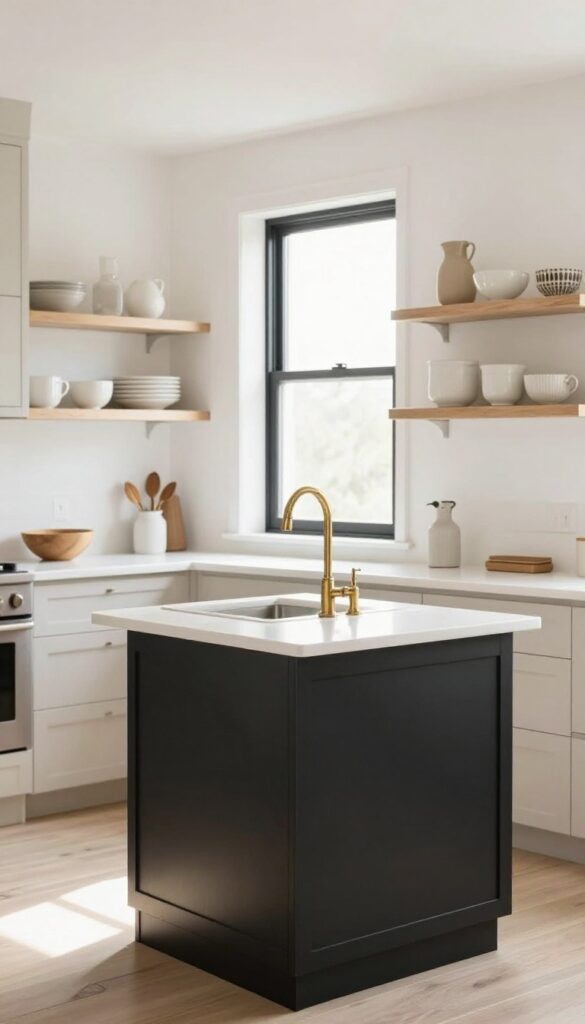
A small kitchen can feel like it's bursting at the seams when every surface is a different color. Matte black offers a quiet anchor—paint your cabinet hardware and the base of a compact island in this deep, non-reflective shade. It pulls the eye down and creates a solid foundation, making the rest of the kitchen feel more intentional and less cluttered.
The contrast is subtle but effective, adding a touch of drama without making the room feel closed in.
Why It Works
Matte black absorbs light rather than reflecting it, which prevents visual noise in a tight space. By limiting the dark hue to hardware and an island base, you get a grounded look without overwhelming the room. It also ties together other elements like black window frames or light fixtures, creating a cohesive, polished feel.
Best For
Small kitchens with light-colored cabinets and countertops. The black creates a necessary contrast that defines the island as a distinct zone, while the hardware echoes that darkness in a controlled way. It's especially effective in galley or L-shaped layouts where every inch needs to feel purposeful.
Styling Tip
Stick to matte black for both the hardware and island base to avoid competing finishes. Pair with warm brass or unlacquered brass faucets and pendant lights for a subtle contrast that keeps the space from feeling too flat. If your island has open shelving, display a few white ceramic pieces to maintain lightness.
9. Ombre Effect on a Pantry Door or Cabinet Front
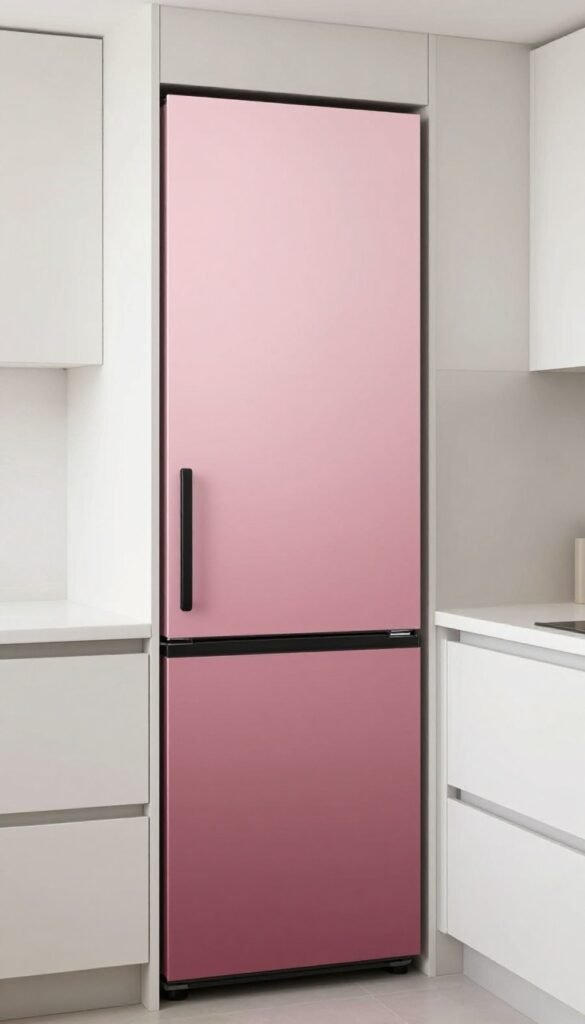
A gradient fade from a soft pastel at the top to a richer shade at the bottom turns a plain pantry door or cabinet front into a focal point. This ombre effect adds a custom, artistic touch that draws the eye upward, making the ceiling feel taller—perfect for a small kitchen. Keep the surrounding walls and cabinets neutral to let this feature truly pop without overwhelming the space.
Why It Works
The vertical gradient naturally leads the eye up, which tricks the brain into perceiving more height. In a compact kitchen, that visual lift makes the room feel airier and less cramped. Plus, it’s a low-commitment way to introduce color—you can stick with one hue in varying intensities for a cohesive look.
Best For
Small kitchens where you want a bold design statement without taking up floor space. It’s also great for renters if you use removable vinyl or paint that can be easily reversed. The ombre works especially well on a single door, like a pantry or a cabinet front that’s visible from the main cooking area.
Styling Tip
Choose a pastel like blush pink, mint green, or powder blue for the top, and deepen it to a dusty rose, sage, or navy at the bottom. Use a sponge or blending brush to create a smooth transition. Pair with matte black hardware and a simple white countertop to keep the look clean and modern.
FAQ
What paint finish is best for small kitchen walls?
Eggshell or satin finishes work well for walls—they reflect some light without being too shiny, and they're easier to clean than flat paint. For cabinets, use a semi-gloss or high-gloss finish for durability and easy wiping.
Can I paint my kitchen if I'm renting?
Yes, but check your lease first. Many landlords allow painting if you return the walls to the original color when you move out. Use removable wallpaper or peel-and-stick backsplash for a no-commitment option.
How do I make a small kitchen feel bigger with paint?
Stick with light, cool colors like soft whites, pale blues, or light grays. Paint the ceiling a shade lighter than the walls to create height. Using the same color on cabinets and walls can also blur boundaries and make the room feel larger.
What's the best way to paint kitchen cabinets?
Clean and sand them thoroughly first. Use a high-quality primer and a paint specifically formulated for cabinets. Apply thin, even coats with a foam roller or sprayer, and let each coat dry fully before the next.
Patience is key for a smooth finish.
Should I match my kitchen paint color to my countertops?
Not necessarily. Instead, choose a paint color that complements your countertops. For example, if you have warm wood counters, go with a creamy white or soft beige.
For cool gray counters, a pale blue or sage green can work beautifully.
Conclusion
Painting your kitchen is one of the most budget-friendly ways to make it feel fresh and functional, especially when space is tight. The key is choosing colors and techniques that work with your layout, not against it.
Whether you go for a bold accent wall or a subtle two-tone cabinet, each idea here is meant to make your daily routine a little easier and a lot prettier. So grab a brush, pick your favorite shade, and start transforming your kitchen into a space that truly feels like home.