10 Small 1 Bedroom Apartment Ideas That Feel More Open
Living in a small one-bedroom apartment doesn't mean you have to sacrifice style or comfort. With a few thoughtful tweaks, you can turn a compact space into a home that feels both open and wonderfully cozy. The secret lies in layering—mixing textures, playing with light, and choosing pieces that work double duty.
It's not about cramming in more stuff, but about making what you have feel intentional. A soft rug here, a mirror there, and suddenly your living area breathes easier.
Ready to see your apartment in a new light? These ten ideas will help you create a space that feels larger, warmer, and totally yours.
1. Float Furniture Away from Walls
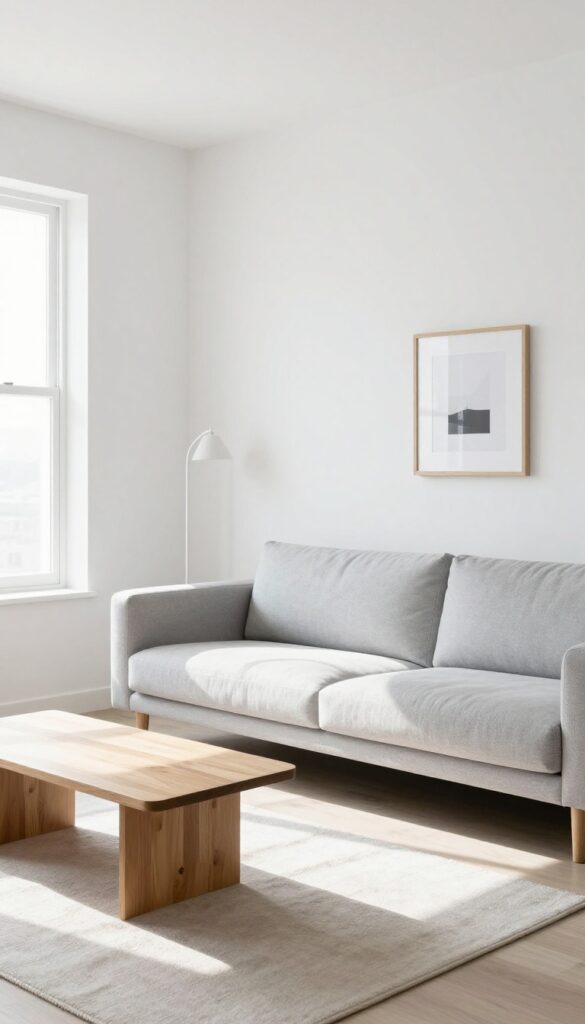
There’s a natural instinct to push every piece of furniture against the wall in a small apartment, but pulling pieces inward can change everything. By moving your sofa and chairs just a few inches away from the wall, you create a sense of breathing room that makes the whole layout feel more intentional. This simple shift adds depth and makes the space feel larger without losing any coziness.
Why It Works
When furniture is pulled away from the walls, it creates a subtle gap that tricks the eye into seeing more space. The room feels less like a hallway and more like a thoughtfully arranged living area. It also allows air and light to flow around the pieces, which keeps the layout feeling open and layered.
Best For
This trick is ideal for living rooms or studio apartments where the sofa is the main piece. It works especially well in narrow rooms that feel cramped when everything is lined up against the walls.
Styling Tip
Anchor the arrangement with a small side table or a slim floor lamp placed behind the sofa. This fills the gap visually and makes the floating layout feel intentional. Keep the wall behind the sofa simple—a single piece of art or a mirror works perfectly.
2. Layer Rugs to Define Zones
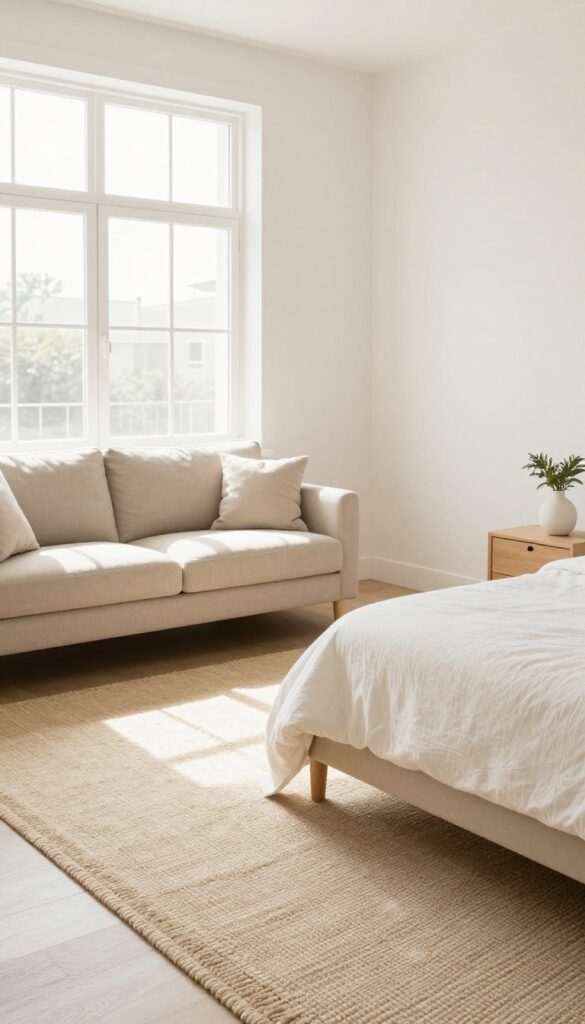
In a small one-bedroom apartment, the line between living and sleeping can blur fast. Layering two smaller rugs instead of one large one creates distinct zones without building a single wall. A flatweave under the sofa anchors the living area, while a plush shag near the bed adds softness underfoot.
The contrast in texture keeps the room feeling intentional and cozy, not chaotic.
Why It Works
Two rugs break up the floor visually, giving each zone its own identity. The different textures add depth and warmth, making the apartment feel layered and curated rather than sparse. This approach also lets you play with color or pattern in a controlled way—one rug can be neutral, the other a subtle accent.
Best For
Open-concept studio or one-bedroom layouts where the living and sleeping areas share one continuous floor. It’s especially useful if you want to define spaces without blocking light or sightlines.
Styling Tip
Keep the rugs in the same color family to maintain flow. For example, pair a cream flatweave with a warm beige shag. Overlap the edges slightly where the zones meet to create a seamless transition.
3. Hang Sheer Curtains High and Wide
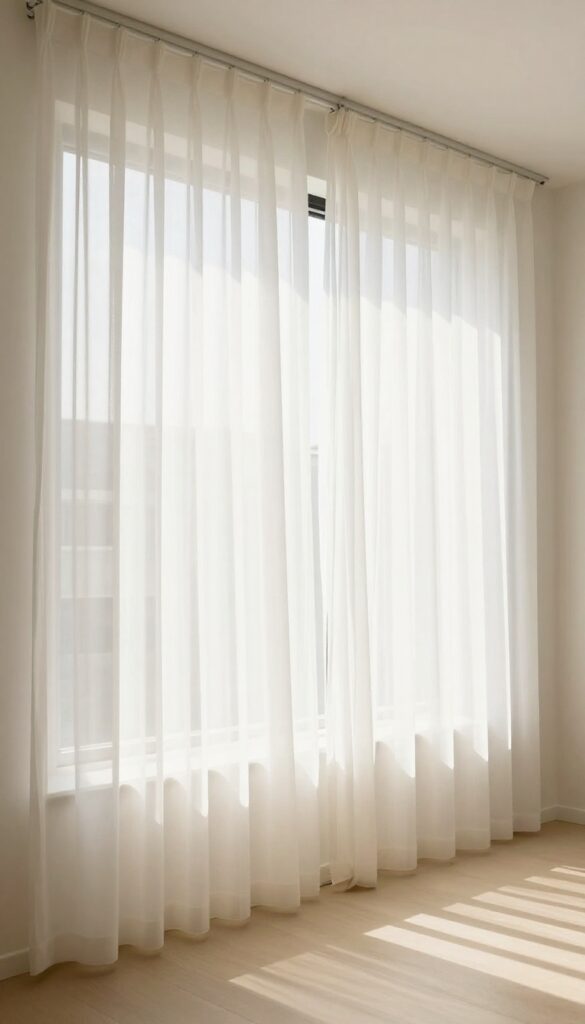
Curtains can make or break a small apartment. Hang them wrong, and they chop up the wall and swallow light. But when you mount the rod close to the ceiling and extend it well past the window frame, something shifts.
The room suddenly breathes. Sheer fabrics are the secret here—they filter sunlight instead of blocking it, casting a soft glow that makes everything feel softer and more spacious. In a cozy, layered space, these curtains add that whisper of texture without weighing things down.
Why It Works
By positioning the rod near the ceiling, you draw the eye upward, creating the illusion of taller walls and a loftier ceiling. Extending the rod past the window makes the window itself appear larger, which tricks the brain into thinking the room has more square footage. The sheer material keeps the space airy and bright, so you don't lose any of that precious natural light.
Best For
This trick works wonders in living rooms and bedrooms with standard 8-foot ceilings. It's especially effective in rooms that feel boxy or have small windows, because it visually expands both the height and width of the space. If your apartment gets good natural light, sheers will amplify that asset beautifully.
Styling Tip
Choose sheers in a tone that matches your wall color—white, cream, or a soft greige—so they blend in rather than create a harsh contrast. For a layered look, pair them with heavier curtains on the same rod, but keep those pulled open most of the time. A slight puddle of fabric on the floor adds a cozy, collected feel, just make sure the sheers themselves hover just above the ground to avoid dust collection.
4. Choose a Low-Profile Bed Frame
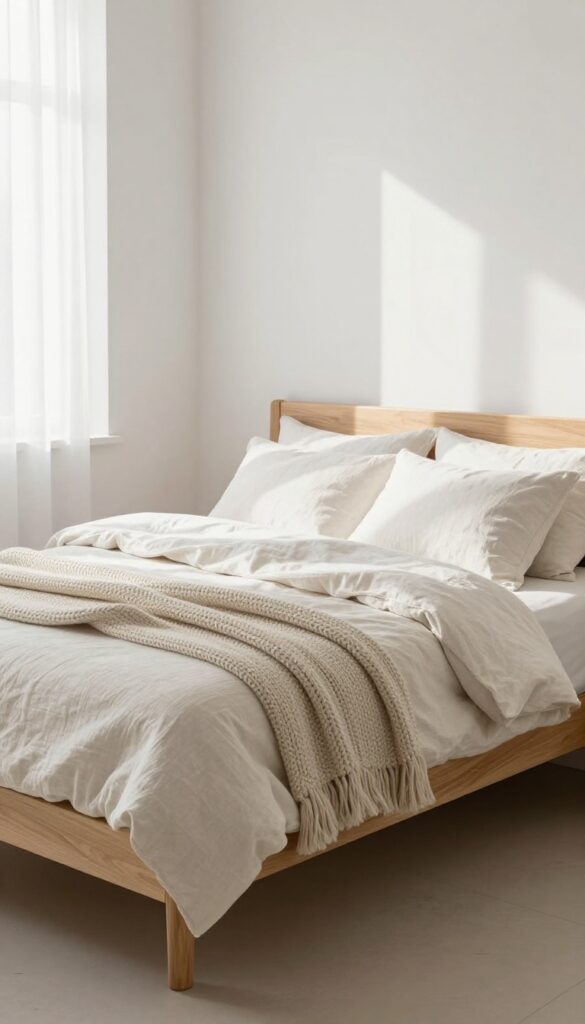
A bed frame that sits low to the ground instantly opens up a small bedroom. By keeping the sightline clear, the room feels less crowded and more serene. Pair it with a slim headboard or skip it entirely for a minimalist look that still feels cozy with layered textures.
Why It Works
A low-profile frame reduces visual bulk, making the ceiling appear higher and the floor space feel larger. It draws the eye horizontally rather than vertically, which helps a compact room breathe.
Best For
This works especially well in bedrooms with low ceilings or limited square footage. It's also a great choice if you want a modern, grounded aesthetic without sacrificing comfort.
Styling Tip
Add a chunky knit throw at the foot of the bed and a few soft pillows to introduce warmth and texture. Keep the bedding light in color to maintain an airy feel, and let the low frame be the star.
5. Use Mirrors as Art
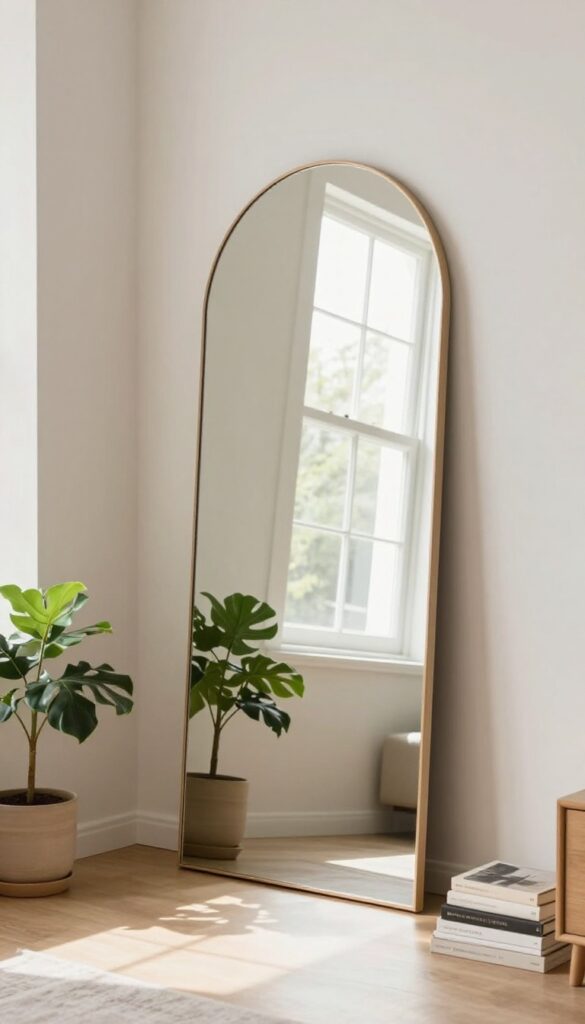
Mirrors are the ultimate multitasker in a small apartment. They bring light, depth, and a decorative focal point all at once. Leaning a large mirror against a wall or hanging one opposite a window instantly makes the room feel airier and more open, without sacrificing style.
Why It Works
A well-placed mirror doubles the visual space by reflecting light and views. It tricks the eye into thinking the room extends beyond its actual walls, which is exactly what a small apartment needs.
Best For
This trick works wonders in living rooms, dining nooks, or any spot that feels a bit tight. It's especially effective in dim corners or hallways where natural light is scarce.
Styling Tip
Choose an arched or round frame to soften the room's edges and add a sculptural element. Lean it against a wall for a casual look, or hang it at eye level to anchor a gallery wall. Pair with a small plant or stack of books at the base for extra warmth.
6. Opt for Multi-Functional Furniture
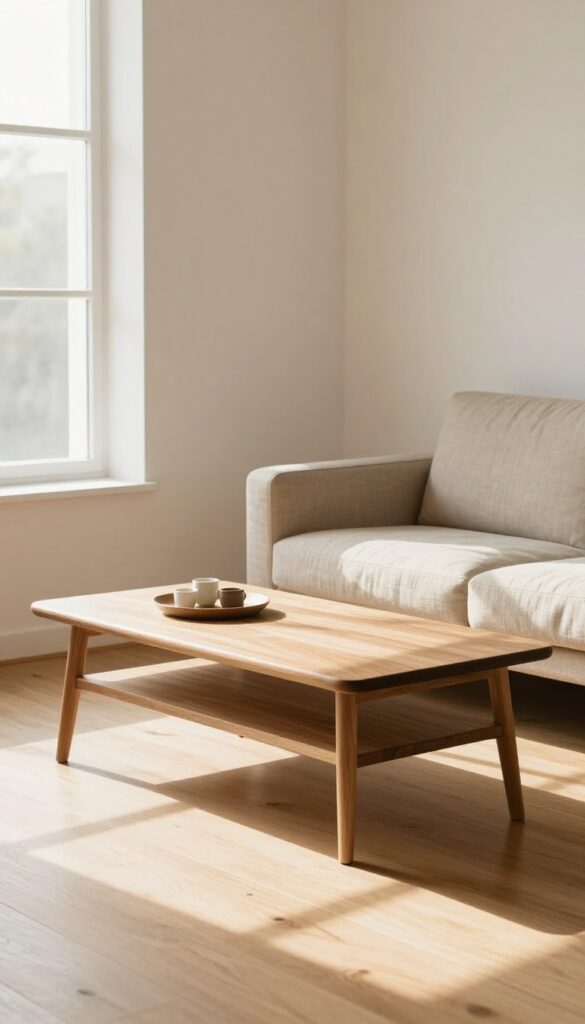
Every square inch counts in a small apartment, and the right furniture can pull double duty without sacrificing style. A storage ottoman, a nesting coffee table, or a desk that folds away keeps your space flexible and clutter-free. These pieces feel intentional and layered, especially when chosen in warm wood tones or soft upholstery that adds texture.
Why It Works
Multi-functional furniture reduces the need for extra pieces, freeing up floor space and visual breathing room. A single item that serves as seating, storage, and a surface keeps the layout clean and adaptable, making the apartment feel larger and more organized.
Best For
This approach works wonders in living rooms and home offices where you need to switch between entertaining, working, and relaxing. It's also ideal for entryways, where a slim console can hold keys and double as a dining spot for quick meals.
Styling Tip
Choose pieces with clean lines and a consistent finish—like a walnut nesting table or a linen-upholstered ottoman—to maintain a cohesive look. Add a small tray on top for everyday items, and keep the area around each piece minimal to highlight its dual purpose.
7. Create a Vertical Garden
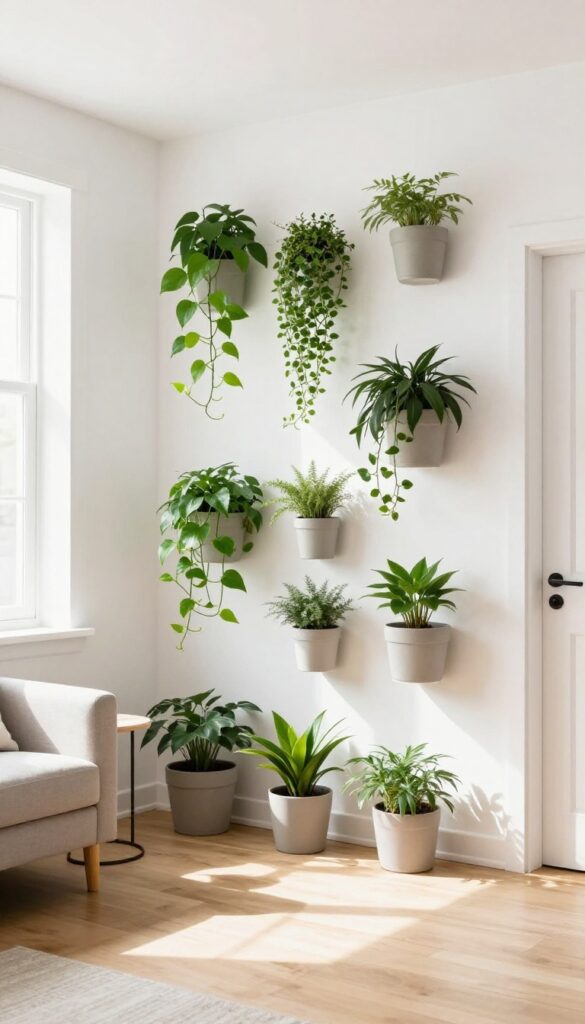
Blank walls in a small apartment can feel like wasted potential, especially when you crave a touch of nature. A vertical garden solves that by drawing the eye upward, making the ceiling feel higher and the room more alive. It’s a cozy, layered way to bring greenery in without sacrificing a single inch of floor space.
Why It Works
By using wall space instead of floor space, you keep the room uncluttered and open. Plants add softness and color, which makes a small space feel warm and inviting rather than sparse. The vertical arrangement also creates visual height, making the room appear larger.
Best For
This idea works beautifully in living rooms, entryways, or even above a kitchen counter. It’s especially effective in corners that feel empty or along a narrow wall that needs a focal point.
Styling Tip
Choose trailing plants like pothos or ivy for a cascading effect that softens hard edges. Stick to neutral or white pots to keep the look clean and airy. Mix in a few small upright plants for texture, and group them at different heights for a natural, layered feel.
8. Install Floating Shelves
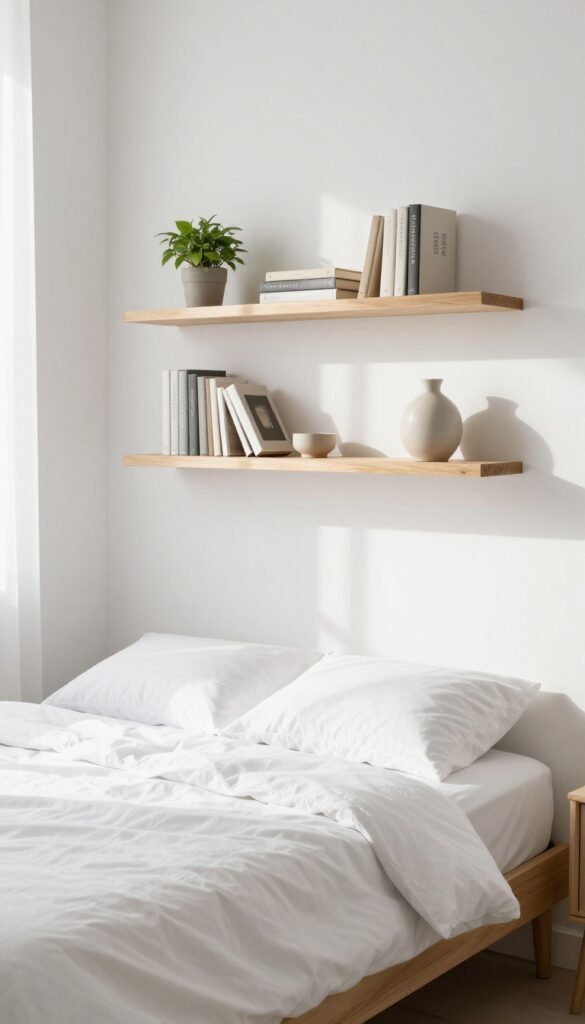
Swap out that bulky bookcase for a set of floating shelves, and your small bedroom will instantly feel more open. These slim ledges keep the floor clear while giving you plenty of room to display books, plants, and cherished decor. The trick is to arrange items in odd numbers and vary their heights—this creates a layered, collected look that feels intentional rather than cluttered.
Why It Works
Floating shelves eliminate the visual weight of a floor-standing unit, making the room feel larger and airier. By keeping the floor space open, you also create a cleaner line of sight, which is key in a small bedroom.
Best For
This idea works especially well above a bed, desk, or dresser where you want storage without sacrificing floor area. It's also great for renters since shelves are easy to install and remove without major damage.
Styling Tip
Mix a few stacked books with a small plant and a ceramic object for a balanced vignette. Stick to a cohesive color palette—neutral tones with one accent color—to keep the display looking calm and curated.
9. Use a Room Divider with Purpose
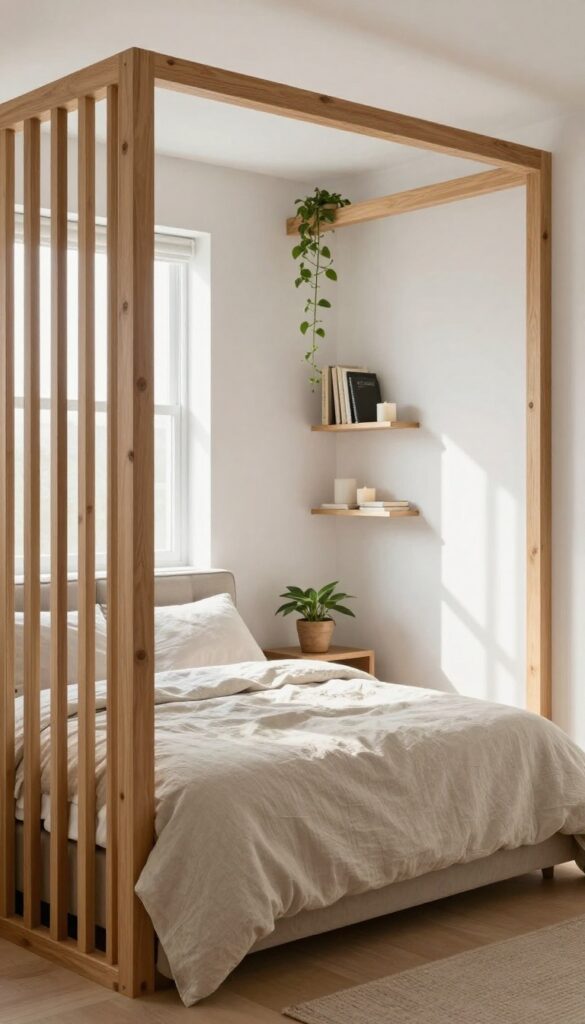
In a one-bedroom apartment, creating separate zones without sacrificing openness is a constant balancing act. A room divider that lets light filter through—like a slatted wood panel or a breezy macrame curtain—defines the sleeping area while keeping the whole space feeling airy and connected. It is a simple, layered solution that adds both privacy and texture.
Why It Works
A solid wall or heavy curtain can make a small apartment feel cramped and dark. By choosing a divider with open gaps or sheer material, you maintain visual flow and natural light throughout the room. The division feels intentional and soft, not abrupt.
Best For
This works wonderfully in studio or one-bedroom layouts where the bed sits near the living area. It is also great for renters who cannot build permanent walls but want a clear separation between sleep and lounge spaces.
Styling Tip
Lean into the cozy and layered angle by styling the divider with a trailing plant on top or a small shelf with books and a candle. If using a curtain, choose a natural linen or cotton in a warm neutral to keep the mood soft and inviting.
10. Stick to a Cohesive Color Palette
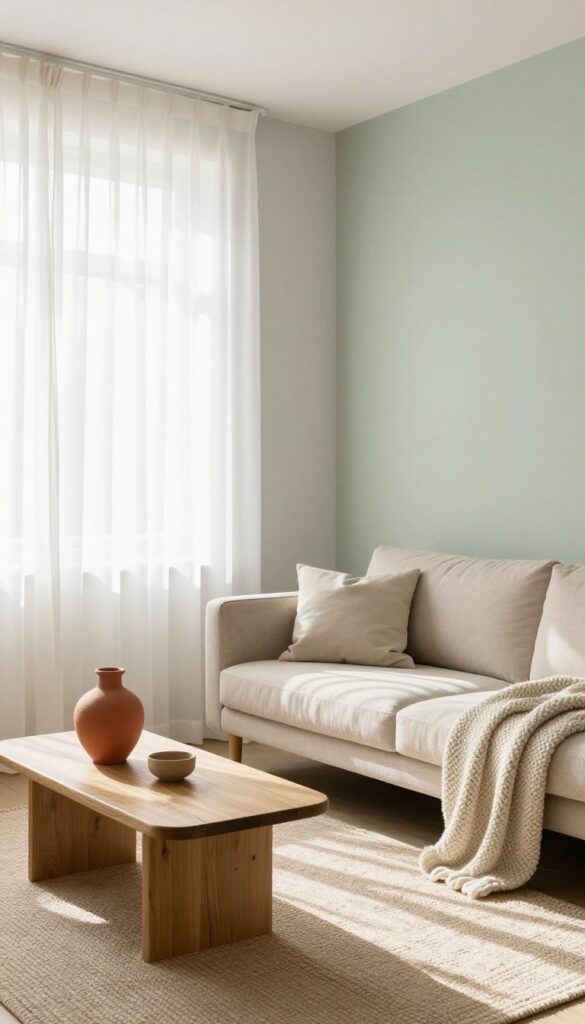
A scattered color scheme can make a small apartment feel choppy and smaller than it is. By limiting yourself to two or three soft, neutral tones and one accent color, you create a visual thread that pulls the whole space together. Think warm beige, creamy white, and a muted sage green, with touches of terracotta or rust for depth.
This doesn't mean boring—it means intentional. The result is a calm, layered look that feels both cozy and expansive.
Why It Works
When colors flow seamlessly from the living area into the bedroom or kitchen, your eye doesn't stop abruptly. That continuity tricks the brain into perceiving more square footage. Plus, a restrained palette reduces visual clutter, which is key in a small home.
Best For
Anyone who wants their studio or one-bedroom to feel like a serene retreat rather than a cramped rental. It's especially effective if you have an open floor plan and want distinct zones without walls.
Styling Tip
Add warmth through texture, not more colors. A chunky knit throw, a woven jute rug, or a matte ceramic vase in your accent shade will keep the space interesting without breaking the palette. Stick to your chosen accent for accessories only—pillows, art, or a single piece of furniture.
FAQ
How can I make my small one-bedroom apartment feel bigger without renovating?
Focus on light, layout, and layers. Use mirrors to reflect natural light, float furniture away from walls, and choose a cohesive color palette. Sheer curtains and multi-functional furniture also help open up the space.
What colors work best for a small apartment?
Soft neutrals like white, beige, light gray, and warm taupe create an airy base. Add one or two accent colors—such as sage green or dusty blue—through pillows or art to keep it cozy without overwhelming the room.
Can I have a separate bedroom in a one-bedroom apartment?
Yes, use a room divider like a slim shelving unit, a curtain, or a folding screen to visually separate the sleeping area. This defines the space while keeping the overall floor plan open.
How do I choose the right rug size for a small apartment?
For a living area, a rug that fits under the front legs of your sofa and chairs works well. In the bedroom, a rug that extends beyond the sides and foot of the bed adds comfort without overwhelming the floor. Avoid oversized rugs that cover the entire room.
What kind of lighting makes a small apartment feel open?
Layer different light sources: overhead fixtures, floor lamps, and table lamps. Use warm white bulbs to create a cozy glow. Avoid harsh, single-source lighting.
Wall sconces or pendant lights can free up floor space and add style.
Conclusion
Making a small one-bedroom apartment feel open is all about smart choices and a little creativity. By floating furniture, layering textures, and letting light flow, you can create a home that feels spacious without losing its cozy charm. Remember, every piece you bring in should earn its spot.
With these ten ideas, you're ready to transform your apartment into a place that feels bigger, brighter, and completely yours. Happy decorating!