How to Clean Feather Pillows in 11 Fluff-Preserving Steps
Feather pillows start out cloud-like, but over time they absorb sweat, oils, and dust. That once-fluffy pillow can turn flat and musty. The good news?
You can restore it with the right cleaning routine. Most people either avoid washing feather pillows or ruin them with harsh methods. Feathers need gentle care—too much heat or agitation can clump them.
But with a few smart steps, you can bring back that plush feel. This guide walks you through 11 proven ways to clean and fluff your feather pillows. No guesswork, just practical advice that keeps your pillows fresh and supportive for years.
1. Check the Care Label First
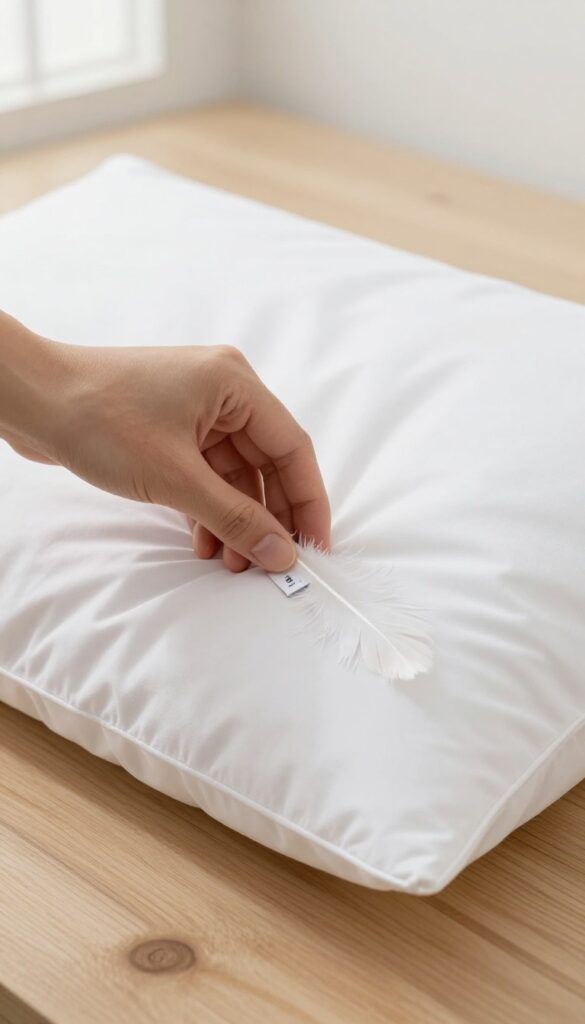
Before you do anything, flip that pillow over and find the tag. It might be tucked into a seam, but it's worth hunting for. That little piece of fabric holds the key to not ruining your pillow.
Manufacturers know their materials best. Some feather pillows are dry-clean only, while others can handle a gentle machine wash. The label will also tell you water temperature limits and whether bleach is safe (spoiler: it usually isn't).
Ignoring these instructions is the fastest way to end up with a lumpy, sad pillow.
Decode The Symbols
Care labels use standard symbols. A tub of water means machine washable; a hand in water means hand wash; an X over the tub means dry clean only. The dots inside the tub indicate temperature: one dot for cold, two for warm, three for hot.
A circle with a P inside means professional dry cleaning is okay.
When In Doubt, Go Gentle
If the label is missing or faded, default to the gentlest method: cold water, mild detergent, and no heat drying. Feathers are delicate, and hot water can shrink the cover or damage the filling. You can always wash again if needed, but you can't undo damage from too much heat.
2. Spot Clean Stains Immediately
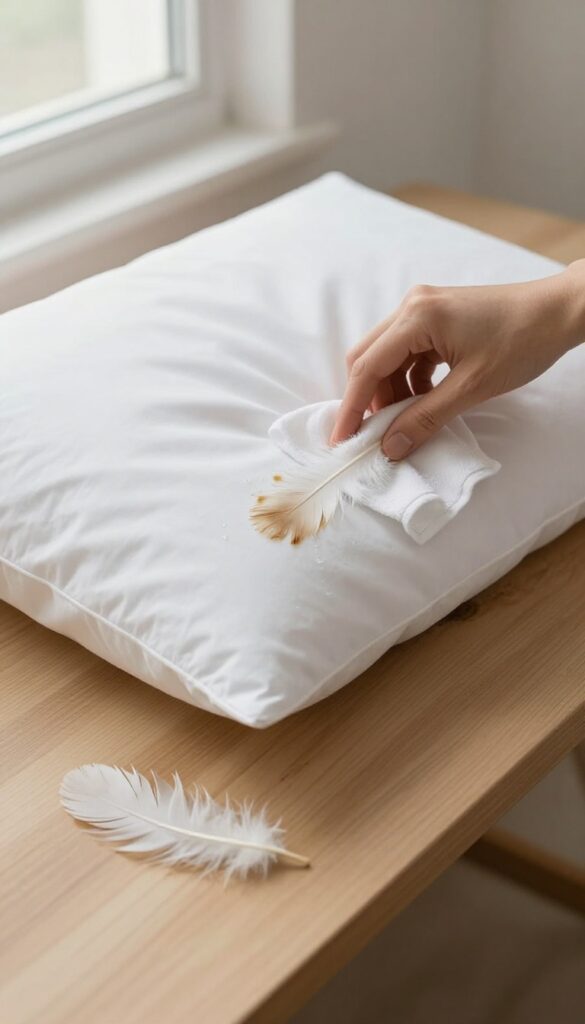
Stains happen—a splash of coffee, a drool mark, or a smudge of makeup. If you let them sit, they set into the fabric and become much harder to remove. The key is to act fast, but gently.
Feather pillows are delicate, so aggressive scrubbing will only push the stain deeper and damage the outer shell.
Start by mixing a small amount of mild liquid detergent with cold water. Dip a clean white cloth into the solution and blot the stain—never rub. Rubbing can fray the fabric and force the stain into the feathers.
Blot from the outside in to keep the stain from spreading. Once the stain lifts, use a second cloth dampened with plain cold water to remove any soap residue. Let the spot air dry completely before moving on to a full wash.
This quick treatment prevents stains from becoming permanent and keeps your pillow looking fresh longer.
Why Cold Water Matters
Hot water can set protein-based stains like sweat or blood, making them impossible to remove. Cold water is gentler on the feathers and the fabric, and it helps lift stains without causing damage. Always use cold water for spot cleaning.
The Right Detergent Choice
Stick with a mild liquid detergent—avoid bleach, fabric softeners, or harsh chemicals. These can break down the natural oils in feathers, leaving them brittle and less fluffy. A drop of gentle laundry soap or a dedicated down cleaner works best.
Blotting Technique Tips
Use a light-colored cloth so you can see if the stain is transferring. Press firmly but gently, and switch to a clean area of the cloth as the stain lifts. Repeat until no more color comes off.
Patience here saves you from a bigger cleaning job later.
3. Use a Gentle, Feather-Safe Detergent
Not all laundry detergents are created equal, especially when it comes to delicate feathers. Harsh chemicals and strong enzymes can strip the natural oils that keep feathers fluffy and resilient. Using the wrong soap can leave your pillow flat, brittle, or even smelly.
The fix is simple: choose a detergent that cleans without damaging the down.
A mild, liquid detergent is your best bet. Avoid powders, which often contain bleach or brighteners, and skip fabric softeners at all costs—they coat feathers and ruin their loft. Look for a detergent labeled "down-safe" or "gentle.
" If you can't find one, a small amount of baby shampoo or a delicate-wash liquid works well. Use about half the amount you'd normally use for a load of clothes. Too much soap creates suds that are hard to rinse out of the feathers, leading to residue and clumping.
Why Harsh Detergents Are Bad For Feathers
Feathers have a thin layer of natural oil that helps them repel moisture and stay bouncy. Harsh detergents strip this oil, leaving feathers dry and brittle. Over time, the pillow loses its ability to fluff up and may develop a dusty, unpleasant odor.
Enzymatic stain removers are especially damaging—they break down proteins, which is exactly what feathers are made of.
How To Choose A Feather-safe Detergent
Look for detergents labeled "down-proof" or "feather-friendly. " Brands like Nikwax Down Wash, Grangers Down Wash, or even a mild castile soap work well. Avoid anything with bleach, optical brighteners, or strong fragrances.
If you're unsure, test a drop on a hidden corner of the pillowcase—if it bubbles aggressively, it's too harsh.
Measuring The Right Amount
Less is more. For a standard front-loading washer, use no more than 1 to 2 teaspoons of liquid detergent. Too much soap leads to residue that traps dirt and flattens feathers.
If your machine has a detergent dispenser, put the soap there instead of directly on the pillow to help it distribute evenly.
4. Wash Two Pillows at Once for Balance
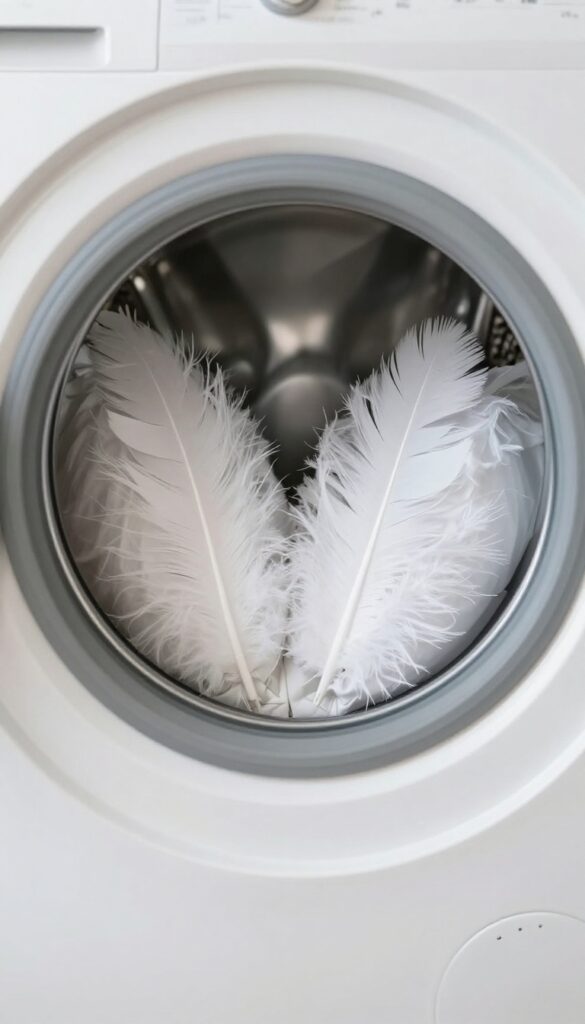
Tossing a single feather pillow into the washing machine might seem harmless, but it can actually cause problems. The machine's spin cycle relies on balanced loads—when one heavy, wet pillow sloshes around alone, the drum can thump and shake. That uneven motion stresses the machine and may even trigger an error mid-cycle.
The fix is simple: always wash two pillows together. This keeps the load balanced, the spin smooth, and your pillows clean without any drama.
Why Balance Matters For Your Machine
Washing machines are designed to distribute weight evenly during the spin cycle. A single wet pillow can weigh several pounds, and as water soaks in, it becomes dense and heavy. When the drum spins, that unbalanced load can cause loud banging, excessive vibration, and even premature wear on bearings and suspension springs.
By pairing two pillows, you create a counterbalance that lets the machine run quietly and efficiently.
How To Pair Pillows Correctly
Choose two pillows of similar size and fill type—both feather or both down. If you have only one feather pillow, pair it with a synthetic one of similar weight, but avoid mixing a king-size with a standard. Place them opposite each other in the drum, not stacked.
This arrangement ensures even distribution during both the wash and spin cycles. If your machine is a front-loader, load them vertically along the drum's axis for best balance.
What If You Only Have One Pillow To Wash?
Sometimes you just need to freshen up a single pillow. In that case, add a few large bath towels or a couple of heavy jeans to balance the load. Avoid using small items like socks or underwear—they won't offset the pillow's weight.
Run an extra rinse cycle afterward to remove any detergent residue from the added items. This trick keeps your machine happy and your pillow clean.
5. Select the Right Water Temperature
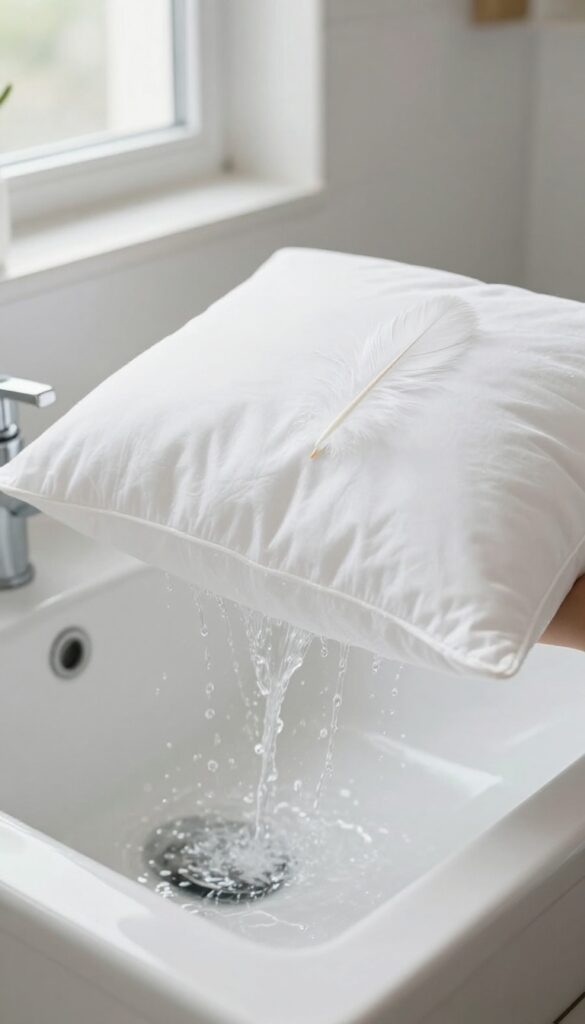
Water temperature matters more than you might think. Warm water—around 85–95°F—gently breaks down body oils and dirt without damaging the delicate feather structure. Hot water, on the other hand, can shrink the pillow cover and cause the fill to clump together, ruining the fluffiness you're trying to restore.
Stick with a warm setting on your washing machine to get feathers clean without compromising their loft.
Choosing the right temperature is a simple but critical step. Warm water activates the detergent effectively, lifting grime while keeping the feathers' natural oils balanced. Cold water won't clean as well, and hot water risks permanent damage.
Always use the warm water setting—not hot—for both the wash and rinse cycles. If your machine has a temperature dial, set it to warm or around 90°F. This ensures a deep clean that leaves pillows fresh and fluffy.
Why Hot Water Is A Problem
Hot water can cause the cotton or polyester cover to shrink, making the pillow lumpy and uncomfortable. Worse, the heat can melt the natural oils on feathers, leading to clumping and a loss of loft. Feathers are protein-based, and high temperatures can damage their structure, making them brittle.
Avoid hot water entirely to keep your pillows in top shape.
The Sweet Spot: Warm Water
Warm water hits the perfect balance between cleaning power and gentleness. It dissolves oils and sweat without stripping the feathers of their natural resilience. For best results, use warm water throughout the entire cycle.
If your machine has a pre-wash option, use warm water there too. This temperature range ensures your pillows come out clean, soft, and ready to fluff.
6. Add an Extra Rinse Cycle
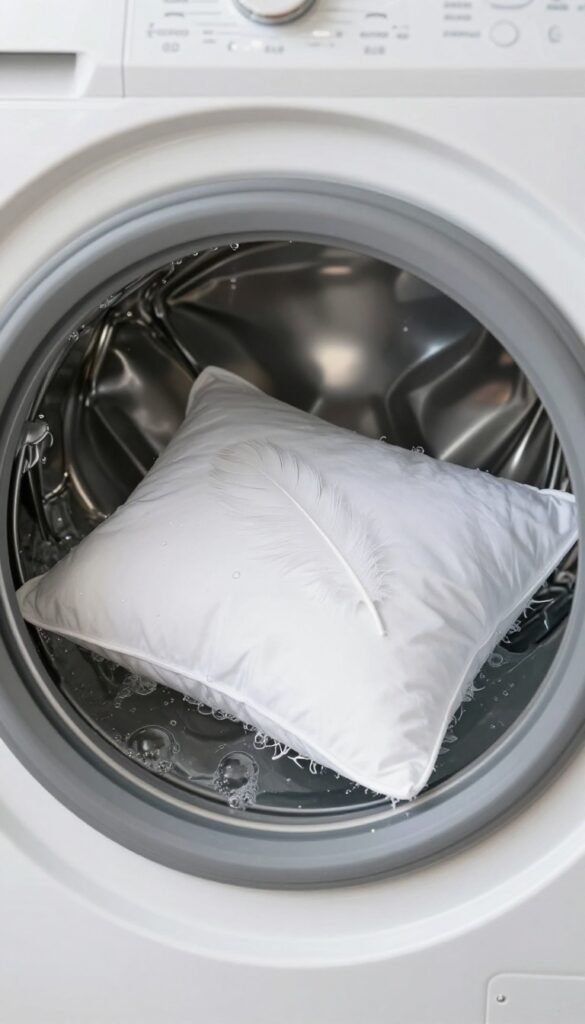
You might think one rinse is enough, but with feather pillows, that leftover soap can be a real problem. Detergent residue makes feathers sticky and clumpy, which means your pillow loses its fluff fast. An extra rinse cycle is a simple fix that makes a huge difference.
Most washing machines have a dedicated extra rinse option. If yours doesn't, you can manually run another rinse cycle after the wash finishes. This step ensures all soap is flushed out, leaving feathers clean and bouncy.
It also helps prevent any musty smells caused by trapped detergent.
Why Detergent Residue Is Bad For Feathers
Feathers are naturally coated with oils that keep them flexible and fluffy. Soap residue strips away those oils and makes feathers stick together. Over time, this leads to flat, lumpy pillows that don't provide proper support.
An extra rinse cycle helps preserve the feathers' natural properties.
How To Add An Extra Rinse
On most machines, you can select the 'Extra Rinse' button before starting the cycle. If your machine doesn't have that option, simply set the dial to 'Rinse & Spin' after the main wash finishes. Run it for a full cycle with no detergent.
This additional rinse will remove any lingering soap.
When To Use Two Rinses Every Time
If you use a high-efficiency (HE) detergent or a front-loading washer, an extra rinse is almost always a good idea. HE machines use less water, so they don't rinse as thoroughly. Also, if you notice your pillows feel stiff after washing, make the extra rinse a permanent part of your routine.
7. Dry on Low Heat with Tennis Balls
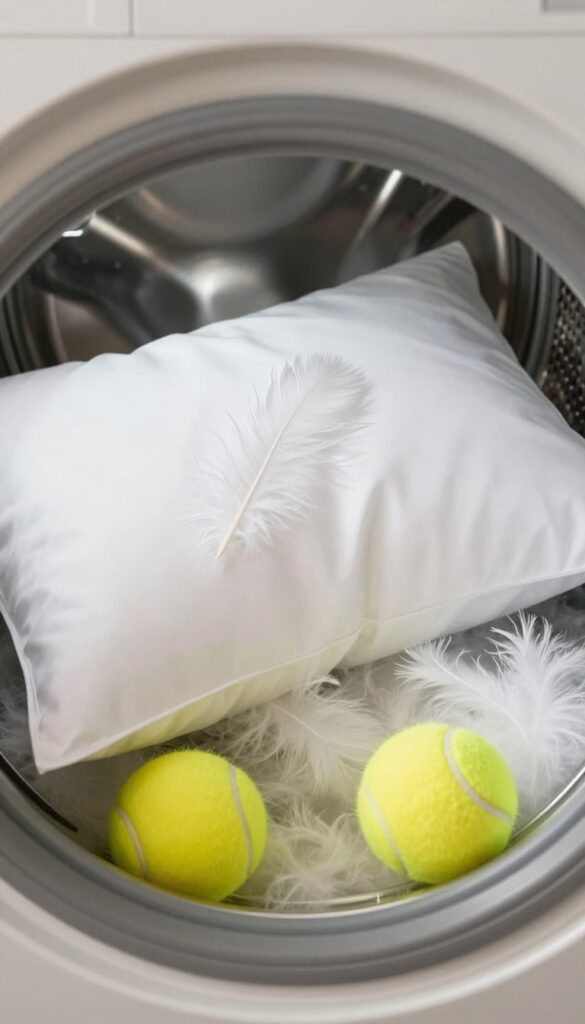
Drying is where the magic happens—or where things go wrong. High heat can scorch feathers and ruin their loft, while improper tumbling leaves clumps. The trick is low heat and a couple of clean tennis balls or dryer balls.
They bounce around, breaking up wet clumps and redistributing the feathers so your pillow dries evenly and regains its original fluffiness.
Set your dryer to low heat. Tumble the pillow alone or with a dry towel to absorb moisture. Add two or three clean tennis balls or dedicated dryer balls.
Check every 20 minutes, fluffing by hand if needed. The process can take 60 to 90 minutes depending on pillow size and thickness. The pillow is fully dry when no moisture remains inside—squeeze a corner to test.
Never overdry, as that can make feathers brittle.
Why Low Heat Matters
Feathers are delicate. High heat can cause the quills to become brittle and the filling to clump irreversibly. Low heat gently evaporates moisture without damaging the natural oils that keep feathers supple.
It also prevents the pillow cover from shrinking or warping.
The Tennis Ball Trick
Tennis balls act like mini beaters. As they tumble, they thump the pillow, separating feathers that have stuck together. This mechanical action restores loft and prevents flat spots.
Make sure the balls are clean—new ones or ones washed without detergent work best. Dryer balls are a good alternative if you prefer a quieter, lint-free option.
How To Know It's Fully Dry
Feather pillows hold moisture deep inside. A common mistake is stopping too early. Fluff the pillow, then squeeze a corner.
If you feel any dampness or smell a musty odor, keep drying. You can also pause mid-cycle, let the pillow cool for a few minutes, then resume. A fully dry pillow should feel light, airy, and smell fresh.
8. Fluff by Hand During Drying
The dryer can only do so much on its own. Feathers tend to ball up inside the pillowcase, especially when wet. That's why pausing the cycle and breaking up clumps by hand makes a huge difference.
Set your dryer to low or no heat (air fluff) and toss in a couple of clean tennis balls or dryer balls. Every 20 minutes, stop the dryer and take out the pillow. Squeeze and pull apart any lumps you feel.
This manual fluffing redistributes the feathers and lets hot spots escape. It also speeds up drying because air can reach the inner clumps. Keep going until the pillow is completely dry—a damp core can lead to mildew.
The result is a pillow that feels light, airy, and evenly plump.
Why Manual Fluffing Matters
Feathers are naturally prone to clumping when wet. The dryer's tumbling action helps, but it can't break up every knot. By using your hands, you target those stubborn lumps that would otherwise stay compressed.
This step is what separates a lumpy, sad pillow from a fluffy, supportive one.
How To Do It Right
Pause the dryer every 20 minutes. Remove the pillow and gently squeeze and pull apart any hard clumps. Work from the edges toward the center.
Don't yank too hard—you don't want to tear the casing. Then toss the pillow back in and resume drying. Repeat until the pillow feels uniformly soft and dry throughout.
Signs Your Pillow Is Fully Dry
A fully dried feather pillow will feel light and airy, with no cold or damp spots. Squeeze it in the middle—if it springs back without feeling heavy, it's done. If you hear a squishing sound or feel moisture, it needs more time.
Overdrying on high heat can damage feathers, so stick with low heat and patience.
9. Let Pillows Air Out After Drying

The dryer cycle might be done, but your pillow isn't fully ready yet. Feathers are notorious for trapping moisture deep inside, even after what feels like a thorough drying. Skipping this final step can lead to mildew, musty smells, or clumpy feathers.
Once the dryer stops, take the pillow out and give it a gentle squeeze. If you feel any dampness or notice that the feathers are still clumped together, it needs more time. Place the pillow in a well-ventilated area—near an open window or under a ceiling fan works great.
Let it rest for at least two to three hours, flipping it halfway through. This allows any hidden moisture to evaporate naturally, ensuring your pillow stays fresh and fluffy.
Why Air Drying Matters
Feather pillows have a dense inner core that holds heat and moisture. The dryer can dry the outer layers, but the center often stays damp. Air drying gives that trapped moisture a chance to escape.
Without it, you risk mildew growth, which not only smells bad but can also trigger allergies.
Best Spots To Air Dry
Choose a spot with good airflow but away from direct sunlight, which can weaken the fabric over time. A drying rack near a fan or an open window is ideal. If you're in a humid climate, consider using a dehumidifier in the room to speed up the process.
Avoid placing the pillow on a flat surface—elevating it on a rack allows air to circulate all around.
How To Check If It's Fully Dry
After a few hours, squeeze the pillow in the middle. If it feels cool or damp, give it more time. You can also do the “fluff test”: shake the pillow vigorously.
If the feathers move freely and the pillow holds its shape, it's dry. If it feels heavy or lumpy, it needs another hour or two.
10. Use Pillow Protectors to Reduce Future Cleaning
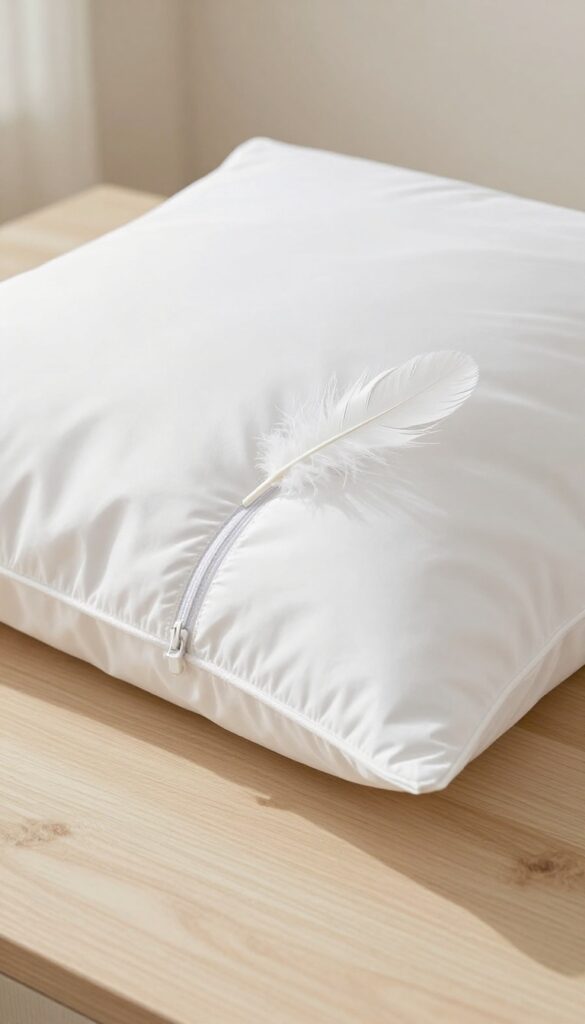
Once you’ve gone through the effort of deep-cleaning your feather pillows, you’ll want to keep them fresh as long as possible. A simple zippered pillow protector is your best defense against sweat, body oils, and dust mites. It acts like a shield, trapping grime before it reaches the pillow itself.
Pillow protectors are thin, breathable covers that zip over your pillow, sitting between the pillow and your regular pillowcase. They’re usually made from cotton, polyester, or a blend, and they’re machine washable. By using one, you dramatically cut down on how often you need to wash the feather pillow itself—which is good, because frequent washing can wear down the feathers.
Aim to wash the protector every couple of weeks, and your pillow will stay fresher for months.
Why Protectors Work So Well
Feather pillows are porous, so they absorb moisture and oils easily. A protector creates a barrier that stops those substances from soaking in. It also blocks dust mites and allergens, which is a bonus if you have allergies.
Think of it as a first line of defense that takes the brunt of daily wear.
Choosing The Right Protector
Look for a protector that’s tightly woven yet breathable. Cotton or a cotton-polyester blend is a good choice. Make sure it has a zipper that fully encloses the pillow—no gaps.
Some protectors are also waterproof, which is helpful if you tend to sweat at night or if you have young kids.
How To Maintain Your Protector
Wash the protector in warm water with a mild detergent every two to four weeks. Tumble dry on low heat. Avoid bleach or fabric softener, as they can break down the fabric’s protective qualities.
Having two or three protectors in rotation makes it easy to swap in a clean one while the other is in the laundry.
11. Know When to Replace Your Pillows
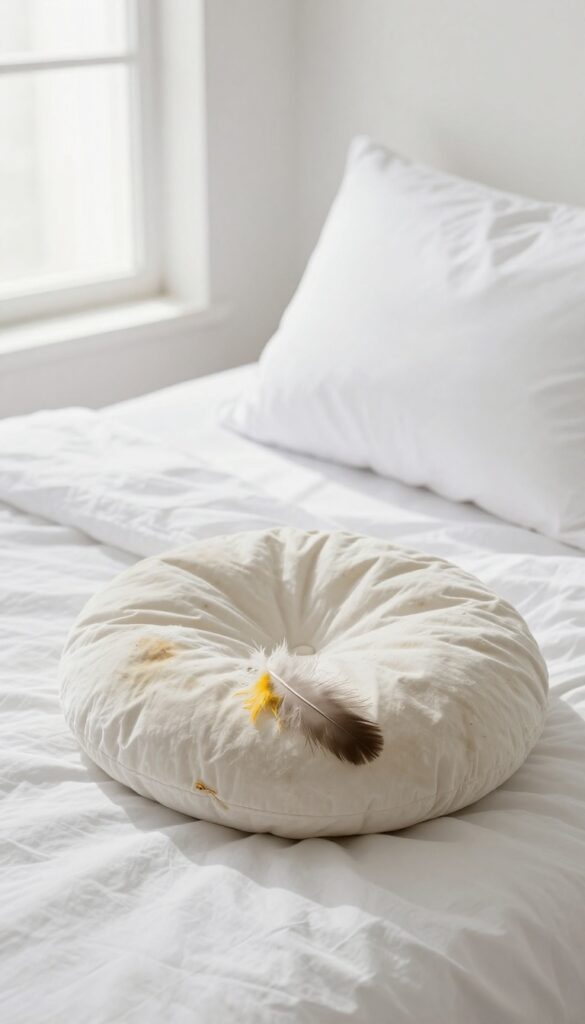
Even with the best care, feather pillows don't last forever. Over time, the feathers break down, lose their loft, and can't support your head and neck the way they should. Knowing the signs of a worn-out pillow helps you avoid sleeping on something that's more flat than fluffy.
Cleaning can only do so much. If your pillow has visible damage or refuses to fluff up after a proper wash and dry, it's time to let it go. Most feather pillows have a lifespan of 2 to 3 years with regular use.
Pushing them past that point means you're not getting the support you need, and you might even be sleeping on a breeding ground for dust mites and allergens.
Feathers Poking Out
When you start seeing feather tips poking through the fabric, that's a clear sign the pillow casing is worn. Those sharp quills can scratch your skin and let feathers escape. Once the barrier is compromised, the pillow will only get worse.
Replace it before you wake up with a face full of feathers.
Pillow Stays Flat After Drying
After a thorough wash and dry, a good feather pillow should bounce back to its original shape. If it stays flat, lumpy, or clumpy, the feathers have lost their resilience. No amount of fluffing or drying will bring back that loft.
Your neck will thank you for getting a new one.
Signs Of Wear And Tear
Check for yellowing, musty odors that won't wash out, or visible stains that have set in. These are signs that the pillow has absorbed too much oil, sweat, and grime over the years. Even after cleaning, these issues can persist, affecting both hygiene and comfort.
FAQ
Can I machine wash feather pillows?
Yes, most feather pillows are machine washable. Always check the care label first and use a gentle cycle with warm water.
How often should I clean feather pillows?
Every 3 to 6 months is ideal. More often if you have allergies or pets.
Why do my feather pillows smell after washing?
Insufficient drying or leftover detergent can cause odor. Make sure they are completely dry and use an extra rinse cycle.
Can I put feather pillows in the dryer?
Yes, on low heat. High heat can damage feathers. Add tennis balls to help fluff them.
How do I know if my feather pillow is ruined?
If it has lumps, feathers poking out, or stays flat after washing and drying, it's time to replace it.
Conclusion
Keeping your feather pillows fluffy and clean doesn't have to be a chore. With regular fluffing, gentle washing, and proper drying, you'll extend their life and enjoy cloud-like comfort every night.
The payoff is better sleep and pillows that feel like new for years. Start with one or two of these tips, and you'll notice the difference immediately.