13 Living Room Set Up Ideas That Make Hosting Easier
Hosting friends and family should feel exciting, not stressful. But if your living room isn't set up for easy entertaining, you might find yourself scrambling at the last minute.
The good news is you don't need a big budget to create a space that works for guests. With a few thoughtful tweaks, your living room can become a place where people naturally gather, relax, and feel at home.
These 13 ideas focus on practical, affordable changes that make hosting smoother and your space more inviting.
1. Arrange Seating in a Circle or U-Shape
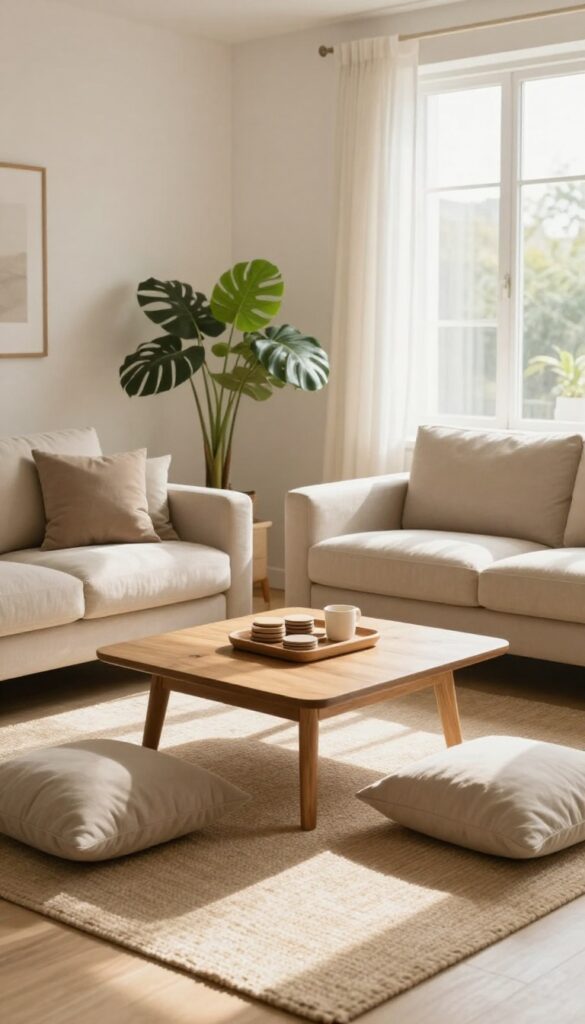
Forget lining furniture against the walls. Pull your sofa, chairs, and even floor cushions into a circular or U-shaped layout. This arrangement naturally draws people together, making conversation flow easily and ensuring no one feels left out.
It’s a simple shift that transforms your living room into a welcoming hub for gatherings.
A circular or U-shaped seating layout breaks the traditional grid and creates an intimate, inclusive vibe. It works especially well in open-plan spaces or rooms where you want to encourage connection. By grouping furniture around a central focal point—like a coffee table or rug—you define the conversation zone without needing walls.
This setup is also budget-friendly because it uses what you already own, just rearranged. For a cohesive look, choose pieces with similar scale or color tones, and leave enough space between them for easy movement. Add a few floor cushions for extra seating that can be tucked away when not in use.
Best Layout For Small Spaces
In a compact room, a U-shape can feel too tight. Instead, try a semi-circle with two armchairs flanking a loveseat, or use a curved sofa to naturally create the shape. Keep the center clear with a slim coffee table or ottoman to avoid clutter.
Budget-Friendly Swap
You don’t need new furniture. Rearrange existing pieces into a circle, then add inexpensive poufs or floor cushions from a discount store. A round rug underfoot helps anchor the arrangement and costs less than a full room redo.
Finishing Touch
Place a low tray on the coffee table with coasters and a small vase. This gives guests a place to set drinks and adds a polished look without spending much. Soft lighting from a floor lamp nearby keeps the mood relaxed.
2. Add a Large Tray to Your Coffee Table
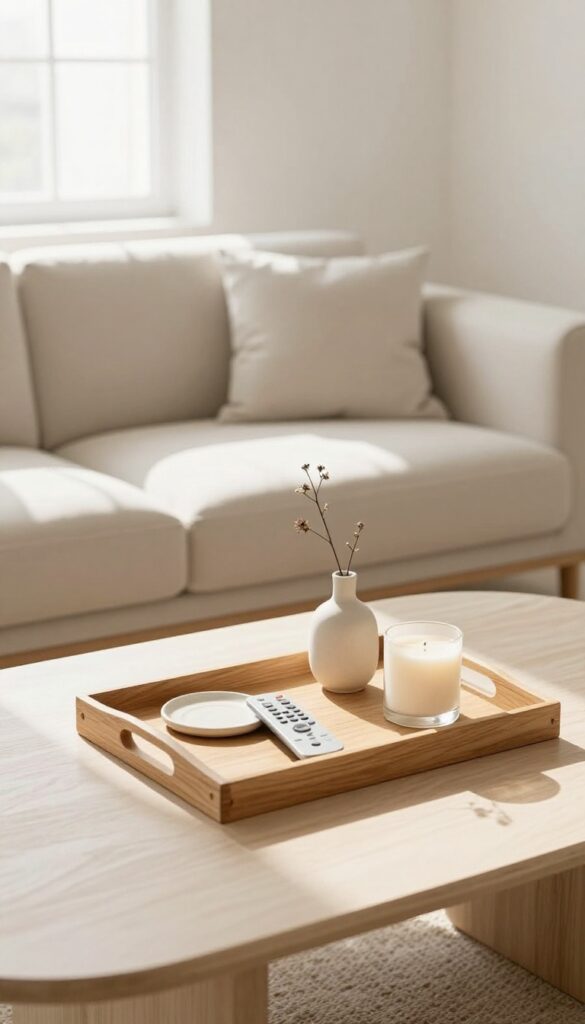
A coffee table can quickly become a dumping ground for everything from magazines to mail. A large tray changes that by giving all those little items a designated home. It’s a simple styling trick that instantly makes the table look intentional and put-together, even when life gets messy.
Plus, when guests are on their way, you can just lift the tray—clutter and all—and stash it somewhere else for a clean surface in seconds.
Trays are one of those budget-friendly accessories that punch way above their weight. They don’t cost much, but they completely transform how a coffee table functions and looks. The key is to choose a tray that’s large enough to hold the usual suspects—remotes, coasters, a candle, maybe a small vase—without looking crowded.
A tray that’s too small defeats the purpose because items will spill over the edges. Go for one that covers about half to two-thirds of the table surface for the best balance. This creates a defined zone that feels curated, not cluttered.
And because the tray itself is a decorative object, it adds visual interest even when empty.
Best Materials
- For a natural, warm look, choose a wooden tray with raised edges. It pairs well with woven coasters and a ceramic vase. If your living room leans modern, a metal tray in brass or black adds a sleek touch.
- Acrylic trays are great for small spaces because they don’t add visual weight, letting the tabletop shine through.
Budget-Friendly Swap
- You don’t need to spend a lot. Thrift stores often have beautiful wooden or metal trays for under $10. A quick coat of spray paint can update a dated tray to match your decor.
- Even a large cutting board or a shallow baking sheet can work in a pinch—just add a cloth napkin underneath to soften the look.
Finishing Touch
- Layer items inside the tray by height for a styled look. Place a small plant or a stack of books at the back, then group remotes and coasters in the front. Leave a little negative space so the tray doesn’t feel overstuffed.
- This makes it easy to grab things without disturbing the arrangement.
3. Use Floor Pillows for Extra Seating
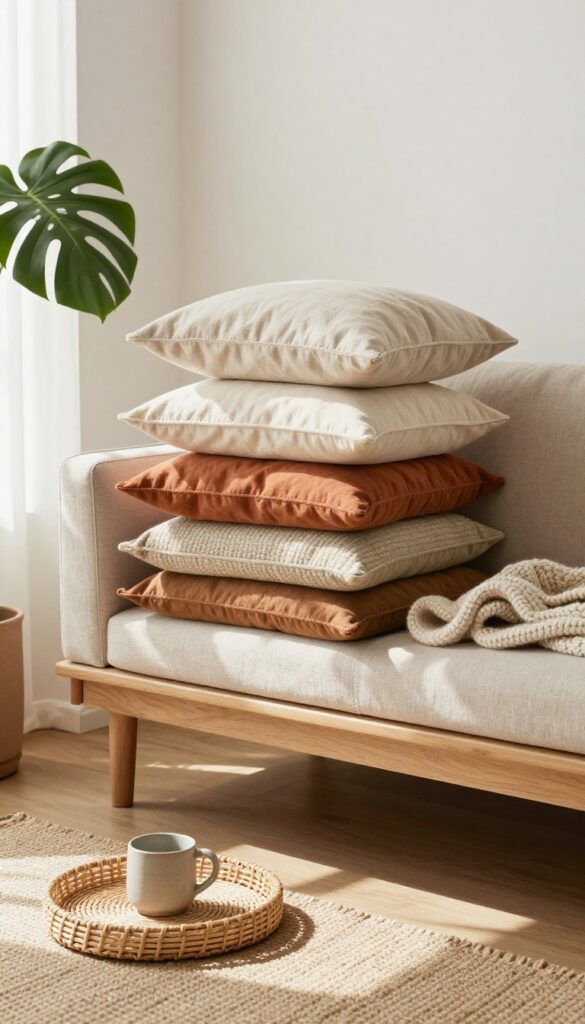
Floor pillows are the unsung heroes of casual hosting. They take up almost no space when stacked, but pull them out and suddenly your living room can seat twice as many people. The best part?
They instantly make any gathering feel more relaxed and intimate, like a cozy lounge instead of a formal party.
Tuck a stack of floor pillows in a corner or under a console table. They pull out quickly when you need extra seats and add a cozy, casual vibe. Choose pillows in a mix of textures—like cotton, linen, and wool—to keep the look intentional.
Stick to a cohesive color palette that complements your existing furniture so the stack feels like part of the decor, not an afterthought.
Best Materials
Look for floor pillows with removable, washable covers in durable fabrics like cotton canvas or linen. For a budget-friendly option, use large square cushion inserts and sew your own covers from discounted fabric remnants. Avoid anything too delicate—these pillows will see a lot of floor time.
Storage Tip
Keep your floor pillows organized by storing them in a low basket, a wooden crate, or on a floating shelf near the seating area. This keeps them accessible but out of the way when not in use. A stack of three to five pillows is usually enough for most living rooms.
Cozy Detail
Add a small tray or low table nearby so guests have a place to set down a drink. A round rattan tray or a wooden stool works perfectly. This small touch makes floor seating feel intentional and comfortable, not like an afterthought.
4. Create a Self-Serve Drink Station
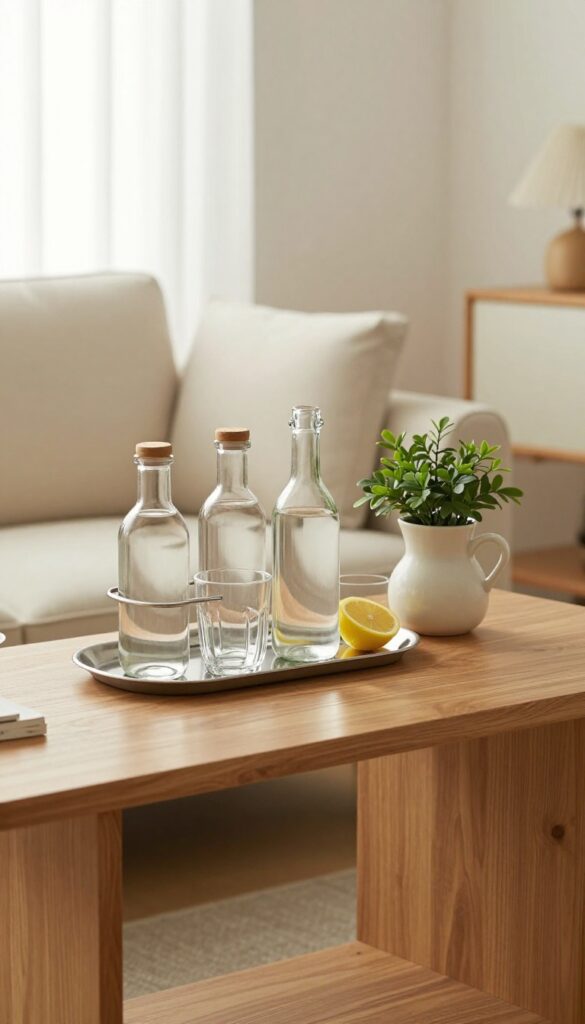
When you're hosting, the last thing you want is to play bartender all night. A self-serve drink station puts everyone in control of their own glass, and it frees you up to actually enjoy the party. Plus, it becomes a visual anchor in the room—a little moment of hospitality that looks intentional and inviting.
The best part? You don't need a fancy bar cart or a ton of space. A slim console table, a small bookshelf, or even a sturdy tray on the coffee table can do the trick.
Keep it streamlined with just a few drink options, some glassware, and maybe a small sign or a tray for garnishes. It's budget-friendly because you're using what you already have, and it keeps the flow of the party moving without you having to step away.
A self-serve drink station is one of those hosting hacks that makes everyone feel taken care of without adding stress to your plate. It's a simple setup that works for any gathering—whether it's a casual movie night or a dinner party. The key is to keep it organized and visually clean so it doesn't look cluttered.
Use a tray to corral bottles and glasses, add a small pitcher of water or infused water for a non-alcoholic option, and let guests grab what they want. You can even theme it to the season: lemonade and iced tea in summer, or hot cider and mulled wine in winter. The station becomes a natural gathering spot, encouraging mingling and taking pressure off you to refill every glass.
Best Spot To Set It Up
- Place your drink station where it's easy to access but not in the main traffic path. A corner of the living room, an empty stretch of wall, or even the end of a dining table works well. If you have a bar cart, wheel it into the living room for the event.
- The goal is to let guests help themselves without blocking the flow of conversation or movement.
Budget-Friendly Swap
- Skip the expensive bar cart and use a small side table or a stack of vintage suitcases instead. A simple wooden tray from a thrift store can hold bottles and glasses. Even a clean cutting board can double as a serving surface.
- The point is to repurpose what you already own rather than buying something new.
Finishing Touch
Add a small vase of fresh flowers or a sprig of herbs like rosemary or mint next to the drinks. It adds a pop of color and a fresh scent that makes the station feel special. A small chalkboard sign with a handwritten note like "Help Yourself" or "Grab a Drink" adds a friendly, personal touch without being fussy.
5. Install Floating Shelves for Display and Storage
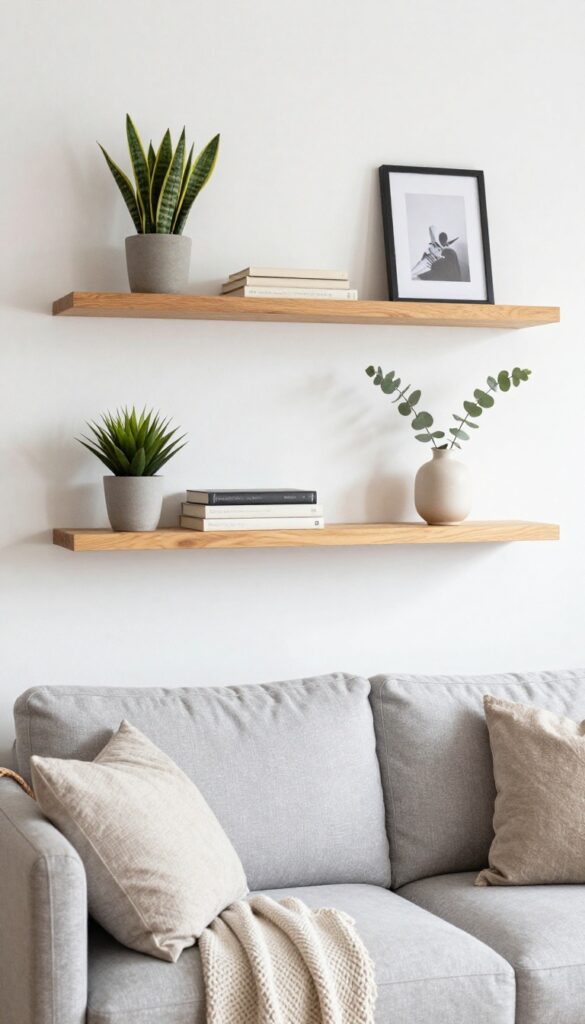
Floating shelves are a budget-friendly way to add storage without sacrificing floor space. By keeping books, plants, and decor off surfaces, you free up coffee tables and side tables for serving guests. Plus, they draw the eye upward, making the room feel larger and more open.
Floating shelves work in any living room, but they're especially useful in small spaces where every inch counts. Choose a finish that complements your existing furniture—natural wood for warmth, white for a clean look, or black for contrast. Arrange items in odd numbers and vary heights for visual interest.
Mix practical items like stacked books with decorative pieces like a small vase or framed photo. Keep shelves from feeling cluttered by leaving some breathing room between objects.
Best Materials
Solid wood shelves offer durability and a warm feel, while engineered wood with a veneer is more budget-friendly. For a modern look, try metal brackets with a wooden top. Match the shelf finish to your room's hardware or furniture undertones.
Shelf Styling Tip
Create a balanced display by grouping items in threes—a tall plant, a stack of books, and a small sculpture. Use baskets or boxes to hide smaller items like remotes or coasters. Add a small lamp or LED strip for a cozy glow.
Budget-Friendly Swap
Skip expensive pre-made sets and build your own using lumber and brackets from a hardware store. Paint or stain them to match your decor. This DIY approach costs a fraction of retail and lets you customize the size.
6. Choose a Rug That Defines the Seating Area
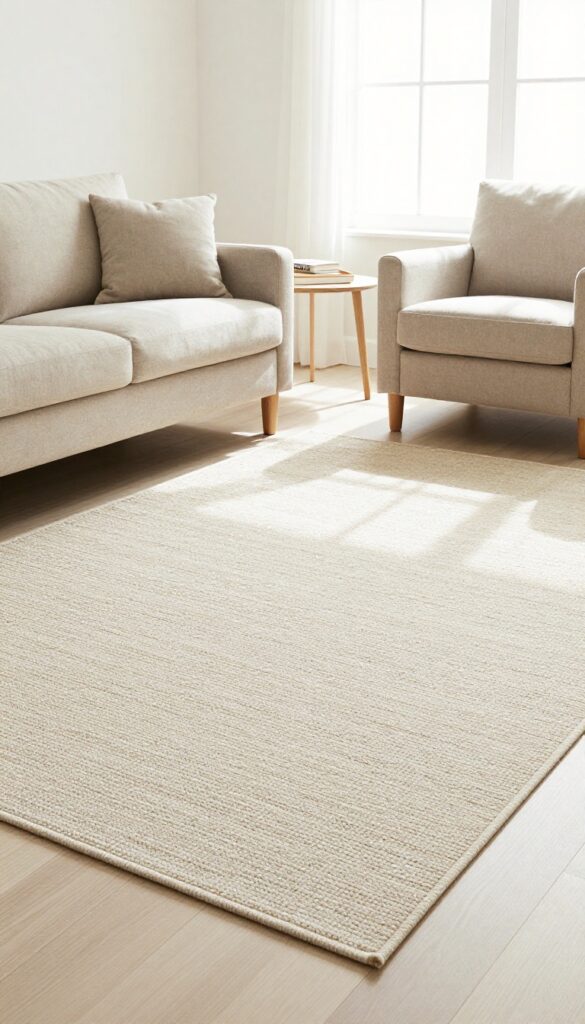
A rug does more than just warm up your floors—it visually carves out your living area, especially in open-concept spaces. When you're hosting, guests instinctively know where to gather, and the rug acts like a stage for your furniture arrangement. Going budget-friendly doesn't mean settling for a sad, flat mat; low-pile styles in natural fibers or polypropylene offer durability and easy cleanup without breaking the bank.
A well-chosen rug anchors your sofa and chairs, creating a clear zone for conversation and drinks. For hosting, choose a low-pile or flatweave rug that won't trap crumbs or show every spill. A sisal or jute rug adds texture and is surprisingly affordable, while a polypropylene option mimics wool at a fraction of the cost.
Make sure the rug is large enough that at least the front legs of your sofa and chairs sit on it—nothing shrinks a room faster than a postage-stamp rug floating in the middle. Stick to neutral tones or subtle patterns that hide dirt and blend with your existing decor.
Budget-Friendly Swap
Skip expensive wool and look for polypropylene or cotton flatweave rugs. They're stain-resistant, easy to vacuum, and often cost under $200 for a 6×9 size. Check online retailers or discount home stores for sales—off-season colors or last-season patterns can save you even more.
Size And Placement Tip
For a standard living room, a 5×8 or 6×9 rug works best. Place it so the front legs of your sofa and any armchairs rest on the rug. This visually ties the seating together and makes the space feel intentional, not accidental.
Cleaning And Maintenance
- Low-pile rugs are your hosting best friend. Spot-clean spills immediately with a mild detergent and water. For a deep clean, shake out the rug outside or use a carpet cleaner.
- Avoid shag or high-pile rugs if you expect food and drinks—they trap debris and are harder to maintain.
7. Add Warm Lighting with Lamps
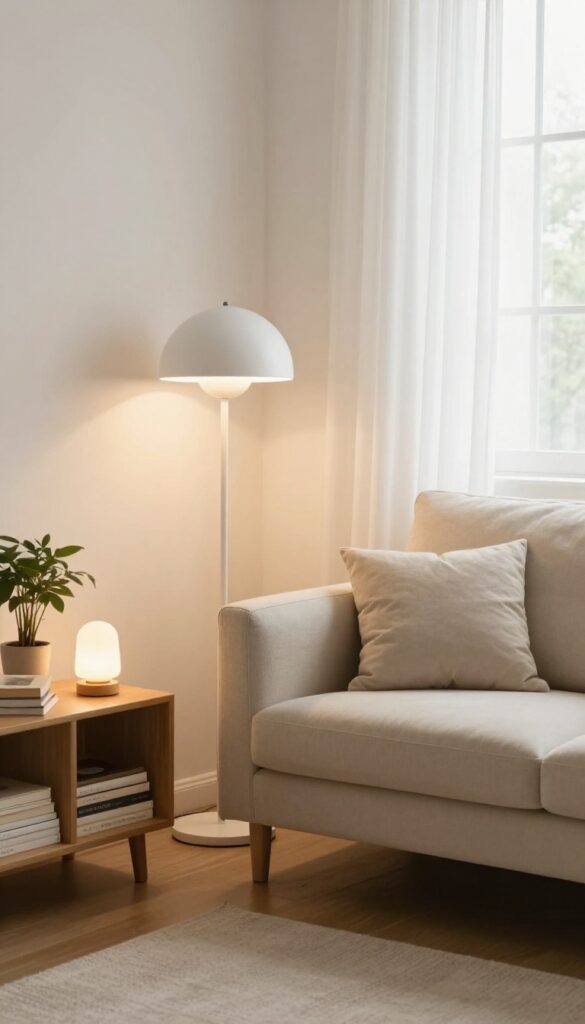
Overhead lights can feel harsh and uninviting, especially when you're trying to create a cozy atmosphere for guests. Instead of relying on that single ceiling fixture, scatter floor and table lamps around the room to cast soft, welcoming pools of light. This simple swap instantly makes your living room feel more intimate and relaxed, encouraging people to settle in and stay awhile.
Warm lighting is one of the easiest and most budget-friendly ways to transform your living room into a hosting-friendly space. By layering different light sources at various heights, you can control the mood and highlight your favorite areas. Plus, lamps are easy to find secondhand or at discount stores, so you can achieve a high-end look without spending much.
Best Placement For Lamps
Position floor lamps in corners or next to seating to create cozy reading nooks. Place table lamps on side tables or consoles to balance the light across the room. Aim for at least three light sources at different heights to avoid dark spots and create a warm, even glow.
Budget-Friendly Swap
- You don't need to buy expensive designer lamps. Thrift stores and online marketplaces often have great finds for under $20. A fresh lampshade or a coat of spray paint can update a dated lamp to match your decor.
- Also, swap cool-white bulbs for warm-white (2700K–3000K) to instantly soften the light.
Finishing Touch
Use dimmable bulbs or plug-in dimmers to adjust the brightness throughout the evening. This lets you transition from bright and energetic during appetizers to soft and intimate for after-dinner conversation. It's a small detail that makes a big difference in guest comfort.
8. Use Baskets for Hidden Storage
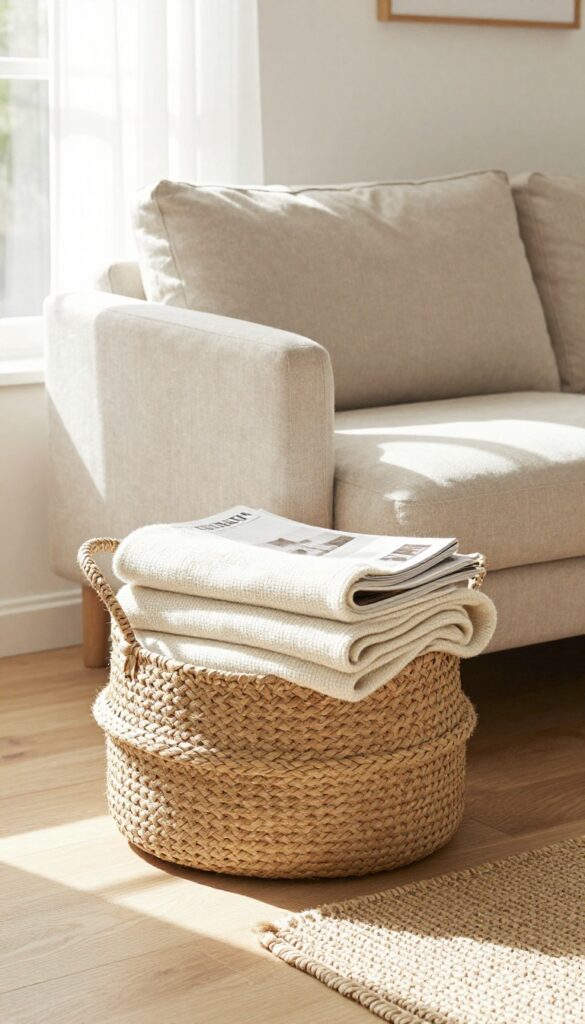
Nothing kills a hosting vibe like tripping over a stray throw blanket or watching guests awkwardly step around toys. Baskets solve that without making your living room look like a storage unit. They add warmth and texture, keep clutter out of sight, and cost way less than built-in cabinets.
Plus, they're easy to move around, so you can stash one by the sofa for remotes and another near the entry for shoes.
Woven baskets are the unsung heroes of a tidy, welcoming living room. They hide the mess while adding visual interest with natural fibers and earthy tones. For hosting, they let you sweep clutter into a basket seconds before guests arrive—no one will ever know.
Choose baskets in a similar color family to your decor so they blend in, or go for a contrasting texture like seagrass against a velvet sofa for a curated look.
Best Materials And Colors
Stick with natural materials like seagrass, rattan, or water hyacinth for an organic feel that works with almost any style. If your room leans modern, try black wire or matte metal baskets for a sleeker edge. Color-wise, neutral tones like warm beige, tan, or charcoal keep things flexible—you can always swap out the contents without the basket clashing.
Where To Place Them
Cluster two or three baskets of different sizes next to the sofa or under a console table for a styled vignette. Use one large basket near the fireplace to hold extra logs, and a smaller one on a shelf for magazines. In a small space, a basket tucked beside an armchair can double as a side table with a tray on top.
Styling Tip
To keep baskets from looking like laundry bins, layer them with a folded throw draped over the edge or a small plant on top. This signals that they're intentional decor, not just catch-alls. Also, avoid overfilling—leave a little breathing room so the basket keeps its shape and looks inviting.
9. Set Up a Small Side Table Near Every Seat
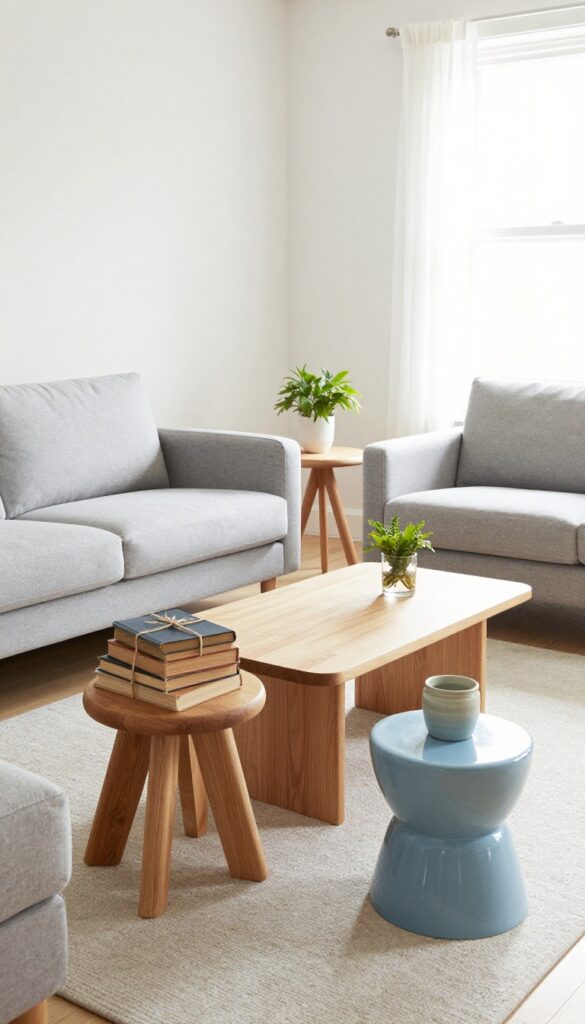
You know that awkward moment when a guest is holding a drink and a plate, scanning the room for a flat surface? A side table next to each seat solves that instantly. It doesn't have to be a full end table—a small stool, a stack of vintage books, or even a slim console table behind the sofa works.
The goal is to give everyone a spot to set down a glass, phone, or snack without reaching across someone or balancing things on their lap.
Start by looking at your seating arrangement. If you have a sofa and two armchairs, aim for at least one surface per seat. For budget-friendly options, check thrift stores for small wooden stools or nesting tables that can be separated.
A stack of hardcover books tied with twine makes a quirky, low-cost table. If space is tight, use a narrow console table behind the sofa and pull it forward slightly so it's within reach of the back row. The key is to keep surfaces small so they don't clutter the room—think 12 to 18 inches wide.
Place them close enough that someone can set down a drink without leaning, but not so close that they block traffic flow.
Best Materials For Easy Cleaning
- Since side tables will see spills and condensation rings, choose materials that wipe clean easily. Glass or metal tops are practical and look sleek. A lacquered wood finish is another good option.
- Avoid raw wood or porous stone unless you're ready to seal them. For a budget-friendly twist, use a ceramic garden stool—it's sturdy, weather-resistant, and adds a pop of color.
Styling Each Table Differently
- To keep the room from looking like a furniture showroom, style each side table slightly differently. On one, place a small lamp and a coaster; on another, a tiny vase with a single stem and a stack of coasters. A third could hold a small tray with a candle.
- This variety makes the space feel curated rather than matched. It also gives guests visual cues about where to set things down.
Budget-Friendly Swap
- If you don't want to buy new tables, repurpose items you already own. A sturdy wooden crate turned on its side becomes a charming side table. A small step stool works perfectly next to an armchair.
- Even a large, flat-bottomed basket flipped over can serve as a temporary surface—just top it with a round tray for stability. The trick is to make sure the surface is level and stable enough for a drink.
10. Incorporate a Large Mirror to Open Up the Space
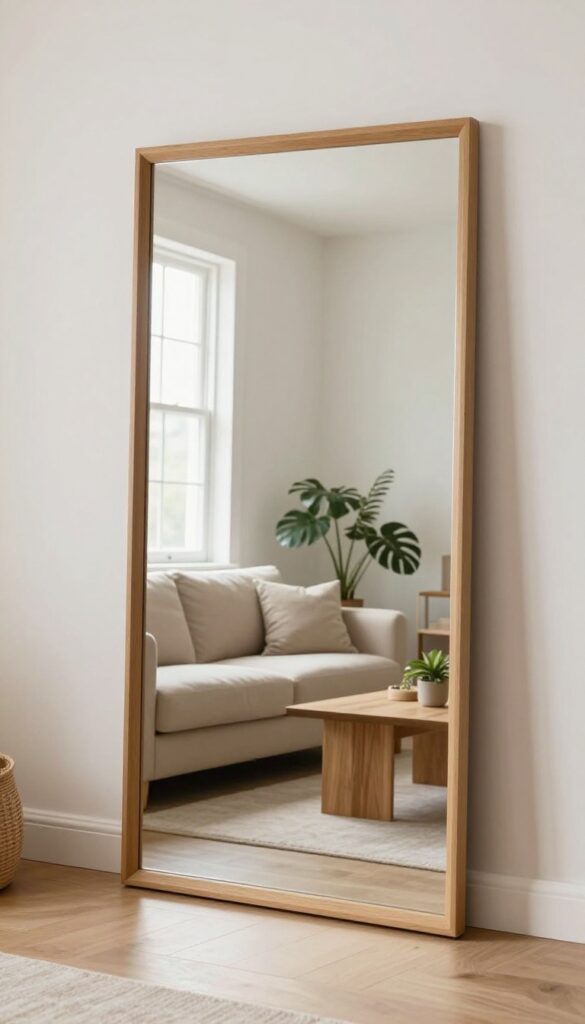
A big mirror is like magic for a small living room—it bounces light around and tricks the eye into seeing more square footage than you actually have. Leaning one against the wall or hanging it above a console instantly makes the room feel airy and bright, without any construction or furniture swaps. It's a budget-friendly way to double your natural light and add a sculptural element that works with any style.
Mirrors are one of the easiest ways to make a small living room feel larger and brighter. A large mirror reflects both natural and artificial light, creating the illusion of depth and openness. For the best effect, place it opposite a window to maximize light reflection.
You don't need to spend a lot—thrift stores and flea markets often have oversized mirrors for a steal. Lean it against the wall for a casual, lived-in look, or hang it above a slim console table to anchor the space. The key is to choose a mirror that's at least two-thirds the width of the furniture beneath it or the wall it's on.
This trick works especially well in narrow rooms or dark corners where light is scarce.
Best Placement
Hang or lean your mirror across from a window to reflect the outdoors and flood the room with light. In a darker corner, angle it to catch light from a lamp or sconce. Avoid placing it directly opposite a cluttered area, as it will double the visual chaos.
Budget-Friendly Swap
Skip expensive designer mirrors and look for vintage or secondhand finds. A plain mirror can be transformed with a coat of paint on the frame or even a DIY rope wrap for a boho touch. Floor-length mirrors from IKEA or Target are affordable and work beautifully when leaned.
Styling Tip
Pair the mirror with a slim console table and a few curated objects—a stack of books, a small plant, or a sculptural vase. Keep the styling minimal so the mirror remains the focal point. The reflection will also make your decor look twice as abundant.
11. Keep a Throw Blanket and Pillow Set Handy
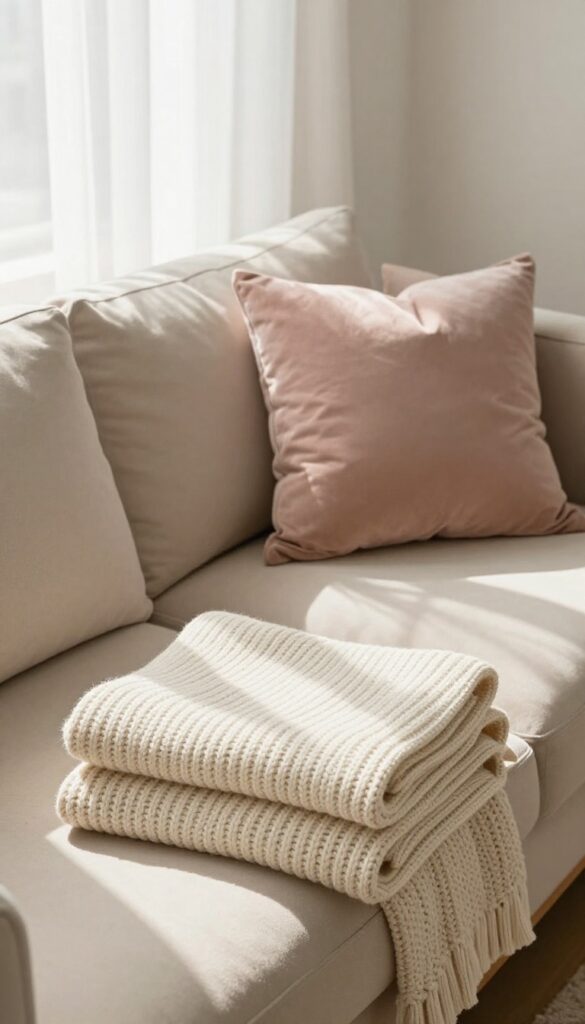
A stack of soft throws and plush pillows does more than just dress up your sofa. It gives guests permission to get comfortable—whether they want to prop up their feet, lean back, or wrap up against a draft. This simple setup adds instant warmth and color without breaking the bank, and it makes your living room feel ready for company at a moment's notice.
The trick is to choose pieces that look intentional but feel effortless. Stick to a cohesive palette—maybe two or three shades that complement your existing furniture—and mix textures like chunky knit, velvet, and linen. Keep the blankets folded neatly on an ottoman or draped over the arm of the sofa, and arrange pillows in odd numbers for a balanced but relaxed look.
This way, guests can grab what they need without messing up your styling, and you get a cozy, inviting space that works for both everyday lounging and hosting.
Best Budget-friendly Fabrics
- You don't need expensive materials to get that cozy look. Cotton and polyester blends are soft, easy to wash, and come in tons of colors. Look for chunky knit acrylic throws—they mimic wool at a fraction of the cost.
- For pillows, choose machine-washable covers in linen or cotton velvet. These fabrics hold up well to regular use and keep your setup looking fresh.
Styling Tip: Layer And Contrast
- Create visual interest by layering different textures and sizes. Start with two larger square pillows in the back, then add a lumbar pillow or a smaller round one in front. Drape a throw blanket over the arm of the sofa or across the back, letting it hang loosely.
- Contrast a smooth velvet pillow with a chunky knit throw, or pair a neutral blanket with a pop of color in the pillows. This keeps the arrangement from looking flat.
Storage And Rotation
- Keep extras in a nearby basket or ottoman with hidden storage so you can swap out blankets and pillows as needed. Rotate based on season—lighter cotton throws for summer, heavier knits for winter. This not only refreshes the look but also extends the life of your textiles.
- A simple woven basket or a slim storage bench works perfectly.
12. Designate a Drop Zone for Guest Belongings
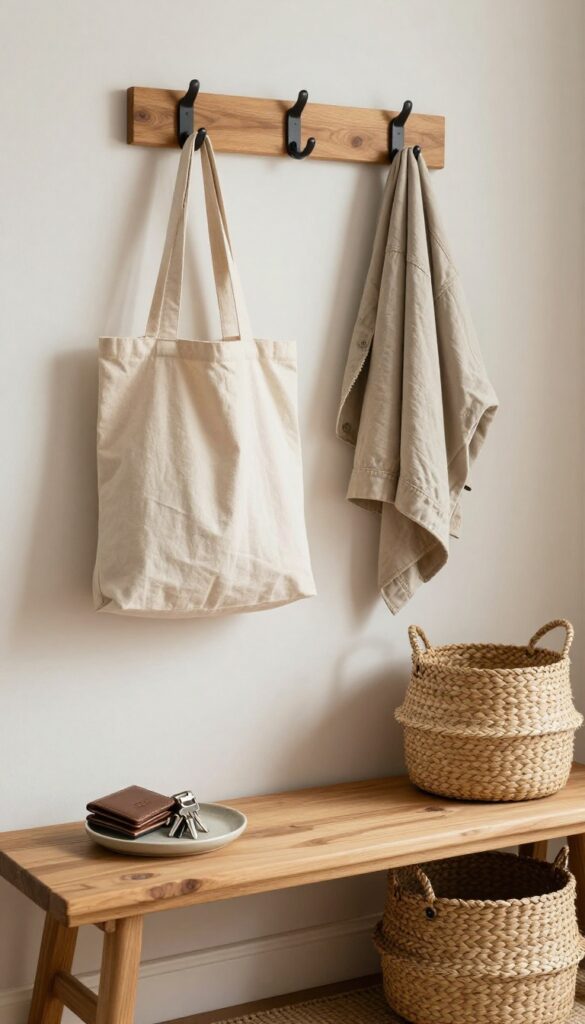
When guests walk in, they often don't know where to put their coats or bags. A designated drop zone near the entrance solves this instantly. A small bench with hooks above or a simple basket tucked beside the door gives everyone a clear spot.
This keeps the living room tidy and welcoming from the moment someone steps inside.
A drop zone doesn't need to be elaborate. A slim console table with a basket underneath works wonders in tight spaces. For a budget-friendly approach, repurpose a wooden crate as a catchall and add a few sturdy hooks on the wall.
The key is to make it obvious and easy—guests shouldn't have to guess where to put things. Place it right where people enter the room, even if that's just a corner near the door. A small rug underneath can define the area and catch any drips from wet shoes or umbrellas.
Best Materials
- Stick with natural, durable materials that feel warm but can handle daily use. A wooden bench with a simple finish, metal hooks in black or brass, and a woven basket in seagrass or cotton rope all work well together. These materials add texture without looking fussy.
- Avoid anything too delicate or high-maintenance—this spot will see action.
Budget-Friendly Swap
Skip the expensive entryway cabinet and use a thrifted wooden chair or a small stool paired with wall hooks. A canvas tote bag hung on a hook can hold smaller items like keys or sunglasses. For under $30, you can create a functional drop zone that looks intentional and styled.
Finishing Touch
Add a small tray or bowl on the bench for keys and wallets. A little dish gives guests a place to empty their pockets without scattering things everywhere. A framed mirror above the hooks helps people check their look before leaving and makes the entry feel larger.
13. Use a Console Table Behind the Sofa
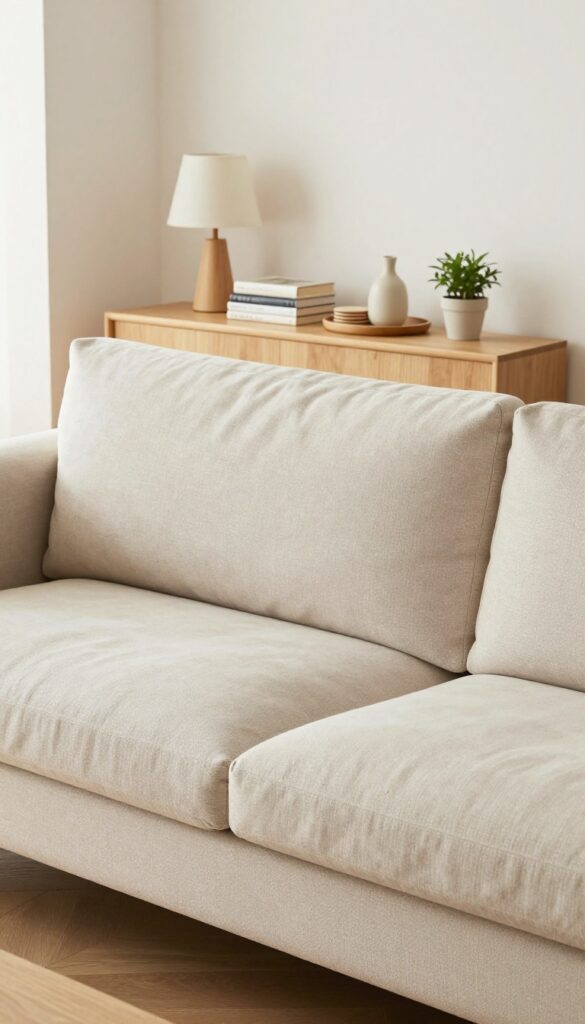
A slim console table tucked behind the sofa is one of those budget-friendly tricks that instantly makes your living room feel more polished and functional. It gives you a spot for a lamp, a tray for remotes, or even a serving station when guests are over—all without taking up extra floor space. This simple addition also helps define the layout, especially in open-plan rooms where the sofa can feel like it's floating.
A console table behind the sofa is a versatile workhorse that adds surface area and visual structure without crowding the room. It's perfect for small spaces where every inch counts, and it can be styled to match any decor. The key is choosing a table that's slim enough to leave walking room but wide enough to hold a few essentials.
This setup also creates a natural division between the living area and the dining or entry space, making the whole room feel more intentional.
Best Materials For A Budget-friendly Look
Stick with affordable materials like medium-density fiberboard (MDF) with a wood veneer, or go for a metal and glass combo that feels airy and modern. A simple wood console from a big-box store can be dressed up with a coat of paint or new hardware. For a truly low-cost option, try a narrow folding table or a repurposed desk—just make sure it's sturdy enough for daily use.
Styling Tip: Keep It Light And Layered
- Place a table lamp on one end and a stack of books or a small plant on the other to create balance. Use a tray in the center to corral coasters, remotes, or a small vase. This keeps the surface looking neat while still being functional.
- If you have the space, add a shallow basket underneath for extra storage—blankets or magazines slide right in.
Layout Tip: Measure First
- Before buying, measure the distance from the back of your sofa to the wall or nearest furniture. You want at least 18 inches of clearance so people can walk behind the sofa comfortably. The console itself should be about the same height as the sofa back or slightly lower—typically 28 to 30 inches tall.
- This keeps the line of sight clean and the table doesn't compete with the sofa visually.
FAQ
How can I make my living room look more expensive on a budget?
Focus on a few key upgrades: swap out old throw pillows, add a large rug, use warm lighting, and declutter surfaces. Small changes like these create a polished look without a big spend.
What's the best seating arrangement for hosting?
A circular or U-shaped layout encourages conversation and makes everyone feel included. If space is tight, use floor pillows or ottomans as flexible extra seats.
How do I keep my living room tidy when guests arrive?
Use baskets and trays to quickly stash clutter. Keep a designated drop zone near the entrance for coats and bags, and do a quick sweep of surfaces before guests come.
What lighting is best for a cozy hosting atmosphere?
Layer different light sources: floor lamps, table lamps, and maybe a dimmer switch. Avoid harsh overhead lights and opt for warm-toned bulbs to create a soft, inviting glow.
Can I host in a small living room?
Absolutely. Use multipurpose furniture like ottomans with storage, add a large mirror to make the space feel bigger, and keep seating flexible with floor pillows or folding chairs.
Conclusion
Hosting doesn't require a complete room makeover or a big budget. Small, intentional changes like rearranging seating, adding warm lighting, and using clever storage can transform your living room into a space that welcomes guests effortlessly.
Start with one or two ideas that fit your current setup and build from there. Your living room will soon feel ready for any gathering, big or small.