15 Beautiful Kitchen Decor Ideas for Warm Inviting Spaces
I know the feeling when a kitchen looks fine but somehow feels cold, like it forgot how to smile. I spent years tweaking kitchens in rentals, my own home, and even friends’ places, and I learned one thing fast: warmth never happens by accident.
It comes from thoughtful details, a little personality, and choices that make you want to hang around longer.
Ever wondered why some kitchens feel instantly welcoming while others feel like showrooms you can’t touch?
Why Warmth Matters More Than Perfection in a Kitchen
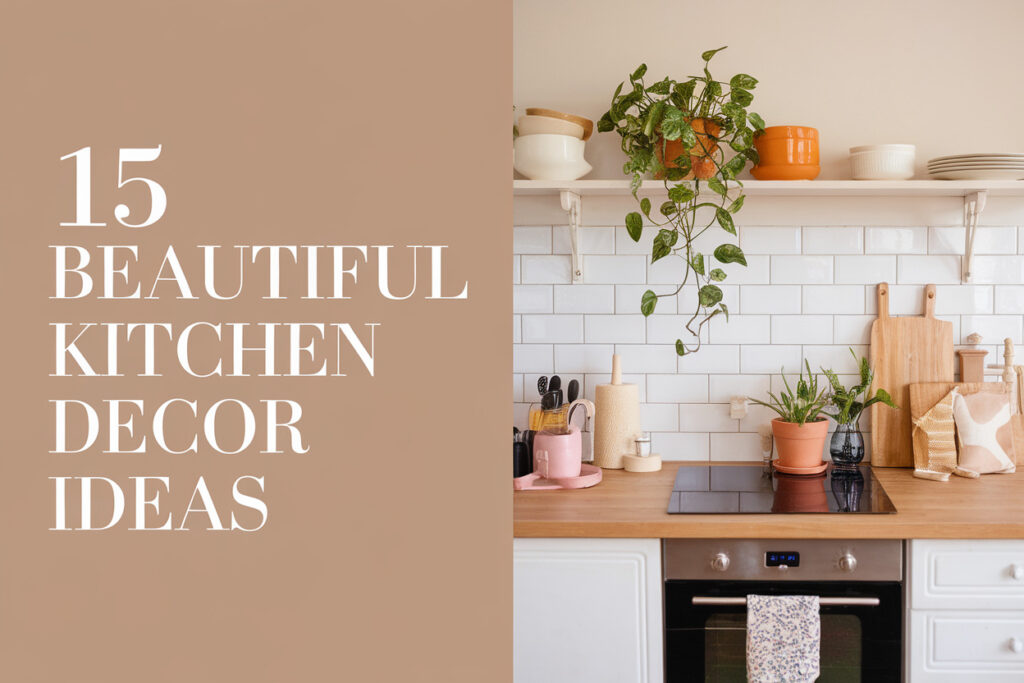
I always say a kitchen should feel like a conversation, not a museum. You cook, chat, spill coffee, and sometimes burn toast, so the space needs to support real life instead of fighting it. Warm kitchens invite people to pull up a chair, even when the food isn’t ready yet.
A warm kitchen also boosts your mood in sneaky ways. Natural textures, cozy colors, and soft lighting trick your brain into relaxing, which helps when you rush through busy mornings. Who wouldn’t want a kitchen that calms you down instead of stressing you out?
1. Layer Warm Neutral Colors That Feel Lived In
Choose Creams, Beiges, and Soft Greiges
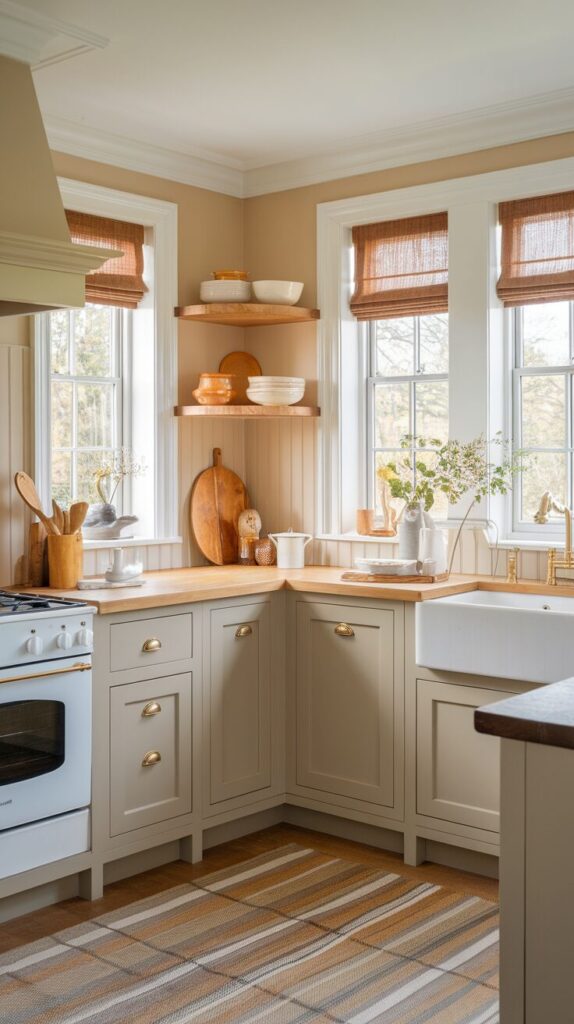
I love warm neutrals because they forgive mistakes and age gracefully. Creamy whites, gentle beiges, and soft greiges add depth without screaming for attention. These shades make kitchens feel full instead of flat.
Warm neutrals also play nicely with almost everything. You can swap accessories later without repainting, which saves money and sanity. Ever noticed how stark white kitchens look amazing online but feel icy in real life?
Balance Light and Depth
I always balance light cabinets with slightly darker walls or backsplashes. This contrast adds dimension and prevents that washed out look. The kitchen ends up feeling layered and intentional instead of bland.
2. Bring in Natural Wood for Instant Comfort
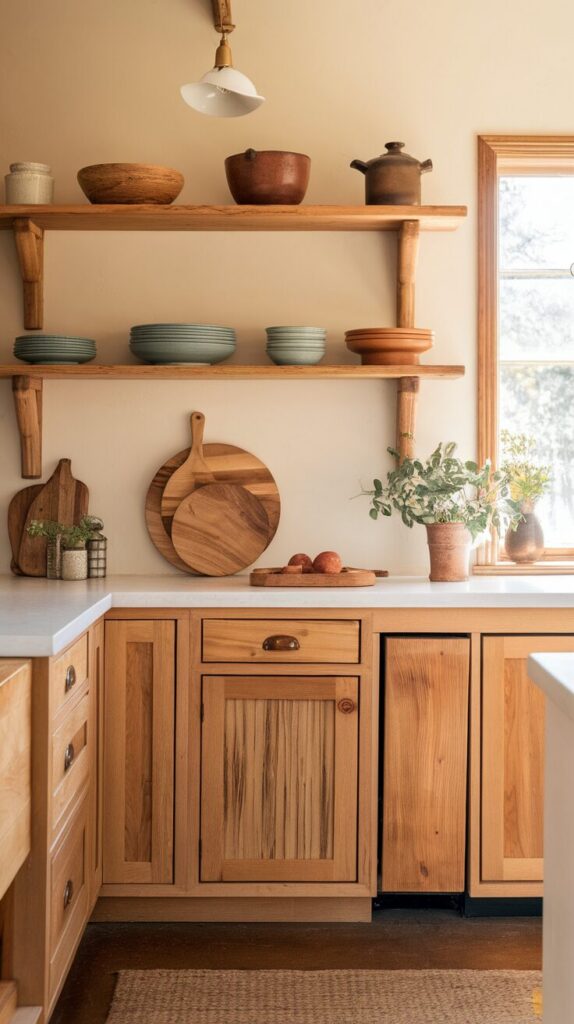
Use Wood Cabinets or Accents
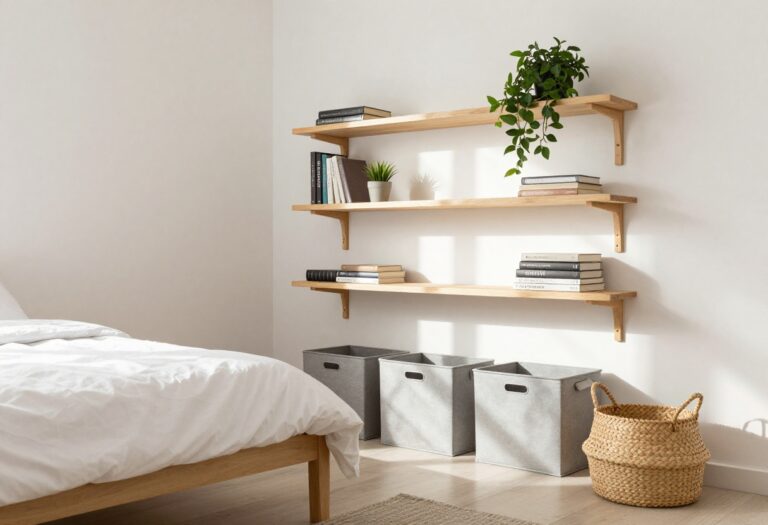
Wood warms up any kitchen faster than you can say “fresh bread.” I added wood open shelves in one small kitchen, and the whole space instantly felt friendlier. Even a little wood goes a long way.
You don’t need full wood cabinetry to get the effect. Cutting boards, bar stools, or trim details create warmth without overwhelming the room. IMO, wood always beats cold glossy finishes for coziness.
Mix Wood Tones Thoughtfully
I mix wood tones, but I keep them in the same warmth family. Too many clashing woods create chaos instead of charm. Ever walked into a kitchen and felt visually tired for no clear reason?
3. Soft Lighting That Flatters Everything
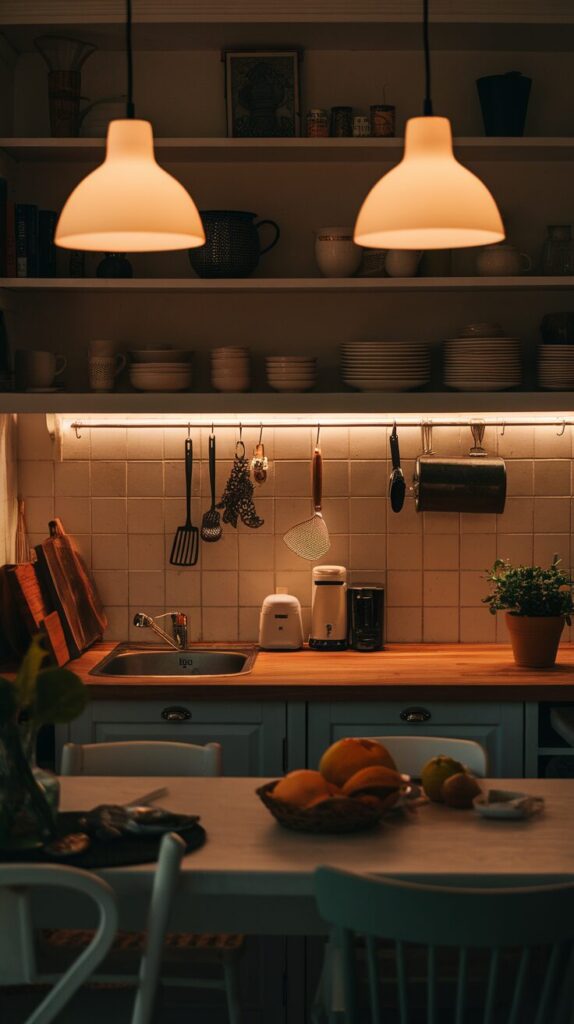
Ditch Harsh Overhead Lights
Harsh lighting kills warmth faster than anything else. I always swap cool bulbs for warm white ones, and the difference feels dramatic. Suddenly, the kitchen feels softer and more forgiving.
Warm lighting also makes food look better. Yes, it matters when you plate dinner or snap photos for memories. Why sabotage your cooking with bad lighting?
Layer Multiple Light Sources
I rely on a mix of ceiling lights, under cabinet lighting, and small lamps. This layered approach adds depth and flexibility. You can brighten things for cooking and dim them for late night chats.
4. Open Shelving That Shows Personality
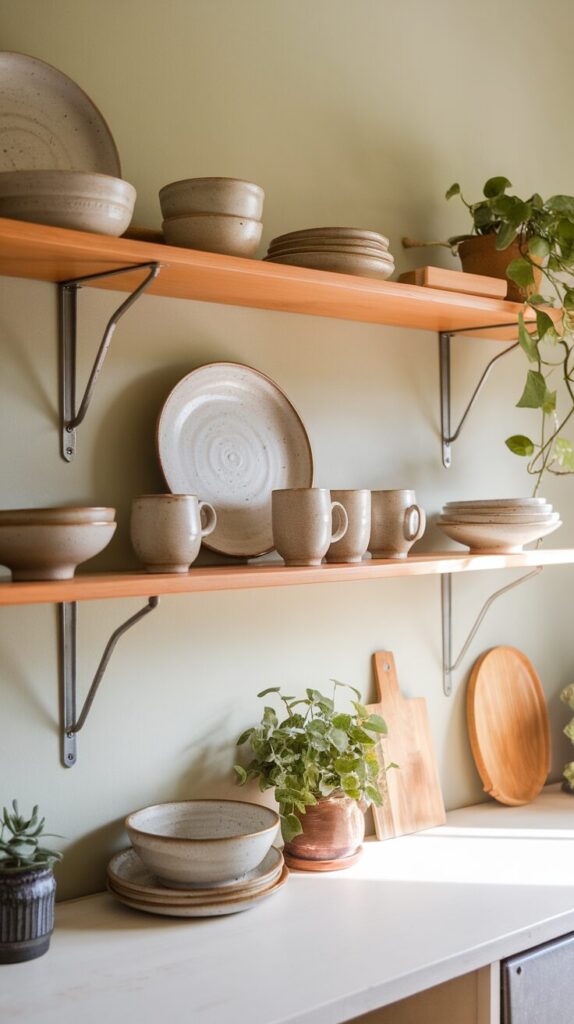
Display Everyday Beauty
Open shelves let you show off pretty dishes you already own. I stack neutral plates, simple bowls, and a few mugs I actually use. This approach feels personal instead of staged.
Open shelving also breaks up heavy cabinetry. The kitchen breathes easier and feels more relaxed. Who wants a kitchen that feels boxed in?
Keep It Curated, Not Cluttered
I rotate items seasonally to keep shelves fresh. Too much stuff creates visual noise, which kills warmth. A few intentional pieces always win.
5. Cozy Textiles That Soften Hard Surfaces
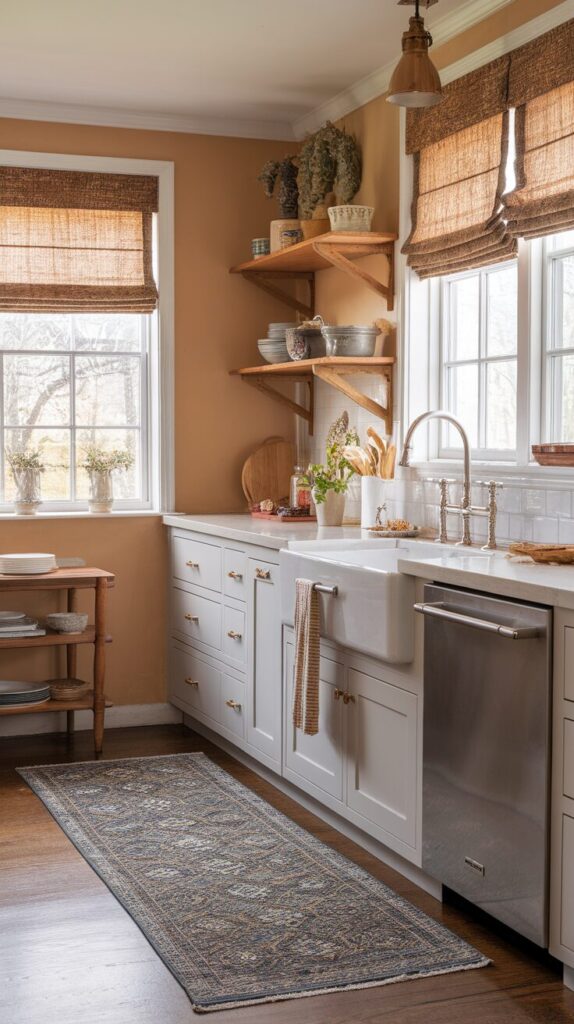
Add Runners and Mats
Kitchens have lots of hard surfaces, so textiles help soften the vibe. I love a washable runner in front of the sink or island. It adds warmth and saves your feet during long cooking sessions.
Choose patterns with warm tones for extra coziness. A rug instantly makes the kitchen feel lived in. FYI, washable rugs change lives if you cook often.
Use Curtains or Roman Shades
Bare windows feel cold to me. I prefer light fabric curtains or Roman shades that filter light without blocking it. This simple touch adds softness and privacy.
6. Earthy Color Accents That Ground the Space
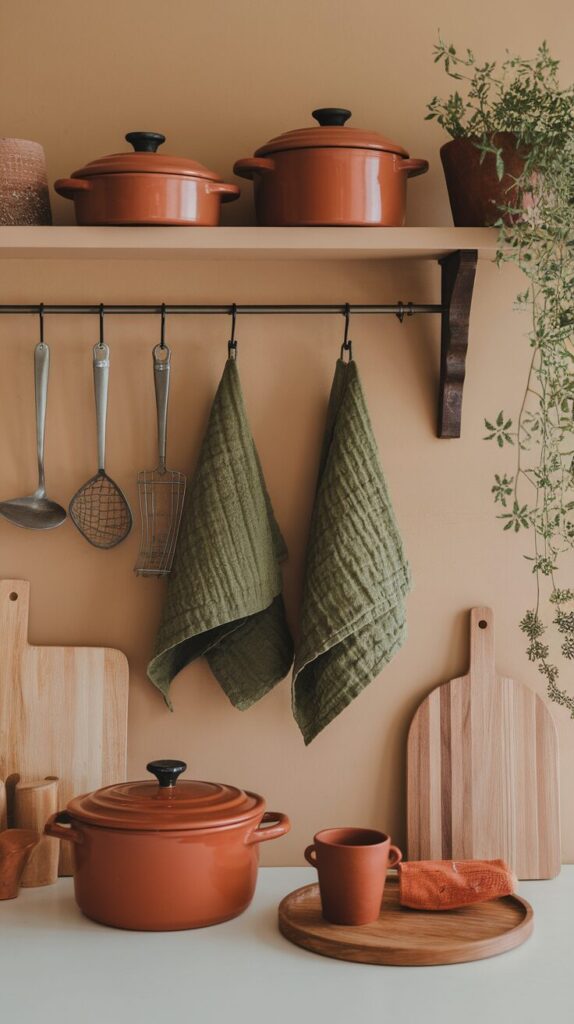
Use Terracotta, Olive, or Rust
Earthy accents create a grounded, welcoming feel. I sprinkle terracotta planters, olive green towels, or rust colored accessories throughout the kitchen. These colors feel natural and calming.
Earth tones also pair beautifully with wood and neutrals. They create warmth without overwhelming the space. Ever notice how nature inspired colors never feel dated?
Keep Accents Consistent
I stick to two or three accent colors to avoid chaos. Consistency keeps the kitchen calm and cohesive. Random colors fight each other and ruin the mood.
7. Plants That Add Life and Freshness
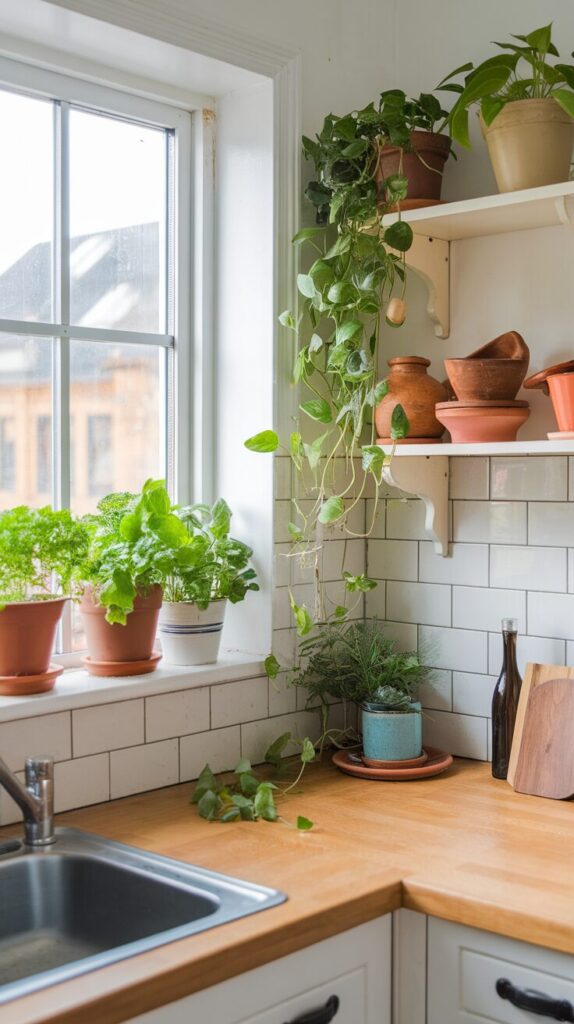
Choose Easy Care Greenery
Plants breathe life into kitchens, literally and visually. I choose low maintenance plants like pothos, herbs, or snake plants. They thrive in kitchen conditions without drama.
Fresh herbs add function and beauty. Cooking feels more joyful when you snip basil straight from the counter. Who doesn’t love that small luxury?
Use Warm Planters
I avoid stark white planters and lean toward ceramic, clay, or woven baskets. These materials reinforce warmth and texture. The plant looks intentional instead of floating awkwardly.
8. Inviting Backsplashes with Texture
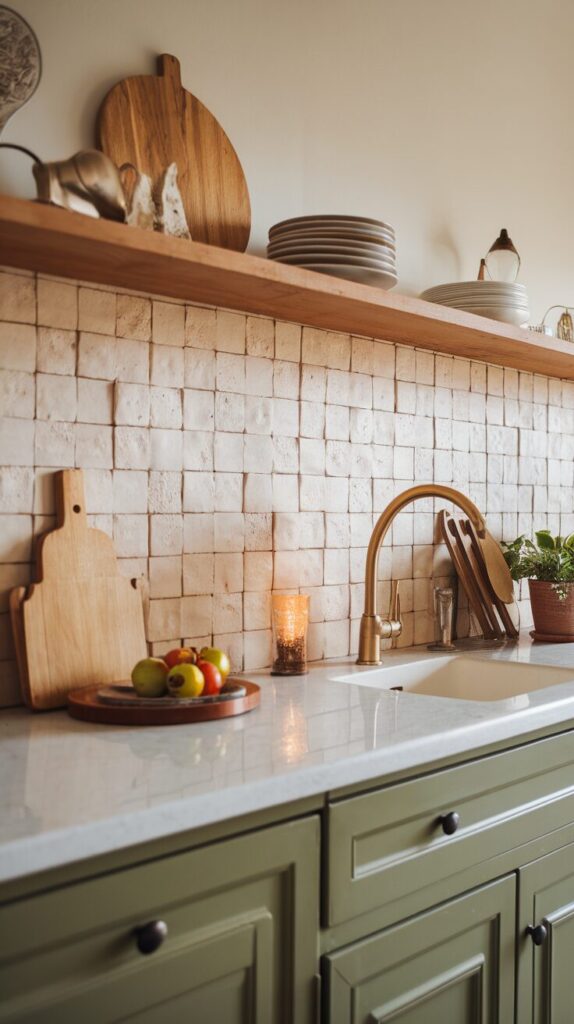
Go Beyond Plain Tile
Textured backsplashes add subtle interest. I love handmade look tiles, zellige styles, or simple subway tile with warm grout. Texture adds depth without screaming for attention.
Warm grout tones soften the overall look. Bright white grout often feels too clinical. Why choose sterile when cozy exists?
Extend Backsplash for Visual Flow
I sometimes extend backsplash up to shelves or the ceiling. This move creates continuity and elegance. The kitchen feels taller and more intentional.
9. Personal Artwork and Meaningful Decor
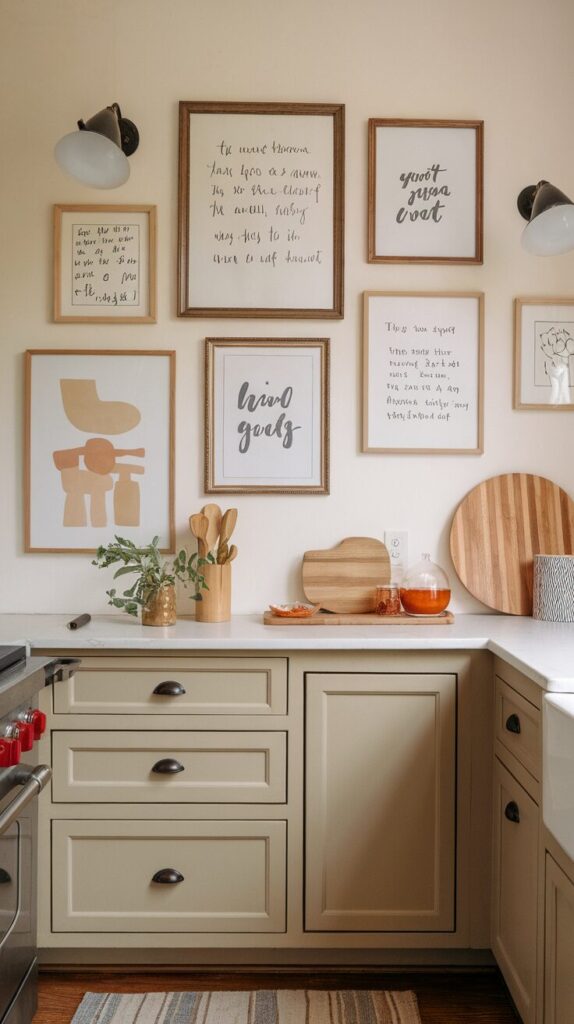
Display What Makes You Smile
I hang small art pieces or framed recipes that mean something to me. These personal touches make kitchens feel human and warm. Generic decor never hits the same way.
Artwork also breaks up cabinets visually. The kitchen feels more like part of the home, not just a workspace. Ever noticed how personal items spark conversations?
Keep It Subtle and Thoughtful
I avoid overcrowding walls. One or two meaningful pieces beat a cluttered gallery. Warmth comes from intention, not excess.
10. Warm Metal Finishes That Glow Softly
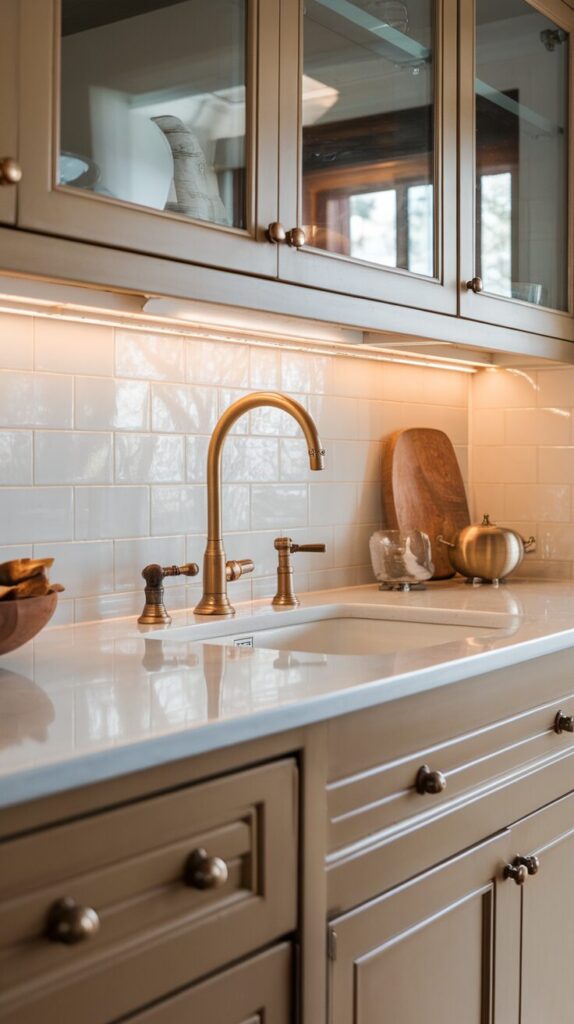
Choose Brass, Bronze, or Copper
Warm metals add instant charm. I prefer brass or bronze hardware because they reflect light softly. Chrome often feels cold and harsh in comparison.
Warm metals age beautifully. Little patinas tell stories instead of screaming for polishing. Isn’t that the kind of charm we want?
Mix Metals Carefully
I mix metals, but I keep them warm and cohesive. Too many finishes create confusion. Harmony always wins.
11. Comfortable Seating That Invites Lingering
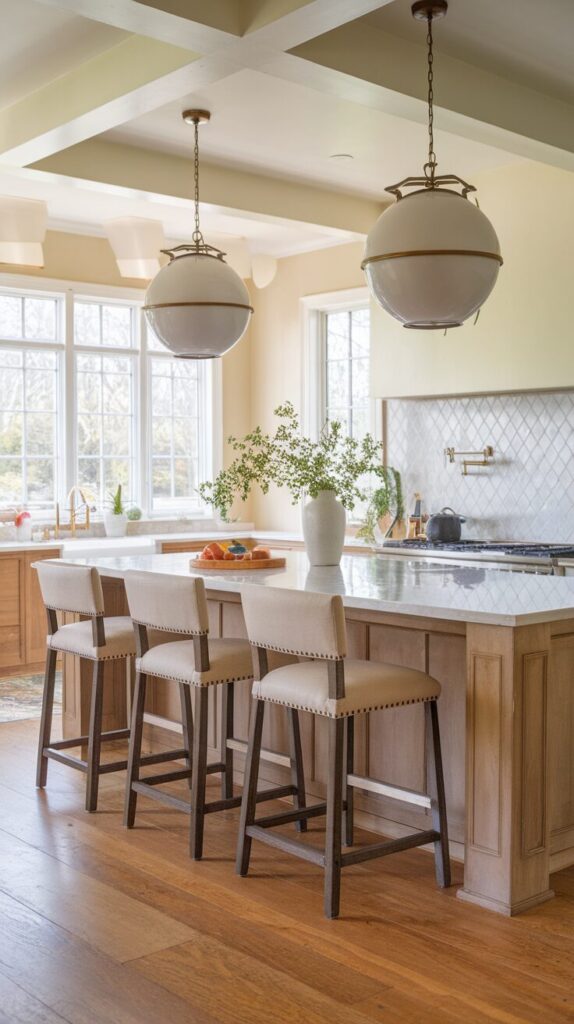
Add Cushioned Stools or Chairs
Hard stools discourage hanging out. I choose cushioned bar stools or chairs with backs. Comfort invites people to stay longer.
When friends linger in the kitchen, you know you did something right. The space becomes social, not just functional.
Use Warm Fabrics
I choose leather, fabric, or woven seats instead of cold plastic. These materials feel welcoming and lived in. Comfort always beats trendy discomfort.
12. Thoughtful Storage That Reduces Visual Stress
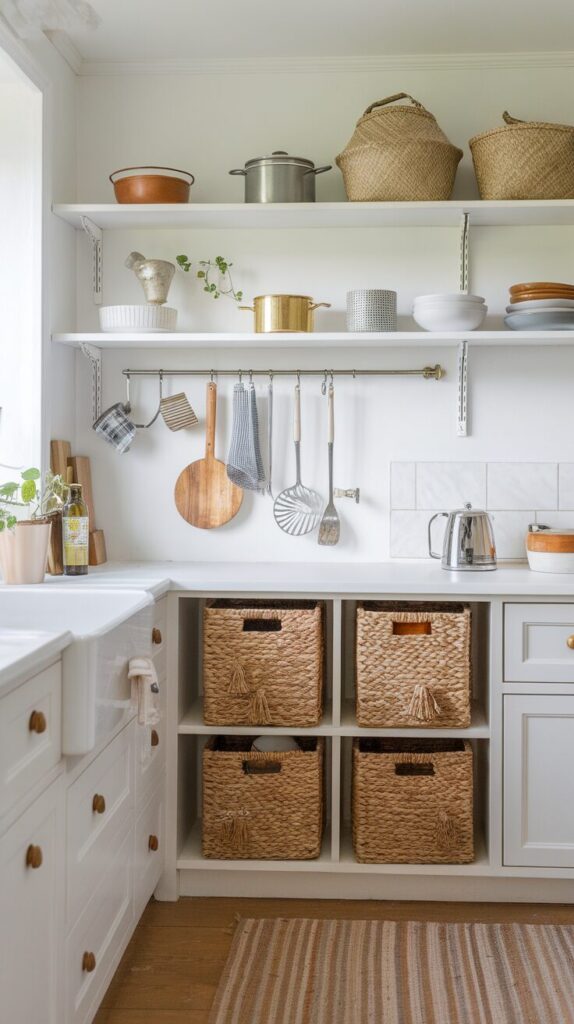
Hide the Chaos
Clutter kills warmth instantly. I use baskets, bins, and closed storage to hide mess. Calm spaces feel warmer by default.
A tidy kitchen supports relaxed cooking. You focus on food and people, not visual noise. Who enjoys chaos when cooking?
Use Natural Storage Materials
I prefer wood, wicker, or fabric storage. These materials reinforce warmth and texture. Plastic bins rarely feel cozy.
13. Warm Wall Colors That Embrace the Room
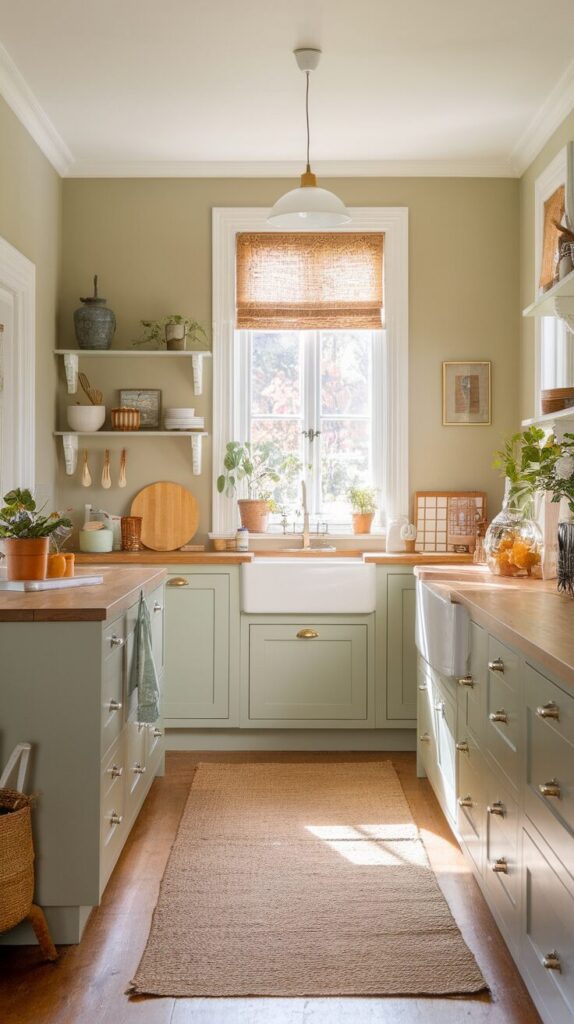
Choose Soft, Warm Paint Shades
I lean toward warm whites, muted taupes, or gentle sage. These shades hug the room instead of pushing it away. Color affects mood more than people realize.
Warm walls reflect light gently. The kitchen feels softer throughout the day. Ever feel drained in cold toned spaces?
Test Paint in Different Light
I always test samples in morning and evening light. Colors shift dramatically. Patience saves regret later.
14. Inviting Countertop Styling That Feels Effortless
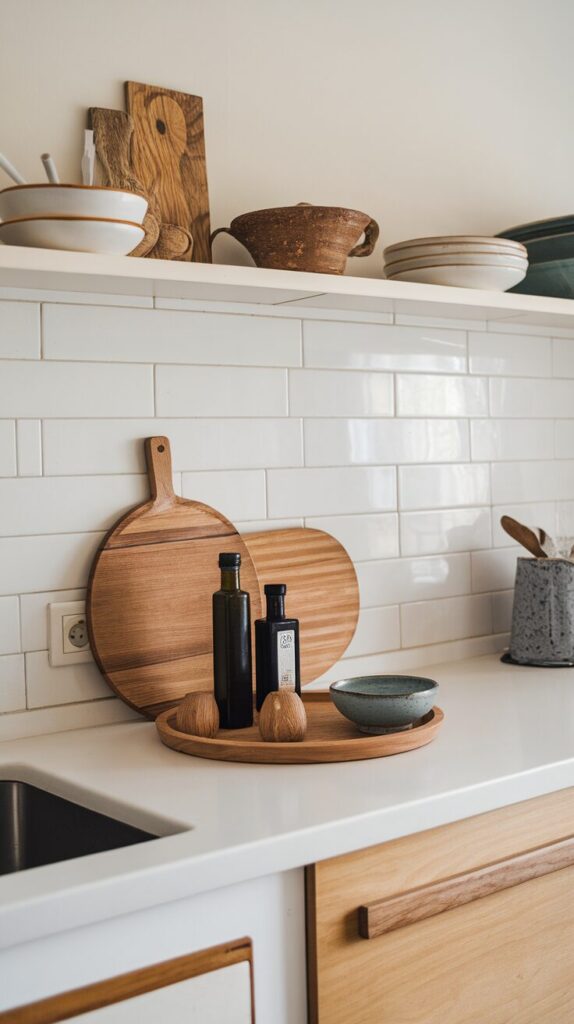
Style with Function in Mind
I style counters with items I actually use. A wooden tray, olive oil bottle, and salt cellar add charm without clutter. Function keeps styling honest.
Over styled counters feel fake. Warm kitchens feel real and usable. Why fake it?
Keep Breathing Room
I leave space on counters for cooking. Balance matters. Crowded counters stress everyone out.
15. Scents and Sounds That Complete the Atmosphere
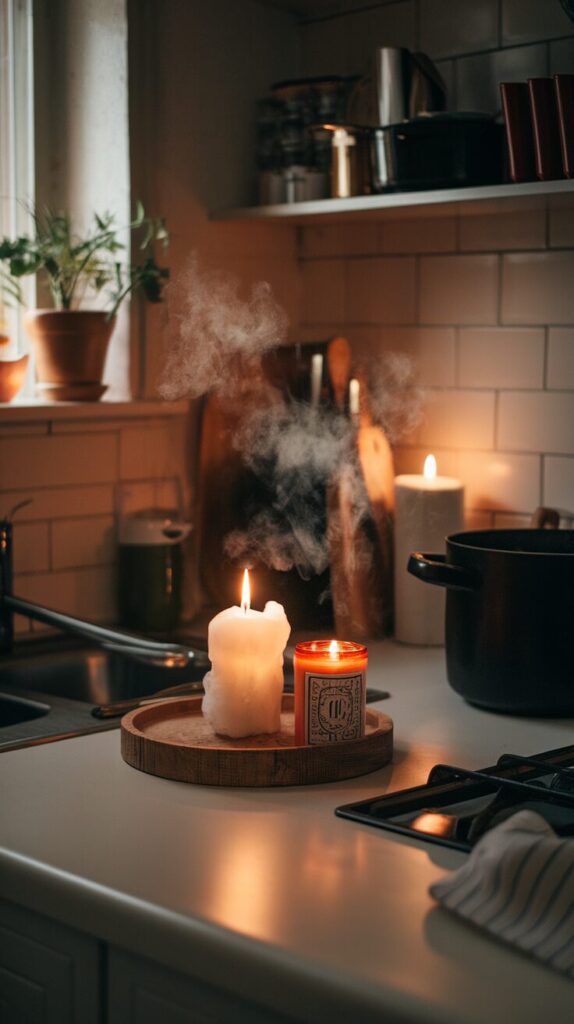
Use Warm, Familiar Scents
I light candles with vanilla, citrus, or spice notes. These scents feel comforting and familiar. Smell plays a huge role in how spaces feel.
I avoid overpowering fragrances. Subtle warmth always works better. Ever walked into a space that smelled like a headache?
Add Soft Background Sounds
I play soft music or let natural kitchen sounds flow. Clinking dishes and gentle music add life. Silence often feels cold.
The Warm Kitchen Design Foundation Framework
If you want a warm, inviting kitchen that actually works long term, you need a clear foundation. I never start with random decor shopping because that approach drains money and creates clutter fast. I follow a simple strategy that keeps every decision intentional and cohesive.
Step 1: Define the Emotional Goal
Before choosing colors or hardware, define how you want the kitchen to feel. Do you want it to feel cozy and intimate, bright and welcoming, or earthy and grounded? When you clarify the emotional goal first, every decor decision becomes easier and more consistent.
Write down three words that describe your ideal kitchen atmosphere. Use those words as a filter before buying anything new. If a piece does not support those words, skip it.
Step 2: Build Around Permanent Elements
Cabinets, flooring, and countertops shape the entire mood of a kitchen. I always evaluate these fixed features first and design around them instead of fighting them. This approach saves money and avoids unnecessary renovations.
Focus on working with what you already have. You can dramatically increase warmth with lighting, hardware, textiles, and styling without replacing major components.
Step 3: Layer Instead of Overhaul
Warm kitchens come from layering textures and tones over time. I rarely change everything at once because that often feels forced and expensive. Instead, I build warmth gradually through lighting updates, wood accents, textiles, and personal decor.
Layering creates depth. Depth creates comfort. Comfort creates the inviting atmosphere everyone wants.
Step 4: Prioritize Function Before Aesthetics
A warm kitchen must work well. If storage frustrates you or counters stay cluttered, no decor can fix that stress. I always optimize organization first, then style around it.
Function supports beauty. When your kitchen flows smoothly, the space automatically feels more relaxed and welcoming.
Design Principles That Elevate Warm Kitchen Decor
Balance Visual Weight
Every kitchen needs balance. If you use dark cabinets, lighten the backsplash or walls. If you install open shelving, ground it with solid lower cabinetry.
Balance keeps the space feeling stable and intentional. Without it, even beautiful elements feel chaotic.
Mix Textures for Depth
Warmth thrives on texture. Combine smooth stone, warm wood, soft textiles, and subtle metal finishes to create dimension. When everything feels flat and glossy, the kitchen loses personality.
Texture encourages the eye to explore. Exploration keeps the room interesting without overwhelming it.
Use Lighting as a Design Tool
Lighting does more than brighten a space. It shapes mood, highlights textures, and softens hard edges. I always treat lighting as a primary design feature, not an afterthought.
Under-cabinet lights, pendant fixtures, and warm bulbs transform the kitchen atmosphere instantly.
Common Mistakes to Avoid
Even the best kitchen decor ideas can fail if you overlook common pitfalls. I have made a few of these mistakes myself, so trust me when I say they matter.
- Using only cool white lighting, which creates a clinical and cold environment.
- Overcrowding open shelves, which turns charm into clutter.
- Choosing too many accent colors, which disrupts cohesion.
- Ignoring storage solutions, which leads to constant visual chaos.
- Mixing conflicting wood tones, which creates subtle visual tension.
- Following trends blindly, instead of designing around your lifestyle.
Avoiding these mistakes protects your investment and keeps the kitchen feeling intentional rather than accidental.
Budget Planning for a Warm Kitchen Refresh
You do not need a full remodel to create a warm, inviting kitchen. I always recommend starting with small upgrades that deliver noticeable impact.
High Impact, Low Cost Upgrades
- Swap hardware for brass or bronze finishes.
- Replace cool light bulbs with warm white bulbs.
- Add a washable runner rug.
- Introduce wood accessories and cutting boards.
- Style countertops with a functional decorative tray.
These simple changes dramatically increase warmth without draining your budget.
Medium Investment Improvements
- Install under-cabinet lighting.
- Add open wood shelving.
- Update bar stools or seating.
- Repaint walls in a warm neutral shade.
Strategic upgrades create layered warmth without unnecessary renovation stress.
How to Maintain a Warm and Inviting Kitchen Long Term
Creating warmth once is easy. Maintaining it requires consistency.
Declutter Regularly
Visual calm equals emotional calm. I clear unnecessary items weekly to maintain breathing space on counters and shelves.
Clutter builds slowly, so regular resets protect the inviting atmosphere.
Rotate Seasonal Accents
I switch small accessories seasonally to keep the space fresh. Fall might bring deeper rust tones, while spring introduces lighter greens.
This habit prevents the kitchen from feeling stagnant while maintaining overall cohesion.
Clean and Care for Materials
Wood, metal, and textiles need proper care. I clean and condition surfaces regularly to preserve their warmth and beauty.
Well-maintained materials always look richer and more intentional.
Frequently Asked Questions
How do I make a small kitchen feel warm and inviting?
Focus on warm lighting, natural wood accents, and soft textiles. Keep clutter minimal and choose a cohesive color palette. Even small kitchens feel cozy when textures and tones work together.
What colors make a kitchen feel warmer?
Creams, soft beiges, muted taupes, sage greens, terracotta, and warm whites create inviting atmospheres. Avoid overly cool grays or stark whites if you want warmth.
Can I create a warm kitchen without remodeling?
Yes, absolutely. Update lighting, add wood accents, introduce textiles, and style counters intentionally. Small, strategic upgrades often make a bigger impact than major renovations.
Are open shelves practical for everyday kitchens?
Yes, if you keep them curated and organized. Display everyday dishes and rotate decor occasionally to prevent clutter.
What lighting temperature works best for a cozy kitchen?
Warm white bulbs between 2700K and 3000K create the most inviting glow. Cooler temperatures often feel sterile and harsh.
How do I mix metals without making the kitchen look messy?
Stick to warm toned metals like brass, bronze, or copper. Limit the number of finishes and distribute them evenly throughout the space for balance.
Final Thoughts
Warm kitchens don’t happen by chasing perfection, they happen by embracing comfort, personality, and intention. When you layer warm colors, natural textures, soft lighting, and personal touches, the kitchen starts working for you instead of against you.
I always say the best kitchens feel like a hug, not a showroom, so trust your instincts and create a space that invites people in and makes you want to stay.